

ca’enne puts mountain-region Italian cooking into a low-capacity Chino format, with wood fire, wine and local sourcing doing more of the work than ceremony. Its Tabelog Award Bronze recognition from 2023 through 2026 and Tabelog Italian EAST 100 selections in 2023 and 2025 place it in the serious destination-dining tier for Nagano rather than the casual resort-table bracket.
Pearl is the En Primeur Club membership app — saves, bookings, and concierge access live there. Same editors, same standards.
- Address
- Japan, 〒391-0213 Nagano, Chino, Toyohira, 字東嶽10222-25
- Phone
- +81 50-3159-5561
- Website
- caenne.com
- Directions
- Get directions
 Saves & bookings on Pearl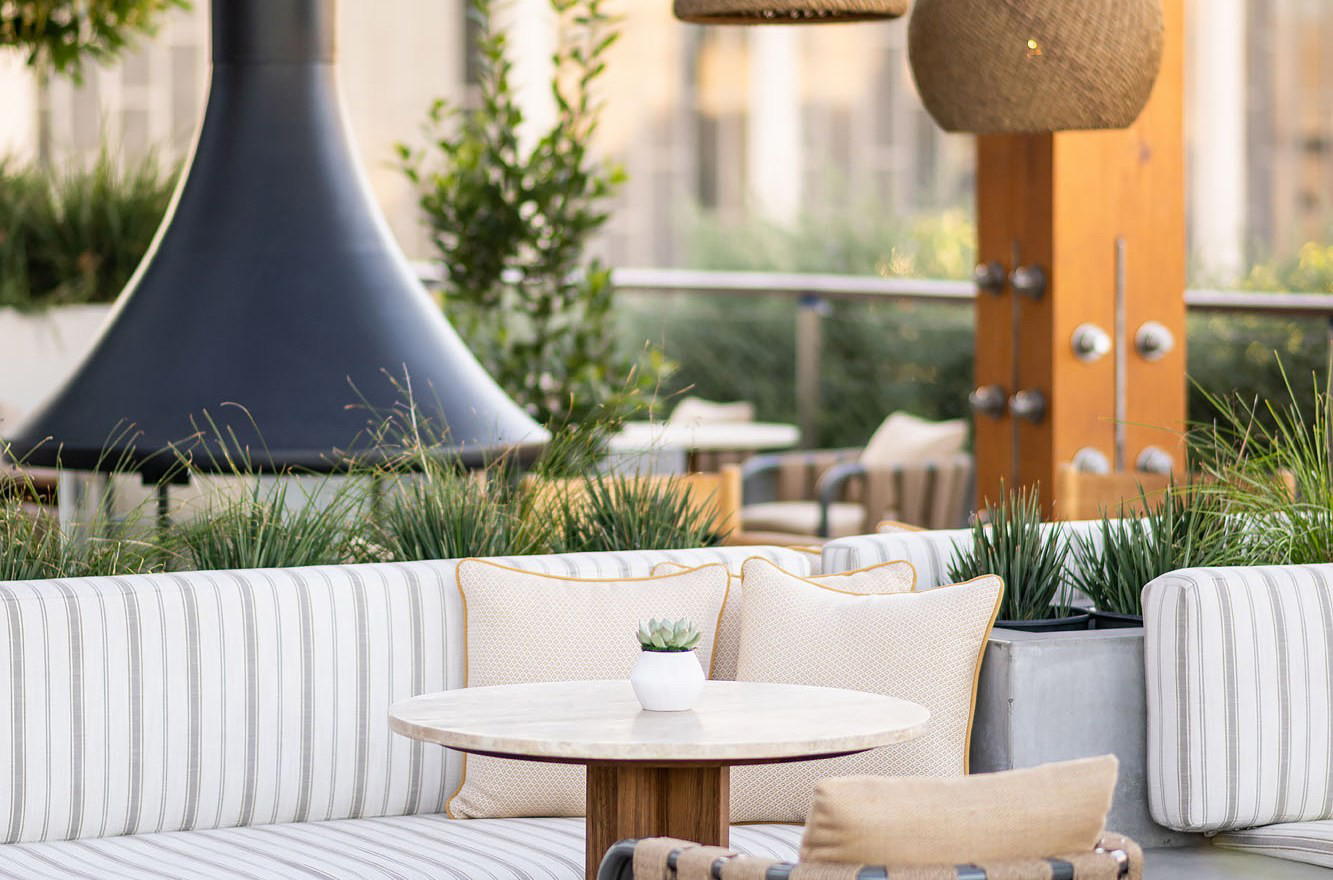
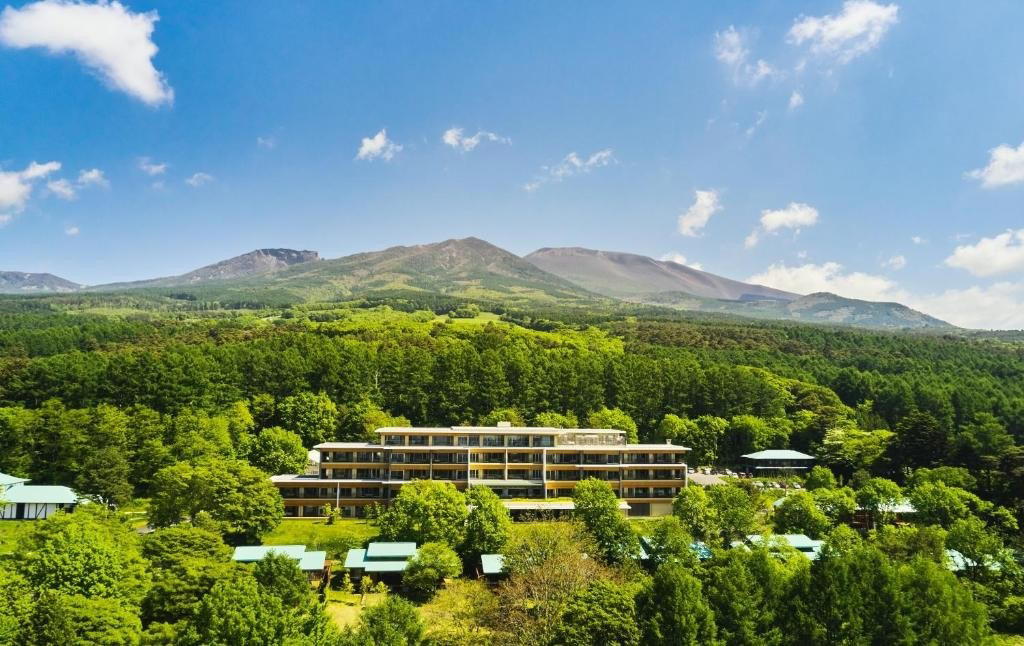
The road into Chino changes dinner before the first plate arrives. This is not the polished hotel-Italian model common in resort towns, nor the urban counter format built around spectacle. ca’enne belongs to a smaller Nagano category: destination restaurants where the mountains are not scenery alone, but part of the sourcing logic. In the Yatsugatake area, altitude, cold nights and agricultural proximity give Italian cooking a grammar unlike Tokyo’s luxury pasta rooms or Karuizawa’s hotel dining circuit.
Regional Italian cooking travels well only when allowed to adapt. In Nagano, the stronger argument is not imported authenticity, but ingredient discipline: vegetables, cured meats, dairy, game and wine service handled through an Italian frame without pretending the restaurant sits in Piemonte or Emilia-Romagna. ca’enne’s public classification as Italian and innovative is useful shorthand; the sharper reading is mountain Italian in Japan, with wood fire and preservation near the centre.
Mountain Italian cooking, judged by sourcing rather than theatre
Japanese Italian dining has several lanes: Tokyo luxury tasting menus built on rare ingredients, tight plating and wine-pairing architecture; trattorias where pasta and grilled meat carry the evening; and, in Nagano, restaurants using Italian technique to make sense of rural produce and cooler-climate appetite. ca’enne fits the third lane, and its recognition confirms the format is being judged beyond local loyalty.
The restaurant’s Tabelog profile puts homemade prosciutto and wood-fired cooking at the centre of its identity. Those details are not decorative. Curing and fire reward patience, fat management and ingredient quality, and suit a mountain setting where preservation and heat have practical as well as culinary history. The result is Italian cooking less as a dish list than a sourcing system: cured, grilled, rested, poured with wine.
The trust signals are unusually strong for a rural, low-capacity restaurant. The restaurant received The Tabelog Award Bronze in 2023, 2024, 2025 and 2026, and was selected for Tabelog Italian EAST 100 in 2023 and 2025. These are not Michelin stars and should not be read as such, but they place the restaurant inside a national conversation about Japanese Italian dining, where Tokyo and metropolitan Kanagawa usually dominate attention. For Nagano, that recognition carries weight because the restaurant is evaluated against a broader eastern-Japan Italian field, not just a local map.
Within the Nagano orbit, the comparison is instructive. Fogliolina della Porta Fortuna (Italian) is another marker for Italian dining in the prefecture, while Bleston Court Yukawatan points toward the polished resort-restaurant end. The restaurant sits closer to the ingredient-led house-restaurant model than hotel formality, which is why it rewards travellers who plan meals around place rather than convenience.
An eight-seat house restaurant changes the pace of dinner
Scale shapes the meal. The room is listed at eight seats, split between counter seating and tables, and that low number changes the rhythm. In a large dining room, Italian cooking can become sequence and volume: antipasti, pasta, main course, dessert, repeat. In a house-restaurant format, the kitchen’s decisions become more visible. The counter matters because fire, slicing, resting and pouring can read as part of the evening without becoming performance.
The setting also explains the dress and mood. Smart casual is the right signal: serious dining without the social armour of a city grand restaurant. Private rooms are not part of the format, the room is non-smoking, and wheelchair access is listed. Those details suggest a controlled but not stiff experience, suitable for diners who understand that a rural restaurant with national recognition runs on precision rather than bustle.
Family meals require a conditional reading. Lunch is the easier fit for children, while dinner requires advance inquiry. That distinction makes sense in an eight-seat room: small service has less margin for improvisation, and the guest mix can shift the atmosphere quickly. For adults travelling through Chino or Tateshina, the better frame is not a generic “special occasion,” but a meal that anchors a mountain day.
Wine is part of the proposition, and that matters in Nagano. The prefecture has become one of Japan’s serious wine regions, with cool-climate vineyards gaining attention for varieties suited to altitude and diurnal shifts. The restaurant’s stated wine focus aligns with that regional story, even when the list is not publicly reduced to a few trophy bottles. Here, wine is not an accessory to Italian food; it is one way Nagano’s agricultural identity reaches the table.
How to place it in a Nagano itinerary
Chino is not a casual add-on to a dense city evening. The restaurant works better within a Nagano itinerary built around Tateshina, Yatsugatake, hot springs, highland drives or a night outside the main urban centres. Travellers comparing prefectural dining options should read the restaurant alongside Aoitou, Chamonix and Chinese Sai Muen (Chinese, Sichuan, Dim sum & Yum cha), not because the cuisines overlap, but because they show how Nagano’s serious dining scene spreads beyond a single downtown cluster.
The takeaway: treat the meal as the centre of the plan, not an afterthought between transit legs. The format is small, the recognition sustained, and the location rewards travellers already moving through the highlands rather than compressing the restaurant into a hurried city schedule. For a broader map, use Our full Nagano restaurants guide, then build the trip through Our full Nagano hotels guide, Our full Nagano bars guide, Our full Nagano wineries guide and Our full Nagano experiences guide.
Readers building a wider Japan dining file can compare how regional specificity changes outside Nagano: -Grilled beef Sukiyaki- KAMAKURA TANUKIAN 鎌倉 たぬき庵 in Kamakura. 鮪と炭火焼き うお炭 秋葉原店 in Tokyo.cafe in Osaka.know in Kumamoto, (Shoku) Vietnam in Kawasaki, [Curry Senmon Ten] Maruyama Kyoju. in Sapporo, Jōdo Saké Bar in Los Angeles and Onigiri Time in Pasadena. The useful comparison is not cuisine-for-cuisine, but how tightly each place links format to location.
How It Stacks Up
Comparable venues by cuisine and price in the same metro.
| Venue | Cuisine | Price | Notes |
|---|---|---|---|
| ca’enne | Wood-Fired Italian | $$$$ | Chino |
| Fogliolina della Porta Fortuna | Award-Winning Italian Fine Dining | $$$$ | Karuizawa-machi |
| Kagaribi | Wood-Fired Italian | $$$ | Minami Karuizawa |
| Yukimoto | Wild Game Kaiseki | $$$$ | Iida |
| Yamasei | Unagi | Not listed | Nagano |
| Chinese Sai Muen | Sichuan Chinese Dim Sum | $$ | Ina |
Recognition history
Dated appearances from independent guides and award organizations, with the underlying list record or original source where available.
Tabelog Bronze #43
Tabelog
Tabelog 100 #82 · No. 82
Tabelog · Tabelog 100 - Italian - EAST - 2025
The Japan Times Destination Restaurants Destination Restaurants Selection #3
The Japan Times Destination Restaurants
Continue exploring
More in Nagano
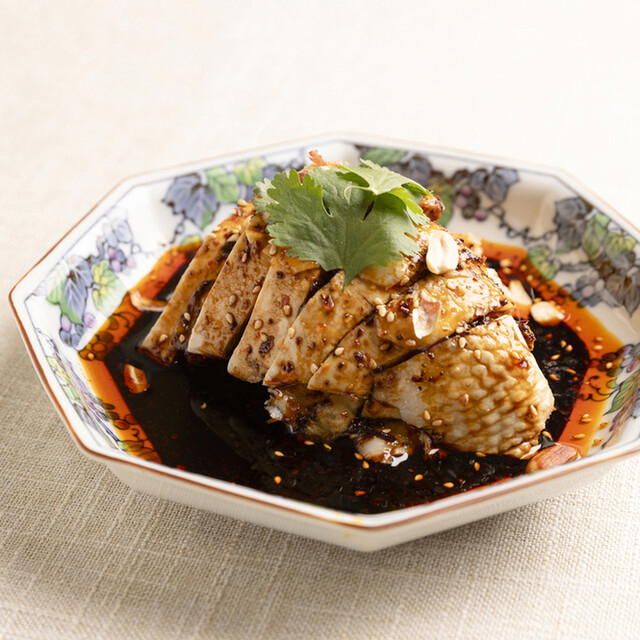
Restaurants in Nagano
Browse all →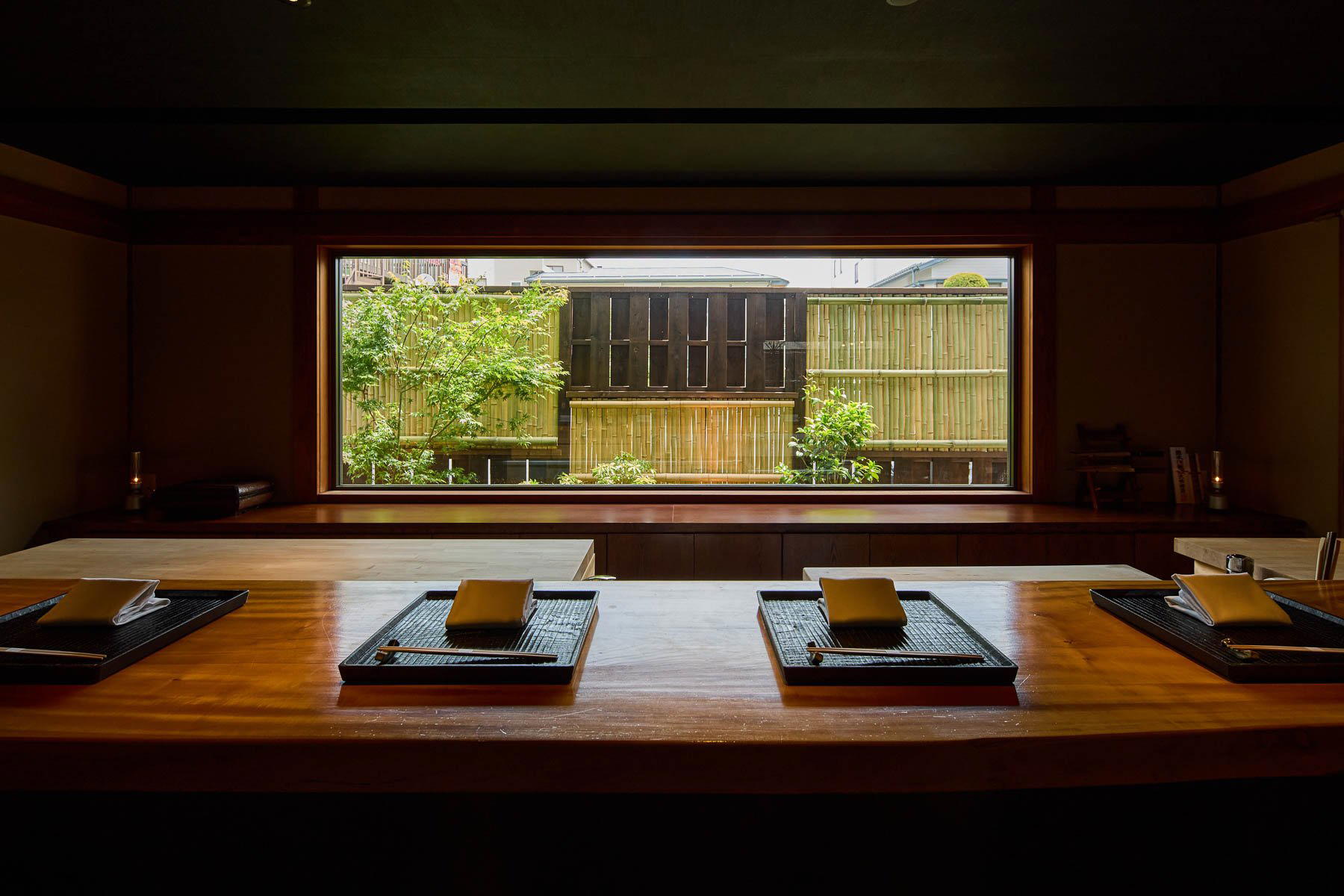
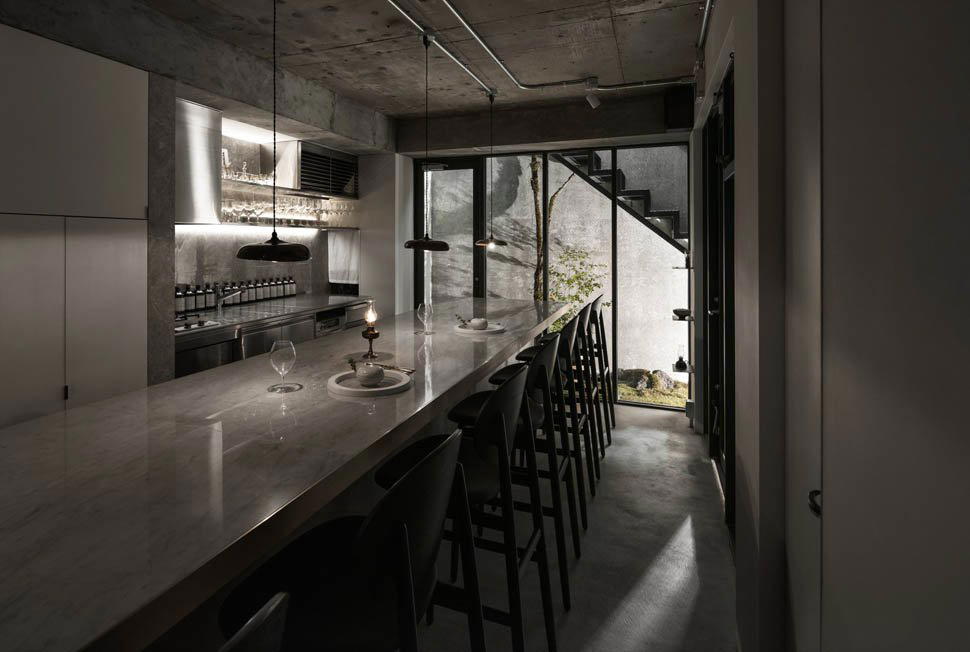
Bars in Nagano
Browse all →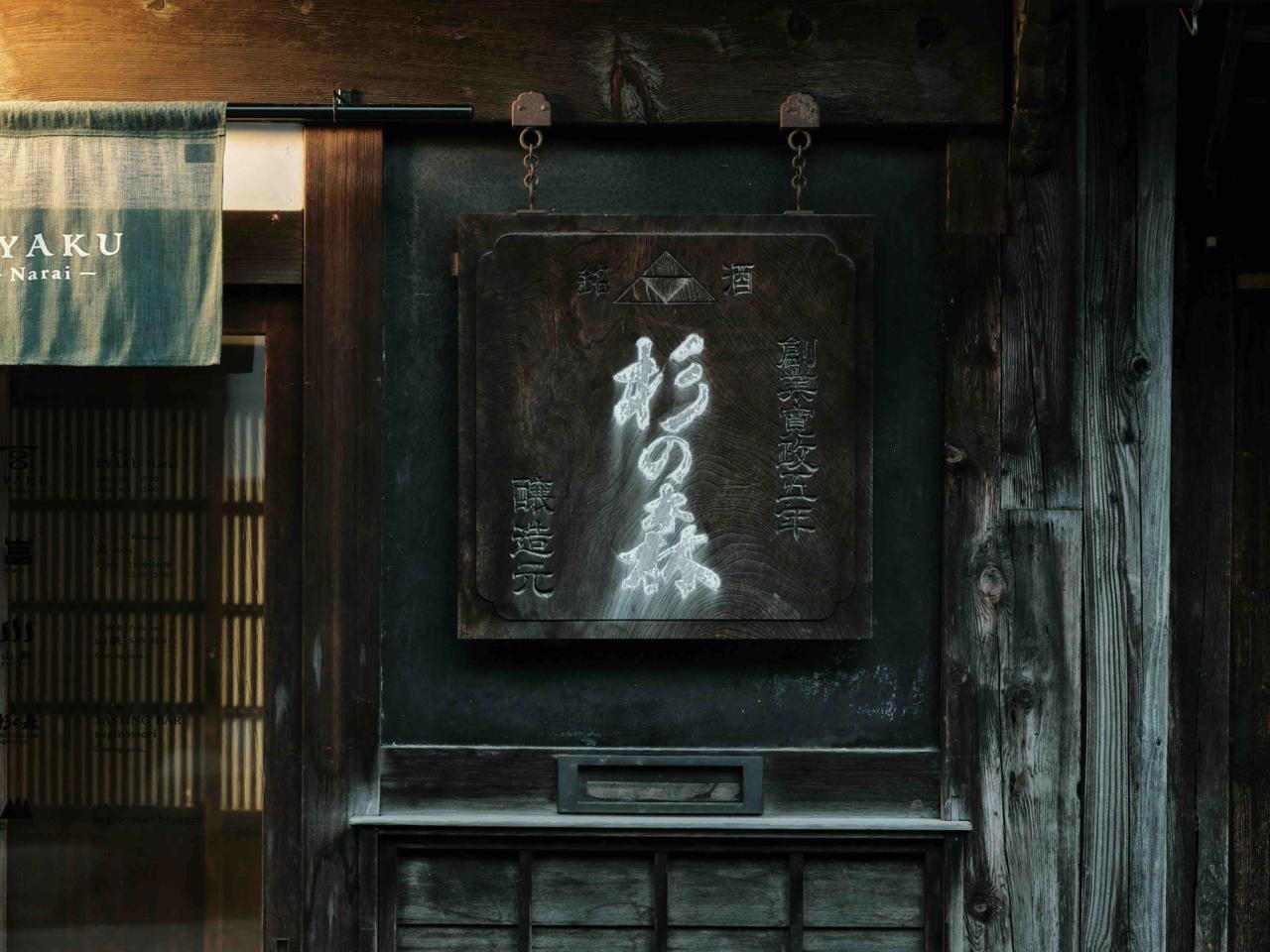
Hotels in Nagano
Browse all →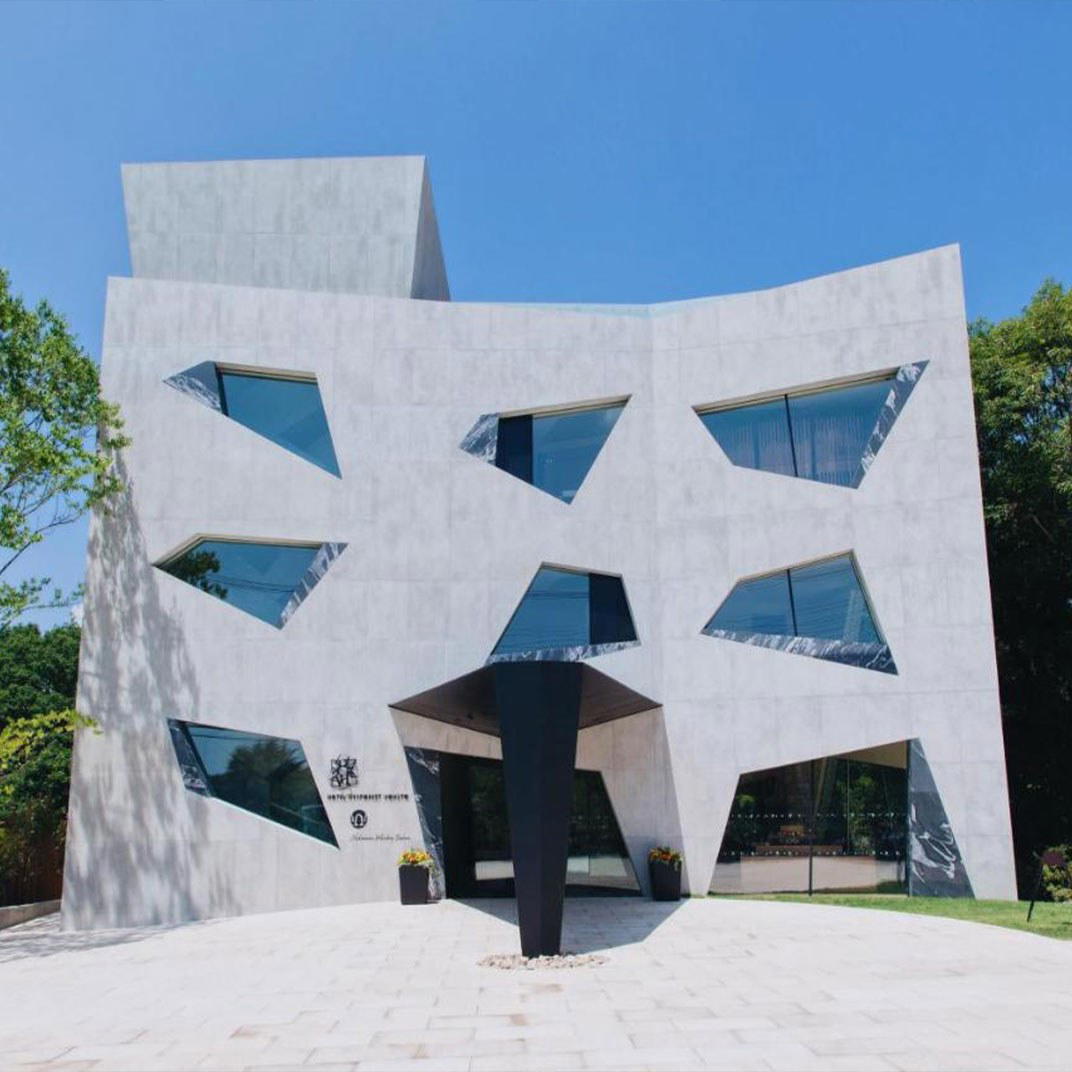

At a Glance
- Scenic
- Elegant
- Intimate
- Sophisticated
- Special Occasion
- Open Kitchen
- Sake Program
- Local Sourcing
- Mountain
Current opening hours
- Monday
- 12–2:30 PM, 6–10 PM
- Tuesday
- 12–2:30 PM, 6–10 PM
- Wednesday
- 12–2:30 PM, 6–10 PM
- Thursday
- Closed
- Friday
- 12–2:30 PM, 6–10 PM
- Saturday
- 12–2:30 PM, 6–10 PM
- Sunday
- 12–2:30 PM, 6–9:30 PM
Hours can change for holidays and private events. Last verified .
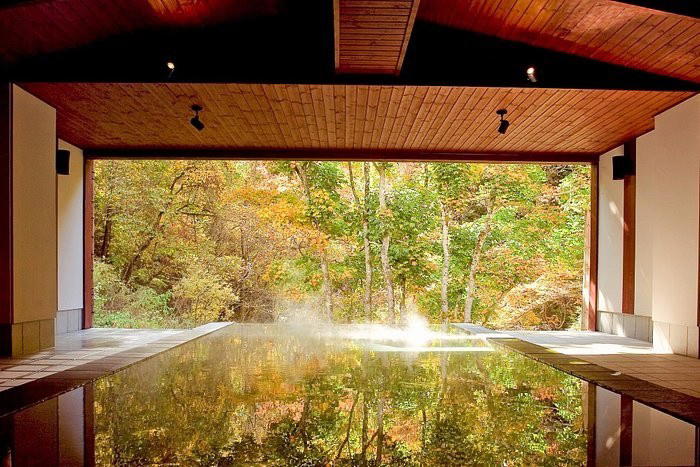
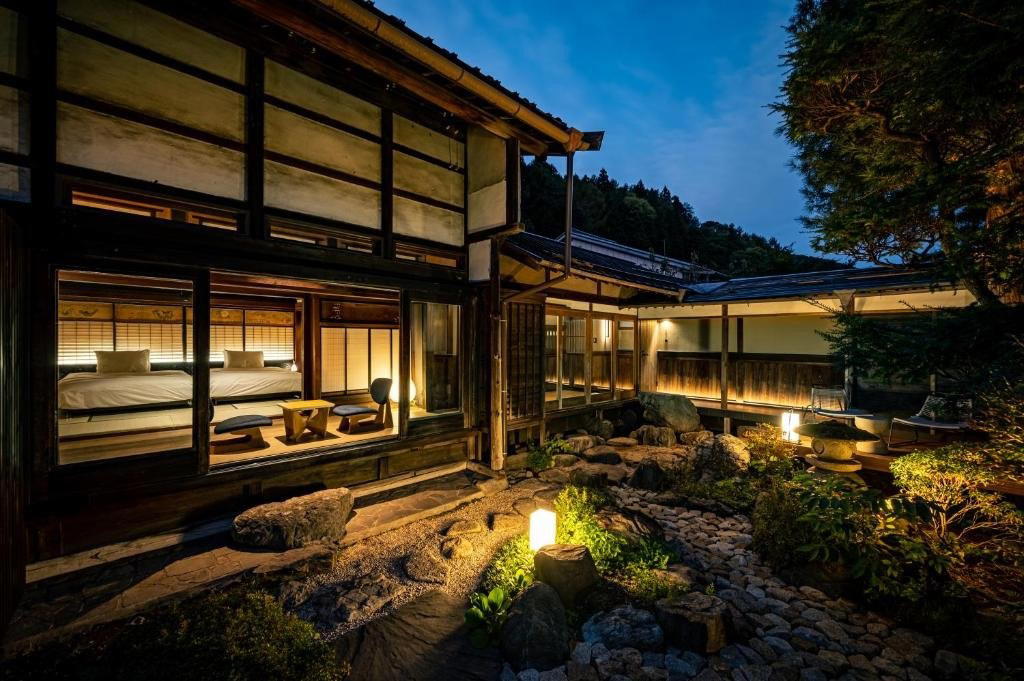
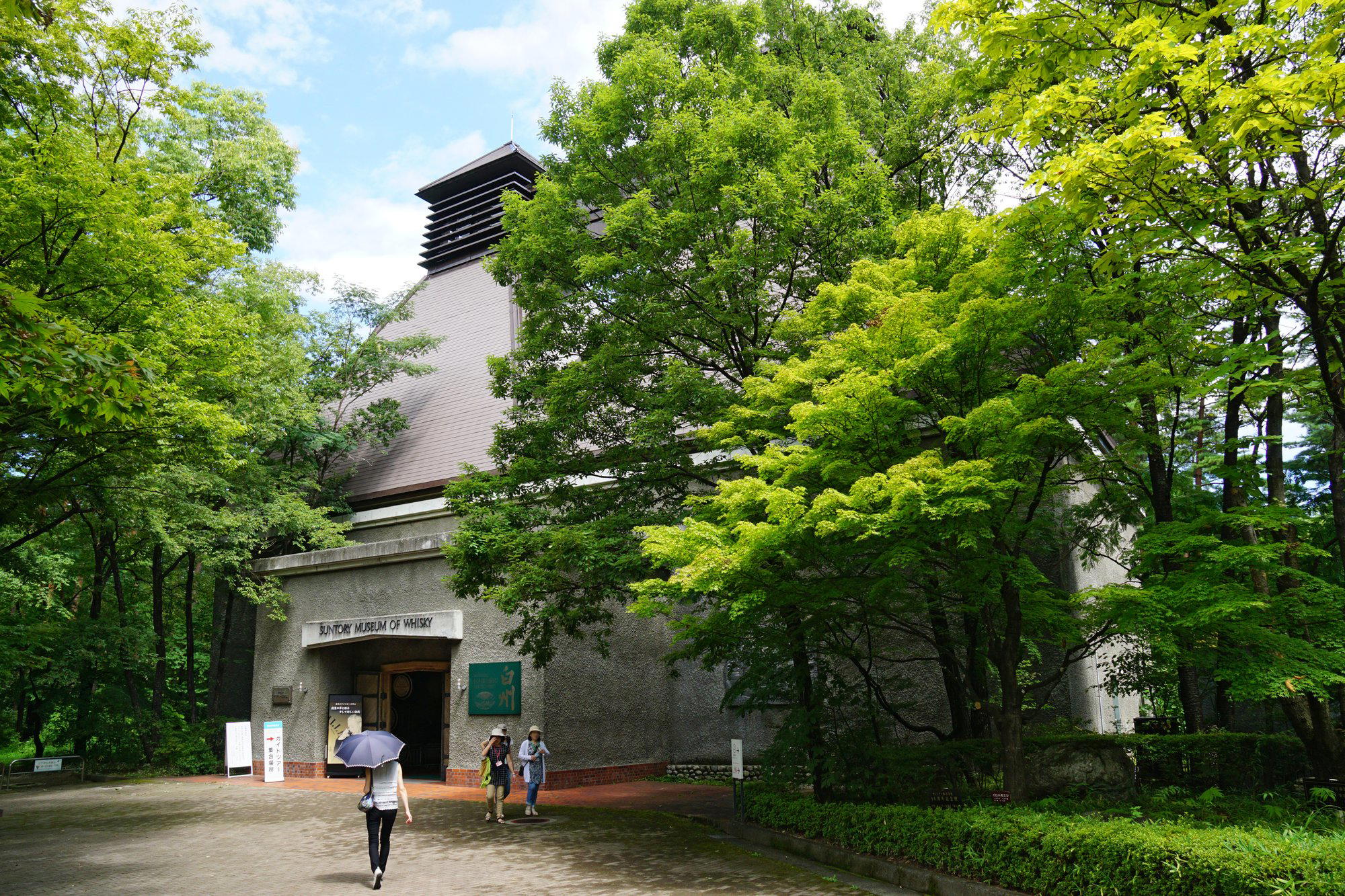
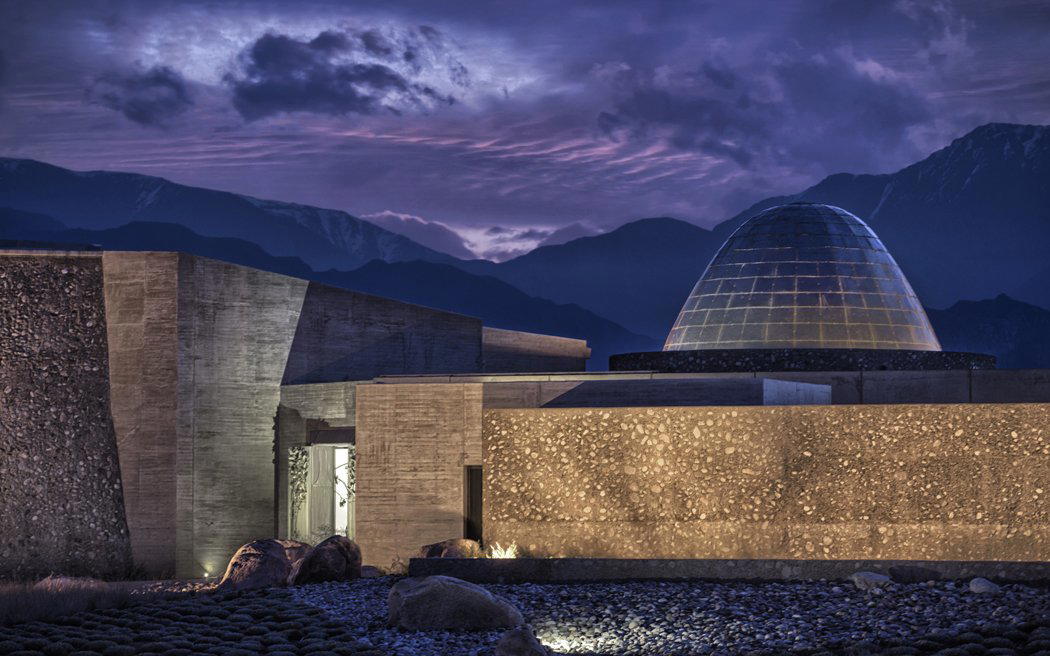
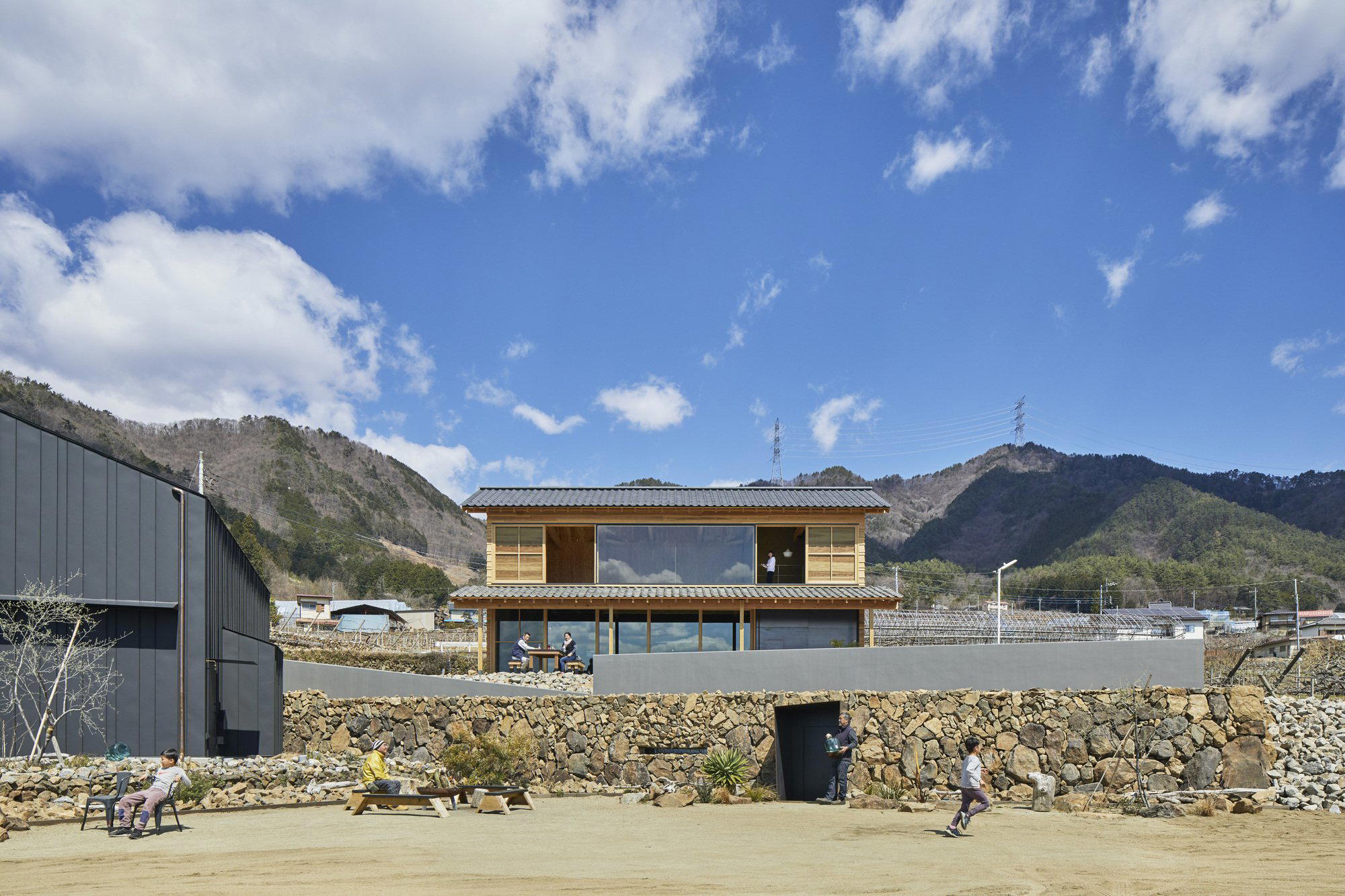
Intimate mountain-forest setting with relaxing, elegant atmosphere focused on the open wood-fired kitchen.