Our verdict
オーベルジュ・エスポワール sits in Chino, Nagano, where the Yatsugatake highlands and Suwa Basin define both the terrain and the table. The auberge format, rare in Japan's interior mountain prefectures, places overnight stays and sourcing-led cooking under one roof, making the address as much about provenance as hospitality. For travellers willing to leave the Shinkansen corridors, it represents a different register of Japanese dining entirely.

Pearl is the En Primeur Club membership app, where members save venues, book tables and use the concierge.
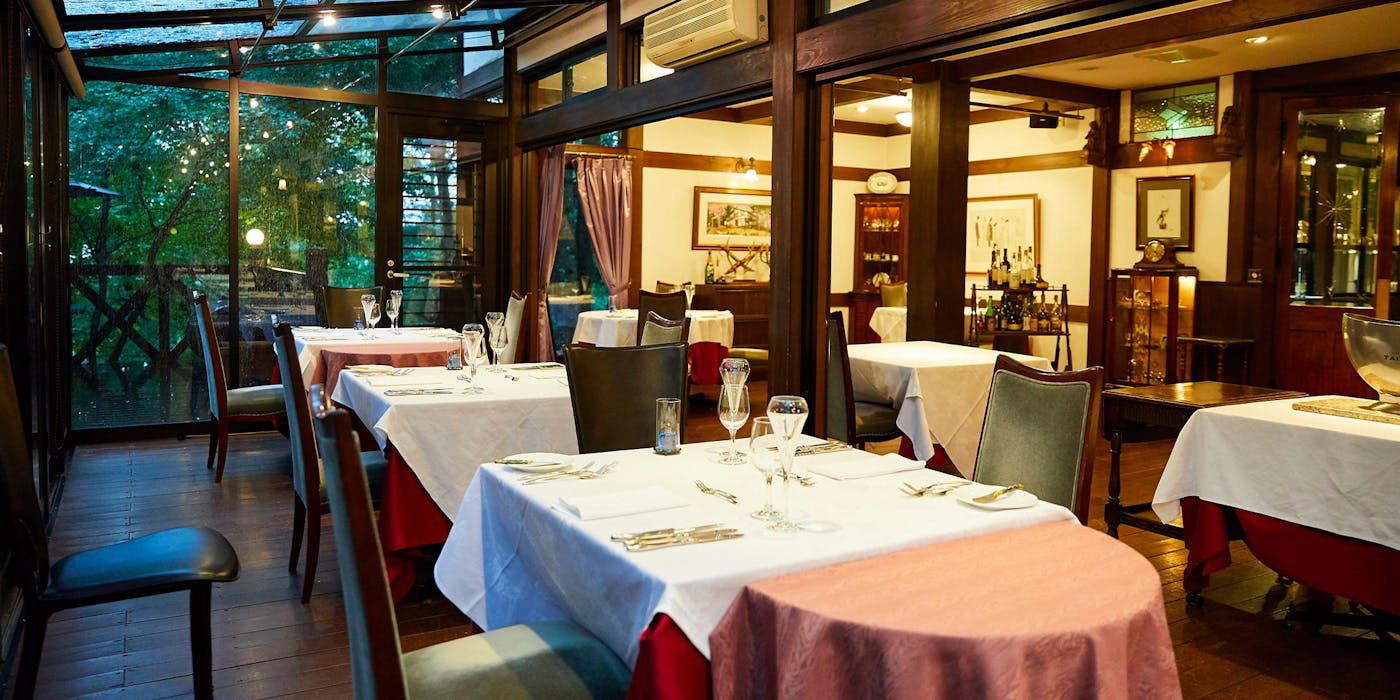
Highland Nagano and the Auberge Tradition
Japan's auberge culture occupies a specific and underappreciated position in the country's dining geography. While the country's most-discussed restaurants cluster in Tokyo, Kyoto, and Osaka, places like HAJIME in Osaka, Harutaka in Tokyo, and Gion Sasaki in Kyoto, a quieter category of destination dining has taken root in Japan's mountain prefectures. The logic is borrowed from the French model: a kitchen that can only be reached by staying overnight, where the surrounding terrain is both setting and supply chain. Nagano, with its altitude-cooled growing conditions and deep tradition of mountain vegetables, fungi, and freshwater fish, is well suited to this format.
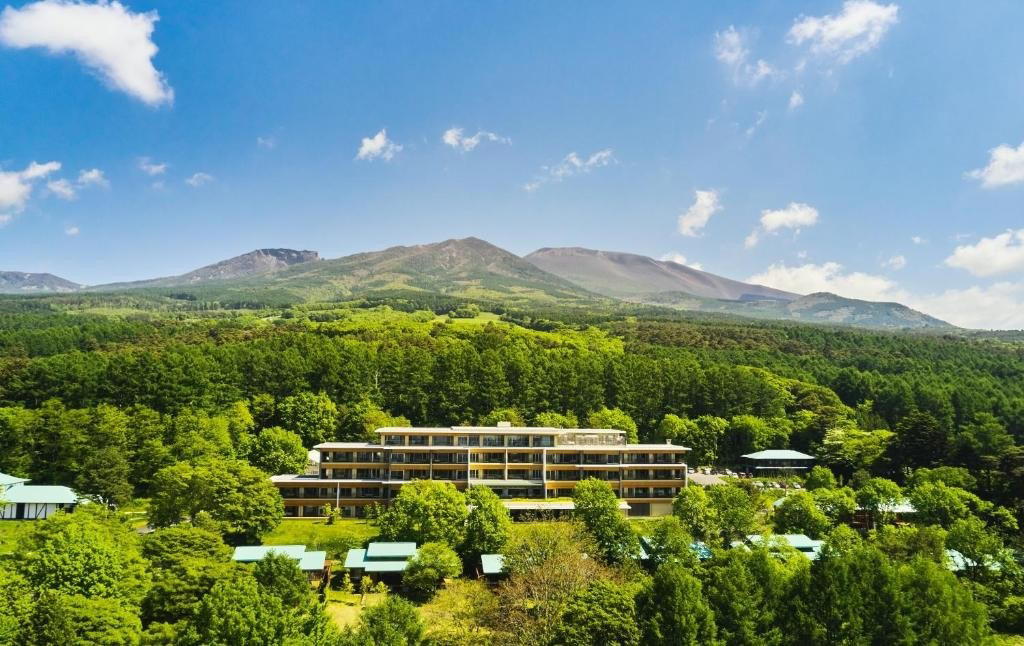
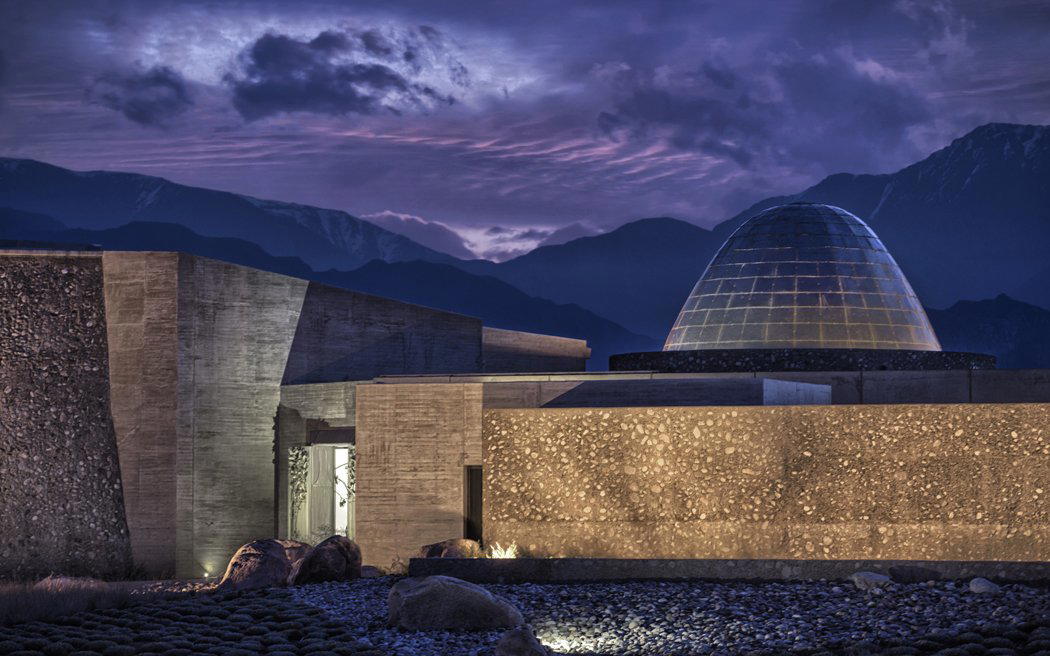
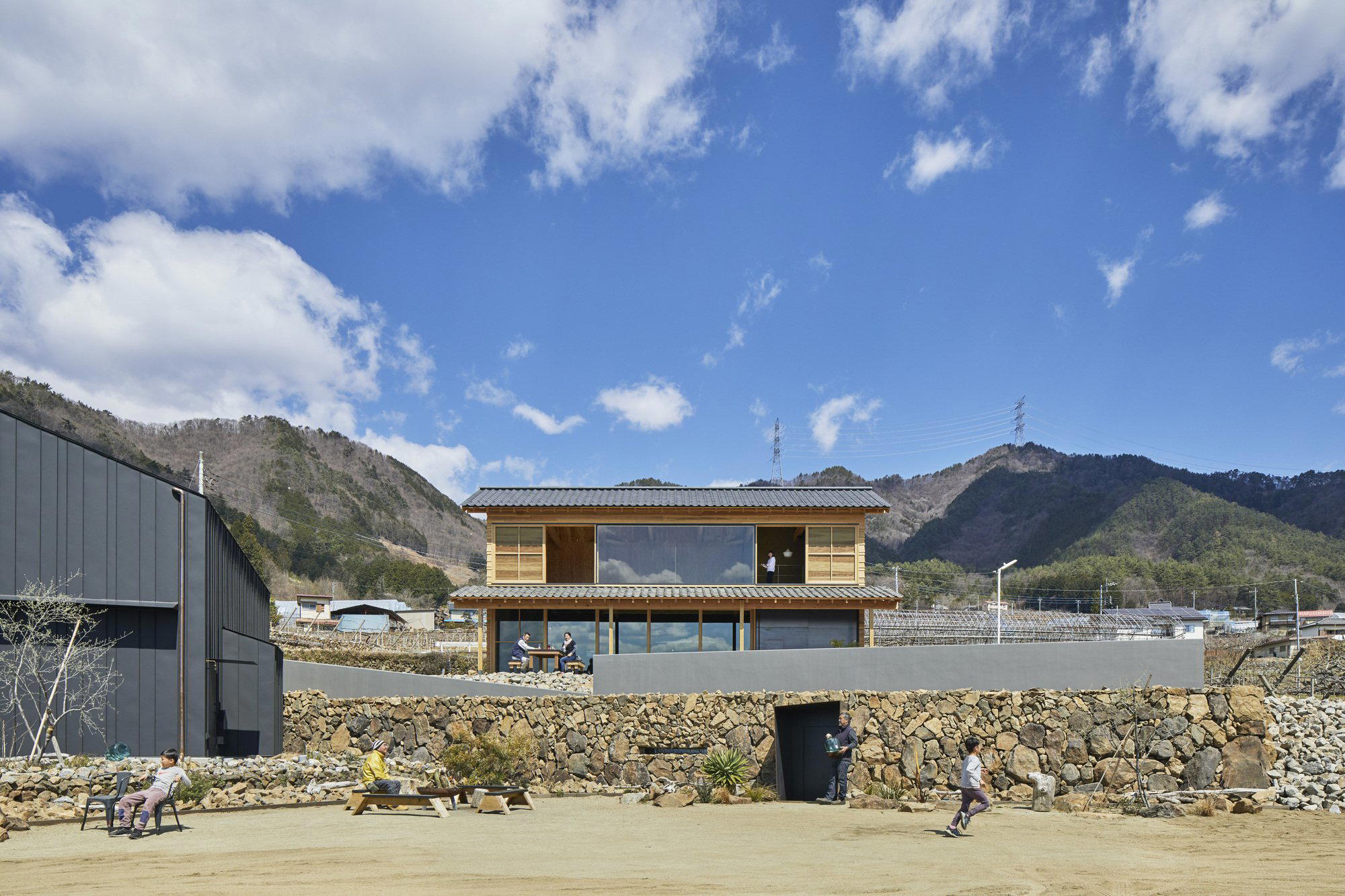
オーベルジュ・エスポワール (Auberge Espoir) sits at the edge of the Yatsugatake volcanic range in Chino, a city that occupies the northeastern shoulder of the Suwa Basin. The address, 5513-142 Kitayama, places it in a rural fringe that requires deliberate effort to reach. That effort is the point. Guests who arrive by car from Chino Station or down from the plateau roads encounter an environment where the sourcing decisions a kitchen makes are shaped directly by elevation, season, and proximity to specific producers. The French word in the name signals the culinary register; the Nagano coordinates explain the ingredient base.
What the Yatsugatake Region Puts on the Table
The broader Yatsugatake-Chūshin Kōgen area sits at elevations ranging from around 700 to over 1,000 metres, producing growing conditions that compress the warm season and intensify flavour in root vegetables, greens, and berries. Nagano Prefecture as a whole has a strong agricultural identity: it ranks among Japan's leading producers of lettuce, celery, and a range of highland-adapted vegetables, and its rivers and lakes, including Lake Suwa, a short distance from Chino, supply freshwater ingredients that rarely appear on urban menus. Mountain mushrooms, wild sansai (foraged greens), and locally raised proteins contribute to a seasonal table that shifts noticeably from early spring through to late autumn. Kitayama, the district where Auberge Espoir sits, occupies a particularly rural pocket of this zone.
For an auberge operating in this geography, the sourcing argument is structural rather than decorative. Unlike an urban French or French-influenced restaurant, such as akordu in Nara or Goh in Fukuoka, both of which navigate urban supply chains, a mountain auberge can draw from growers and foragers within a tight radius. This isn't a claim specific to Auberge Espoir from the available record, but it reflects the structural advantage the format offers and the expectation guests carry to this kind of address. The overnight requirement reinforces it: the kitchen has time to cook at the pace the ingredients demand.
The Auberge Format in Japan's Interior
Japan's auberge category is small relative to its ryokan or city-hotel sectors. The format asks guests to treat the kitchen as the destination and the accommodation as the means of access. This inverts the usual hotel logic, where dining is an amenity attached to rooms. Among Japan's mountain dining destinations, the auberge model has found particular traction in Nagano, Hokkaido, and parts of the Tohoku region, prefectures where seasonal ingredient windows are defined enough to justify a destination-specific journey and where the distance from urban centres filters the guest list toward those with a deliberate interest in the table. Comparable dynamics appear at destinations like 一本杉川島 in Nanao and 湖畔荘 in Takashima, both of which operate in rural or semi-rural Japanese contexts where the surrounding environment is inseparable from the hospitality offer.
Within Chino itself, the restaurant scene is modest by prefecture-capital standards. Centro Basco and カエンネ represent the city's other notable dining addresses. Auberge Espoir operates in a different register from either, defined by its overnight format and the way that format shapes the relationship between kitchen and guest. For a full picture of where it sits in the local context, our full Chino restaurants guide maps the city's dining options across categories and price points.
Placing This Address in Japan's Broader Sourcing Conversation
Japan's most-discussed sourcing-led restaurants typically operate in cities, where chef reputation, critic access, and international press amplify their profiles. The conversation around ingredient provenance at Le Bernardin in New York City or Atomix in New York City, restaurants operating in the densest critical markets in the world, is structurally different from what happens at a rural auberge in highland Nagano, where the validation comes from terrain and proximity rather than awards and columns. Neither is superior as a model; they serve different arguments about where flavour comes from. Other rural-adjacent Japanese addresses, such as 羽根屋 in Nishikawa Machi or bodai in 那智勝浦町, operate on comparable logic: the address itself is an editorial statement about ingredients and distance from the mainstream.
Restaurants operating outside Japan's major dining circuits, including addresses like Bistro Ange in Toyohashi, Birdland in Sakai, and Blue Ocean Steak in Nakagami District, share the characteristic of requiring informed effort to reach. The reward in each case is a dining context that urban concentration cannot replicate.
Planning a Visit
Reaching Chino from Tokyo typically means the Chūō Line Limited Express (あずさ, Azusa) to Chino Station, a journey of roughly two to two-and-a-half hours depending on the service. From Chino Station, Kitayama is most practically reached by car or taxi; the rural fringe of the Yatsugatake foothills is not served by frequent local transit. Guests planning a visit to Auberge Espoir should contact the property directly for current booking and availability details, as the auberge format generally operates on limited capacity and advance reservation is standard for this category. The Yatsugatake area is most productive to visit in late spring through autumn, when the highland growing season is active; winter access requires planning around road and weather conditions at elevation.
Frequently asked questions
Can I bring kids to オーベルジュ・エスポワール?
The auberge format, where an overnight stay is built around a single kitchen's nightly service, tends to attract guests focused on the meal itself rather than family itineraries. Chino sits roughly two to two-and-a-half hours from Tokyo on the Azusa limited express, so the journey alone suggests a deliberate adult-oriented trip. check the venue's official channels to confirm any age or booking policies before planning a visit with children.
What's the overall feel of オーベルジュ・エスポワール?
The address at 5513-142 Kitayama places the inn in the elevated agricultural belt of Nagano's Yatsugatake region, where the surrounding terrain at 700 to over 1,000 metres shapes both the produce and the pace. Japan's auberge category is small, and the format asks guests to treat the kitchen as the primary destination rather than a convenience attached to a room. The feel is quiet and purposeful, closer to a French provincial maison de maître than a resort.
Is オーベルジュ・エスポワール worth the trip from Tokyo as a standalone dining destination?
Japan's sourcing-led restaurants are typically concentrated in cities where critic access and press amplification keep them visible, which means properties like this one in Chino operate outside the usual review circuit despite drawing on one of Nagano's most productive agricultural zones. The Chūō Line Azusa express reaches Chino Station in roughly two to two-and-a-half hours from Shinjuku, making it a feasible overnight excursion rather than a day trip. Guests who make the journey are committing to the auberge premise: the kitchen is the reason to come, and the room is where you stay to make that possible.
What dish is オーベルジュ・エスポワール famous for?
What defines the Yatsugatake auberge tradition more broadly is the use of high-altitude produce, vegetables, dairy, and proteins shaped by compressed growing seasons and cooler temperatures, so the kitchen's output is likely rooted in what the region provides at any given time of year. For current seasonal offerings, reaching the venue directly before arrival is the most reliable approach.
Comparable Spots, Quickly
Comparable venues nearby, for context on price, style, and recognition.
| Venue | Cuisine | Price | Awards | Notes |
|---|---|---|---|---|
| オーベルジュ・エスポワールThis venue (the venue you are viewing) | French Gibier Fine Dining | Not listed | Not listed | Not listed |
| Ca’enne | Wood-Fired Italian | $150–200 | Tabelog Bronze #43 | Toyohira Higashitake |
| Namaste Tateshina ten | North Indian Curry House | Not listed | Tabelog 100 #85 | Tateshina / Kitayama |
| カエンネ | Wood-Fired Italian | $150–200 | Tabelog Bronze #43 | Toyohira |
| レストラン エプイ EPUY | Local French Fine Dining | Not listed | Not listed | Onuma Park |
| Terrace Restaurant Umi no Hoshi (Sea Star) (テラスレストラン 海の星) | French Fine Dining with Seasonal Seto Inland Sea Ingredients | Not listed | Not listed | Naoshima-cho, Kagawa-gun |
Continue exploring
More in Chino
Restaurants in Chino
All restaurants in Chino →

Details
- Romantic
- Elegant
- Cozy
- Scenic
- Intimate
- Sophisticated
- Date Night
- Special Occasion
- Standalone
- Extensive Wine List
- Local Sourcing
- Mountain
- Garden
- Tasting Menu
- Wine
Current opening hours
- Monday
- 12–2:30 PM, 6–10 PM
- Tuesday
- 12–2:30 PM, 6–10 PM
- Wednesday
- Closed
- Thursday
- Closed
- Friday
- 12–2:30 PM, 6–10 PM
- Saturday
- 12–2:30 PM, 6–10 PM
- Sunday
- 12–2:30 PM, 6–10 PM
Hours can change for holidays and private events. Hours as of .
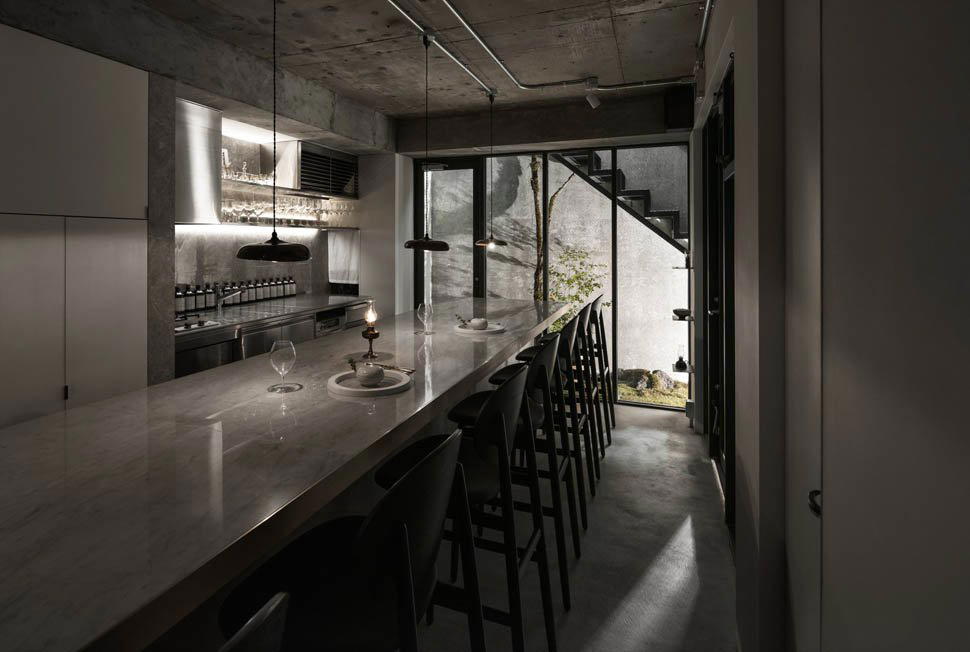
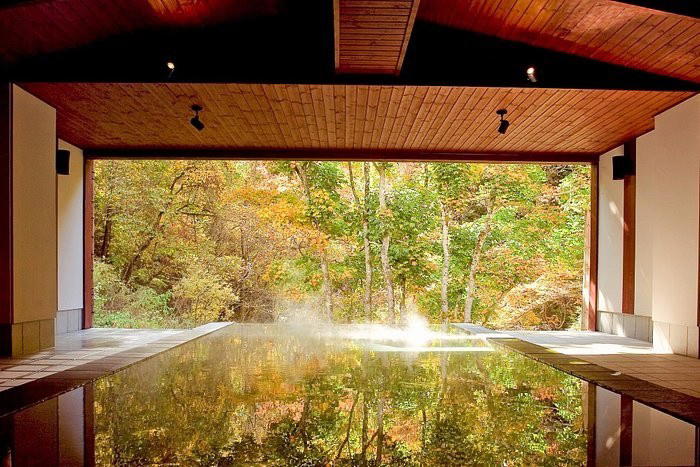
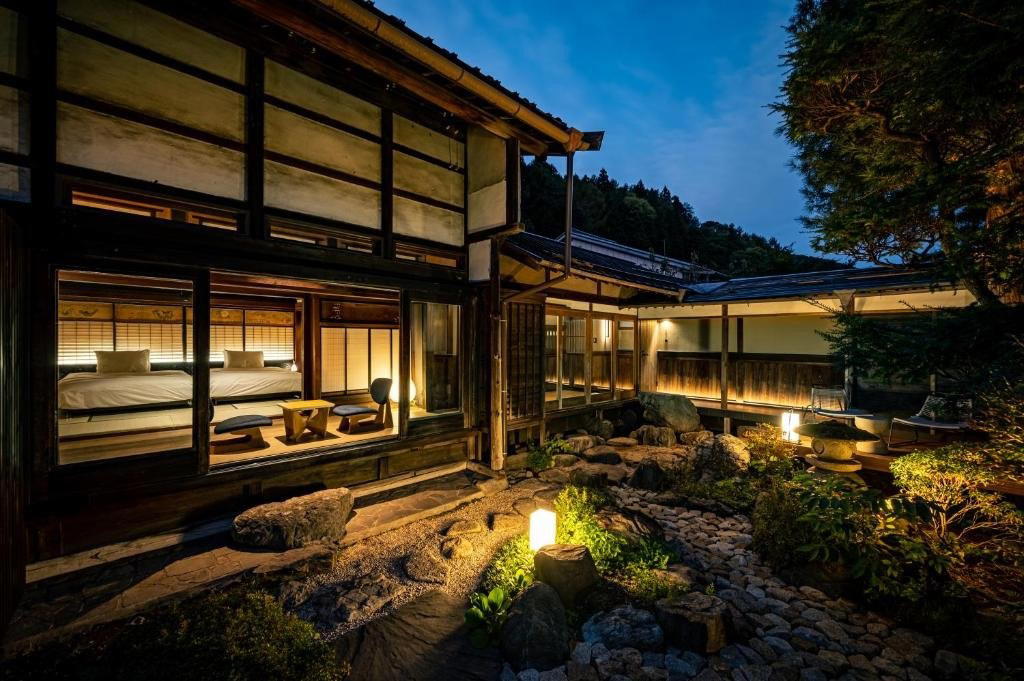
Warm, family-run French countryside atmosphere amid Tateshina's vast nature, with bird songs, clear air, and views of seasonal landscapes from windows.