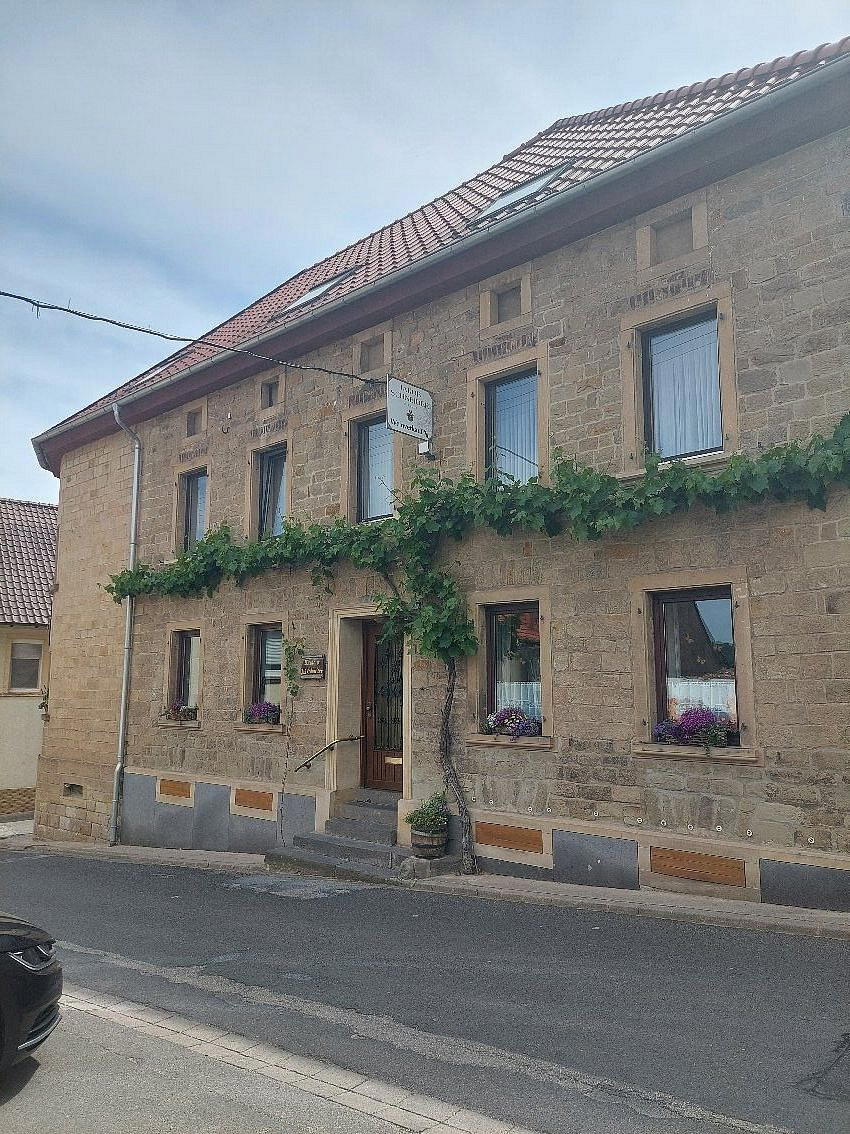
Espenhof sits on Flonheim's main street in the Rheinhessen wine country, a region where farming and fermentation have shaped the table for generations. The address alone signals that sourcing here is geography, not marketing. For visitors moving through Germany's most productive wine region, it represents the kind of local anchor that larger urban restaurants cannot replicate.
Pearl is the En Primeur Club membership app — saves, bookings, and concierge access live there. Same editors, same standards.
- Address
- Hauptstraße 76, 55237 Flonheim, Germany
- Phone
- +4949673494040
- Website
- espenhof.de
- Directions
- Get directions
 Saves & bookings on Pearl
Where Rheinhessen Comes to the Table
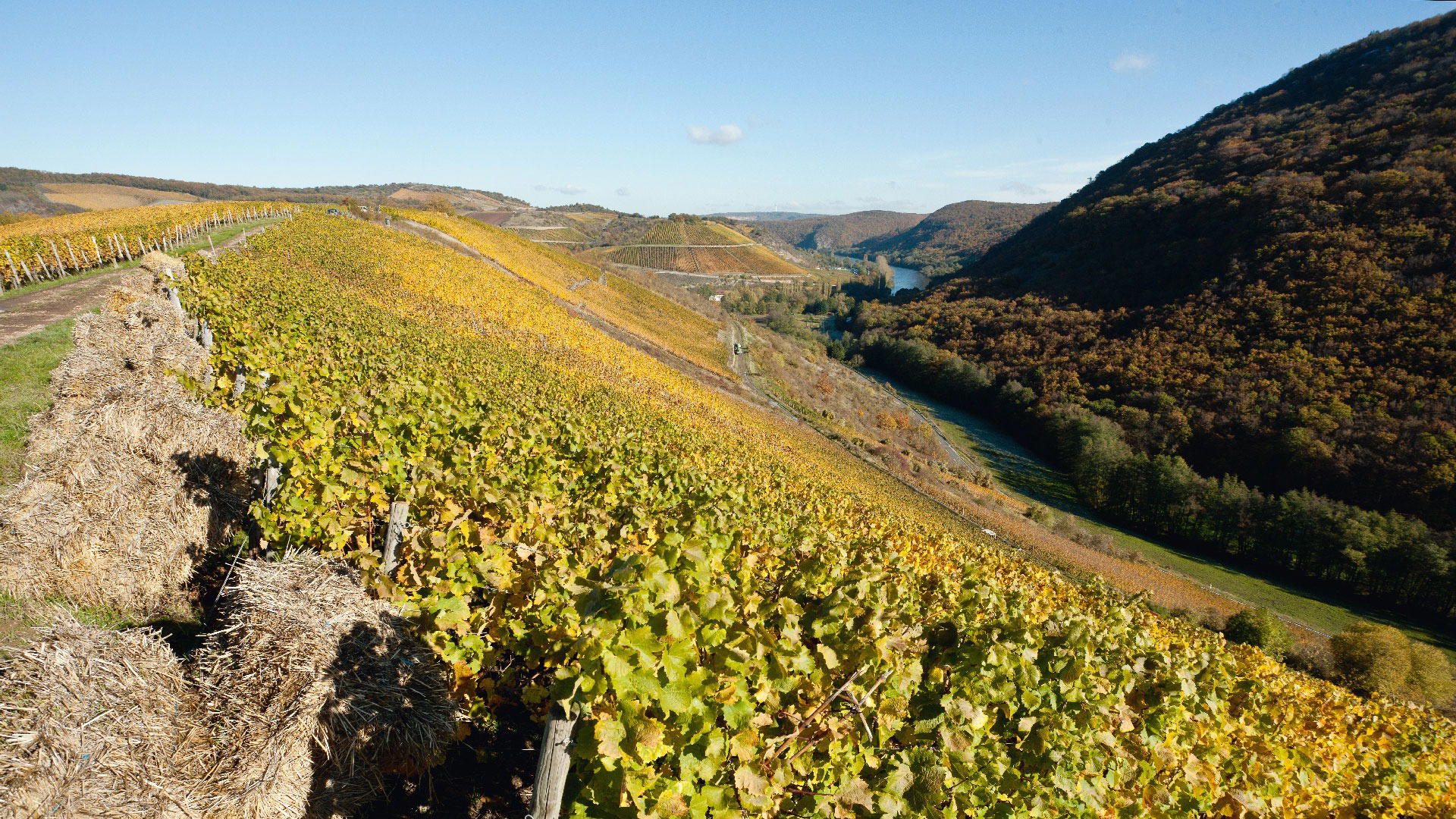
Espenhof is a restaurant in Flonheim, Germany, serving German Wine Country Cuisine. It is a village in Rheinhessen, Germany's largest wine-growing region by area, where the flat loess and limestone soils produce everything from the country's most planted grape varieties to small-batch estate wines that rarely travel beyond the region's own restaurants and Weinstuben. To arrive at Hauptstraße 76 is to arrive somewhere that the surrounding agricultural character has not been curated away. The fields and vineyards that frame the village are not backdrop. In a place like this, they are the supply chain.
That relationship between land and plate is the defining characteristic of dining in Rheinhessen's smaller communes. Unlike the destination kitchens found at addresses such as Schanz in Piesport or Waldhotel Sonnora in Dreis, where tasting menus are built around technique and international reference points, village operations in this part of Germany tend to work closer to the producer. The season dictates the menu not as a philosophical statement but as a practical reality. What is growing, what is being pressed, what the local butcher has available, these are the inputs.
The Case for Regional Sourcing in Rheinhessen
Rheinhessen produces more wine than any other German region, with roughly 26,000 hectares under vine, and the table culture in its smaller towns reflects that agricultural density. Asparagus from the sandy soils near the Rhine plain, lamb from the plateau country, and game from the surrounding Donnersberger hills are the kinds of ingredients that appear not because a chef has driven a sourcing philosophy but because proximity makes them the obvious choice. This is the editorial argument for paying attention to places like Flonheim: the sourcing is structural, not performative.
That argument gains force when compared to the direction of Germany's higher-profile kitchens. Operations like Aqua in Wolfsburg and Vendôme in Bergisch Gladbach operate at the creative end of the spectrum, where sourcing is one variable among many and where the kitchen's own invention carries as much weight as the raw material. Smaller regional addresses tend to invert that ratio. The ingredient comes first, and the kitchen's job is to get out of the way.
This does not mean the cooking is simple. It means the ambition is calibrated differently. In wine country, a well-selected local Silvaner or a Spätburgunder from an estate ten kilometres away can do work that a more elaborate preparation might undermine. The pairing logic in this part of Germany runs in a different direction than it does at a three-Michelin-star counter in a major city, and that is worth understanding before you sit down.
Flonheim in the Wider German Dining Conversation
Germany's most discussed fine dining is concentrated in a handful of urban addresses and destination resort restaurants. The conversation around kitchens like JAN in Munich, Restaurant Haerlin in Hamburg, and Victor's Fine Dining by Christian Bau in Perl tends to dominate editorial attention. Meanwhile, a parallel track of village and small-town restaurants across the wine regions operates with less visibility and, in many cases, with a different kind of credibility. These are places where the dining proposition is tied to what the region actually produces rather than to what the international fine dining circuit has decided matters this year.
Rheinhessen is particularly interesting in this context because its reputation as a wine region has undergone a serious reappraisal over the past two decades. Estates that were once dismissed as bulk producers are now drawing serious attention from the wine trade and from sommeliers at addresses like L.A. Jordan in Deidesheim and GästeHaus Klaus Erfort in Saarbrücken. That shift in the wine's reputation has a downstream effect on where people are willing to travel to eat. A restaurant that pours serious Rheinhessen estate wines with food grown nearby is making a coherent regional argument that was harder to sustain twenty years ago.
For visitors already planning a wine route through the region, Flonheim sits within reach of Alzey and the broader Hügelland sub-zone, where some of the more interesting small-production estates are based. The practical logic of combining a meal at a village restaurant with cellar visits to nearby producers is well established in this part of Germany, and Flonheim is positioned to benefit from that pattern.
How Espenhof Fits
What the address confirms is the context: a main-street location in a Rheinhessen village, within a region where the agricultural and viticultural supply chain is dense enough to support genuinely local sourcing. That context matters when deciding how to read an address like this against the wider field.
Readers looking for the kind of technically ambitious tasting menu experience found at ES:SENZ in Grassau or the dessert-forward creativity of CODA Dessert Dining in Berlin should look elsewhere. Addresses in small Rheinhessen communes occupy a different register. The comparison set is regional rather than national, and the value proposition is rooted in proximity to source rather than in formal kitchen ambition. For reference points further afield, the sourcing-first philosophy that animates places like Lazy Bear in San Francisco or the product rigour at Le Bernardin in New York City both illustrate, from different directions, why the quality of the raw material is the argument that holds longest.
For planning purposes, Flonheim is most easily reached by car from Mainz or Alzey. The village has no significant public transport connection, which is consistent with most of Rheinhessen's smaller communes.
Related reading for the southwest Germany wine-country dining circuit: Bagatelle in Trier, Schwarzwaldstube in Baiersbronn, Ösch Noir in Donaueschingen, and Jante in Hanover for a northern counterpoint.
Comparable Spots, Quickly
Comparable venues nearby, for context on price, style, and recognition.
| Venue | Cuisine | Price | Notes |
|---|---|---|---|
| EspenhofThis venue — the venue you are viewing | German Wine Country Cuisine | $$ | Not listed |
| Hausmann's | Traditional German Brasserie | $$ | Frankfurt Airport |
| Kupferkanne | Traditional German | $$ | Bad Sobernheim |
| Frankfurter Haus | Traditional German Hessian Cuisine | $$ | Sachsenhausen |
| Bundschu | Traditional German Regional | $$ | Kurpark |
| Restaurant Kaminstubb | Traditional German Gastropub | $$ | Woerth am Rhein |
Continue exploring
More in Flonheim
Restaurants in Flonheim
Browse all →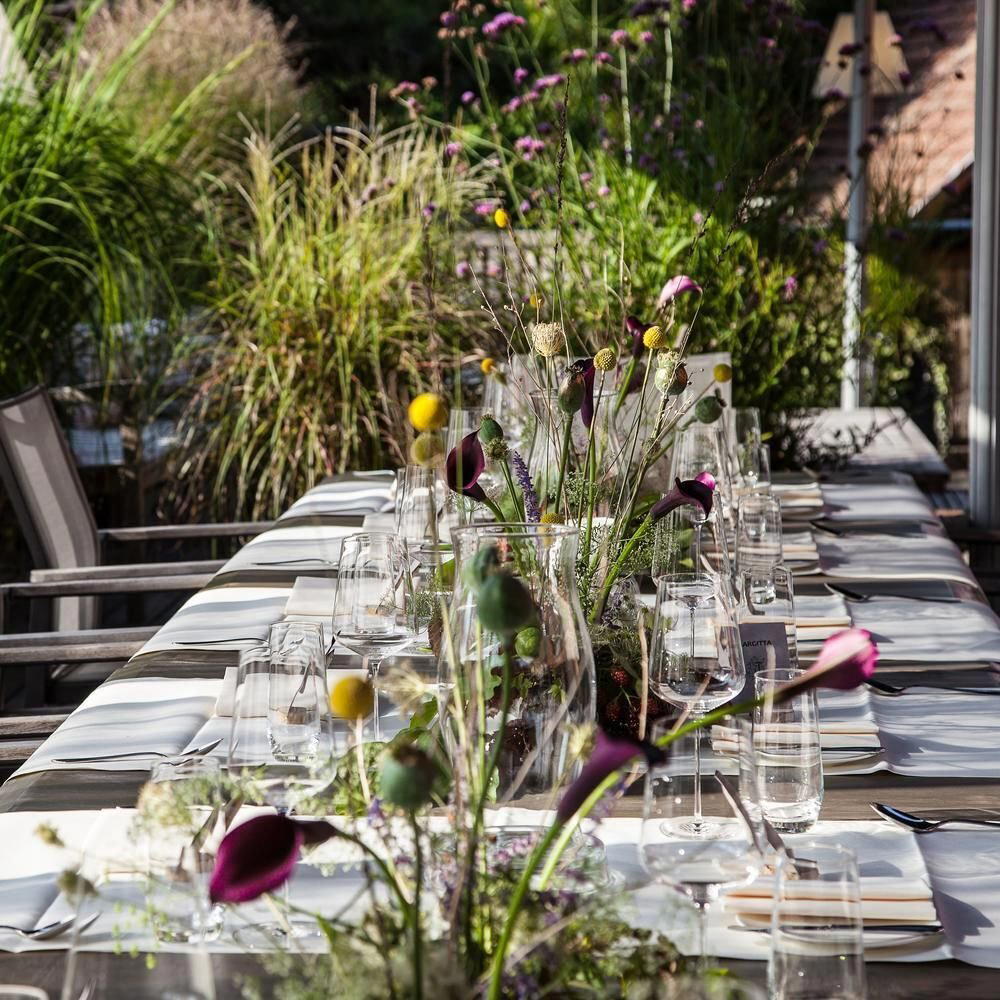
Bars in Flonheim
Browse all →



Hotels in Flonheim
Browse all →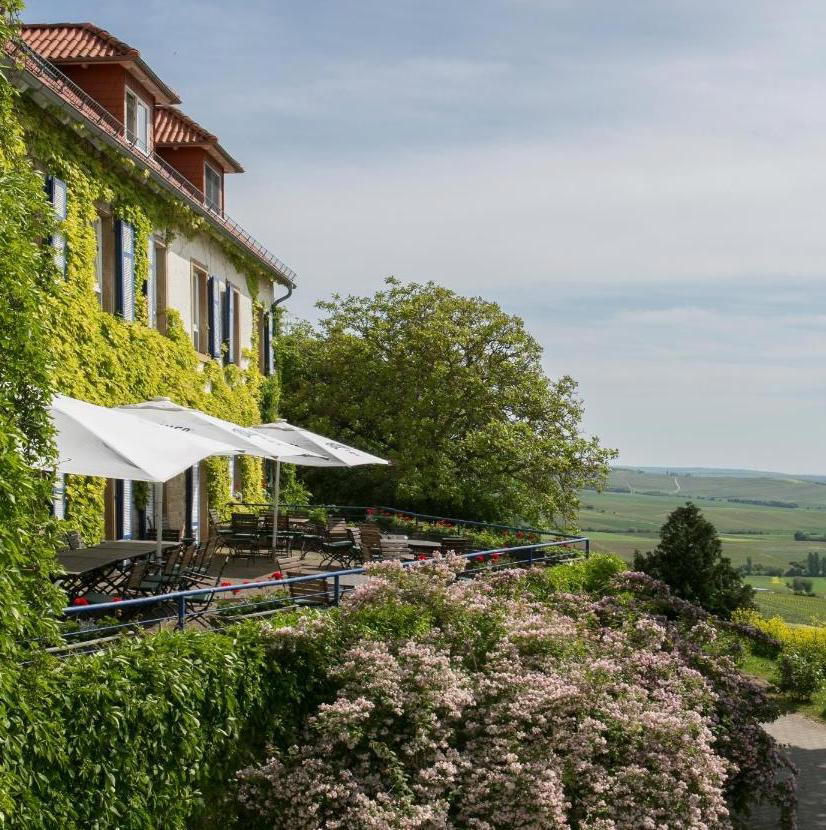
At a Glance
- Cozy
- Rustic
- Scenic
- Date Night
- Special Occasion
- Wine Cellar
- Private Dining
- Extensive Wine List
- Local Sourcing
- Vineyard
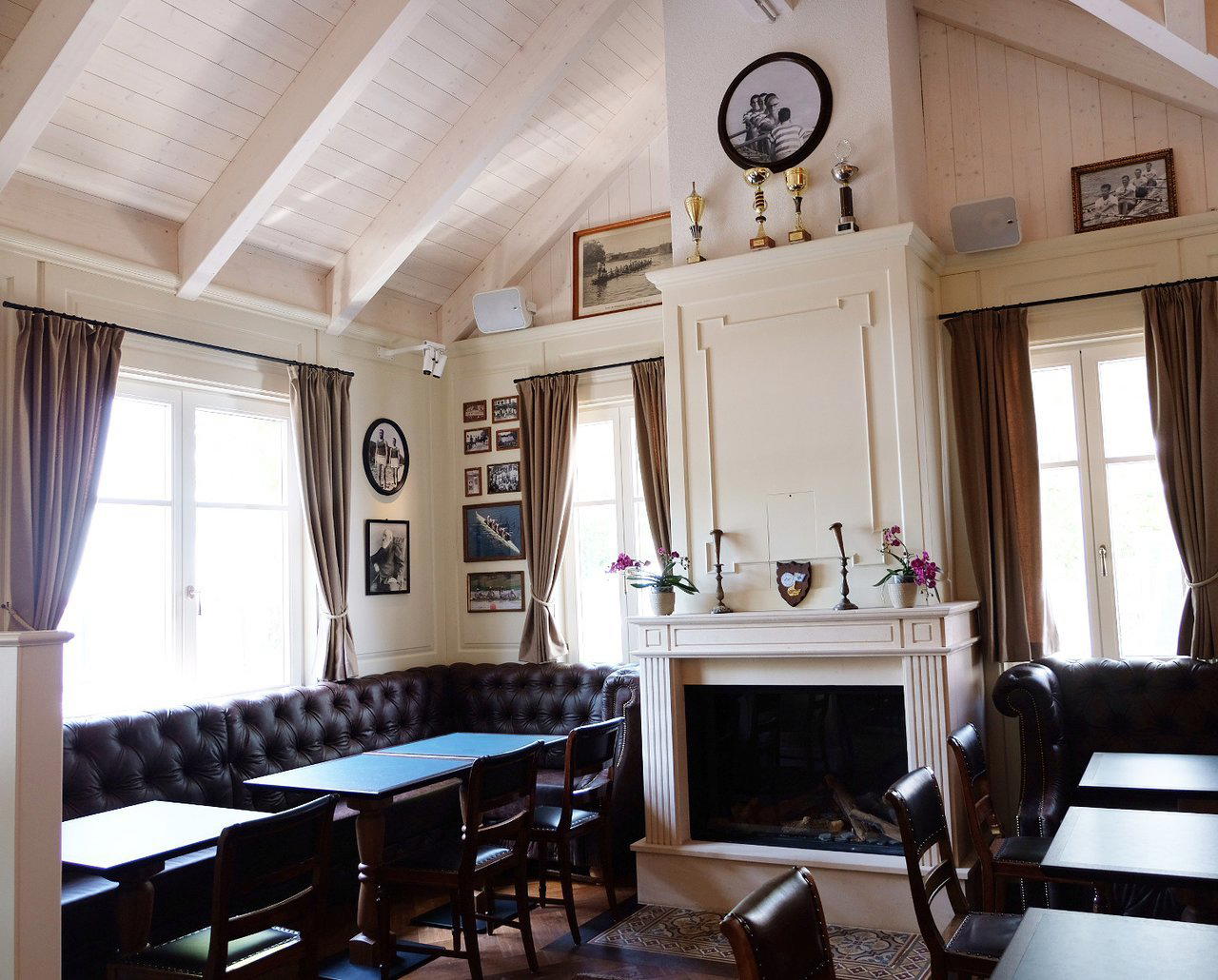
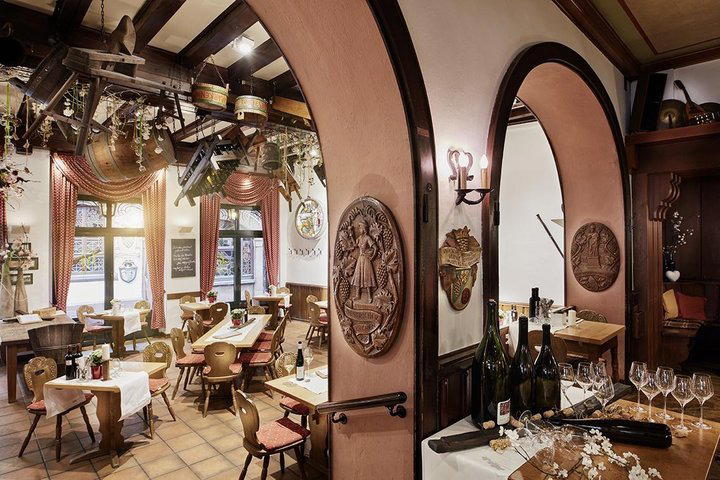
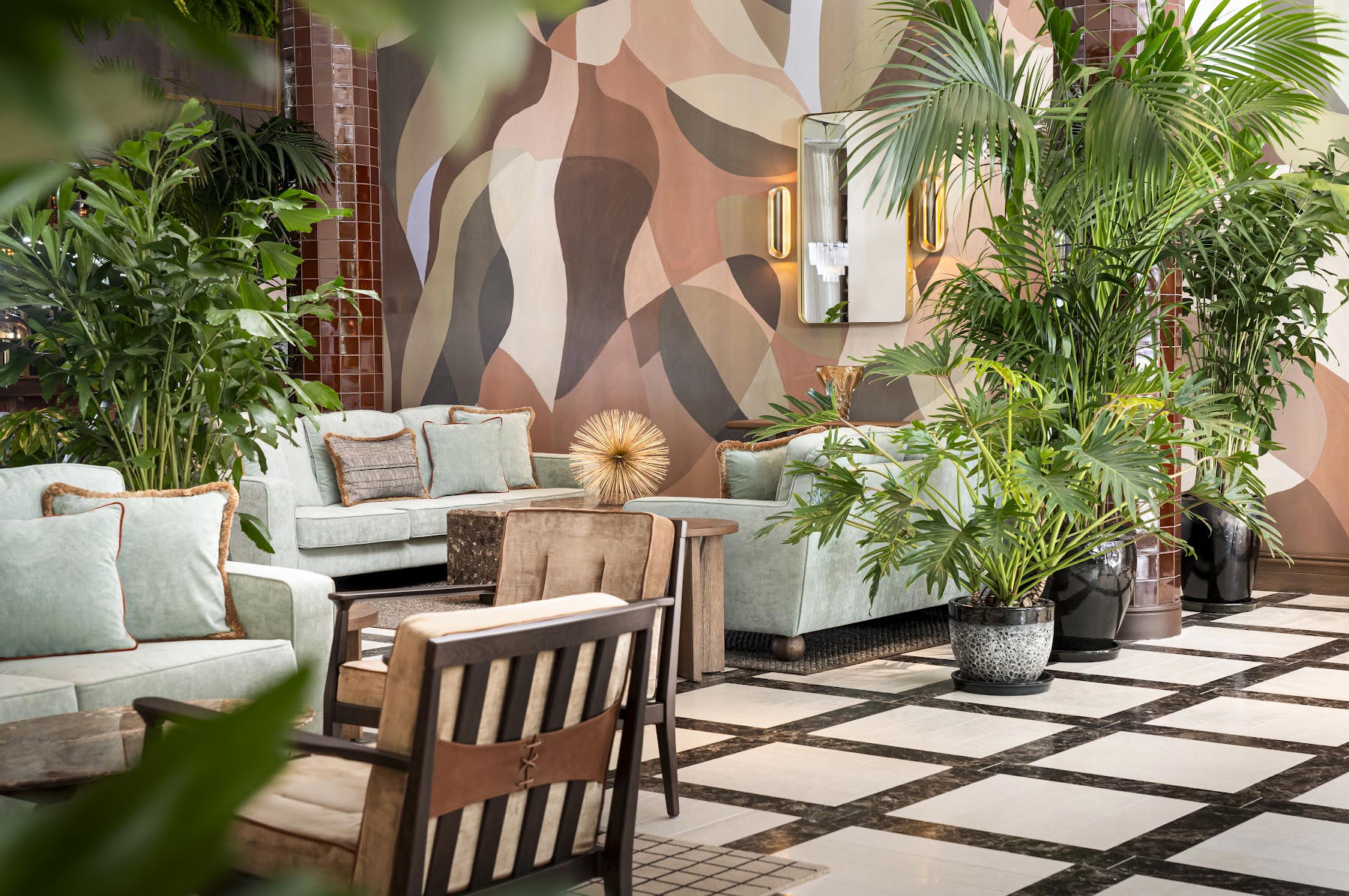
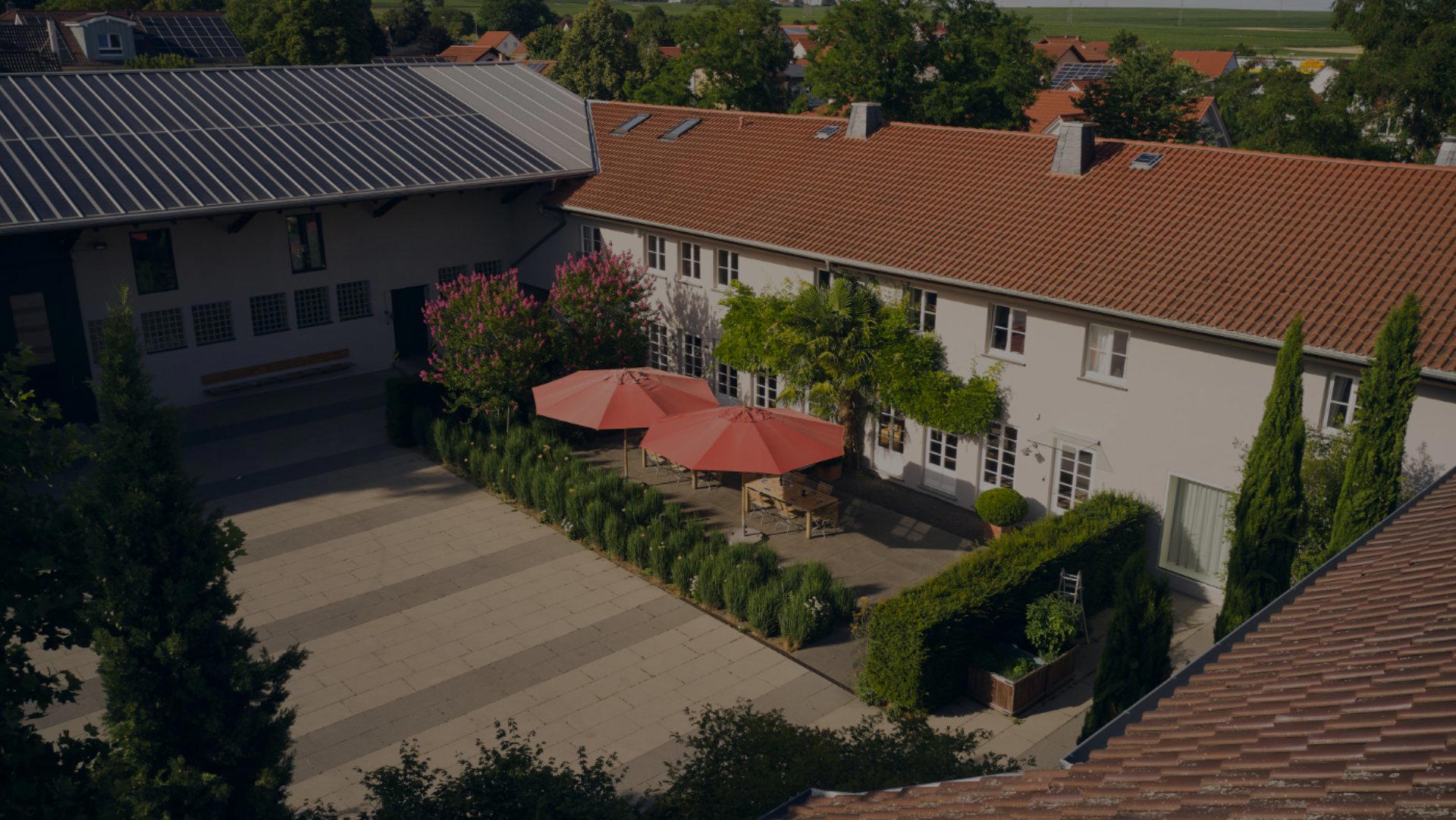
Beautiful and suitable ambience in old building with courtyard seating, attentive service, and relaxed wine-focused atmosphere.