Escobar
Escobar sits in Canóvanas, a municipality east of San Juan that sits at the edge of Puerto Rico's agricultural interior, where the island's farming traditions and coastal supply chains converge. The restaurant draws from a region defined by its proximity to both mountain produce and Atlantic seafood. For those exploring the island's dining scene beyond the capital, it represents a point of entry into northeastern Puerto Rico's local food culture.
Pearl is the En Primeur Club membership app — saves, bookings, and concierge access live there. Same editors, same standards.
- Address
- 93GW+6Q4, Canóvanas, 00729, Puerto Rico
- Phone
- +17879803301
- Website
- opentable.com
- Directions
- Get directions
 Saves & bookings on Pearl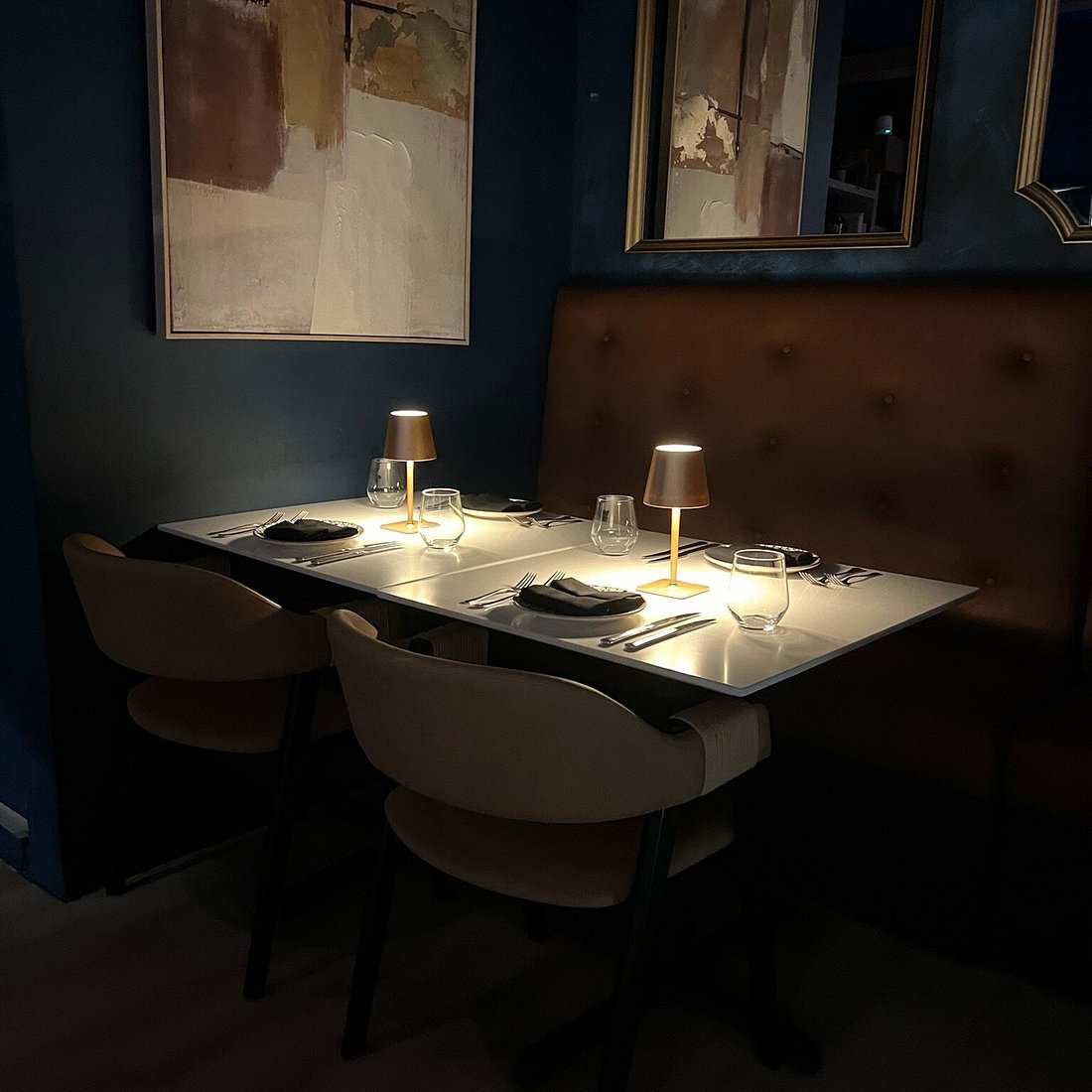
Where the Interior Meets the Coast
Canóvanas occupies a stretch of northeastern Puerto Rico that most visitors pass through rather than stop in. Positioned between the metropolitan sprawl of greater San Juan and the agricultural municipalities climbing toward El Yunque's foothills, it sits at a productive intersection: close enough to the Atlantic to benefit from the island's coastal fishing culture, and adjacent to the farming belt that supplies much of Puerto Rico's fresh produce. Restaurants in this part of the island tend to reflect that geography directly on the plate, drawing ingredients from a shorter, more local supply chain than their counterparts in tourist-facing San Juan.
The approach that defines much of this area's cooking is one of agricultural proximity. Unlike the resort corridor around Dorado, where you'll find polished import-led menus at venues like COA in Dorado, or the capital's destination-driven kitchens such as Jose Enrique in San Juan, the cooking east of the metro tends to be less self-conscious about its sourcing, and all the more grounded for it. Canóvanas kitchens work with what the region provides, which is considerable.
The Sourcing Logic of Northeastern Puerto Rico
Puerto Rico's agricultural identity has been fragmenting and reasserting itself in alternating cycles for decades. The island imports a significant share of its food, a legacy of mid-twentieth-century industrialization that shifted labor away from farming. But the eastern interior, anchored by river valleys and year-round tropical growing conditions, retained more of its agricultural activity than the island's flatter, more urbanized northern coast. The rivers flowing from El Yunque watershed toward Canóvanas historically supported cultivation, and roadside stalls and local markets in this zone reflect a supply chain that still runs through nearby farms rather than exclusively through the port at San Juan.
This matters for a restaurant like Escobar because the sourcing options in Canóvanas are shaped by that agricultural persistence. The municipality sits within reach of plantain and root vegetable cultivation, local pork producers, and the Atlantic fishing grounds accessible along the northeast coast. Across Puerto Rico, convincing local cooking tends to come from places that use this infrastructure rather than bypass it. For a contrasting example from the western side of the island, Estela Restaurant in Rincón operates in a different but comparable regional-sourcing context, drawing from the west coast's own fishing and farming networks.
Canóvanas in the Context of Puerto Rico's Dining Map
Escobar is a contemporary Italian restaurant in Canóvanas, Puerto Rico. The capital concentrates the award-recognition tier and the highest price points. The west coast, from Mayagüez through Rincón, has developed a more relaxed but increasingly serious culinary identity, with spots like Brazo Gitano Franco in Mayagüez and Kaplash in Añasco drawing visitors off the main tourist circuit. The southern coast, represented by places like La Parguera and El Dorado in Playita, has its own fishing-driven logic. Canóvanas and the northeast sit in a different register: less trafficked by international visitors than the west or south, closer to local resident dining patterns, and therefore often more representative of how people on the island actually eat.
That proximity to everyday Puerto Rican food culture is not a limitation. It is the point. Venues in this zone do not typically calibrate their menus to visitor expectations of what the island should taste like. The cooking is informed by what is grown, caught, and raised nearby, and by the accumulated culinary habits of the surrounding community. The mountain town lechoneras further south, such as Lechonera Los Pinos in Cayey, operate on a similarly local logic, even if the specific traditions differ.
Planning a Visit to Canóvanas
Parking is generally available in this part of the island, which removes one of the friction points common in the capital's older neighborhoods.
Those building a broader eastern Puerto Rico itinerary might combine a Canóvanas stop with the lakes district further west, where Lago Dos Bocas in Arecibo offers a different setting, or with the northeastern coast's beach-adjacent options. The island's eastern corridor between San Juan and Fajardo contains more dining variety than the main highway suggests, and Canóvanas sits within that corridor at a point where agricultural and urban supply chains overlap.
Visitors from the west coast of the island making the trip east will find the culinary vocabulary shifts noticeably. Where Charco Azul in Vega Baja and Panadería La Patria in Morovis anchor their identities in the central-western tradition, the northeast pulls toward Atlantic seafood and the influence of the rainforest watershed. Those differences are worth tracking as you move across the island. For a further look at how island communities outside Puerto Rico handle the same local-sourcing question, Tin Box in Vieques offers an instructive comparison, as does Paros Restaurant, which brings a different sourcing orientation to the island's seafood tradition. For those interested in how the bowl-format health-food category has translated to a Puerto Rican context, Da Bowls in Aguadilla is worth noting.
Comparable Venues
Comparable venues nearby, for context on price, style, and recognition.
| Venue | Cuisine | Price | Notes |
|---|---|---|---|
| EscobarThis venue — the venue you are viewing | Contemporary Italian | $$$ | Not listed |
| La Cantina Argentina | Argentinean Pizzeria | $$$ | Condado |
| Puttanesca Santurce | New York-Style Italian Pizzeria | $$ | Figueroa |
| CAÑA | Modern Puerto Rican Coastal Cuisine | $$$ | Isla Verde |
| Puttanesca | New York-Style Italian Pizza | $$ | Santurce |
| Selva | Contemporary Latin Fusion with Sushi and Tapas | $$$ | Miramar |
Continue exploring
More in Canovanas
Restaurants in Canovanas
Browse all →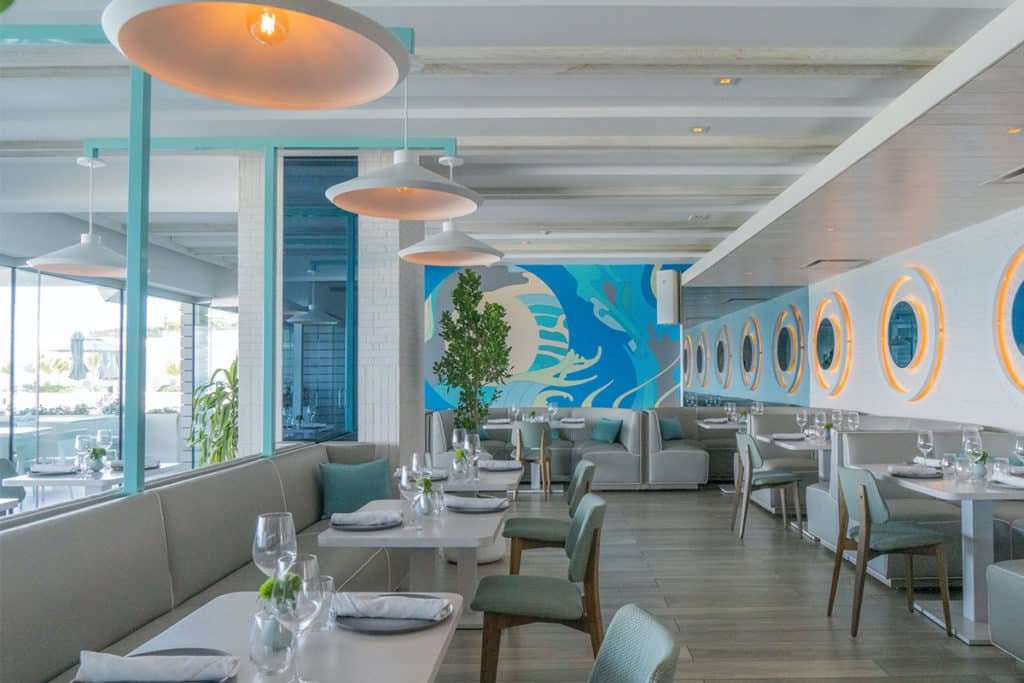

Bars in Canovanas
Browse all →







At a Glance
- Elegant
- Charming
- Intimate
- Date Night
- Special Occasion
- Celebration
- Craft Cocktails
Current opening hours
- Monday
- 5–10 PM
- Tuesday
- Closed
- Wednesday
- Closed
- Thursday
- 5–10 PM
- Friday
- 12–10 PM
- Saturday
- 12–10 PM
- Sunday
- 12–9 PM
Hours can change for holidays and private events. Last verified .
Elegant but relaxed atmosphere with warm lighting, lively bar, and refined dining room described as polished resort-style with local soul.