
A compact Sannomiya natural-wine address with bistro and pasta leanings, enoteca ber ber bar belongs to Kobe’s quieter European-influenced dining thread rather than the city’s beef-first reputation. Its Tabelog Italian WEST 100 selections in 2021, 2023, and 2025 give it a clear signal among Kansai Italian rooms, especially for drinkers who treat wine as the main reason to choose dinner.
Pearl is the En Primeur Club membership app — saves, bookings, and concierge access live there. Same editors, same standards.
- Address
- 兵庫県神戸市中央区中山手通1-9-5
- Phone
- +81783925253
- Website
- berberbar.com
 Saves & bookings on Pearl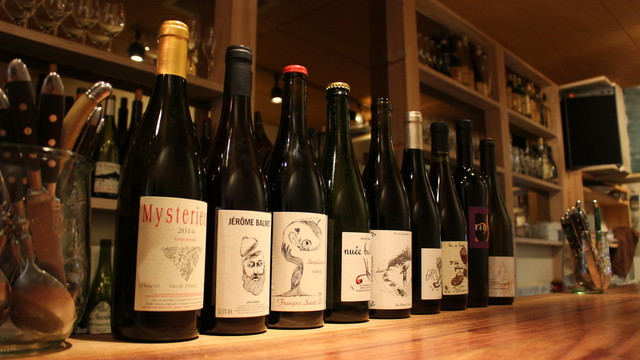
Approaching Sannomiya’s side streets, Kobe’s restaurant character shifts quickly: station traffic, late offices, small counters, and rooms for regulars rather than spectacle. That setting matters for natural wine, which works well when bottles, conversation, and modest plates share equal weight. enoteca ber ber bar sits in that Kobe register: compact, wine-led, European in reference, and closer to a bistro-bar than to the formal Italian dining rooms that dominate award lists in larger Japanese cities.
Kobe’s international food culture has long been shaped by port-city movement, foreign settlements, bakeries, coffee houses, beef restaurants, and Western dining adapted to local habits. Natural wine is a later chapter, but it fits the city’s scale. The audience is not only chasing labels; it wants places where producer background, farming choices, and wine’s social use drive the evening. Unlike tasting-menu Italian, where wine often follows the kitchen, here the drink category frames the meal.
Natural wine as Kobe's European counterpoint
The venue’s public identity is built around vin naturel, local ingredients, wine-bar service, bistro cooking, and pasta. That places it in a useful Kobe middle tier: more food-driven than a simple standing bar, less formal than a full dégustation room, and more wine-specific than many casual Italian restaurants. The Tabelog Italian WEST 100 selections in 2021, 2023, and 2025 are the clearest external signal. In a region where Osaka, Kyoto, Hyogo, and other western prefectures compete for attention, repeated inclusion shows the format has held beyond neighbourhood loyalty.
The wine focus also separates it from Kobe’s better-known beef circuit. Visitors often read the city through steak houses and sukiyaki rooms, represented by Setsugekka, Kobe Beef GENKICHI, kobe-Beef Steak Ishida.sannomiya-Shop, and KOKUBU Steak House. Those restaurants belong to a luxury-protein tradition where provenance, marbling, and grilling skill drive the bill. A natural-wine bistro asks how much of the evening should be built around the bottle rather than the cut of meat.
That distinction helps when planning a Kobe dining run. The city can support a beef-focused night, but rewards a second evening with a smaller room and looser European rhythm. For readers mapping the area, Aburi Niku Kobo Wakkoku Shinkobe ten and Aburi Niku Kobo Wakkoqu Kitano Sakamoto Ten show how beef remains central, while Akari, Akaneya Coffee Ten, and Ali's Halal Kitchen point to the city’s broader, fragmented dining map.
A compact bistro format built around bottles
Scale is part of the argument. A 20-seat structure, including counter seating, standing space, and an upstairs table area, gives natural-wine drinkers flexibility: a glass with food, a longer bottle-led session, or a small-group evening without ceremony. Sommelier availability is another signal. In Japan, natural wine can mean serious cellar work or fashionable shorthand; staffed wine conversation places the venue on the more intentional side.
The food categories, wine bar, bistro, and pasta, suggest the kitchen’s role without a fixed tasting-menu narrative. Japan’s Italian dining often splits between high-formal regional cooking, casual pasta rooms, and hybrid wine bars that borrow European habits while retaining Japanese portioning and service. Kobe’s version has less pressure to perform as a destination restaurant and more room to act as a neighbourhood evening address. The appeal is not theatrical rarity, but Italianate food and natural wine as ordinary urban dining.
Price positioning reinforces that read. Dinner sits in the JPY 8,000 to JPY 9,999 bracket: serious for a casual wine bar, but not Kobe’s luxury steak-house tier. Compared with Ryuka Chubo’s JPY 5,000 to JPY 5,999 range, it is a step up; compared with premium beef rooms, it is a different value proposition. The bill goes toward wine depth, small-room service, and a slower meal rather than one prestige ingredient.
For overseas travellers, natural wine in Japan is often less about vague wellness language and more about traceability, producer story, and limited supply. Handled well, the style bridges Japanese curiosity about craft production and European drinking customs. Kobe, with port-city history and compact central nightlife, is a credible place for that bridge to feel natural rather than imported.
How to fit it into a Kobe itinerary
The strongest use case is a Sannomiya evening when wine matters more than ceremony. Rail access and a dense restaurant grid make it easy to combine with coffee, bars, or a second stop, but the small room argues for planning rather than drifting in at peak dinner. The no-smoking policy and children-welcome note broaden the audience, though the venue remains adult and wine-led.
For a wider read on the city, start with Our full Kobe restaurants guide, then cross-check drinking options in Our full Kobe bars guide. Hotels set the night’s rhythm in a city stretched between waterfront, Kitano, and Sannomiya, so Our full Kobe hotels guide helps choose a base. Readers building a broader trip can also scan Our full Kobe wineries guide and Our full Kobe experiences guide.
The broader Japan comparison is instructive. Regional dining pages often flatten everything into cuisine labels, but format is the better lens: beef counter, coffee room, wine bar, curry specialist, sake bar, or casual Japanese staple. That is why a Kobe natural-wine bistro can sit in the same planning universe as -Grilled beef Sukiyaki- KAMAKURA TANUKIAN 鎌倉 たぬき庵 in Kamakura. 鮪と炭火焼き うお炭 秋葉原店 in Tokyo.cafe in Osaka.know in Kumamoto, (Shoku) Vietnam in Kawasaki, and [Curry Senmon Ten] Maruyama Kyoju. in Sapporo. Beyond Japan, Jōdo Saké Bar in Los Angeles and Onigiri Time in Pasadena show the same principle from the other direction: choose by drinking culture, service rhythm, and format, not just cuisine name.
Editorially, enoteca ber ber bar is strongest for travellers who want Kobe after the beef conversation has been satisfied. Repeated Tabelog Italian WEST 100 recognition gives it external weight, the compact room keeps the experience focused, and the natural-wine emphasis ties into a modern Japanese dining habit that values provenance as much as polish. In a city often reduced to one famous ingredient, that makes the address more useful than another predictable steak reservation.
Cost Snapshot
Comparable venues in the metro at similar price points.
| Venue | Cuisine | Price | Notes |
|---|---|---|---|
| enoteca ber ber barThis venue — the venue you are viewing | Not listed | $$$ | Not listed |
| LAGUNA THE BAR | Chūō, Classic Japanese cocktail bar | $$$ | Not listed |
| quarto | Chūō, Pizza & Italian Trattoria | $$$ | Not listed |
| Canton Ryori Chinese Shuka Toa rodo ten | Not listed | $$$ | Chūō, Traditional Cantonese (Kobe) |
| CHEZ CHILO | Chūō, Traditional French Bistro | $$$ | Not listed |
| Yakiniku bue | Chūō, Modern Wagyu Yakiniku | $$$ | Not listed |
Recognition history
Dated appearances from independent guides and award organizations, with the underlying list record or original source where available.
Tabelog 100 #69 · No. 69
Tabelog · Tabelog 100 - Italian - WEST - 2025
Continue exploring
More in Kobe
Restaurants in Kobe
Browse all →
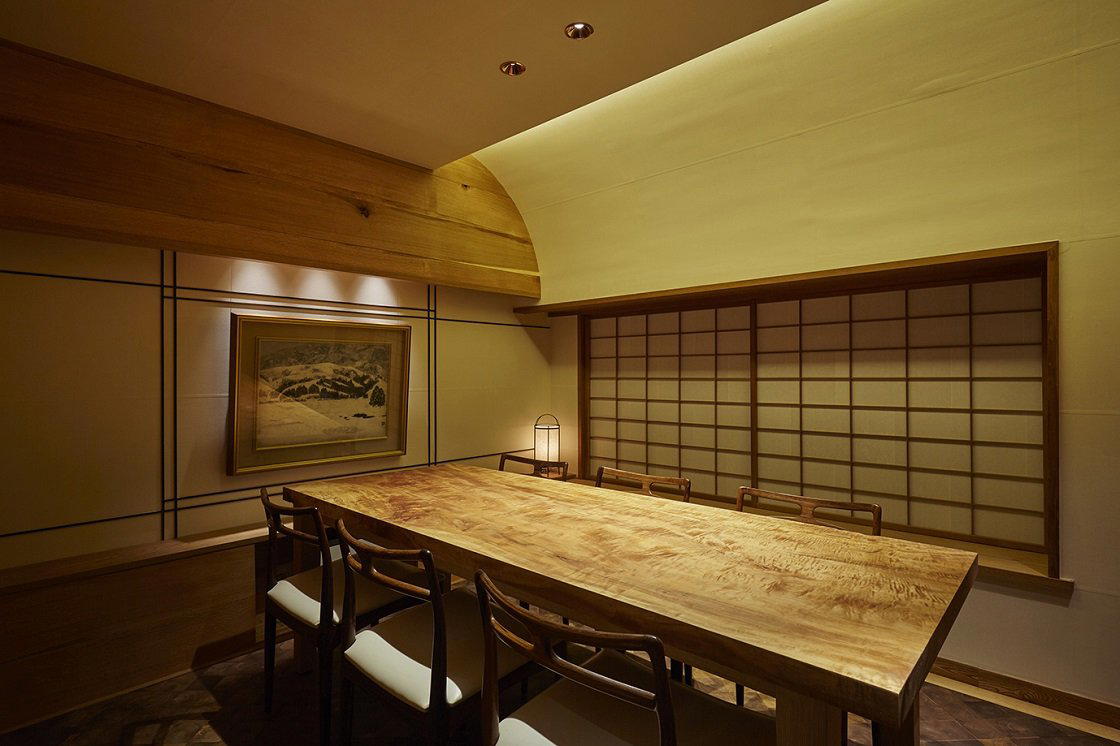
Bars in Kobe
Browse all →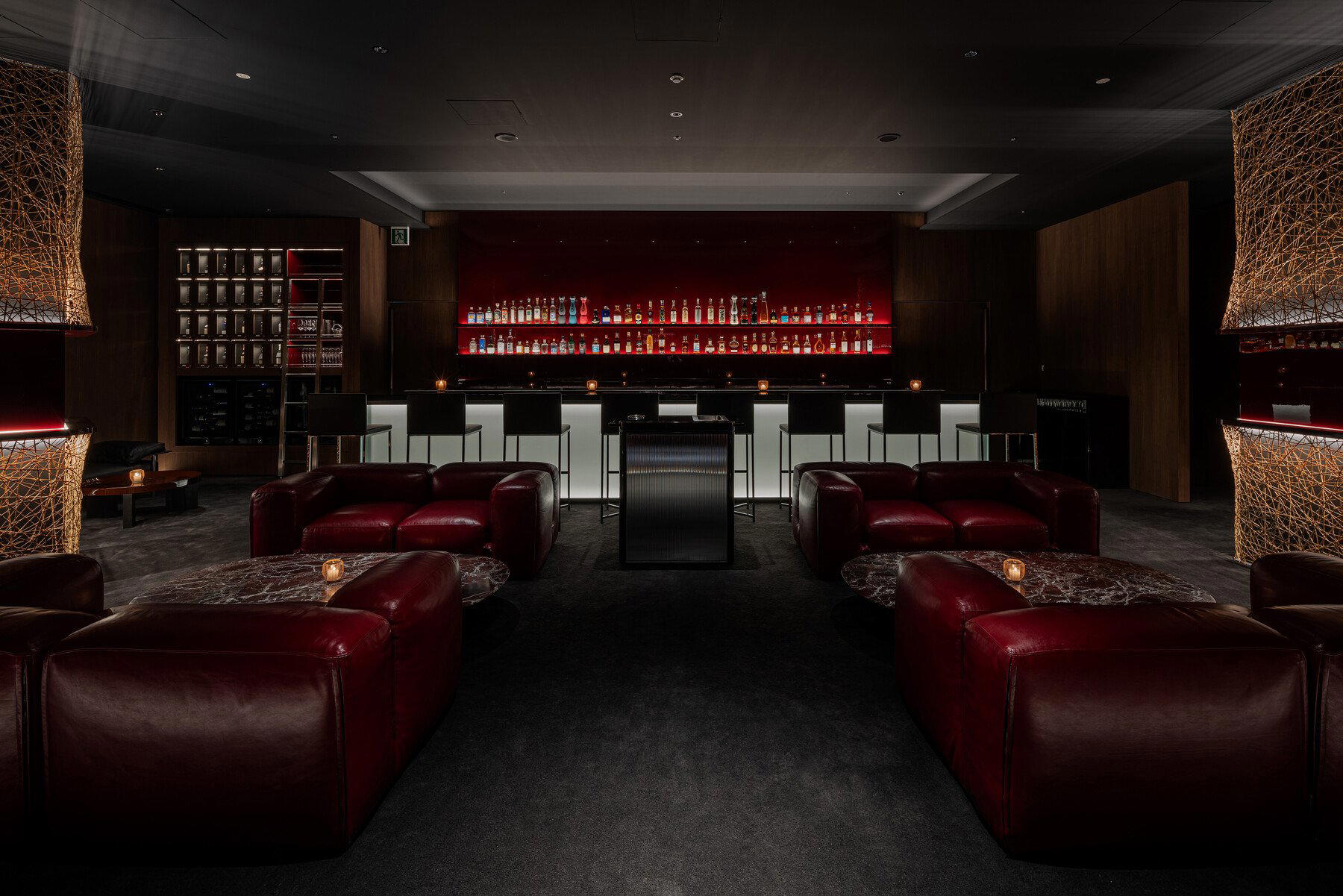



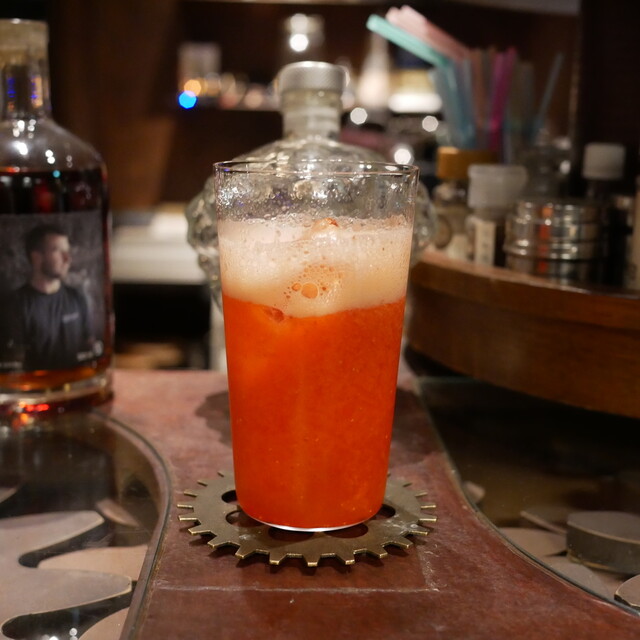
Hotels in Kobe
Browse all →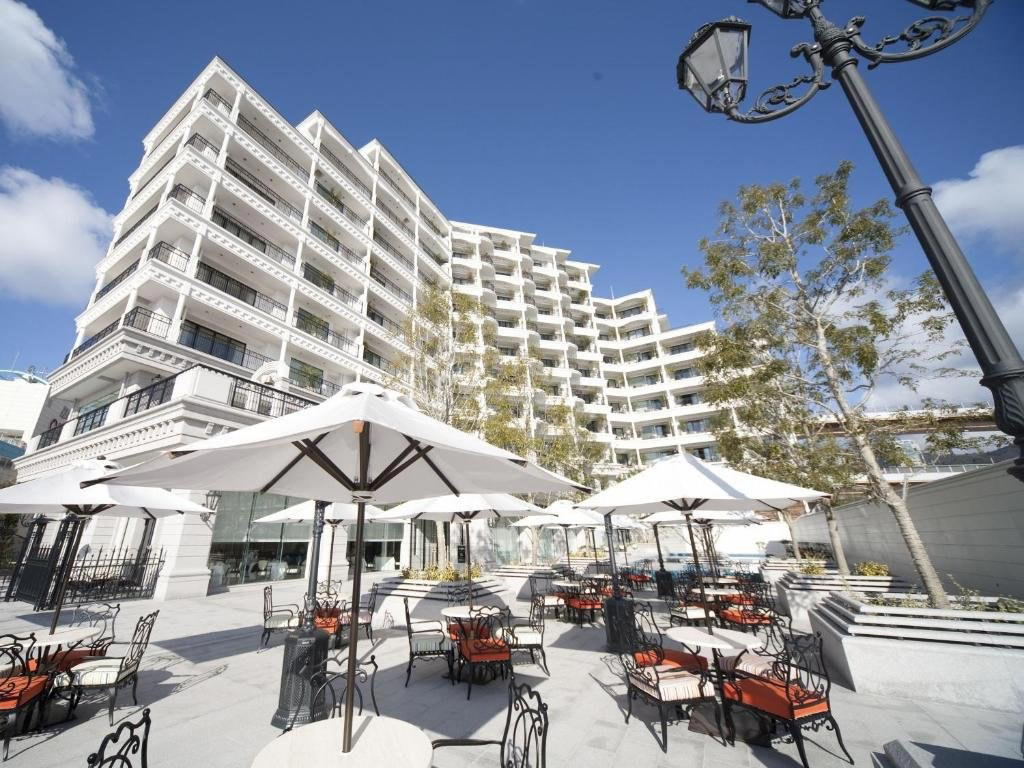


At a Glance
- Intimate
- Sophisticated
- Cozy
- Date Night
- Business Dinner
- Solo
- After Work
- Wine Cellar
- Design Destination
- Standalone
- Natural Wine
- Extensive Wine List
- Local Sourcing
- Organic
- Natural Wine
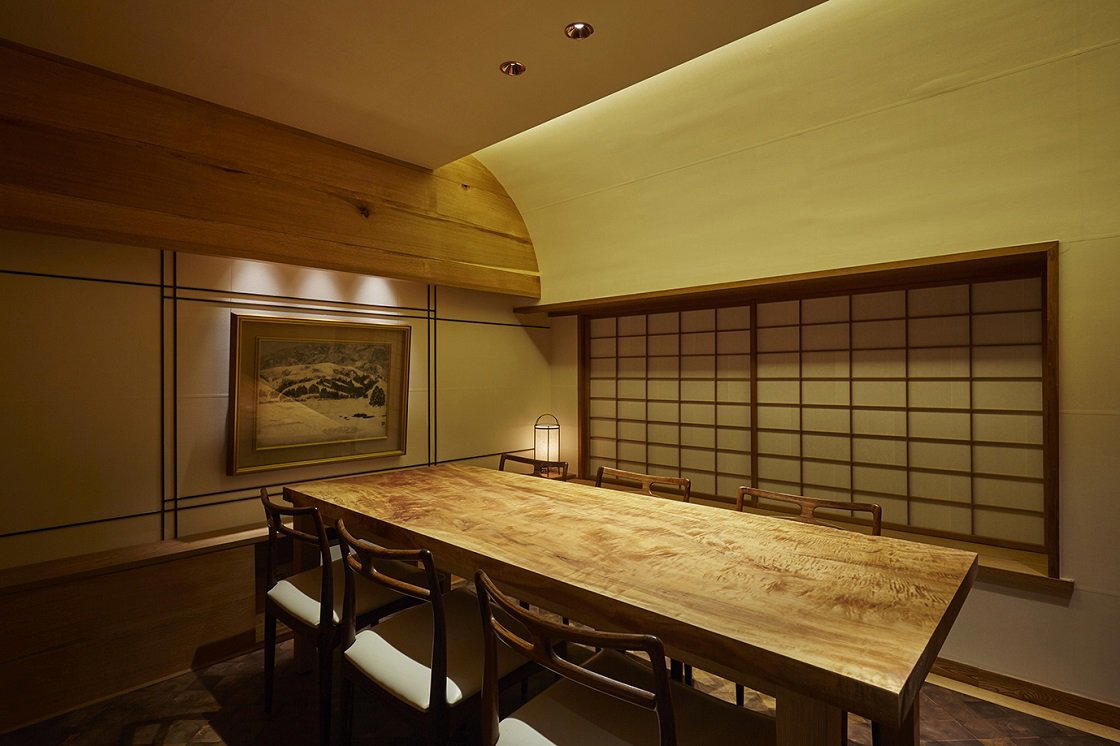
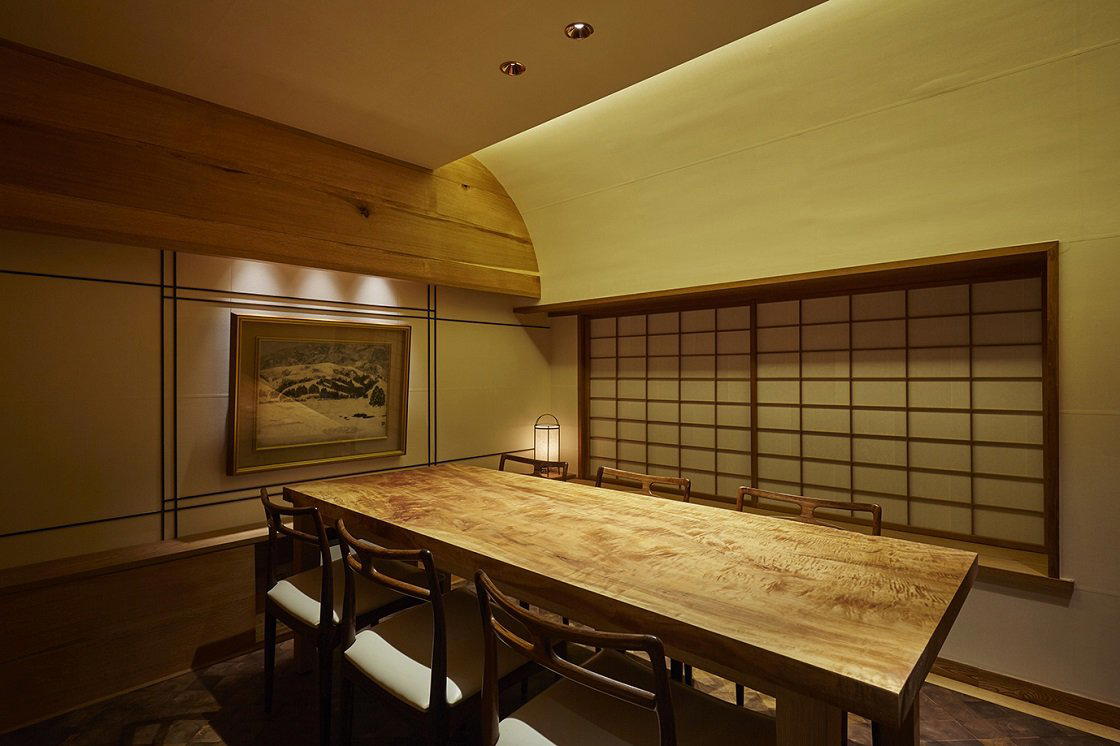
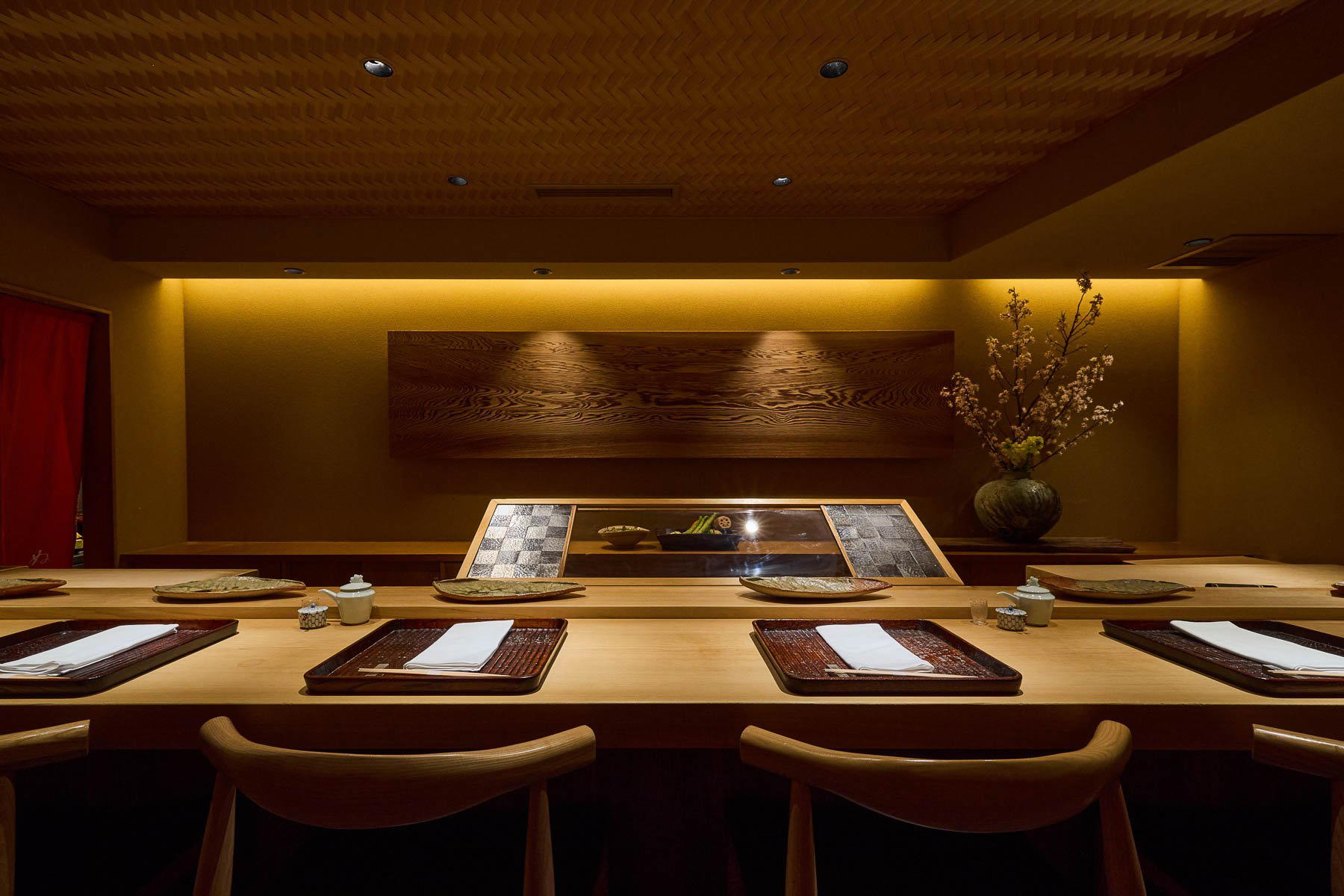
Warm, intimate, and wine-focused, with a carefully designed interior that feels cozy and refined rather than casual or loud.