El Pobre Luis
Our verdict
El Pobre Luis is a storied parrilla in Buenos Aires's Belgrano neighbourhood, drawing a loyal crowd to Arribeños 2393 for wood-fired asado in a setting that has remained defiantly unchanged while the city's restaurant scene has reinvented itself around it. The wine list earns particular attention, running deep on Argentine Malbec and Cabernet from Mendoza's top producers. Reserve well ahead, especially for weekend evenings.

Pearl is the En Primeur Club membership app — saves, bookings, and concierge access live there. Same editors, same standards.
- Address
- Arribeños 2393, C1428APE Cdad. Autónoma de Buenos Aires, Argentina
- Phone
- +541147805847
- Hours
- Mon–Wed ClosedThu–Fri 12–3:30 PM, 7:30 PM–12 AMSat–Sun Closed
- Website
- facebook.com
- Directions
- Get directions
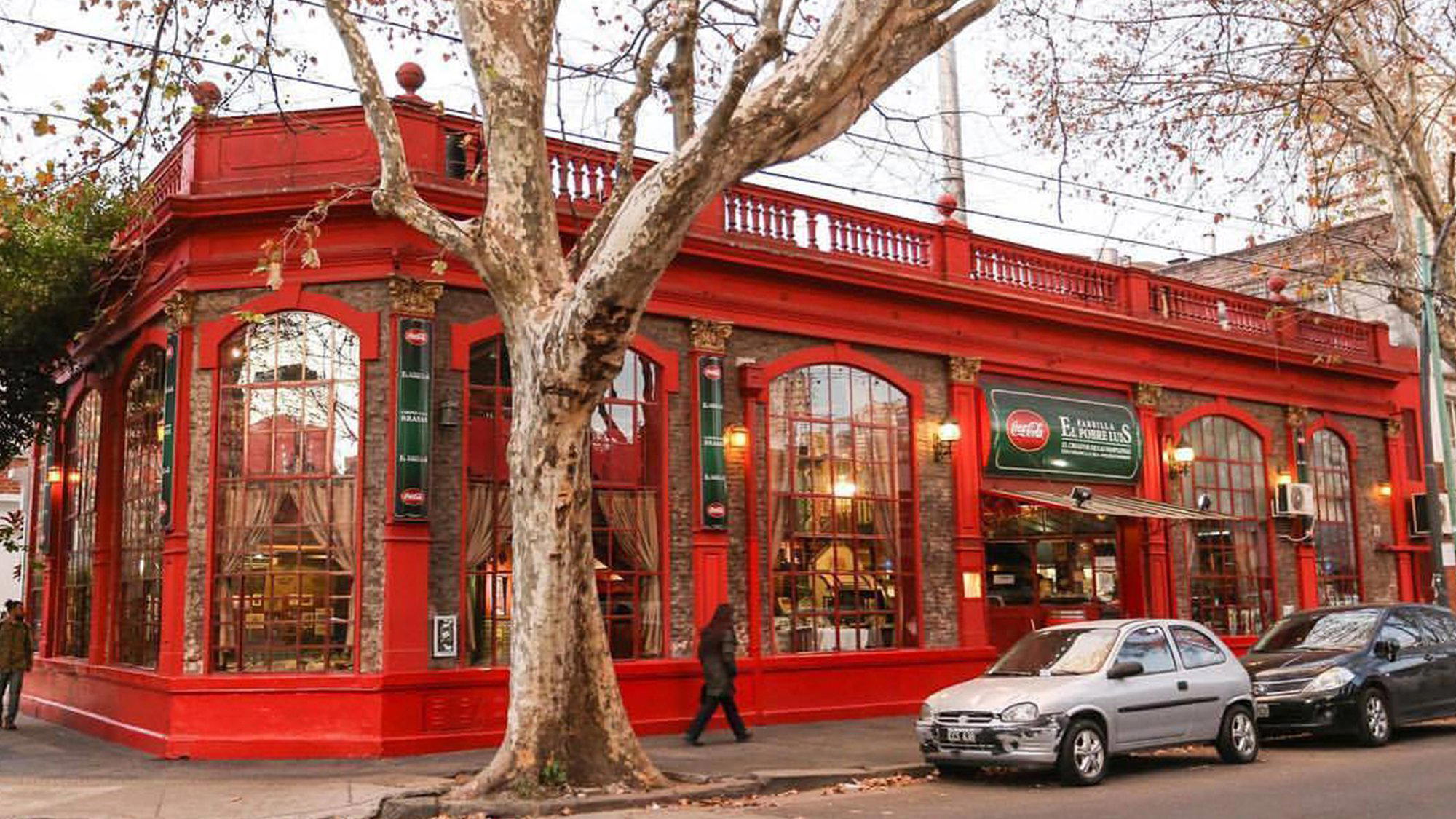
Belgrano's Parrilla Tradition, Held to Account
Buenos Aires parrillas occupy a spectrum that runs from tourist-facing folklore operations near the Obelisco to neighbourhood institutions where the regulars outnumber the visitors three to one. El Pobre Luis, on Arribeños 2393 in Belgrano, sits firmly at the latter end. The street itself is residential in character, a few blocks from the Barrancas de Belgrano park, and the approach carries none of the theatrical staging you find in Palermo or San Telmo. What you get instead is a room that signals seriousness about beef and wine without performing it.
Belgrano's dining culture is less photographed than Palermo's, which has historically made it a more reliable neighbourhood for restaurants that invest in product rather than atmosphere design. El Pobre Luis fits that pattern. The crowd tends to be mixed: families, professional groups, a scattering of visitors who have done enough research to look past the waterfront parrilla circuit entirely. That social texture is itself a quality signal in a city where the leading seats at a wood-fired grill are rarely the ones with the leading Instagram lighting.
The Asado Tradition This Kitchen Belongs To
Argentina's parrilla tradition is one of the few culinary forms in the world that has resisted significant chef-driven reinvention without losing relevance. The techniques are ancient and conservative: quebracho or mixed hardwood coals, slow fire management, cuts held at the correct distance from the heat for extended periods. What separates a serious parrilla from a mediocre one is not innovation but discipline: sourcing consistently, managing the fire with patience, and understanding that the cuts most likely to reveal quality are also the ones most likely to be ruined by shortcuts.
In that context, Buenos Aires's premium parrilla tier has developed a recognisable character. Don Julio in Palermo sits at the top of the internationally recognised bracket, with consistent placement on the World's 50 Best extended lists and a wine list that has become as discussed as the beef itself. El Pobre Luis operates in an older register, less oriented toward international ranking systems and more toward the Buenos Aires diner who measures a parrilla by how the entrañas arrive and whether the mollejas are correctly crisped. These are different but overlapping peer groups, and the comparison is useful precisely because it places El Pobre Luis in a tradition rather than treating it as a novelty.
For visitors who have already visited Crizia or Anafe for Buenos Aires's more contemporary cooking, or who have moved through Trescha and Aramburu for the city's modern tasting-menu circuit, El Pobre Luis represents the other axis: where Argentine dining identity is not being rethought but maintained, with the kind of accumulated knowledge that comes from decades of repetition rather than seasonal menu changes.
The Wine List as the Real Differentiator
Where El Pobre Luis draws consistent attention from serious diners is the wine program. Parrillas in Buenos Aires typically pour from a narrow range of recognisable Malbec labels at accessible price points, which is defensible but limits the conversation about Argentine wine considerably. A small number of traditional parrillas have built cellars that go meaningfully deeper, and El Pobre Luis has a long-standing reputation as one of them.
The Argentine wine canon is broader than the Malbec monoculture of international markets suggests. Mendoza's high-altitude terroirs produce Cabernet Franc and Cabernet Sauvignon that are genuinely distinct from their Chilean or Californian counterparts, with a structural dryness and red-fruit profile that pairs better with fire-cooked beef than almost anything else in the southern hemisphere. The Luján de Cuyo and Valle de Uco subregions have been the focus of serious cellar investment for producers ranging from boutique operations to established export houses. A parrilla wine list with real depth will reach into both, distinguishing between the richer, more extracted profiles from lower-altitude Luján vineyards and the more precise, cooler-climate expressions from Valle de Uco at 1,000 metres or above.
For context on how seriously Argentina's wine country supports this kind of program, the lodge and restaurant scene around Mendoza is worth noting: properties like Cavas Wine Lodge in Alto Agrelo and Entre Cielos in Luján de Cuyo have built cellar programs directly adjacent to the vineyards, while Azafrán in Mendoza city has built a wine-forward restaurant reputation that rivals Buenos Aires institutions for list depth. The tradition of pairing serious Mendoza wine with serious beef is deeply embedded across the country, from Agrelo in Luján de Cuyo to Chacras de Coria to Los Talas del Entrerriano in General San Martín. El Pobre Luis draws on that same tradition within the capital.
At a parrilla with a serious list, the correct move is to ask what's drinking well now rather than defaulting to the label you recognise. The sommelier or floor staff at a cellar-focused operation will typically have a view on which vintages are at their window, and that conversation is where the real value of a deep list becomes practical.
Planning Your Visit
Belgrano is most easily reached from central Buenos Aires by taxi or rideshare, running roughly 25 to 35 minutes from San Telmo or Recoleta depending on traffic. The neighbourhood has no hotel concentration to speak of, so El Pobre Luis functions as a destination rather than a convenience for visitors staying nearby. That dynamic, combined with the loyal local following, means the room fills consistently on Thursday through Saturday evenings. Booking ahead is advisable for weekend dinner; midweek lunch tends to be more accessible, and the parrilla format at midday has its own logic in Buenos Aires, where a long lunch remains a legitimate format rather than an anachronism.
For a broader reading of where El Pobre Luis sits relative to Buenos Aires's full dining picture, the EP Club Buenos Aires restaurants guide maps the city's current scene across price points and styles. Those extending a trip into the Argentine interior will find the wine-and-beef tradition continues at properties like La Bamba de Areco in San Antonio de Areco and, for a more remote setting, Las Balsas in Villa La Angostura. The country's north brings a different register entirely: Awasi Iguazú in Puerto Iguazú and La Table de House of Jasmines in La Merced Chica represent the luxury lodge end of the spectrum, where wine programs are curated around local production rather than Mendoza imports.
Frequently asked questions
What do people recommend at El Pobre Luis?
El Pobre Luis draws consistent praise for its approach to classic parrilla cuts: offal preparations including mollejas, the quality of the fire management across the main beef cuts, and a wine list that goes considerably deeper than the typical parrilla offering in Buenos Aires. Those familiar with the Buenos Aires steakhouse circuit, including Don Julio, tend to position El Pobre Luis as the more neighbourhood-rooted alternative, less internationally profiled but no less serious about the fundamentals.
Should I book El Pobre Luis in advance?
For Thursday through Saturday evenings, a reservation is advisable. The room draws a regular local crowd in Belgrano, and unlike some of Buenos Aires's more tourist-facing parrillas, the tables are not held in reserve for walk-in traffic. Midweek lunch tends to be more available, and in a city where the lunch format remains taken seriously, that session is worth considering on its own terms rather than as a fallback.
What's the standout thing about El Pobre Luis?
The wine list is the element that most consistently separates El Pobre Luis from its direct peers in the Buenos Aires parrilla category. A kitchen that maintains discipline on fire and sourcing is necessary but not rare at this level; a cellar that goes deep into Mendoza's subregional distinctions and opens the conversation about Argentine wine beyond default Malbec labels is considerably less common. That combination makes the venue worth attention from wine-focused visitors who might otherwise be comparing notes with the modern tasting-menu circuit at places like Aramburu.
Is El Pobre Luis suitable for someone who wants to understand Argentine wine alongside traditional asado?
It is one of the more instructive settings in Buenos Aires for exactly that pairing. The traditional parrilla format provides the full register of fire-cooked cuts that Argentine wine is designed to accompany, while the depth of the cellar allows a genuine exploration of Mendoza's subregions rather than a single-label experience. Visitors who have covered the wine-country restaurants of Mendoza, such as Azafrán, will find El Pobre Luis offers a complementary Buenos Aires counterpart: a city room with a cellar that takes the same regional producers seriously.
A Credentials Check
A quick peer reference to anchor this venue in its category.
| Venue | Cuisine | Price | Awards | Notes |
|---|---|---|---|---|
| El Pobre LuisThis venue — the venue you are viewing | Argentine Parrilla Steakhouse | $20–30 | Not listed | Not listed |
| Don Julio | Argentinian Parrilla Steakhouse | $100–150 | 1 Michelin Star · World's 50 Best #10 | Argentinian Steakhouse |
| Aramburu | Modern Argentine Haute Cuisine | $200–300 | 2 Michelin Stars · World's 50 Best #35 | Modern Argentinian, Creative |
| El Preferido de Palermo | Classic Italian Bodegón | $50–100 | Michelin Plate · World's 50 Best #24 | Argentinian, Traditional Cuisine |
| Elena | Contemporary Argentinian Steakhouse | $30–50 | Michelin Plate · Star Wine List | South American, Steakhouse |
| La Carniceria | Modern Argentine Parrilla | $30–50 | Michelin Plate | Argentinian Steakhouse, Meats and Grills |
Continue exploring
More in Buenos Aires
Restaurants in Buenos Aires
Browse all →

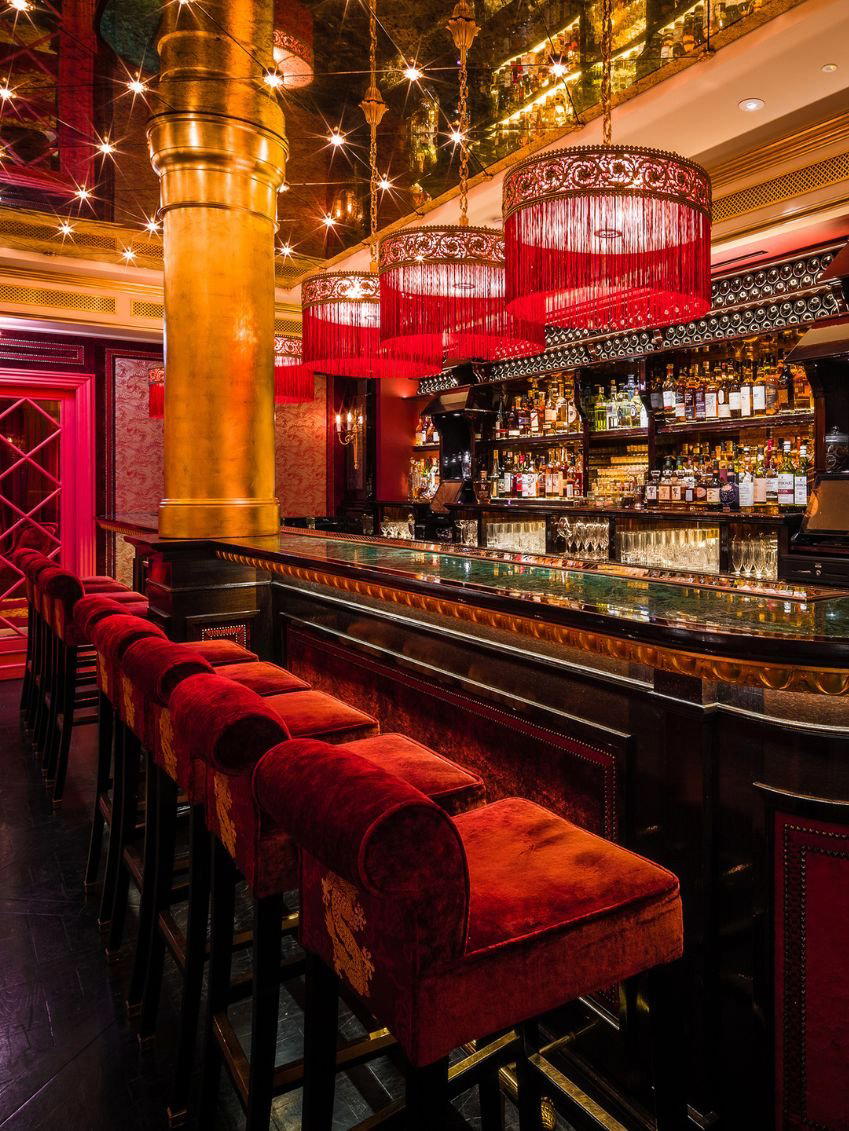
Bars in Buenos Aires
Browse all →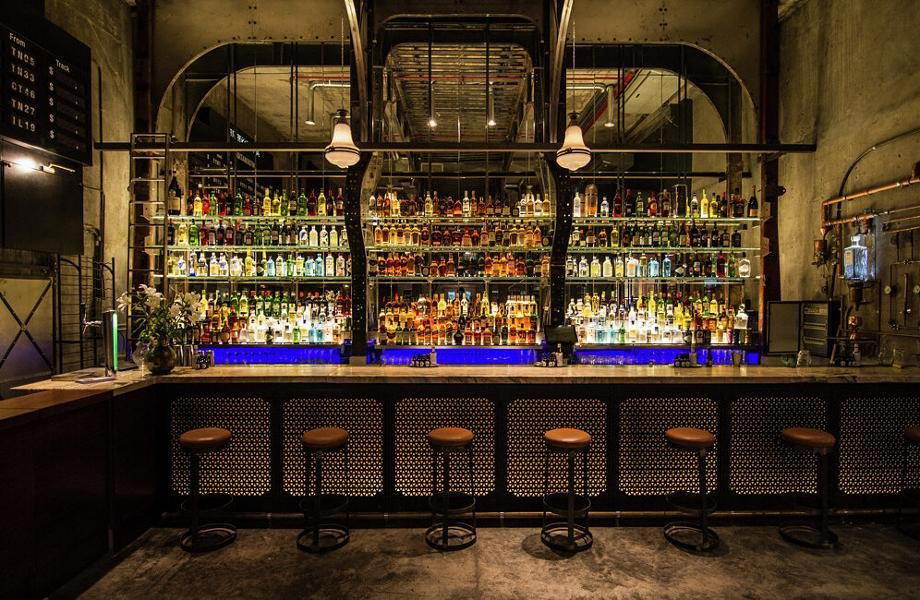
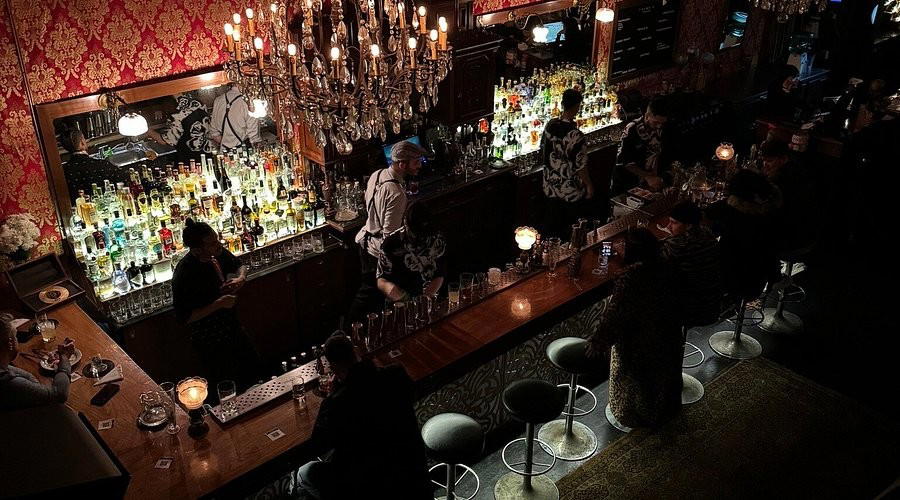
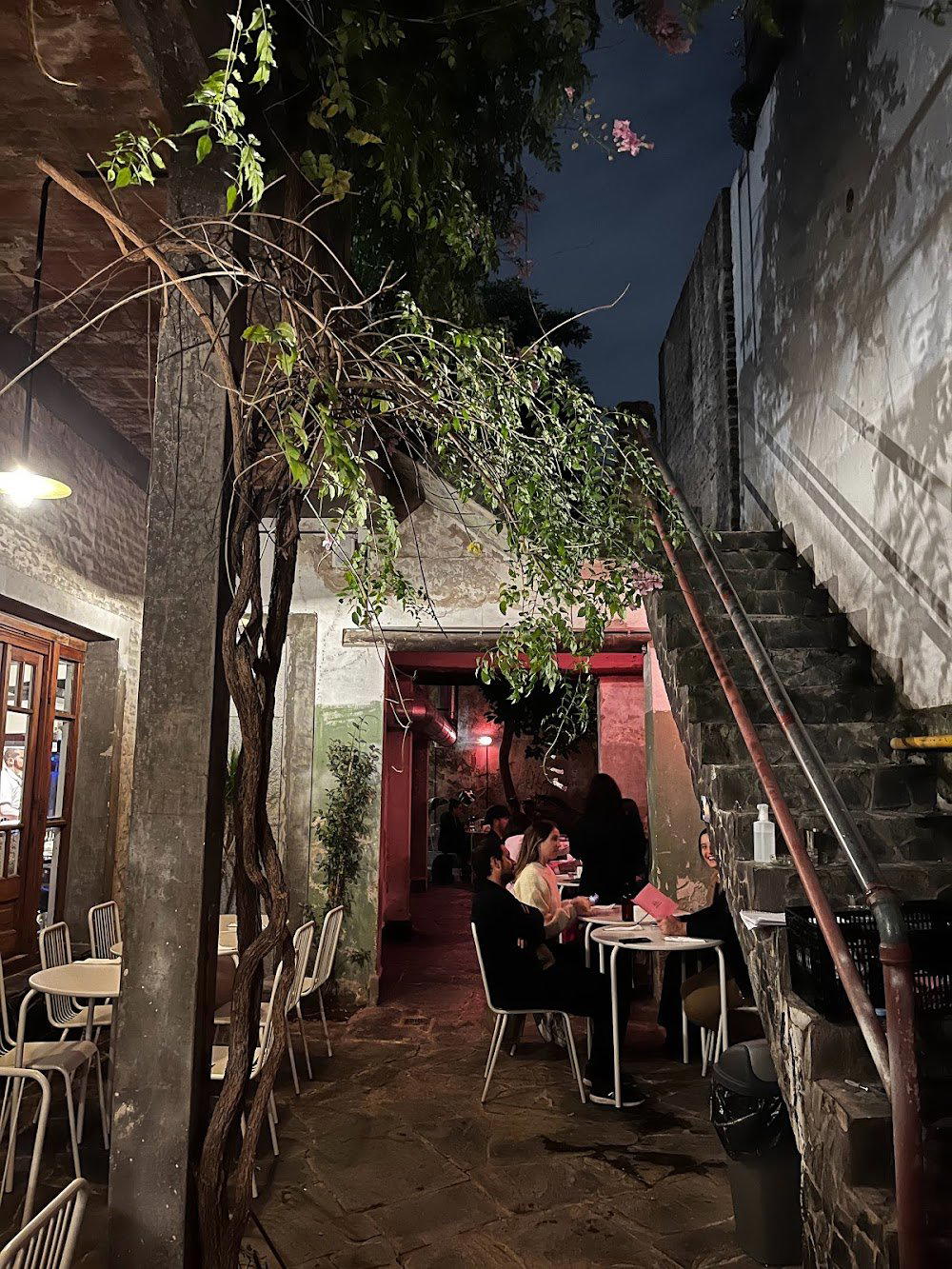
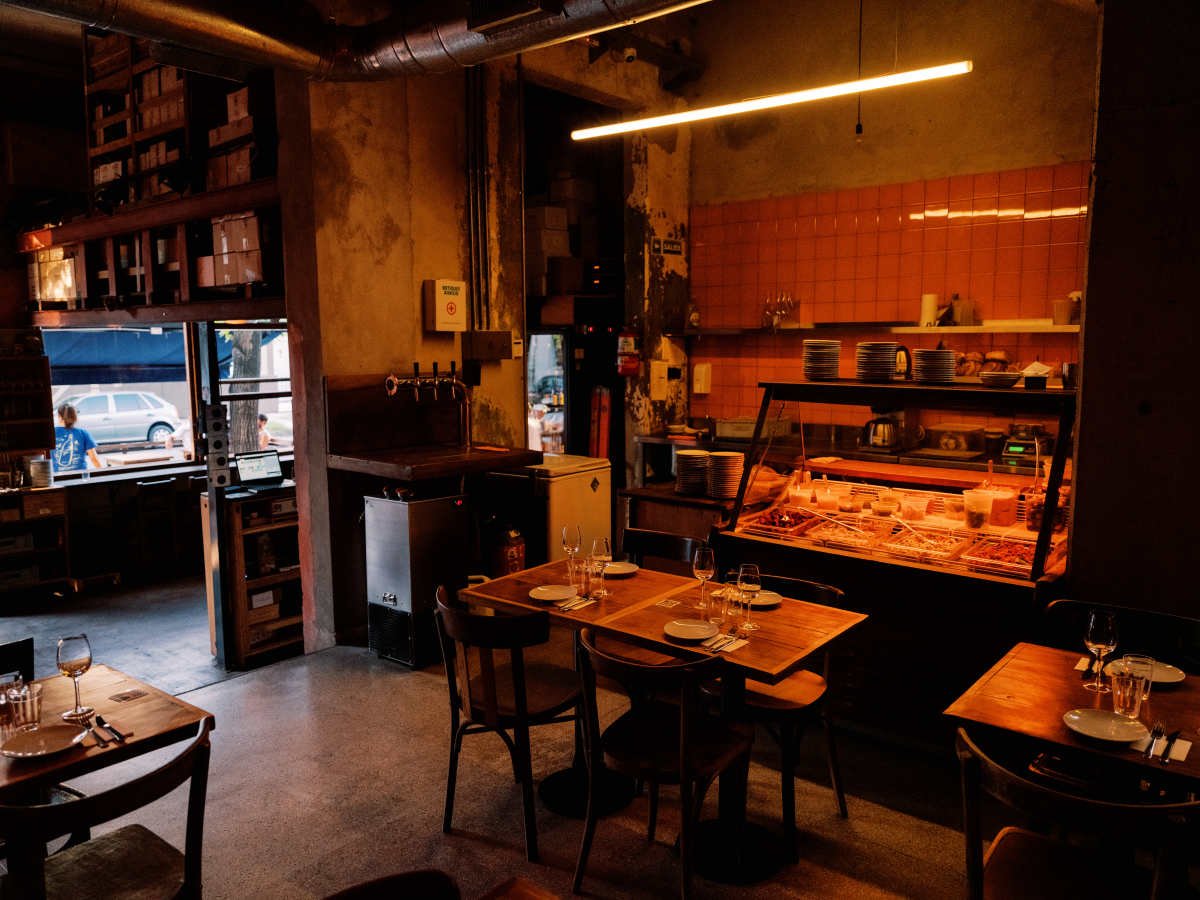
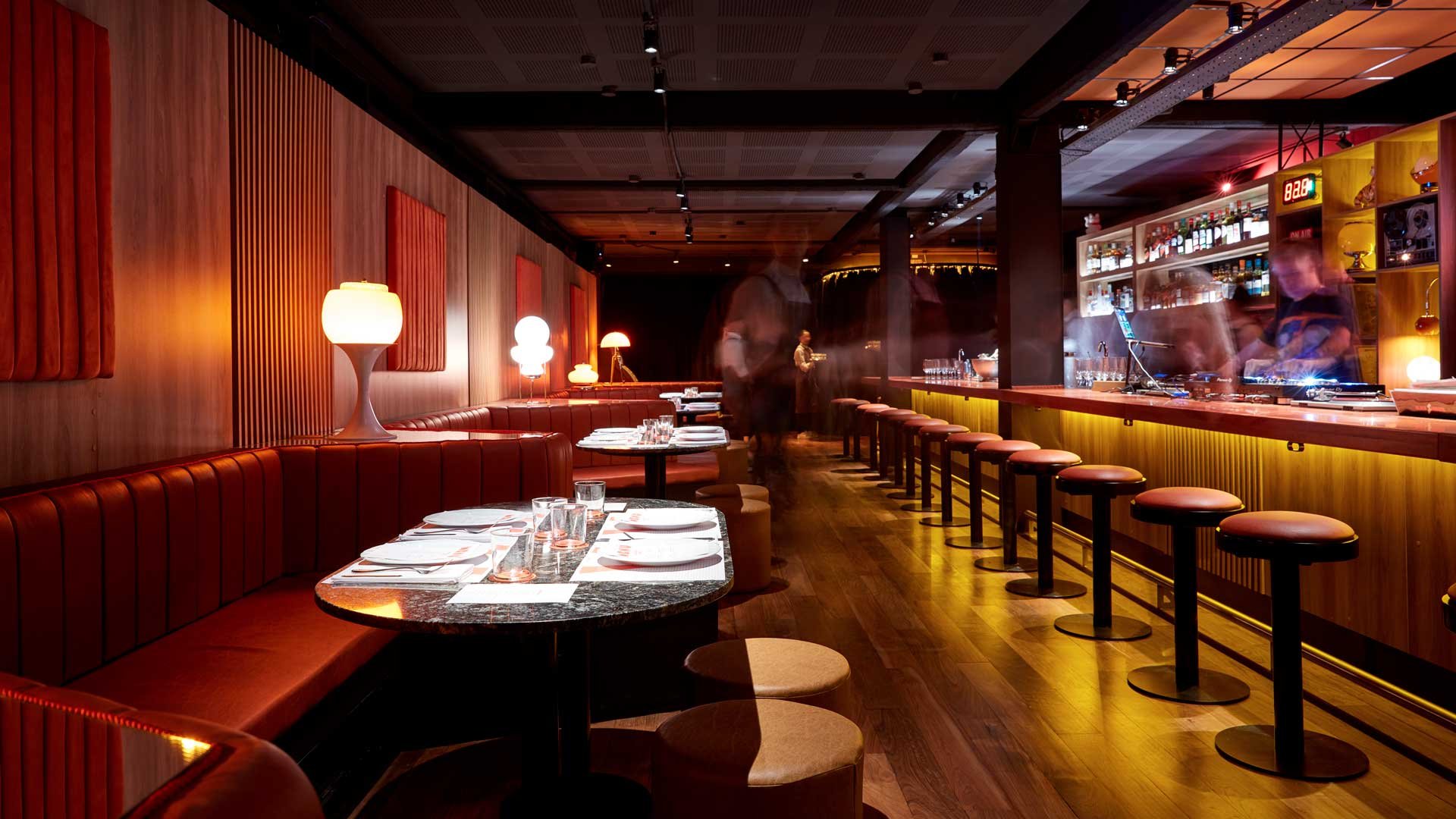
Hotels in Buenos Aires
Browse all →
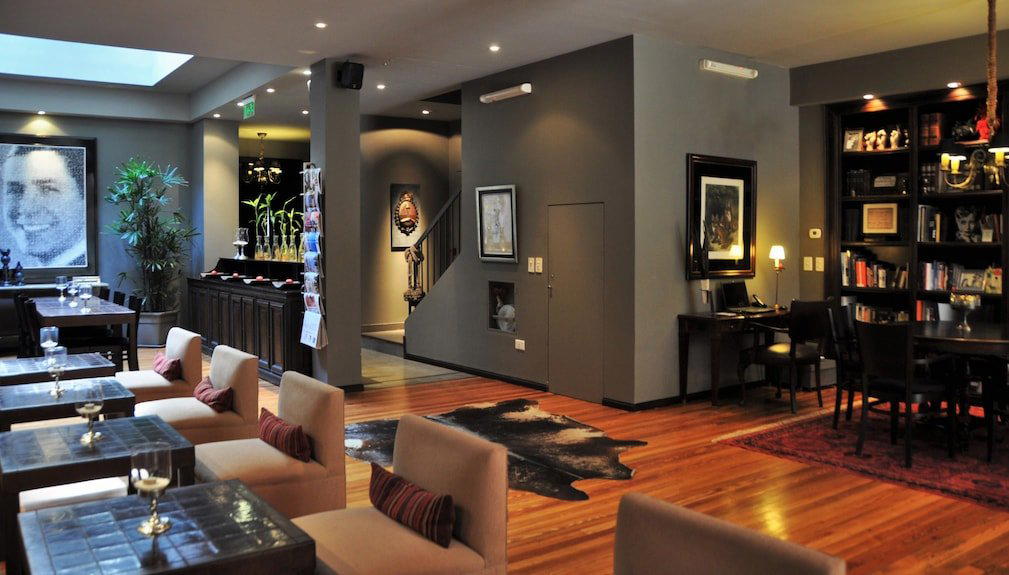
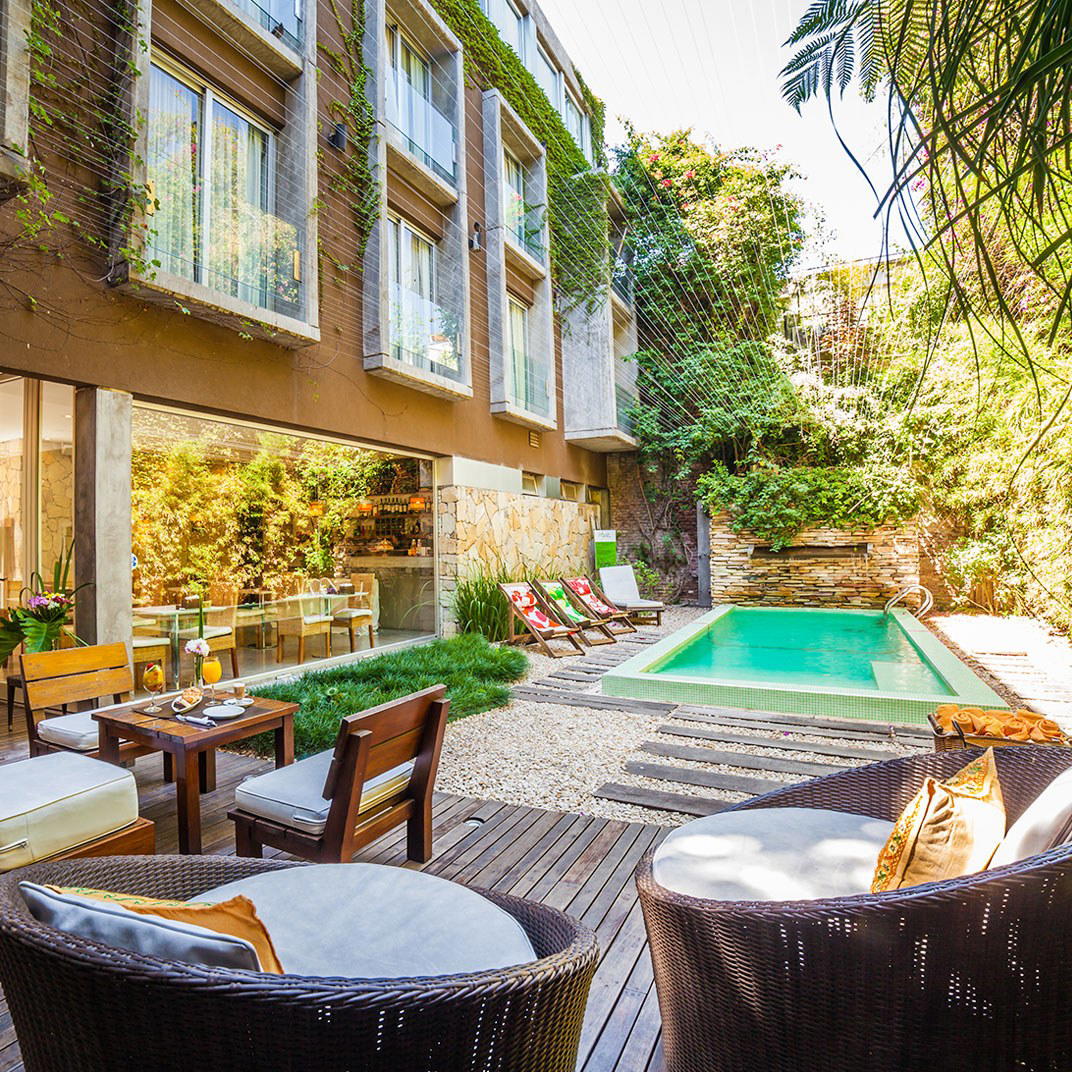
Wineries in Buenos Aires
Browse all →
Details
- Lively
- Rustic
- Well Known
- Group Dining
- Casual Hangout
- Open Kitchen
- Extensive Wine List
- A La Carte
- Vegetarian Friendly
Current opening hours
- Monday
- Closed
- Tuesday
- Closed
- Wednesday
- Closed
- Thursday
- 12–3:30 PM, 7:30 PM–12 AM
- Friday
- 12–3:30 PM, 7:30 PM–12 AM
- Saturday
- Closed
- Sunday
- Closed
Hours can change for holidays and private events. Last verified .
Lively and welcoming with sports memorabilia on the walls, rainbow-hued tiles, and smoky aromas from the central visible grill.