El Patio del Limonar serves a Colombian breakfast buffet in Getsemaní, with courtyard seating, local sourcing, and a conversational pace suited to breakfast plans.
Pearl is the En Primeur Club membership app — saves, bookings, and concierge access live there. Same editors, same standards.
- Address
- Cl de la Media Luna #8B 8B-44, Getsemaní, Cartagena de Indias, Cartagena, Cartagena de Indias, Bolívar, Colombia
- Phone
- +57 605 6546700
- Website
- fourseasons.com
- Directions
- Get directions
 Saves & bookings on Pearl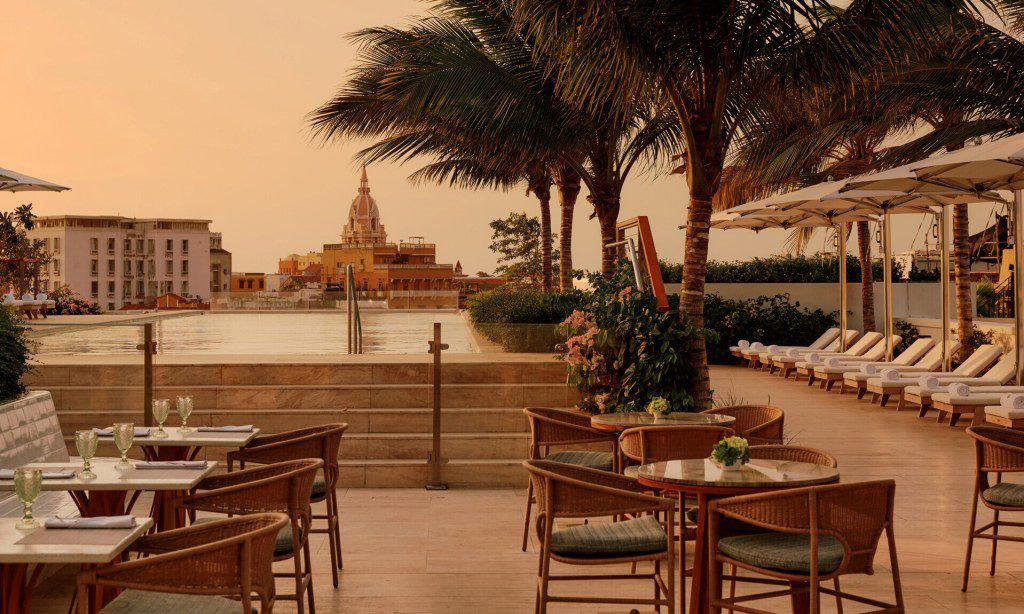
Courtyard Mornings in the Old City
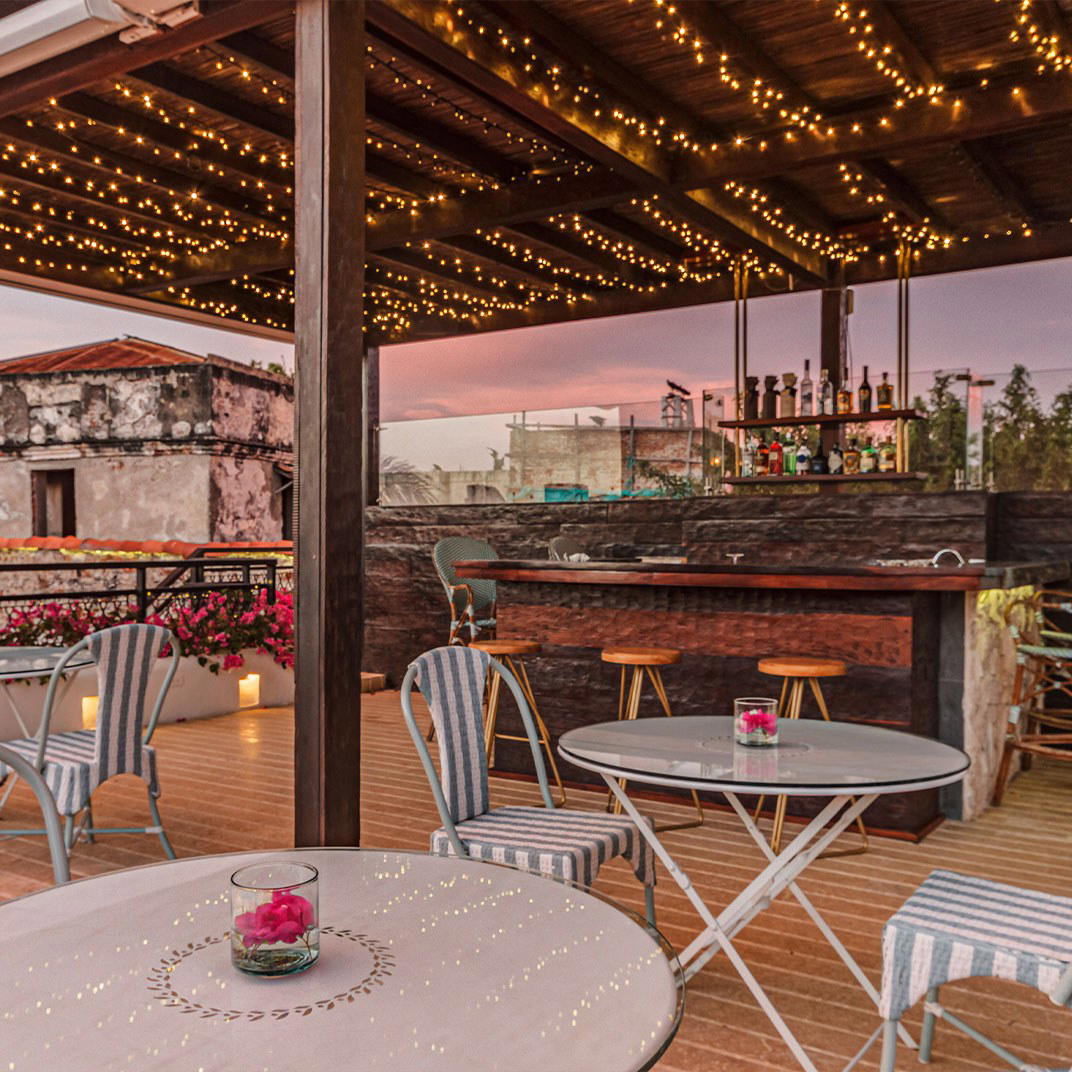
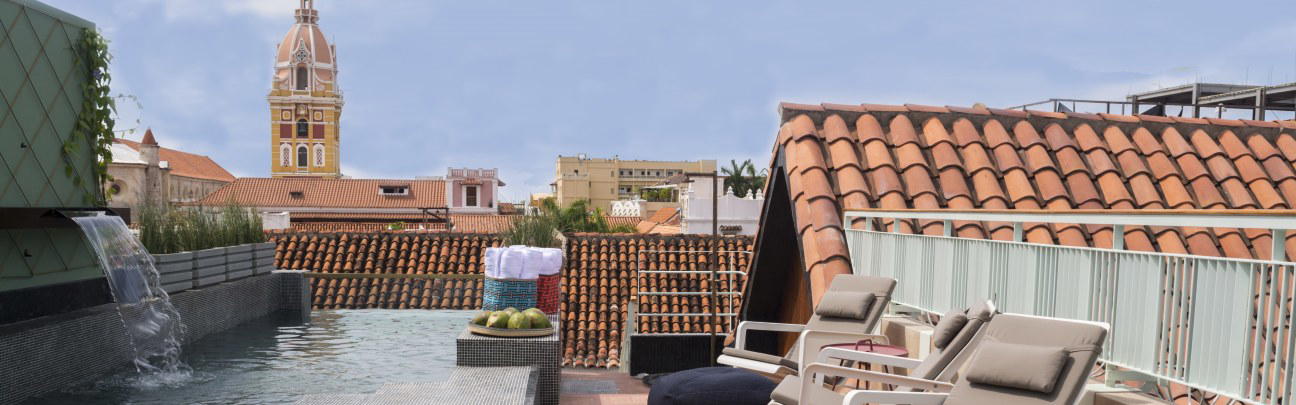
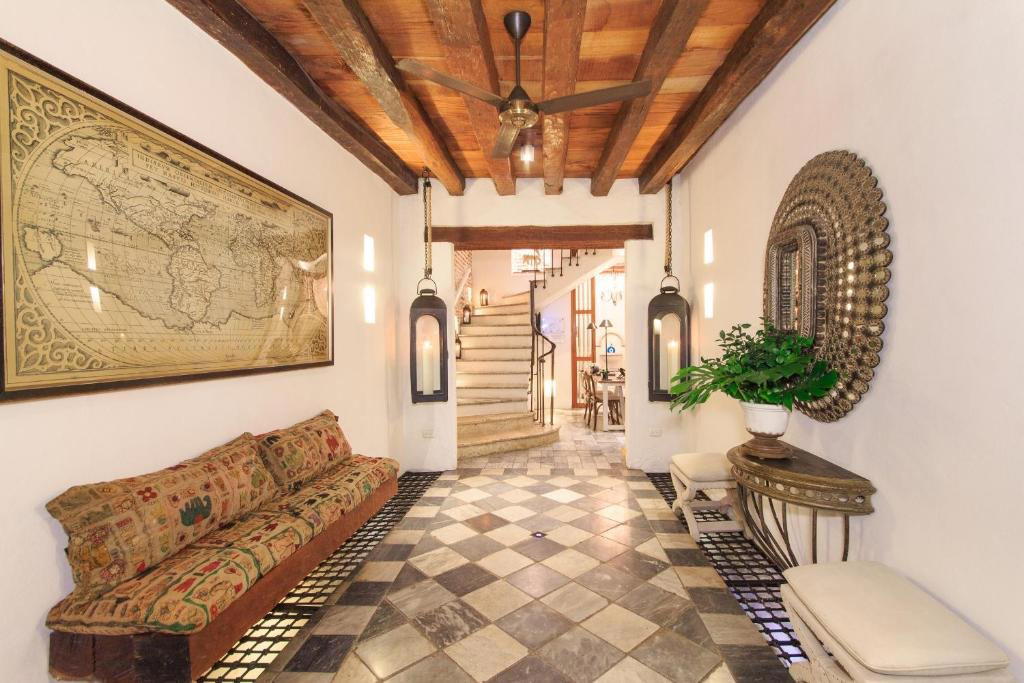
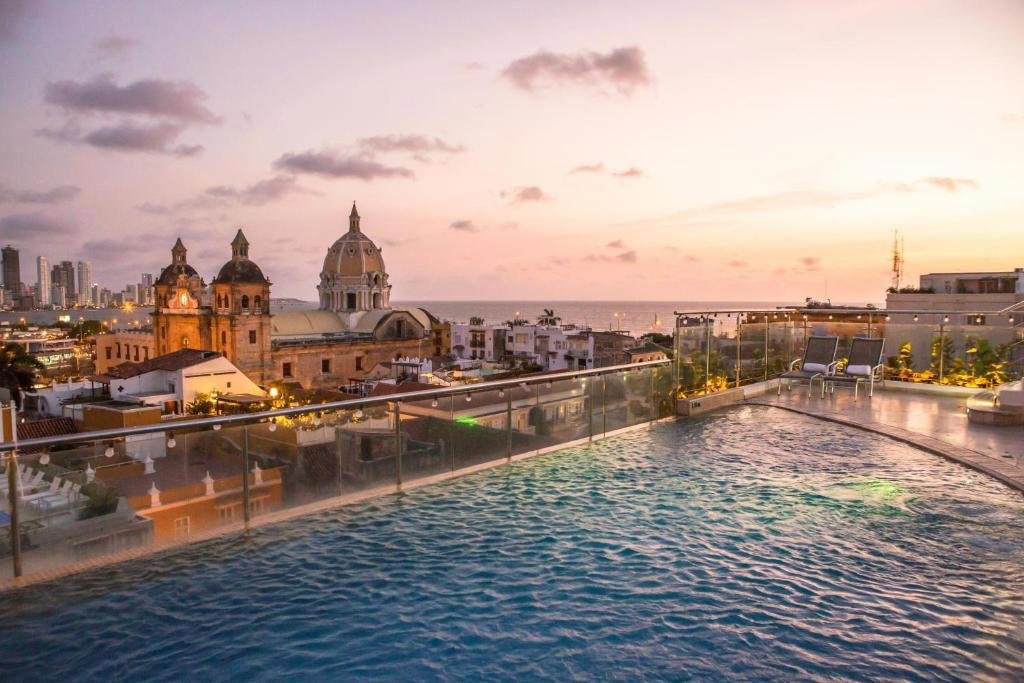
Cartagena's walled city operates on a particular rhythm in the early hours: the heat builds slowly, the cobblestones are still cool underfoot, and the interior courtyards of the colonial houses hold the night's air longer than the streets outside. El Patio del Limonar sits inside that tradition, a breakfast space built around an open-air patio where the architecture does most of the atmospheric work. The lemon tree at the centre, the surrounding colonial columns, the filtered morning light dropping through the open roof: these are not decorative choices so much as the inherited grammar of Cartagenero domestic space, applied to a dining context. For visitors who have spent time in the hotels along the Bocagrande strip or the modern dining rooms north of the old city, this kind of setting registers immediately as different in kind, not just in degree.
The Architecture of a Colonial Patio Breakfast
The patio-format breakfast is a specific tradition in Colombia's Caribbean coastal cities. Unlike the enclosed dining rooms that dominate hotel breakfast formats across Latin America, the courtyard model puts guests inside a semi-outdoor environment where the ambient sounds of the surrounding neighbourhood, birds, distant street noise, the movement of air through the archways, become part of the experience. El Patio del Limonar works within this format without theatrical modification: the space reads as a functioning courtyard that happens to serve breakfast, rather than a restaurant that has acquired a courtyard as a design feature.
The seating arrangement follows the perimeter logic of these colonial interiors, with tables positioned under the colonnaded walkways that ring the central open space. This places diners in partial shade while maintaining direct sightlines to the courtyard's centre. In Cartagena's humidity, this is not incidental: the airflow through a properly proportioned colonial patio is meaningfully cooler than a sealed room, and the shading from the surrounding structure delays the morning heat's full arrival by enough to make an unhurried breakfast viable even in the months when the city's temperature climbs early. The physical container here is doing logistical work as much as aesthetic work.
Compared to the more formal colonial dining environments in the walled city, such as the interiors associated with Canales 5 Brasserie Moderne or the setting around 1621 The Restaurant, El Patio del Limonar operates at a less formal register, positioned as a morning space where the pace is set by the guest rather than by a structured service sequence. That informality is itself a design outcome: the open patio format discourages the kind of contained, choreographed dining that closed interiors facilitate.
Breakfast Buffet: Local, Regional, and International in the Caribbean Context
The buffet format at El Patio del Limonar spans local Colombian, broader regional, and international options, a configuration common across Cartagena's mid-to-upper breakfast venues. In the Caribbean coastal context, the local tier of such a spread typically includes dishes built on corn, plantain, fresh tropical fruit, and costeño cheese, the crumbly, lightly salted cheese produced along the Atlantic coast that appears at breakfast tables across Barranquilla, Cartagena, and Santa Marta. A venue like Donde Mama in Barranquilla shows what a fully committed regional breakfast format looks like; the restaurant's broader span suggests a positioning that accommodates international guests without abandoning local reference points.
The international tier of these buffets functions primarily as comfort infrastructure for guests unfamiliar with Colombian breakfast conventions, while the local and regional offerings carry the editorial interest. In Cartagena specifically, that regional dimension connects to a coastal cooking tradition that runs from the Pacific-influenced kitchens visible in venues like Sevichería Guapi in Santiago de Cali through to the Caribbean costeño canon: bollo, arepa de huevo, sancocho elements, and fresh fruit combinations that reflect the city's geographic position between river delta agriculture and the sea.
Placing El Patio del Limonar in Cartagena's Breakfast Scene
Cartagena's breakfast options split roughly into three categories: hotel dining rooms with buffet formats aimed at international guests, small street-facing spots serving traditional costeño breakfasts at local price points, and a smaller tier of patio-format venues in colonial houses that occupy a middle ground between those poles. The restaurant's courtyard setting places it in that third category, alongside the broader dining environment that the city's historic core has developed as tourism has deepened over the past decade.
The city's restaurant scene at lunch and dinner has grown considerably more ambitious in recent years, with venues like AniMare and Andres Carne de Res representing different points on the spectrum from Colombian fusion to traditional festive formats. The breakfast tier has evolved more quietly, with patio venues filling a gap between the large hotel operations and the purely local spots. At the morning end of the day, the competition is less about culinary ambition and more about setting, pace, and whether the space itself earns the time spent inside it.
For coffee specifically, Cartagena has a separate specialist circuit: Café Rialto represents the specialty Colombian coffee end of that spectrum, with pastries and a format oriented around the drink itself rather than a broader food spread. The restaurant and Café Rialto serve different morning moods: one built around a sit-down spread in an architectural setting, the other around the coffee as the primary object of attention.
Planning a Visit
The walled city's colonial interiors are most comfortable in the early morning before the heat fully establishes itself, making an early breakfast start the practical recommendation regardless of pace preference. Cartagena operates without the tight reservation cultures of higher-pressure dining cities, and a buffet-format breakfast venue of this type generally accommodates walk-in guests, though mornings during high season (December through February, and the July-August domestic holiday period) see heavier footfall across the walled city's hospitality venues generally. The buffet is recommended to plan for in advance, and the current opening window is Monday through Sunday from 6:30 to 11:30 AM.
Colombia's dining scene has broadened significantly across cities in recent years. Those extending travel beyond Cartagena will find reference points at different scales: Harry Sasson in Bogotá, X.O. in Medellín, and BK Burukuka in Santa Marta each represent distinct regional expressions of Colombian hospitality at the premium end. Further afield, Debora Restaurante in Bogotá and Domingo in Cali show how Colombia's second-tier restaurant scene is maturing. For international reference on what structured tasting formats look like at their technical ceiling, Le Bernardin in New York City and Lazy Bear in San Francisco sit in an entirely different register, useful anchors for understanding where the Colombian scene is heading relative to established global benchmarks.
The Quick Read
Comparable venues nearby, for context on price, style, and recognition.
| Venue | Cuisine | Price | Notes |
|---|---|---|---|
| El Patio del LimonarThis venue — the venue you are viewing | Getsemaní, Colombian Breakfast Buffet | $$$$ | Not listed |
| Crepes & Waffles Centro | El Centro, Crepes & Waffles | $$ | Not listed |
| Restaurante Carmen Cartagena | Walled City, Modern Caribbean Seafood | $$$$ | Not listed |
| Lobo de Mar | Not listed | $$$ | Centro, Caribbean-Mediterranean Seafood Fusion |
| Pizzeria Della Chiesa | Getsemaní, Authentic Neapolitan Pizza | $$$ | Not listed |
| Restaurante Carmen | Not listed | $$$$ | Walled City, Modern Colombian Caribbean Seafood Fusion |
Continue exploring
More in Cartagena
Restaurants in Cartagena
Browse all →
Bars in Cartagena
Browse all →
At a Glance
- Scenic
- Elegant
- Rustic
- Family
- Courtyard
- Local Sourcing
- Street Scene
Current opening hours
- Monday
- 6:30–11:30 AM
- Tuesday
- 6:30–11:30 AM
- Wednesday
- 6:30–11:30 AM
- Thursday
- 6:30–11:30 AM
- Friday
- 6:30–11:30 AM
- Saturday
- 6:30–11:30 AM
- Sunday
- 6:30–11:30 AM
Hours can change for holidays and private events. Last verified .
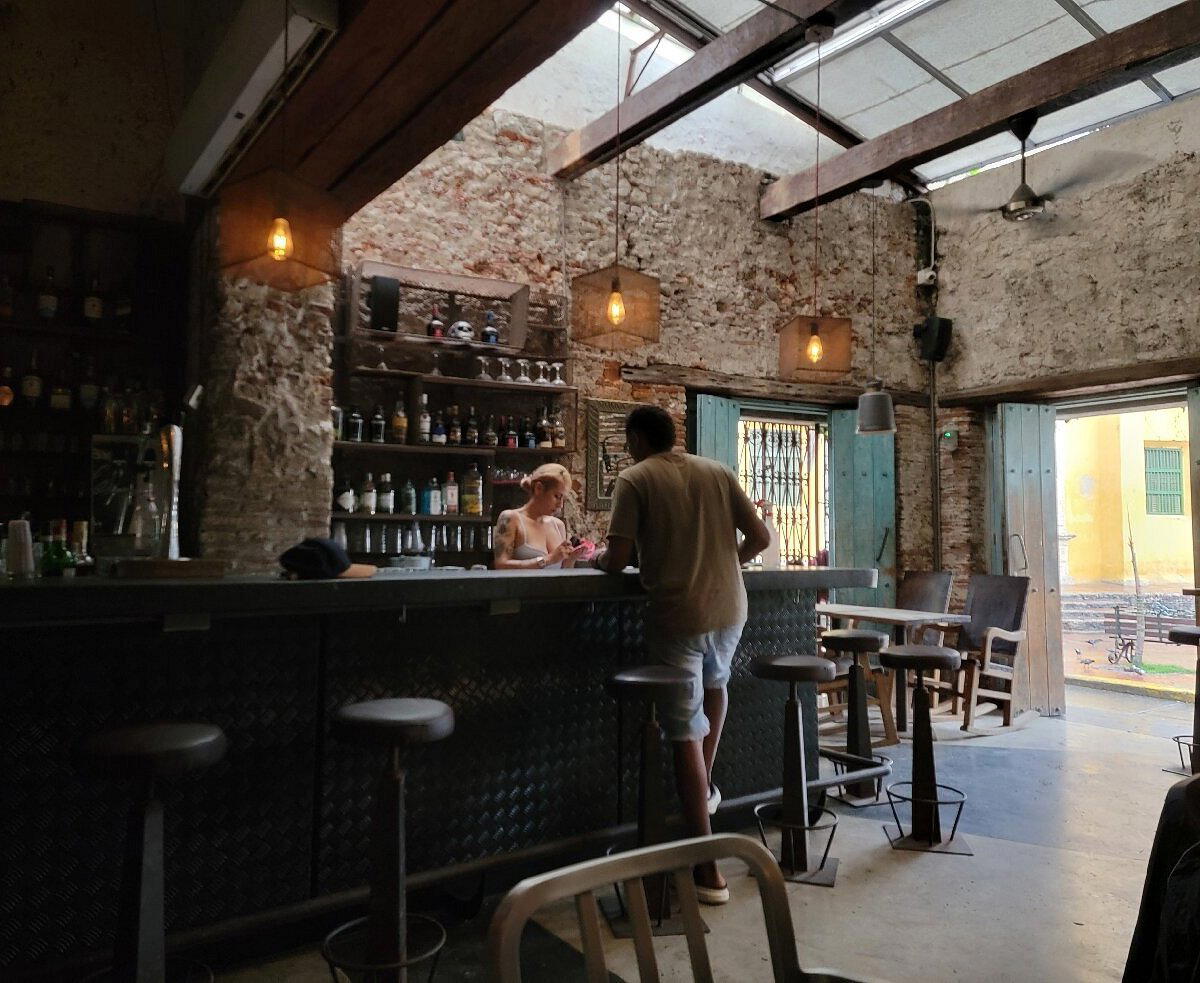
Breezy, open-air courtyard atmosphere with natural light and a lively yet relaxed morning vibe.