Lobo de Mar serves Caribbean-Mediterranean seafood fusion in Cartagena, with craft cocktails, local sourcing, and a leisurely dinner pace that suits an unhurried night out.
Pearl is the En Primeur Club membership app — saves, bookings, and concierge access live there. Same editors, same standards.
- Address
- Centro, Calle del Santísimo #8-15, Cartagena de Indias, Bolívar, Colombia
- Phone
- +57 324 4882704
- Website
- lobodemar.co
- Directions
- Get directions
 Saves & bookings on Pearl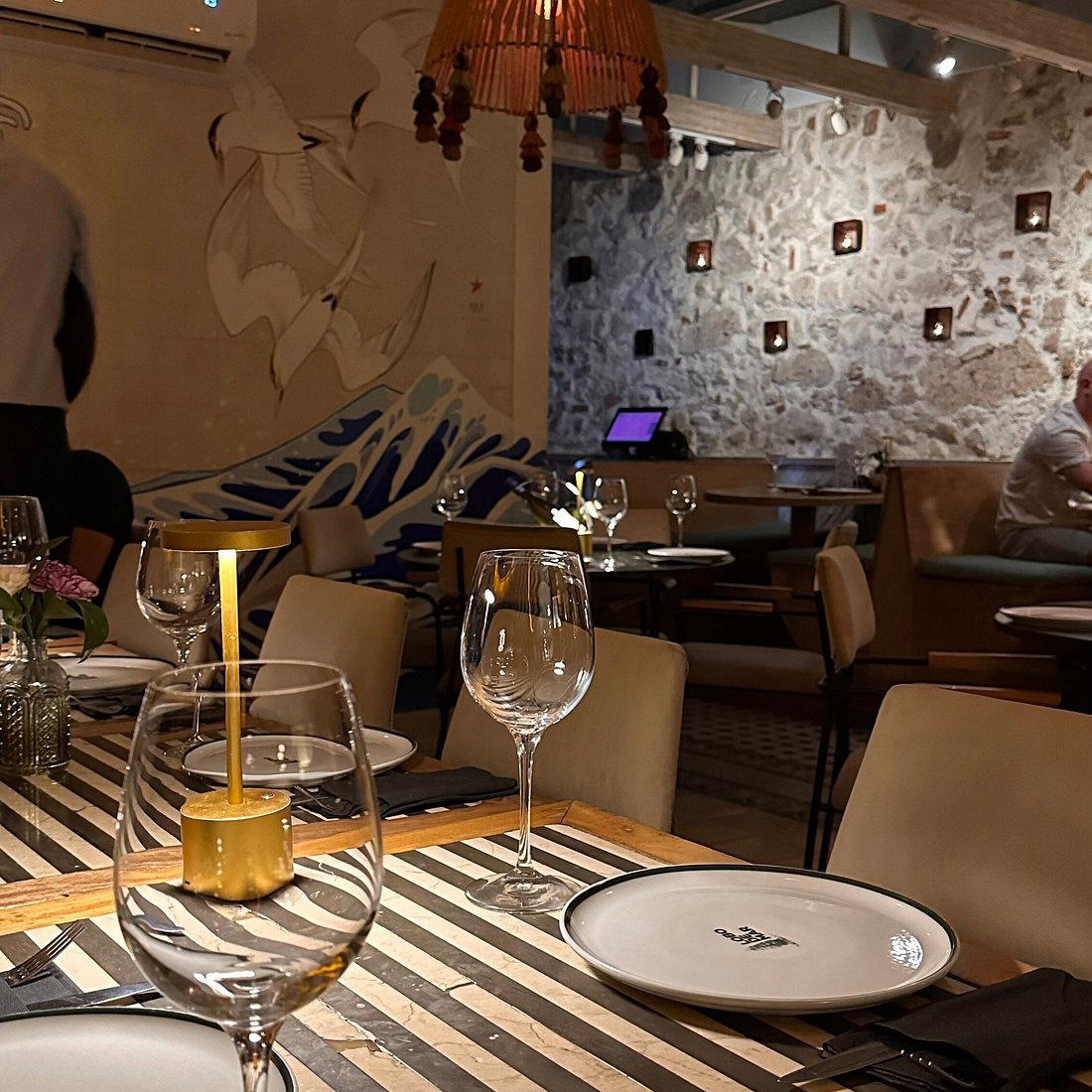
Calle del Santísimo and the Logic of Cartagena's Walled City
Cartagena's Centro Histórico operates on a grammar that rewards slow movement. The walled city's streets narrow toward the water, colonial facades absorb the afternoon heat, and the sound of the Caribbean arrives before you see it. Calle del Santísimo, where Lobo de Mar sits at number 8-15, belongs to the older, quieter residential quarter of the centro rather than the tourist-dense zones around Plaza Santo Domingo or the clock tower gate. That positioning matters. Restaurants on Calle del Santísimo are chosen rather than stumbled upon, which shapes both the clientele and the pace of a meal.
The Colombian Caribbean coast has developed a distinct dining identity over the past decade, and Cartagena sits at the centre of that shift. Where once the city's restaurant offer split between tourist-facing seafood corrals and private-home cooking, a third tier has emerged: places rooted in Caribbean ingredient traditions but applying more deliberate technique. Lobo de Mar's name alone signals the coastal frame. "Sea wolf" in Spanish carries an old mariner's register, associating the address with the ocean economy that built this city rather than with the colonial grandeur that decorates it.
What the Caribbean Coast Means on a Plate
Understanding what to expect at a restaurant like Lobo de Mar requires some orientation in the broader Colombian coastal pantry. The Colombian Caribbean is not the same culinary territory as the Pacific coast, where restaurants like Sevichería Guapi in Santiago de Cali work with Afro-Colombian Pacific traditions around plantain, coconut, and river fish. The Atlantic side runs on different staples: ñame (wild yam), costeño cheese, red snapper and mojarra from the bay, patacones as a structural element rather than a side, and a seasoning register built on ají dulce, cumin, and annatto rather than the chilli-forward profiles of the interior.
Cartagena's more ambitious restaurants have spent recent years working out how to honour those ingredients without freezing them in nostalgia. Celele, the city's most discussed contemporary-Colombian address, built a reputation precisely by treating coastal biodiversity as a research project. The restaurant operates in the same broad conversation, though the two addresses occupy different registers: the former is explicitly tasting-menu-forward and reservation-essential; the neighbourhood context of Calle del Santísimo suggests a more accessible entry point into coastal cooking.
For visitors already familiar with the controlled environment of places like Le Bernardin in New York City or the deliberate theatrics of Lazy Bear in San Francisco, Cartagena's mid-tier represents something different: less ceremony, more direct contact with the ingredients, and a price-to-provenance ratio that remains difficult to match in North American or European coastal cities.
The Neighbourhood as Context for the Meal
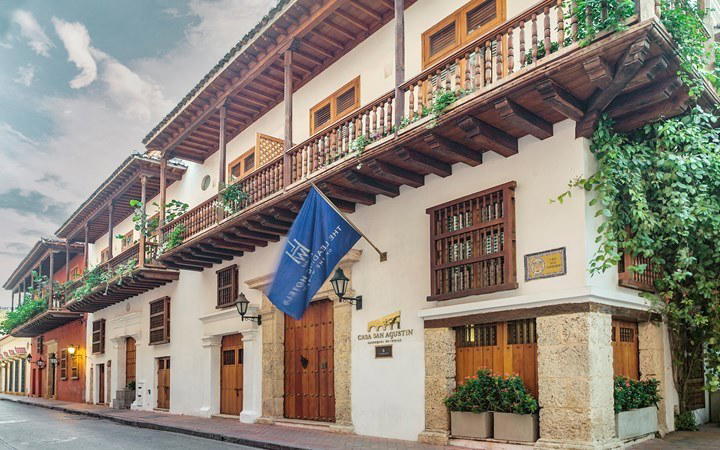
Walking to the restaurant from the more populated plazas of the centro takes you through blocks where the architecture shifts from well-restored boutique hotels to working residential buildings. By the time you reach Calle del Santísimo, the street has a slower rhythm. This is not the Cartagena of bachata from open storefronts or the constant pressure of informal vendors; it is the interior city, where the heat is real and the shade matters and you have to have meant to be there.
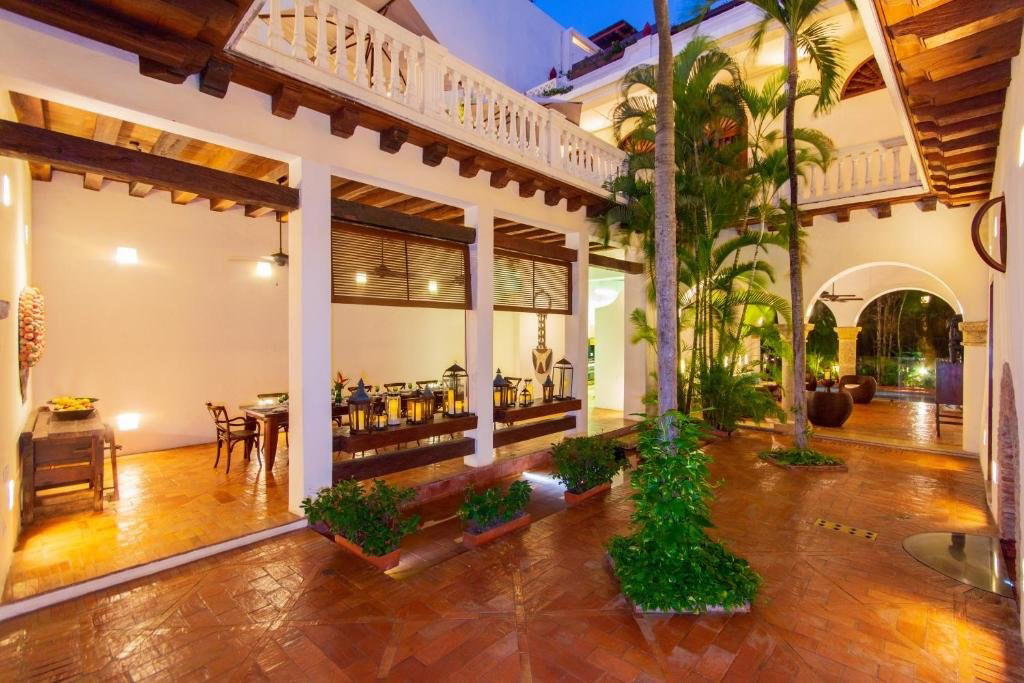
That neighbourhood character has a direct effect on the dining experience. Restaurants in quieter centro streets tend to keep their own pace rather than adapting to the turnover logic of high-traffic tourist zones. The physical environment of the walled city also sets a sensory frame that no amount of interior design can replicate: thick masonry walls, high ceilings, interior courtyards when the building permits, and a quality of light in the late afternoon that arrives golden through wooden shutters.
For comparison, 1621 The Restaurant and AniMare represent different points on Cartagena's dining spectrum. 1621 positions itself in the more formal hotel-adjacent tier; AniMare works a Colombian fusion register with broader international reference. The restaurant's address places it outside both of those gravitational pulls, which is partly the point.
How Lobo de Mar Sits Within Colombia's Wider Restaurant Conversation
Colombia's restaurant scene has professionalized rapidly since roughly 2015, with Bogotá and Medellín receiving the majority of critical attention. Harry Sasson in Bogotá and X.O. in Medellín operate at a scale and formality that reflects their urban contexts. Debora Restaurante in Bogota has drawn attention to the capital's contemporary direction, while Domingo in Cali and Donde Mama in Barranquilla demonstrate how regional identity continues to anchor serious cooking outside the major metros.
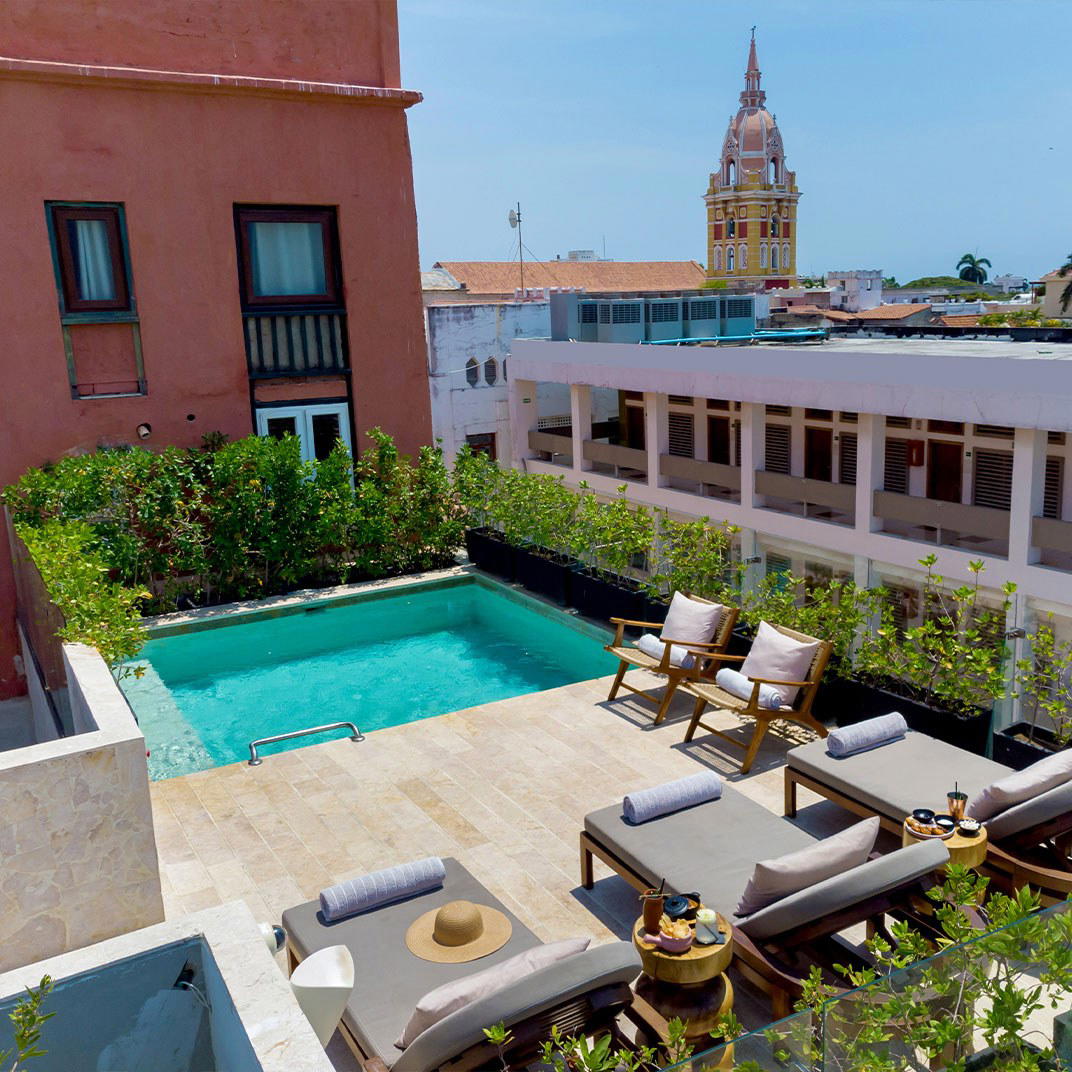
Cartagena's contribution to that national conversation is specific to the Caribbean coast's ingredient geography and to the city's role as Colombia's most internationally trafficked historic destination. The risk for Cartagena's restaurants is over-calibrating toward international visitors at the expense of the local cuisine's actual complexity. The more grounded addresses on streets like Calle del Santísimo tend to resist that drift more effectively than the venues built around a sunset-view terrace or a hotel partnership. Andrés Carne de Res and Canales 5 Brasserie Moderne represent two other distinct formats in the city's restaurant range; each answers a different question about what dining in Cartagena can mean.
For Caribbean coast context beyond Cartagena, BK - BURUKUKA in Santa Marta offers a point of comparison for how the same coastal ingredients read in a different port city with a younger dining culture.
Planning a Visit
Calle del Santísimo 8-15 is within the walled city and reachable on foot from most centro hotels in under fifteen minutes. The centro's streets are navigable without a car, and arriving on foot is consistent with how the neighbourhood functions.
For a broader orientation to Cartagena's restaurant offer, the full Cartagena restaurants guide maps the city's dining options across cuisine types and neighbourhoods. For a coffee stop before or after, Café Rialto handles speciality Colombian coffee and pastries within the centro.
At a Glance
Comparable venues nearby, for context on price, style, and recognition.
| Venue | Cuisine | Price | Notes |
|---|---|---|---|
| Lobo de MarThis venue — the venue you are viewing | Not listed | $$$ | Not listed |
| El Rincon | El Laguito, Colombian Caribbean Seafood | $$ | Not listed |
| La Vitrola Restaurante | Centro, Cuban-Caribbean with Live Music | $$$ | Not listed |
| San Valentín Restaurante Bar | Centro, Caribbean Seafood & Local Fare | $$ | Not listed |
| La Vitrola | Not listed | $$$ | Centro (Old City), Traditional Cuban & Caribbean |
| Mar Y Zielo | Not listed | $$$$ | Centro Historico, Modern Caribbean Gastro Bar |
Continue exploring
More in Cartagena
Restaurants in Cartagena
Browse all →
Bars in Cartagena
Browse all →
At a Glance
- Trendy
- Lively
- Elegant
- Cozy
- Date Night
- Group Dining
- Special Occasion
- Live Music
- Open Kitchen
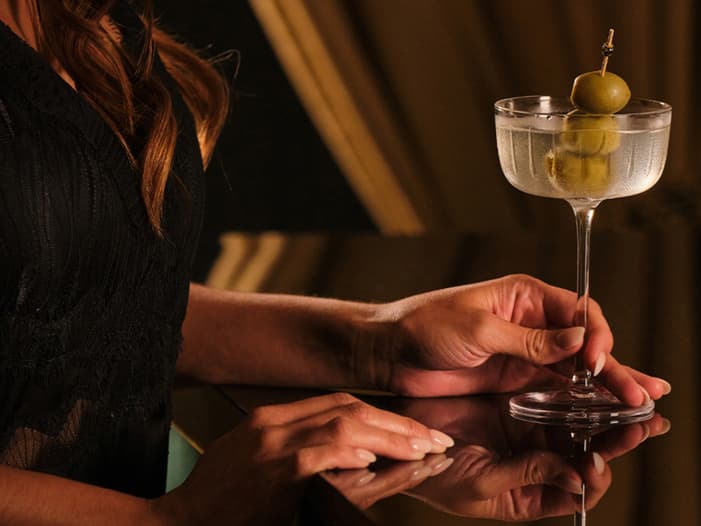
- Craft Cocktails
- Local Sourcing
Current opening hours
- Monday
- 12–3 PM, 7–11:30 PM
- Tuesday
- 12–3 PM, 7–11:30 PM
- Wednesday
- 12–3 PM, 7–11:30 PM
- Thursday
- 12–3 PM, 7–11:30 PM
- Friday
- 12–11:30 PM
- Saturday
- 12–11:30 PM
- Sunday
- 12–11:30 PM
Hours can change for holidays and private events. Last verified .
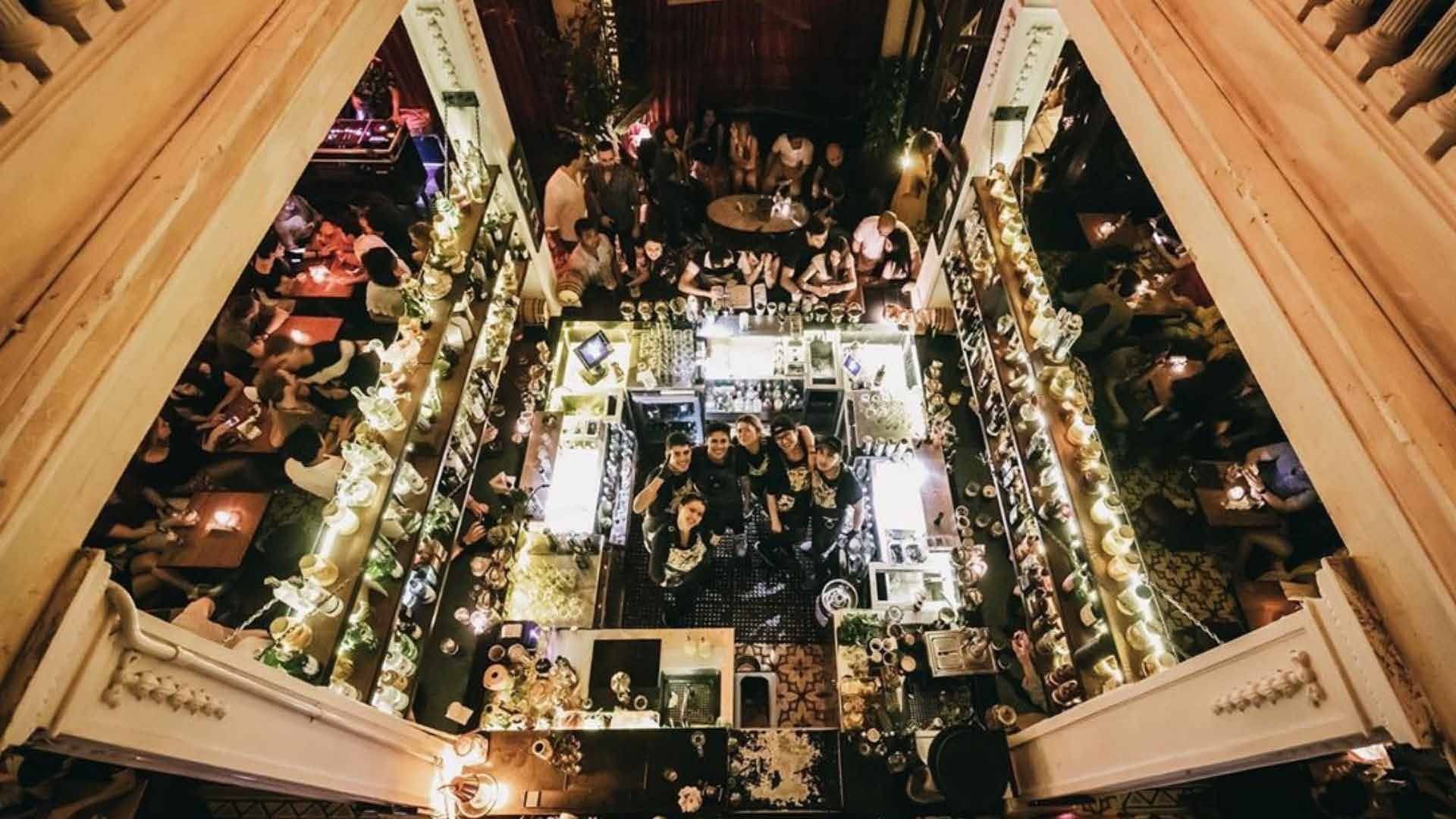
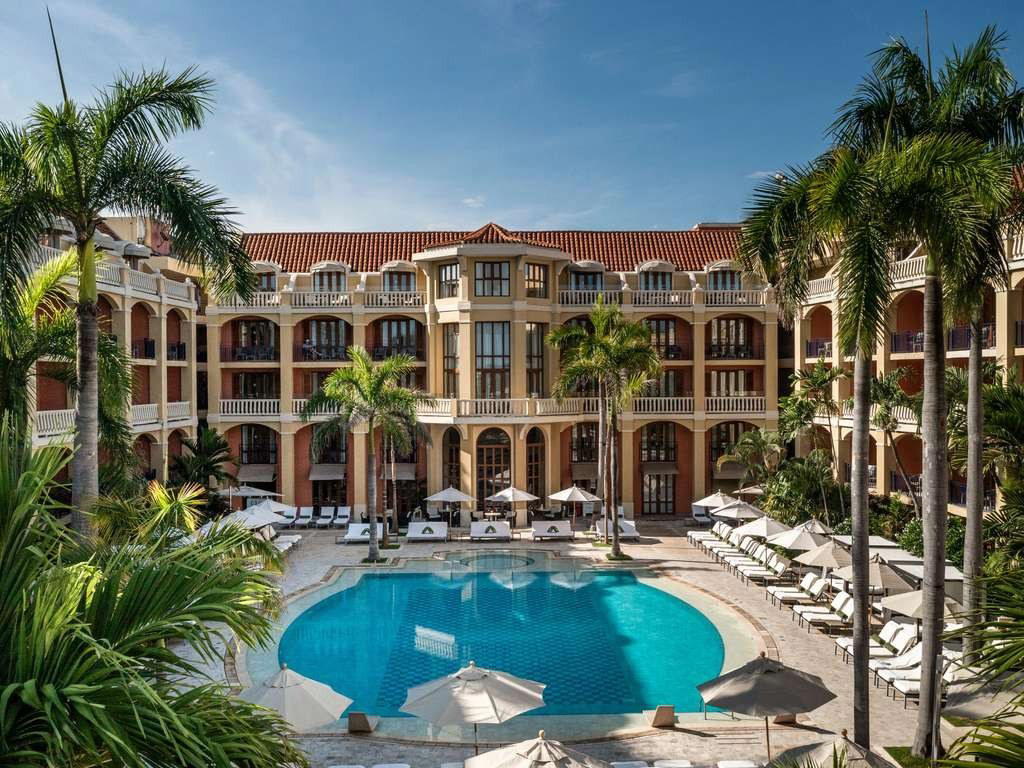
Lively and stylish atmosphere with funky decor, live music, and an enjoyable setting praised for its fancy presentation.