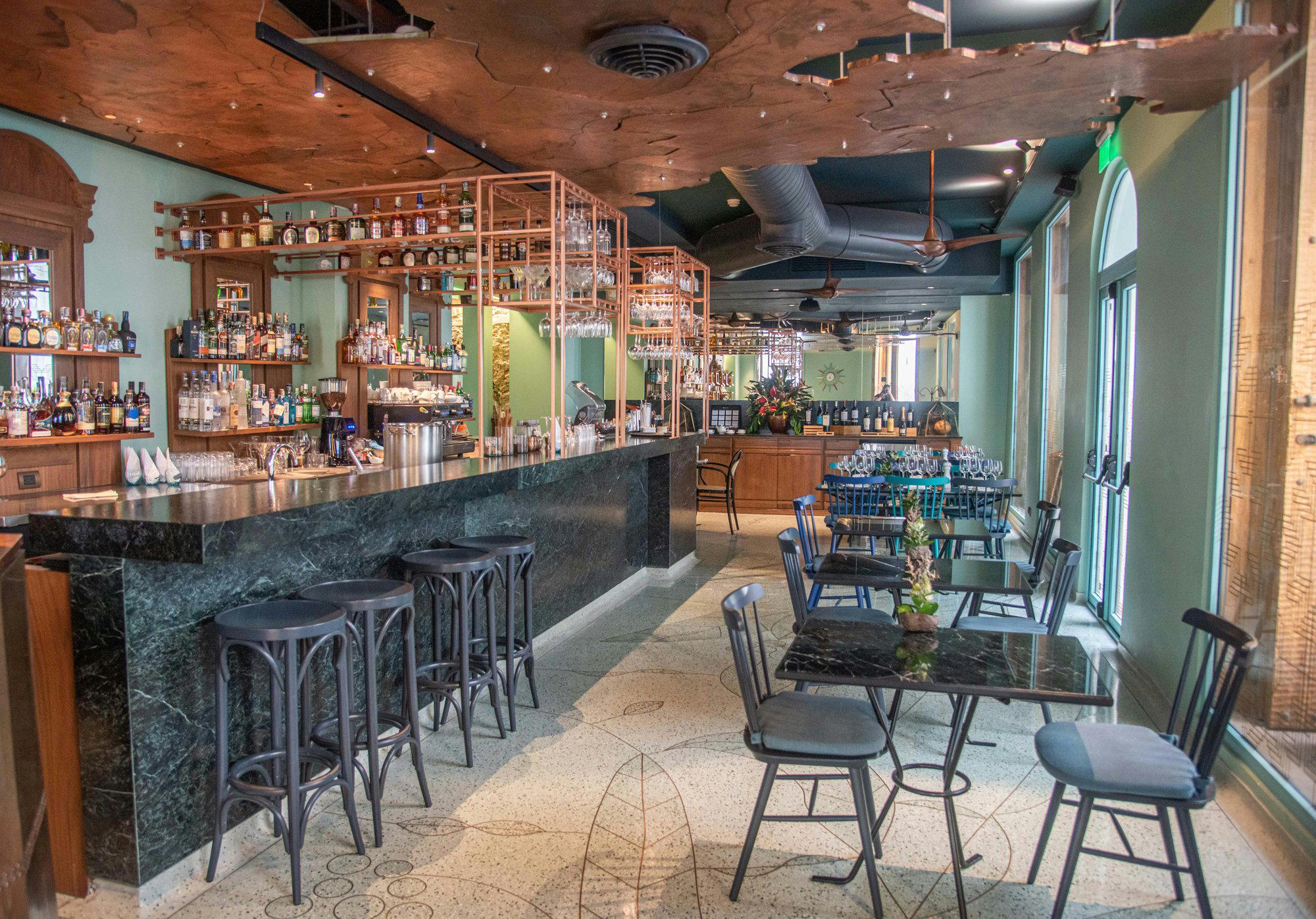
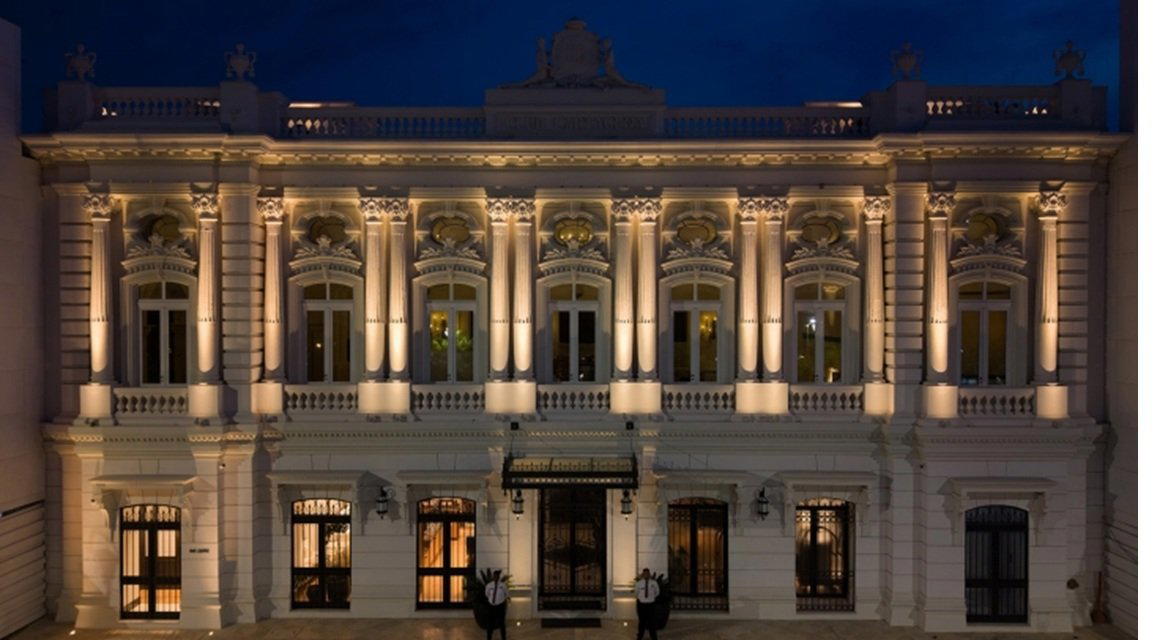
Inside Hotel Casa Lola on Calle del Guerrero, Doña Lola operates at the intersection of Cartagena's walled-city heritage and the current wave of hotel-anchored dining that has reshaped the Old City's restaurant scene. The setting frames Colombian coastal cooking through a menu architecture that rewards attention, placing it within a narrow tier of Cartagena addresses where the room and the food carry equal weight.
Pearl is the En Primeur Club membership app — saves, bookings, and concierge access live there. Same editors, same standards.
- Address
- hotel casa lola, Calle del Guerrero, 29 108 / 118, Cartagena de Indias, Bolívar, Colombia
- Phone
- +573205477724
- Website
- xn--doalolacartagena-7tb.com
- Directions
- Get directions
 Saves & bookings on Pearl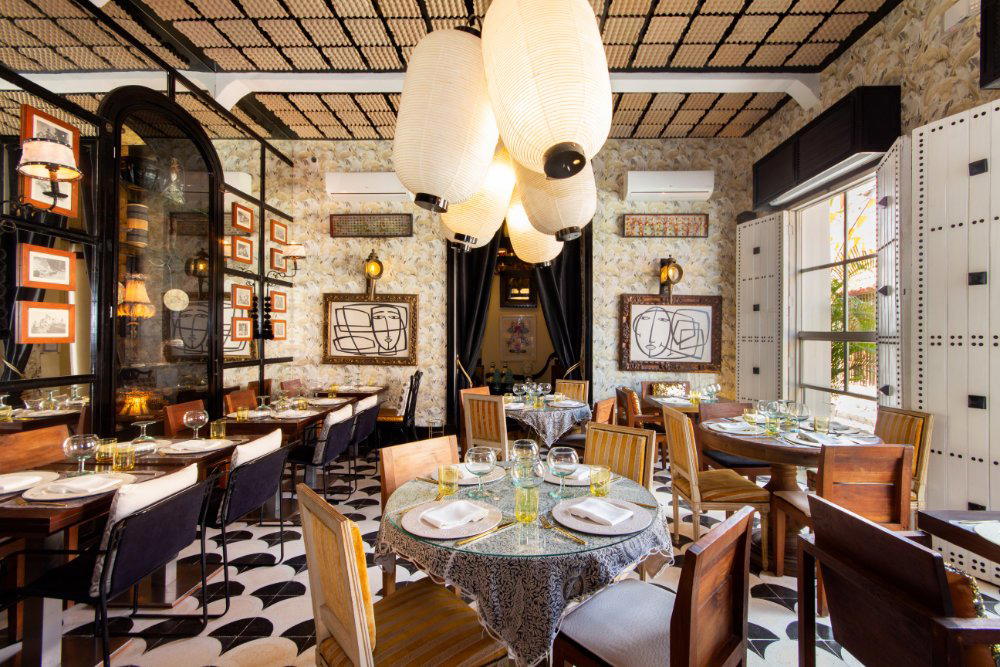
A Walled City Address and What It Signals
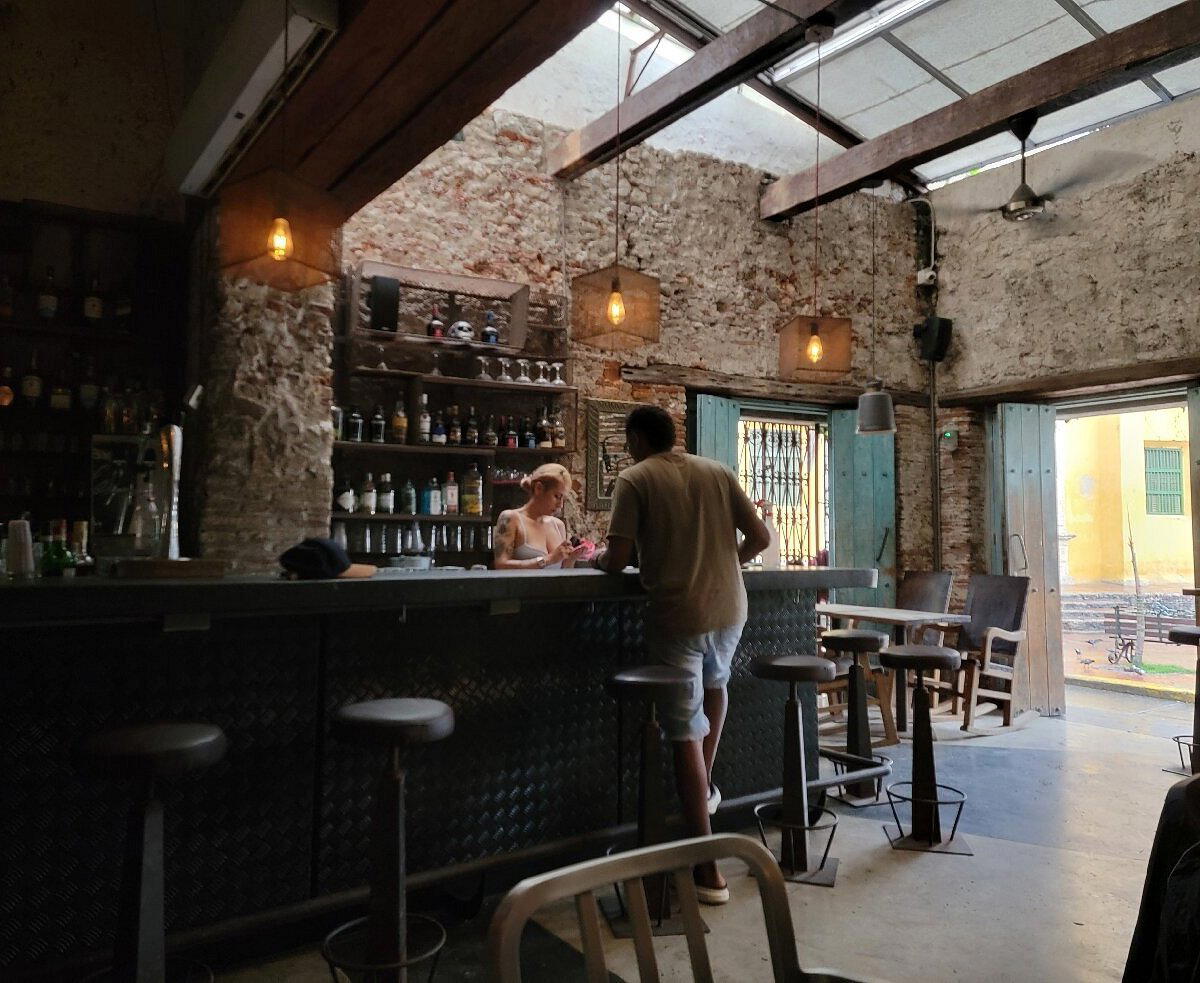
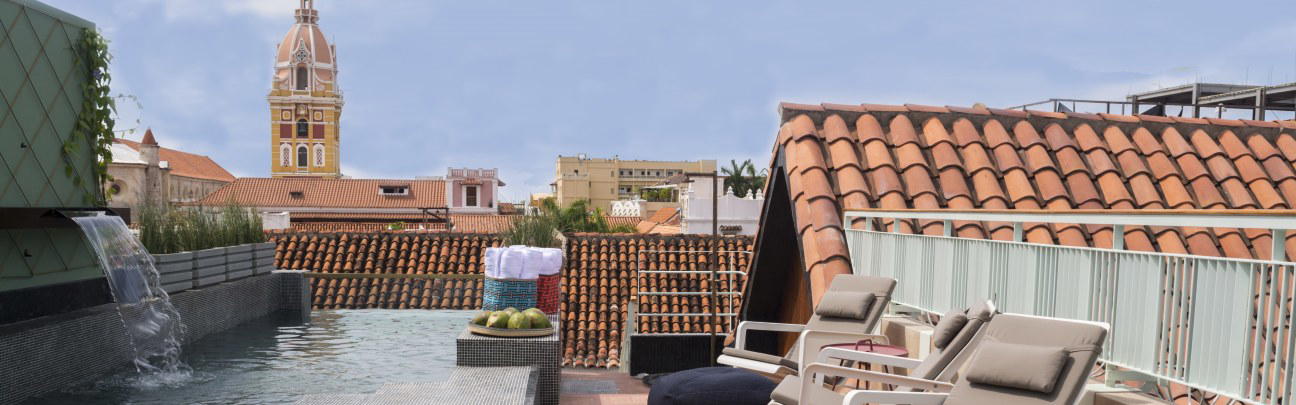
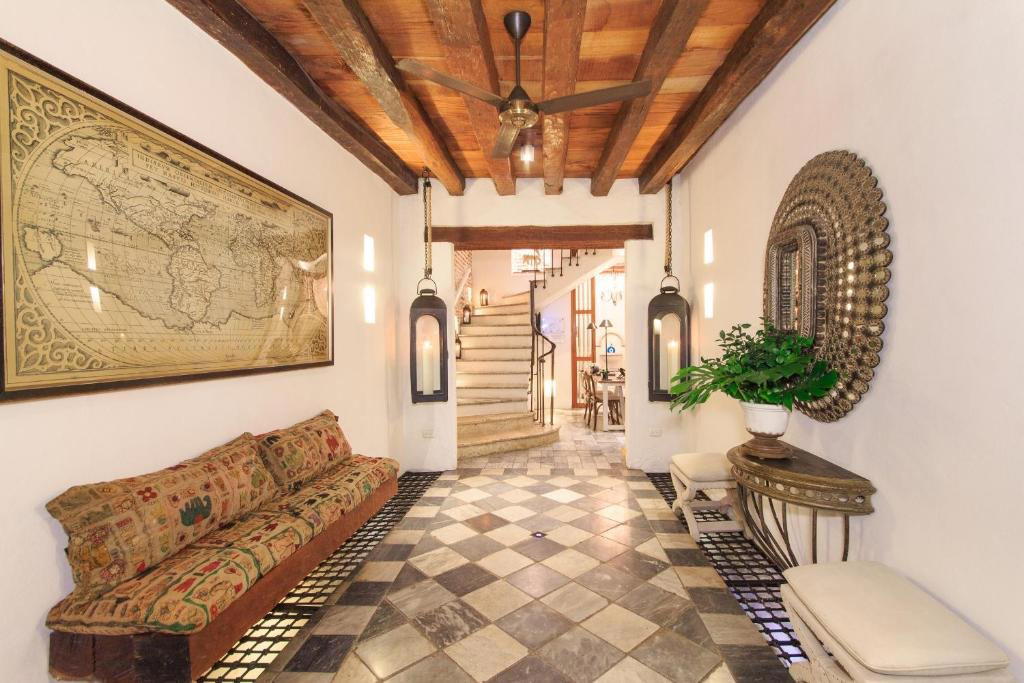
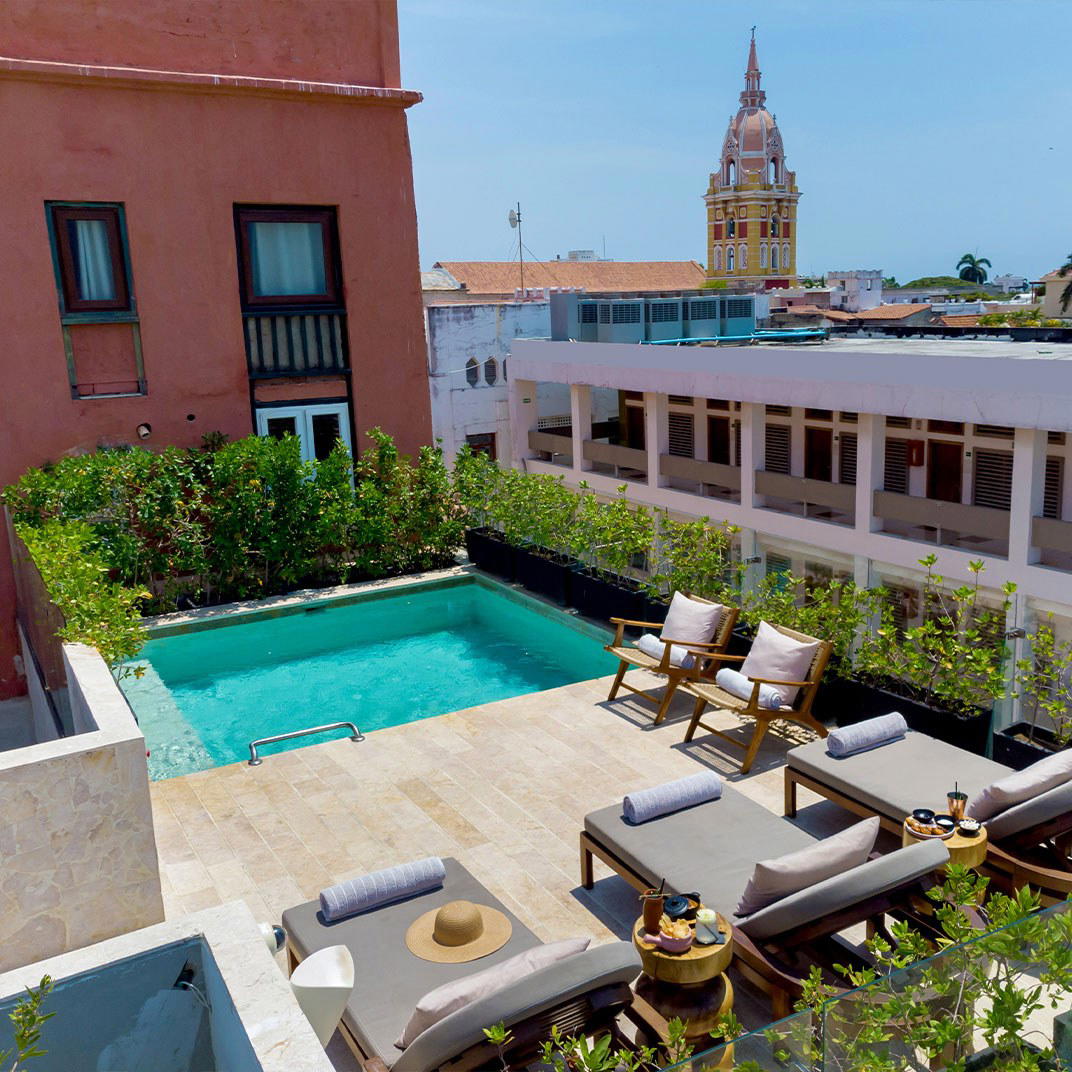
Cartagena's Old City has been undergoing a quiet but consequential shift over the past decade. The historic centre, long defined by colonial-era courtyards repurposed as casual seafood operations or tourist-facing parrillas, now hosts a tighter set of hotel-anchored restaurants operating at a meaningfully different level. These are rooms where the architecture does serious work, thick stone walls, interior gardens, filtered light through shuttered colonial fenestration, and the kitchen is expected to match that backdrop. Doña Lola is a restaurant serving Caribbean with Spanish Influences in Cartagena de Indias, at Hotel Casa Lola on Calle del Guerrero, 29 108 / 118. The address alone, a street running through the densest part of the walled city, places the restaurant within a specific competitive conversation.
Hotel-integrated restaurants in Cartagena occupy an interesting position in the local dining hierarchy. They tend to draw a mixed audience: hotel guests for whom proximity is the primary logic, and locals or visiting food-aware travellers who have made a deliberate choice. The better ones earn the second category consistently. Understanding where Doña Lola sits in that dynamic requires looking at how the menu is structured rather than simply what it serves.
How the Menu Is Built and What That Architecture Reveals
In Colombian coastal cooking, the foundational tension is between the deeply local, coastal stews, plantain-based preparations, Caribbean-inflected spicing, and the pressure toward international legibility that comes with serving an internationally mobile guest. The way a restaurant in Cartagena resolves that tension, or refuses to, tells you more about its intent than any single dish. A menu that leads with Caribbean tradition and builds outward uses the local canon as its spine. A menu that leads with broadly recognizable formats and adds local color as accent is operating with a different hierarchy of values.
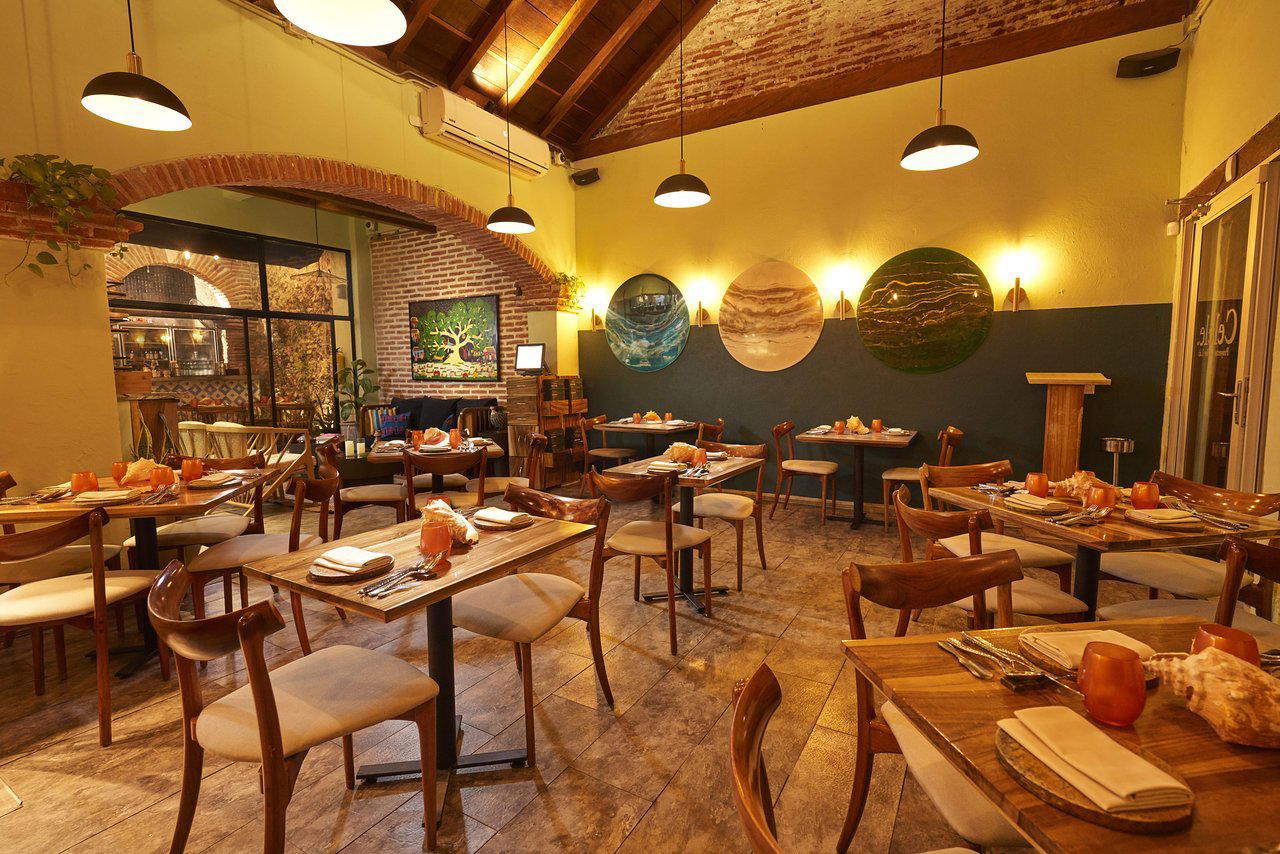
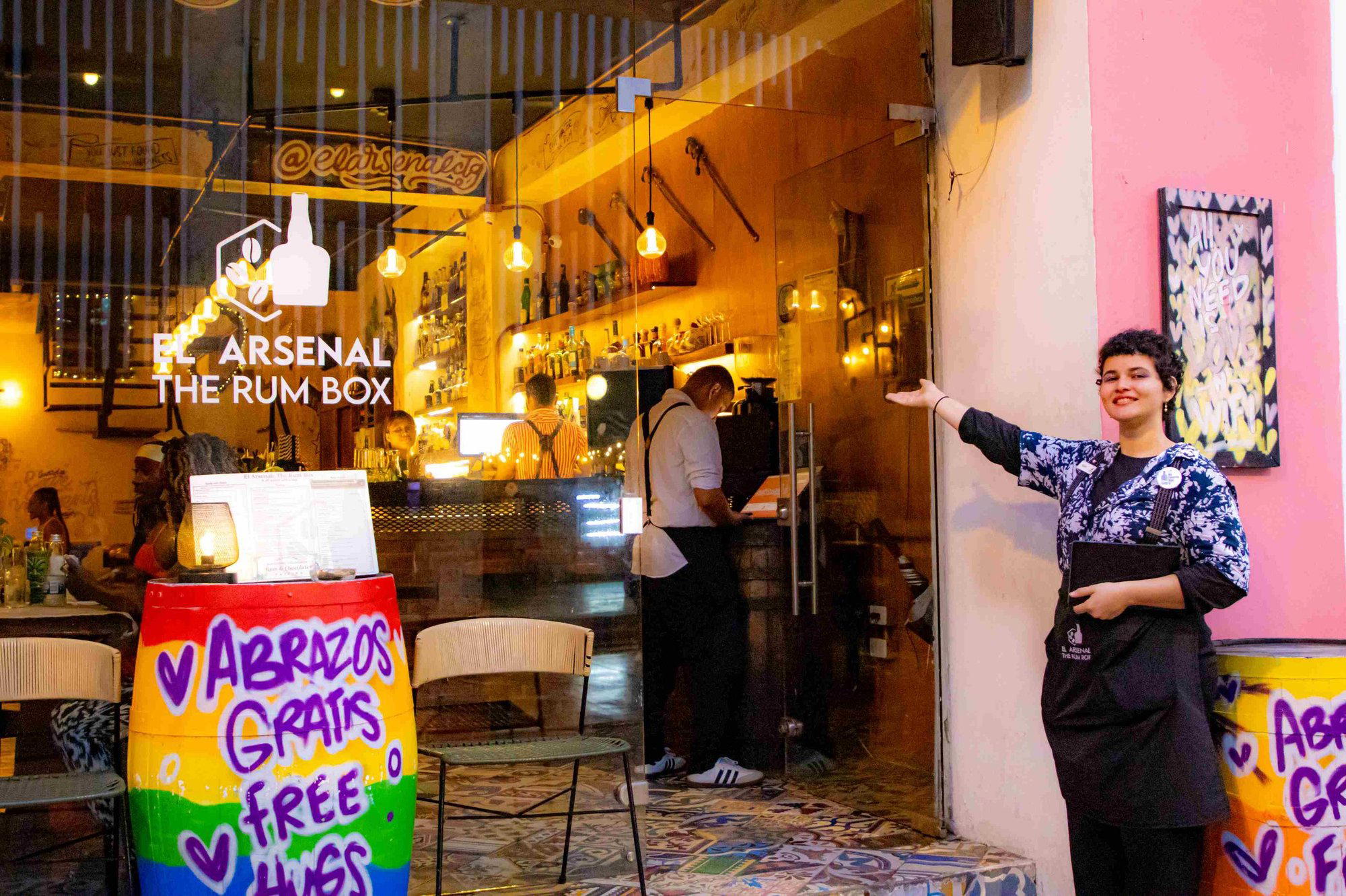
Doña Lola's placement inside a boutique hotel on one of the Old City's more atmospheric streets suggests a menu calibrated for guests who have sought out the walled city rather than defaulting to the broader tourist circuit in Bocagrande. That orientation tends to produce menus with more willingness to commit to regional specificity. For comparison within Cartagena, Clero Restaurante and Lunatico operate in similar walled-city territory, each with its own approach to the relationship between setting and plate. El Arsenal The Rum Box leans toward the bar-forward format that has become its own category in the Old City's hospitality mix. Kona takes a different approach to the seafood-forward possibilities of the Caribbean coast. Each represents a distinct resolution of the same set of pressures.
What differentiates the stronger hotel-restaurant operations nationally is menu discipline: a clear editorial point of view about which ingredients anchor the kitchen, which techniques are deployed, and how the progression from lighter to heavier, from raw to cooked, from coastal to inland, moves across courses. Colombia's broader restaurant scene has demonstrated genuine sophistication in this regard at properties like Debora Restaurante in Bogota and 37 Park in Medellín, where menu architecture carries a clear argument about what Colombian cooking can do at altitude.
The Context of Colombian Coastal Cuisine
Caribbean Colombia, and Cartagena as its largest and most internationally visible city, draws on a culinary tradition that is distinct from both Bogotá's highlands cooking and the Andean preparations that dominate much of the country's international profile. The coast runs on fish and shellfish from the Caribbean, on coconut milk as a base fat and flavoring agent, on plantain in its multiple stages of ripeness, and on a set of stewing and braising traditions that carry clear African influences from the colonial period. This is not a cuisine that benefits from being dressed up with unrelated technique. Restaurants that treat it as raw material to be refined through European frameworks tend to produce something less interesting than those that work from within the tradition's own logic.
The premium end of Cartagena dining has moved toward taking that tradition more seriously. Alongside this, the city's broader food scene offers a wide range of registers: LA BRIOCHE Bocagrande covers the all-day European-influenced café format that has found a consistent audience in the Bocagrande neighbourhood; Los Tacos Del Gordo and Crepes & Waffles Centro operate in entirely different registers aimed at different moments in a visitor's day. The walled city's premium hotel-restaurant tier, where the restaurant operates, is a narrower and more specific conversation.
Nationally, the sophistication benchmark keeps rising. Operations like Andrés Carne de Res in Chia have demonstrated that Colombian hospitality can produce experiences of genuine scale and conviction. Elsewhere, BK - BURUKUKA in Santa Marta shows what the Caribbean coast produces when the sunset and the kitchen are both taken seriously. The comparison set for the restaurant, though, is tighter: Old City Cartagena, hotel-anchored, with an audience primed for more than a functional meal.
Planning Your Visit
The restaurant is located at Hotel Casa Lola, Calle del Guerrero 29, 108/118, in the walled city of Cartagena de Indias. The Calle del Guerrero address sits within the historic centre, accessible on foot from most Old City accommodation and reasonably walkable from the major squares. For visitors staying outside the walled city, the old city centre is a short taxi or rideshare ride from Bocagrande or Getsemaní. Given the hotel-integrated format, walk-in availability may depend on hotel occupancy patterns; confirming before arrival, particularly during the December to January high season and the July carnival period, is advisable.
Cardinal Comida Peruana de Autor in Pereira, Le Brunch Express in Envigado, and Bulgatta restaurante in Retiro for a sense of how different Colombian cities are handling the current moment in the country's dining culture. For international benchmarks of what tightly structured tasting menus achieve at their ceiling, Le Bernardin in New York City and Atomix in New York City remain the reference points against which any serious tasting format is implicitly measured.
A Credentials Check
Comparable venues nearby, for context on price, style, and recognition.
| Venue | Cuisine | Price | Notes |
|---|---|---|---|
| Doña Lola | Caribbean with Spanish Influences | $$$ | Getsemaní |
| Clero Restaurante | Caribbean Seafood Fusion | $$$ | Getsemani |
| Lunatico | Caribbean-Spanish Fusion Tapas | $$$ | Getsemani |
| NIKU CARTAGENA | Nikkei Fusion (Japanese-Peruvian) | $$$ | Historic Center |
| El Arsenal The Rum Box | Caribbean Rum Bar & Gastropub | $$ | Getsemani |
| Semolina Cartagena | Modern Italian | $$ | Bocagrande |
Continue exploring
More in Cartagena
Restaurants in Cartagena
Browse all →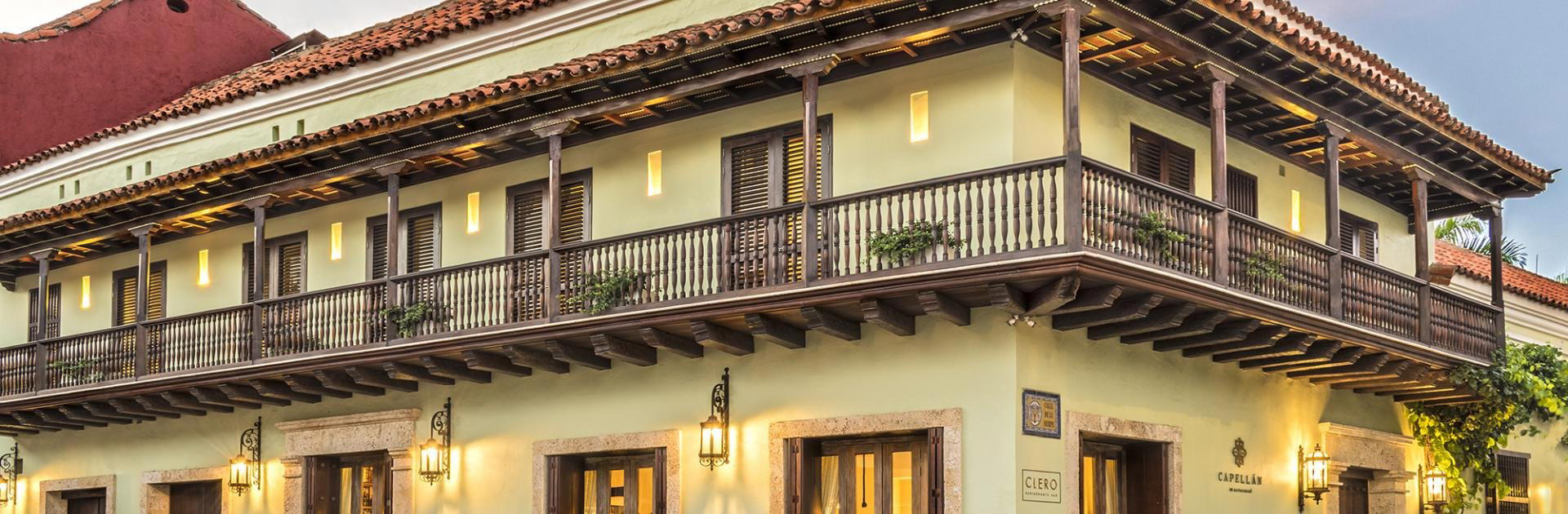
Bars in Cartagena
Browse all →
At a Glance
- Elegant
- Lively
- Sophisticated
- Rustic
- Date Night
- Special Occasion
- Historic Building
- Local Sourcing
Current opening hours
- Monday
- 12–9:30 PM
- Tuesday
- 12–9:30 PM
- Wednesday
- 12–9:30 PM
- Thursday
- 12–10:30 PM
- Friday
- 12–10:30 PM
- Saturday
- 12–10:30 PM
- Sunday
- 12–9:30 PM
Hours can change for holidays and private events. Last verified .
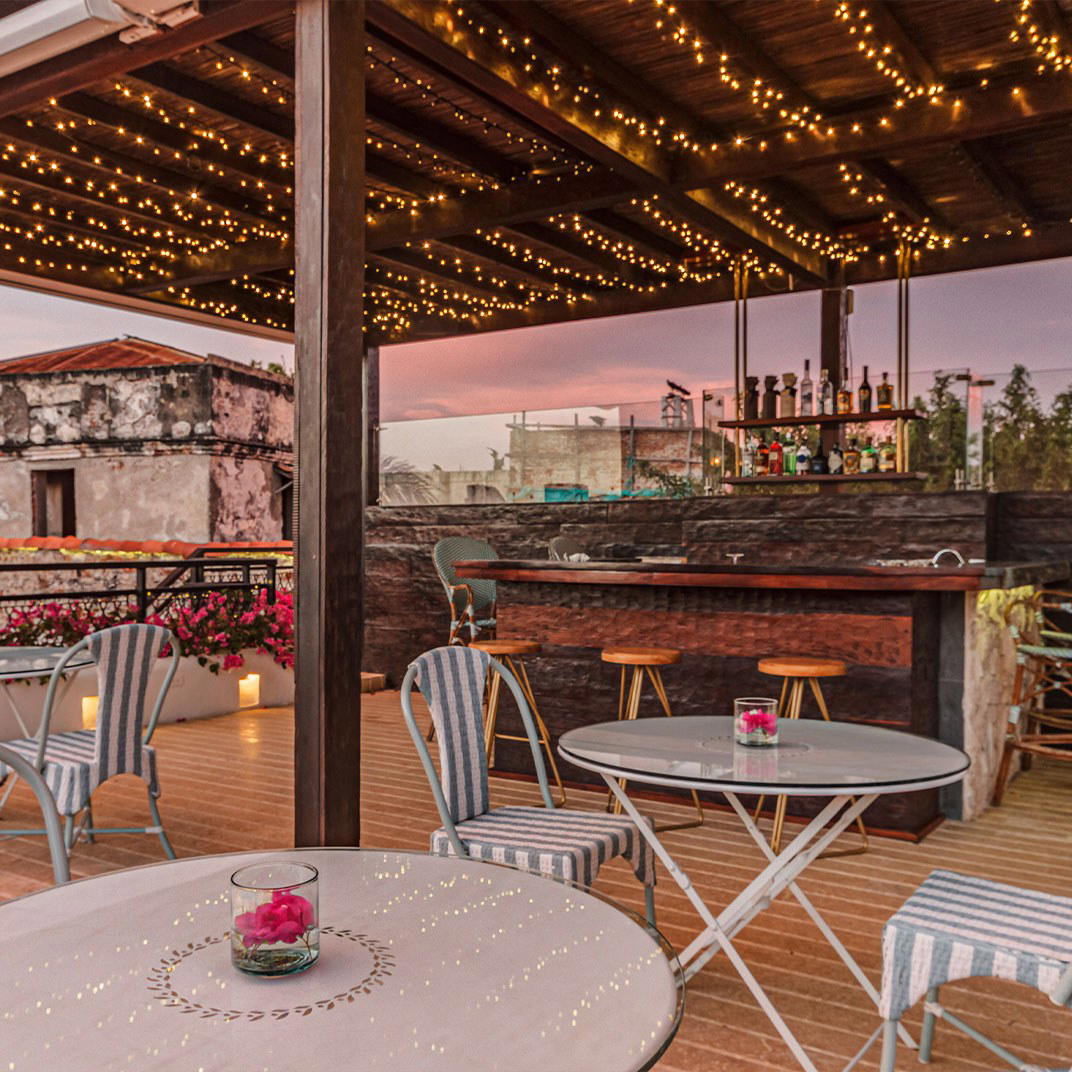
Sophisticated colonial building with excellent tasteful decoration, lively atmosphere in the heart of Getsemaní.