Set on Calle del Santísimo in Cartagena's San Diego neighbourhood, Restaurante Carmen occupies a restored colonial house that frames the city's broader turn toward serious plated dining. The kitchen works within a tradition that balances Caribbean coastal ingredients with continental technique, placing Carmen in the upper tier of Cartagena's resident dining circuit rather than its tourist-facing mainstream.
Pearl is the En Primeur Club membership app — saves, bookings, and concierge access live there. Same editors, same standards.
- Address
- Calle del Santísimo, Cl. 38 #8-19, San Diego, Cartagena de Indias, Bolívar, Colombia
- Phone
- +57 310 3949344
- Website
- carmencartagena.com
- Directions
- Get directions
 Saves & bookings on Pearl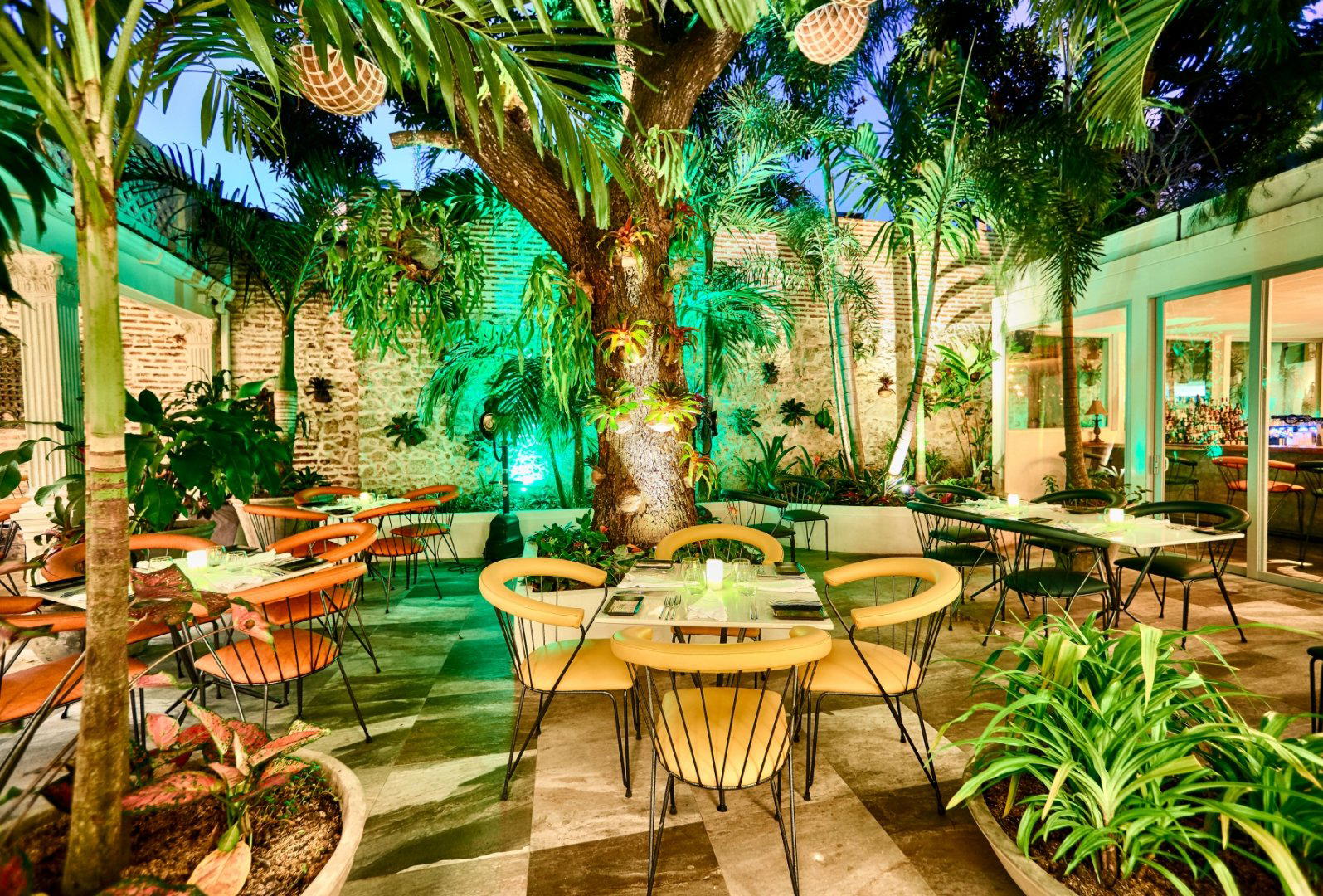
Where San Diego's Colonial Architecture Meets Plated Ambition
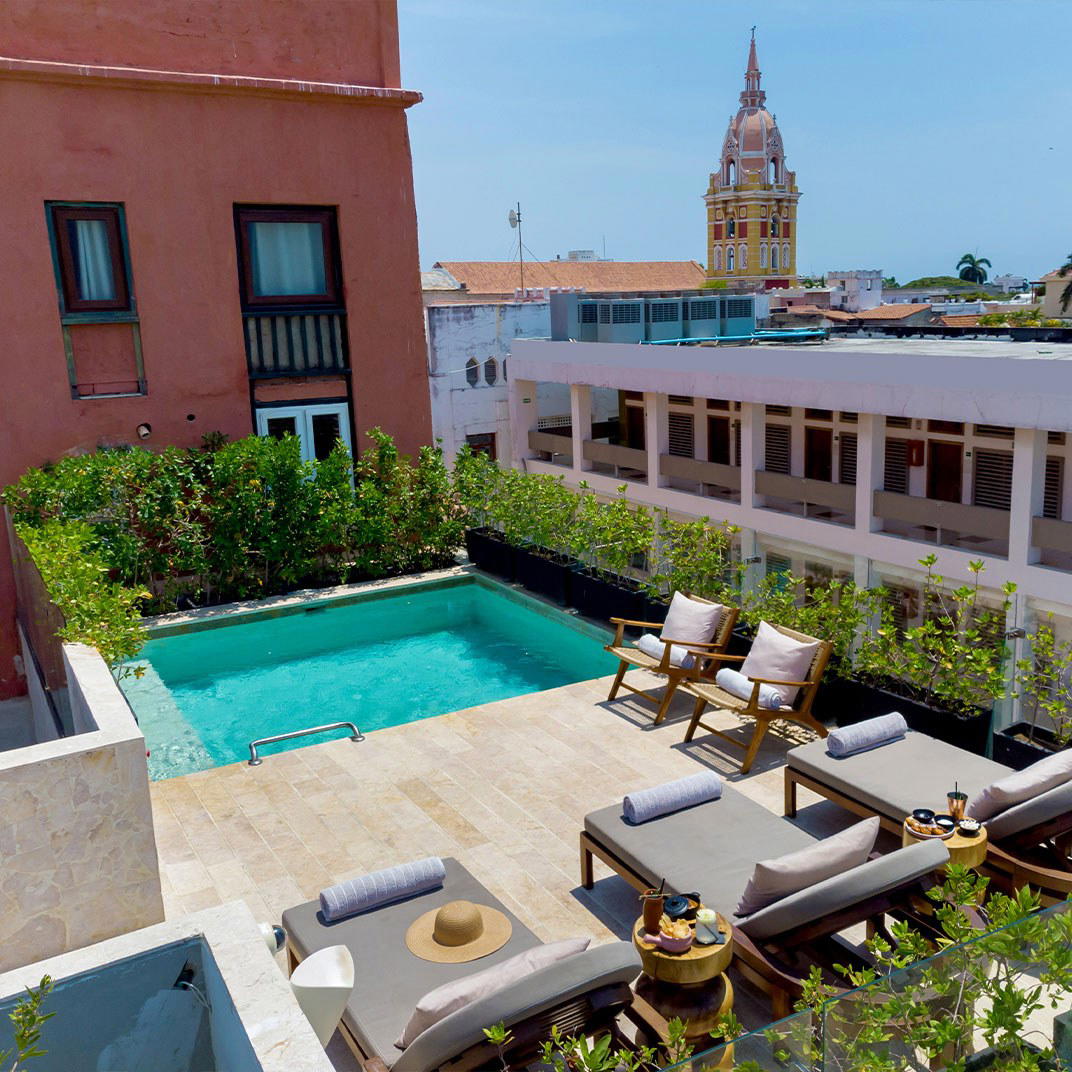
Cartagena's San Diego district operates on a different register from the Getsemaní bar circuit or the Centro Histórico's mass-market tourism corridor. The streets here are quieter, the facades more intact, and the restaurants that have taken root tend to address a clientele with patience for a proper meal rather than a quick stop. Calle del Santísimo sits inside that character: narrow, cobblestoned, with the kind of ambient light in the early evening that makes the walled city feel genuinely old rather than curated. Restaurante Carmen is a restaurant in Cartagena de Indias serving modern Caribbean seafood,861 reviews and a price tier of 4.
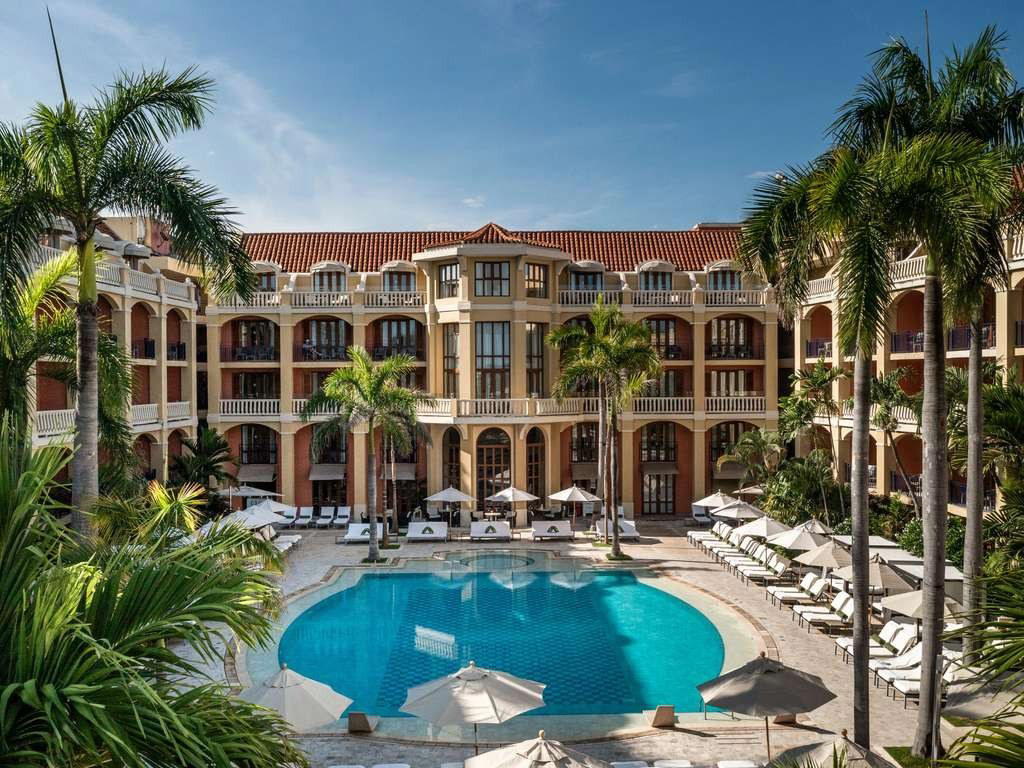
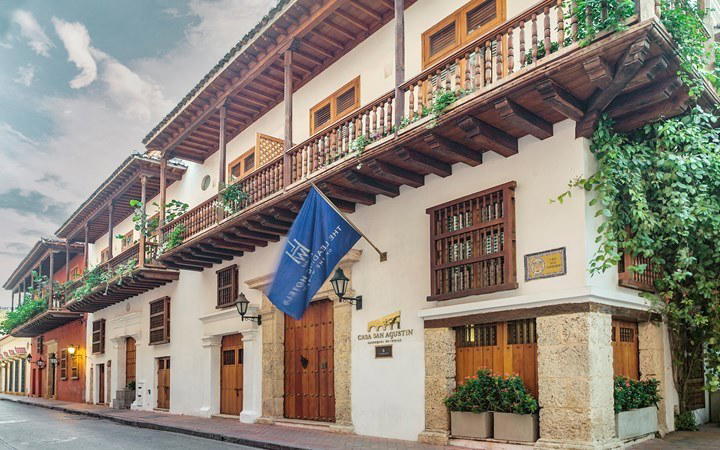
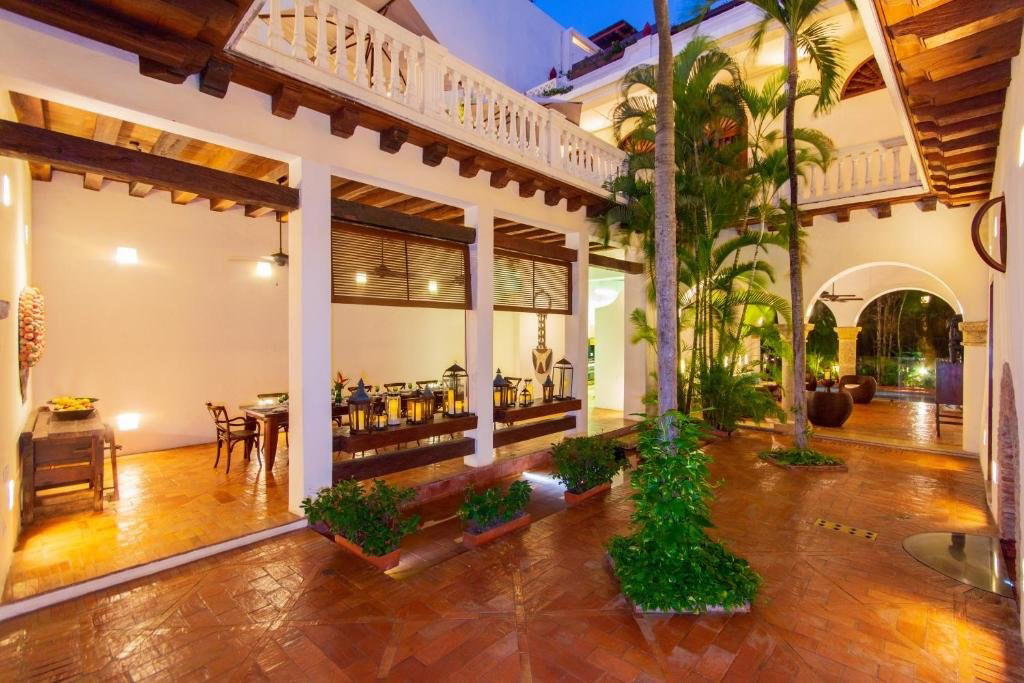
The restored colonial house format is Cartagena's dominant architectural container for serious dining, and Carmen works within it. High ceilings, internal courtyards, and the contrast between thick colonial masonry and the Caribbean heat outside create a setting that is less about design intervention and more about the building doing the work. This matters because it frames the meal before the menu arrives: the physical environment signals that the kitchen is expected to match the room's composure, not compensate for a neutral space with theatrical plating.
Menu Architecture and What It Signals About the Kitchen
The Colombian coastal kitchen has a specific set of reference points: costeño cheese, patacones, Caribbean seafood from the Bolívar department and the islands, and the slower, deeper flavours of inland preparations that migrate to the coast through Colombia's interconnected regional food culture. A menu that takes those references seriously tends to reveal itself through structure as much as through individual dishes. The sequence of courses, the proportion of seafood to land proteins, the presence or absence of local tubers and tropical fruits in savoury applications, these choices tell you whether a kitchen is working from genuine regional understanding or assembling a greatest-hits surface.
Carmen's address in San Diego, combined with its position in Cartagena's upper-casual dining tier, places it in a cohort of restaurants that have moved beyond the formula of beachside ceviche and grilled fish. That cohort, which includes AniMare (Colombian Fusion) and the more formally structured 1621 The Restaurant, is where Cartagena's restaurant conversation is actually happening. The distinction between these venues is partly price, partly format, and partly the degree to which each kitchen is willing to let Colombian ingredient logic drive the menu rather than importing a European framework and adding local colour at the edges.
Within that conversation, a menu that leans into the Caribbean pantry, using coconut in ways that go beyond the obvious, treating plantain as a serious starch with textural range, or deploying the tartness of tamarind in savoury contexts, reads as more committed to the place than one that treats local ingredients as garnish. The architecture of a Cartagena fine-casual menu is, in this sense, a position statement. How courses are sequenced, where the kitchen puts its effort, and which ingredients anchor the heavier dishes all reflect a kitchen's sense of where it sits in the city's dining hierarchy.
Cartagena's Dining Scene: Where Carmen Sits
Cartagena does not have the dense, competitive fine-dining circuit of Bogotá or Medellín. Debora Restaurante in Bogota and X.O. in Medellín operate in cities where a critical mass of local diners sustains high-investment tasting-menu formats. Cartagena's better restaurants, including Carmen, are working with a different audience mix: Colombian travellers from inland cities, an international visitor segment with awareness of the country's growing culinary profile, and a smaller resident base that supports neighbourhood dining through repeat visits rather than occasion spending.
That audience mix shapes what a thoughtful Cartagena kitchen produces. The menu cannot assume deep familiarity with Colombian regional cuisine, but it also cannot reduce everything to the tourist-legible shorthand of arepas and bandeja paisa. The restaurants doing interesting work in the city, including Andres Carne de Res (Colombian) at the louder, more festive end and Canales 5 Brasserie Moderne at the European-inflected end, are navigating that tension in different ways. Carmen's San Diego location, away from the noisier commercial strips, suggests a preference for the slower, more considered end of that spectrum.
For context on how this fits the broader Colombian dining geography, the full Cartagena restaurants guide maps the city's dining tiers in more detail. The Caribbean coast as a whole, from Donde Mama in Barranquilla to BK - Burukuka Restaurante Bar in Santa Marta, is developing a more confident regional voice, with Cartagena's higher tourist infrastructure giving it the platform to project that voice most visibly to international audiences.
Planning Your Visit
Calle del Santísimo in San Diego is walkable from most accommodation within the walled city, making Carmen a practical evening option without requiring transport. The neighbourhood is more residential in character than Getsemaní, which means the ambient noise level is lower and the dining pace tends to be less rushed. Evenings in Cartagena move toward dinner later than in northern Europe or the United States, arriving before 7:30 pm places you ahead of the main local dining wave, while the 8 to 9 pm window is when the room fills more fully.
It is recommended to book ahead, and the restaurant's regular hours are Mon: 6:30–10 PM; Tue: 6:30–10 PM; Wed: 12–3 PM, 6:30–10 PM; Thu: 12–3 PM, 6:30–10 PM; Fri: 12–3 PM, 6:30–10 PM; Sat: 12–3 PM, 6:30–10 PM; Sun: 12–3 PM, 6:30–10 PM. San Diego's restaurant density means alternatives are close if timing does not align, including a stop at Café Rialto (Speciality Colombian coffee, pastries, desserts) for a lower-commitment entry into the neighbourhood's eating culture.
Reputation First
Comparable venues nearby, for context on price, style, and recognition.
| Venue | Cuisine | Price | Notes |
|---|---|---|---|
| Restaurante Carmen CartagenaThis venue — the venue you are viewing | Modern Caribbean Seafood | $$$$ | Not listed |
| AniMare | Ancestral Caribbean Fine Dining | $$$$ | Centro Histórico |
| Mar Y Zielo | Modern Caribbean Gastro Bar | $$$$ | Centro Historico |
| The Grand Grill | Colombian & American Steakhouse | $$$$ | Getsemani |
| La Vitrola | Traditional Cuban & Caribbean | $$$ | Centro (Old City) |
| Casa Pestagua | Colombian Fusion with Lebanese Influences | $$$$ | Centro Histórico |
Continue exploring
More in Cartagena
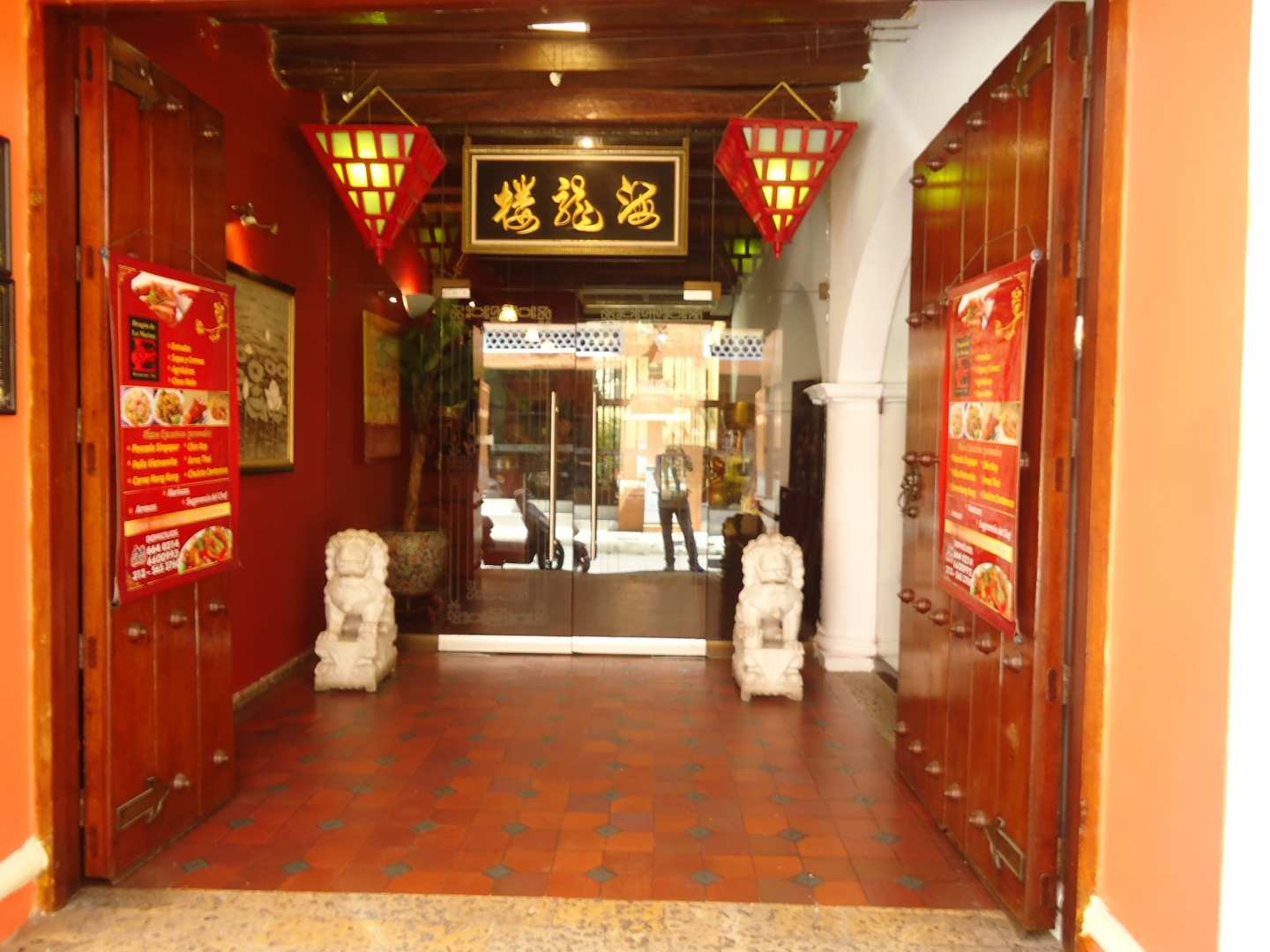
Restaurants in Cartagena
Browse all →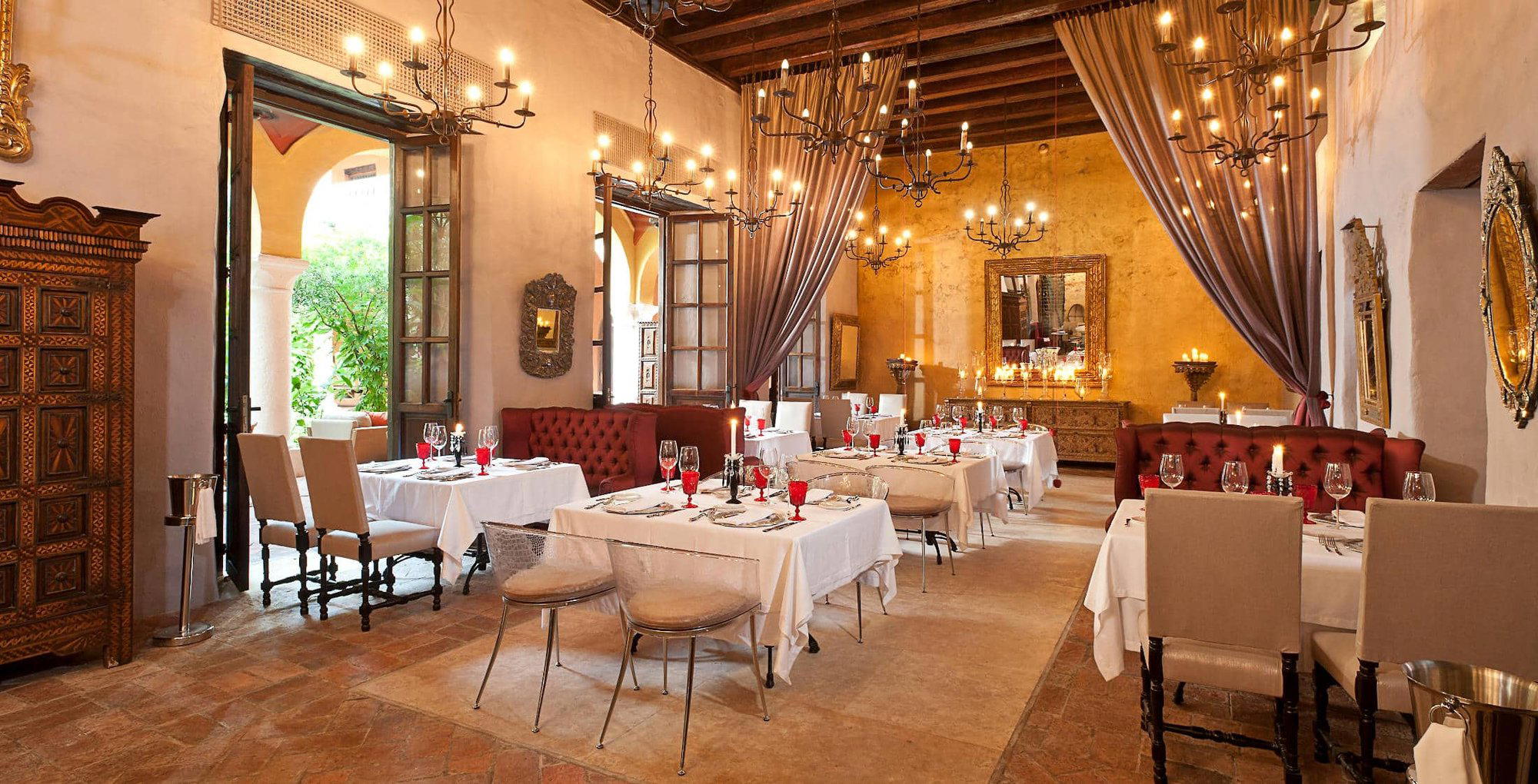
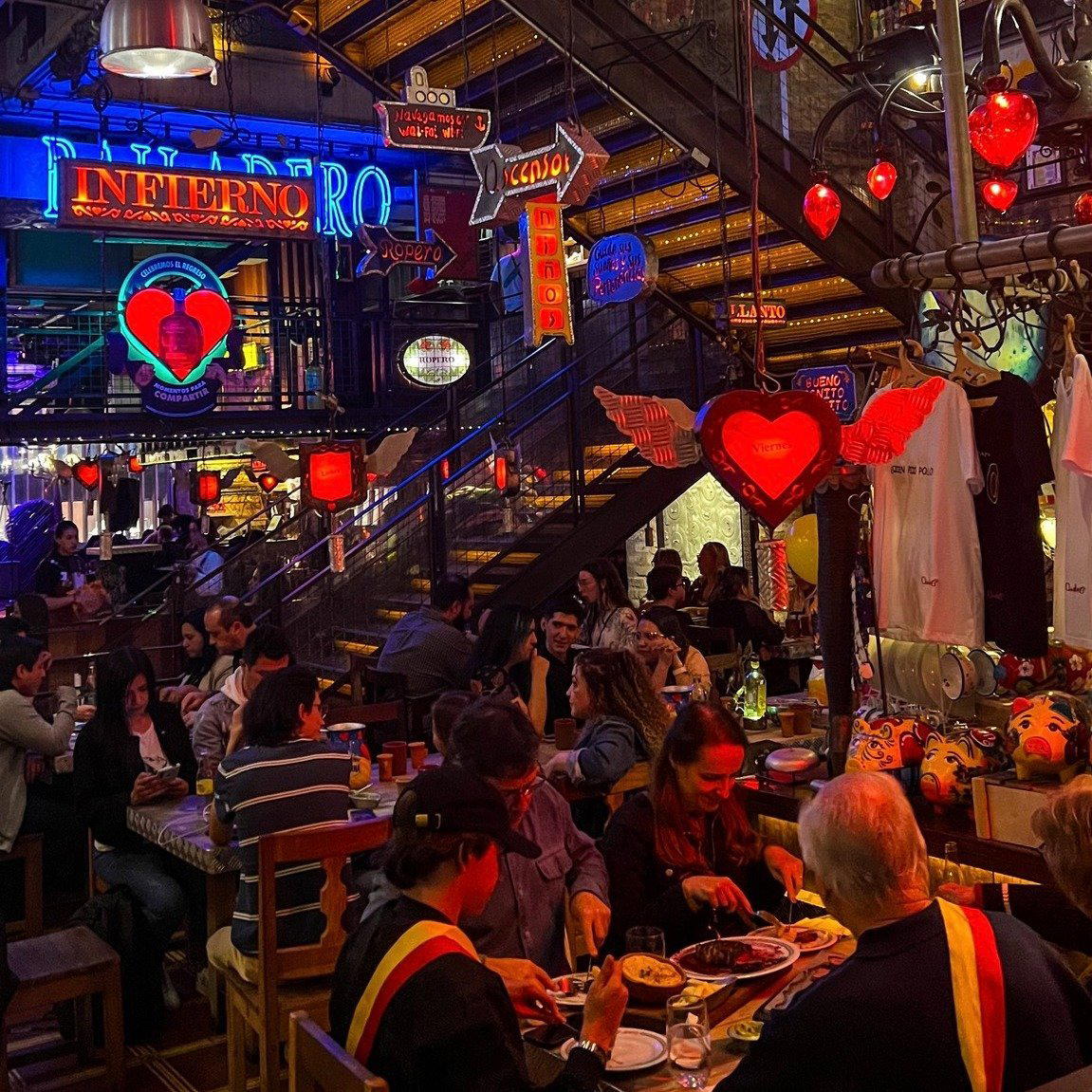
Bars in Cartagena
Browse all →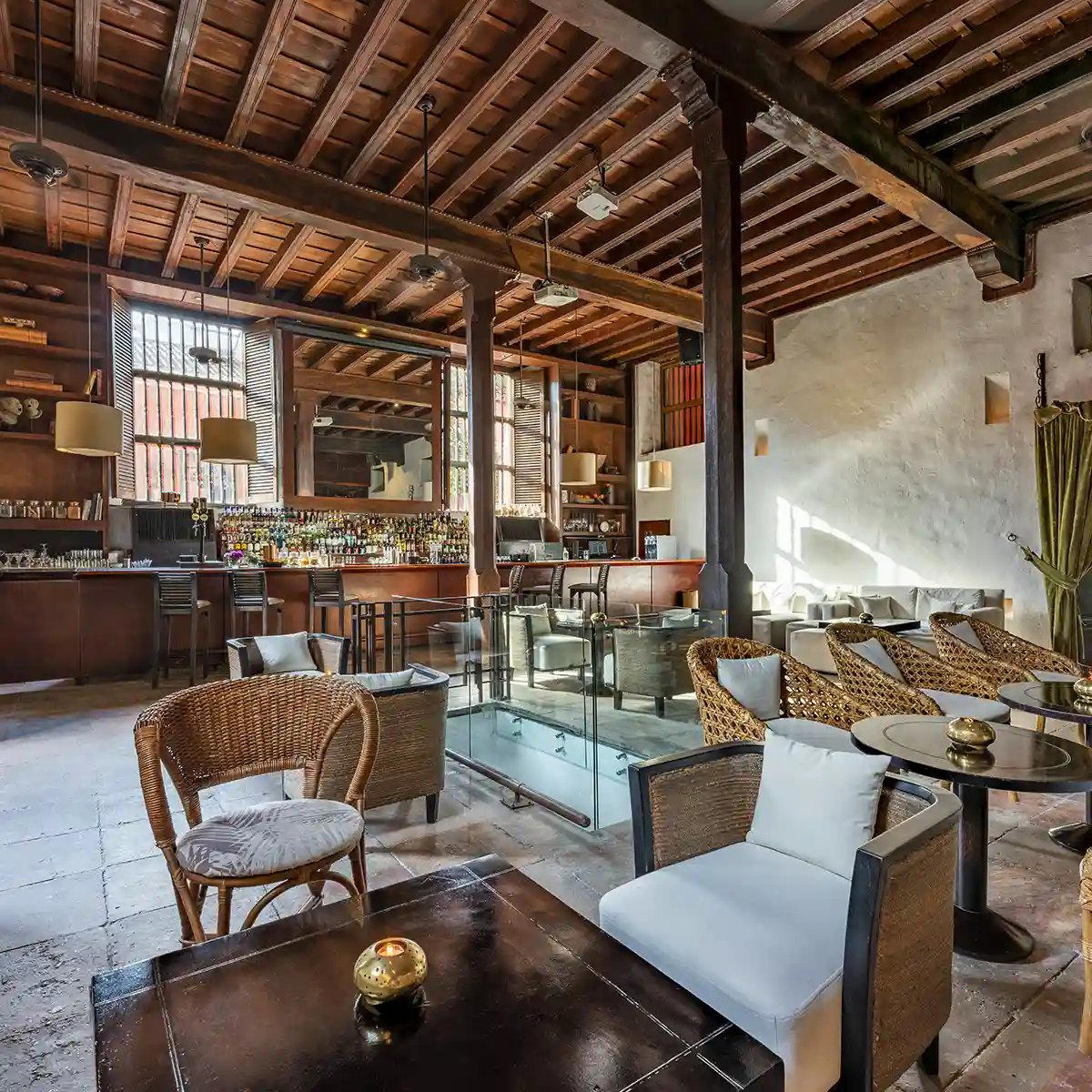
At a Glance
- Elegant
- Intimate
- Sophisticated
- Cozy
- Date Night
- Special Occasion
- Garden
- Historic Building
- Craft Cocktails
- Local Sourcing
- Garden
Current opening hours
- Monday
- 6:30–10 PM
- Tuesday
- 6:30–10 PM
- Wednesday
- 12–3 PM, 6:30–10 PM
- Thursday
- 12–3 PM, 6:30–10 PM
- Friday
- 12–3 PM, 6:30–10 PM
- Saturday
- 12–3 PM, 6:30–10 PM
- Sunday
- 12–3 PM, 6:30–10 PM
Hours can change for holidays and private events. Last verified .
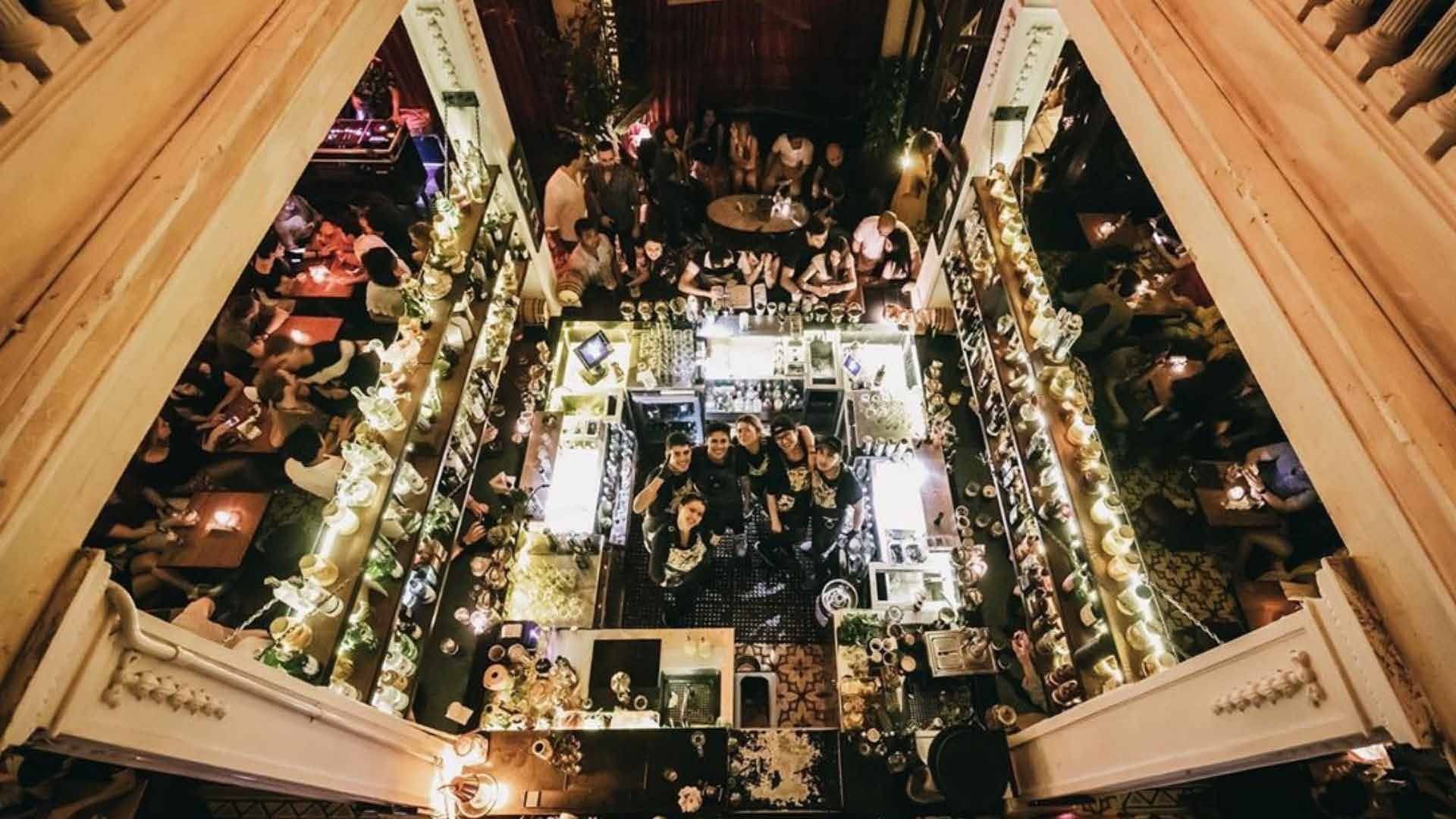
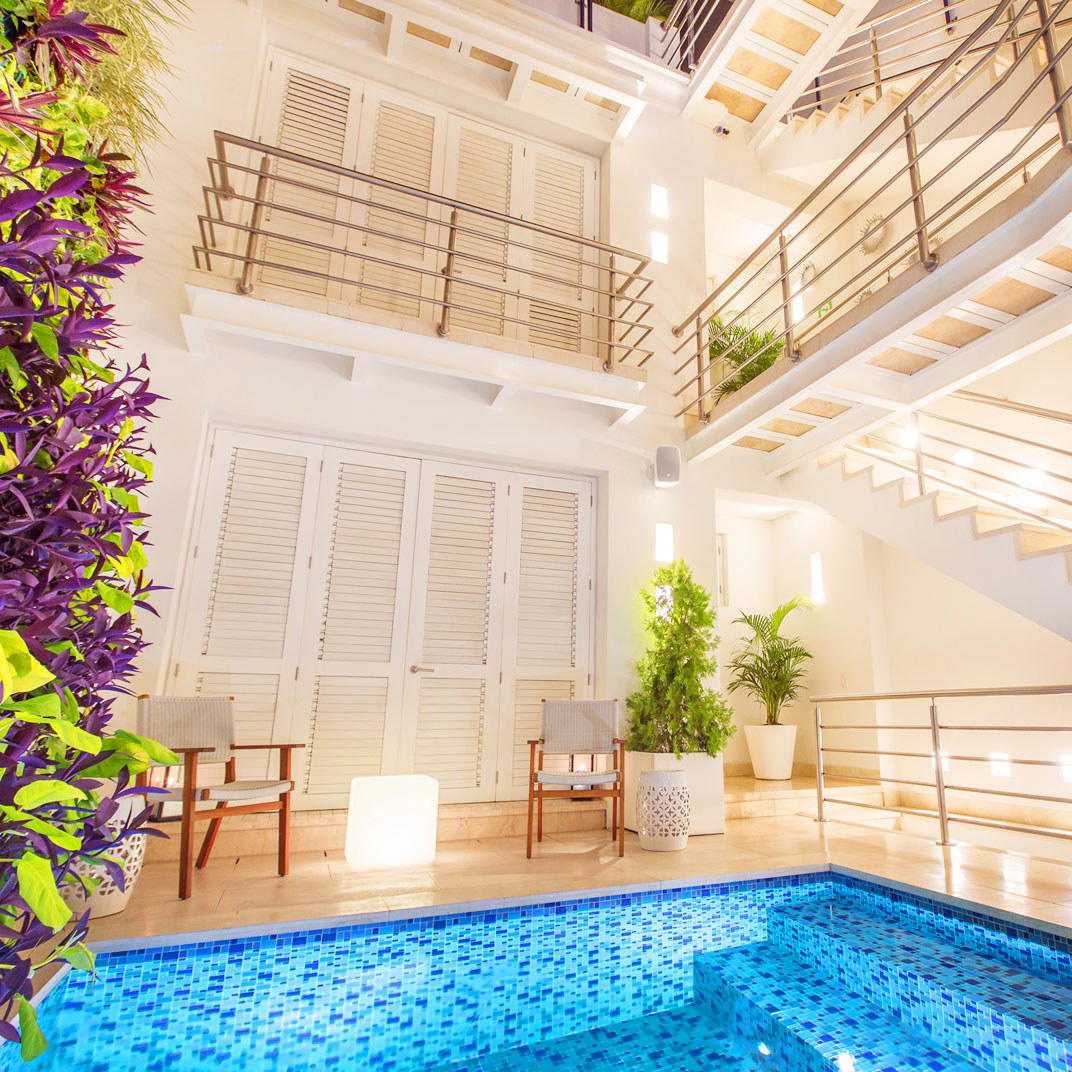
Warm, calm, elegant, and modern atmosphere in an intimate colonial space with garden seating.