


Located in Getsemaní, Cartagena's most culturally layered neighbourhood, Celele translates years of field research along Colombia's Caribbean coast into a focused a la carte menu. Ranked #21 in South America by Opinionated About Dining (2025) and holder of a Sustainable Restaurant Award, it works with ingredients from wild harvests and Indigenous food traditions that most Colombian restaurants have never touched.
Pearl is the En Primeur Club membership app — saves, bookings, and concierge access live there. Same editors, same standards.
- Address
- Calle del Espíritu Santo, Cra. 10c #29-200, Getsemaní, Cartagena de Indias, Bolívar, Colombia
- Phone
- +57 301 7420389
- Website
- celelerestaurante.com
- Directions
- Get directions
 Saves & bookings on Pearl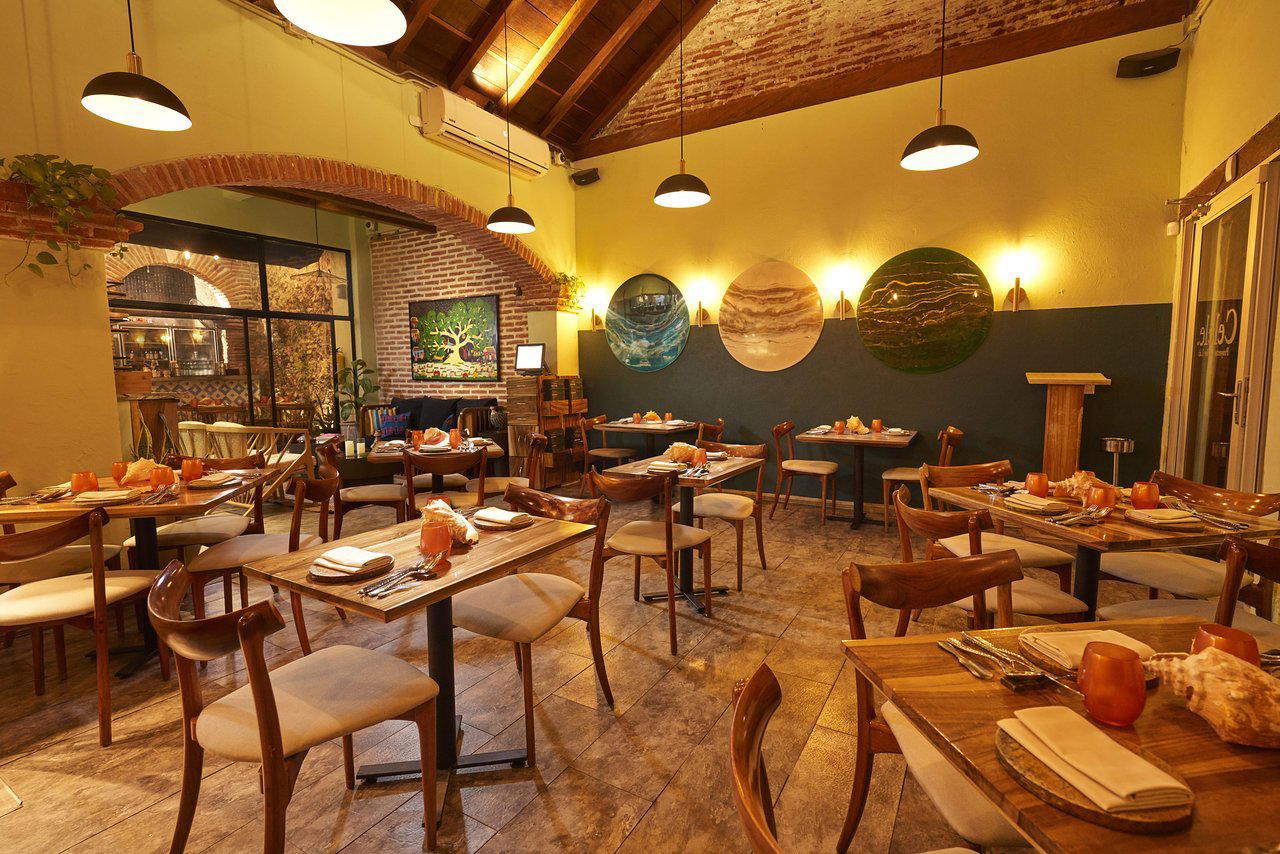
Getsemaní and the Research That Built a Menu
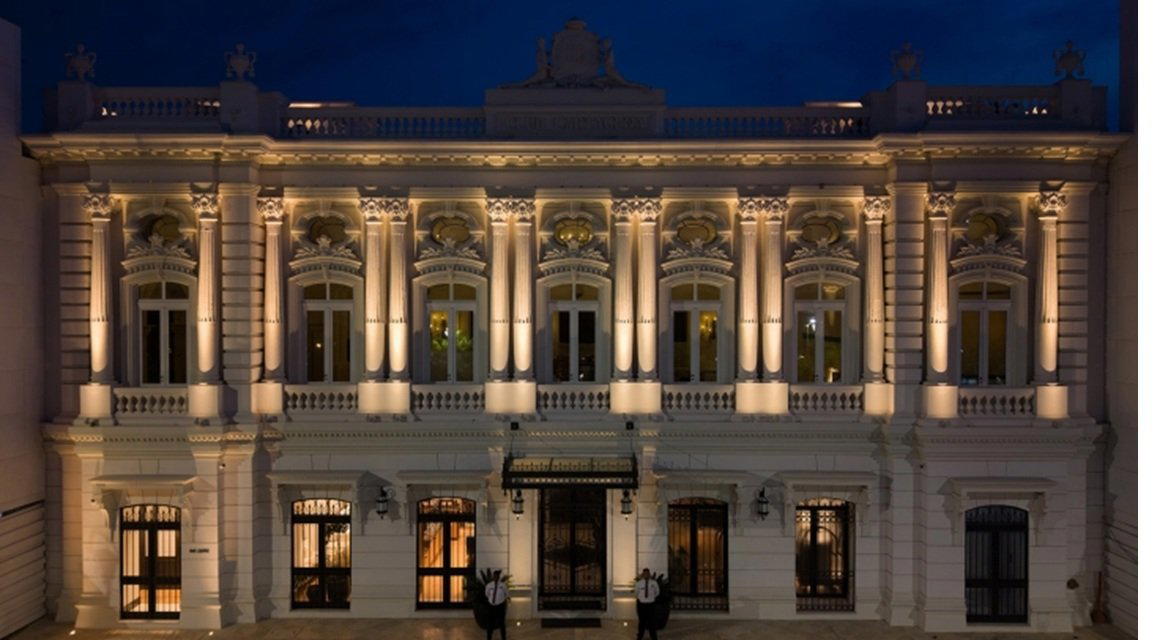
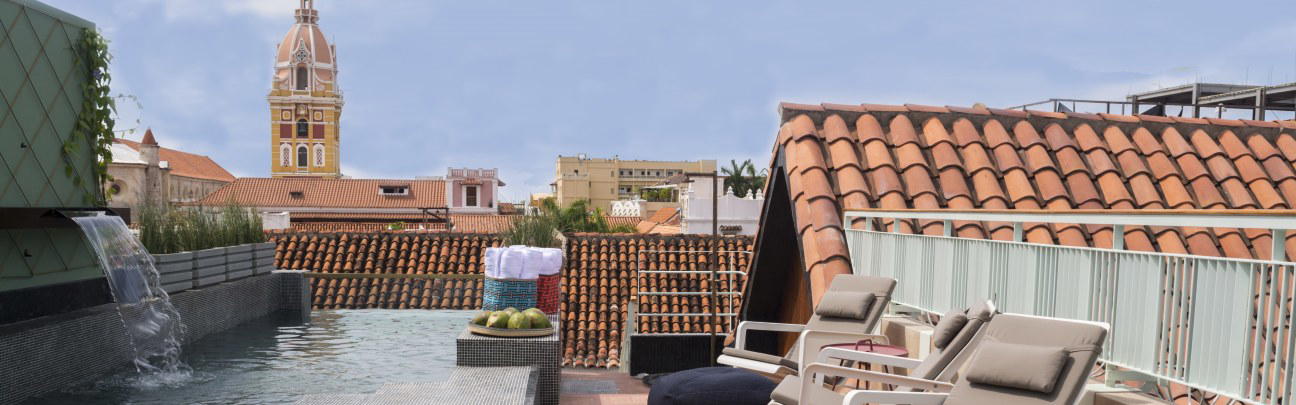
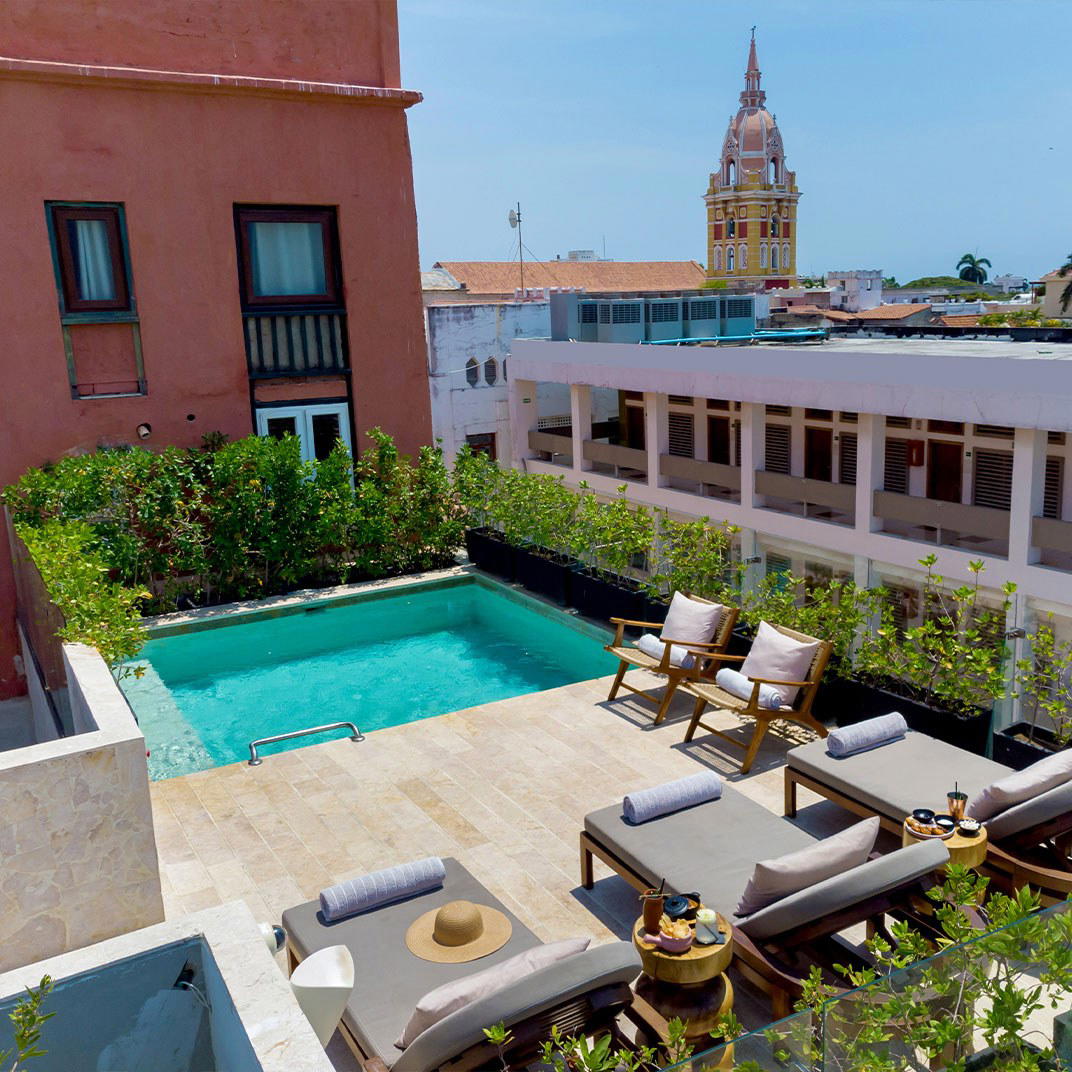
Cartagena's walled city draws the crowds, but the serious eating has migrated to Getsemaní, the neighbourhood immediately west of the historic centre that spent decades as working-class and is now home to the city's most considered restaurants. The street address on Calle del Espíritu Santo places Celele inside that transition, in a neighbourhood where colonial facades meet murals and the foot traffic runs from tourists to residents in roughly equal measure. Arriving here, you're already in context: this is not a restaurant designed to perform Caribbean heritage for visitors, but one rooted in the actual territorial knowledge of the coast.
The research behind the menu is called Proyecto Caribe Lab, a multi-year documentation effort by Chef Jaime David Rodríguez Camacho that covered the Colombian Caribbean coast, engaging with Indigenous communities and recording recipes and ingredients at risk of disappearing from the food supply entirely. That field work now shapes what appears on the plate. Around 90 per cent of the menu's products come from the Caribbean region, and 70 per cent from wild harvests, figures that are less a marketing stance than a sourcing constraint that determines what the kitchen can and cannot cook.
Ingredients You Won't Find Elsewhere on the Menu
The street food traditions of Colombia's Caribbean coast have always been dense with ingredients the interior never adopted: plantain in multiple forms, coastal beans, fermented preparations, tropical fruits rarely seen outside their growing regions. Celele's menu works from that same base, but extends it into territory that formal dining in Colombia has largely left unexplored. Orejero, the seed of a large coastal tree, appears in sweet preparations. Guaimaro, also known as maya nut, surfaces in dishes that reference Indigenous usage. Pomarrosa, a malay apple with a flavour closer to rosewater than anything in a standard fruit bowl, shows up alongside more familiar Caribbean produce. Jumbalee, a wild fruit with no significant restaurant presence even in Colombia, completes the picture of a kitchen that is less curating tradition than actively recovering it.
This is where the elevation of street-food logic becomes most visible. The technique on the plate is contemporary, with reductions, broth concentrations, gel preparations, and confit methods, but the ingredient vocabulary is drawn from the same food culture that built the coast's hawker stalls, market tables, and home kitchens. The Caribbean flower salad with pickled cashews and passion fruit dressing is a case in point: the components are coastal and familiar in origin, assembled with a precision that would be at home in a metropolitan fine-dining kitchen. The squid and mussels dish pairs a mussel broth reduction with plantain dumplings, a direct translation of coastal seafood preparation into a plated format without disguising its source material. Compared with the more fusion-oriented plates at AniMare or the colonial-house setting and broader pan-Colombian register of Casa Pestagua, Celele reads as particularly geographically specific of Cartagena's serious restaurants.
The Signature Dish and the Dessert Course
The Celele de Cerdo has become the dish most closely associated with the restaurant: a confit pork terrine with preserved sweet peppers, Caribbean beans, cabbage, and pork broth. In structure, it echoes slow-cooked pork preparations common across the Colombian coast, where nothing is wasted and fat is treated as flavour. The terrine format disciplines that tradition into a precise, shareable portion without emptying it of its reference. For fish, the salpicón with yam and coconut béchamel and local cheese crumble draws on the Caribbean habit of combining root vegetables with dairy in a way that French-trained cooks would recognise, even if the specific ingredients are entirely local.
Dessert at Celele is where the research dimension becomes most tangible for the diner. The chocolate from La Sierra Nevada de Santa Marta, served with a tropical dry forest crumble and borojó gel, is a direct expression of terroir in the strict sense: chocolate sourced from a specific mountain range, composed with ingredients from the coastal dry forest biome. The yuca leaf and mambe cake, structured in the manner of a tiramisu and served with hibiscus leaf sorbet, uses toasted coca leaf powder as a flavouring agent in the way the Andean and Caribbean communities have used it for generations, stripped of any pharmaceutical association and returned to its culinary context.
Where Celele Sits in Colombia's Modern Restaurant Map
Opinionated About Dining ranked Celele #21 among South American restaurants in 2025. The movement in those rankings reflects a restaurant consolidating rather than expanding its position in the regional conversation. In Colombia specifically, the modern restaurant movement has concentrated in Bogotá, where Leo and El Chato operate in the same territory of research-driven Colombian cooking. Debora Restaurante in Bogotá, Carmen in Medellín, and Manuel in Barranquilla extend that map across the country. Celele holds a distinct position within it: geographically specific to the Caribbean coast in a way that none of the Bogotá restaurants can replicate, and operating in a city, Cartagena, that has historically been better known for tourism infrastructure than for serious cooking. 1621 The Restaurant and Andres Carne de Res represent different registers of the city's dining offer; Celele operates in a smaller, more specialist niche than either.
The Sustainable Restaurant Award (2025) and the Terroir Award (2024) place it in a conversation about sourcing ethics and ingredient provenance. For Cartagena, and for the Caribbean coast as a culinary subject, Celele currently has no direct peer.
Planning Your Visit
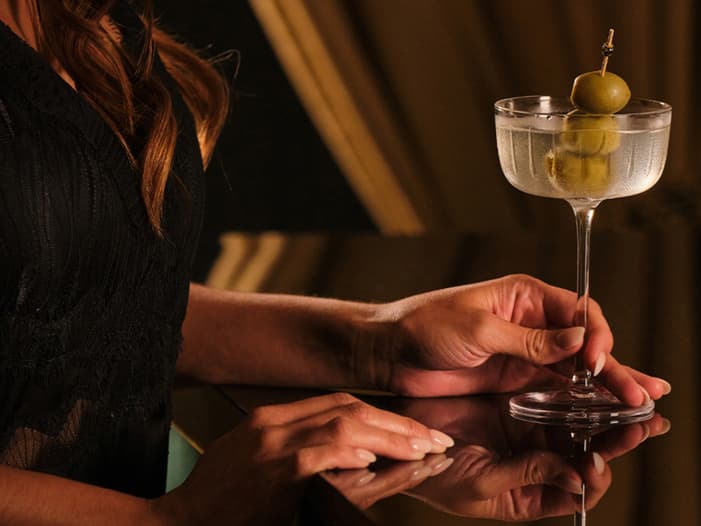
Celele opens Monday and Wednesday through Saturday from noon to 11 pm, with a split service on Tuesday (noon to 2 pm, then 6:30 to 11 pm). The restaurant is closed Sunday. The a la carte format means no mandatory tasting menu commitment; diners can move through the menu at their own pace, though the drinks programme, which includes regional craft beers, cocktails made with Colombian fruits, and fermented spirits, is worth treating as seriously as the food. Getsemaní is walkable from the walled city in under ten minutes, and the neighbourhood's character rewards arriving early and walking the streets before sitting down. For the wider picture of what to eat, drink, and do in the city, the Cartagena hotels guide, bars guide, wineries guide, and experiences guide map the full offer. For restaurants specifically, the complete Cartagena dining guide provides the broadest context. If you're moving through Colombia and want to extend the research-driven eating into other cities, Domingo in Cali and Harry Sasson in Bogotá occupy different but complementary positions in the country's modern dining map.
Reputation Context
Comparable venues nearby, for context on price, style, and recognition.
| Venue | Cuisine | Price | Awards | Notes |
|---|---|---|---|---|
| CeleleThis venue — the venue you are viewing | Modern Caribbean Colombian | $$$$ | World's 50 Best #5 | Not listed |
| AniMare | Ancestral Caribbean Fine Dining | $$$$ | Not listed | Centro Histórico |
| La Vitrola | Traditional Cuban & Caribbean | $$$ | Not listed | Centro (Old City) |
| Andres Carne de Res | Colombian Grill & Caribbean | $$ | Not listed | La Serrezuela |
| Casa Pestagua | Colombian Fusion with Lebanese Influences | $$$$ | Not listed | Centro Histórico |
| El Rincon | Colombian Caribbean Seafood | $$ | Not listed | El Laguito |
Recognition history
Dated appearances from independent guides and award organizations, with the underlying list record or original source where available.
Opinionated About Dining Top Restaurants in South America Ranked #9
Opinionated About Dining
Opinionated About Dining Top Restaurants in South America Ranked #21
Opinionated About Dining
The Best Chef Three Knives
The Best Chef
World's 50 Best Latin America's Best Restaurants #5
World's 50 Best
World's 50 Best Best Restaurants #48
World's 50 Best
Opinionated About Dining Top Restaurants in South America Ranked #12
Opinionated About Dining
Opinionated About Dining Top Restaurants in South America Ranked #28
Opinionated About Dining
Continue exploring
More in Cartagena
Restaurants in Cartagena
Browse all →
Bars in Cartagena
Browse all →
At a Glance
- Whimsical
- Elegant
- Intimate
- Cozy
- Sophisticated
- Date Night
- Special Occasion
- Group Dining
- Open Kitchen
- Craft Cocktails
- Local Sourcing
- Sustainable Seafood
Current opening hours
- Monday
- 12–5 PM, 6:30–11 PM
- Tuesday
- 12–2 PM, 6:30–11 PM
- Wednesday
- 12–5 PM, 6:30–11 PM
- Thursday
- 12–5 PM, 6:30–11 PM
- Friday
- 12–5 PM, 6:30–11 PM
- Saturday
- 12–5 PM, 6:30–11 PM
- Sunday
- Closed
Hours can change for holidays and private events. Last verified .
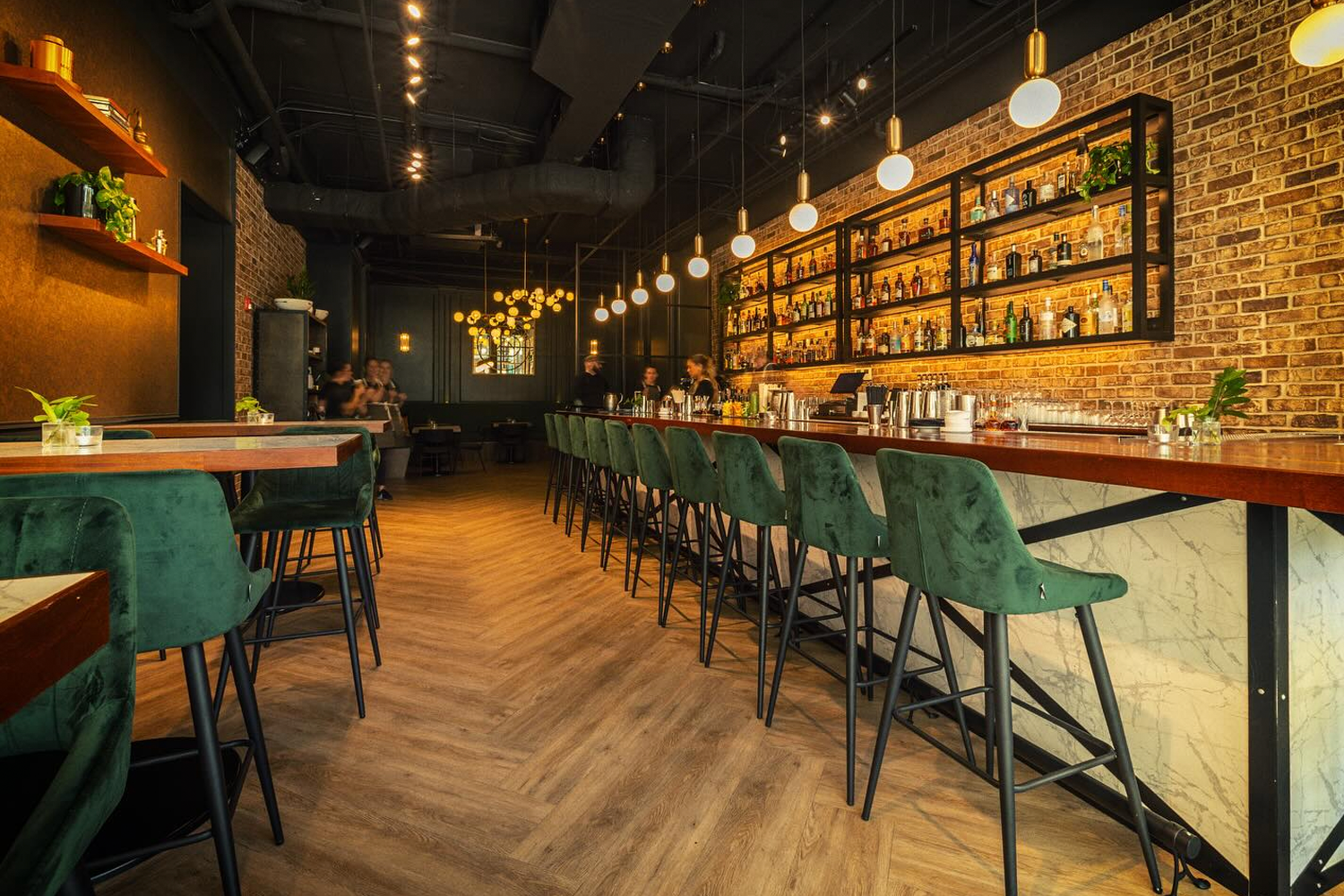
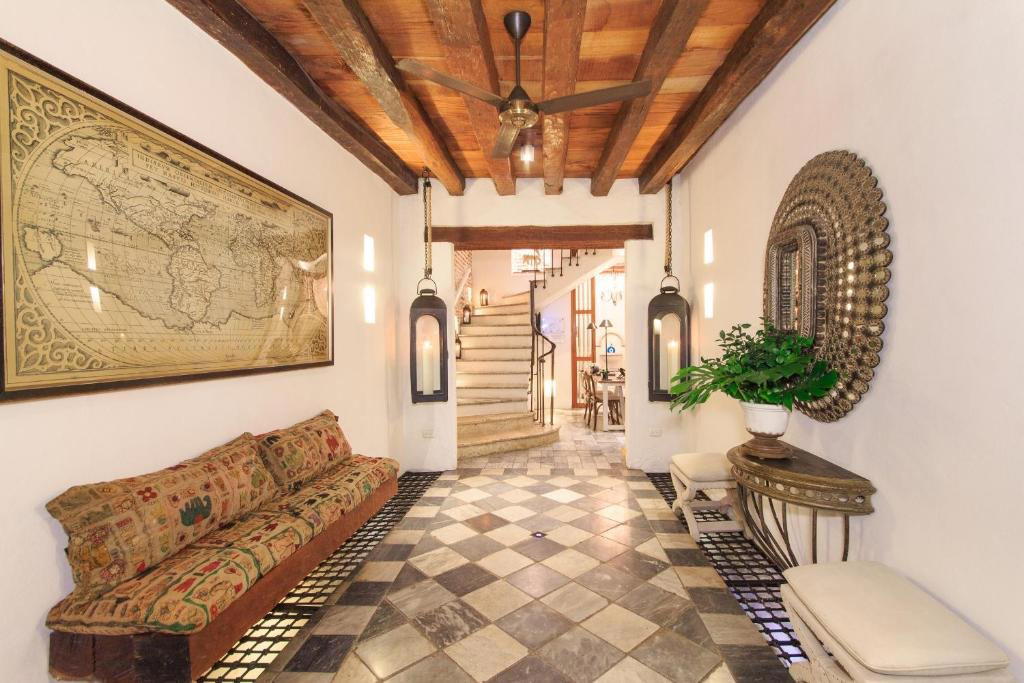
Enchanting, artsy small dining room with warm, informal, and relaxed atmosphere featuring colorful decor and professional yet welcoming service.