Clero Restaurante occupies a corner address in Getsemaní, the neighbourhood that has reshaped Cartagena's dining scene over the past decade. Set on Calle de las Banderitas del Mundo, it operates within a district where Colombian coastal ingredients meet serious kitchen intent. For travellers who want to read the city through what ends up on the plate, Getsemaní's table is one of the more direct routes.
Pearl is the En Primeur Club membership app — saves, bookings, and concierge access live there. Same editors, same standards.
- Address
- Esquina - Calle de las Banderitas del Mundo, Cl. de la Sierpe #29-52, Getsemaní, Cartagena de Indias, Bolívar, Colombia
- Phone
- +573116704668
- Website
- hotelcapellandegetsemani.com
- Directions
- Get directions
 Saves & bookings on Pearl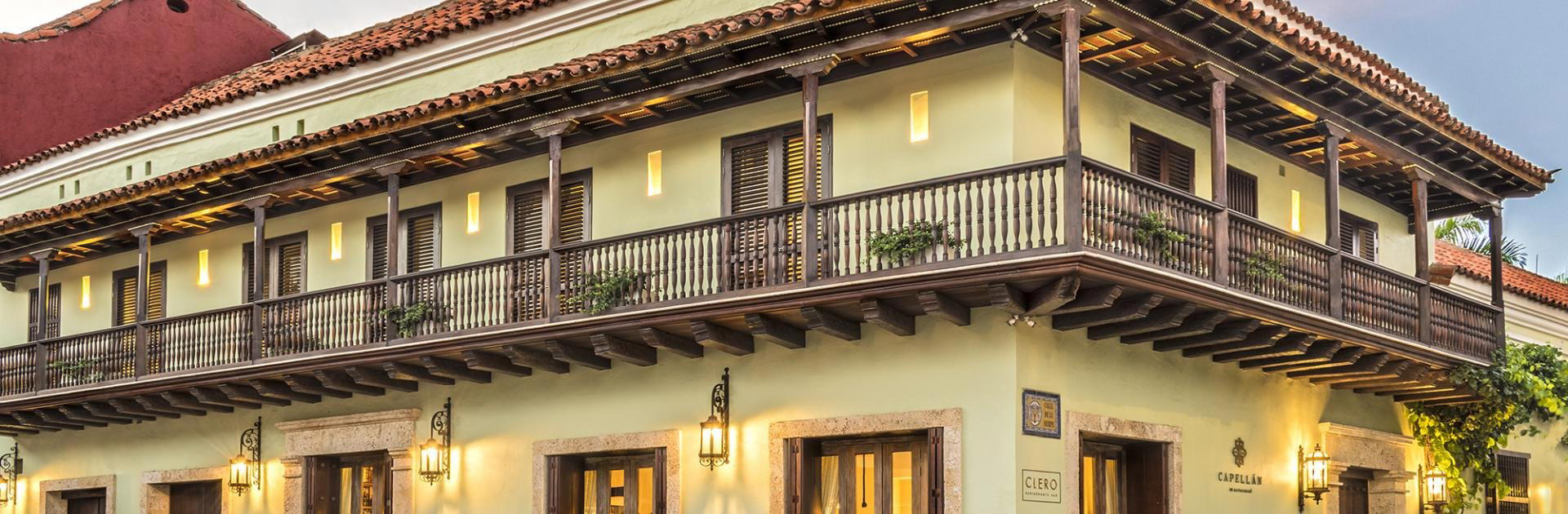
Getsemaní and the Ingredients Underneath It
Cartagena's dining identity has long been split between the polished Spanish Colonial interiors of the walled city and the rawer, more neighbourhood-rooted energy of Getsemaní. Over roughly a decade, that balance has shifted. Getsemaní is no longer a secondary option for travellers priced out of the Centro Histórico; it has become the address where some of the more considered cooking in the city is happening, in rooms that carry the weight of a working district rather than a stage-set version of it. Clero Restaurante is a restaurant in Getsemaní, Cartagena de Indias, serving Caribbean Seafood Fusion, with reservations recommended and a price point of about $40 per person. It sits at the corner of Calle de la Sierpe and Calle de las Banderitas del Mundo, physically and conceptually inside that shift.
The address matters. Getsemaní developed its culinary edge partly because the lower real estate cost relative to the walled city gave kitchens room to take risks, and partly because the neighbourhood's own market culture kept ingredient supply close. The Caribbean coast of Colombia produces a wide range of ingredients that rarely make it into formal restaurant contexts: ñame (a starchy tuber central to coastal cooking), corozo (a tart wild palm fruit used in traditional drinks and sauces), and a rotating supply of Pacific and Caribbean seafood that reaches Cartagena through both the Bazurto market and smaller direct relationships with coastal fishing communities. In the better Getsemaní kitchens, that supply chain is the starting point, not an afterthought.
The Corner, the Street, and What You Walk Into
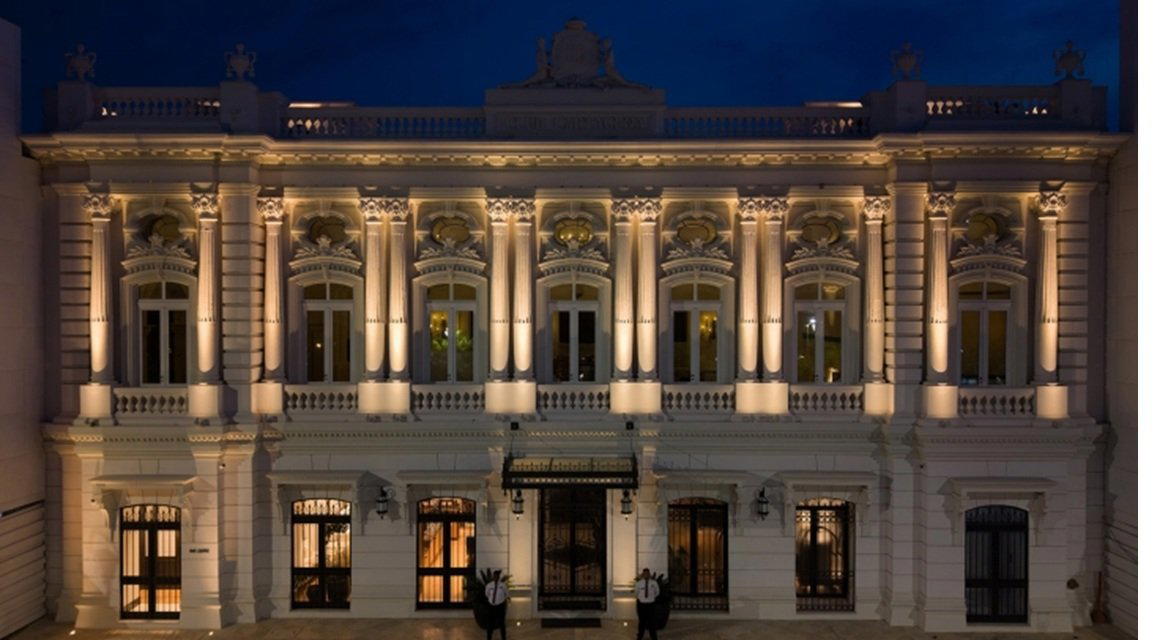
Approaching Clero from the street, you encounter what makes Getsemaní's built environment distinctive among Caribbean cities: the dense, low-rise colonial architecture broken by murals, the narrow calles that channel sea air rather than block it, and the ambient noise of a neighbourhood that does not quiet itself for the sake of visiting diners. The corner positioning at Calle de la Sierpe #29-52 means Clero occupies a spot with foot traffic and street presence, rather than the sheltered courtyard format that many higher-price Centro Histórico addresses use to create separation from the city outside.
That physical openness shapes the experience before any food arrives. Getsemaní dining tends to have less acoustic insulation and more ambient neighbourhood life than its walled-city counterparts. If you are comparing it to the quieter, higher-controlled environments of somewhere like Lunatico or the polished Bocagrande format of LA BRIOCHE Bocagrande, the register is different. Getsemaní operates at a closer register to the city itself.
Colombian Coastal Sourcing and Why It Defines the Plate
The framing question for any serious kitchen in Cartagena is what relationship it has with the Caribbean and Pacific coasts and the interior departments of Colombia's Caribbean region. Bolívar, the department in which Cartagena sits, has its own agricultural and fishing output, but the city also serves as a transit point for ingredients moving through from Córdoba, Sucre, and the Magdalena river basin. Kitchens that source well in this context are drawing on a supply network that includes freshwater fish from the Magdalena, tropical fruits from the Sierra Nevada microclimate, and shellfish from the Rosario Islands archipelago just offshore from Cartagena.
That sourcing geography produces a cuisine that does not map easily onto either the Bogotá fine-dining model, which has increasingly European reference points (see Debora Restaurante in Bogota or Harry Sasson in Bogotá for that tier), or the tourist-facing version of Colombian food that flattens regional specificity. It sits closer to the tradition represented by coastal informal cooking: heavily coconut-influenced rice preparations, fish in ají amarillo or corozo-based sauces, and the slow-protein stews that are standard in coastal Colombian homes but rarely handled with precision in restaurant kitchens. The better Getsemaní tables are trying to close that gap between domestic coastal tradition and served-in-a-restaurant execution.
Across Colombia's coastal cities, there are a handful of kitchens working this territory seriously. Donde Mama in Barranquilla is one reference point for coastal Colombian cooking with a family-kitchen register. On the Pacific side, Sevichería Guapi in Santiago De Cali represents how Afro-Colombian Pacific coastal ingredients translate into a city restaurant format. Cartagena's Caribbean position gives its better kitchens a different ingredient palette: saltier, more aromatic, and with the specific fermented-and-dried seafood preparations that characterise the region's home cooking.
Getsemaní in Context: Where Clero Sits
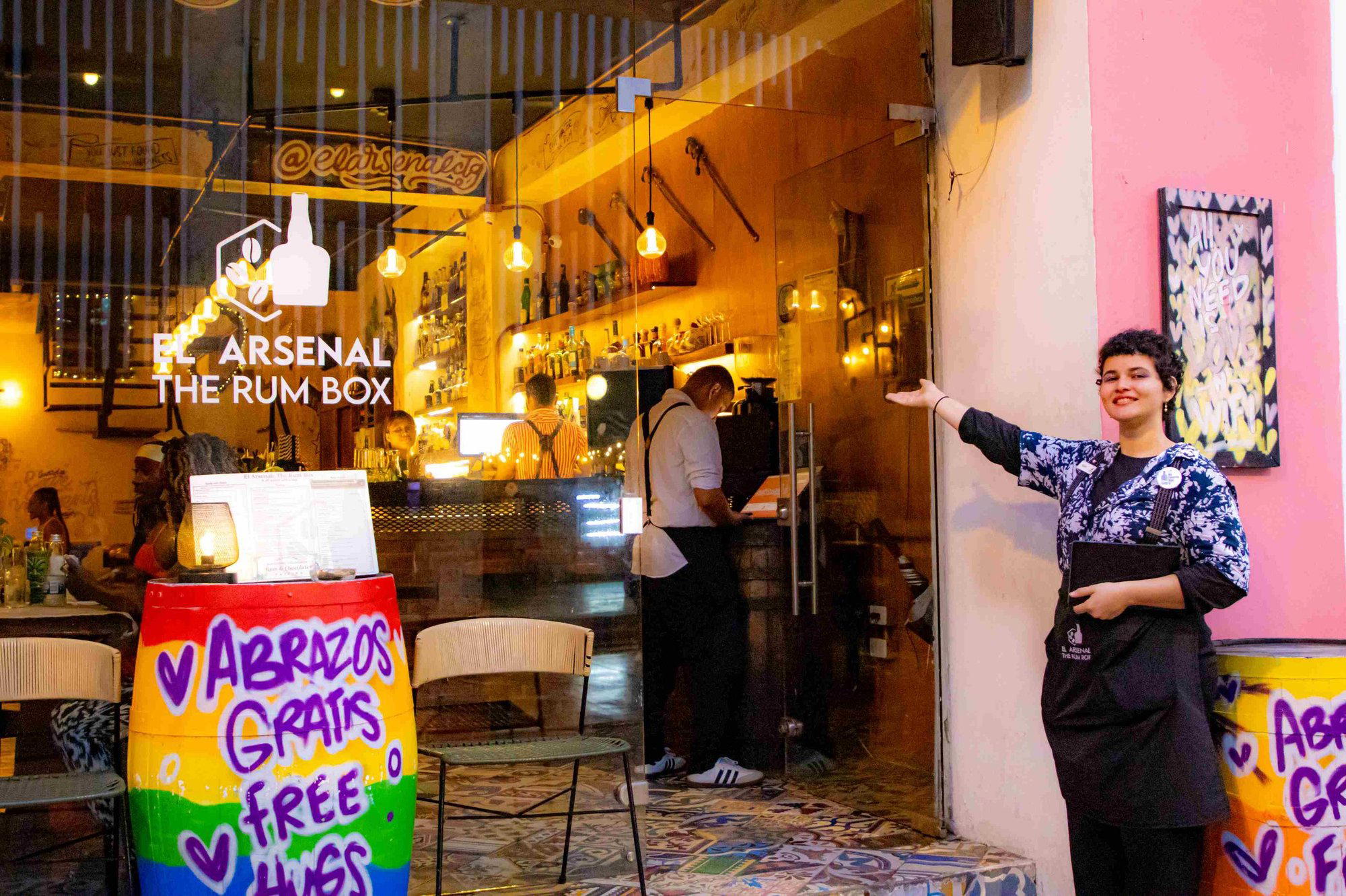
The neighbourhood's restaurant offer has broadened beyond Clero. Doña Lola represents one model of Getsemaní dining, and El Arsenal The Rum Box extends the neighbourhood's offer into a rum and bar format consistent with the Caribbean spirit tradition. For ceviche specifically, El Boliche Ceviche in Cartagena holds its own focused position. Getsemaní now reads as a district with enough density and variety that an evening can be spent entirely within it, across different formats and price points, without any single restaurant defining the whole experience.
Clero's corner address on Calle de las Banderitas del Mundo places it in the pedestrianised and mural-dense part of the neighbourhood that sees the highest foot traffic among international visitors. That visibility is both an asset and a filter: it means the kitchen operates under more scrutiny than a tucked-away address would, but also that first-time visitors to Getsemaní tend to encounter it without having specifically sought it out. For travellers building a wider Cartagena picture, Kona rounds out the neighbourhood set with its own format.
Planning a Visit
Getsemaní is walkable from the walled city, roughly ten to fifteen minutes on foot through the Puerta del Reloj gate and across the pedestrian bridge, making Clero accessible as either a stand-alone destination or a stop within a wider neighbourhood evening. The neighbourhood operates on Caribbean time, meaning the practical peak for dinner service runs later than Northern European or North American visitors typically expect, with tables filling properly from around 7:30pm onwards. Clero's hours are Mon: 7 AM to 9 PM; Tue: 7 AM to 9 PM; Wed: 7 AM to 9 PM; Thu: 7 AM to 3 PM; Fri: 7 AM to 3 PM; Sat: 7 AM to 10 PM; Sun: 7 AM to 3 PM. For wider Colombia context before or after a Cartagena trip, the city connects easily to BK - BURUKUKA Restaurante Bar in Santa Marta up the coast, and inland to Medellín's own dining scene, where X.O. in Medellín represents a different register of Colombian restaurant ambition.
Comparable Spots, Quickly
Comparable venues nearby, for context on price, style, and recognition.
| Venue | Cuisine | Price | Notes |
|---|---|---|---|
| Clero RestauranteThis venue — the venue you are viewing | Caribbean Seafood Fusion | $$$ | Not listed |
| Doña Lola | Caribbean with Spanish Influences | $$$ | Getsemaní |
| Restaurante Dpez | Caribbean Seafood Fusion | $$ | Manga |
| Semolina Cartagena | Modern Italian | $$ | Bocagrande |
| Lunatico | Caribbean-Spanish Fusion Tapas | $$$ | Getsemani |
| Kona | Asian-Caribbean Fusion | $$ | El Centro |
Continue exploring
More in Cartagena
Restaurants in Cartagena
Browse all →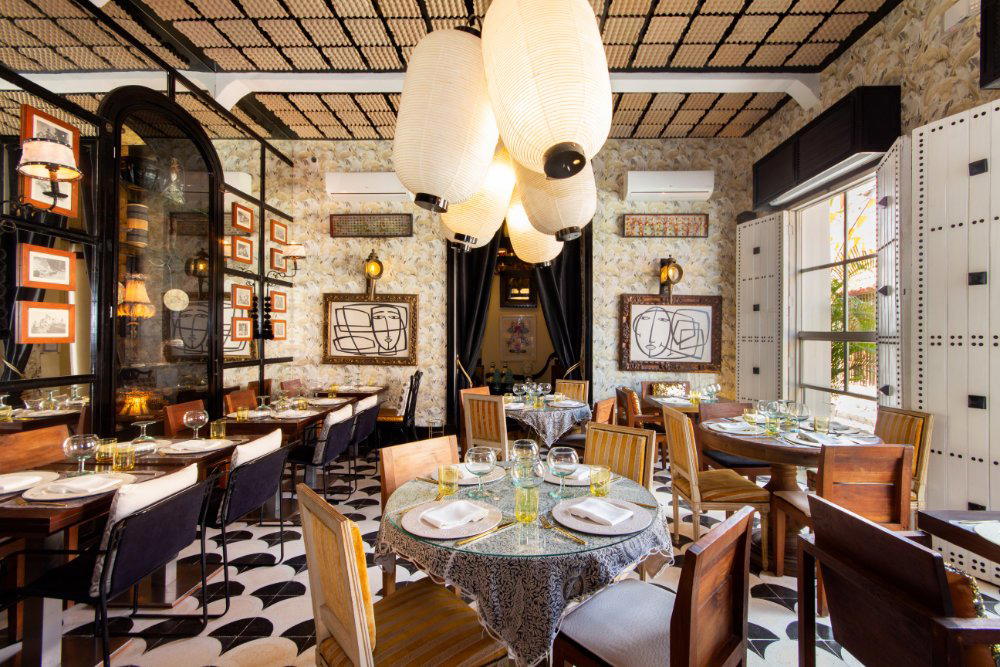
Bars in Cartagena
Browse all →
At a Glance
- Elegant
- Modern
- Intimate
- Date Night
- Special Occasion
- Family
- Hotel Restaurant
- Street Scene
Current opening hours
- Monday
- 7 AM–9 PM
- Tuesday
- 7 AM–9 PM
- Wednesday
- 7 AM–9 PM
- Thursday
- 7 AM–3 PM
- Friday
- 7 AM–3 PM
- Saturday
- 7 AM–10 PM
- Sunday
- 7 AM–3 PM
Hours can change for holidays and private events. Last verified .
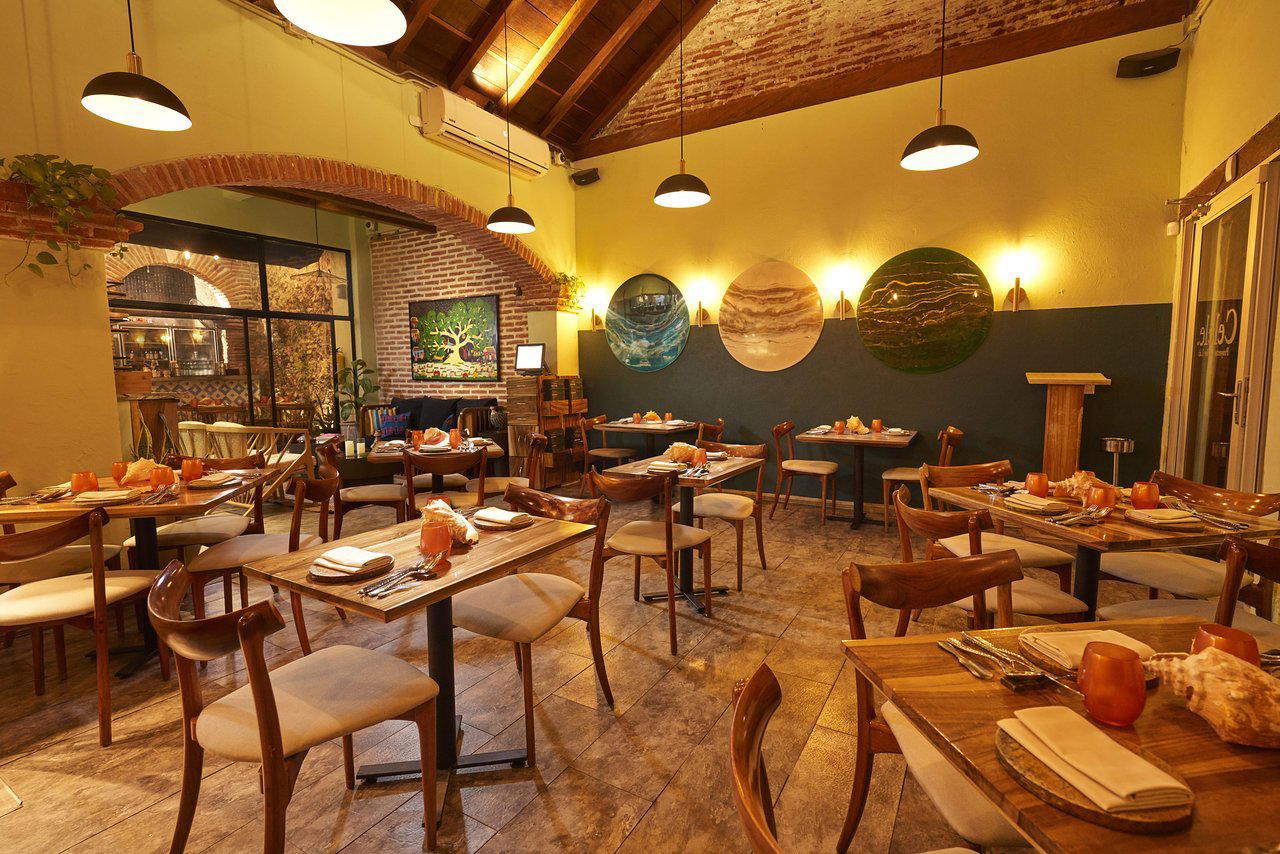
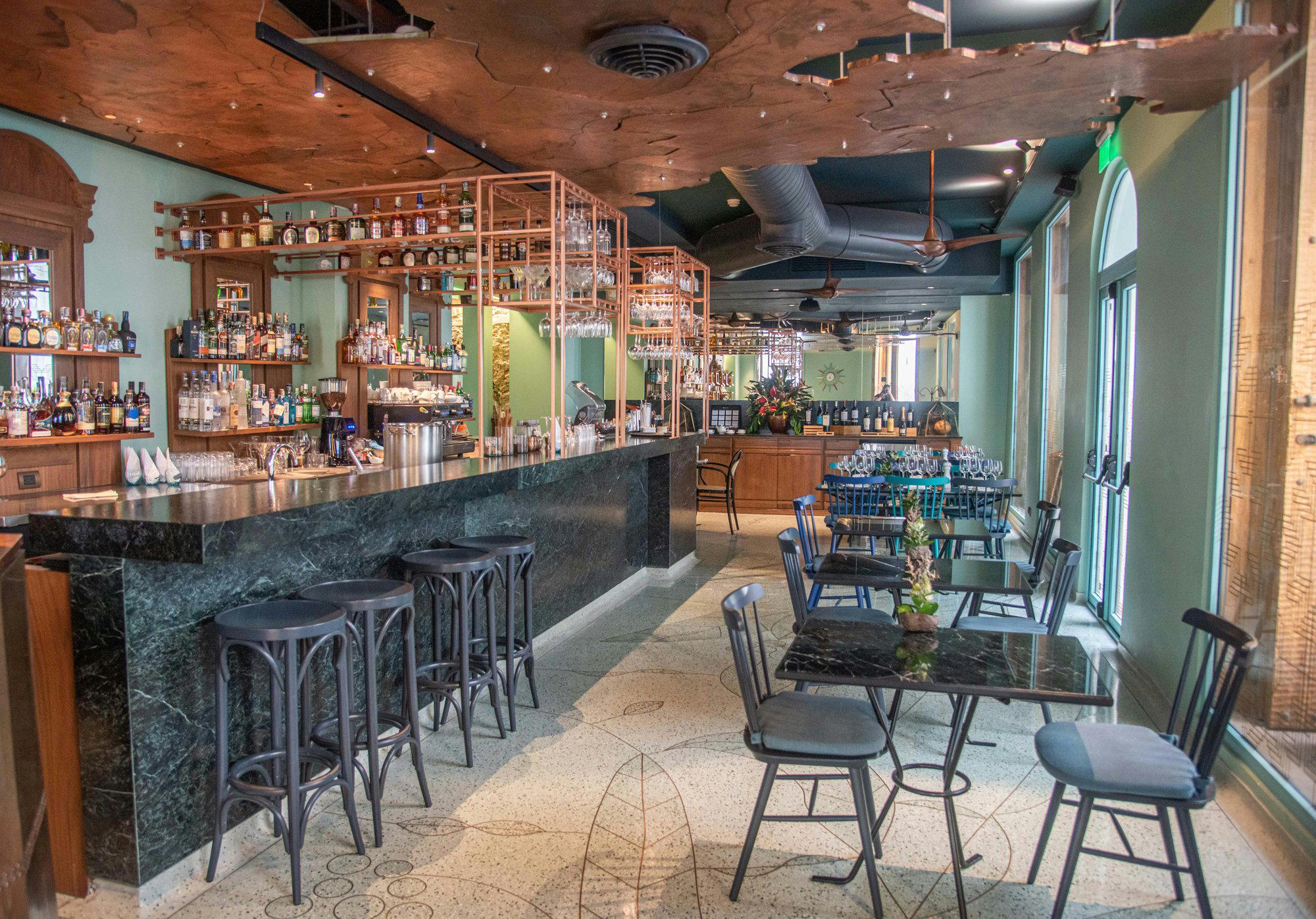
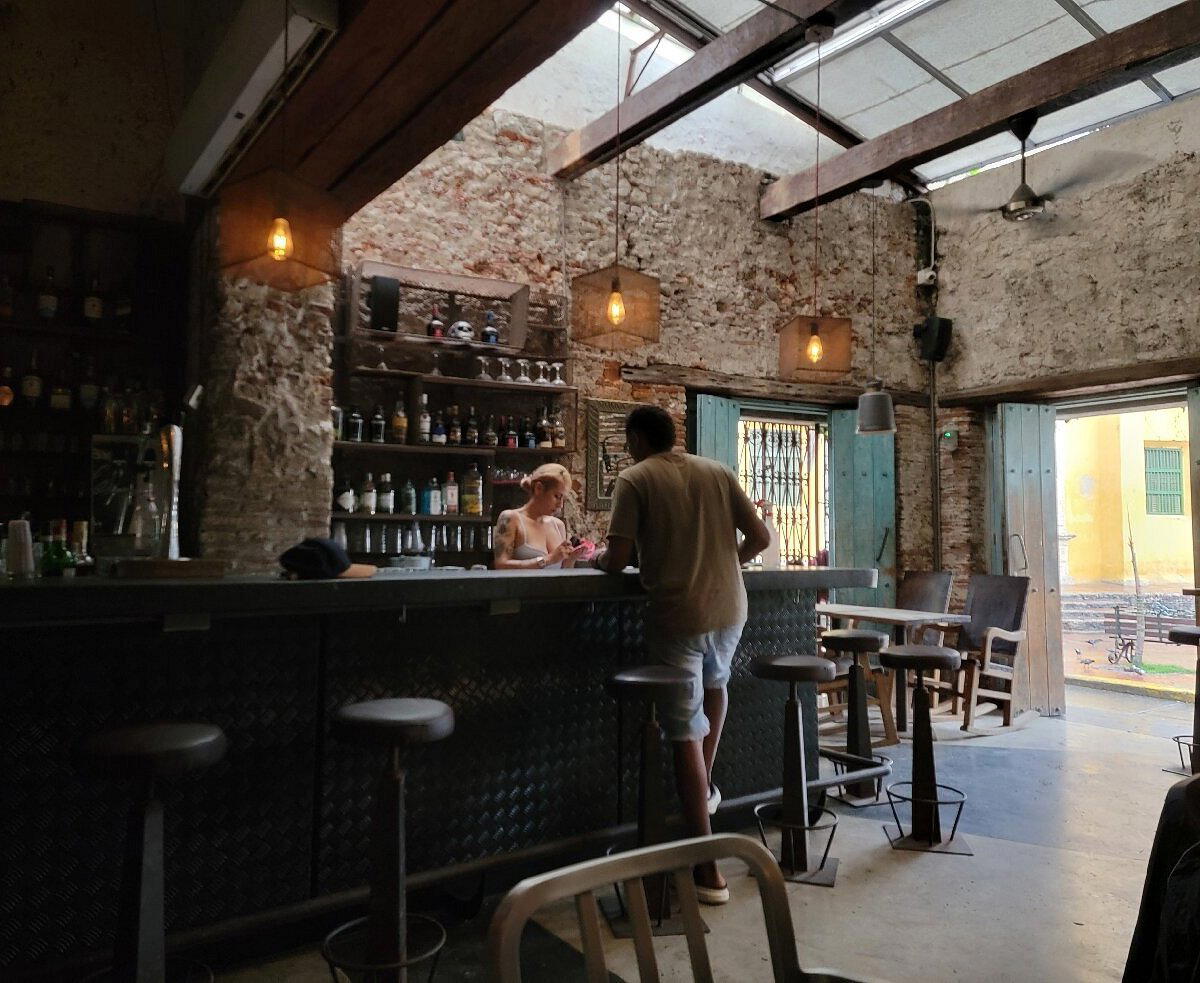
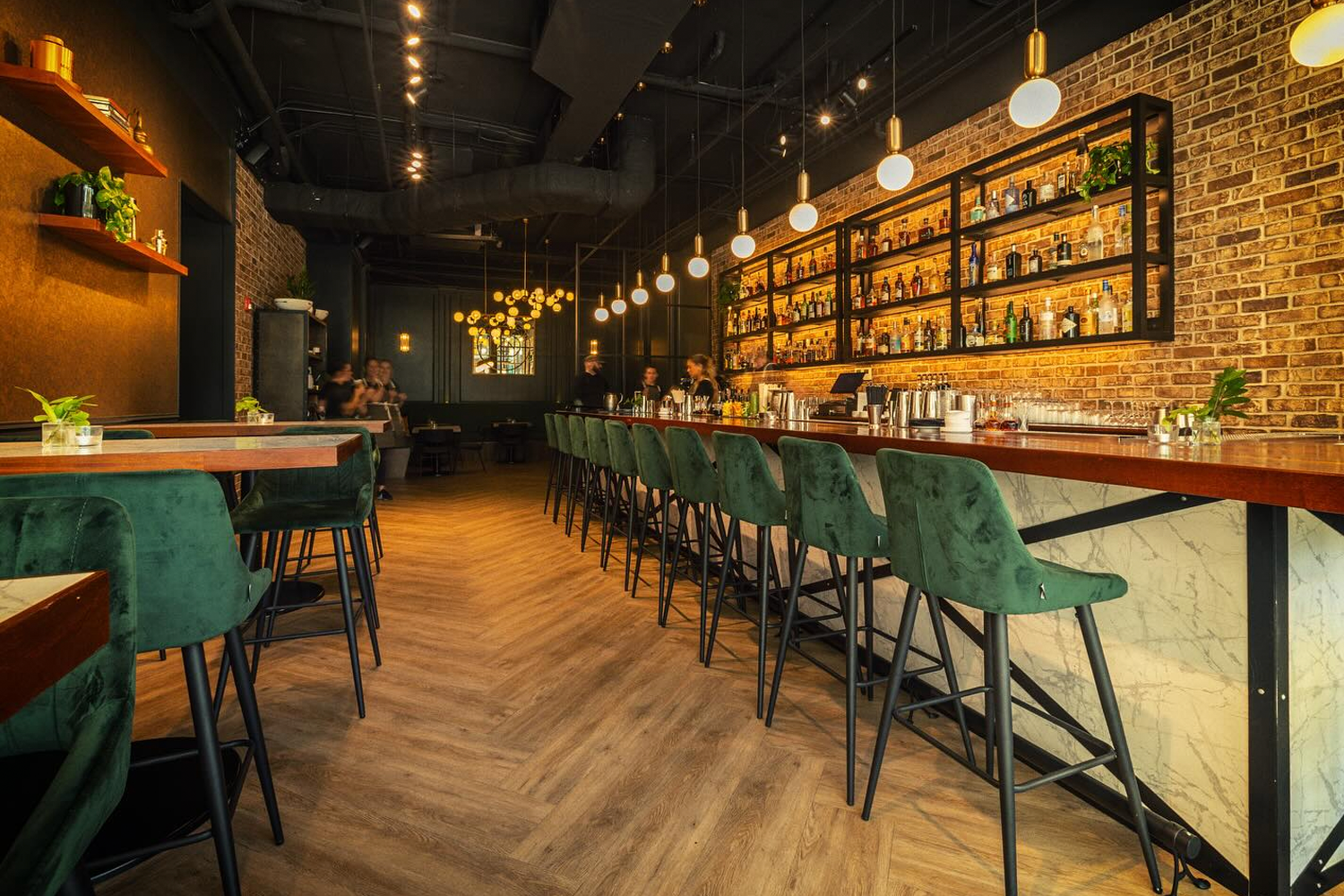
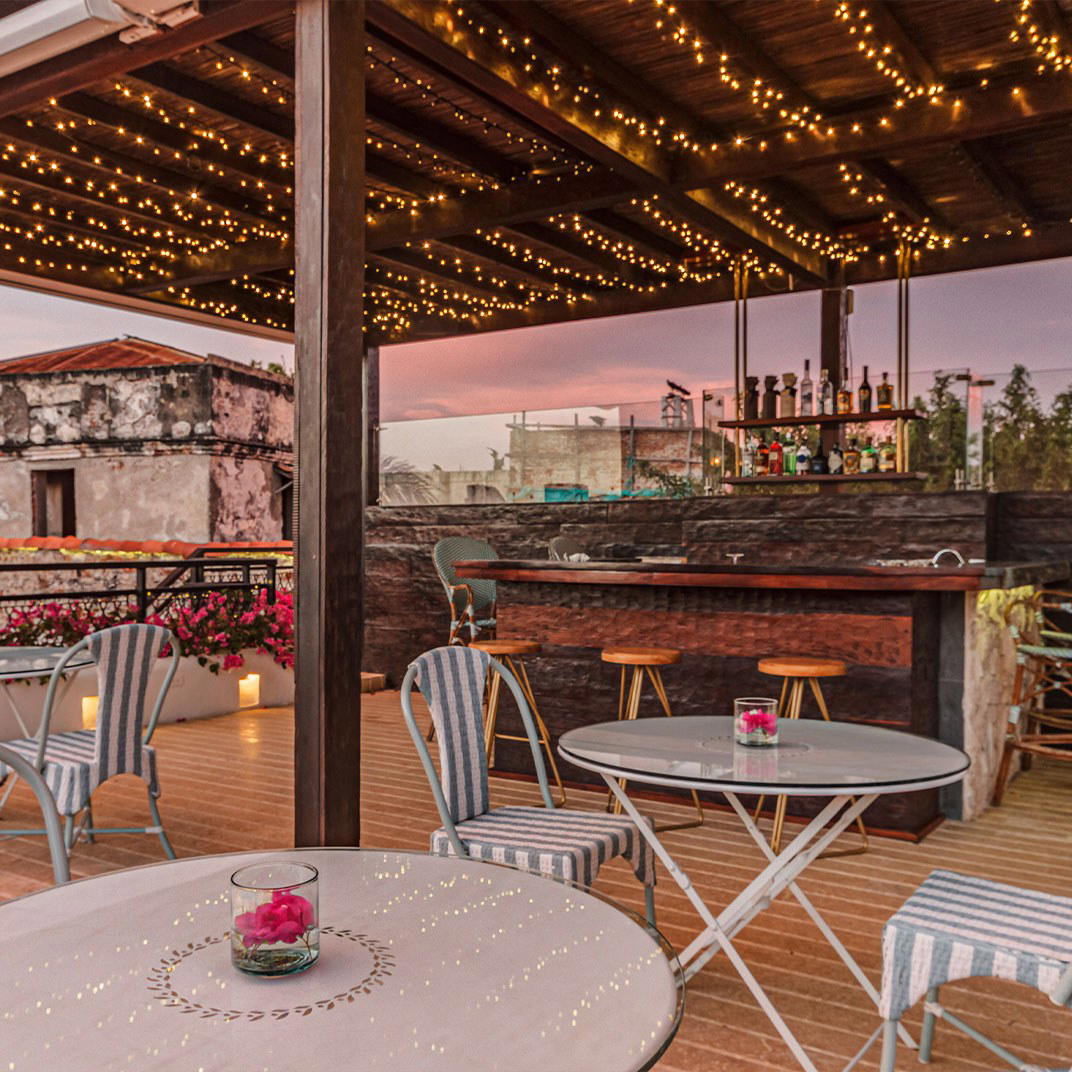
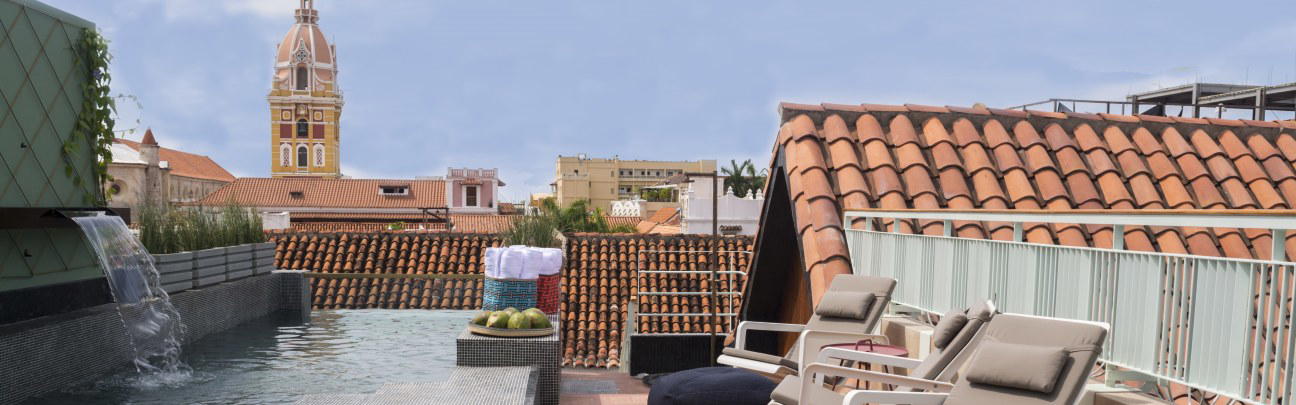
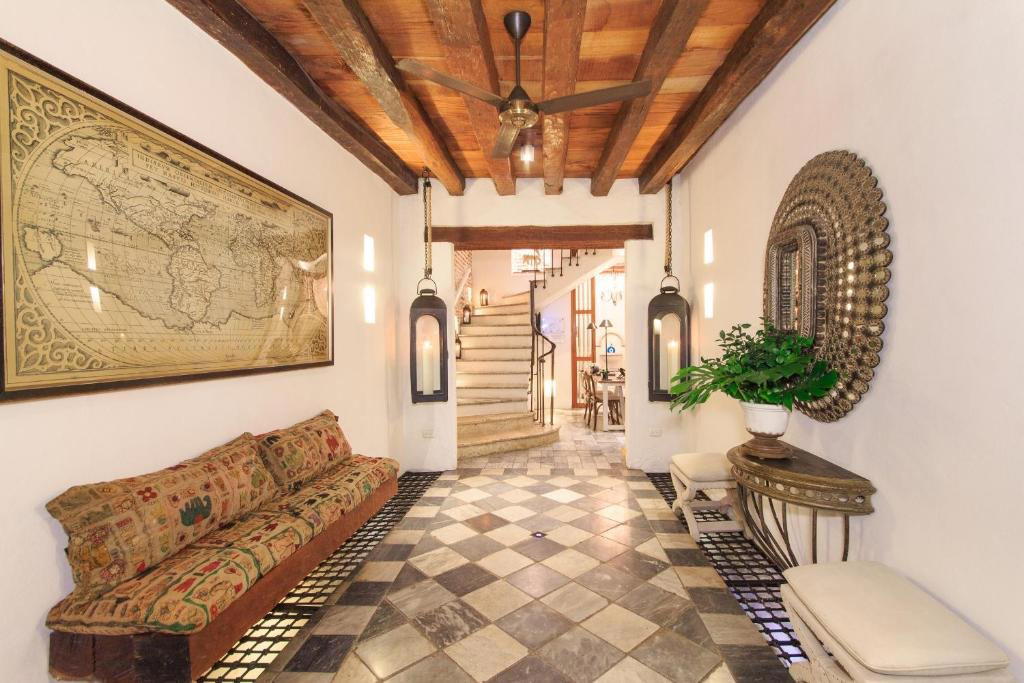
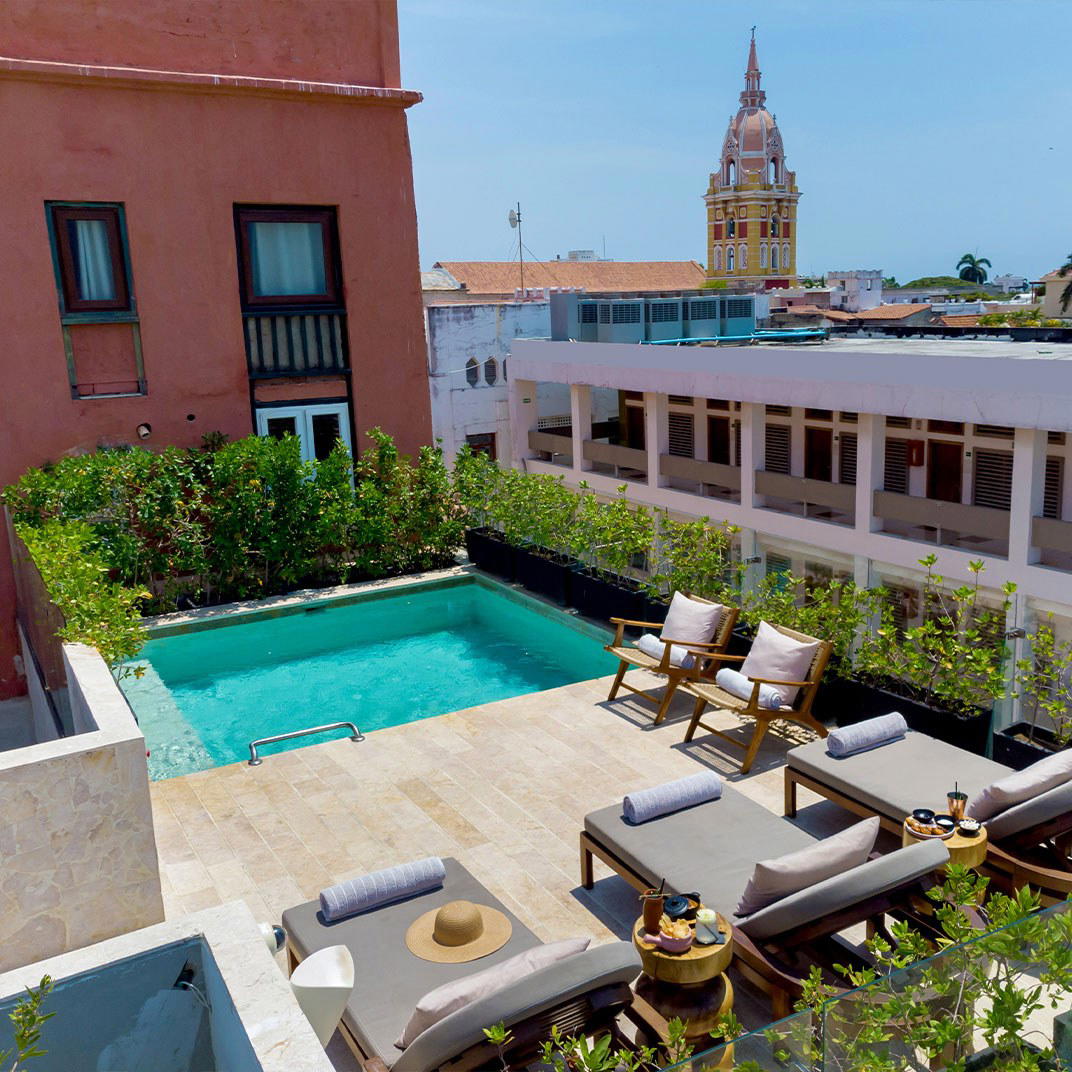
Elegant decoration in neutral tones with touches of green and bright yellow, creating a sophisticated and atmospheric dining experience.