Atrio operates as a lobby lounge within Cartagena's walled city, offering international drinks and fare in a setting that bridges hotel convenience and the city's increasingly serious cocktail culture. For travellers arriving in the Old City, it functions as a calibration point between the street-level heat and the cooler, more considered pace of an evening out.
Pearl is the En Primeur Club membership app — saves, bookings, and concierge access live there. Same editors, same standards.
- Address
- Cl de la Media Luna #8B 8B-44, Getsemaní, Cartagena de Indias, Cartagena, Cartagena de Indias, Bolívar, Colombia
- Phone
- +57 605 6546719
- Website
- fourseasons.com
- Directions
- Get directions
 Saves & bookings on Pearl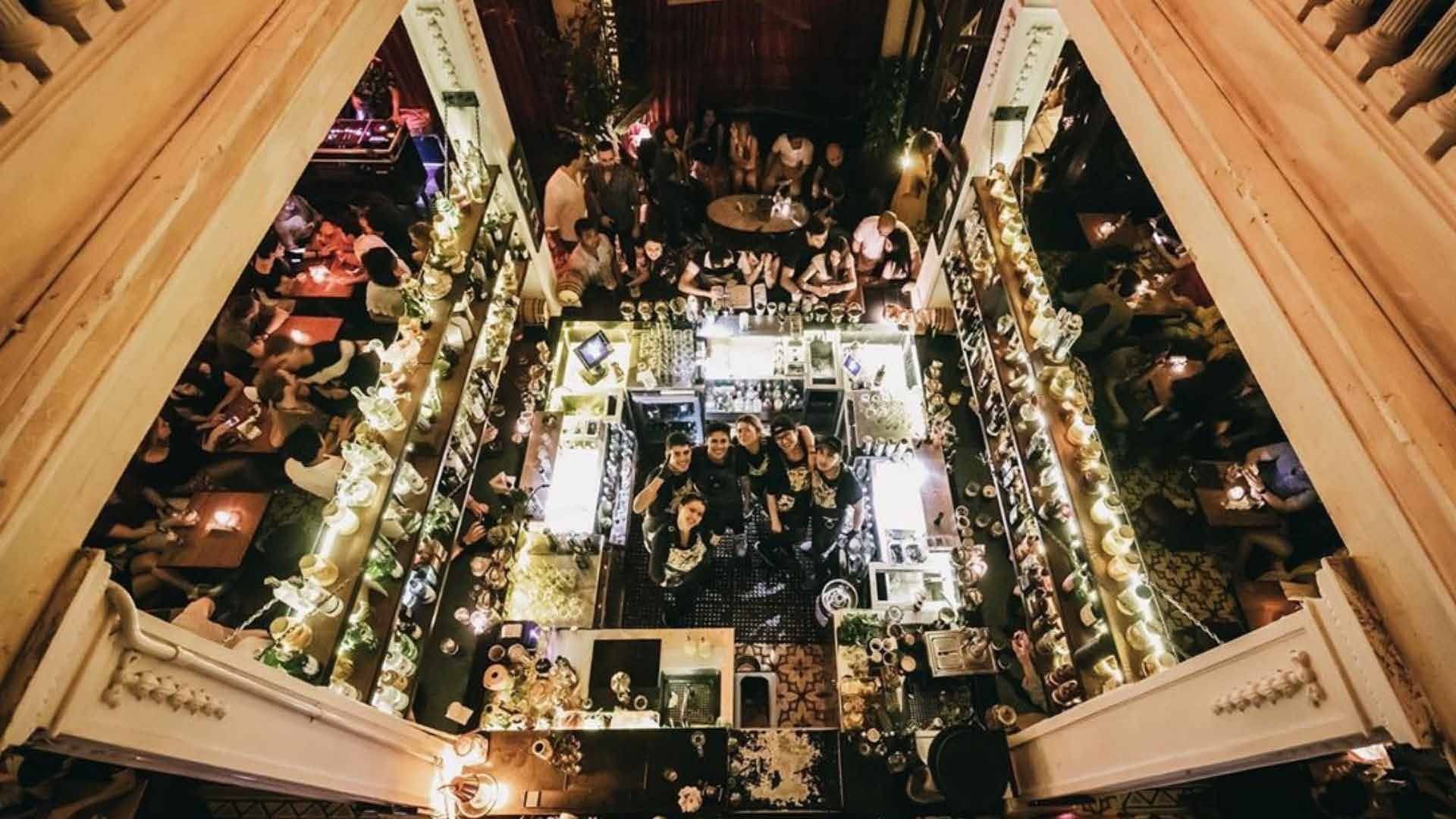
Where the Walled City Slows Down
Cartagena's Old City does not ease you in gently. The heat arrives before you clear the airport, and by the time you reach the cobblestone streets of the Centro Histórico, the sensory register is already high. Lobby lounges in this context serve a specific function: they are transitional spaces, places where the city's intensity meets a cooler, more composed version of hospitality. Atrio occupies that role, offering drinks from a lounge format that invites the kind of unhurried stop that the walled city's pace demands.
Cartagena's drinking culture has shifted considerably over the past decade. The city now supports a tiered bar scene that runs from neighbourhood-level rum operations to technically driven cocktail programs with international recognition. Alquímico sits at the summit of that tier, with a multi-floor format and a program built around local botanicals and fermentation. Demente BAR TAPAS layers drinks against a small plates format. Bar Lelarge works a specifically Caribbean register, pulling from local and seasonal fruits with Cuban influence running through the approach. Against this backdrop, Atrio operates differently: not as a destination bar with a named program, but as a lounge that catches guests at the beginning or end of an evening rather than at its centre.
The Lobby Lounge Format in a City That Has Outgrown It
There is a tension inherent to hotel lounges in cities where the independent bar scene has matured. The lobby format was built for a moment when the hotel was the safest, most reliable option in a given city. In contemporary Cartagena, that logic has weakened. A traveller who knows the city's current bar geography has strong reasons to move beyond the hotel perimeter. The lounge that survives in this environment tends to do so by offering something the street scene cannot: ease of access, a slower tempo, and the ability to eat and drink without the friction of reservations or queue management.
Atrio's international fare and drinks positioning places it in that functional tier. This is not a cocktail laboratory or a rum-forward exploration of the Colombian Caribbean. It is a space built for the traveller who wants a well-executed drink in a composed setting, before heading out to El Aljibe for craft cocktails, or after returning from a meal in Getsemaní. The Colombian hotel lounge category has historically been underinvested, and any establishment that treats its drinks program with basic seriousness occupies a more useful position than the category average might suggest.
Cocktail Culture as Context: Colombia's Broader Shift
To understand what a lounge like Atrio can and cannot be, it helps to trace what has happened to cocktail culture across Colombia's major cities. In Bogotá, La Sala de Laura represents the kind of intimate, deliberately constructed bar program that has become a reference point in the capital's drinking culture. In Medellín, Bar Carmen reflects how the city's hospitality scene has moved toward considered, technically aware formats. Cartagena, with its heavier tourist infrastructure and Caribbean character, has developed its own version of this shift, one more influenced by the region's fruit and rum traditions than by the Andean cities' more European-inflected approach.
This geographic specificity matters for cocktail programming. The Caribbean coast's ingredient palette, which runs from corozo and tamarind to locally grown citrus and regional spirits, gives Cartagena's leading bars a regional identity that cannot be replicated in Bogotá or Medellín. A lounge operating in this city, even one with an international menu rather than a hyper-local program, exists within that context. Guests who arrive in Cartagena and spend their first drink at a hotel lounge are making a calibration choice before they step into the fuller range of what the city offers.
The Caribbean Coast Hospitality Circuit
Cartagena sits at one end of a broader hospitality corridor along Colombia's Caribbean coast. Travellers who move through this region often combine time in the walled city with stops further along the coast. In Santa Marta, BK Burukuka operates a restaurant-bar format with a sunset-oriented positioning that echoes the leisure register of Cartagena's own rooftop and terrace culture. The coastal bar format, whether in Santa Marta or Cartagena, tends to prioritise views, temperature management, and drinks that work in heat. A lobby lounge that understands this register, keeping pace with the rhythms of guests moving between outdoor heat and cooled interiors, functions as a genuine hospitality asset rather than a convenience afterthought.
For travellers whose itineraries extend beyond Colombia, the cocktail culture comparison extends further. Bar Leather Apron in Honolulu and Jewel of the South in New Orleans represent how port cities with strong heat climates and layered drinking traditions develop bar cultures with distinct regional identities. Julep in Houston works a similar axis, where regional ingredients and climate-responsive formats shape the program. Cartagena's bar scene belongs to this broader category of cities where place and weather are active ingredients in what gets poured.
Atrio functions as a starting or finishing point within a broader evening rather than as a standalone destination. The lounge format means walk-in access is generally more practical than reservation-dependent options in the city's more programme-driven bars. For first-time visitors to Cartagena's Centro Histórico, beginning an evening here before moving to the independent bar circuit makes structural sense: the city's energy concentrates after dark, and arriving in stages rather than all at once is the more considered approach.
Visitors exploring the wider Colombian Caribbean bar circuit can cross-reference Barranquilla's La Troja, which has operated as a cultural institution for nearly six decades and represents a different register entirely: music-forward, historically rooted, and built around the vallenato and cumbia traditions that define that city's identity. The contrast between Barranquilla's culturally embedded drinking venues and Cartagena's more internationally oriented lounge and cocktail formats says something useful about how two cities roughly 120 kilometres apart can produce entirely distinct hospitality cultures from the same regional foundation.
Fast Comparison
Comparable venues nearby, for context on price, style, and recognition.
| Venue | Cuisine | Price | Notes |
|---|---|---|---|
| AtrioThis venue — the venue you are viewing | lounge | $$$ | Not listed |
| El Palmar | rooftop_bar | $$$$ | Getsemaní |
| El Aljibe | speakeasy | $$$$ | Getsemaní |
| Bar Lelarge | cocktail_bar | $$$$ | Getsemaní |
| Demente BAR TAPAS | cocktail_bar | $$ | Getsemaní |
| El Barón Café | cocktail_bar | $$ | El Centro |
Continue exploring
More in Cartagena
Bars in Cartagena
Browse all →
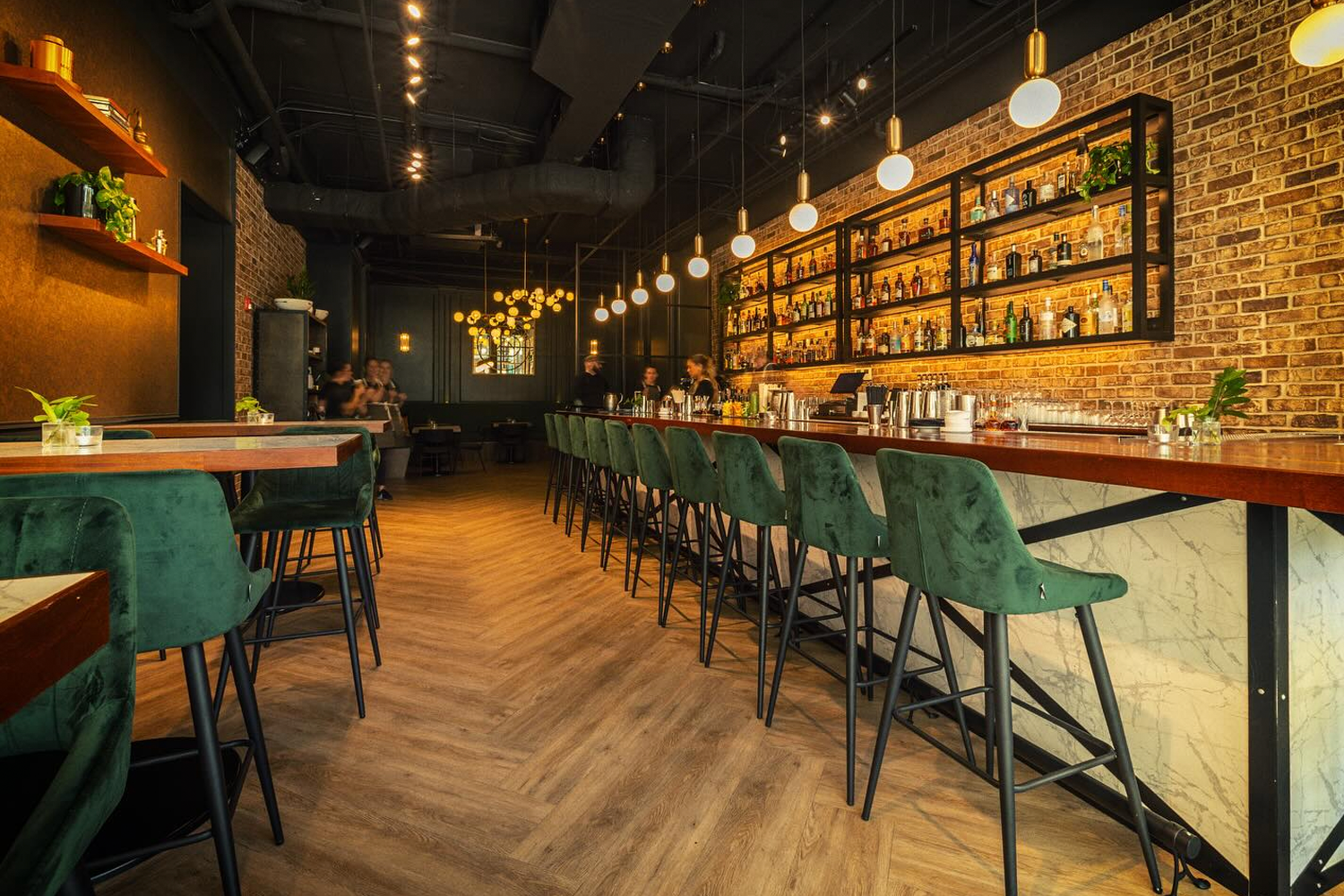
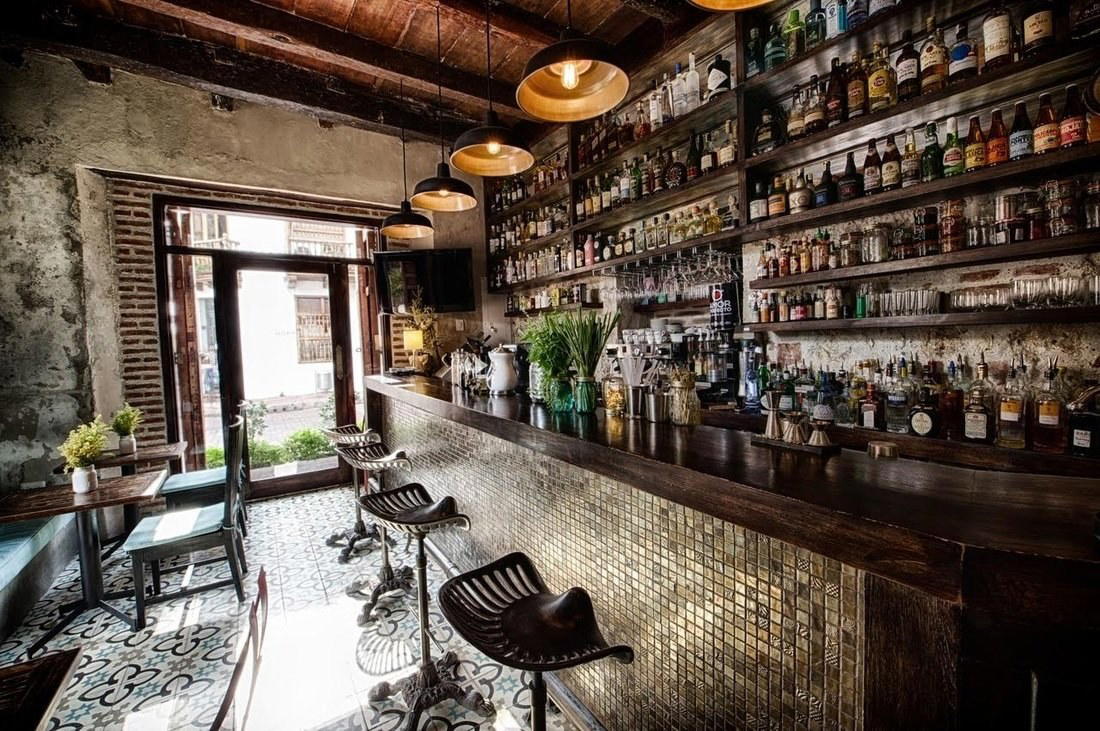
Restaurants in Cartagena
Browse all →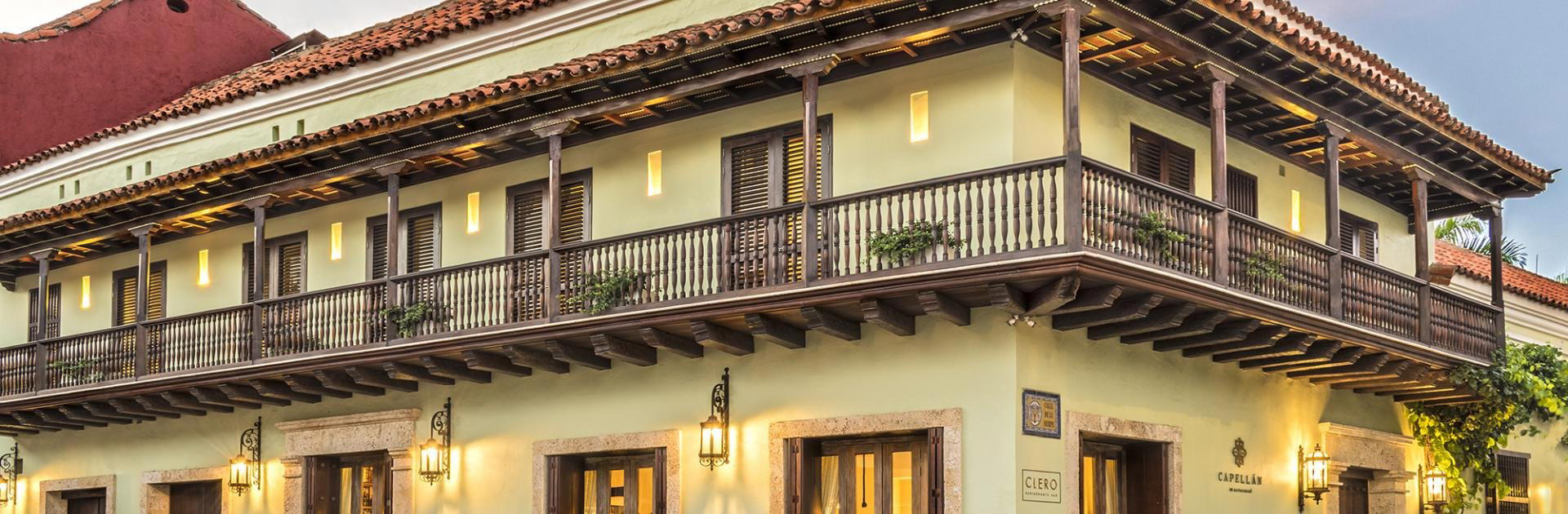
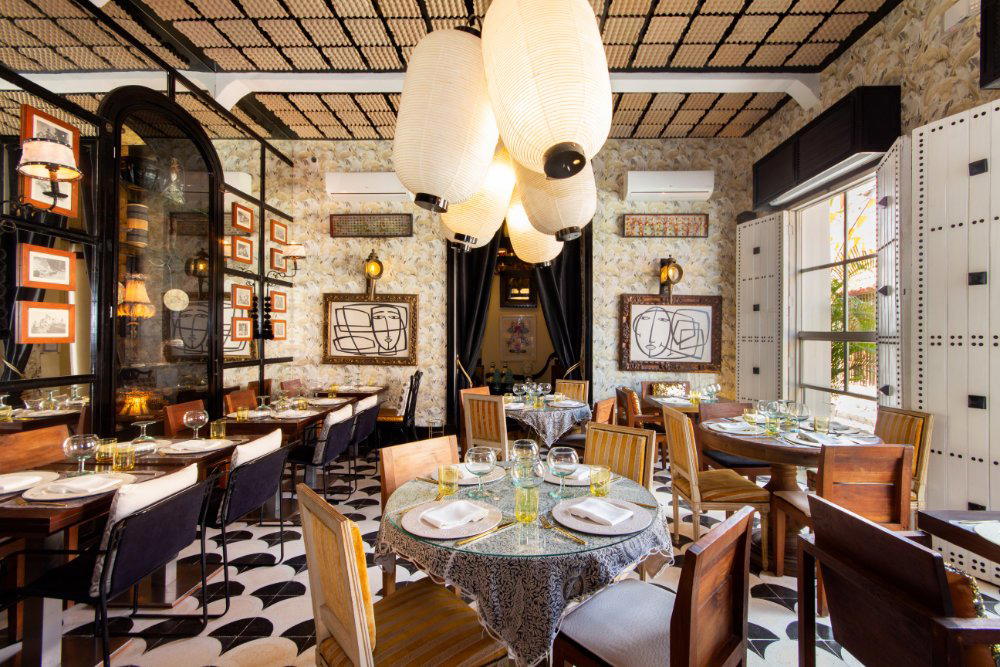
At a Glance
- Elegant
- Classic
- Sophisticated
- Romantic
- After Work
- Casual Hangout
- Date Night
- Hotel Bar
- Garden
- Historic Building
- Lounge Seating
- Seated Bar
- Classic Cocktails
- Conventional Wine
- Garden
Current opening hours
- Monday
- 12–1 AM
- Tuesday
- 12–1 AM
- Wednesday
- 12–1 AM
- Thursday
- 12–1 AM
- Friday
- 12–1 AM
- Saturday
- 12–1 AM
- Sunday
- 12–1 AM
Hours can change for holidays and private events. Last verified .
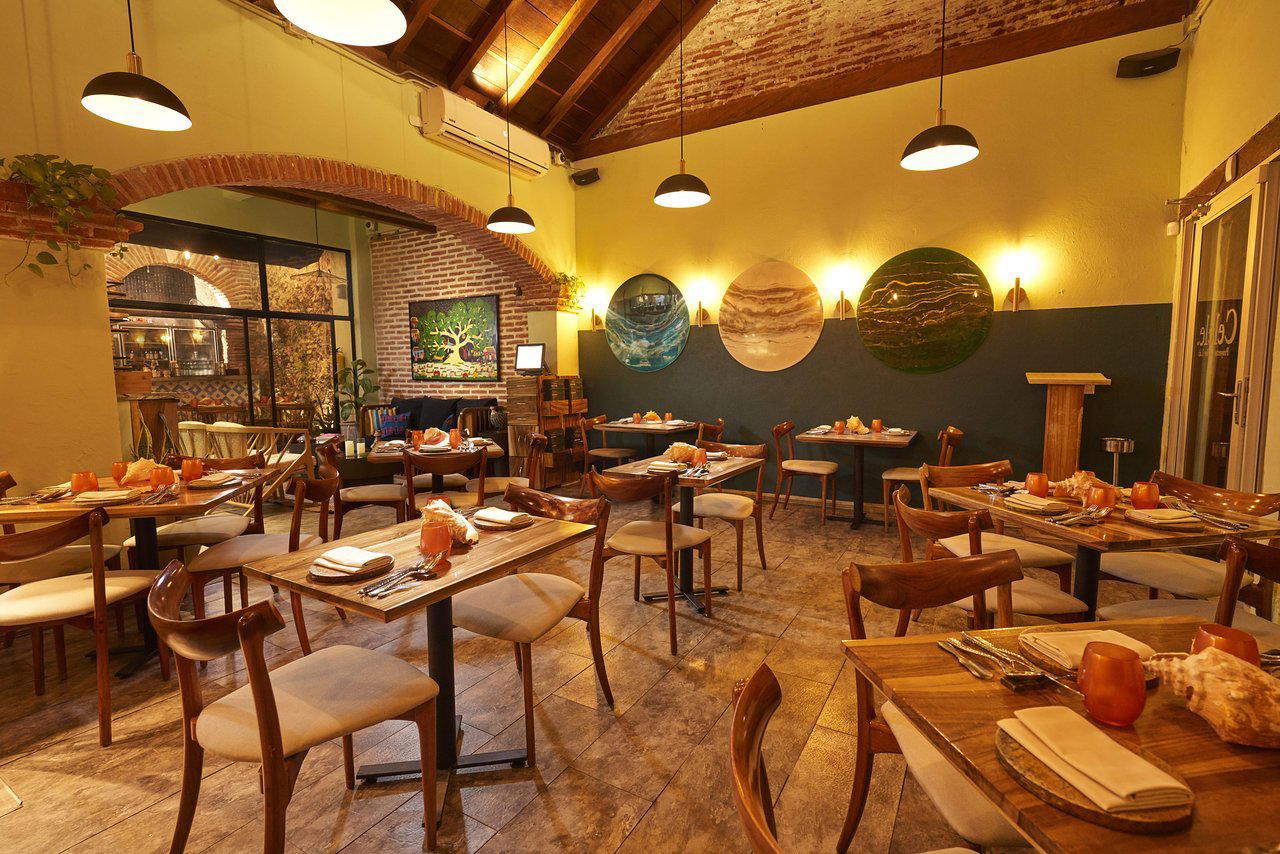
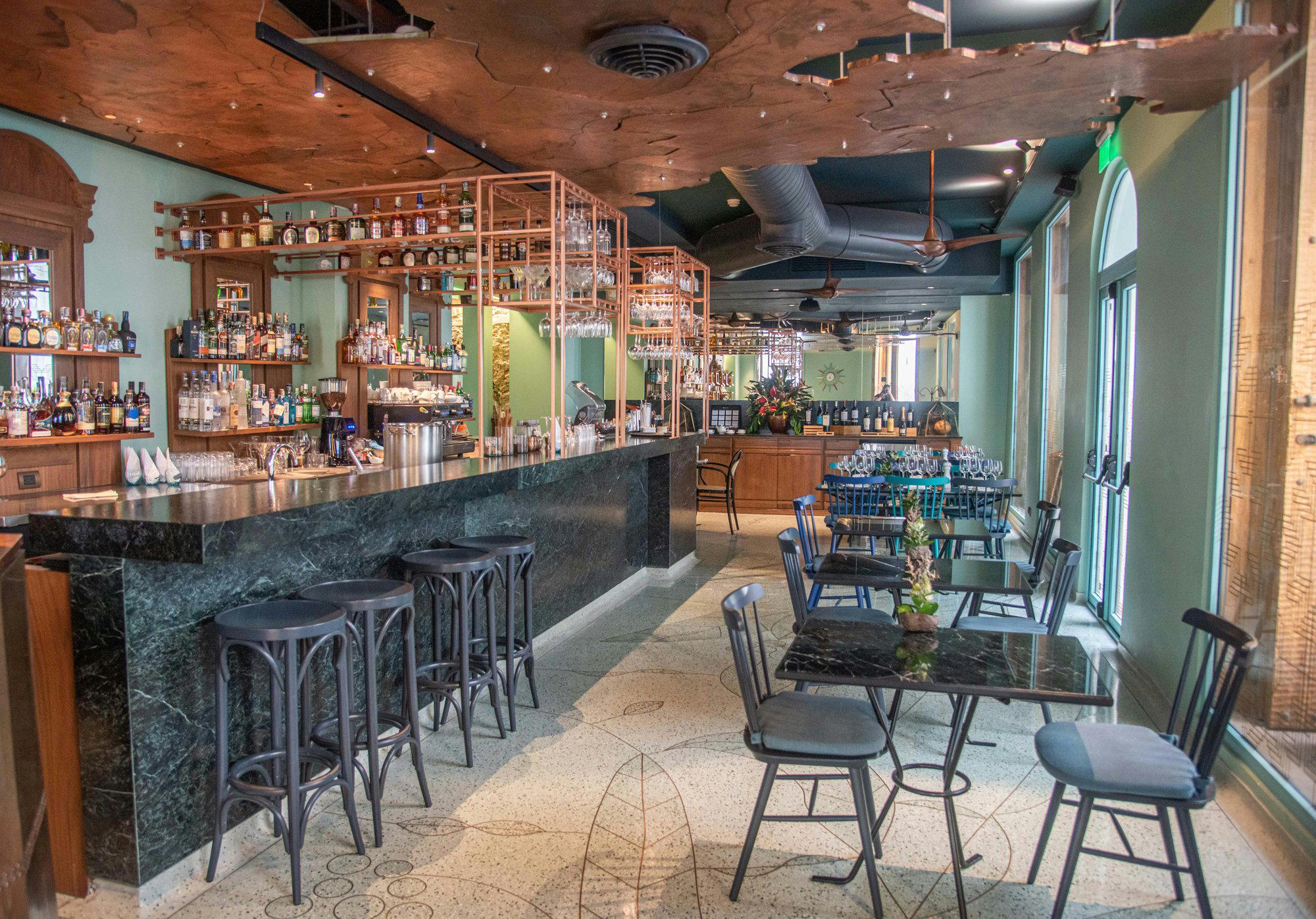
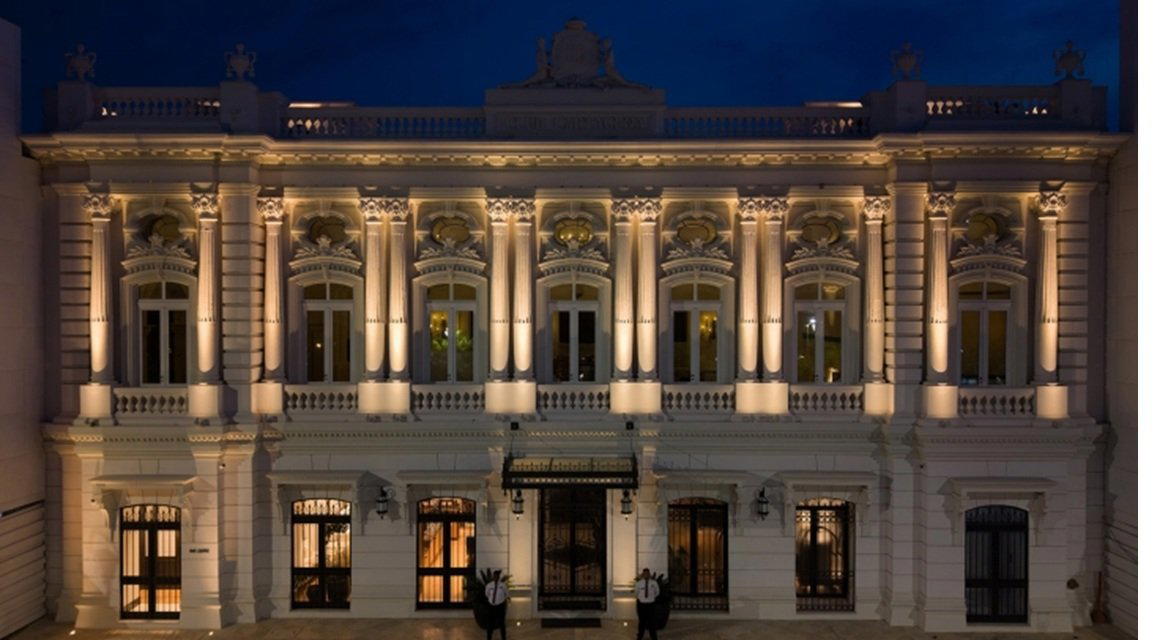
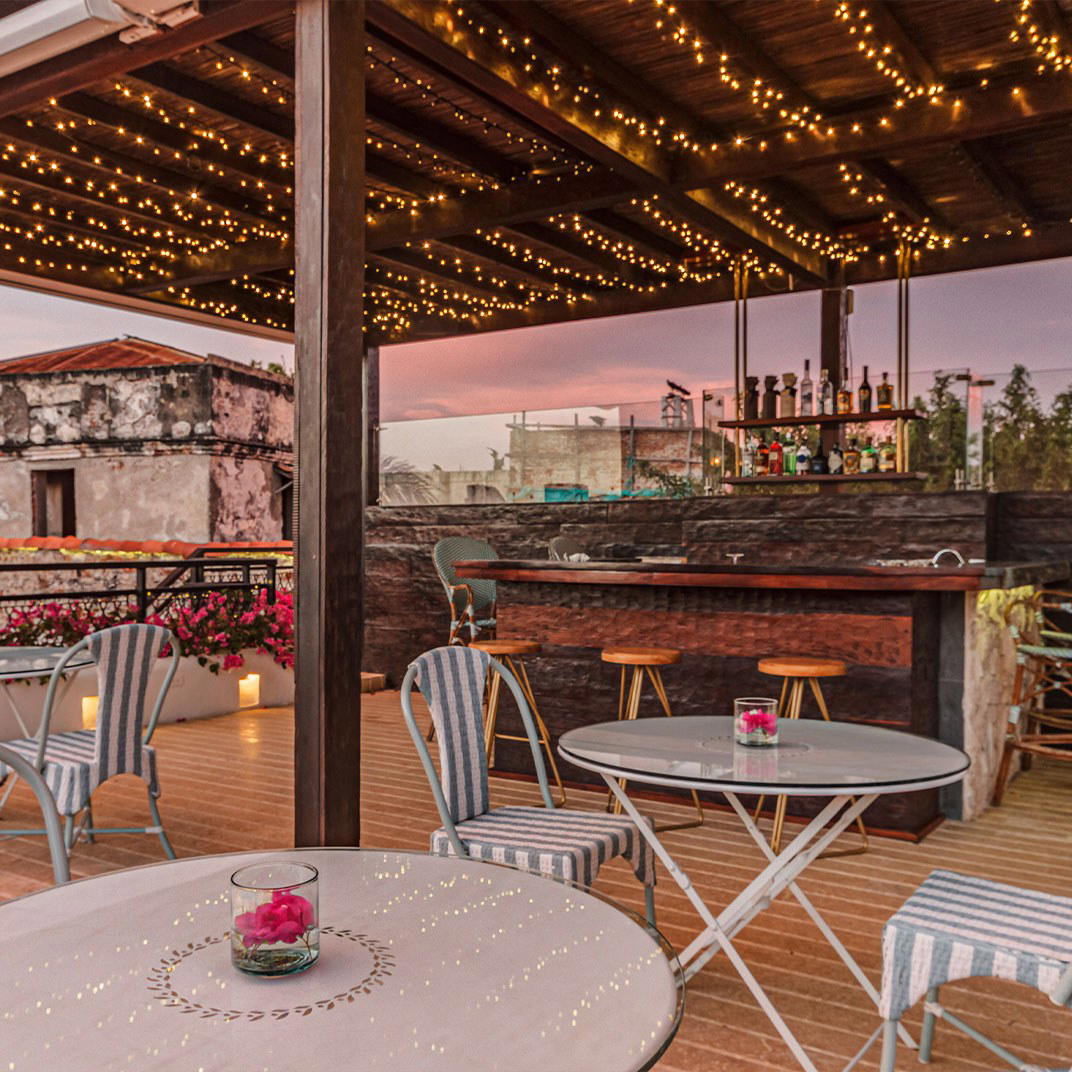
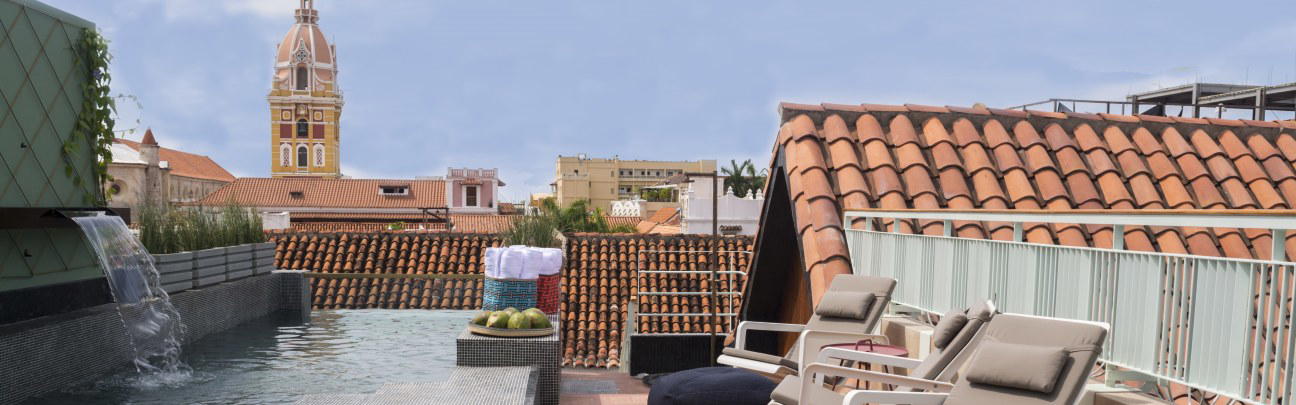
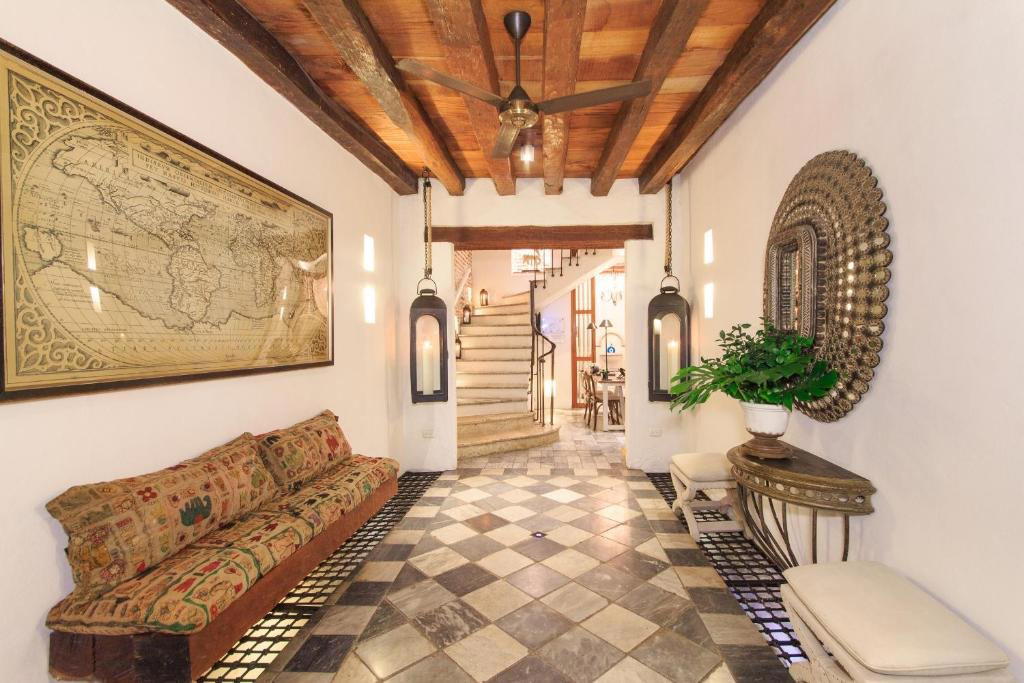
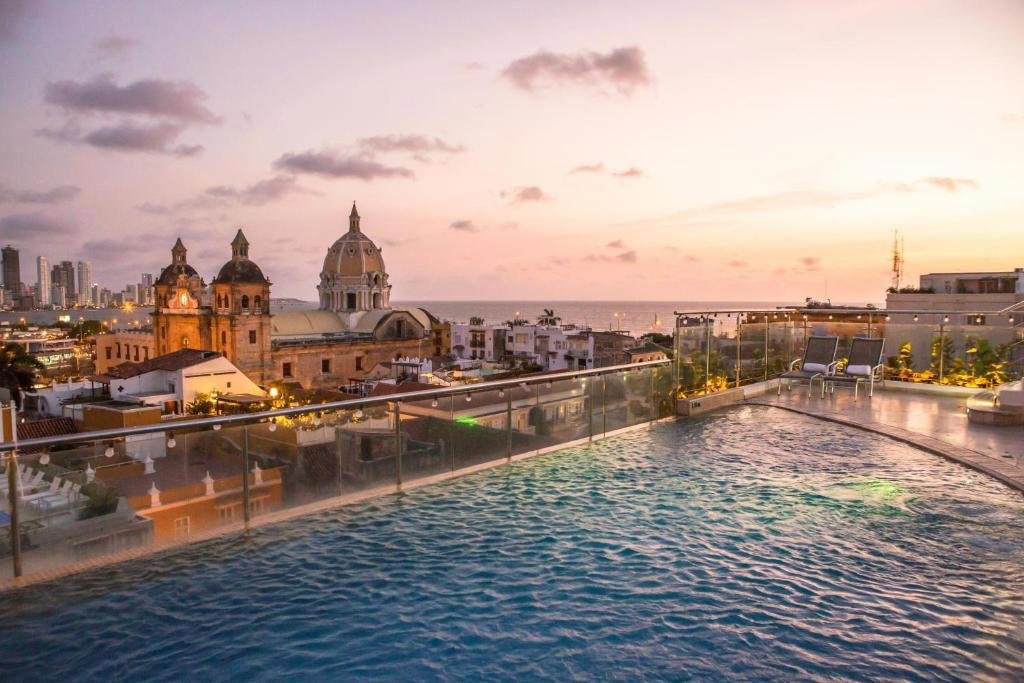
Bright and airy with natural light from the glass ceiling, tropical old-world charm, marble floors, and abundant greenery creating an elegant garden-like setting.