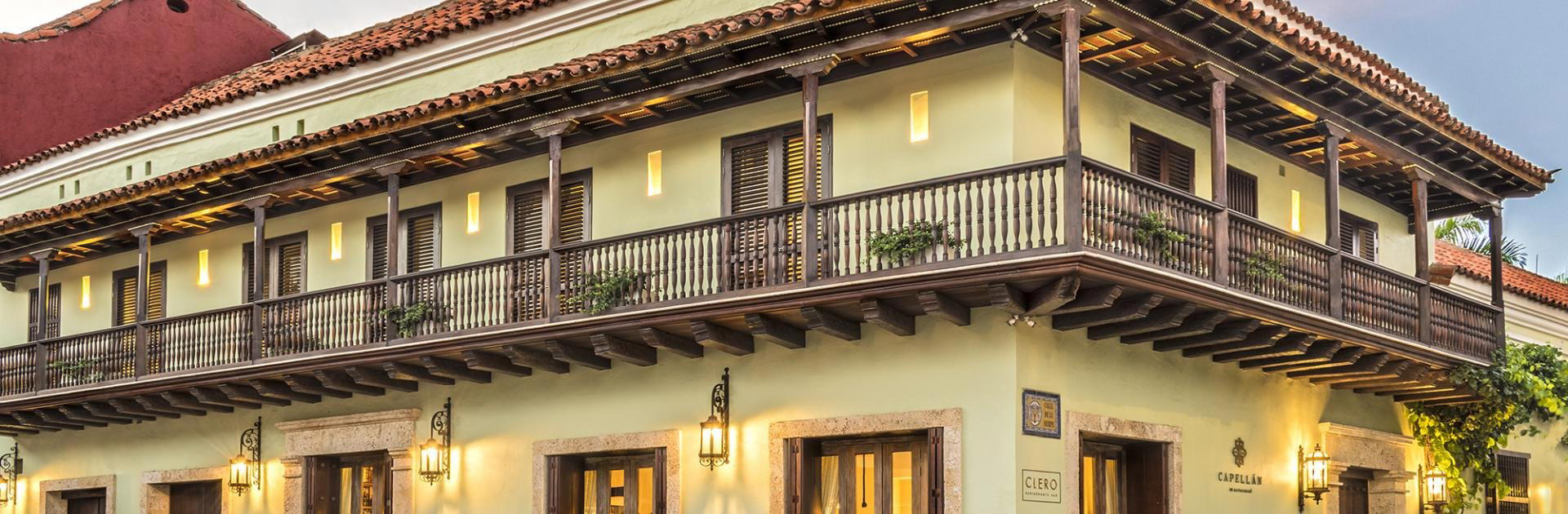
Demente BAR TAPAS occupies a corner of Getsemaní, Cartagena's most consequential neighbourhood for bar culture, pairing a tapas format with a back bar built for serious drinking. The address on Carrera 10 places it within walking distance of the city's most recognised cocktail programs, making it a natural stop on any considered circuit of the walled city's drinking scene.
Pearl is the En Primeur Club membership app — saves, bookings, and concierge access live there. Same editors, same standards.
- Address
- Cra. 10 #29-29, Getsemaní, Cartagena de Indias, Bolívar, Colombia
- Phone
- +57 56604226
- Directions
- Get directions
 Saves & bookings on Pearl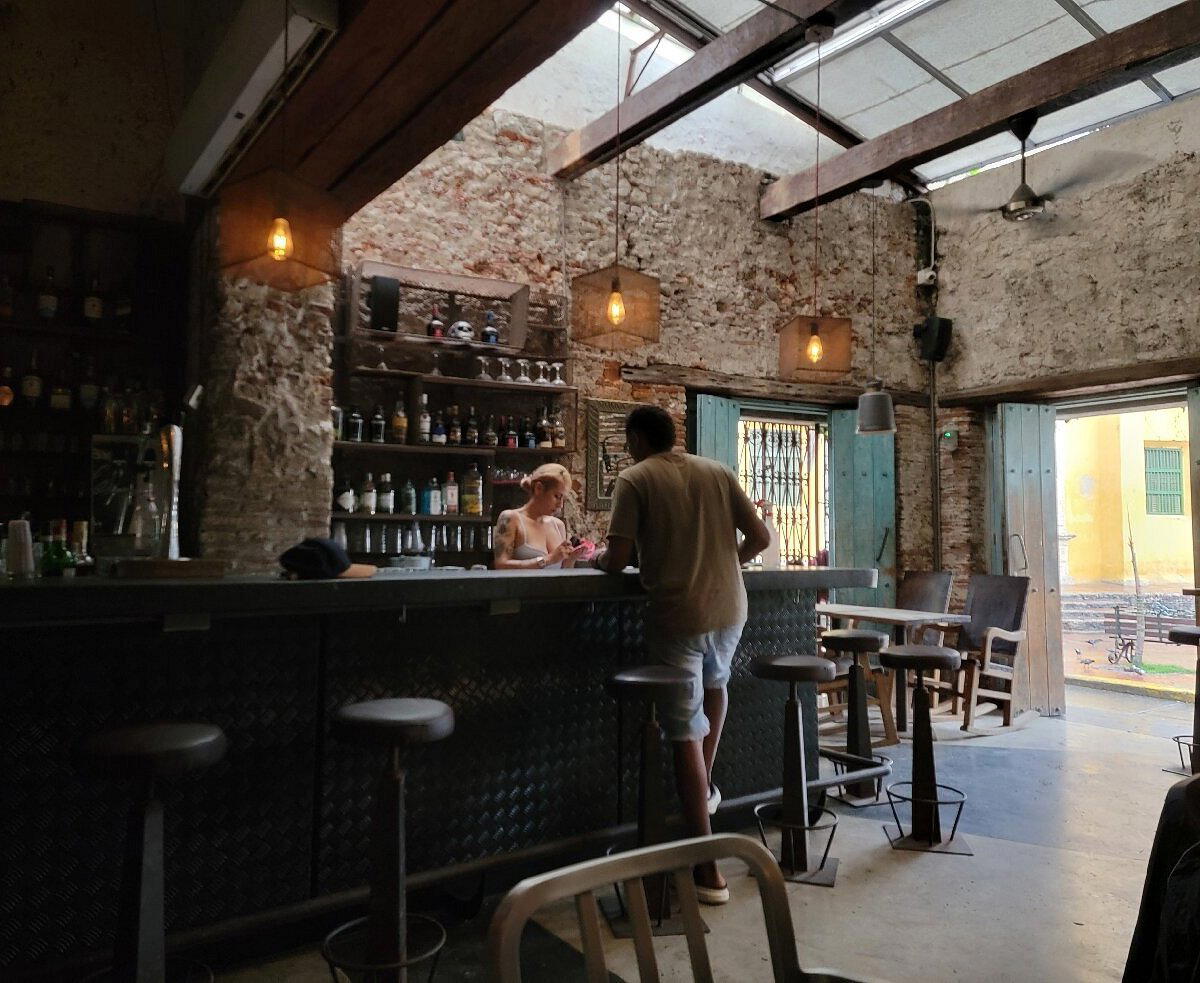
Getsemaní and the Bar That Earns Its Name
Getsemaní has been through more reputational cycles than most Caribbean neighbourhoods manage in a century. Once Cartagena's working port district, then a decades-long cautionary note in guidebooks, it has spent the last ten years becoming the city's most concentrated zone for serious bar culture. The transformation is not hypothetical: this is the neighbourhood that produced Alquímico, which now appears on the World's 50 Best Bars list, and whose street-level energy has since drawn a second generation of operators who understand that the address carries expectation. Demente BAR TAPAS, at Carrera 10 #29-29, is one of those second-generation operators, and its name signals an intention to do something more pointed than serve rum-and-coke to tourists who wandered in from the walled city.
The Back Bar as Argument
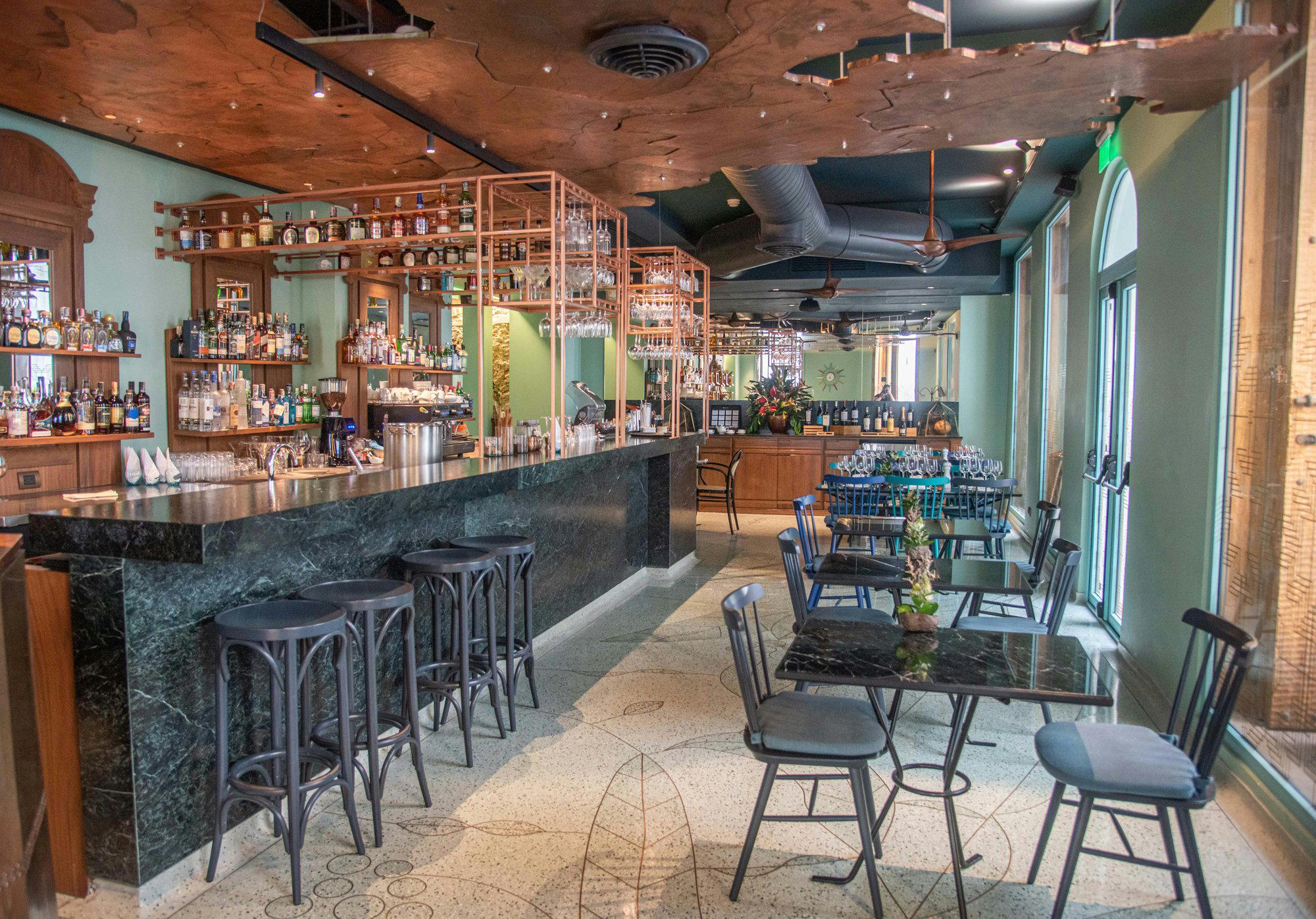
In bar culture, the depth of a back bar is a declaration of intent. It tells you what the operator believes drinking is for. The trend across serious cocktail programs in Latin America has moved sharply toward local distillates and fermented bases: Colombian aguardiente beyond the industrial tier, ron añejo from coastal producers, fruit-forward spirits from Amazonian botanicals. A program that commits to this shelf-building philosophy is making an argument that the local ingredient canon is worth the same curatorial attention that a European wine bar gives its Burgundy section. That argument is harder to sustain in a tapas format, where the food component competes for attention and kitchen logistics can overwhelm bar discipline, but it is also more interesting when it works, because the pairing possibilities move beyond the standard cocktail-and-snack afterthought.
At Getsemaní price points, a back bar built around curation rather than volume represents genuine value. Visitors arriving from cities with more established cocktail markets, or from programs like Bar Carmen in Medellín or La Sala de Laura in Bogotá, will find that the coastal market is catching up in ambition faster than it is in price, which is not a complaint.
Where Demente Sits in Cartagena's Drinking Circuit
Cartagena's bar scene has split into fairly legible tiers. At the summit of the recognition curve sits Alquímico, whose multi-floor format and international accolades make it the reference point against which every other Getsemaní bar is implicitly measured. Below that, a set of more neighbourhood-specific operations has developed its own character: Bar Lelarge works local and seasonal fruit into a Cuban-influenced framework; El Aljibe pairs craft cocktails with gourmet bites at a slightly more formal register; Atrio handles the lobby-lounge position with international fare for hotel guests who want familiarity. Demente's tapas-and-spirits format places it in a different lane from all of these: it is not trying to be a destination bar on the Alquímico model, and it is not softening its edges for the hotel circuit. The name and the format both suggest a program aimed at people who want to eat and drink seriously in the same sitting, in a neighbourhood setting, without the infrastructure of a formal restaurant.
For comparison, the tapas-and-spirits pairing format has produced particularly interesting bar programs in the Americas. Jewel of the South in New Orleans and Julep in Houston both demonstrate how food integration can deepen a cocktail program rather than dilute it, provided the kitchen and bar share a unifying ingredient logic. Bar Leather Apron in Honolulu takes a similarly precise approach to pairing within a compact format. The question Demente implicitly answers, in the Getsemaní context, is whether Caribbean Colombia has the pantry, the fruits, the fermented bases, the cured proteins, to make that logic work with local materials.
The Neighbourhood at the Right Hour
Getsemaní operates on a different schedule from the walled city's tourist core. The neighbourhood comes alive in the early evening, when residents emerge alongside visitors and the street-level bar culture does what it does leading: create the conditions for accidental conversation and extended sessions. An operation on Carrera 10 is positioned at the edge of this flow, accessible without being directly on particularly trafficked pedestrian routes. That positioning suits a tapas bar better than it would suit a high-volume cocktail destination, because the format rewards unhurried sitting rather than through-traffic. The practical implication is that Demente works better as a first or second stop on an evening circuit than as a late-night anchor.
Colombia's Caribbean coast has a broader drinking circuit worth mapping before any serious visit. BK Burukuka in Santa Marta handles the sunset-spot position a few hours up the coast, and La Troja in Barranquilla represents the cultural and musical weight of that city's bar tradition. Cartagena, and Getsemaní specifically, has become particularly internationally visible node in this coastal circuit, which means its operators are under greater pressure to perform for an audience with global reference points. Demente's positioning as a tapas bar with serious drinking intentions is a reasonable response to that pressure: it sidesteps the pure cocktail competition and offers a format with fewer direct local rivals.
Planning a Visit
Demente BAR TAPAS is on Carrera 10 #29-29 in Getsemaní, a short walk from the Clock Tower entrance to the walled city and from the central plaza that anchors the neighbourhood's bar cluster. One reliable approach is to visit in person on the evening you plan to go. The tapas format means you should arrive with appetite and time, this is not a one-drink stop.
Cost Snapshot
Comparable venues nearby, for context on price, style, and recognition.
| Venue | Cuisine | Price | Notes |
|---|---|---|---|
| Demente BAR TAPASThis venue — the venue you are viewing | Not listed | $$ | Not listed |
| Atrio | Getsemaní, lounge | $$$ | Not listed |
| El Palmar | Not listed | $$$$ | Getsemaní, rooftop_bar |
| El Barón Café | Not listed | $$ | El Centro, cocktail_bar |
| El Aljibe | Getsemaní, speakeasy | $$$$ | Not listed |
| Bar Lelarge | Not listed | $$$$ | Getsemaní, cocktail_bar |
Continue exploring
More in Cartagena
Bars in Cartagena
Browse all →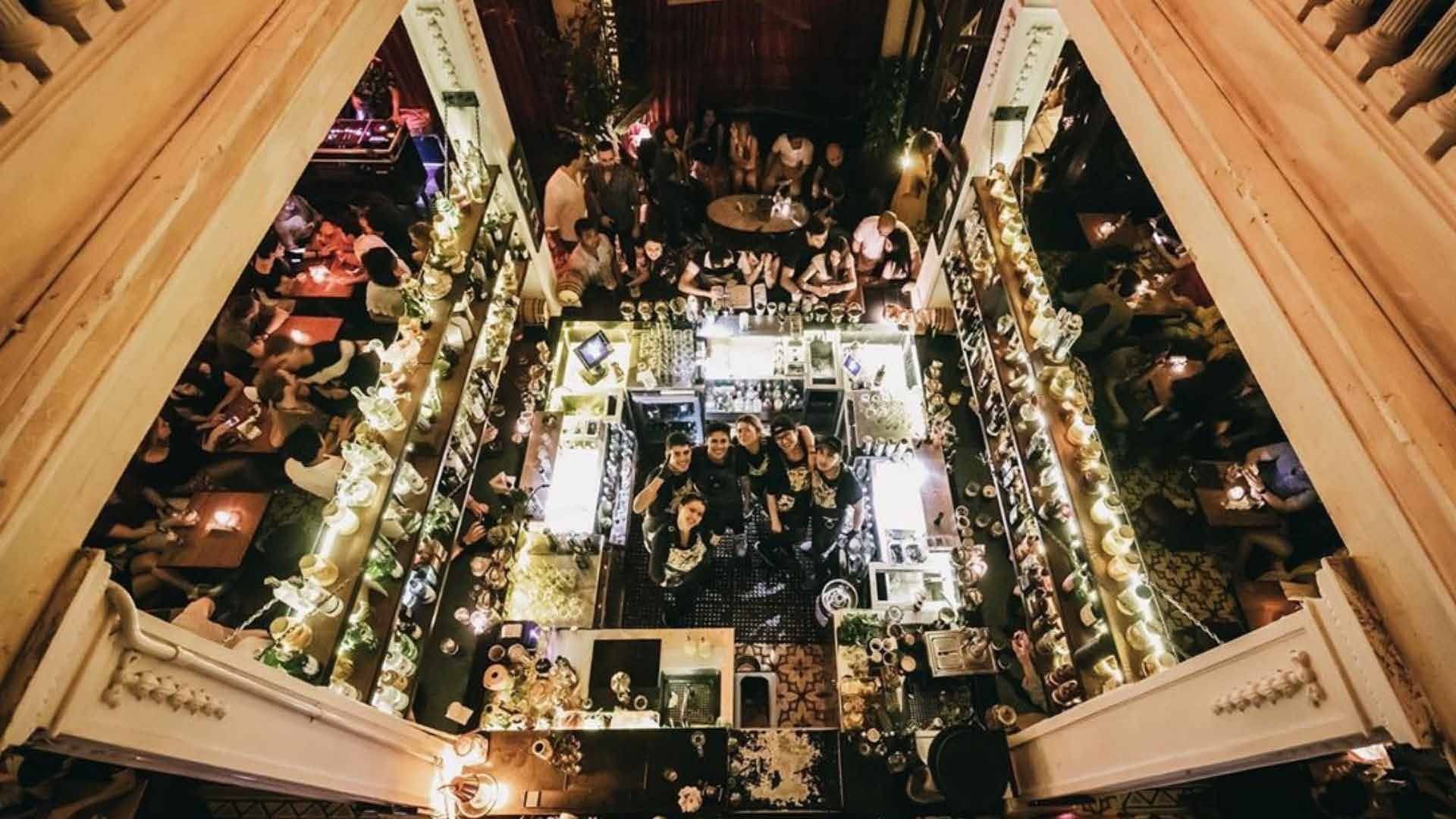
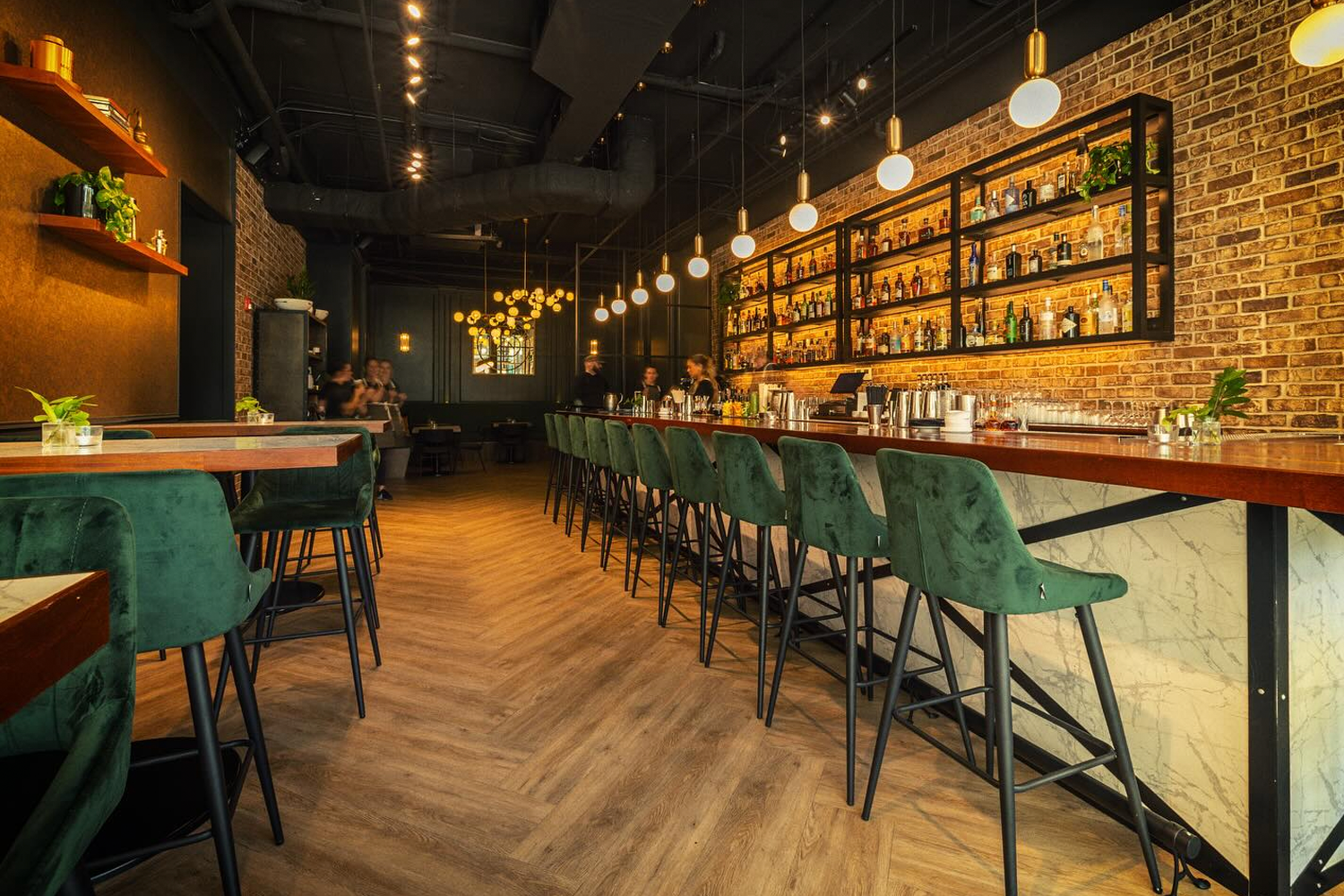
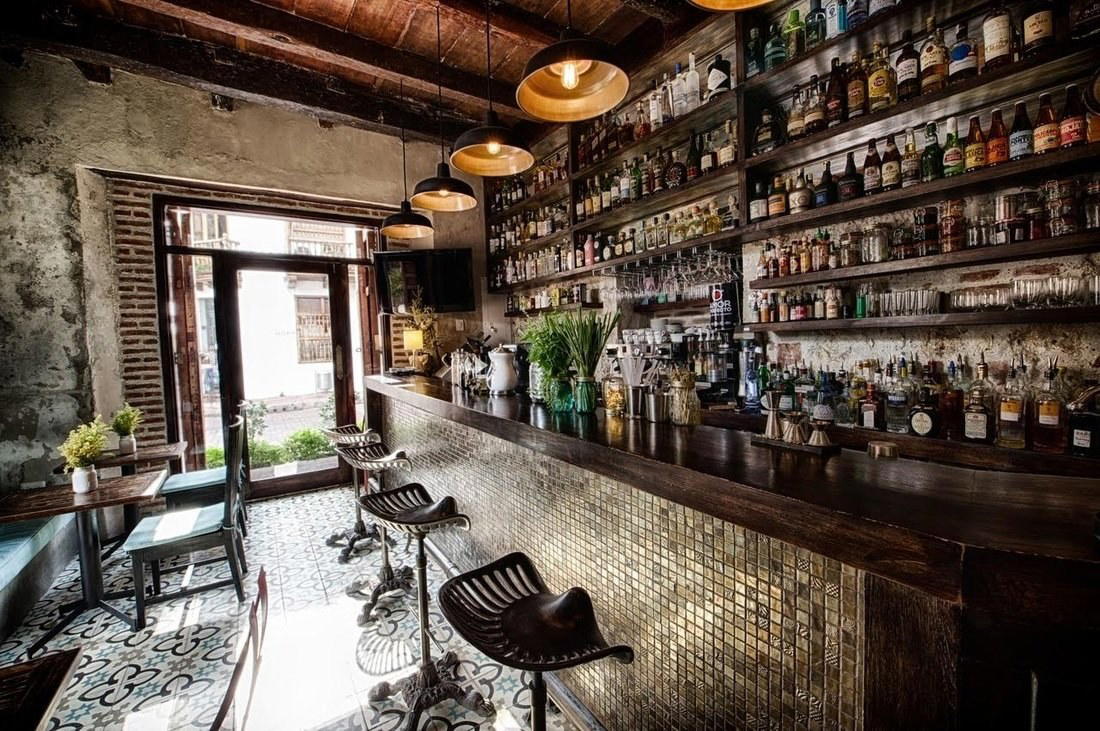
Restaurants in Cartagena
Browse all →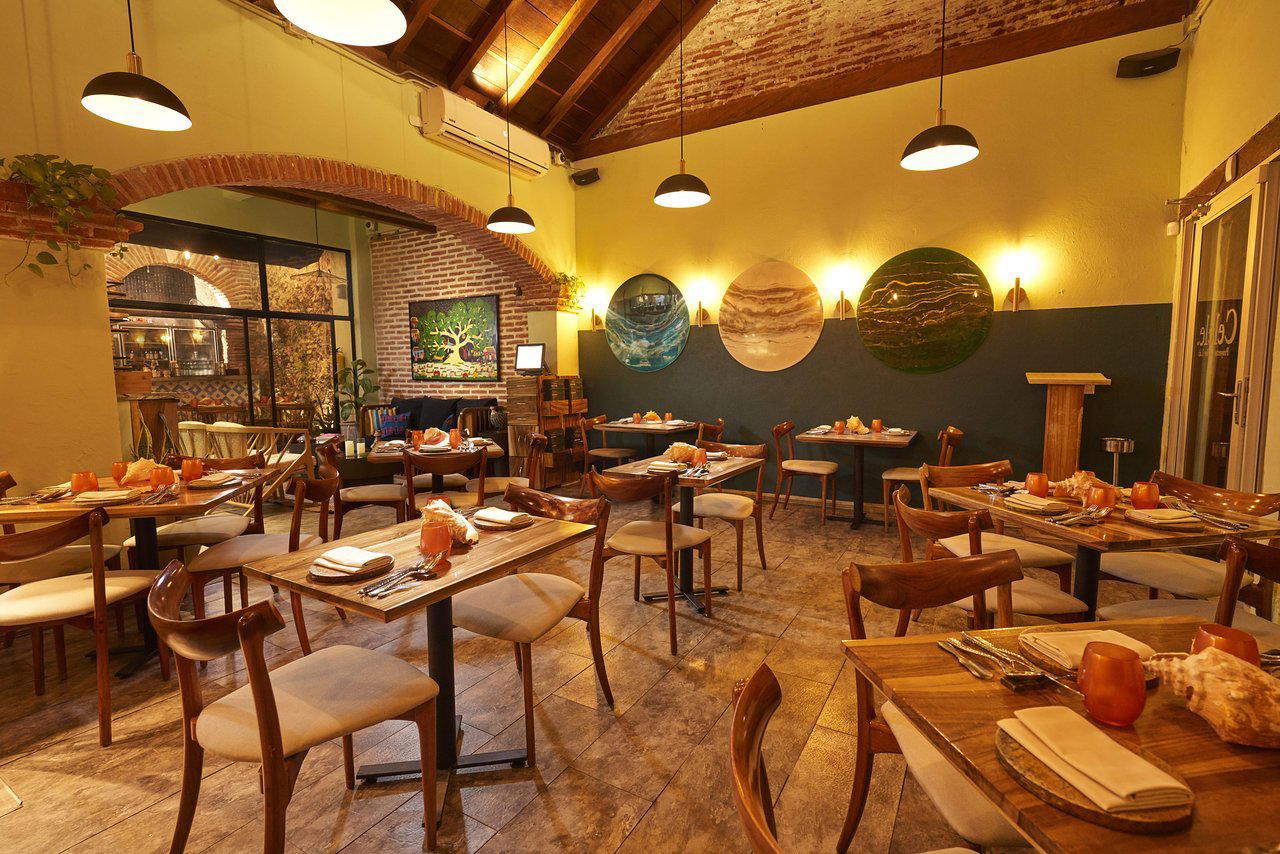
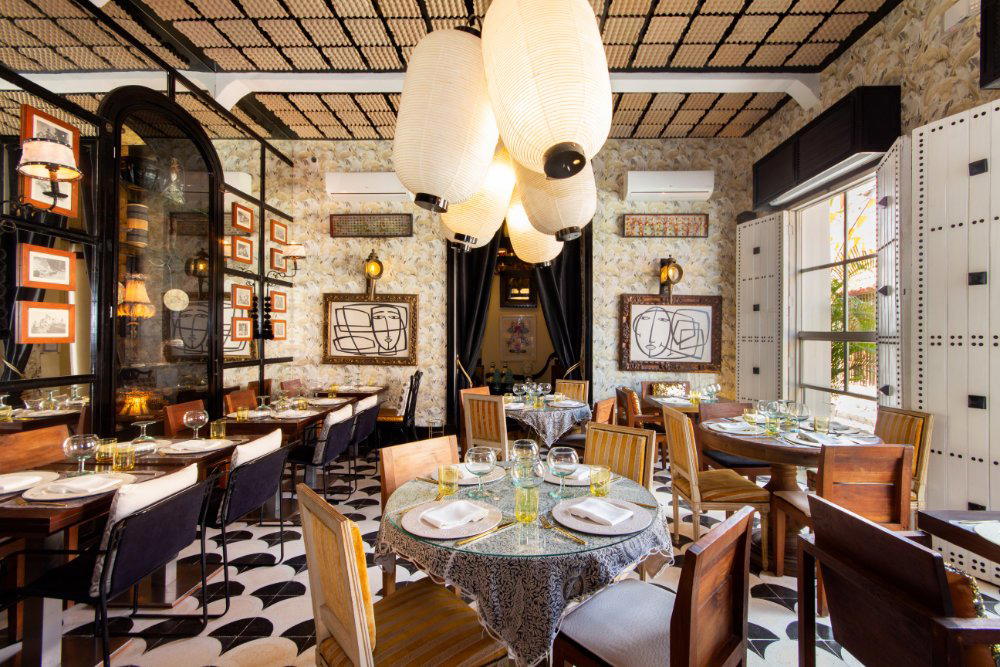
At a Glance
- Trendy
- Lively
- Minimalist
- Bohemian
- Casual Hangout
- Group Outing
- After Work
- Date Night
- Courtyard
- Garden
- Design Destination
- Standalone
- Outdoor Terrace
- Seated Bar
- Lounge Seating
- Communal Tables
- Craft Cocktails
- Craft Beer
- Rum
- Gin
- Street Scene
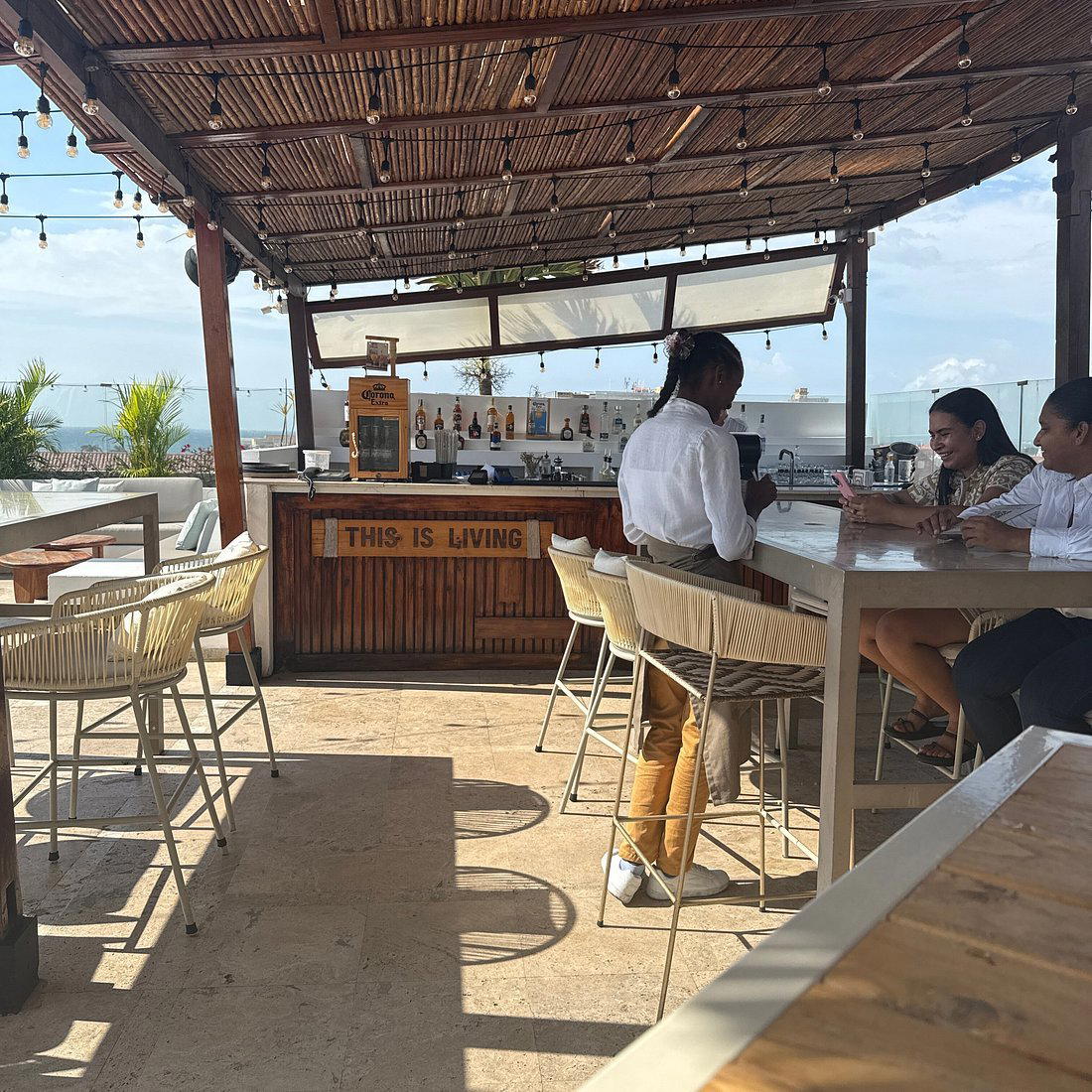
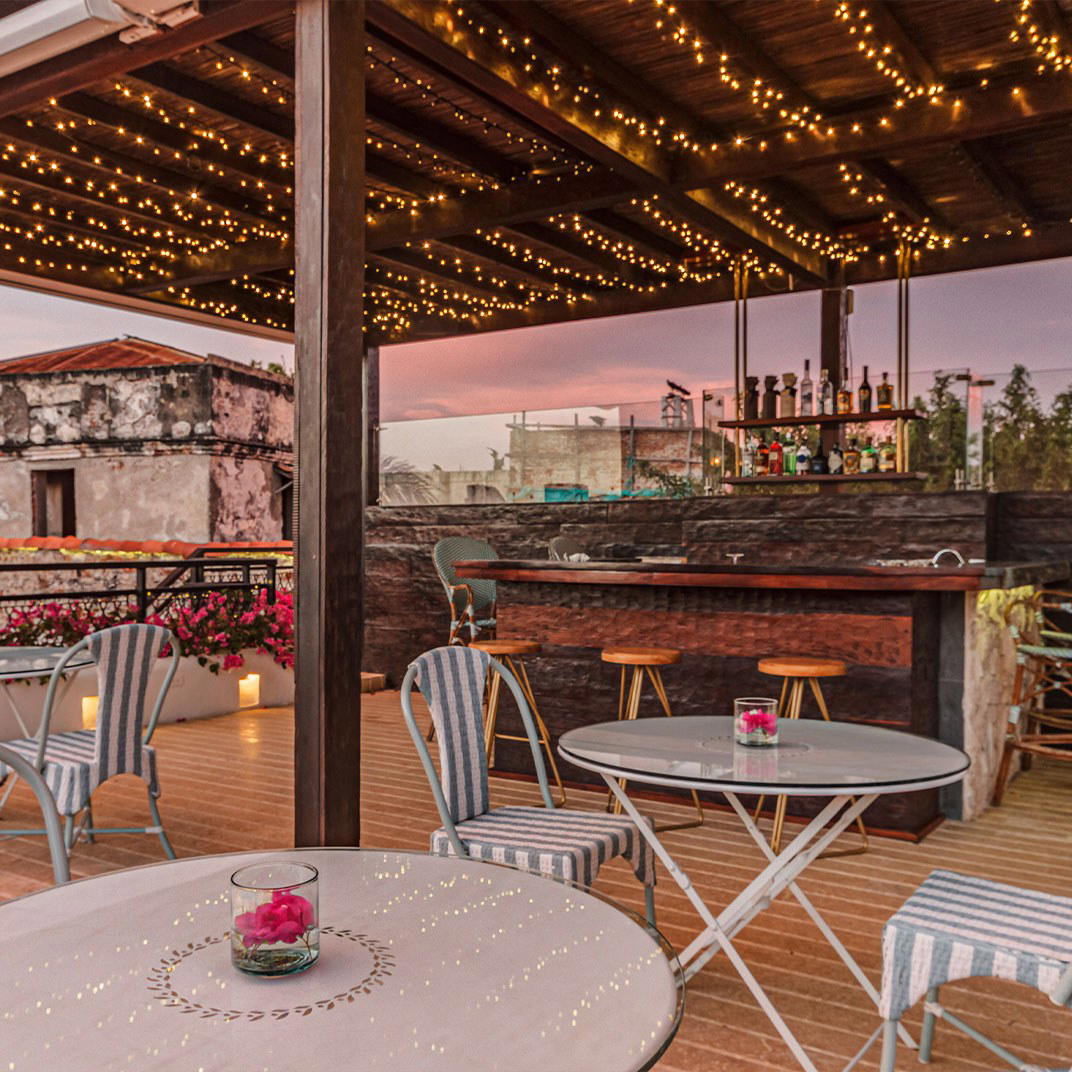
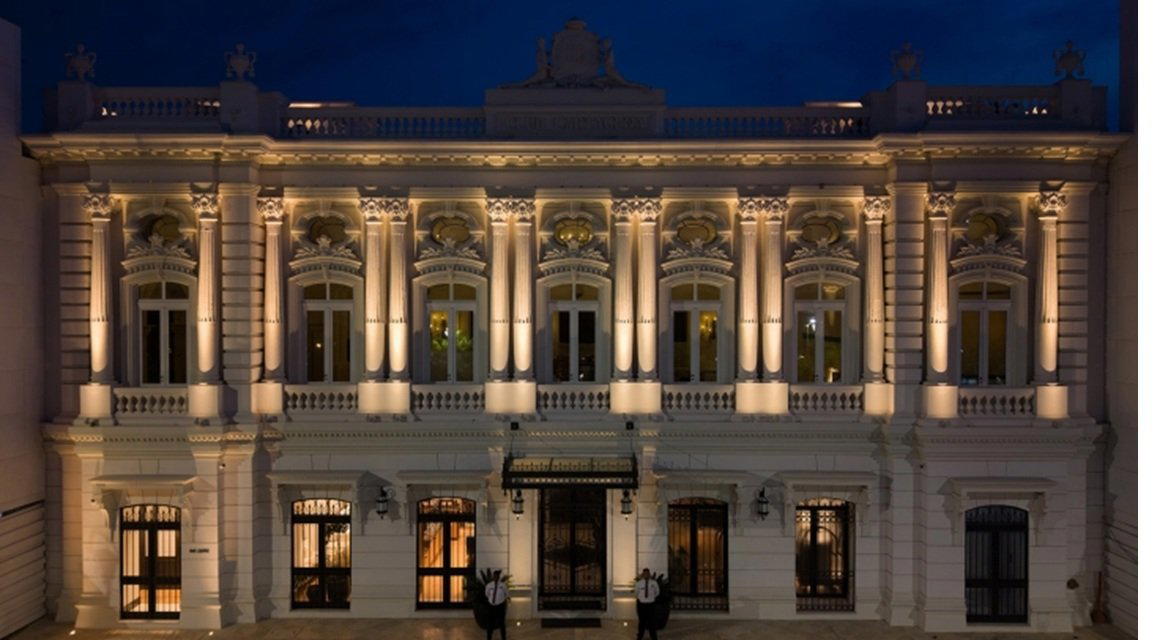
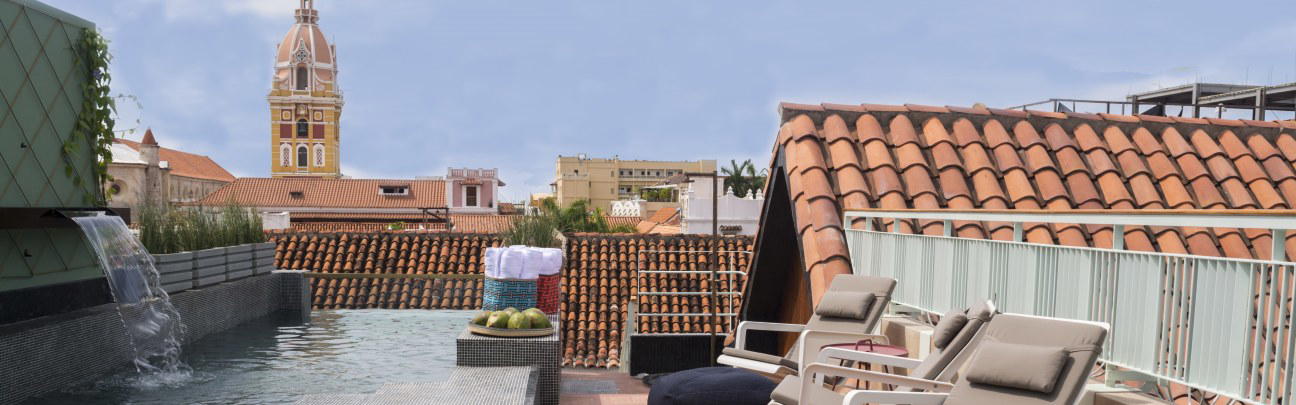
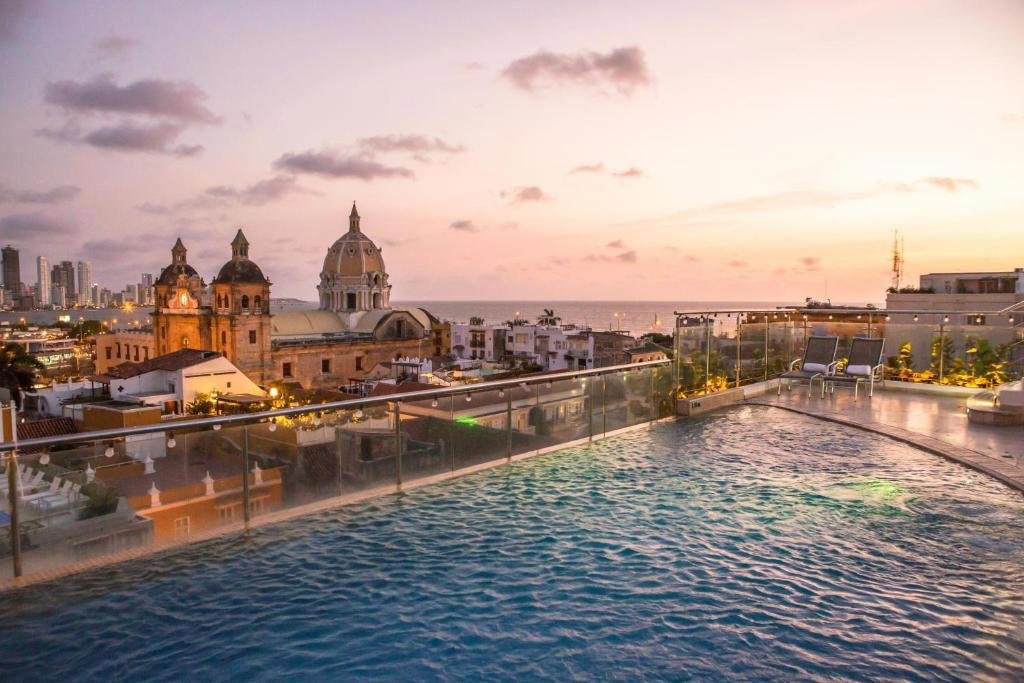
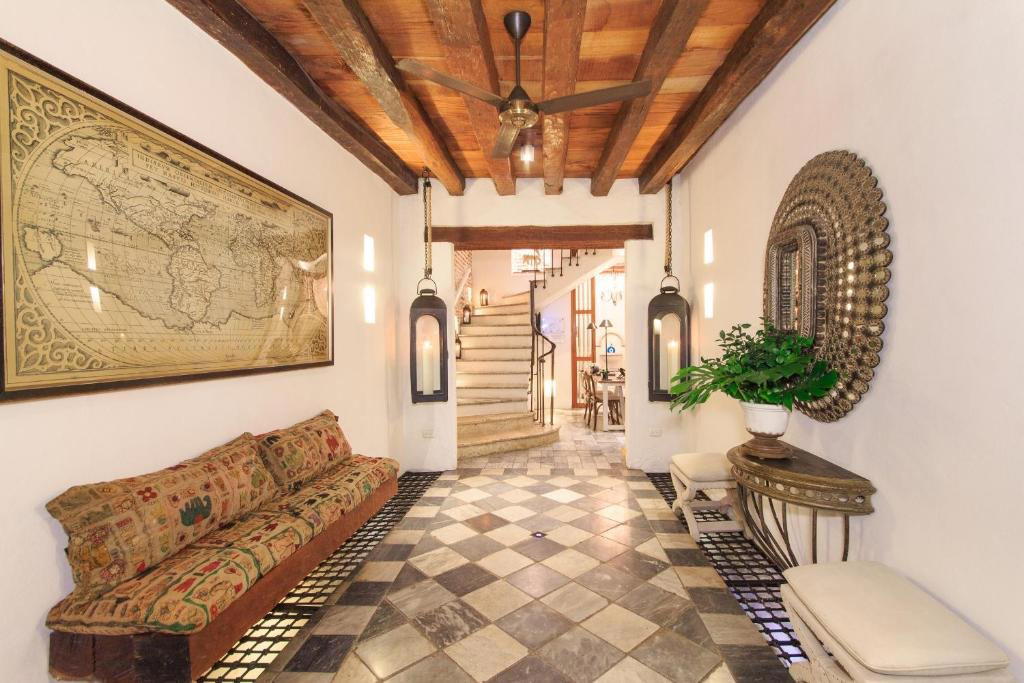
Lively and lively with eclectic music ranging from Ray Charles to Michael Jackson; minimalist-modern design with rustic touches; warm and inviting as the sun sets.