Canales 5 Brasserie Moderne brings a French-inflected, produce-driven format to Cartagena's old city dining scene, sitting in a tier between the port's casual tapas bars and the heavier tasting-menu commitments demanded elsewhere in Murcia. The brasserie format translates well to Spain's southeastern coast, where Mediterranean ingredients and French technique have long overlapped. A considered choice for visitors who want structured cooking without the booking friction of higher-profile Spanish destinations.
Pearl is the En Primeur Club membership app — saves, bookings, and concierge access live there. Same editors, same standards.
- Address
- C/ Canales, 5, 30201 Cartagena, Murcia, Spain
- Website
- canales5.es
- Directions
- Get directions
 Saves & bookings on Pearl
Cartagena's Dining Register and Where Brasserie Fits
Spain's southeastern coast has never been a simple dining story. Murcia sits between Valencia's rice-and-vegetable tradition and Andalusia's seafood confidence, absorbing influences from both while developing its own character around the Mar Menor, the huerta farmlands, and a port culture that has shaped what gets caught and what gets grown nearby. Within that context, Cartagena's restaurant scene has historically skewed toward informal: tapas bars around the Plaza del Icono, seafood houses on the port perimeter, and a handful of mid-market restaurants serving the city's naval and academic population. The brasserie format, common across France and increasingly adopted across Spain's urban dining tier, inserts itself into that ecosystem as a middle path: more structured than a tapas circuit, less ceremonial than a full tasting-menu experience.
Canales 5 Brasserie Moderne occupies a specific address in that story. The name signals both location and aspiration: C/ Canales, 5 places it within the historic centre, and the brasserie moderne designation aligns it with a format that prioritises technique and produce quality over theatrical service or chef-cult narrative. That positioning matters in a city where the alternatives at the summit of the market tend to be either Spanish-traditional or tasting-menu-heavy. A French-inflected, produce-led brasserie fills a gap in Cartagena's current range.
What the Brasserie Format Means in Practice
The brasserie moderne format, as it has evolved across Europe's mid-to-upper dining tier, typically favours shorter menus, stronger sourcing credentials, and a kitchen discipline borrowed from classical French method without the rigidity of old-school brigade service. At its leading, it is the format most hospitable to a single diner at the bar or a four-leading who want three courses and a bottle without committing to two and a half hours of guided eating. Across Spain, the format has found footing in cities where visitors arrive with varied appetites: some want a full evening event, others want to eat well without ceremony.
That flexibility is a meaningful asset in Cartagena, where the dining options for visitors tend to bifurcate between the casual and the moderately formal. For context, the city's stronger restaurant addresses at the moment include 1621 The Restaurant, which operates at the more ambitious end of local fine dining, and places like AniMare and Casa Pestagua, which take Colombian fusion as their editorial frame. Canales 5 occupies different ground: European in reference, local in ingredient sourcing, and structured enough to appeal to visitors who have eaten well elsewhere and arrive with calibrated expectations.
Booking and Getting There: What to Know
The editorial angle worth applying to Canales 5 is one of accessibility with intention. Unlike the upper-tier Spanish restaurants that define the country's international reputation, including El Celler de Can Roca in Girona, DiverXO in Madrid, or Mugaritz in Errenteria, where bookings can run months ahead and cancellation policies are strict, a brasserie in Cartagena's historic centre operates on a more approachable timeline. Visitors planning a trip to Murcia should still book in advance for weekend evenings, when the city's dining rooms fill with locals alongside tourists, but the booking pressure here is nothing close to what applies at, say, Arzak in San Sebastián or Azurmendi in Larrabetzu.
Cartagena itself is accessible from Murcia city by regional train in under an hour, and from Alicante by road in approximately ninety minutes. The historic centre, where Calle Canales sits, is compact and walkable; visitors staying in the city can reach most addresses on foot. For those arriving specifically to eat well in the region before moving on, pairing a Cartagena evening with a stop at Quique Dacosta in Dénia further north makes geographic and culinary sense, as both destinations speak to the Mediterranean coastal register, though at considerably different points on the commitment spectrum.
Visitors with specific dietary requirements should flag these at the time of booking rather than on arrival, which is standard practice at any structured-menu operation in Spain.
Cartagena in the Broader Spanish Dining Map
One of the underappreciated facts about Spanish dining is how unevenly prestige and quality are distributed across the country. The Basque Country, Catalonia, and Madrid absorb the majority of international attention, with addresses like Martin Berasategui in Lasarte-Oria, Cocina Hermanos Torres in Barcelona, and Ricard Camarena in València forming the spine of any serious Spanish dining itinerary. Further south, Aponiente in El Puerto de Santa María has built a separate coastal argument around seafood as the sole creative medium. Murcia and Cartagena remain outside that premier circuit, which means the city's better restaurants operate without the inflated prices and international booking competition that attach to higher-profile addresses. That is a structural advantage for the visitor who arrives informed.
Within the city, the restaurant set worth tracking includes Andres Carne de Res for a Colombian reference point, Café Rialto for coffee and pastry in the specialty tier, and the broader options catalogued in our full Cartagena restaurants guide. Canales 5 sits inside that local set as the address that most directly imports a European brasserie sensibility, which, depending on your frame of reference, is either a draw or a reason to look elsewhere. Visitors who have been eating along the Colombian-inflected dining circuit and want a reset into French-method cooking will find the contrast productive.
Planning Your Visit
Cartagena's dining scene is most active from Thursday through Saturday, when local professionals supplement the tourist flow and restaurants run closer to capacity. Sunday lunch remains the anchor meal of the Spanish week in this part of Murcia, and represents the sitting most likely to reflect what the kitchen does at full engagement. Visiting during the shoulder season, from October through early December or in early spring, gives access to the city's produce calendar at its most interesting: autumn brings Murcia's mushroom season and the transition in the Mar Menor's catch profile, while spring delivers the huerta's first artichokes and broad beans. Neither timing is irrelevant to what a kitchen with brasserie ambitions puts on the plate.
For international points of comparison, visitors who have eaten at tightly controlled American formats like Lazy Bear in San Francisco or the technique-led precision of Le Bernardin in New York City will arrive at Canales 5 with a calibrated sense of what structured European cooking can deliver. The comparison clarifies what register it operates in: serious enough to reward attention, accessible enough not to require the same planning discipline as a destination-restaurant booking.
A Quick Peer Check
Comparable venues nearby, for context on price, style, and recognition.
| Venue | Cuisine | Price | Notes |
|---|---|---|---|
| Canales 5 Brasserie ModerneThis venue — the venue you are viewing | Brasserie Moderne | $$$ | Not listed |
| Magoga | Michelin-starred contemporary Spanish with Mediterranean and Murcian roots | $$$ | Cartagena city centre |
| Restaurante Cañonero | Mediterranean Spanish | $$$ | Los Belones |
| The Curyy Corner | Authentic Indian Curry House | $$ | city centre |
| El Sordo | Traditional Murcian & Spanish restaurant with game specialties | $$$ | Valle de Ricote |
| El Baret Wine Bar | Spanish Wine Bar & Rice Restaurant | $$$ | Murcia |
Continue exploring
More in Cartagena
Restaurants in Cartagena
Browse all →
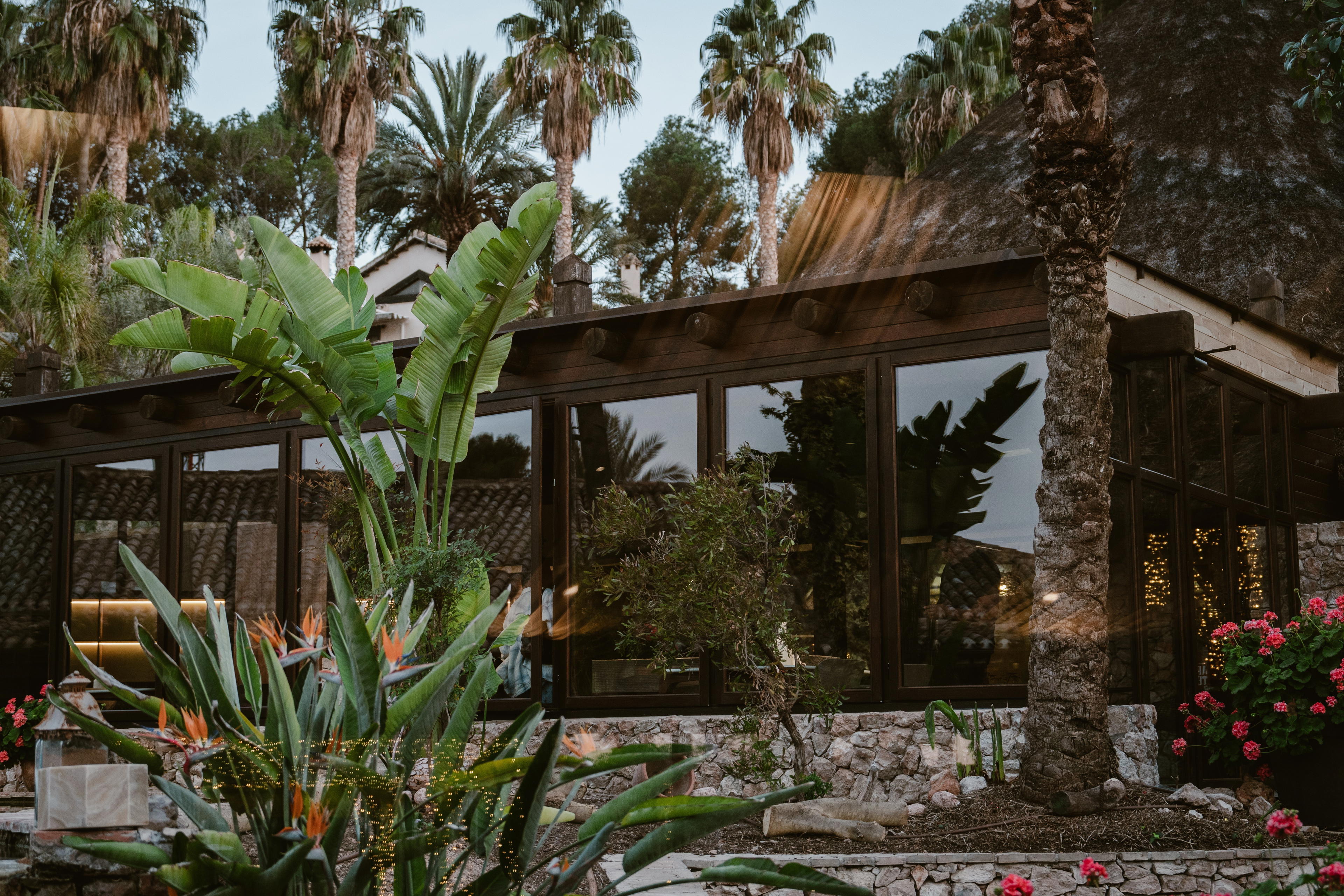
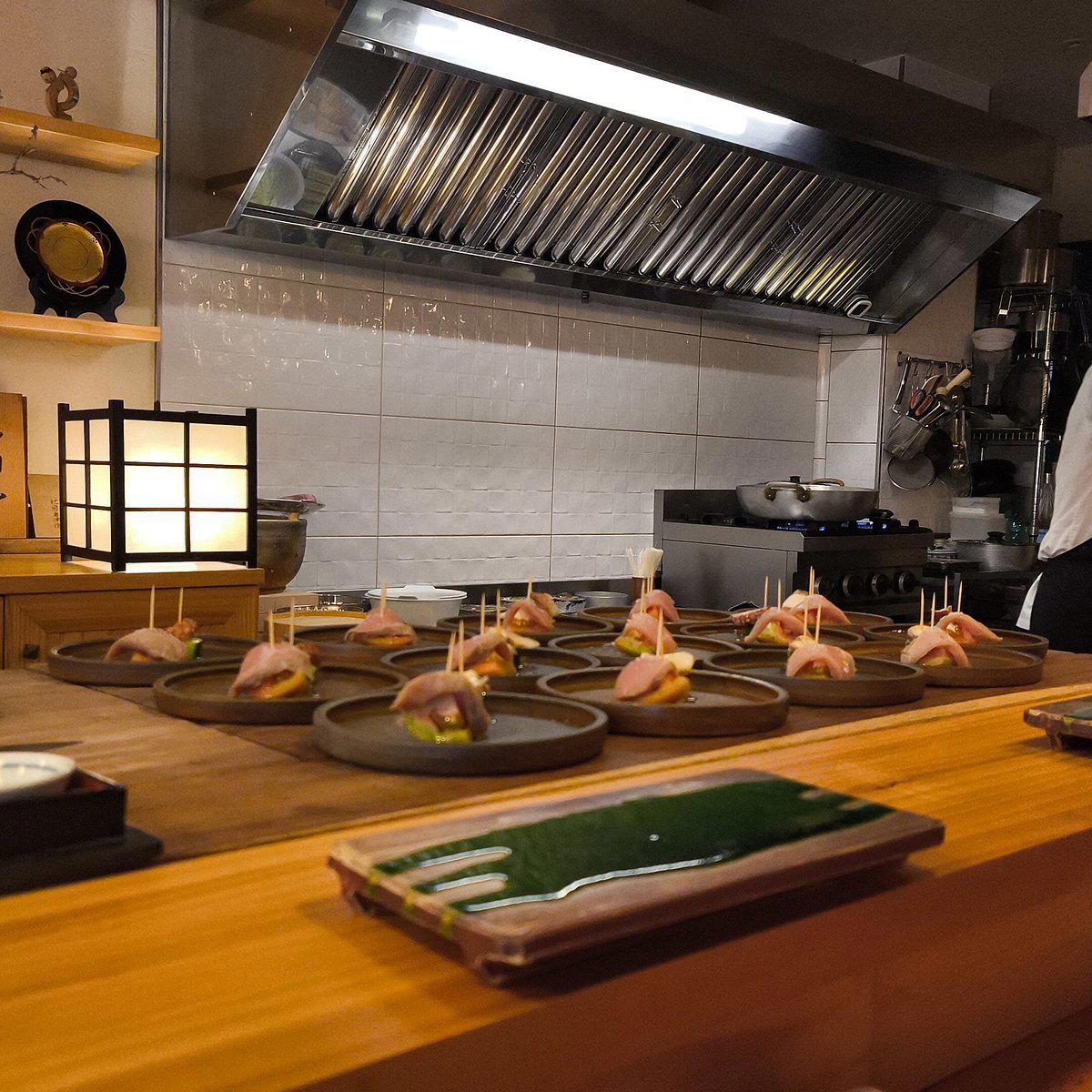
Bars in Cartagena
Browse all →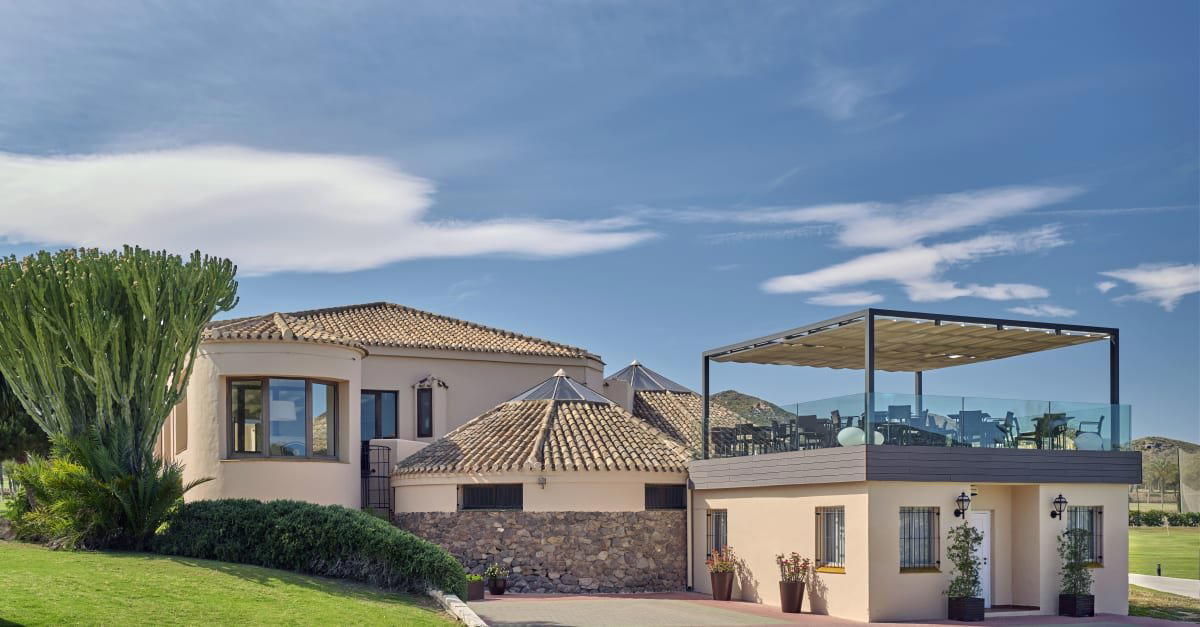
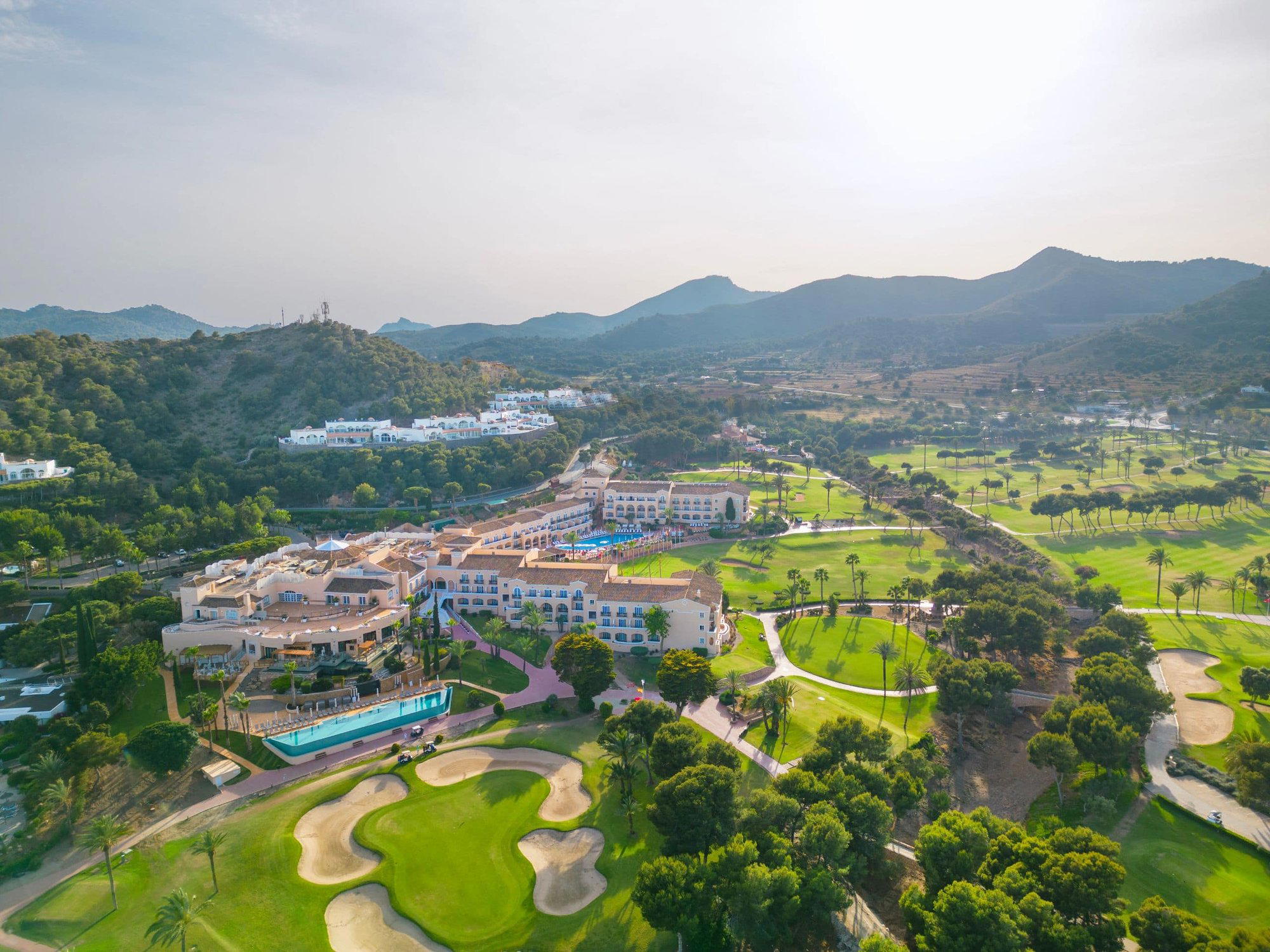
At a Glance
- Modern
- Elegant
- Sophisticated
- Date Night
- Special Occasion
- Extensive Wine List
Current opening hours
- Monday
- Closed
- Tuesday
- 12–11 PM
- Wednesday
- 12–11 PM
- Thursday
- 12–11 PM
- Friday
- 12–11 PM
- Saturday
- 12–11 PM
- Sunday
- 12–5 PM
Hours can change for holidays and private events. Last verified .