El Molino


A Michelin Bib Gourmand holder for 2024 and 2025, El Molino occupies a restored mill on the banks of the Alardos gorge in Madrigal de la Vera, Extremadura. Chef Alex Henry Montes De Oca serves a single surprise tasting menu rooted in local vegetables and traditional Extremaduran flavour, paired with natural wines from small producers. At the € price point, it represents one of rural Spain's more considered contemporary dining propositions.
Pearl is the En Primeur Club membership app — saves, bookings, and concierge access live there. Same editors, same standards.
- Address
- C. Garganta de Alardos, 10480 Madrigal de la Vera, Cáceres, Spain
- Phone
- +34 722 88 50 59
- Directions
- Get directions
 Saves & bookings on Pearl
Where the Mill Meets the Gorge
The Alardos gorge cuts through the Sierra de Gredos foothills with the kind of unhurried authority that rural Extremadura does better than almost anywhere in Spain. The approach to El Molino, along the Garganta de Alardos in Madrigal de la Vera, sets an expectation the restaurant works hard to match: old stone walls, the sound of moving water, and a building that has been grinding grain and, more recently, ideas about what contemporary Spanish cooking can mean when it steps away from the city circuit.
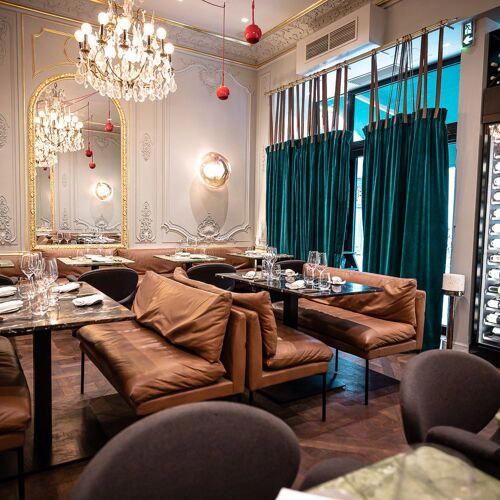
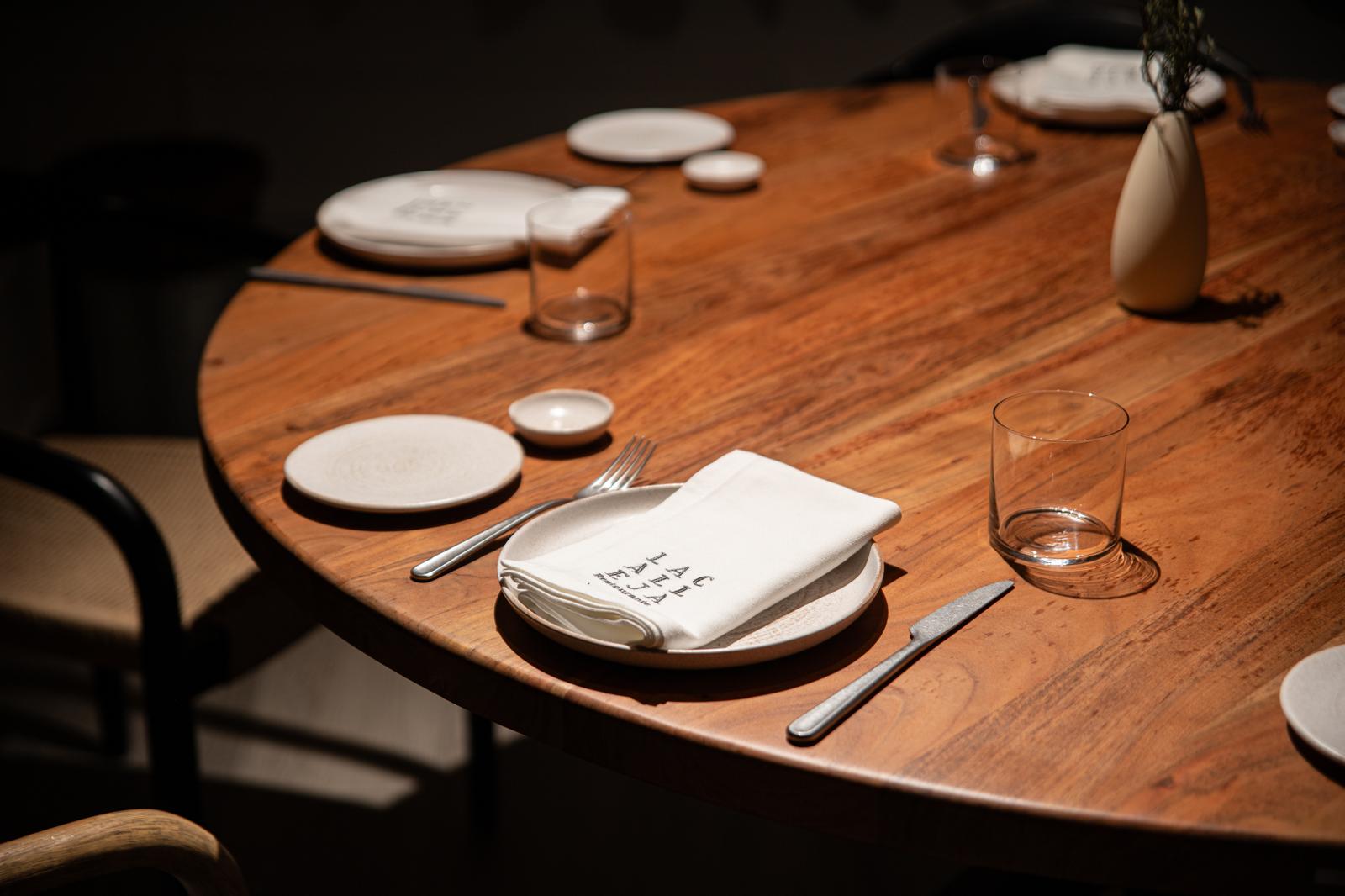
The restored mill is not a stage set. The stone is original, the fireplace in the bar area functions, and several of the tables are made from the mill's former grinding stones. That detail matters because it signals the kitchen's posture toward its surroundings: the past is not decoration, it is material. The dining room is simple and warm, the kind of space where the food is expected to carry the register rather than competing with interior design choices.
The Tasting Menu Format in Rural Context
Across Spain, the surprise tasting menu has become the dominant format for serious contemporary cooking, from DiverXO in Madrid at the progressive end to El Celler de Can Roca in Girona at the deeply crafted multi-act level. In cities, the format often carries high price tags alongside the drama. El Molino operates the same single-menu logic at a fraction of the cost, priced in the € tier, which positions it inside a smaller but growing category: rural Spanish restaurants where the format discipline of fine dining meets the ingredient directness of a farmhouse kitchen.
The menu at El Molino is contemporary in execution but draws its identity from traditional Extremaduran roots and a deliberate focus on fresh, locally sourced vegetables. This is not a novelty vegetable-forward concept of the kind that appears in metropolitan tasting menus as a statement of intent. In the Vera comarca, the agricultural depth is real: this area of Cáceres province is known for paprika production, wild mushrooms, and a growing season that stretches later than much of inland Spain. A kitchen that sources locally here is working with genuinely strong raw material.
Bib Gourmand recognition from Michelin in 2024 and 2025 confirms the kitchen is operating at a level beyond its price point. That two-year retention of the award indicates consistency rather than a one-season performance.
Chef Alex Henry Montes De Oca and the Extremaduran Context
Spain's contemporary dining scene has spent decades concentrating its critical attention on the Basque Country and Catalonia. Arzak in San Sebastián, Azurmendi in Larrabetzu, Martin Berasategui, and Mugaritz in Errenteria collectively represent a culinary infrastructure that took generations to build. Extremadura, by contrast, has historically been treated as a regional larder rather than a destination for serious cooking, with Atrio in Cáceres long the exception that confirmed the rule.
What Chef Alex Henry Montes De Oca is doing at the restaurant belongs to a quieter tradition: the chef who roots down into a specific place rather than scaling up or seeking urban visibility. The editorial angle here is less about a personal philosophy and more about what that choice produces in practice. When a kitchen commits to a single surprise menu in a single rural location, the supply chain becomes the creative constraint. Seasonal availability in the Vera valley sets the terms, and the cooking has to be good enough to make that constraint feel like a strength rather than a limitation.
The comparison with Quique Dacosta in Dénia, Aponiente in El Puerto de Santa María, or Cocina Hermanos Torres in Barcelona is instructive precisely because it marks a price and scale distance, not just a geography. Those kitchens operate in a different tier. The restaurant's comparable set is closer to Ricard Camarena's Valencia restaurant in its vegetable intelligence, though again at a different price register, and to a broader European category of small-capacity rural restaurants where Michelin's Bib Gourmand functions as the relevant benchmark rather than starred recognition.
The Wine List as Signal
The decision to build the wine list around natural wines from small producers is consistent with the kitchen's sourcing philosophy and places the restaurant inside a broader movement across Spanish contemporary dining, where a growing number of serious restaurants have moved away from conventional wine lists toward smaller, producer-focused selections. This is not a trend adopted for its marketing appeal. In a setting where the cooking centres on vegetables and local ingredients, natural wines from Extremadura and neighbouring regions often offer a tonal match that conventional selections do not.
Planning Your Visit
Madrigal de la Vera sits in the northern reaches of Cáceres province, in the Vera comarca that runs along the southern slopes of the Sierra de Gredos. The restaurant is open Friday, Saturday, and Sunday, and reservations are recommended. The town is not on a main transport corridor, and visiting the restaurant requires a car; the closest major city is Plasencia, roughly an hour to the west, and Madrid is approximately 2.5 hours by road. The restaurant's address at C. Garganta de Alardos places it outside the village centre, closer to the gorge, so navigation by GPS is advisable.
Because the format is a single surprise tasting menu, there is no à la carte fallback and no menu selection to make in advance beyond flagging dietary restrictions. Visiting on that basis means committing to the kitchen's choices for the evening, which is precisely the format's strength: the cooking reflects what the Vera valley is producing rather than what a menu printed weeks ago described. Booking in advance is advisable given the format and the small scale of the space. The bar area with its fireplace and grinding-stone tables is a practical and atmospheric space for an aperitif before moving to the dining room.
Comparable Venues
Comparable venues nearby, for context on price, style, and recognition.
| Venue | Cuisine | Price | Awards | Notes |
|---|---|---|---|---|
| El MolinoThis venue — the venue you are viewing | Contemporary Spanish Vegetable-Focused | $$ | Bib Gourmand | Not listed |
| La Finca - Villa Xarahiz | Contemporary Extremeña Cuisine | $$ | Bib Gourmand | Jaraíz de la Vera |
| Granero | Modern Spanish Steakhouse | $$ | Bib Gourmand | Quintanar de la Orden |
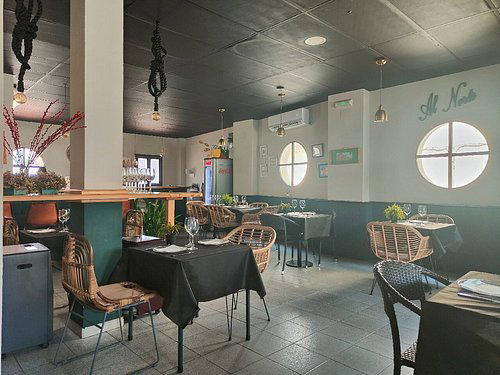
| Al Norte | Contemporary Spanish Fusion | $$ | Michelin Plate | Jarandilla de la Vera |
| Reina XIV | Modern Traditional Castilian | $$ | Michelin Plate | Real Sitio de San Ildefonso |
| Alberca | Modern Extremaduran with Oak-Smoked Flavors | $$ | Bib Gourmand | historic district |
Recognition history
Dated appearances from independent guides and award organizations, with the underlying list record or original source where available.
Macarfi 7.4 Food Rating
Macarfi
Michelin Bib Gourmand
Michelin
Michelin Bib Gourmand
Michelin
Michelin Bib Gourmand
Michelin
Continue exploring
More in Madrigal de la Vera
At a Glance
- Rustic
- Cozy
- Scenic
- Intimate
- Date Night
- Special Occasion
- Historic Building
- Natural Wine
- Local Sourcing
- Mountain
Current opening hours
- Monday
- Closed
- Tuesday
- Closed
- Wednesday
- Closed
- Thursday
- Closed
- Friday
- 12:45 PM–12 AM
- Saturday
- 12:45 PM–12:30 AM
- Sunday
- 12:45–6 PM
Hours can change for holidays and private events. Last verified .
Warm rustic style with stone walls, fireplace, and peaceful natural setting.