
A Michelin Selected hotel occupying a converted Renaissance palace on Calle San Pablo, Grand Hotel Don Gregorio sits within the golden-stone core of Salamanca's UNESCO-listed old city. The address places guests steps from the Plaza Mayor and the university quarter, while the building's heritage fabric sets it apart from the city's newer hotel stock. Salamanca's premium accommodation tier is small, and Don Gregorio holds a clear position within it.
Pearl is the En Primeur Club membership app — saves, bookings, and concierge access live there. Same editors, same standards.
- Address
- C. San Pablo, 80, 37008 Salamanca, Spain
- Phone
- +34 923 21 70 15
- Website
- hoteldongregorio.com
- Directions
- Get directions
 Saves & bookings on Pearl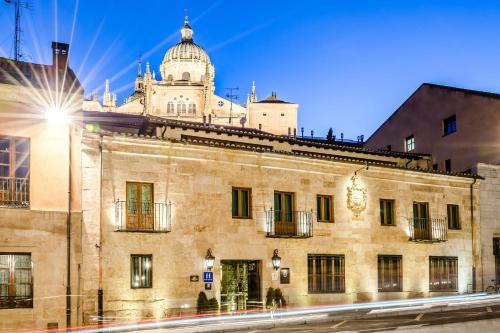
Inside Salamanca's Sandstone Belt
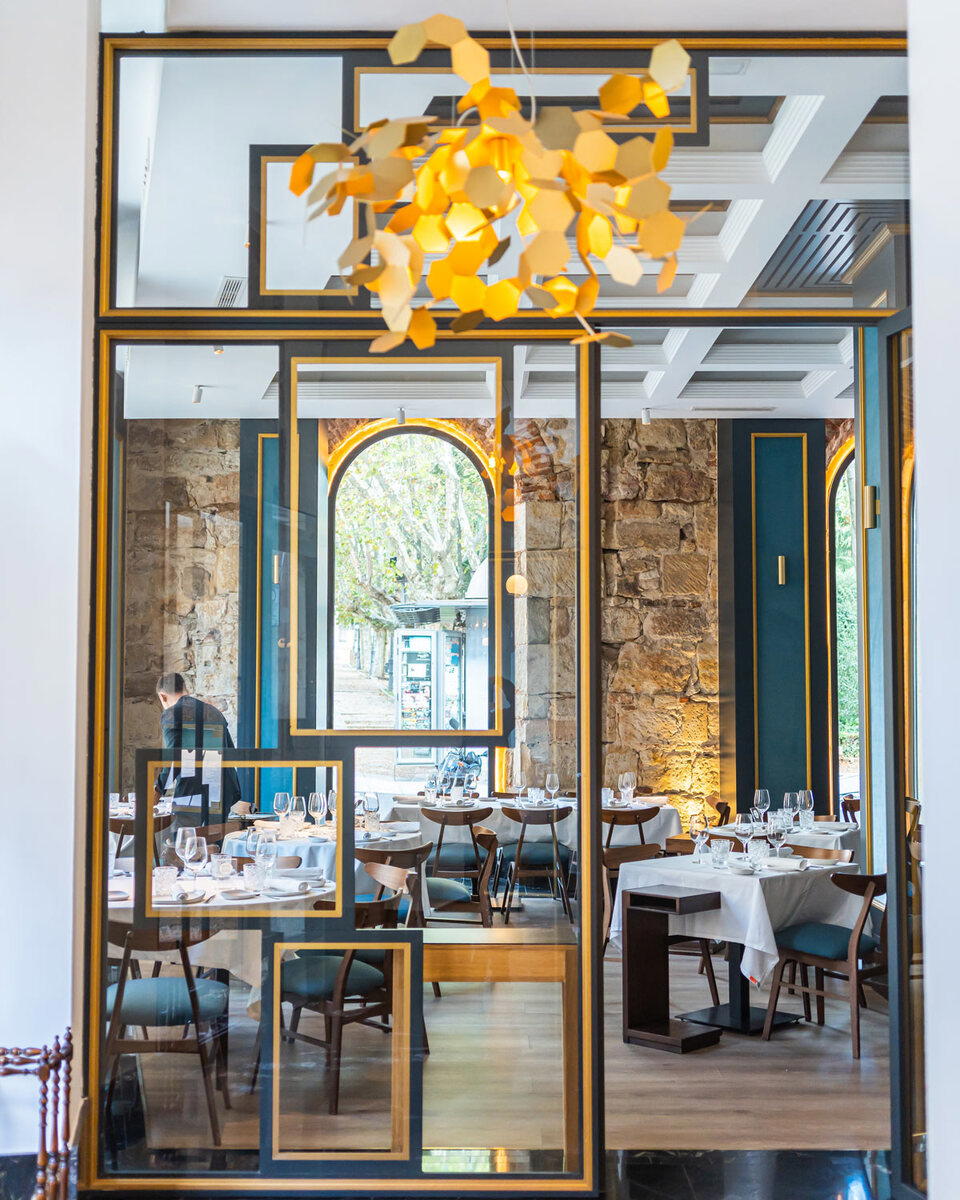
Salamanca's historic centre is built almost entirely from Villamayor sandstone, a warm ochre material that shifts from gold to amber depending on the hour, and the buildings along Calle San Pablo represent some of the densest concentration of Renaissance and Plateresque architecture in Castile. Grand Hotel Don Gregorio occupies a palace on that street, at number 80, placing it inside Salamanca's UNESCO World Heritage old city. That address is not incidental. In a city where the built fabric is the attraction, the difference between a hotel that sits within it and one that merely adjoins it is measurable in the guest experience from the first moment of arrival.
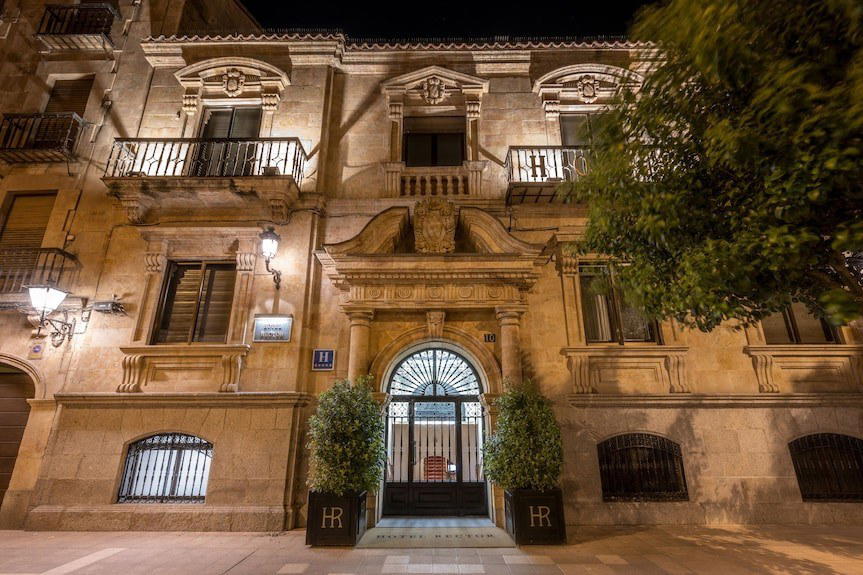
Salamanca's premium hotel tier is compact. The city does not have the volume of luxury stock found in Madrid or Barcelona, which means each property in the upper bracket carries more individual weight. The Michelin Guide's hotel selection process, which awarded Grand Hotel Don Gregorio a Michelin Selected distinction in 2025, operates on criteria that include setting, service consistency, and the quality of the overall stay. In a small city, that recognition functions as a meaningful signal within a limited comparable set that includes Hospes Palacio de San Esteban, Eunice Hotel Gastronómico, Hacienda Zorita Wine Hotel & Spa, and Resotel Salamanca.
The Converted Palace Format in Spain
Spain has developed a distinctive category of high-end accommodation based on the adaptive reuse of historic civil and religious buildings, a format that sits apart from both the international chain model and the boutique-hotel template. The parador network established the basic logic decades ago, but privately operated palace conversions have since developed their own character, one that tends toward fewer rooms, more architectural specificity, and a stronger relationship between the building's history and the guest experience. Atrio Restaurante Hotel in Cáceres and Caro Hotel in València represent the same tradition applied in different regional registers.
Within Salamanca, Castillo del Buen Amor takes this further by operating from a 15th-century castle outside the city, while Don Gregorio works within the urban core itself. The difference matters for guests whose primary motivation is proximity to the university quarter, the cathedral complex, and the Plaza Mayor, all of which are within walking distance of Calle San Pablo. A converted urban palace in this location removes the need for a vehicle entirely, which in a UNESCO-listed old city where car access is restricted is a practical advantage that compounds over the course of a stay.
Food and Drink in the Salamanca Context
Salamanca's food scene has evolved alongside its hotel tier, with a growing number of properties treating their dining programmes as destinations rather than amenities. The Eunice Hotel Gastronómico in the city makes that identity explicit in its name. At the regional level, Castilian cooking draws on ingredients that define the plateau: Ibérico pork from Guijuelo, which sits roughly 70 kilometres southeast of Salamanca and supplies particularly respected cured ham production in Spain, alongside lamb, pulses, and the freshwater fish of the Tormes river. A hotel dining programme in Salamanca that takes the regional pantry seriously has substantial material to work with.
The Michelin hotel selection for 2025 does not score dining in isolation, but the overall quality assessment it implies covers the full guest experience. Properties selected by the guide in cities of Salamanca's scale tend to use their food and beverage programmes as a primary differentiator, given that the room count and architectural setting alone are insufficient to sustain repeat business at premium price points. For reference, the broader Michelin hotel network in Spain spans from large-format urban addresses like Mandarin Oriental Ritz, Madrid and Mandarin Oriental Barcelona down to smaller specialist properties. Don Gregorio operates firmly in the smaller, character-led tier.
For guests who want to extend their eating and drinking beyond the hotel, Salamanca's restaurant circuit is accessible entirely on foot from Calle San Pablo.
Placing Don Gregorio in the Spanish Heritage Hotel Circuit
Spain's premium heritage hotel circuit connects properties that share a similar logic of converted historic fabric, limited keys, and location-led positioning, even when they operate across different geographies. Terra Dominicata in Escaladei pairs monastic architecture with a winery. Abadía Retuerta LeDomaine operates from a 12th-century abbey in the Duero Valley. Pepe Vieira Restaurant & Hotel in Poio anchors a Michelin-starred dining programme to a small-room property in Galicia. The connecting thread is a model in which the building and its provenance carry as much weight as the service programme.
At the international level, the same logic appears in different registers: La Residencia, A Belmond Hotel, Mallorca and Hotel Can Ferrereta in Santanyí apply it on the Balearic Islands; Mas de Torrent Hotel & Spa in Torrent takes a converted Catalan farmhouse approach. Akelarre in San Sebastián combines a three-Michelin-starred restaurant with hotel rooms overlooking the Bay of Biscay, a pairing that shifts the balance toward food programme over architectural heritage.
Don Gregorio's position in this circuit sits at the heritage-architecture end of the spectrum, with the Calle San Pablo address and the palace conversion as the primary differentiators rather than a named culinary programme. That positioning suits guests whose motivation is Salamanca itself: the university (founded in 1218, making it one of the oldest in Europe), the cathedral complex, and the street life of a city that remains a functioning academic and cultural centre rather than a pure tourism product.
Planning a Stay
Salamanca is accessible by high-speed rail from Madrid's Chamartín station, with journey times around one hour and forty minutes depending on the service, making it a viable long-weekend destination from the capital without requiring a flight. The old city is compact enough that a base on Calle San Pablo covers the entire historic core on foot. For guests routing through broader Spain, properties like Torre del Marqués Hotel Spa & Winery in Sardoncillo and Hacienda Zorita Wine Hotel & Spa offer wine-country extensions in the wider Castile and León region.
Salamanca's peak visitor periods track academic events and the summer months; the city's student population means shoulder seasons in late spring and early autumn often offer the combination of good weather and reduced demand.
Booking and Cost Snapshot
Comparable venues nearby, for context on price, style, and recognition.
| Venue | Price | Awards | Notes |
|---|---|---|---|
| Grand Hotel Don GregorioThis venue — the venue you are viewing | $$$$ | 5-Star | Not listed |
| Hospes Palacio de San Esteban | $$$$ | 5-Star | Salamanca Centro, Restored 16th-century convent blending historic Castilian charm with contemporary luxury |
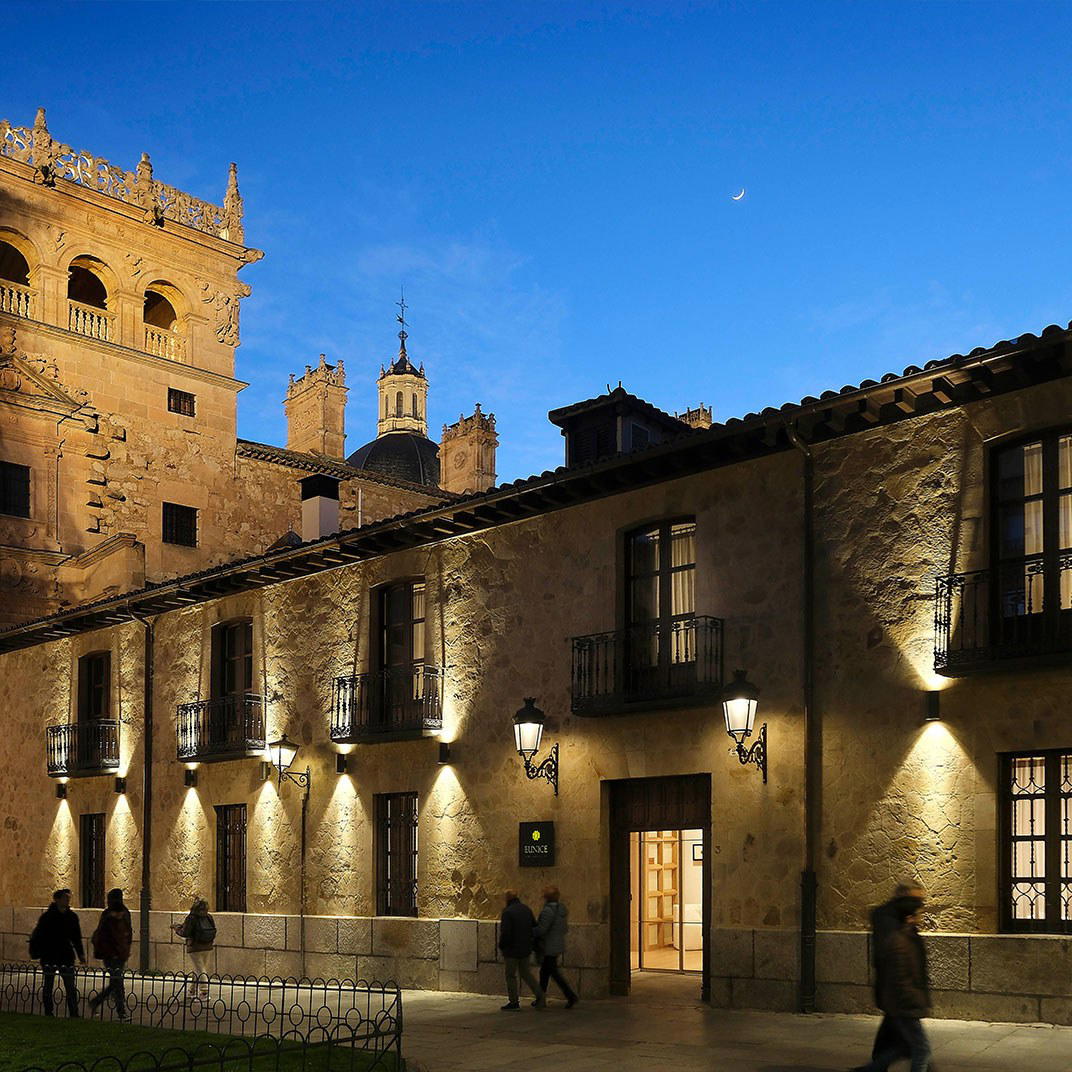
| Eunice Hotel Gastronómico | $$$$ | 5-Star | Salamanca Centro, Historic boutique palace hotel with gastronomic focus |
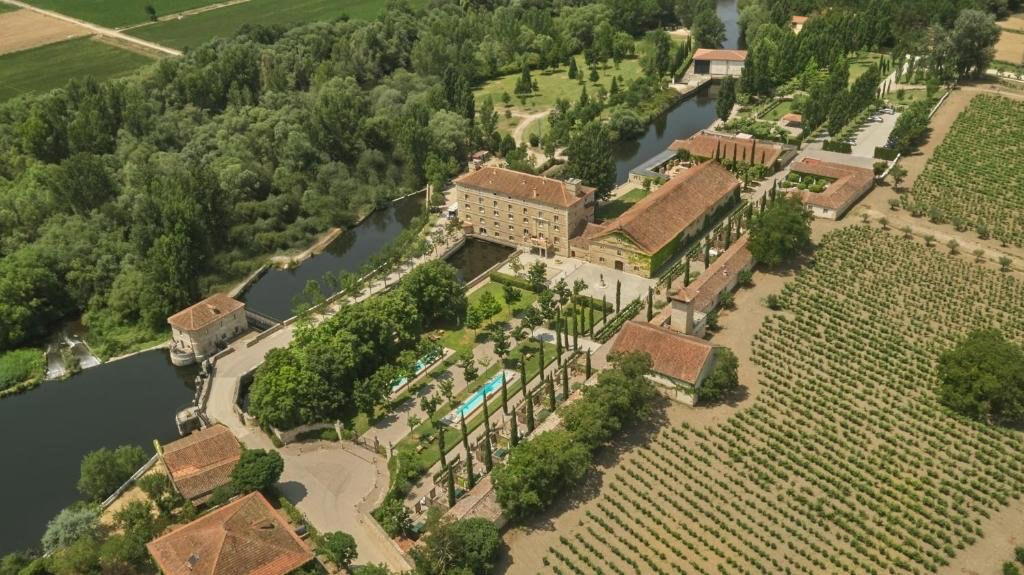
| Hacienda Zorita Wine Hotel & Spa | $$$$ | 5-Star | Valverdon, Historic monastery converted into a luxury wine resort blending 14th-century heritage architecture with contemporary design and modern amenities. |
| Castillo del Buen Amor | $$$ | Michelin 1 Key | Topas, Restored 15th-century castle blending historical charm with boutique luxury |
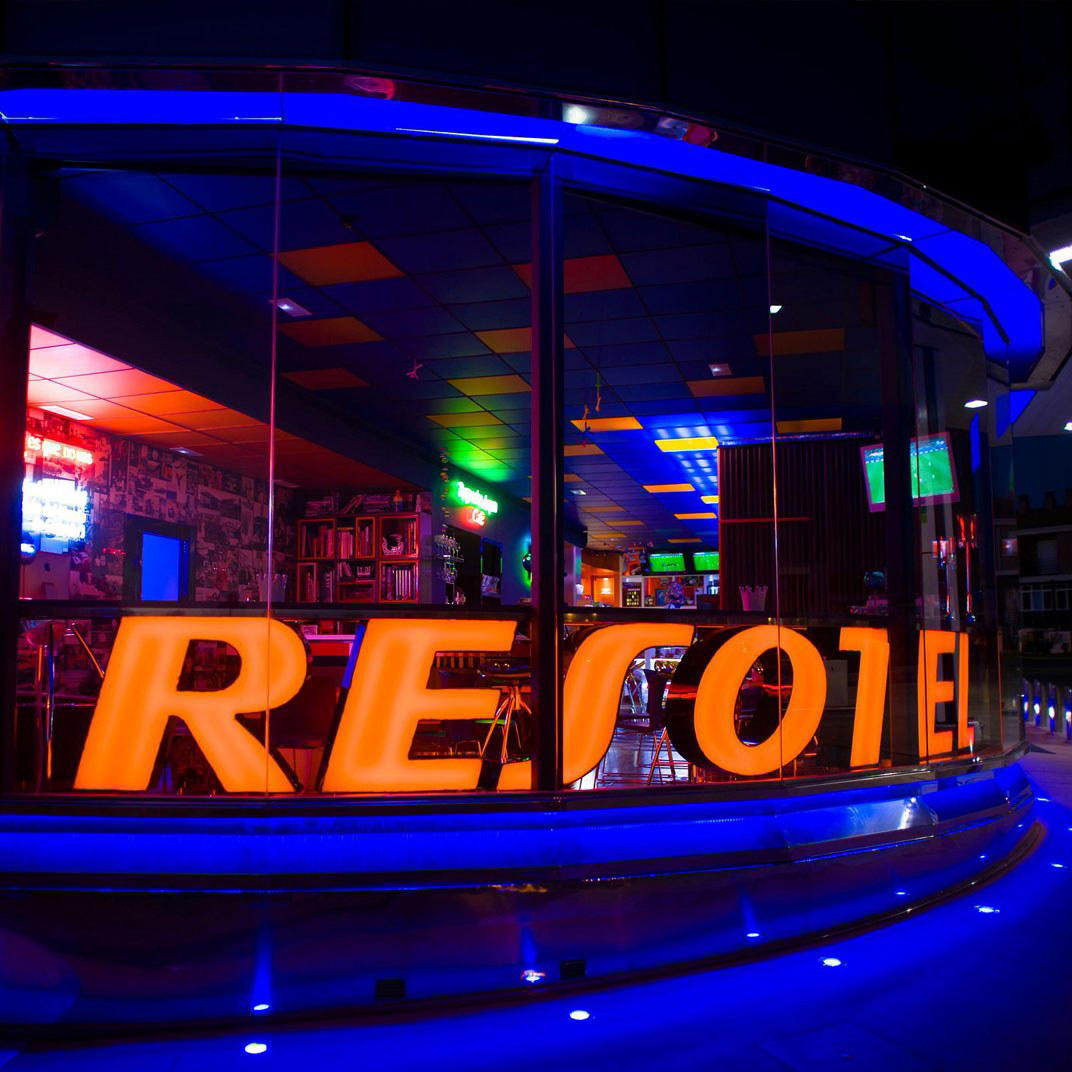
| Resotel Salamanca | $$ | Not listed | Villares de la Reina, family-owned boutique with original design |
Recognition history
Dated appearances from independent guides and award organizations, with the underlying list record or original source where available.
Michelin Selected
Michelin
Continue exploring
More in Salamanca
Hotels in Salamanca
Browse all →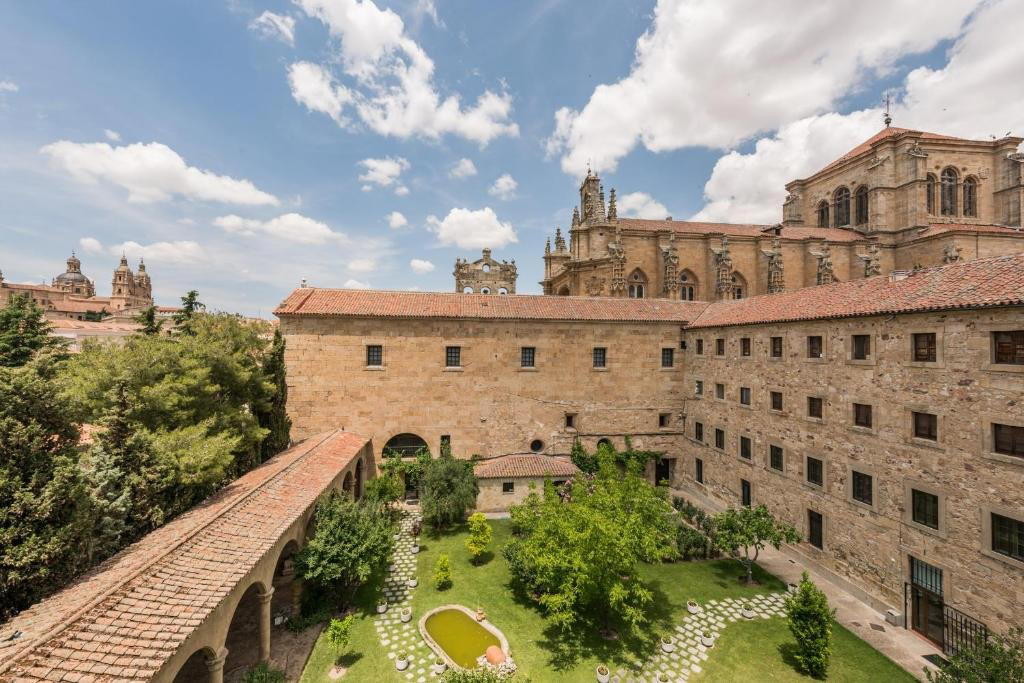
Bars in Salamanca
Browse all →
Restaurants in Salamanca
Browse all →
Wineries in Salamanca
Browse all →
At a Glance
- Elegant
- Sophisticated
- Intimate
- Historic
- Ornate
- Romantic Getaway
- Anniversary
- Wellness Retreat
- Historic Building
- Terrace
- Spa
- Wi Fi
- Pool
- Room Service
- Concierge
- Restaurant
- Business Center
- Parking
- Street Scene
- Spa
- Wi Fi
- Pool
- Room Service
- Concierge
- Restaurant
- Business Center
- Parking
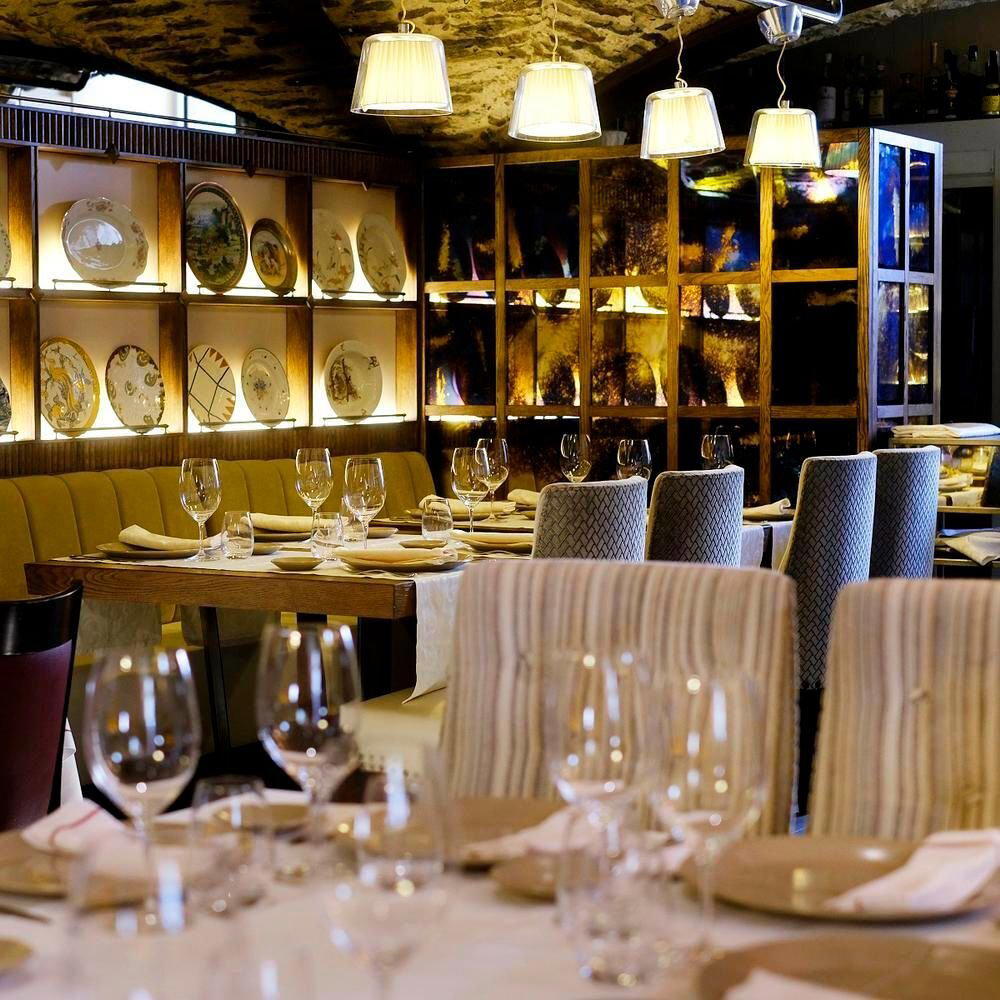
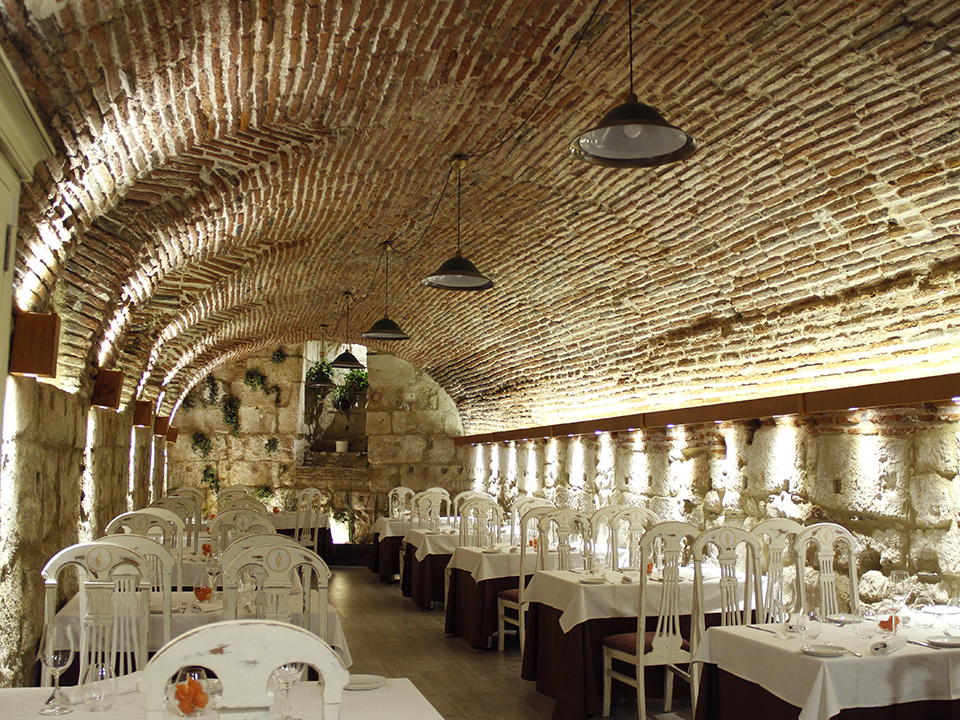
Elegant and ornate with historic charm, featuring beautiful porticoed patios, soundproof rooms, and a luxurious, intimate atmosphere.