
El Jardí de l'Abadessa occupies a residential pocket of Les Corts, one of Barcelona's quieter western districts, where the garden-restaurant format places it apart from the dense competition of Eixample. The address on Carrer de l'Abadessa Olzet puts it within the city's broader fine-dining conversation while operating at a remove from the tourist circuits that define much of central Barcelona.
Pearl is the En Primeur Club membership app — saves, bookings, and concierge access live there. Same editors, same standards.
- Address
- Carrer de l'Abadessa Olzet, 26, Les Corts, 08034 Barcelona, Spain
- Phone
- +34932803754
- Website
- jardiabadessa.com
- Directions
- Get directions
 Saves & bookings on Pearl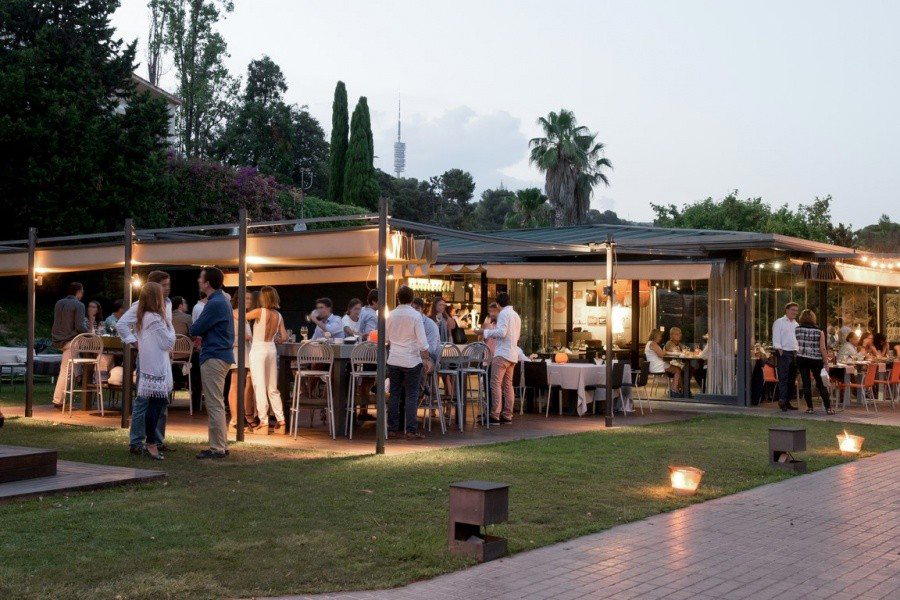
A Garden Address in Quiet Les Corts
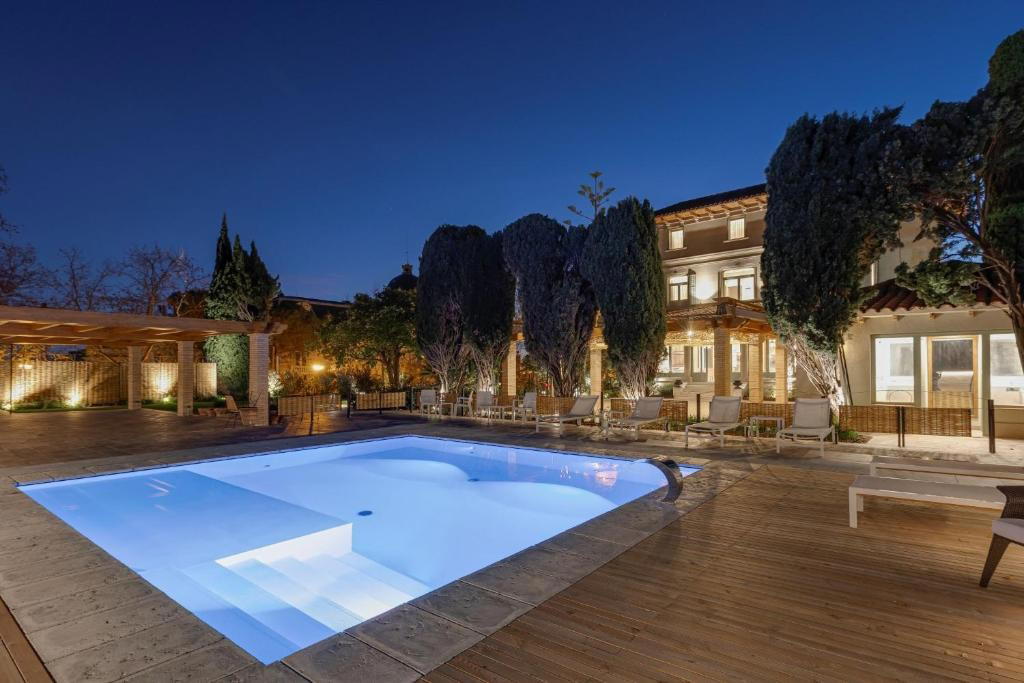
Barcelona's dining geography tends to funnel attention toward Eixample, where institutions like Disfrutar and Lasarte anchor an internationally recognised cluster of progressive Spanish cooking. Les Corts, by contrast, is a residential district, broad avenues, neighbourhood commerce, a pace that has little interest in performing for visitors. El Jardí de l'Abadessa is a restaurant in Les Corts, Barcelona, serving seasonal Mediterranean garden cuisine at a price tier of €€€. It sits on Carrer de l'Abadessa Olzet in that quieter western band of the city, and the address itself signals something about what to expect: a dining environment shaped more by its immediate surroundings than by any aspiration to compete on the tourist circuit.
The garden format, implied by the name and reinforced by the residential street context, belongs to a particular category of Barcelona dining that has historically existed outside the Michelin-starred spotlight. These are spaces where the physical environment carries as much weight as the plate, where the transition from pavement to interior, from street noise to something more enclosed and planted, is part of the proposition. Across Spain, this tradition of garden and courtyard dining has deep roots, from the patios of Córdoba to the terraced restaurants of Valencia's old city. In Barcelona, it tends to appear in the districts beyond the tourist core, in places where a building's outdoor space has not been converted into commercial square footage.
What the Setting Communicates
Arriving at a restaurant on a residential street in Les Corts produces a different sensory sequence than arriving at a destination address in central Barcelona. A garden restaurant in this context works by creating its own atmosphere rather than borrowing from a neighbourhood buzz, there is no street energy to absorb, so the interior and exterior of the space must do more work.
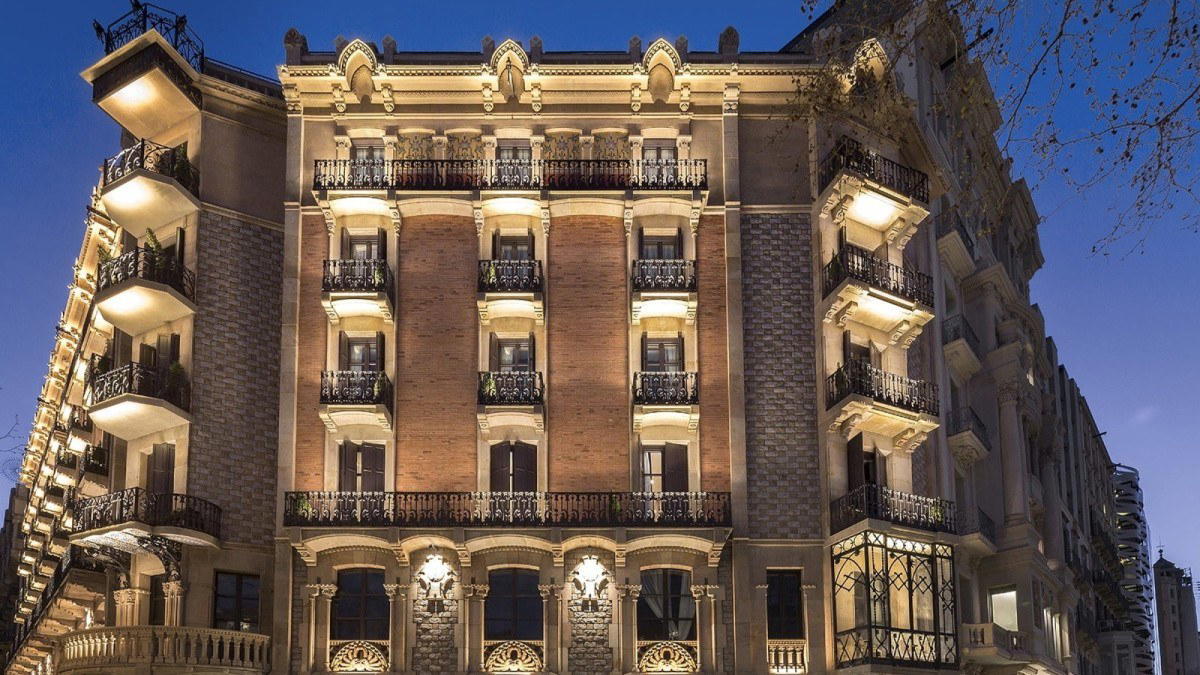
This is the condition that distinguishes Barcelona's more peripheral dining addresses from their central counterparts. Places like ABaC, set within its own hotel grounds in the upper city, or Cocina Hermanos Torres, which operates inside a converted greenhouse in the Eixample extension, show how Barcelona's most considered dining environments often depend on architectural separation from the street rather than integration with it. El Jardí de l'Abadessa's Les Corts location places it in this broader pattern of dining as destination rather than dining as street-level discovery.
The sensory register of a garden restaurant in this part of the city is typically shaped by containment, the sense that ambient sound drops as you move away from the pavement, that light changes quality under tree canopy or pergola, that the pace of service has room to slow because the space itself is not competing with the noise and compression of a busier district. Whether that atmosphere is executed with consistency is the question that separates the format's leading examples from its more ordinary iterations.
Positioning Within Barcelona's Broader Scene
Barcelona currently operates one of Europe's densest concentrations of technically ambitious restaurants. Enigma runs a sequenced tasting format that treats the dining room as architecture. Disfrutar, holding three Michelin stars, has become one of the reference points for progressive Spanish cooking internationally. Against this backdrop, the city also maintains a substantial tier of neighbourhood restaurants, places that serve a largely local clientele, that do not necessarily seek award recognition, and that derive their value from consistency, setting, and accessibility rather than from technical ambition.
El Jardí de l'Abadessa's position in Les Corts places it in conversation with this second tier rather than the first. That is not a criticism. Spain's most decorated restaurants, El Celler de Can Roca in Girona, Quique Dacosta in Dénia, Mugaritz in Errenteria, Arzak in San Sebastián, Azurmendi in Larrabetzu, and Martin Berasategui in Lasarte-Oria, exist at a remove from daily dining life, and the restaurants that sustain a city's actual food culture are largely those operating in the tier below, serving consistent cooking in environments that reward repeated visits.
The garden restaurant format, when it works, offers something different from progressive tasting menus: an environment that recedes rather than performs, where the occasion is defined by the company and the setting rather than by a sequenced technical demonstration. Internationally, this distinction is visible in how differently critics and local diners evaluate the same category of restaurant. A place like Lazy Bear in San Francisco or Le Bernardin in New York City occupies a specific position in its city's hierarchy precisely because it offers a format and atmosphere that nothing else in the same price tier replicates. The question for any garden restaurant in Barcelona is whether it achieves the same clarity of proposition.
Les Corts as Context
Les Corts is one of Barcelona's least-profiled districts internationally, which is partly what makes a restaurant there interesting. It is a neighbourhood that functions on its own terms, residential, commercially self-sufficient, with a local life that does not orient toward tourism. FC Barcelona's Camp Nou sits nearby, which gives the district occasional high-traffic moments, but the streets around Carrer de l'Abadessa Olzet operate outside that orbit.
Dining in Les Corts means choosing a Barcelona that most visitors do not encounter. That choice has editorial implications: it signals that the meal itself, or the environment around it, justifies the detour from the more obviously mapped parts of the city. For a restaurant with a garden as part of its identity, the quietness of Les Corts is an asset, it means the atmosphere of the space is not working against street compression and noise, but is instead reinforced by the relative stillness of the neighbourhood.
For visitors building a Barcelona dining itinerary across multiple days, the full Barcelona restaurants guide maps the city's dining options across districts and price tiers. Those prioritising progressive Spanish cooking will naturally focus on Eixample and the city's award-concentrated addresses. Those looking for a different register, neighbourhood-rooted, garden-framed, operating outside the international spotlight, will find Les Corts worth the consideration. Comparably, Spain's regional dining circuit extends well beyond Barcelona to places like Ricard Camarena in València, Aponiente in El Puerto de Santa María, Atrio in Cáceres, and DiverXO in Madrid, each of which represents a distinct regional identity within the country's broader dining geography.
Planning a Visit
| Venue | District | Format | Price Tier | Booking Lead Time |
|---|---|---|---|---|
| El Jardí de l'Abadessa | Les Corts | Garden restaurant | Not published | |
| Cocina Hermanos Torres | Eixample extension | Tasting menu, greenhouse setting | €€€€ | Weeks to months ahead |
| Disfrutar | Eixample | Progressive tasting menu | €€€€ | Months ahead |
| ABaC | Upper city | Hotel restaurant, tasting menu | €€€€ | Weeks ahead |
Les Corts is accessible by metro on Line 3 (Zona Universitària or Les Corts stations), placing the restaurant within direct reach of central Barcelona without requiring a taxi.
Standing Among Peers
Comparable venues nearby, for context on price, style, and recognition.
| Venue | Cuisine | Price | Notes |
|---|---|---|---|
| El Jardí de l'AbadessaThis venue — the venue you are viewing | Seasonal Mediterranean Garden Cuisine | $$$ | Not listed |
| Planta Baja | Mediterranean Catalan with Seasonal Local Ingredients | $$$ | les Tres Torres |
| El Bosc Garden Restaurant | Traditional Mediterranean with Catalan Influences | $$$ | el Camp d'en Grassot i Gracia Nova |
| Tragaldabas | Modern Mediterranean with Spanish Fusion | $$$ | la Nova Esquerra de l'Eixample |
| Albarada | Contemporary Mediterranean with skyline views | $$$ | Vallvidrera, el Tibidabo i les Planes |
| Barcelona Milano | Catalan-Italian Fusion | $$$ | l'Antiga Esquerra de l'Eixample |
Recognition history
Dated appearances from independent guides and award organizations, with the underlying list record or original source where available.
Macarfi 6.5 Food Rating
Macarfi
Continue exploring
More in Barcelona
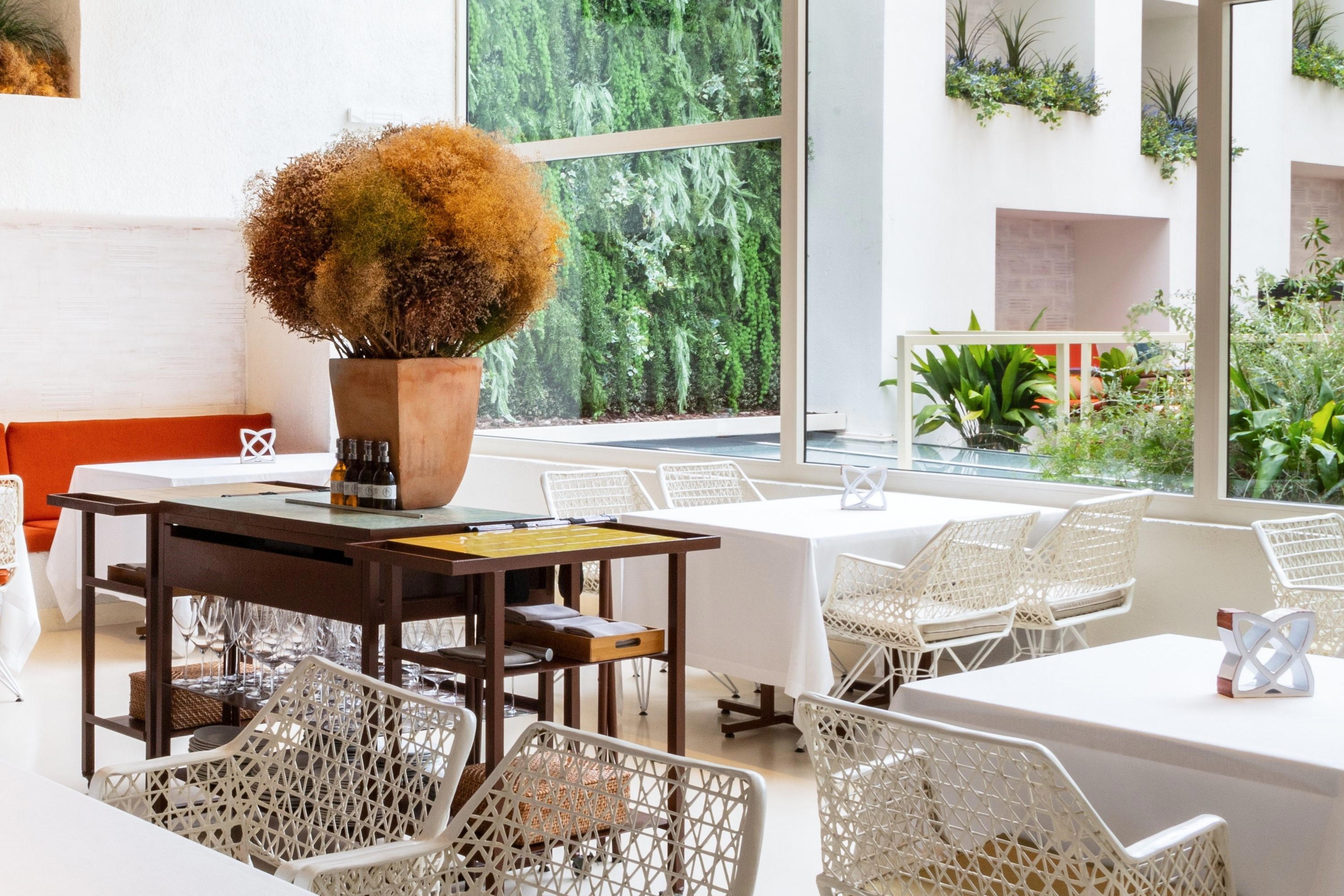
Restaurants in Barcelona
Browse all →
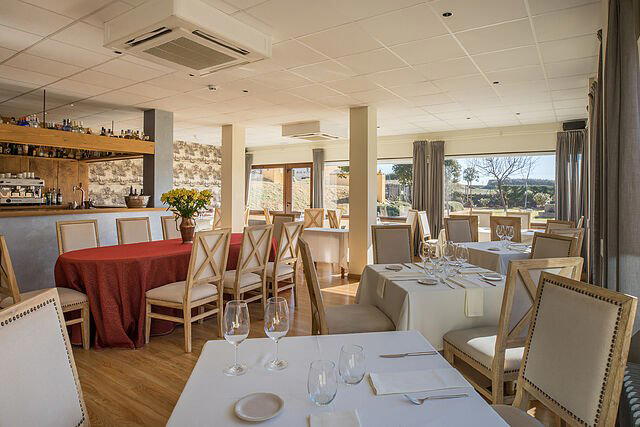
Bars in Barcelona
Browse all →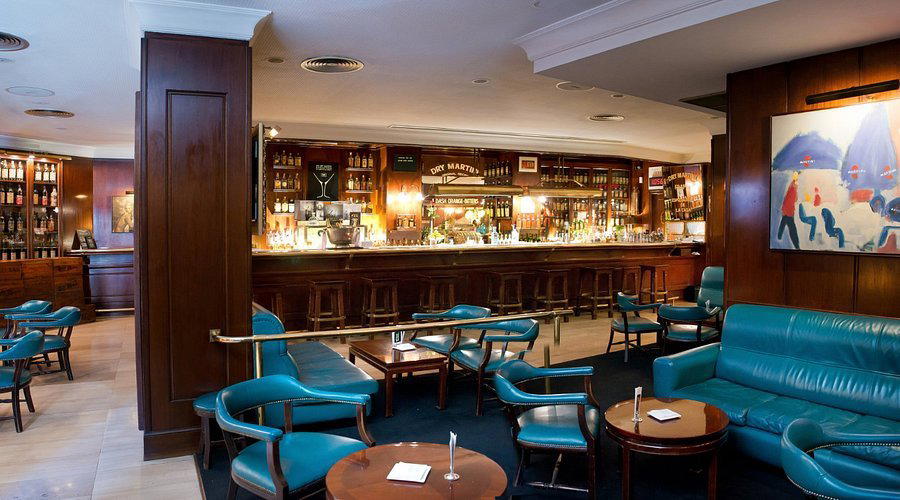
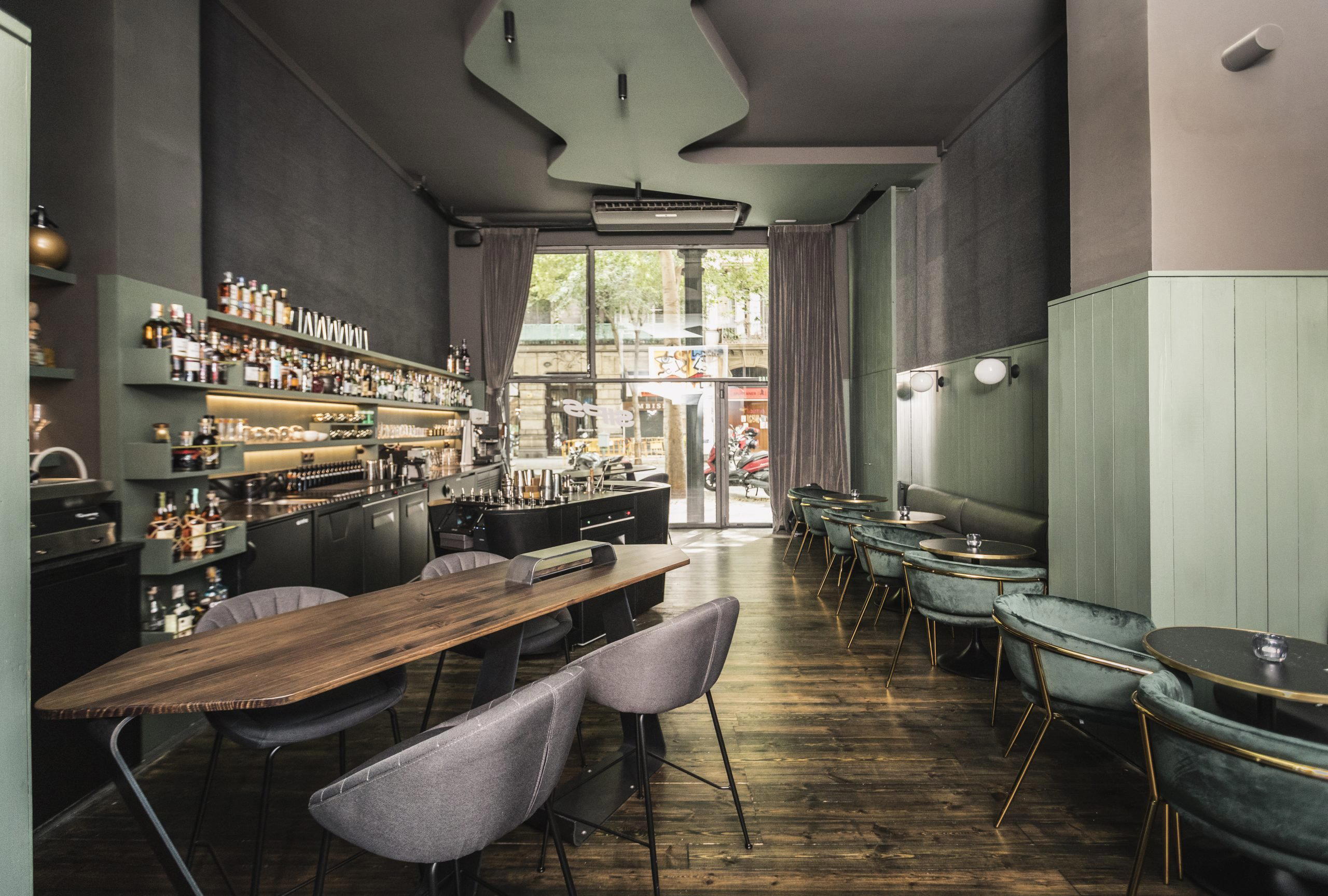
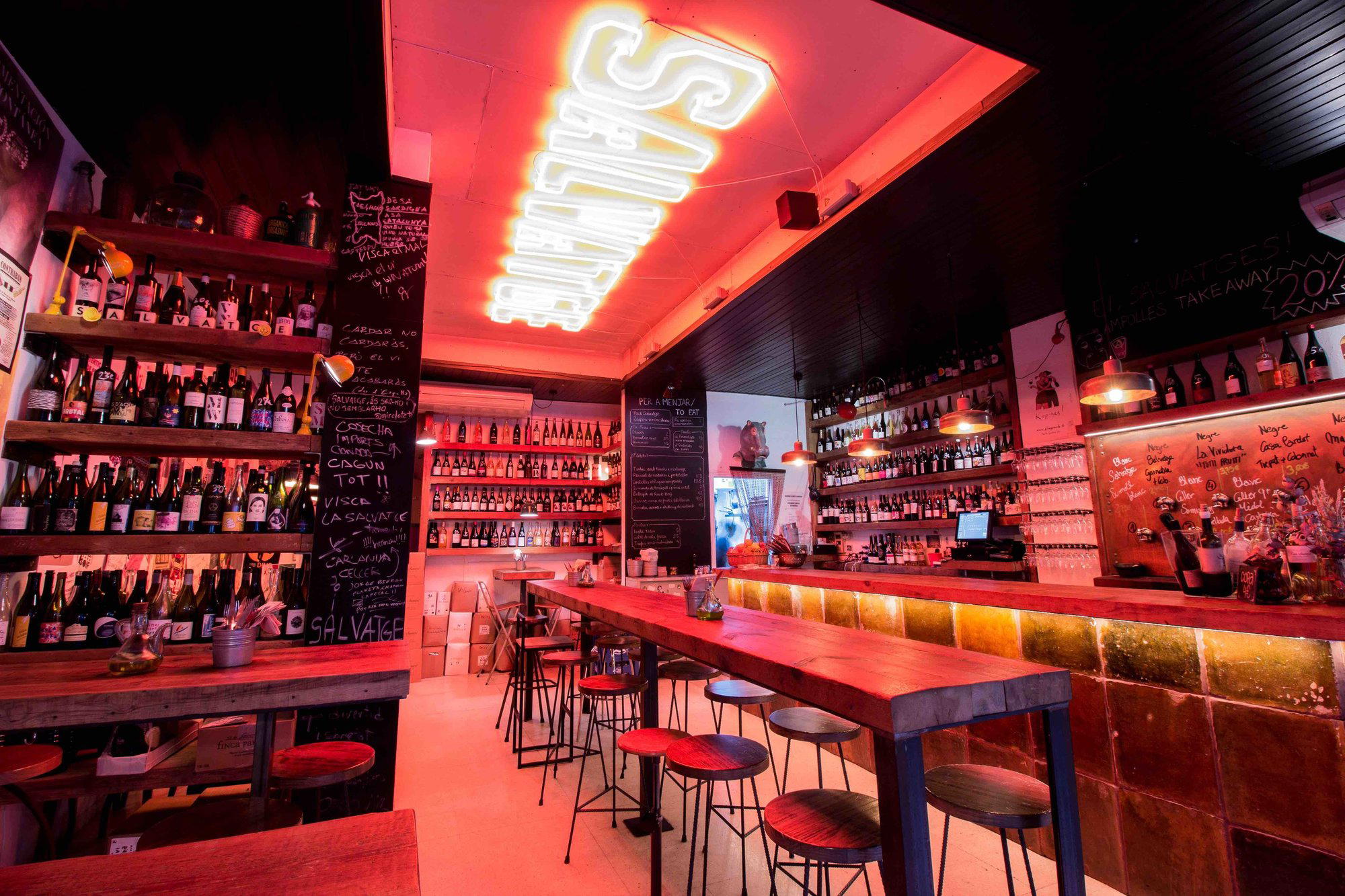
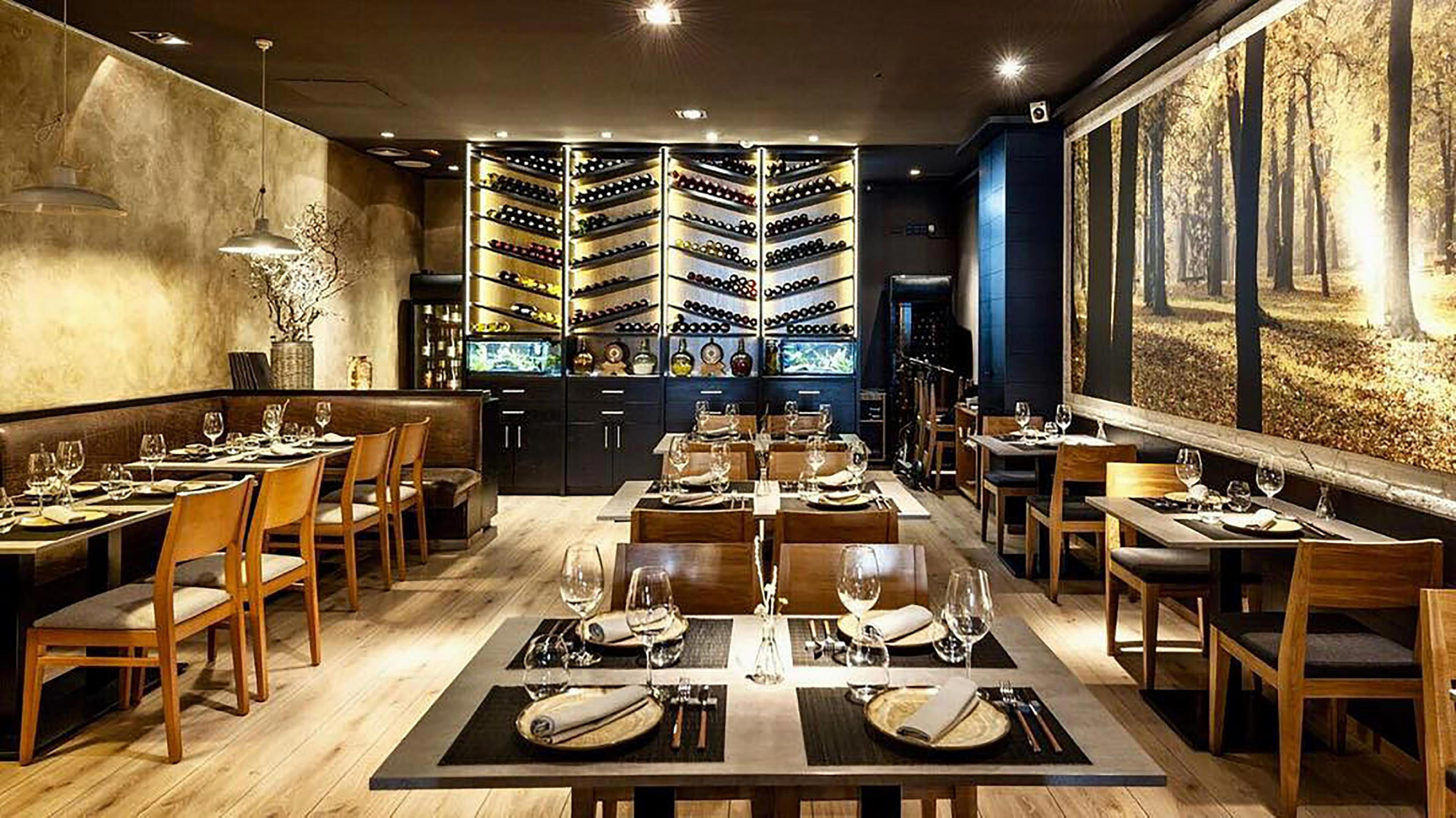
Hotels in Barcelona
Browse all →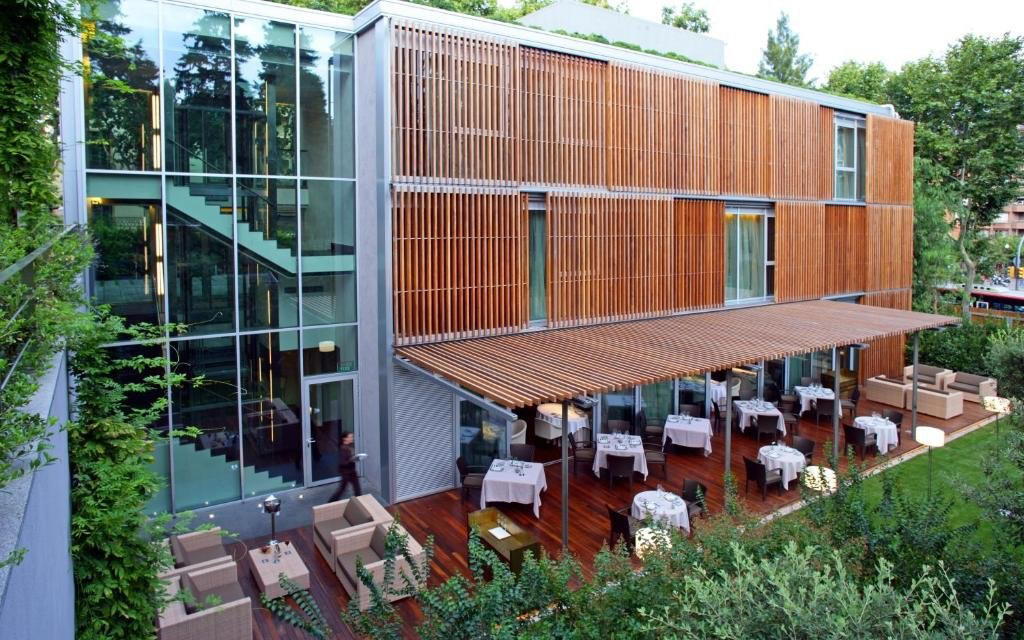


At a Glance
- Romantic
- Elegant
- Cozy
- Scenic
- Intimate
- Date Night
- Family
- Group Dining
- Special Occasion
- Garden
- Terrace
- Extensive Wine List
- Local Sourcing
- Garden
Current opening hours
- Monday
- 12–5 PM, 8 PM–12:30 AM
- Tuesday
- 12–5 PM, 8 PM–12:30 AM
- Wednesday
- 12–5 PM, 8 PM–12:30 AM
- Thursday
- 12–5 PM, 8 PM–12:30 AM
- Friday
- 12–5 PM, 8 PM–12:30 AM
- Saturday
- 12–5 PM, 8 PM–12:30 AM
- Sunday
- 12–5 PM
Hours can change for holidays and private events. Last verified .
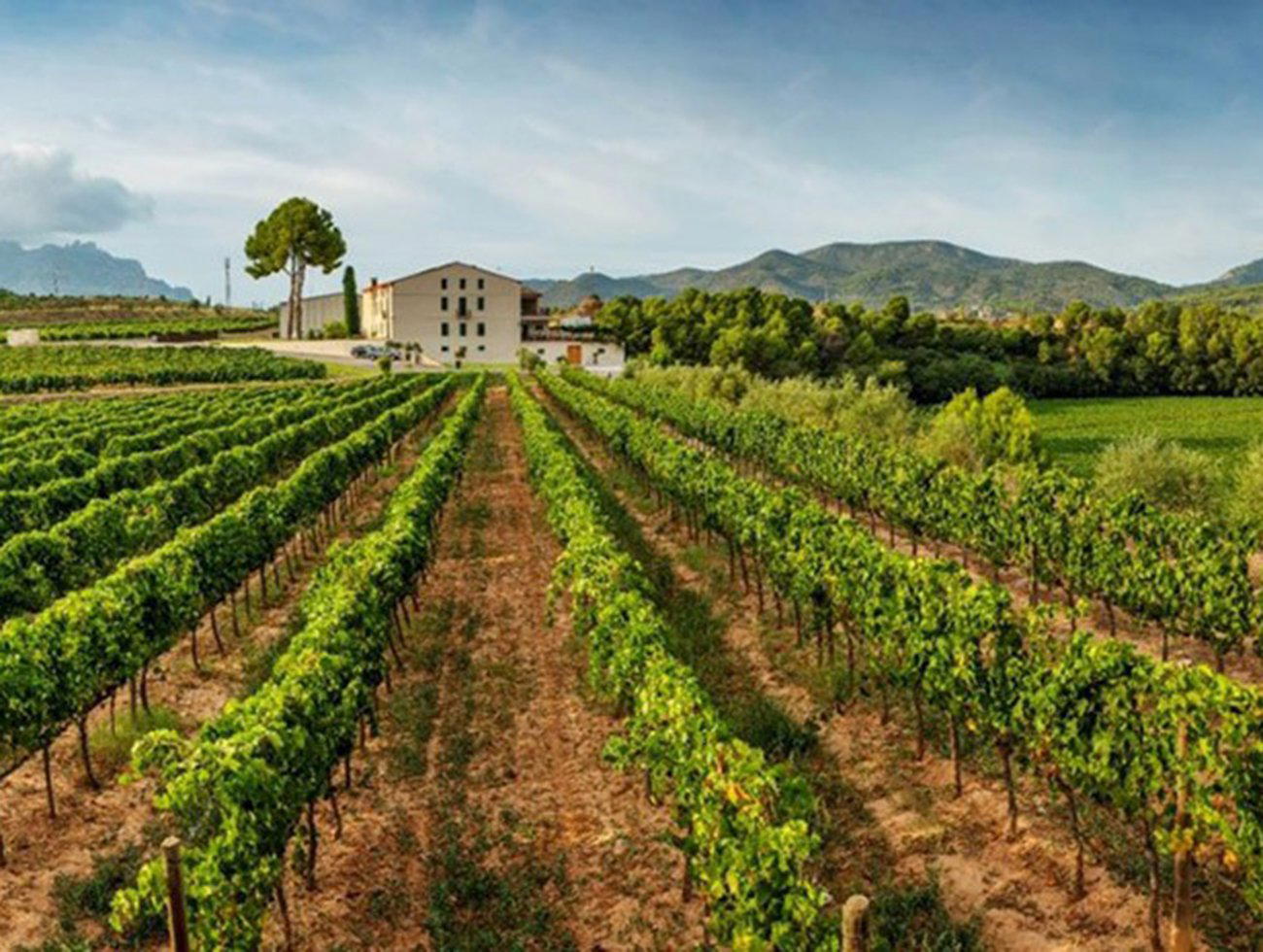
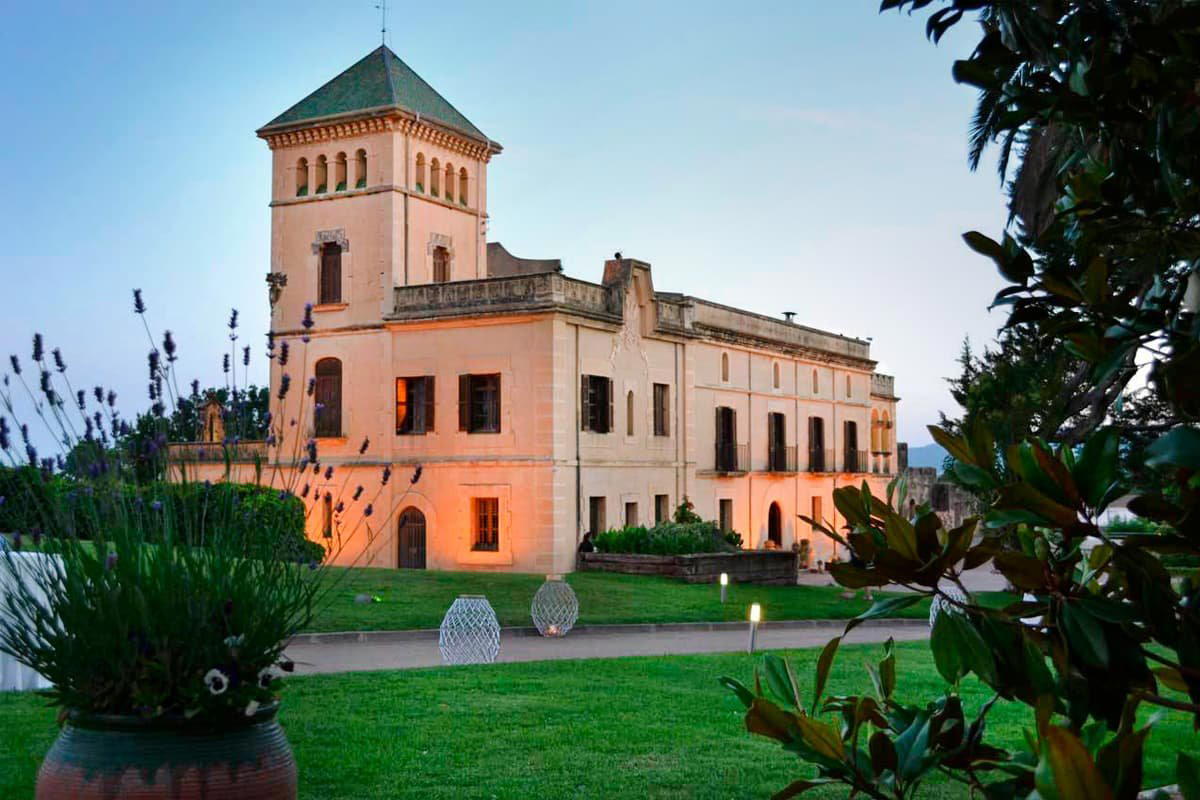
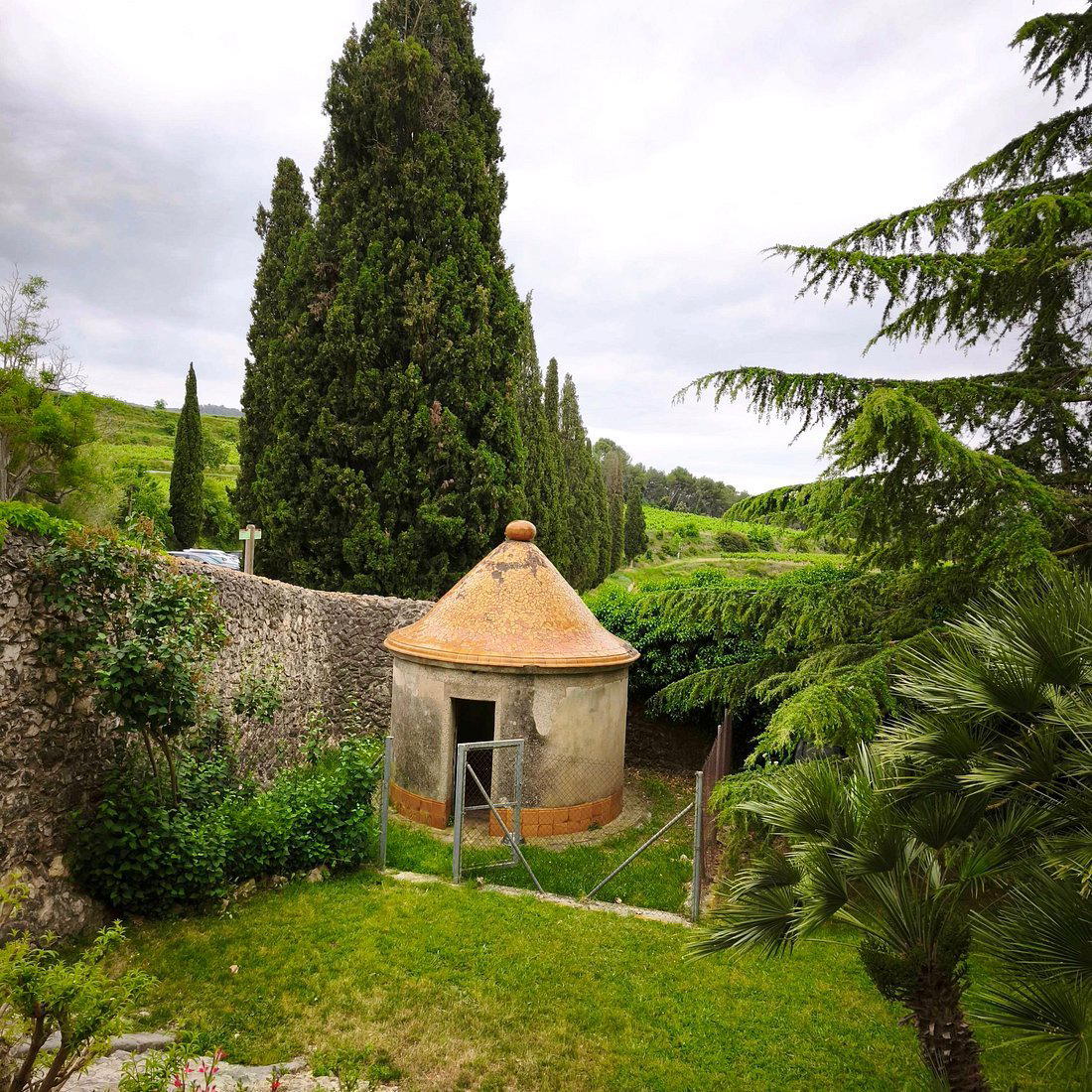
Peaceful and pleasant garden terrace with natural greenery, charming corners, and classy, relaxed atmosphere ideal for romantic dinners or unwinding.