Our verdict
Barcelona Milano occupies a quiet stretch of Villarroel in L'Eixample, sitting at a remove from the neighbourhood's more visible dining circuit. The venue draws interest for its position within Barcelona's broader conversation around ethical sourcing and considered cooking, placing it alongside a cohort of addresses where what happens before service matters as much as what arrives at the table.

Pearl is the En Primeur Club membership app, where members save venues, book tables and use the concierge.

The menu
What to order
- Pulpo
- Ravioli
- Vitello Tonnato
- Croquetas de Sepia
L'Eixample and the Ethics of the Plate
Barcelona's Eixample grid has long sorted its restaurants by visibility and volume. The broad avenues attract the tourist trade; the quieter cross-streets, particularly those running north of the Diagonal, have become the preferred address for a different kind of operation. Carrer de Villarroel sits in that latter category: residential in character, low on foot traffic, the kind of street where a restaurant survives on regulars and reputation rather than passing custom. Barcelona Milano operates from this position, and the context matters. In a city where the loudest tables compete on spectacle, a Villarroel address is itself a signal of priorities.
Across the Spanish fine dining circuit, a meaningful split has emerged between restaurants that deploy sustainability as a marketing register and those that embed it structurally in how they source, process, and waste. Venues like Azurmendi in Larrabetzu have made environmental architecture and on-site growing central to their identity for over a decade, while Aponiente in El Puerto de Santa María has built its entire creative premise around marine waste streams and underused species. Barcelona Milano enters this conversation from a different geographic register, urban, Eixample-anchored, where the sustainability question is less about land stewardship and more about supply chain discipline and kitchen economy.
What Ethical Sourcing Looks Like in an Urban Kitchen
The practical architecture of responsible sourcing in a city restaurant differs substantially from what a rural or coastal operation can achieve. There is no kitchen garden, no direct access to fishing boats or farm gates. Urban kitchens that take sourcing seriously operate through relationships: with specific distributors who can verify provenance, with smaller producers willing to work at lower volumes, with market vendors at La Boqueria or Mercat de l'Abaceria who can offer traceability that a central commissary cannot. In Barcelona, this network is mature enough that a committed kitchen can build a genuinely traceable supply chain without leaving the city's procurement infrastructure.
Waste reduction in an urban context follows a parallel logic. The restaurants in Barcelona's creative tier that have addressed this most systematically, Cocina Hermanos Torres and Disfrutar among them, tend to approach zero-waste not as a philosophical stance but as a kitchen discipline with measurable outputs. Stocks built from trim, fermentation programs that extend ingredient life, tasting menu formats that allow portion precision: these are the practical tools. Barcelona Milano's Eixample address places it inside a dense dining neighbourhood where benchmarks from that creative tier are immediately visible and, for any kitchen paying attention, instructive.
The Eixample Dining Context
L'Eixample contains Barcelona's most competitive concentration of serious restaurants. Lasarte and ABaC represent the neighbourhood's Michelin-starred upper register, while Enigma has carved its own format-led niche with a closed-circuit booking system and progressive tasting structure. At the national level, the reference points extend further: El Celler de Can Roca in Girona remains the region's most cited multi-generational project, while Mugaritz in Errenteria and Martin Berasategui continue to define what creative ambition looks like in Spanish fine dining.
For international comparison, the conversation around urban ethical sourcing has moved furthest in cities like San Francisco, where Lazy Bear has built a community-oriented format around transparent sourcing and direct producer relationships, and New York, where Le Bernardin has made sustainable seafood procurement a documented part of its kitchen policy. The standards those restaurants have established provide a useful calibration for what genuine commitment looks like, as opposed to aspirational positioning.
Barcelona's Broader Sustainability Conversation
Spain's most credentialed sustainability project in food right now is almost certainly Quique Dacosta in Dénia, where Mediterranean coastal ecology has shaped the creative framework for years. Ricard Camarena in València has pursued a similar logic with Valencian seasonal produce, building menus around what is available rather than what the concept demands. In Madrid, DiverXO operates from a different axis entirely, where creative maximalism rather than restraint defines the proposition. Arzak in San Sebastián and Atrio in Cáceres each represent long-run institutional commitments to regional identity, which in practice overlaps substantially with local sourcing even when the sustainability language is not foregrounded. Barcelona Milano sits somewhere in this national picture, though at a different scale and with a different degree of public documentation than those reference points.
Planning a Visit
Barcelona Milano is located at Carrer de Villarroel, 190 in the Eixample district, reachable by metro via Hospital Clínic on Line 5. The address is residential rather than commercial in character, so arriving by taxi or on foot from the Diagonal is the most practical approach. For a comprehensive overview of Barcelona's restaurant scene across price points and neighbourhood contexts, the EP Club Barcelona restaurants guide maps the full range of current options.
Frequently asked questions
at Barcelona Milano?
In the broader context of Barcelona's cuisine, restaurants at this address type in Eixample tend to work within either a market-driven seasonal format or a fixed tasting structure. For kitchens in this neighbourhood that have published menu frameworks, Cocina Hermanos Torres and Disfrutar represent the creative register that defines the upper tier of Barcelona's current offer.
Is Barcelona Milano reservation-only?
In Barcelona's Eixample, restaurants operating at the serious end of the market, particularly those without a large walk-in format, typically operate on a reservation basis, especially for dinner service. Given the venue's street-level position on a quieter residential block, booking ahead is the prudent approach. If awards or critical recognition have expanded demand, lead times can extend to several weeks, as is standard across Barcelona's recognised dining addresses.
What do critics highlight about Barcelona Milano?
Across Barcelona's dining scene, the restaurants that draw sustained critical attention tend to combine a clear culinary identity with either Michelin recognition, inclusion in the 50 Best framework, or consistent editorial coverage in Spanish food media. Enigma and Lasarte are examples of Eixample addresses that have earned that documentation over time. For Barcelona Milano specifically, direct inquiry or recent local press provides the most current critical picture.
Does Barcelona Milano's location in Eixample affect its sourcing approach compared to more rural Spanish restaurants?
Urban kitchens in Eixample work within a different sourcing infrastructure than coastal or rural Spanish restaurants, relying on producer relationships and market traceability rather than direct land or sea access. This is the operating reality for any serious Barcelona kitchen: proximity to La Boqueria, Mercat de Sant Antoni, and established Catalan distribution networks provides access to high-quality regional produce, but it requires active supplier relationships rather than passive geography. For context on what Spanish restaurants have achieved with direct-access sourcing, Aponiente in El Puerto de Santa María and Azurmendi in Larrabetzu represent the furthest development of that model in Spain.
A Pricing-First Comparison
Comparable venues nearby, for context on price, style, and recognition.
| Venue | Cuisine | Price | Awards | Notes |
|---|---|---|---|---|
| Barcelona MilanoThis venue (the venue you are viewing) | Catalan-Italian Fusion | $30–50 | Not listed | Not listed |
| Del Claris Terrace | Innovative Modern Mediterranean | $50–100 | Not listed | la Dreta de l'Eixample, Innovative Modern Mediterranean |
| 2254 restaurant | Mediterranean Tapas with Italian, French & Spanish Influences | $50–100 | Macarfi 7.2 Food Rating | la Dreta de l'Eixample, Mediterranean Tapas with Italian, French & Spanish Influences |
| Cera 23 | Modern Galician-Mediterranean Fusion | $30–50 | Macarfi 7.3 Food Rating | el Raval, Modern Galician-Mediterranean Fusion |
| Arcano | Contemporary Mediterranean Grill | $50–100 | Not listed | Sant Pere, Santa Caterina i la Ribera, Contemporary Mediterranean Grill |
Continue exploring
More in Barcelona
Restaurants in Barcelona
All restaurants in Barcelona →
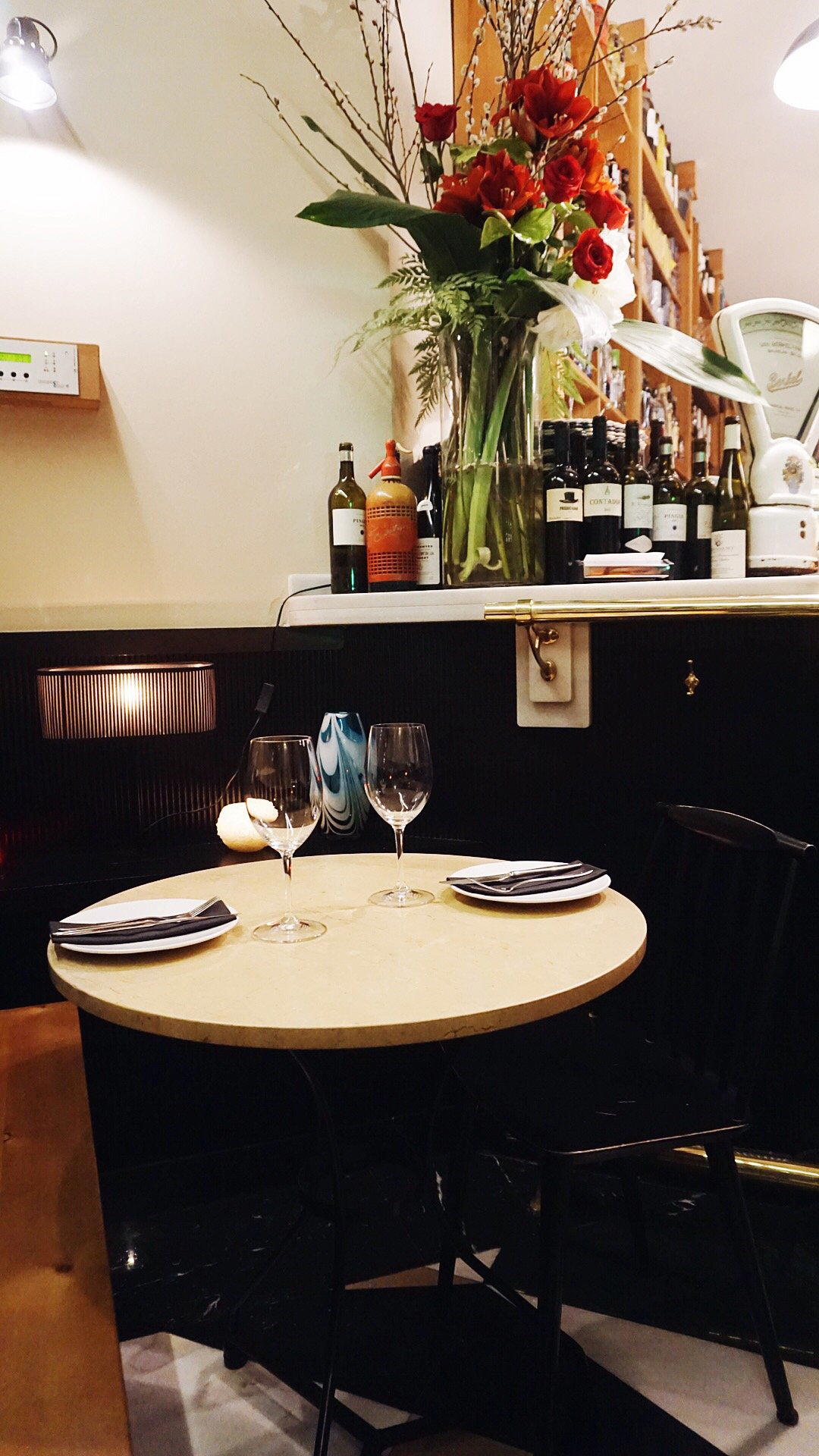
Bars in Barcelona
All bars in Barcelona →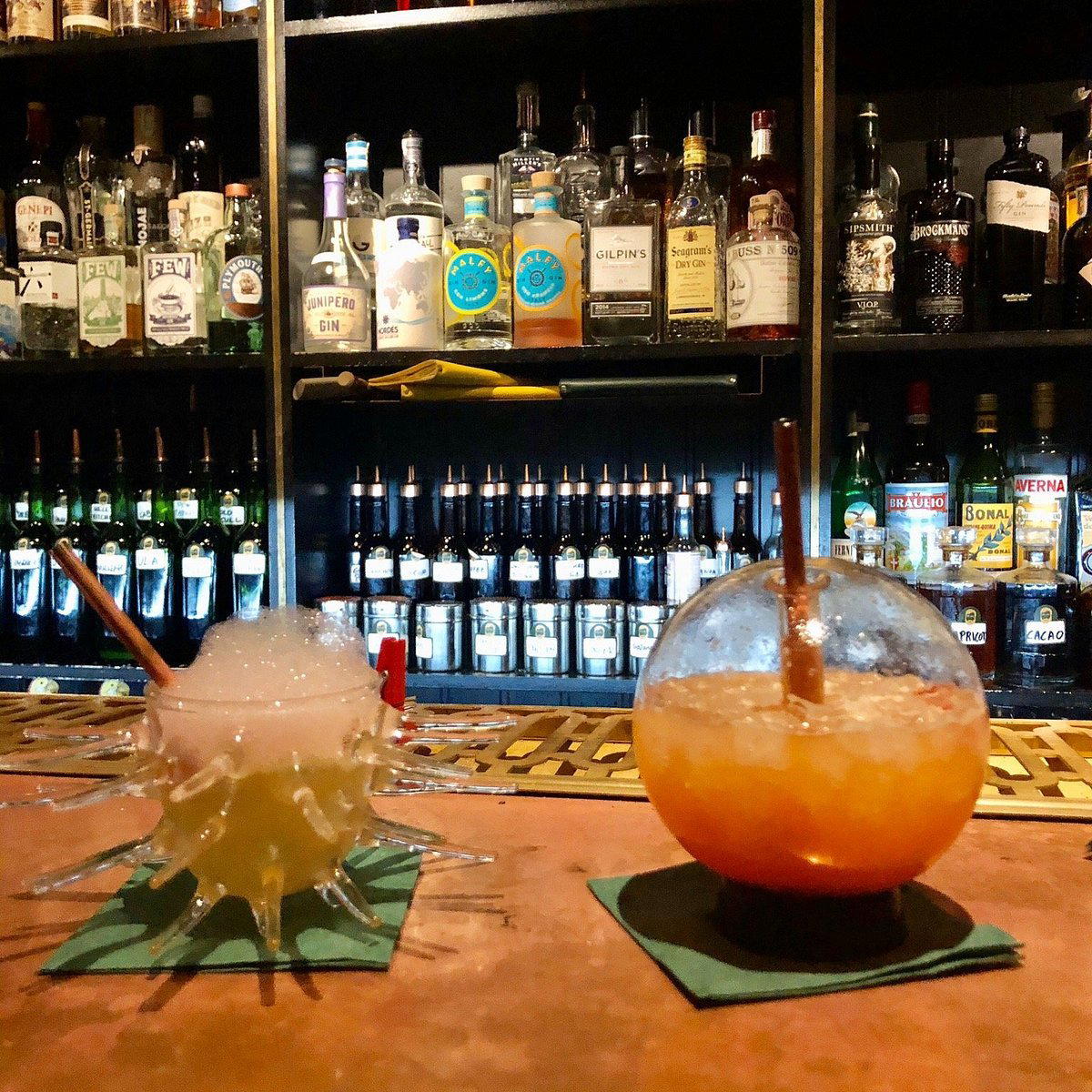

Barcelona Milano
The wine
- Wine program
- Deep wine list
- Extensive wine list
Details
- Modern
- Cozy
- Intimate
- Elegant
- Date Night
- Casual Hangout
- Special Occasion
- Open Kitchen
- Terrace
- Wine Cellar
- Extensive Wine List
- Local Sourcing
- A La Carte
- Small Plates
- Wine
- Vegetarian Friendly
- Vegan Options
- Gluten Free Options
Current opening hours
- Monday
- 1–4 PM, 8–11:30 PM
- Tuesday
- 1–4 PM, 8–11:30 PM
- Wednesday
- 1–4 PM, 8–11:30 PM
- Thursday
- 1–4 PM, 8–11:30 PM
- Friday
- 1–4 PM, 8–11:30 PM
- Saturday
- 1–4 PM, 8–11:30 PM
- Sunday
- 1–4 PM, 8–11:30 PM
Hours can change for holidays and private events. Hours as of .
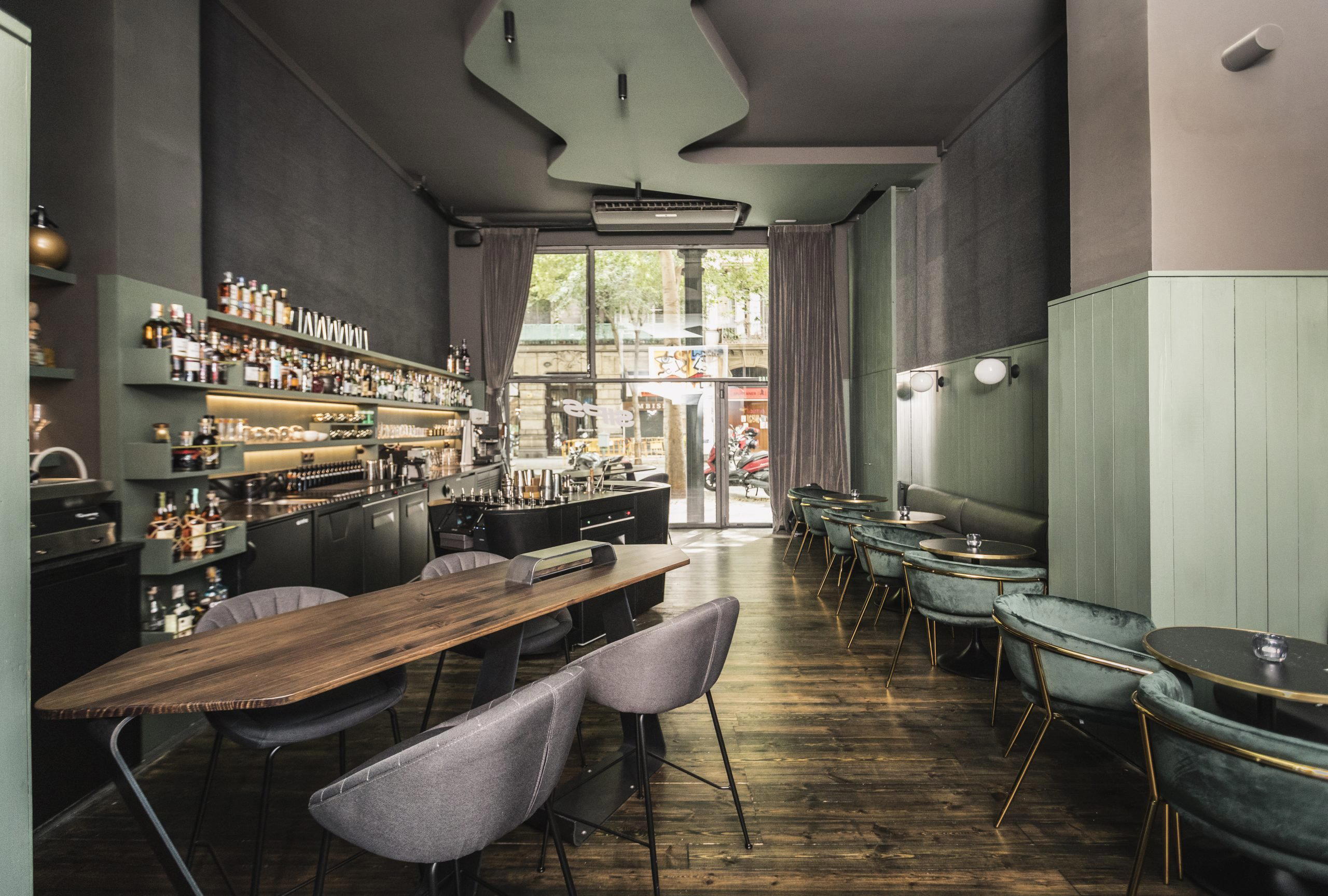
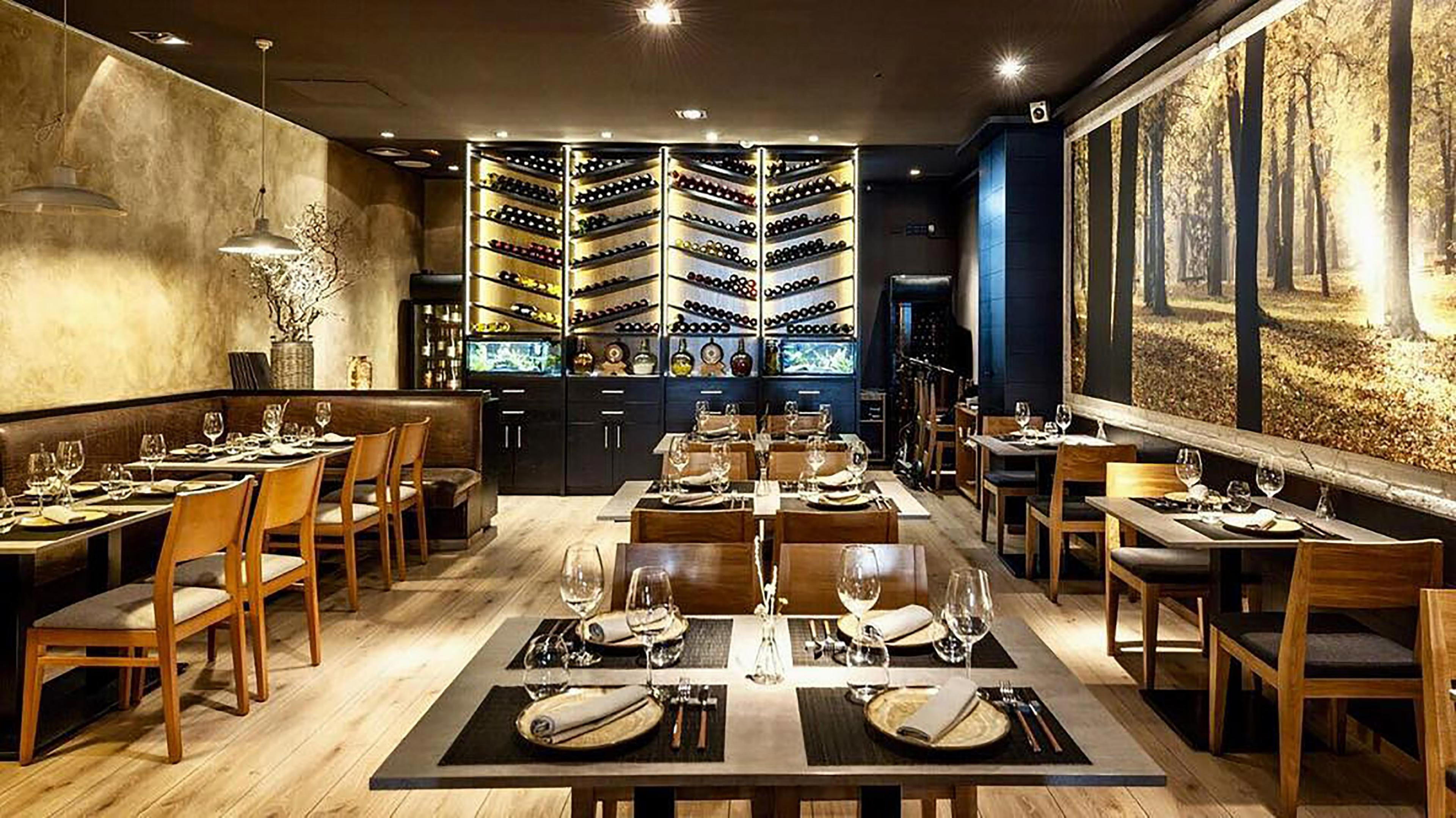
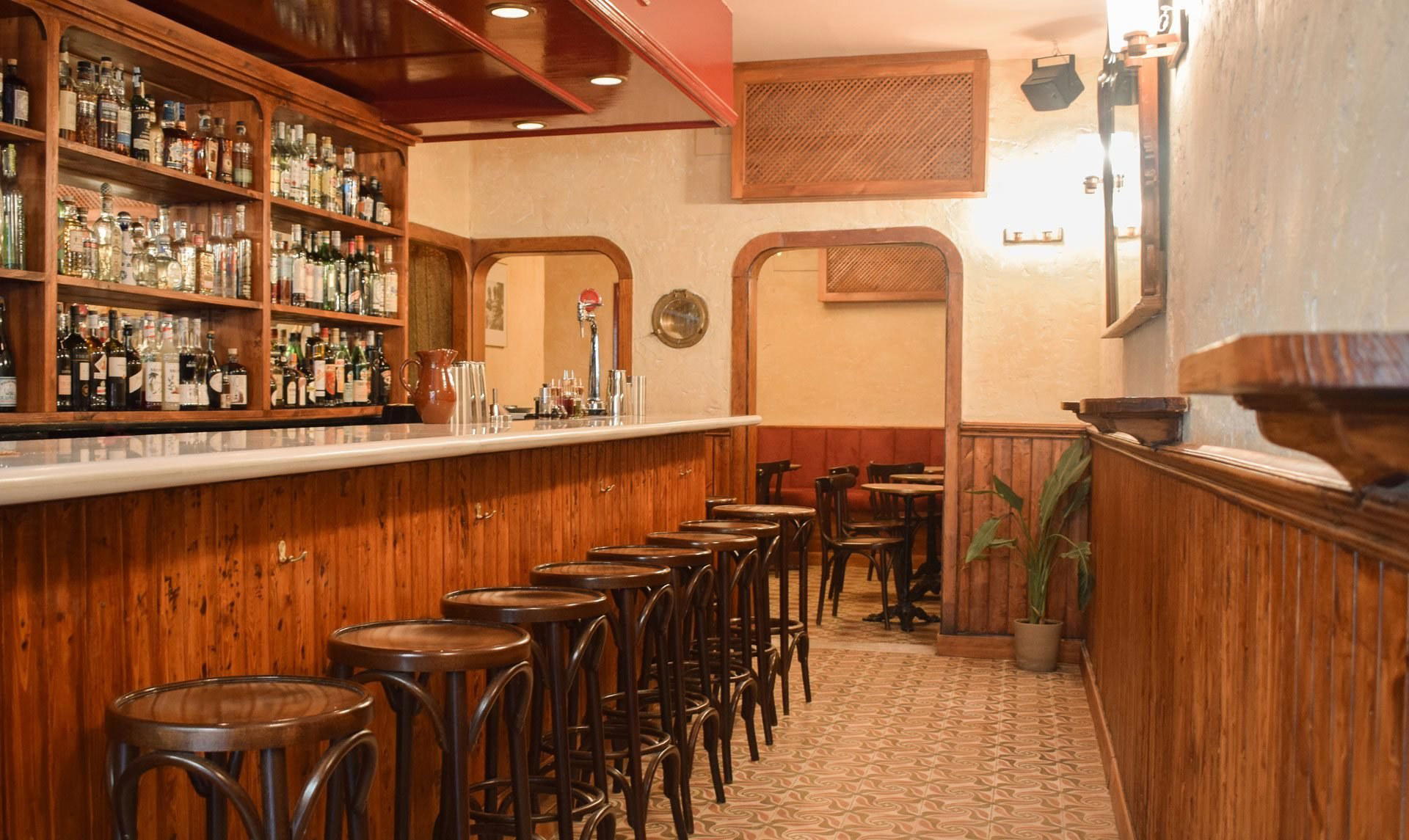
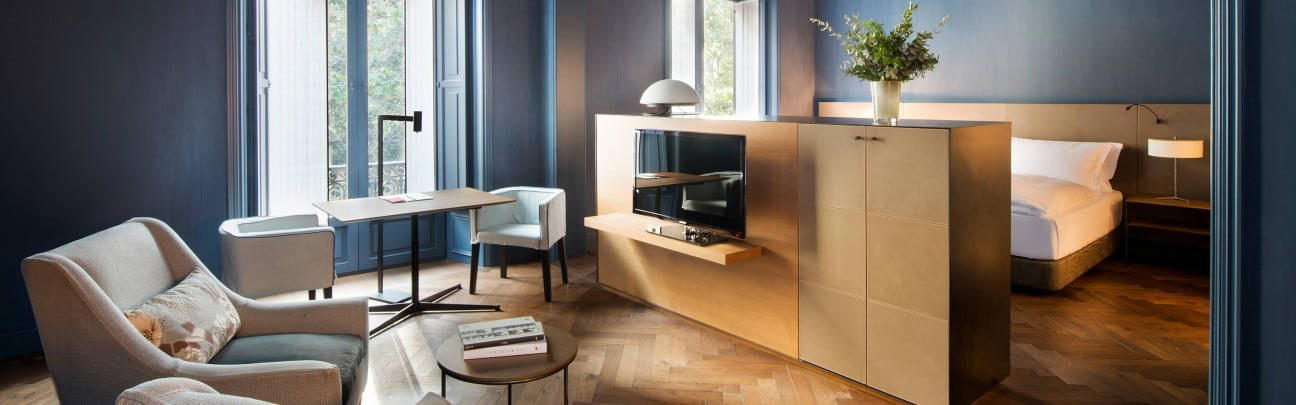
Modern yet inviting with an intimate and cozy atmosphere, complemented by a wine cellar in the heart of the room.