El Inca Restaurant on Görresstraße sits within Cologne's diverse dining quarter, bringing Peruvian culinary tradition to a city better known for its Rhenish taverns and Franco-German fine dining. In a restaurant scene that skews heavily toward European frameworks, South American cooking occupies a small but committed niche. El Inca represents that niche at street level, where the cooking speaks to a different set of references entirely.
Pearl is the En Primeur Club membership app — saves, bookings, and concierge access live there. Same editors, same standards.
- Address
- Görresstraße 2, 50674 Köln, Germany
- Phone
- +49 221 245503
- Website
- el-inca.de
- Directions
- Get directions
 Saves & bookings on Pearl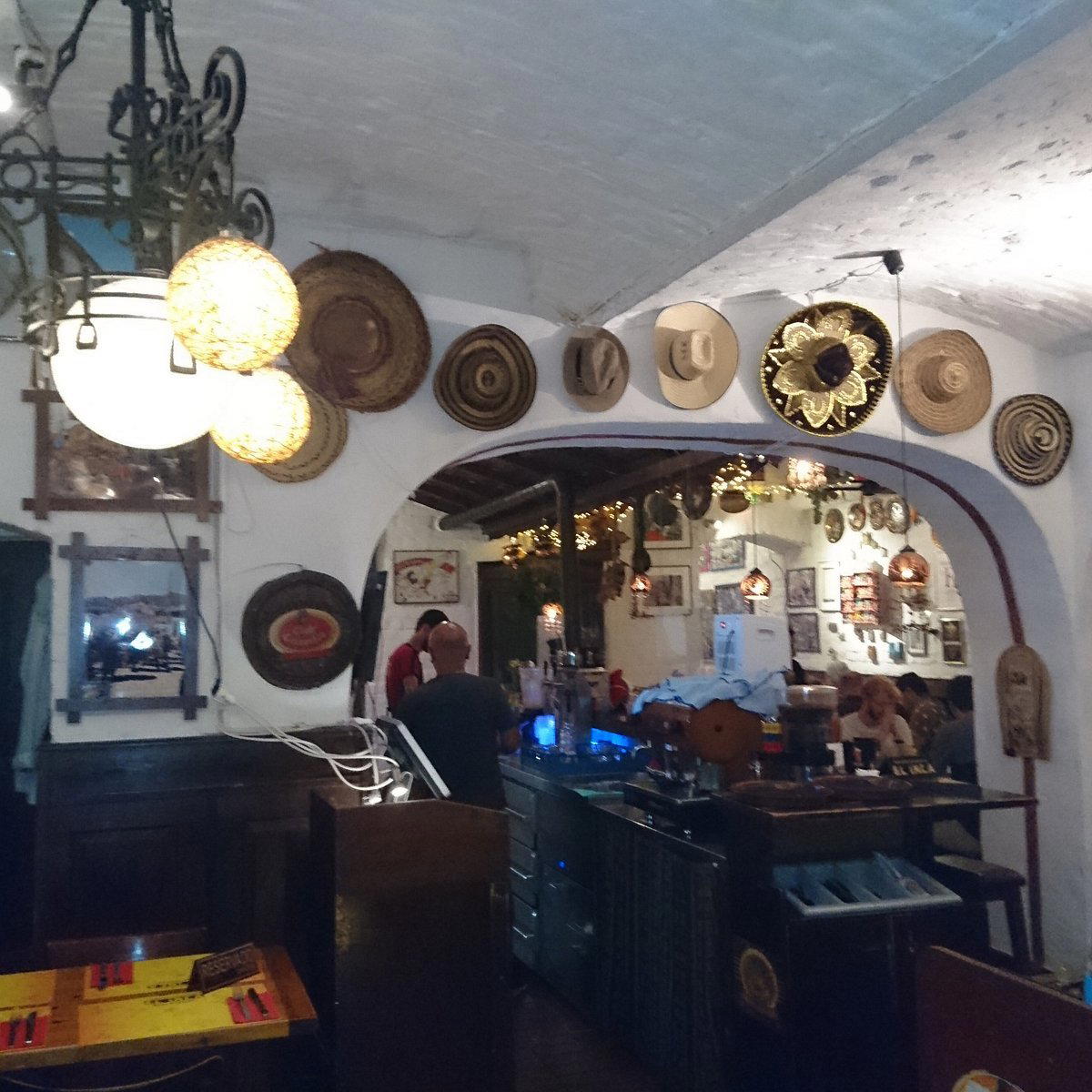
A Different Set of References on Görresstraße
Cologne's restaurant culture has long been anchored by two poles: the Brauhaus tradition of Kölsch and Halver Hahn on one end, and a cluster of serious European fine dining on the other. Ox & Klee, La Cuisine Rademacher, and La Société occupy the upper tier of that European framework, operating at price points and formality levels that signal a particular kind of evening. Between those poles, however, Cologne has quietly developed a more diverse middle register, and it is in that register where South American cooking, Peruvian in particular, finds its footing.
El Inca Restaurant on Görresstraße 2, in the Neustadt-Süd district, addresses a gap that most German cities leave wide open. Peruvian cuisine is among the more technically complex and culturally layered of any South American tradition: it draws on indigenous Andean ingredients, Japanese immigration (the Nikkei influence), Chinese chifa cooking, and Spanish colonial history simultaneously. A kitchen working within that tradition is not simplifying things for a European audience, it is presenting a culinary system that took centuries and multiple continents to assemble.
The Ritual of a Peruvian Meal
How a Peruvian meal unfolds matters as much as what arrives on the plate. The structure differs from European tasting menus or even the shared-plate format that has become default in casual European dining. Traditionally, the meal begins with pisco, Peru's grape-based spirit, or a chicha morada, a deeply purple drink made from dried purple corn, before the table turns to ceviche and cold preparations that function as both palate-openers and the kitchen's first statement of technique. Acid, temperature, and the quality of the fish or seafood used in a ceviche are immediately legible signals of how seriously a kitchen takes the tradition.
From there, the meal typically broadens into richer preparations: causas built from yellow potato and various fillings, lomo saltado that reflects the Chinese stir-fry influence with notable directness, and roasted or grilled proteins that draw on the Andean tradition of cooking over wood and charcoal. The pacing of this sequence is not rushed. Peruvian hospitality at table runs deliberately, with courses arriving at intervals that allow conversation to settle and the cooking to register on its own terms, a rhythm that sits at odds with the faster turnover expectation of many European casual restaurants.
In Cologne, where the competition for this kind of cooking is limited, diners approaching El Inca for the first time should resist the impulse to order everything at once. The logic of the meal rewards sequencing. Start cold and acidic, move toward the cooked and complex, and treat the meal as a paced encounter with a culinary tradition rather than a rapid survey of the menu.
Cologne's South American Niche in Context
Across Germany's major restaurant cities, Latin American dining occupies a narrower competitive band than in, say, London or New York. The highest-profile South American influence in German fine dining tends to arrive as an ingredient or technique within European-framed menus rather than as a standalone tradition. At the level of dedicated South American restaurants, the German market has been slow to develop the kind of serious, tradition-rooted practitioners that cities like Amsterdam or Paris have accumulated over decades.
Cologne specifically skews further toward French and modern European frameworks when it comes to its most-discussed tables. Le Moissonnier Bistro and maiBeck both reflect the city's comfort with European culinary grammar. Against that backdrop, a restaurant committed to Peruvian cooking is not simply offering an alternative cuisine, it is operating in a different culinary language, one with its own grammar of acidity, spice, and fermentation that European-trained palates sometimes encounter for the first time at a table like this.
For broader context on how Germany's upper-tier dining rooms have developed their own distinct identities, the spectrum runs from Schwarzwaldstube in Baiersbronn and Aqua in Wolfsburg at the formal end, to more concept-driven rooms like CODA Dessert Dining in Berlin and JAN in Munich. None of them are doing what El Inca does, which points to how genuinely underrepresented Peruvian cooking remains within Germany's dining conversation.
At the international level, the benchmark for how seriously Peruvian and Latin American traditions can be executed has been set by restaurants that carry the weight of sustained critical attention, in the way that Le Bernardin in New York City or Lazy Bear in San Francisco have defined what commitment to a culinary philosophy looks like over time. El Inca operates at a different scale and register, but the underlying question, whether a kitchen is genuinely committed to its source tradition, is the same question worth asking at any level.
Neustadt-Süd and the Görresstraße Address
Neustadt-Süd is one of Cologne's denser and more architecturally coherent inner districts, populated by Gründerzeit apartment buildings, independent retailers, and a restaurant mix that runs from neighbourhood Turkish and Greek tables to more ambitious European kitchens. It is not the city's most prominent dining address, that distinction belongs to the blocks around Rudolfplatz or the areas close to the Dom, but it sustains a consistent local clientele that tends to eat out habitually rather than occasionally.
Görresstraße itself is a quieter residential-commercial street, the kind of address where a restaurant survives on neighbourhood loyalty more than on tourist traffic. That context shapes the dining experience: the room is likely to contain regulars, the rhythm is local rather than performative, and the kitchen has calibrated its cooking to an audience that returns. For visiting diners, that local-regulars dynamic is often a more reliable quality signal than any amount of press attention. Also worth noting for regional context: serious fine dining in the broader area around Cologne extends to Vendôme in Bergisch Gladbach and Waldhotel Sonnora in Dreis, both within driving distance for those building a longer itinerary around this part of North Rhine-Westphalia.
Know Before You Go
- Address: Görresstraße 2, 50674 Köln, Germany
- District: Neustadt-Süd, Cologne
- Cuisine: Peruvian
- Booking: Reservations are recommended.
Peers Worth Knowing
Comparable venues nearby, for context on price, style, and recognition.
| Venue | Cuisine | Price | Notes |
|---|---|---|---|
| El Inca RestaurantThis venue — the venue you are viewing | Authentic Peruvian | $$ | Not listed |
| Nish Nush | Israeli-Levantine Street Food | $$ | Neustadt/Nord |
| Haus Töller | Traditional Rhenish German Brewery Pub | $$ | Altstadt/Süd |
| NaiNai Bao | Chinese Hand-Pulled Noodles | $$ | Altstadt/Süd |
| Mandala Brunch | Vegan Asian Fusion Brunch | $$ | Neustadt/Nord |
| Yame | Vietnamese Streetfood | $$ | Neustadt/Süd |
Continue exploring
More in Cologne
Restaurants in Cologne
Browse all →
Bars in Cologne
Browse all →
Hotels in Cologne
Browse all →

At a Glance
- Lively
- Cozy
- Rustic
- Date Night
- Casual Hangout
- Live Music
- Craft Cocktails
Current opening hours
- Monday
- Closed
- Tuesday
- 5 PM–12 AM
- Wednesday
- 5 PM–12 AM
- Thursday
- 5 PM–12 AM
- Friday
- 5 PM–12 AM
- Saturday
- 5 PM–12 AM
- Sunday
- 12–10 PM
Hours can change for holidays and private events. Last verified .
Warm, lively, and colorful atmosphere with quirky South American trinkets, homey decor, and Latin music.