Our verdict
Yame sits on Bonner Strasse in Cologne's Südstadt district, a neighbourhood that rewards those who look past the city's more obvious dining corridors. Readers seeking context on Cologne's broader restaurant scene will find useful orientation in our full city guide.

Pearl is the En Primeur Club membership app, where members save venues, book tables and use the concierge.

Bonner Strasse and the Südstadt Dining Shift
Cologne's fine dining conversation has historically centred on the Rhine-facing addresses and the older bourgeois quarters closer to the Dom. Over the past decade, that gravity has shifted. The Südstadt, running south along Bonner Strasse, has accumulated a quiet density of restaurants where format and sourcing tend to matter more than room size or celebrity association. Yame, at Bonner Str. 33, sits inside that movement rather than apart from it. The address is not incidental: it places the venue within walking distance of the independent-minded operators who have collectively repositioned what mid-to-upper dining looks like in this part of the city.
For context on how Cologne's restaurant tier has evolved, it helps to look at what the city's more established names have demonstrated. Ox & Klee and La Cuisine Rademacher both operate at the €€€€ price point with Modern Cuisine and Modern French formats respectively, signalling that Cologne's upper bracket rewards technical precision and a clearly stated culinary identity. La Société and maiBeck represent adjacent positions in the same tier. Yame's placement on Bonner Strasse puts it in proximity to that competitive set, even if its specific positioning within the tier requires direct verification from the venue.
The Ingredient Sourcing Question in German Urban Dining
Across Germany's mid-sized cities, the restaurants generating the most sustained critical attention are those that have made a legible commitment to where their ingredients come from. This is not a passing trend. At venues like ES:SENZ in Grassau and Schanz in Piesport, sourcing decisions shape the entire menu architecture: what is served, in what season, and at what price point. The same logic has filtered into urban contexts. In Cologne, diners at the upper end of the market have come to expect that a kitchen can account for its supply chain, not just its technique.
The Südstadt's independent restaurant cluster reflects this expectation. Kitchens in this neighbourhood tend to operate with shorter menus than their counterparts in more tourist-oriented parts of the city, partly because shorter menus are easier to source with integrity across seasonal shifts. Whether Yame operates within this framework, what its cuisine type is, or which specific producers it draws from are details that the venue itself is leading positioned to confirm. What the address and neighbourhood context suggest is that the surrounding dining culture places a premium on that kind of specificity.
Germany's broader fine dining tier offers useful benchmarks for understanding what ingredient-led commitment can look like at different scales. Aqua in Wolfsburg, Vendôme in Bergisch Gladbach, and Waldhotel Sonnora in Dreis each operate at the country's highest recognition levels while maintaining distinct sourcing philosophies. Closer to Cologne, JAN in Munich and Schwarzwaldstube in Baiersbronn demonstrate how regional ingredient focus can coexist with international technique. These are the reference points that inform how a serious diner in Cologne reads a new address on Bonner Strasse.
What the Neighbourhood Tells You Before You Arrive
The physical approach to Yame on Bonner Strasse runs through a stretch of the Südstadt that mixes residential blocks with independent retail and food businesses. This is not a dining district built for spectacle. The venues here tend to be smaller in footprint, with interiors that reflect considered choices rather than category-default hospitality design. The absence of large hotel-attached restaurants or group-owned concepts along this stretch is itself a signal: operators here are typically running owner-managed businesses where the kitchen's decisions and the front-of-house's character are not mediated by a corporate brief.
That context matters because it shapes the experience before any food arrives. Restaurants in independently operated neighbourhood clusters in German cities tend to carry a different social register than their equivalents in destination dining zones. The room tends to be smaller. The pacing is set by the kitchen rather than a dining room manager working to table-turn targets. Whether that describes Yame's interior in specific terms requires a visit, but the address pattern is consistent with that broader category of experience.
For readers exploring the French-adjacent end of Cologne's dining scene, Le Moissonnier Bistro offers a useful comparative frame: a venue where the sourcing and cooking register is clearly stated from the first course, and where the room's informality is part of the offer rather than a compromise. That model has influenced how several Südstadt operators think about the relationship between kitchen seriousness and room accessibility.
Placing Yame in a Wider European Context
Cologne sits within a European dining geography that includes some of the continent's more rigorous ingredient-focused restaurants. CODA Dessert Dining in Berlin and Victor's Fine Dining by Christian Bau in Perl each represent distinct commitments to format discipline and sourcing transparency. Internationally, Le Bernardin in New York City and Atomix in New York City demonstrate how ingredient provenance can be foregrounded as a primary editorial statement rather than a secondary menu note. Restaurant Haerlin in Hamburg represents a northern German equivalent in the fine dining tier.
Yame's position within this wider picture will become clearer as the venue establishes a public record of reviews, awards considerations, and critical coverage. For now, the Bonner Strasse address, the Südstadt neighbourhood context, and the city's demonstrated appetite for precise, ingredient-aware cooking at multiple price points provide the structural frame. Readers who want the full picture of what Cologne's restaurant scene offers across styles and budgets should consult our full Cologne restaurants guide.
What is the overall feel of Yame?
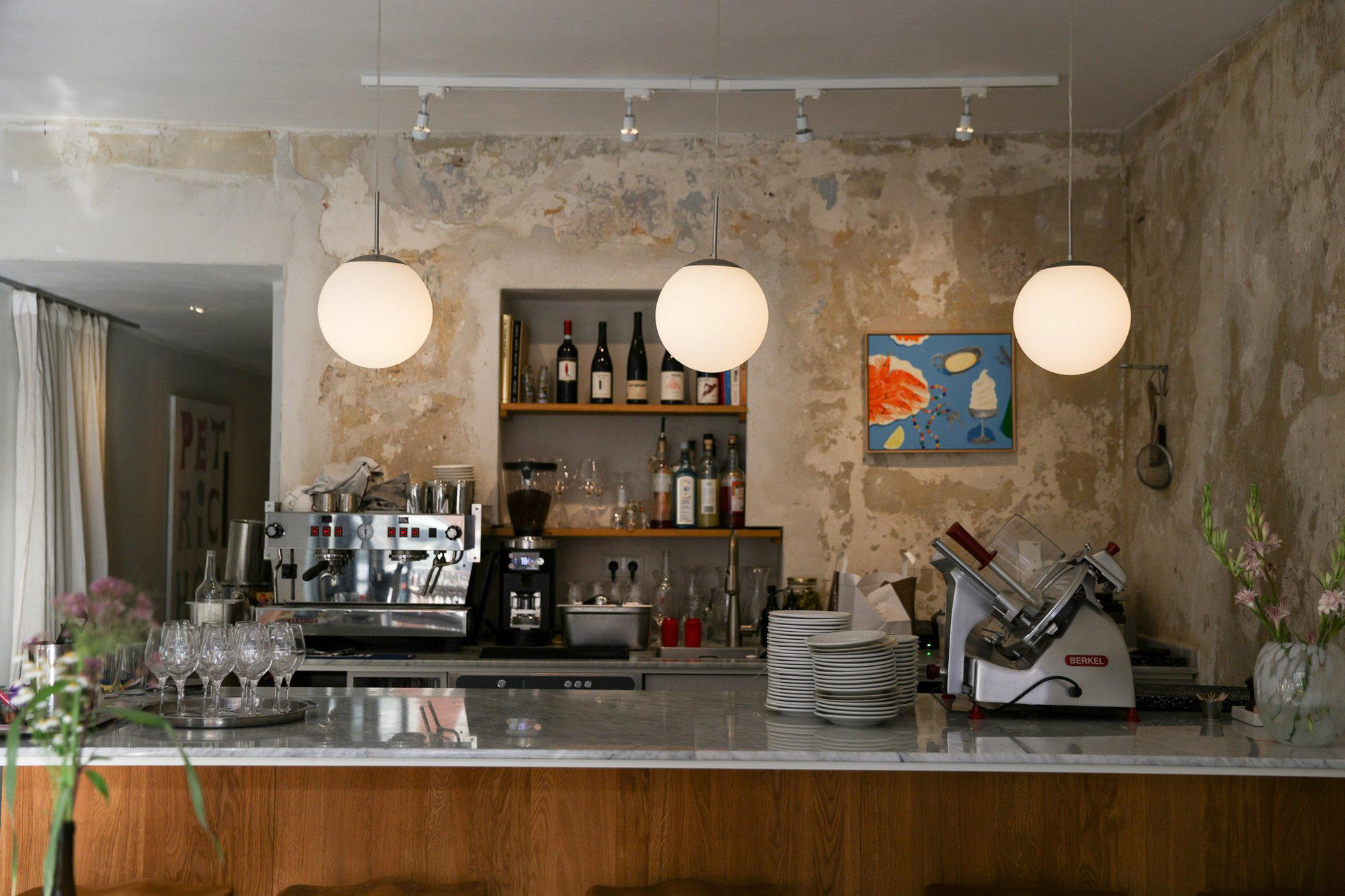
The Bonner Strasse address situates Yame within Cologne's Südstadt, a neighbourhood where independently run restaurants tend toward smaller rooms and a kitchen-led pace rather than the more formal register of the city's established fine dining addresses.
What should I order at Yame?
Given the venue's position in a Cologne neighbourhood known for ingredient-aware cooking, it is worth asking staff directly what is sourced locally or seasonally, that line of inquiry tends to be the most useful guide in this part of the city's dining scene.
Should I book Yame in advance?
Book ahead. Smaller independently operated restaurants in Cologne's Südstadt typically run with limited covers, and the neighbourhood has enough dining demand that walk-in availability at peak hours is not reliable.
Does Yame's location in Cologne's Südstadt reflect a particular dining philosophy?
Bonner Strasse has become one of Cologne's more consistent addresses for owner-operated restaurants that prioritise sourcing and kitchen craft over scale. Venues in this corridor tend to run shorter menus tied to seasonal availability, a structural choice that aligns with how ingredient-led kitchens across Germany manage quality at the top of their offering. Whether Yame operates within exactly that framework is something the venue can confirm directly, but the neighbourhood's track record makes it a credible starting assumption for a first visit.
Price Lens
Comparable venues nearby, for context on price, style, and recognition.
| Venue | Cuisine | Price | Awards | Notes |
|---|---|---|---|---|
| YameThis venue (the venue you are viewing) | Vietnamese Streetfood | $10–20 | Not listed | Not listed |
| Brauerei zur Malzmühle | Traditional Rhineland Brauhaus | $20–30 | Not listed | Altstadt/Nord, Traditional Rhineland Brauhaus |
| 485Grad GmbH (Kyffhäuserstraße) | Neapolitan Pizza | $20–30 | Falstaff Wine Bar - 91 Falstaff Points | Neustadt/Süd, Neapolitan Pizza |
| Tibet Momo | Tibetan | Not listed | Not listed | Neustadt/Nord, Tibetan Momo Bistro |
| Deli Sülz | Mediterranean Deli | $10–20 | Not listed | Sülz, Mediterranean Deli |
| Abang Toto's | Authentic Malaysian Deli | $20–30 | Not listed | Weidenpesch, Authentic Malaysian Deli |
Continue exploring
More in Cologne
Restaurants in Cologne
All restaurants in Cologne →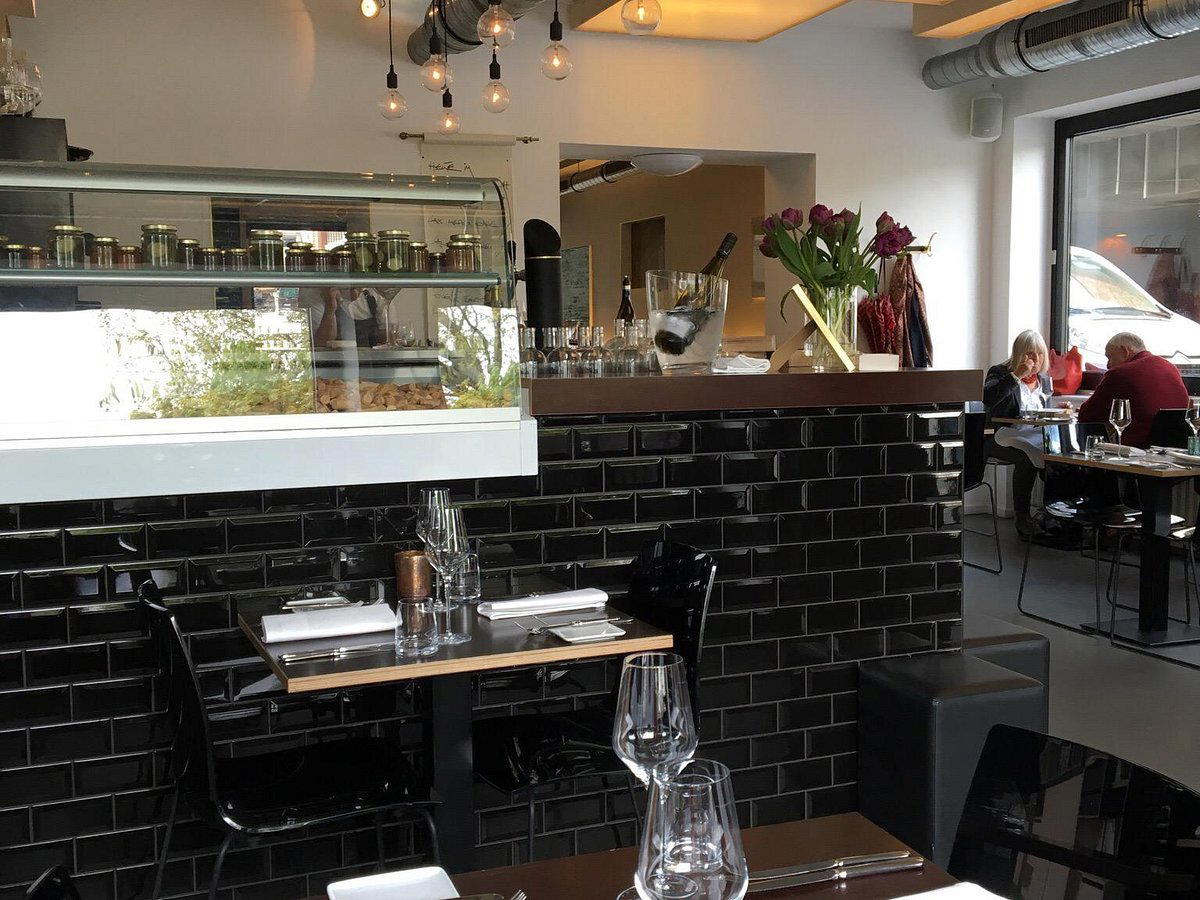
Bars in Cologne
All bars in Cologne →

Details
- Modern
- Cozy
- Casual Hangout
- A La Carte
- Vegan Options
Current opening hours
- Monday
- Closed
- Tuesday
- 12–9 PM
- Wednesday
- 12–9 PM
- Thursday
- 12–9 PM
- Friday
- 12–9:30 PM
- Saturday
- 1–9:30 PM
- Sunday
- 1–5 PM
Hours can change for holidays and private events. Hours as of .
Small nice shop with modern interior and nice ambience.