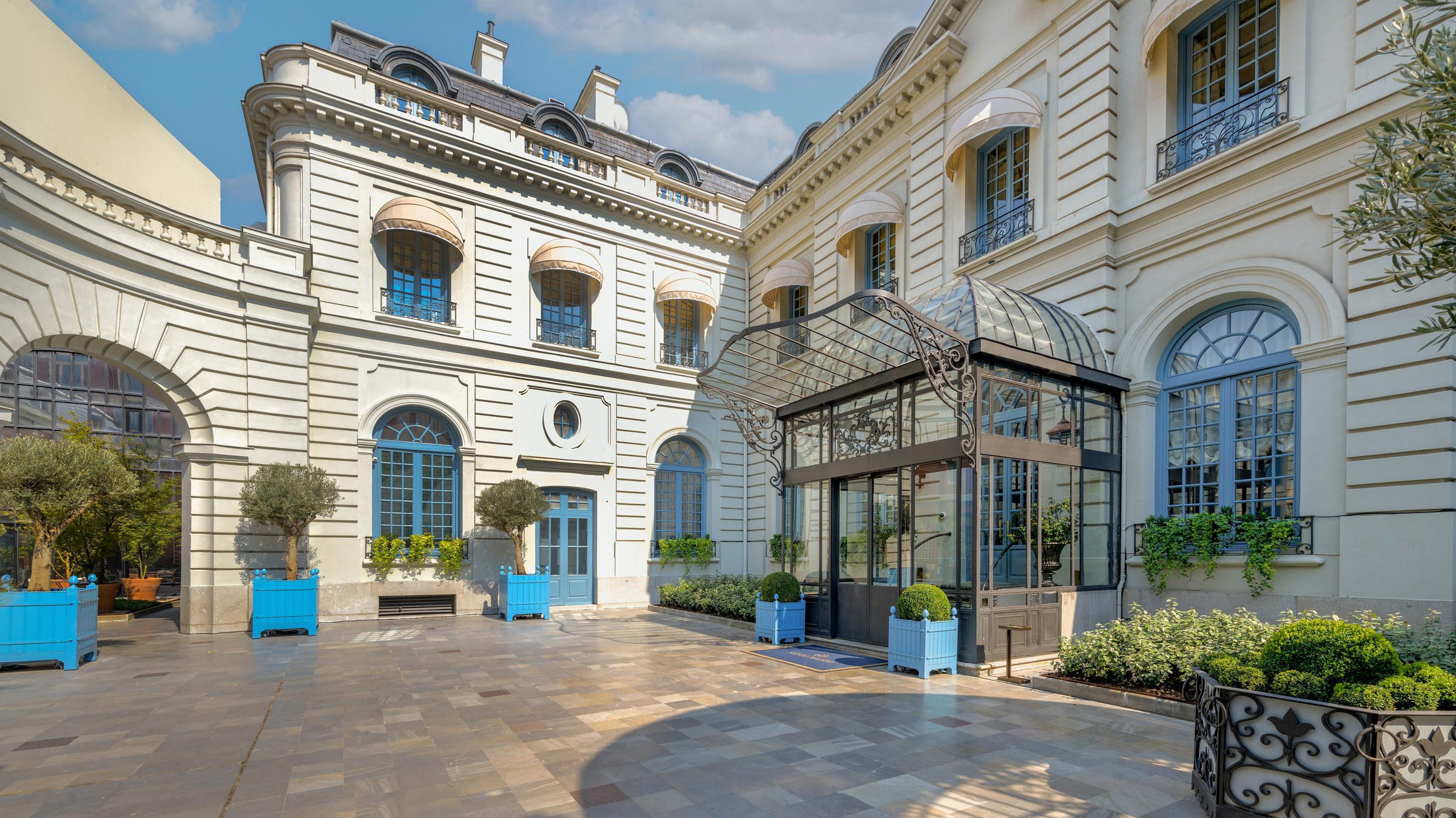
On Paseo de la Castellana in the Salamanca district, El Coleccionista occupies a stretch of Madrid where old-money dining rooms and new-wave Spanish kitchens exist within walking distance of each other. The address alone signals a particular kind of ambition, one that the Salamanca scene has been quietly renegotiating for years. For the curious diner tracking how Madrid's upper tier is evolving, this is a name worth understanding.
Pearl is the En Primeur Club membership app — saves, bookings, and concierge access live there. Same editors, same standards.
- Address
- P.º de la Castellana, 52, Salamanca, 28046 Madrid, Spain
- Phone
- +34911086501
- Website
- grupodanigarcia.com
- Directions
- Get directions
 Saves & bookings on Pearl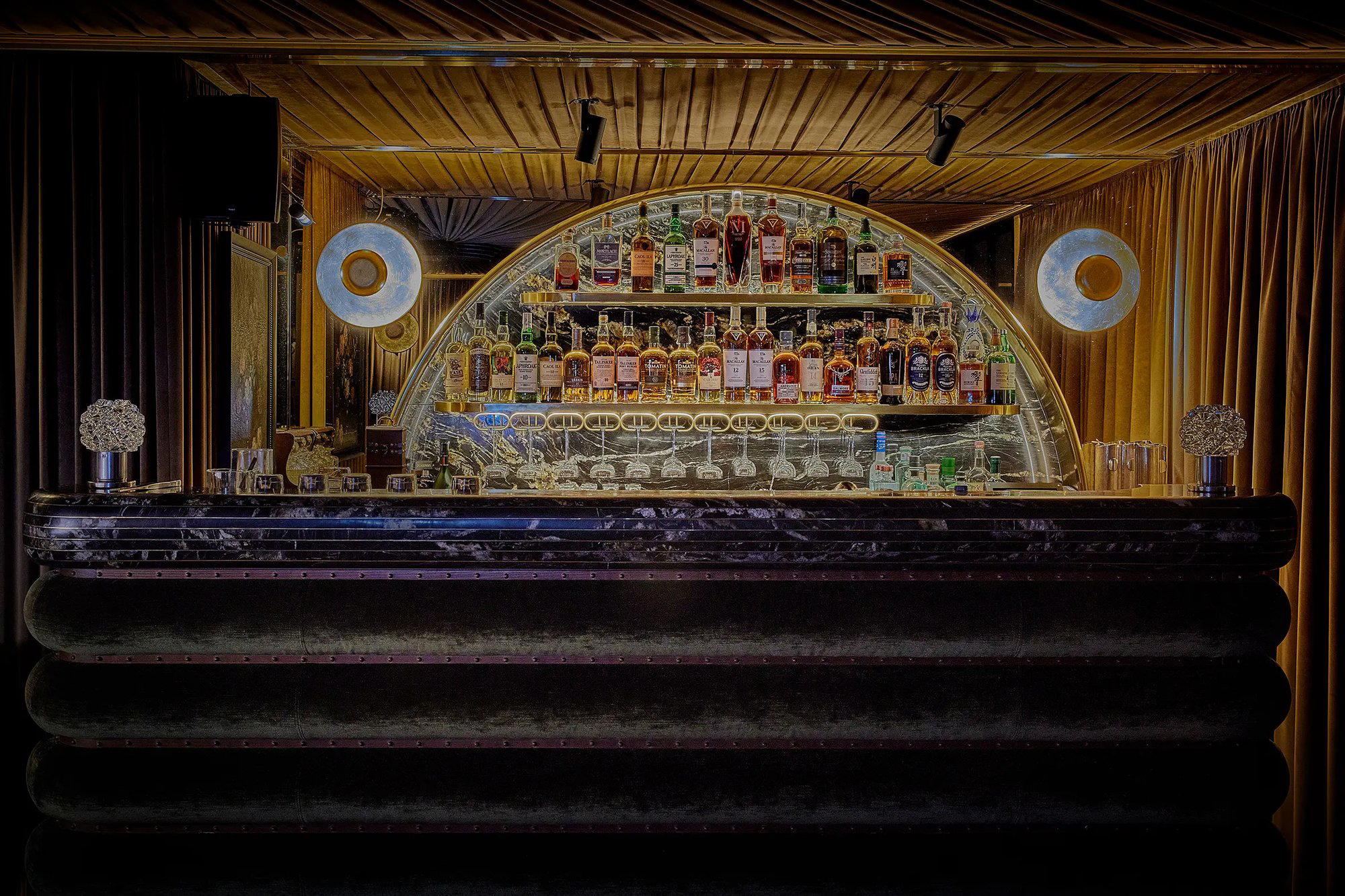
Where Castellana Meets Reinvention
Paseo de la Castellana has always carried a certain weight in Madrid's dining imagination. The boulevard that bisects the city's northern spine has hosted everything from old-guard Castilian roasting houses to sleek contemporary rooms, and the Salamanca district that flanks it has long been the city's most expensive postcode for both real estate and restaurant ambition. El Coleccionista, at number 52, sits inside that tension: a Castellana address that implies formal dining tradition, at a moment when that tradition is being renegotiated across Spain's premium restaurant tier.
The name itself, The Collector, suggests an editorial stance rather than a culinary formula. In a city where particularly discussed openings tend to anchor themselves to a single chef's identity or a defined technique, a name that implies accumulation and curation is a deliberate choice. Whether that refers to ingredients, influences, or guests depends on the lens you bring to it.
The Salamanca Context
Madrid's fine dining has historically concentrated in two modes: the modernist-creative bracket, anchored by operators like DiverXO and DSTAgE, and a more classically rooted Spanish register represented by rooms such as Coque or Deessa. The Salamanca district has, for much of the past two decades, leaned toward the latter: rooms where the cooking is assured, the wine lists are serious, and the pace of service respects the duration of a long lunch.
What has changed in Salamanca, and across Spain's upper-tier dining more broadly, is the pressure to define a position. Diners who might once have been satisfied with technically correct classical cooking now expect either a clear point of view or access to something they cannot find elsewhere. The venues that have thrived in this environment are those that found a way to renew without abandoning the hospitality grammar their clientele expected. It is a narrower brief than it sounds.
For broader reference, Spain's most decorated dining rooms, from El Celler de Can Roca in Girona to Arzak in San Sebastián and Azurmendi in Larrabetzu, have each navigated versions of this same question: how to hold a long-term audience while remaining legible to a new generation of serious diners. The answer, in almost every case, has involved formal reinvention without formal rupture.
Evolution as the Defining Frame
The editorial angle that matters most when thinking about El Coleccionista is not what it is today in isolation, but how an address and concept on this stretch of Castellana positions itself within a dining scene that has been in active, documented transition. Madrid's premium tier has contracted and sharpened over the past decade. The middle ground, ambitious cooking without a defined identity, has become harder to sustain commercially. What survives in the Salamanca bracket tends to be either well-established (with a loyal clientele that predates the current critical conversation) or distinctly repositioned for the present moment.
El Coleccionista's name, and the register it implies, suggests a venue attempting the second of those two paths. The collector archetype in dining terms is a sophisticated host figure: someone who assembles rather than invents, who finds value through selection and sequence rather than through novelty alone. In practice, rooms that adopt this posture often build around wine programs, seasonal ingredient sourcing, or a format that privileges the table's rhythm over the kitchen's virtuosity. Any of those approaches would be coherent for a Castellana address in the current moment.
Across Spain, the chefs and rooms that have managed genuine reinvention, Mugaritz in Errenteria, Quique Dacosta in Dénia, Martin Berasategui in Lasarte-Oria, have done so by making the evolution legible to the guest. The pivot is not hidden; it is part of the narrative the room tells. Whether the restaurant is early in that process or has already arrived at a settled identity is a question that rewards a direct visit over secondhand analysis.
Madrid's Broader Creative Tier
Placing the restaurant within Madrid's competitive set requires acknowledging that the city's creative tier is both dense and increasingly specific. Paco Roncero operates in the technical-avant-garde register; Deessa brings a hotel-anchored modern Spanish approach; Coque works the Spanish-creative bracket with notable critical recognition. A room on Castellana that positions itself as a collector of influences or experiences is implicitly asking diners to evaluate it against all of those, while also holding its own against the Spanish fine dining circuit that extends to Cocina Hermanos Torres in Barcelona, Ricard Camarena in València, Aponiente in El Puerto de Santa María, and Atrio in Cáceres.
Internationally, the rooms that have built durable reputations around curation over showmanship, Le Bernardin in New York City, Atomix in New York City, demonstrate that the collector posture can generate serious critical weight when the execution is consistent across seasons. The format demands patience and depth rather than spectacle, and the dining rooms that pursue it tend to build audiences through word of mouth and return visits rather than through opening-night attention.
Planning Your Visit
The restaurant is located at Paseo de la Castellana 52, in the Salamanca district of Madrid, postcode 28046. The address is well-served by the city's metro network, with Rubén Darío and Gregorio Marañón stations within comfortable walking distance. For a Castellana dining room at this tier, a reservation in advance is the practical default; walk-in availability at premium rooms along this corridor is limited, particularly at weekend lunchtimes, which remain the prestige meal occasion in Madrid's formal dining culture. Checking the current booking channel before planning is one reliable approach.
Cuisine and Awards Snapshot
Comparable venues nearby, for context on price, style, and recognition.
| Venue | Cuisine | Price | Notes |
|---|---|---|---|
| El ColeccionistaThis venue — the venue you are viewing | Gastronomic Cocktails | $$$ | Not listed |
| Pampeano Asador Argentino | Argentine Asador Parrilla | $$$ | Palos de Moguer |
| Salmon Guru | Eclectic Cocktail Bar with Small Plates | $$$ | Barrio de las Letras |
| Piri Piri al Carbón | Portuguese Charcoal-Grilled Chicken | $$ | Ciudad Jardin |
| Ponja Nikkei | Nikkei Peruvian-Japanese Fusion | $$$ | Chueca |
| Azotea del Círculo | Modern Spanish Mediterranean with Tapas | $$$ | Cortes |
Continue exploring
More in Madrid
Restaurants in Madrid
Browse all →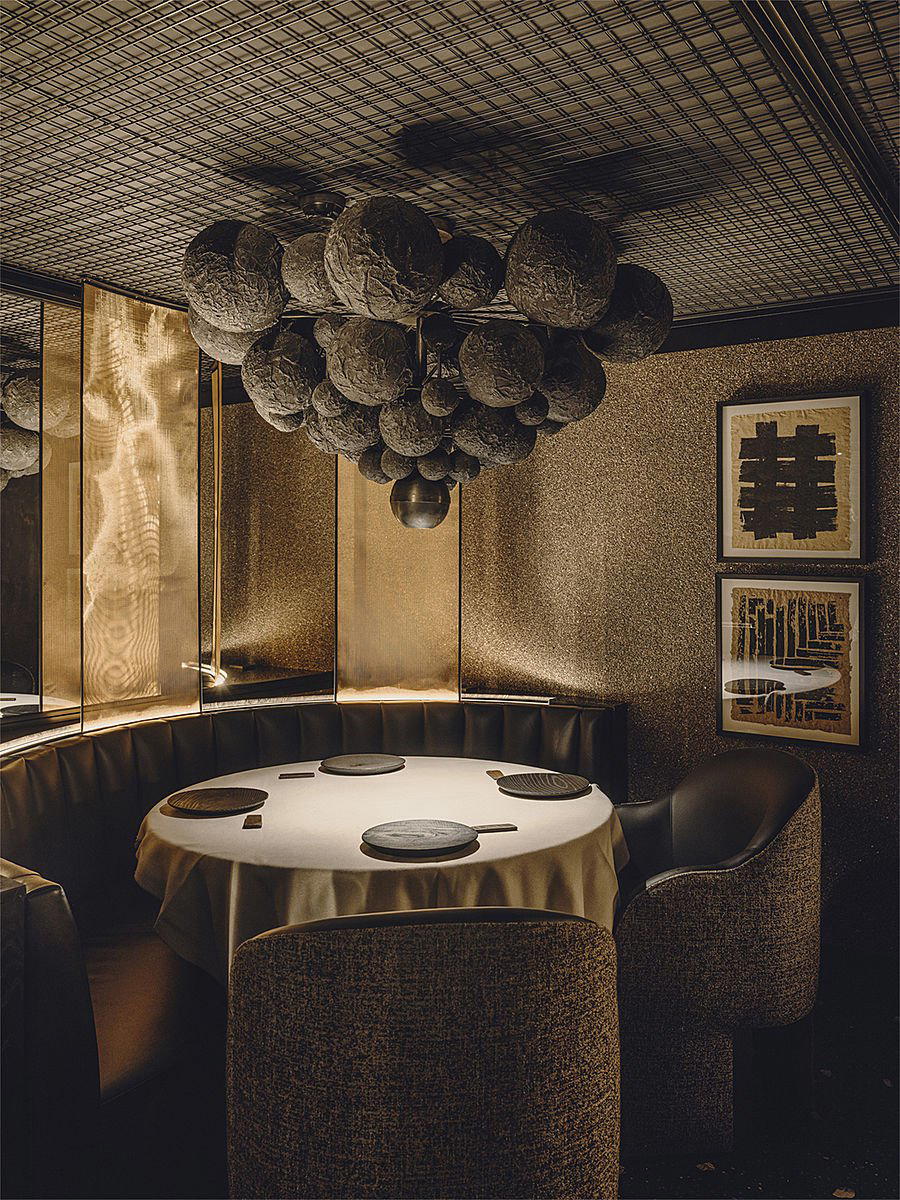

At a Glance
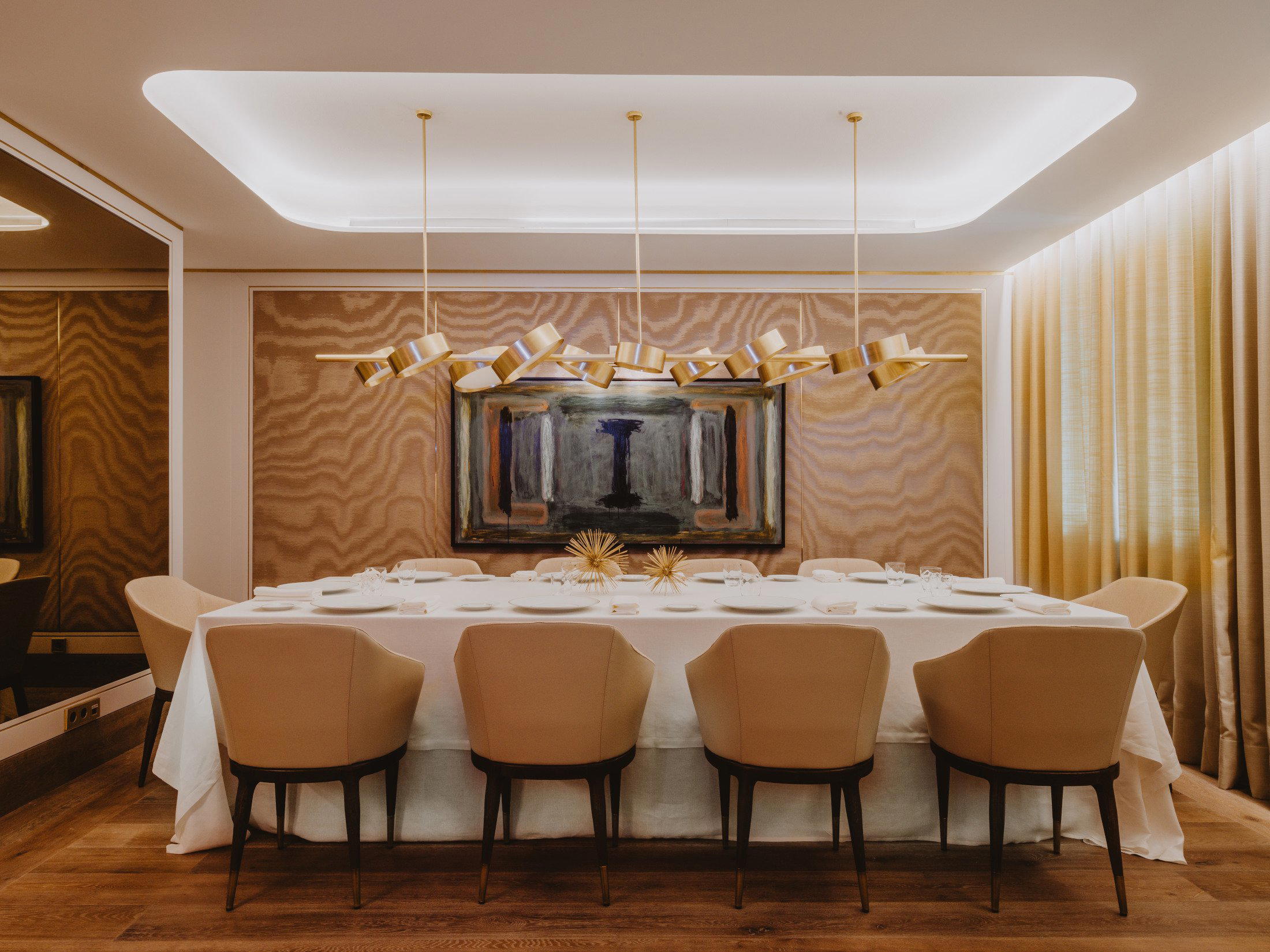
- Sophisticated
- Elegant
- Trendy
- Date Night
- Casual Hangout
- Design Destination
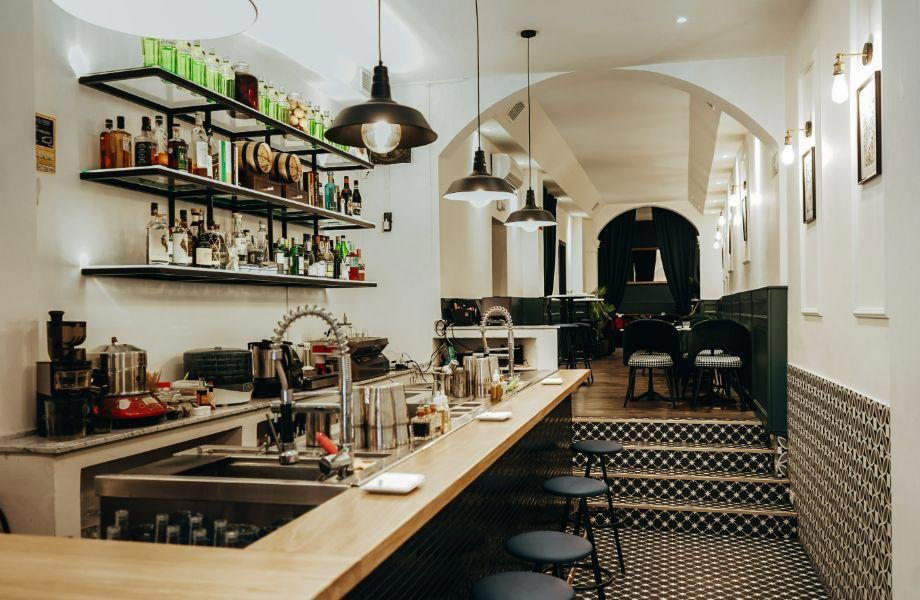
- Craft Cocktails
Current opening hours
- Monday
- Closed
- Tuesday
- 6 PM–2 AM
- Wednesday
- 6 PM–2 AM
- Thursday
- 6 PM–2 AM
- Friday
- 6 PM–2 AM
- Saturday
- 4 PM–2 AM
- Sunday
- 4 PM–2 AM
Hours can change for holidays and private events. Last verified .
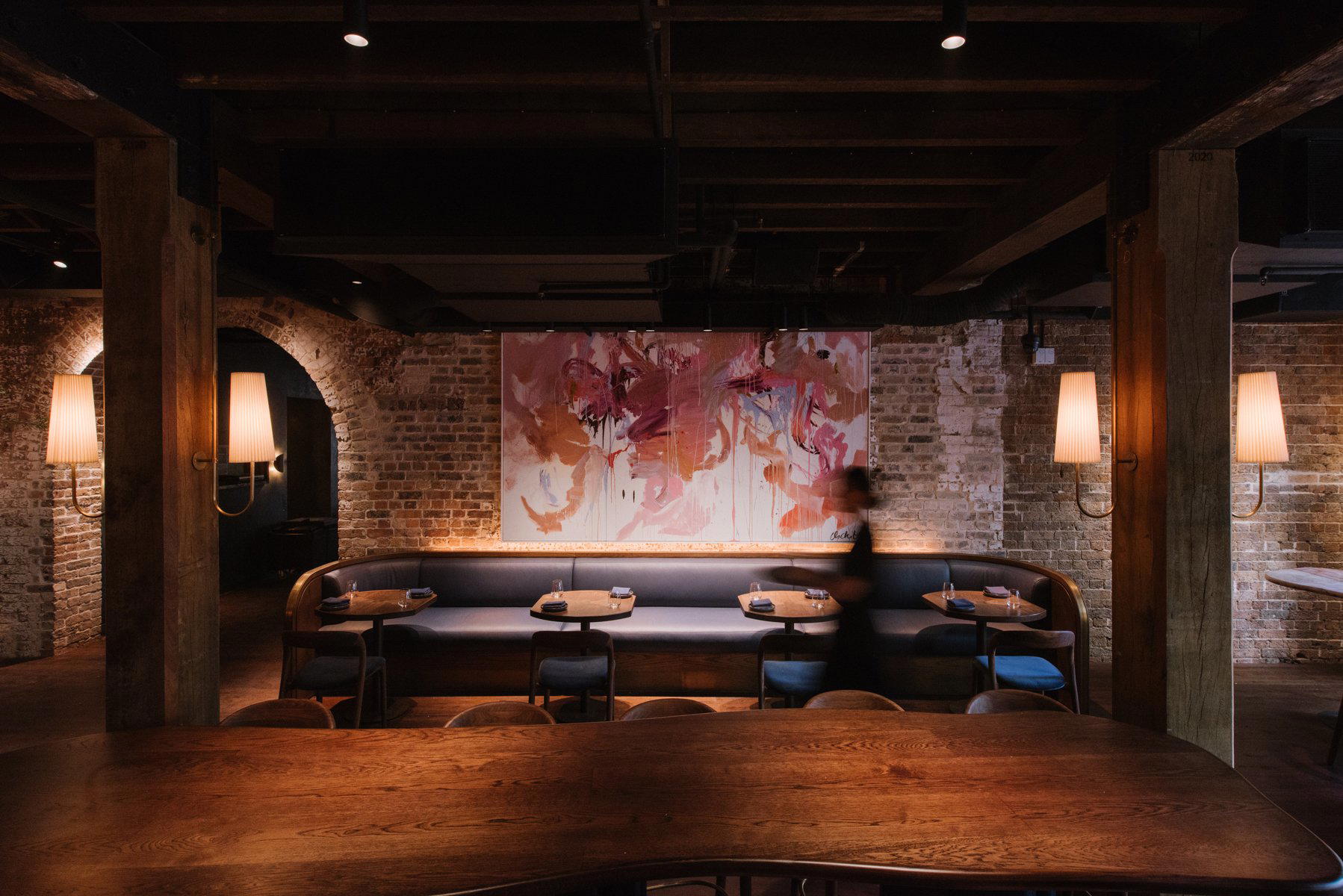
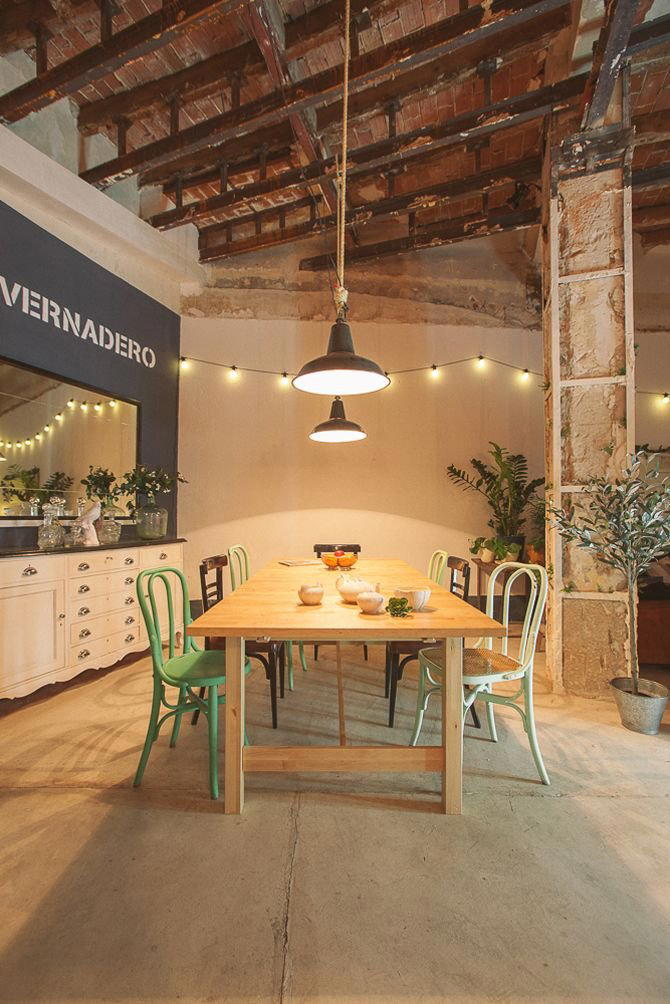
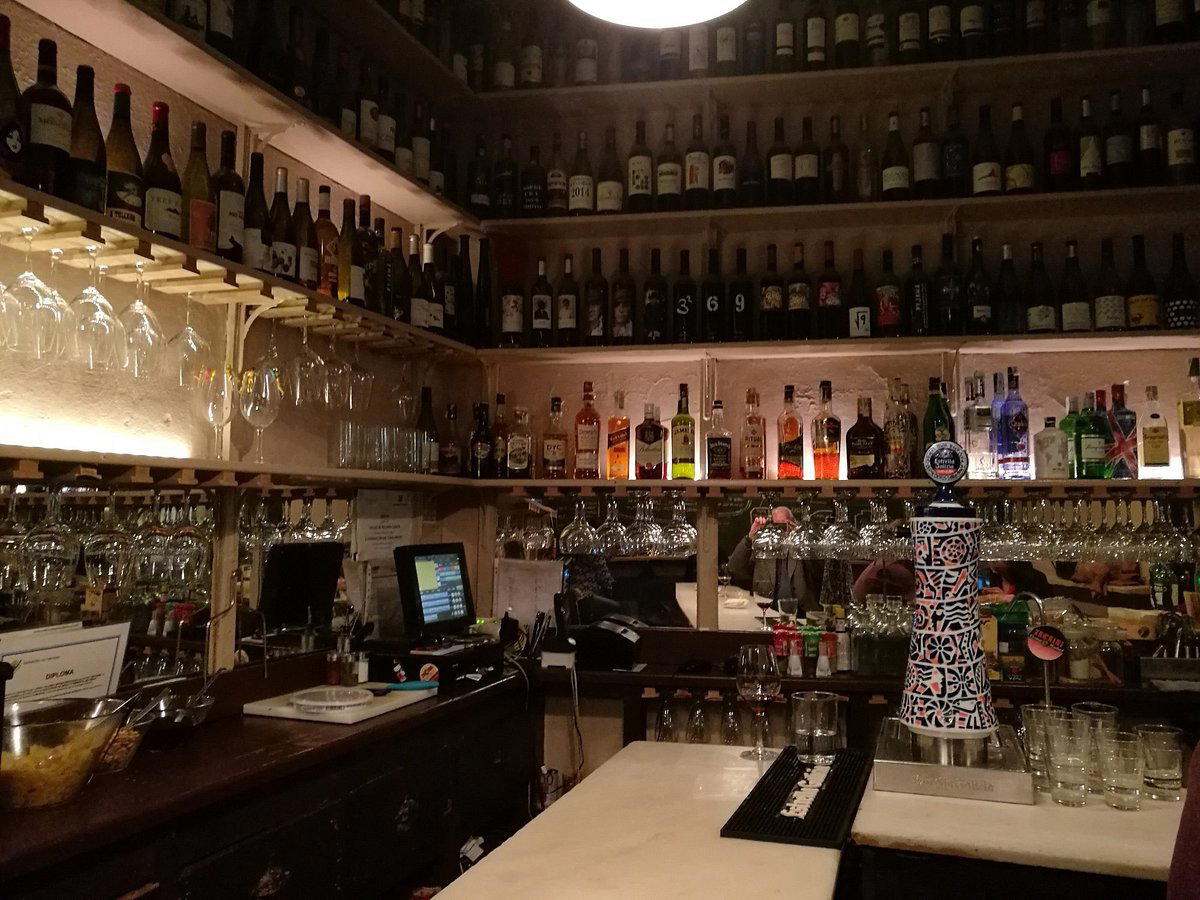
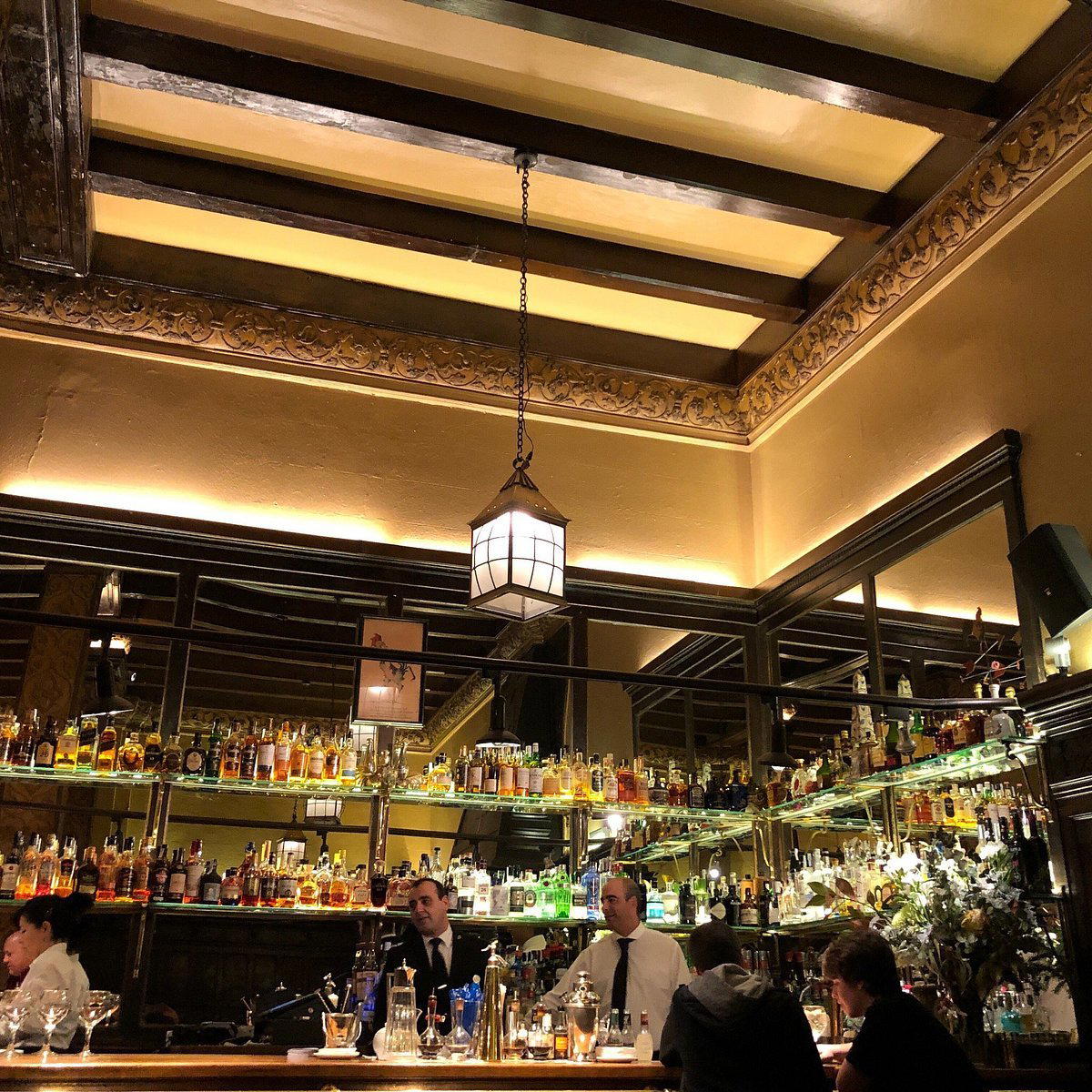
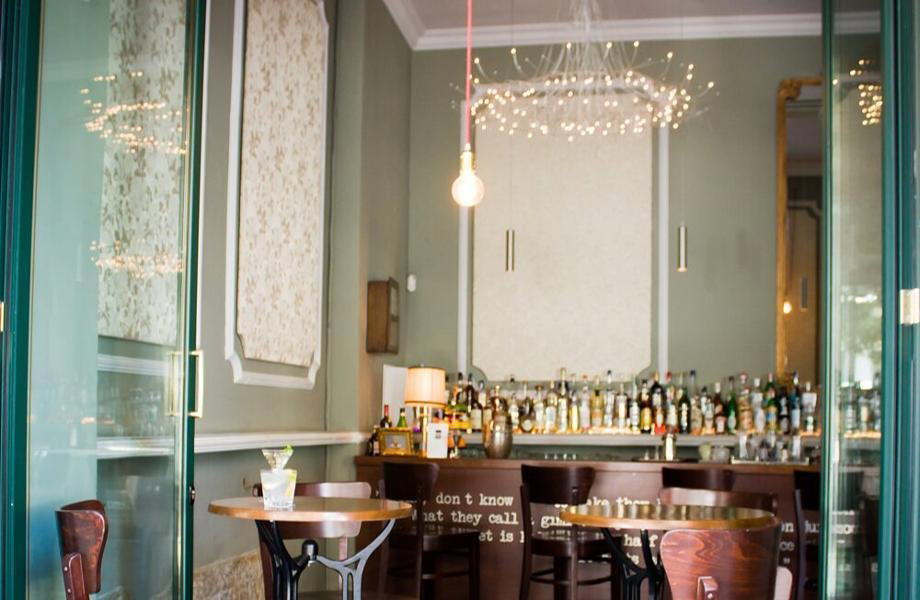
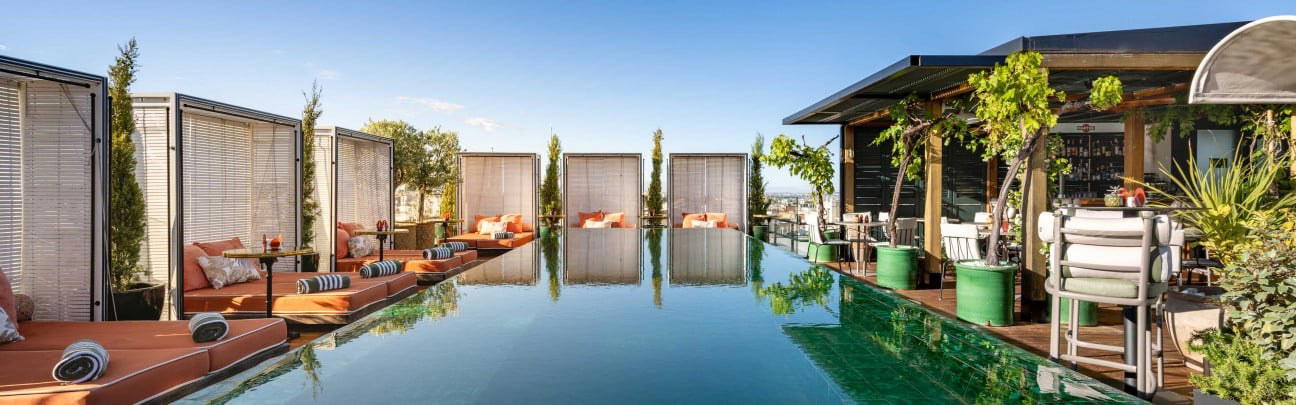
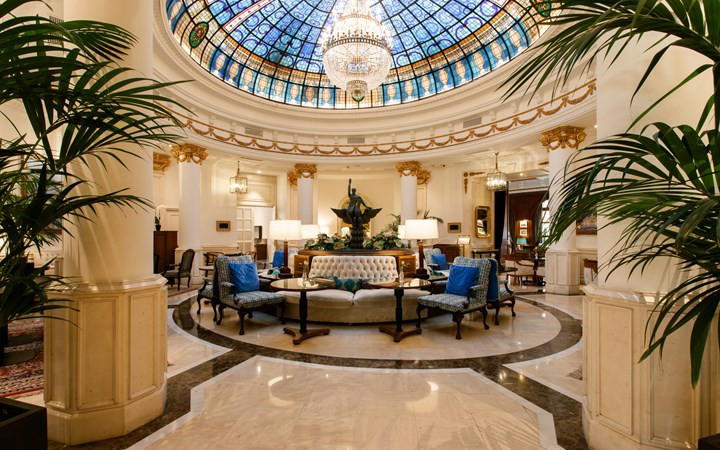
Chic and subtle atmosphere with sophisticated lighting highlighting creative cocktails as works of art.