Ponja Nikkei brings the Peruvian-Japanese fusion tradition to Madrid's Centro district, addressing a niche that the capital's fine-dining circuit has largely left to a handful of specialists. Situated on Calle de Santa Teresa, the address places it within reach of the Alonso Martínez and Chueca neighbourhoods, where a loyal local following tends to return for the precision and restraint that define credible Nikkei cooking rather than novelty alone.
Pearl is the En Primeur Club membership app — saves, bookings, and concierge access live there. Same editors, same standards.
- Address
- Calle de Sta. Teresa, 16, Centro, 28004 Madrid, Spain
- Phone
- +34914456945
- Website
- ponjanikkei.es
- Directions
- Get directions
 Saves & bookings on Pearl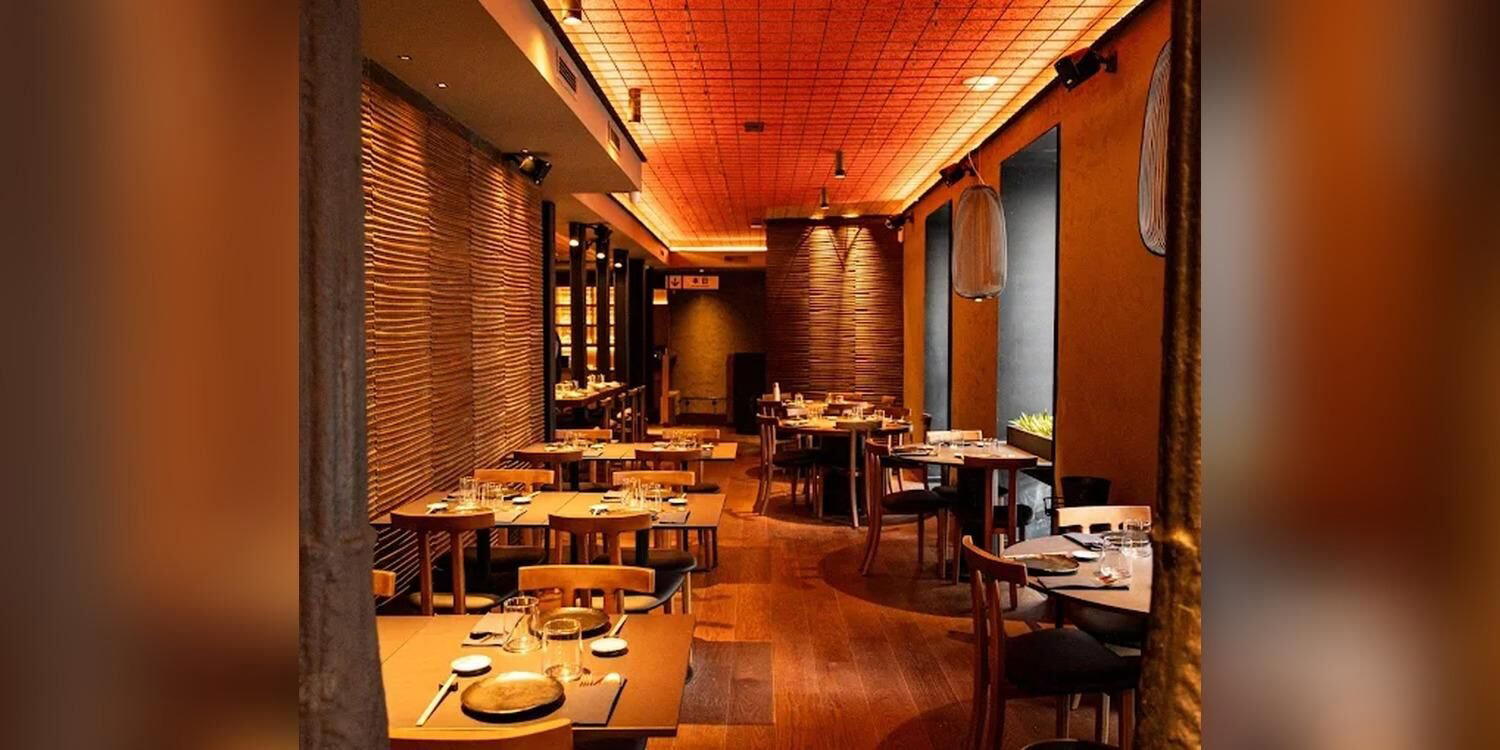
A Tradition That Travels Well
Nikkei cuisine, the culinary fusion born from Japanese immigration to Peru in the late nineteenth century, has spent decades earning serious recognition in Lima before radiating outward to cities with sophisticated enough palates to receive it properly. Madrid, which has developed one of Europe's more concentrated clusters of high-ambition restaurants over the past two decades, now hosts several addresses working in this register. The question with any Nikkei outpost outside Lima is whether it treats the tradition as a framework or as a costume. The counters and restaurants that hold their regulars do the former: they understand that the discipline comes from the Japanese side and the acidity, heat, and produce logic come from the Peruvian side, and that neither can be decorative.
Ponja Nikkei, on Calle de Santa Teresa in the Centro district, operates within this more serious category. The address, in Madrid's Centro district, is not a destination neighbourhood in the way that the high-profile Madrid fine-dining circuit tends to cluster further south or west. That positioning, slightly off the trophy-restaurant axis, tends to self-select for a repeat clientele rather than a first-night-in-town crowd, which often produces a dining room with more regulars per table than newcomers.
What Regulars Come Back For
The logic of the regular in a Nikkei restaurant is worth understanding. Unlike a single-cuisine tasting-menu format where the repertoire rotates seasonally and rewards infrequent visits, a well-run Nikkei kitchen builds a core of preparations, ceviche in its tiradito form, nigiri and temaki adapted to Peruvian ingredients, causas and anticuchos cross-referenced against Japanese technique, that improve in the eating once you understand them as a system rather than as individual dishes. Regulars at this type of address often describe the experience of returning as cumulative: each visit sharpens the ability to read what the kitchen is doing and where the kitchen's confidence lies.
Madrid's Nikkei scene is smaller and less institutional than its counterpart in London or New York, which means the better addresses here operate with shorter menus and tighter sourcing windows than a large-format Nikkei in either of those cities. That compression, when handled well, is an advantage. It keeps the kitchen focused and gives the loyal diner a clear picture of what the address does consistently, as opposed to what it can do occasionally under the right conditions.
In the broader Madrid dining context, Ponja Nikkei occupies a different tier from the city's most-decorated addresses. Venues such as DiverXO (Progressive - Asian, Creative), Coque (Spanish, Creative), Deessa (Modern Spanish, Creative), DSTAgE (Modern Spanish, Creative), and Paco Roncero (Creative) command major attention and the corresponding price structure. Ponja Nikkei sits in a different register: a specialist address for a specific culinary tradition rather than a showcase of Spanish avant-garde ambition. The two tiers serve different purposes for the same diner on different evenings, and the loyal clientele at a Nikkei specialist is rarely the same crowd chasing tasting menus at the summit of the Michelin bracket.
The Setting and the Room
The Centro district in Madrid carries a different energy from the polished northern barrios. Calle de Santa Teresa is a residential-commercial street that does not perform for tourists, which is largely why addresses here build their audience through word of mouth and return visits rather than through guidebook placement. A room that fills mid-week with tables of two and four, people who clearly know the menu and have preferences among it, reads differently from a room filling with first-timers consulting printed menus at length. The former signals that the kitchen has earned trust over time.
For context on how specialist cuisines build this kind of following in dense urban markets: in cities like New York, addresses such as Atomix in New York City and Le Bernardin in New York City represent the ceiling of their respective specialist traditions, Korean tasting-menu format and French seafood technique, and both built their reputations through a core of regulars who returned often enough to become part of the institutional identity of the room. Smaller-format specialists in other cities follow the same pattern at a lower intensity.
Nikkei in the Spanish Context
Spain's broader fine-dining geography rewards visits well beyond Madrid. El Celler de Can Roca in Girona, Arzak in San Sebastián, Azurmendi in Larrabetzu, Martin Berasategui in Lasarte-Oria, and Mugaritz in Errenteria define the country's northern axis of culinary seriousness. The coastal addresses, Aponiente in El Puerto de Santa María, Quique Dacosta in Dénia, and Ricard Camarena in València, anchor Mediterranean produce-led traditions. Cocina Hermanos Torres in Barcelona and Atrio in Cáceres round out a picture in which Madrid's own scene is dense but not the country's only reference point.
Within that national context, Nikkei as a tradition sits outside the dominant Spanish-produce, Spanish-technique axis. That is partly its appeal for the Madrid diner who already knows the country's flagship restaurants and wants something that operates from a different set of rules. Peruvian-Japanese cooking is not a novelty in 2024 in the way it was a decade ago in European cities, which means the restaurants now practising it are no longer being evaluated on the curiosity of the concept but on the quality of the execution. That shift benefits the serious specialist and weeds out those who were trading on category novelty alone.
Side-by-Side Snapshot
Comparable venues nearby, for context on price, style, and recognition.
| Venue | Cuisine | Price | Notes |
|---|---|---|---|
| Ponja NikkeiThis venue — the venue you are viewing | Nikkei Peruvian-Japanese Fusion | $$$ | Not listed |
| Navaja Restaurante | Asian-Peruvian Fusion | $$$ | Malasana |
| Nakeima | Asian-Iberian Fusion Omakase | $$$ | Gaztambide |
| Panamera Madrid | Spanish-Latin American Fusion | $$$ | Rios Rosas |
| Loca Obsesión | Fusion Brunch | $$$$ | Sol |
| Canaima Grill Fusión | Venezuelan Fusion Grill | $$ | Butarque |
At a Glance
- Modern
- Elegant
- Minimalist
- Trendy
- Date Night
- Special Occasion
- Open Kitchen
- Craft Cocktails
Current opening hours
- Monday
- 1:30–4 PM, 8–11 PM
- Tuesday
- 1:30–4 PM, 8–11 PM
- Wednesday
- 1:30–4 PM, 8–11 PM
- Thursday
- 1:30–4 PM, 8–11 PM
- Friday
- 1:30–4 PM, 8 PM–12:30 AM
- Saturday
- 1:30 PM–12:30 AM
- Sunday
- 1:30–11 PM
Hours can change for holidays and private events. Last verified .
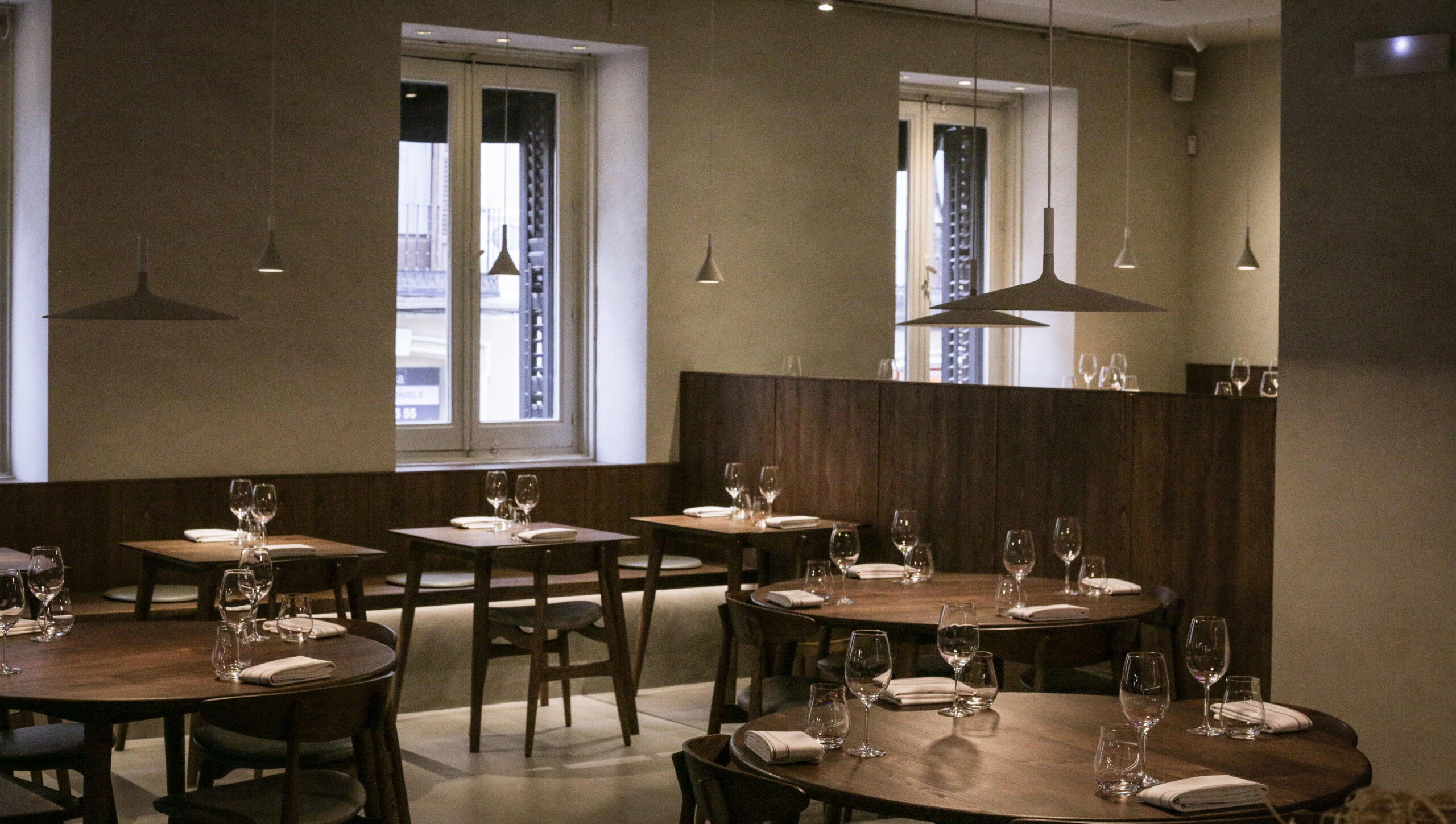
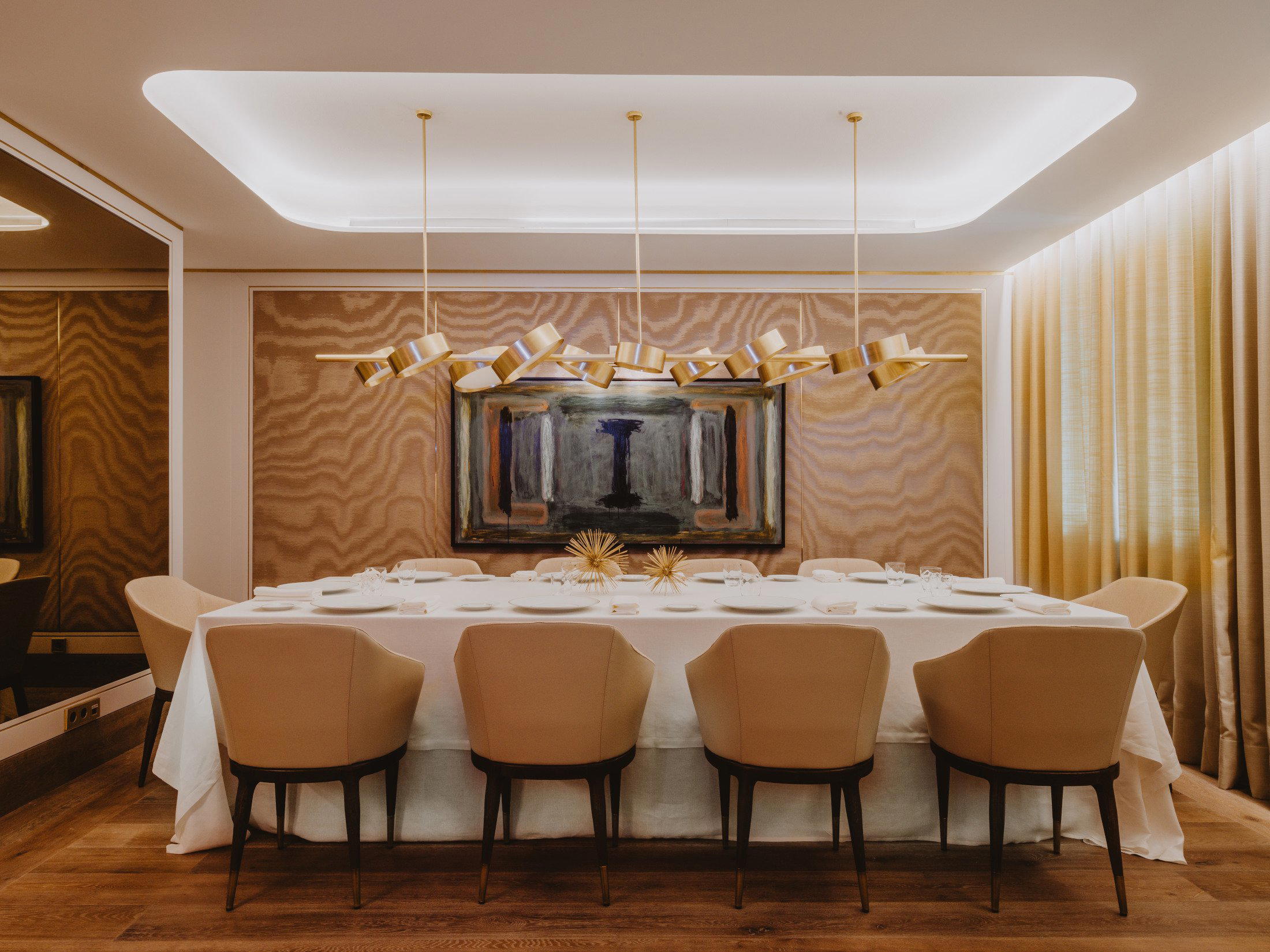
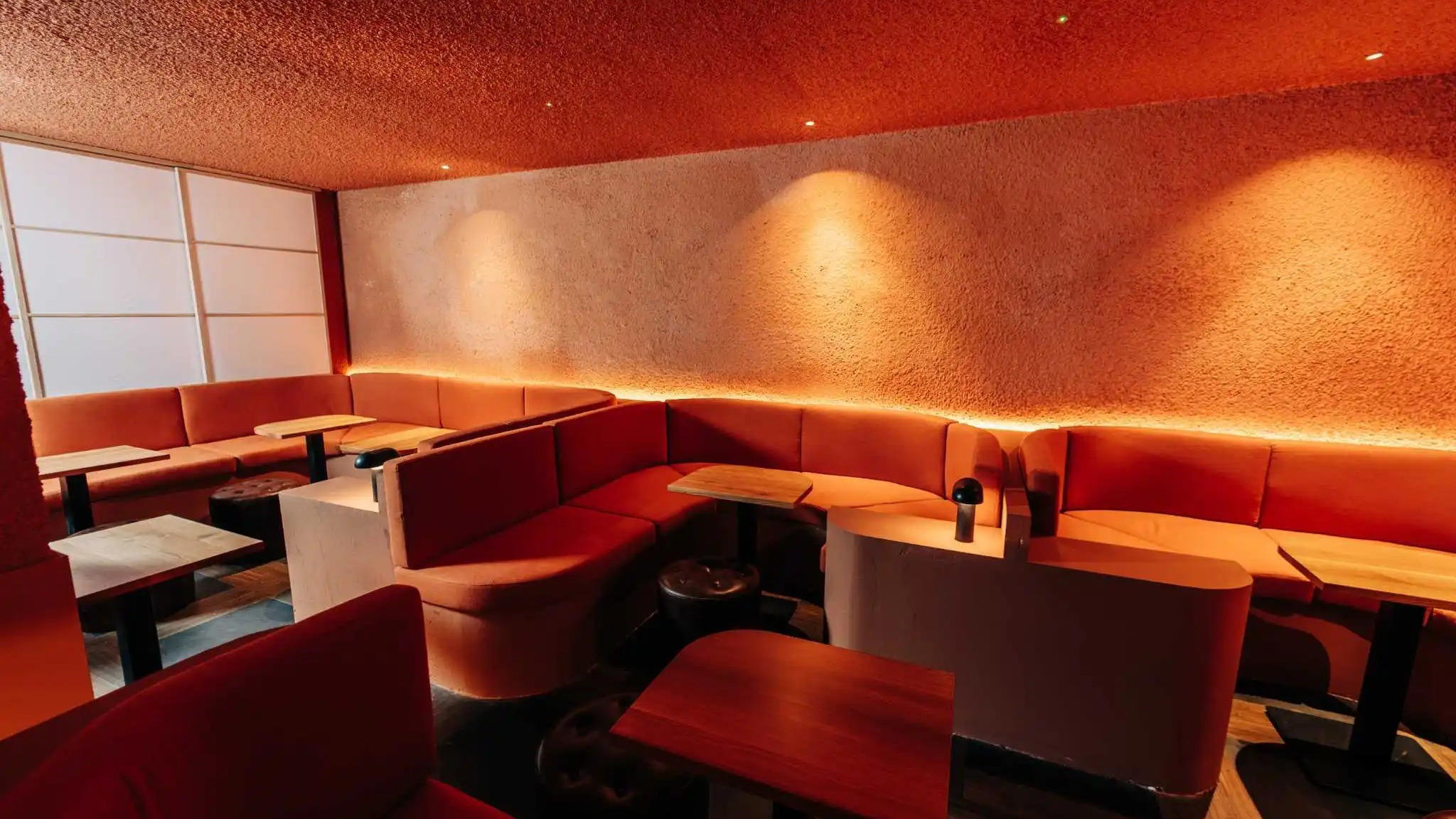
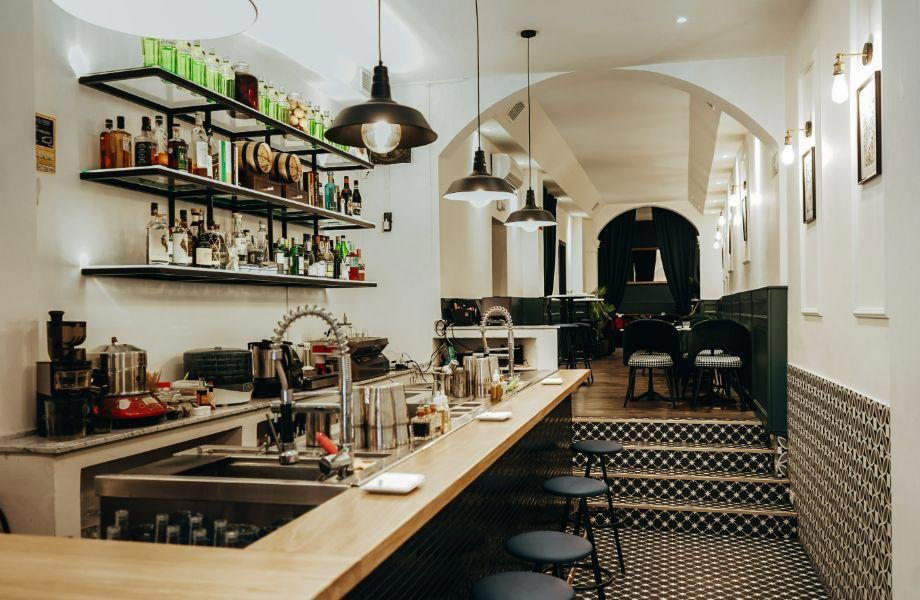
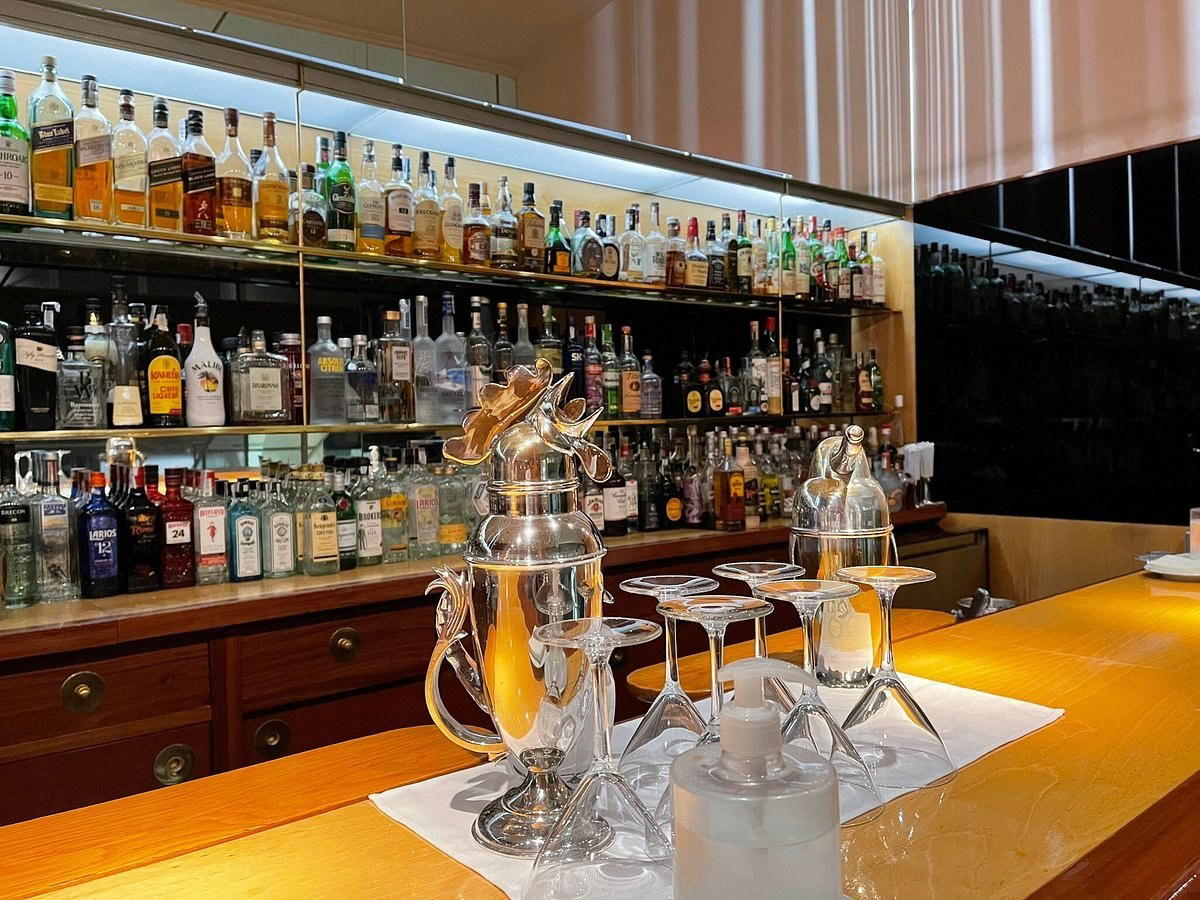
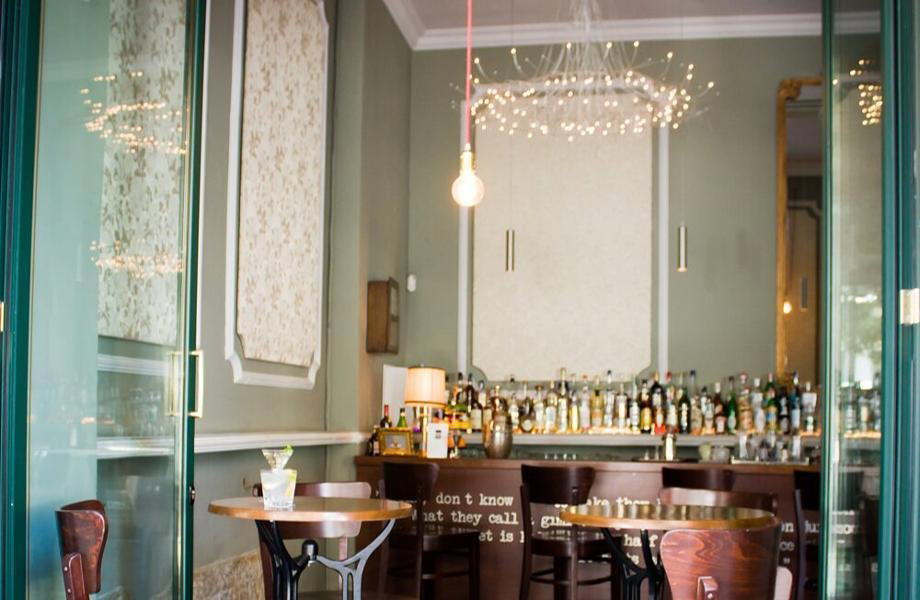
Comfortable minimalist interior with elegant decoration, nice atmosphere inviting sharing, somewhat dark in back areas.