Eiraku sits within Ibaraki's quietly serious dining scene, where ingredient provenance carries more weight than spectacle. Without the noise of a Tokyo address, the restaurant operates in a register that rewards attention: considered sourcing, deliberate cooking, and a format shaped by the rhythms of the surrounding region. For those tracing Japan's regional dining depth beyond the obvious cities, Ibaraki offers a compelling case.
Pearl is the En Primeur Club membership app — saves, bookings, and concierge access live there. Same editors, same standards.
- Address
- Gunma, Japan
- Directions
- Get directions
 Saves & bookings on Pearl
Ibaraki's Quiet Case for Serious Eating
Japan's regional dining has long operated on a logic that escapes casual visitors: some of the country's most considered cooking happens at a remove from the Michelin-dense corridors of Tokyo and Osaka. Ibaraki, pressed between the Pacific coast and the Kanto plain, grows a disproportionate share of what Japan eats. It ranks among the country's leading agricultural prefectures, producing natto, lotus root, sweet potato, and an ocean catch that reaches Tokyo's Tsukiji and Toyosu markets before most of the capital's restaurants can claim it locally. Against that backdrop, a restaurant in Ibaraki that takes ingredient sourcing seriously is working with material advantages that no urban address can replicate at the same proximity.
Eiraku is a restaurant in Ibaraki serving Traditional Chuka Soba Ramen at a price tier of about $10 per person. The restaurant's position in Ibaraki places it inside a food-producing region rather than at the consumer end of a long supply chain, and that distinction shapes what arrives on the plate more than any single technique or stylistic choice could. Where a comparable Tokyo counter might source Ibaraki produce with a two-day lag and a wholesale markup, a restaurant rooted in the prefecture can work with suppliers whose farms and fishing boats are within driving distance.
What Sourcing Looks Like This Close to the Source
The argument for ingredient-led cooking collapses quickly when the sourcing story is theoretical rather than operational. In Ibaraki's case, the geography makes it credible. The prefecture's Pacific coastline yields hirame (Japanese flounder), ankou (monkfish, for which the Ibaraki coast has a documented regional reputation, particularly around Hitachi and Oarai), and shellfish that move through local markets before any metropolitan distributor enters the picture. On the agricultural side, Ibaraki's sandy coastal soils produce sweet potatoes and vegetables that appear on menus across Japan, often stripped of their origin story by the time they reach the plate.
A restaurant working inside that supply geography can, in principle, do what even well-resourced urban kitchens struggle to achieve: build a menu around what is genuinely ready rather than what is reliably available. That distinction, between readiness and availability, is where regional Japanese cooking at its most serious departs from its metropolitan counterpart. Restaurants like Harutaka in Tokyo and Gion Sasaki in Kyoto have built reputations partly on that kind of seasonal precision, but they do so at a distance from the source that requires more infrastructure and more compromise.
Ibaraki's Dining Scene: Smaller Footprint, Deliberate Choices
Ibaraki does not have the concentrated dining density of a city like Fukuoka, where Goh operates inside a well-documented regional fine dining ecosystem, or Osaka, where HAJIME commands international attention. What Ibaraki has instead is a smaller, more deliberate set of restaurants whose positioning reflects local rather than tourist logic. The dining room fills with guests who are there by choice and familiarity rather than by the momentum of a travel itinerary.
Within Ibaraki's restaurant set, the positioning spread is visible. Nonna Nietta, an Italian and pasta option in the city, operates in the JPY 10,000 to JPY 14,999 range, anchoring a mid-tier that serves regulars seeking something considered but not ceremonial. At the other end, YOSHIKI FUJI pushes into the JPY 20,000 to JPY 29,999 bracket with an innovative format that signals a different level of culinary ambition. La Stalla and Yoshicho round out a scene that, read together, suggests a city with genuine dining range rather than a single category dominating the options. Eiraku sits within this local ecosystem, part of a dining culture that has developed on its own terms rather than as a satellite of metropolitan fashion.
That pattern appears across Japanese regional dining. In Nara, akordu demonstrates how a non-capital city can support serious cooking with an international frame of reference. Further afield, destinations like Nanao, Takashima, and Nishikawa Machi host restaurants whose quality is only legible if you've moved past the assumption that fine dining requires a major urban postcode. For comparison points outside Japan, the same logic applies to how Le Bernardin in New York City or Atomix anchor their respective urban dining ecosystems, while regional restaurants quietly do work that doesn't need a Manhattan address to be worth attention.
Planning a Visit
Ibaraki is accessible from Tokyo via the Joban Line or Joso Line depending on the specific city within the prefecture, with journey times from the capital typically in the one-to-two-hour range for most of the prefecture's population centers. That proximity makes Ibaraki viable as a day trip from Tokyo for guests willing to eat on regional time rather than tourist time. For a broader view of what Ibaraki's dining scene offers,
Timing a visit around that window, if Eiraku's format engages with local seafood traditions, can add a seasonal dimension that a visit in summer or early autumn would not replicate.
Other restaurants with similar regional-sourcing credentials worth cross-referencing include a Sapporo counterpart working Hokkaido's own produce depth, and Birdland in Sakai and Bistro Ange in Toyohashi, both of which operate in secondary cities with their own supply-chain advantages over metropolitan competition.
Comparison Snapshot
Comparable venues nearby, for context on price, style, and recognition.
| Venue | Cuisine | Price | Notes |
|---|---|---|---|
| EirakuThis venue — the venue you are viewing | Traditional Chuka Soba Ramen | $$ | Not listed |
| Katsu Sando Kobo Panton | Japanese Katsu Sando | $$ | Nakao-cho, Takasaki |
| Handmade buckwheat Matsunaga | Handmade Soba & Japanese Sake | $$ | Shibuya |
| Soba Kiri Tsutaya | Traditional Soba | $$ | Nose |
| Takaraya | Local sake-focused Japanese izakaya | $$ | Akita |
| レストラン横倉 | Western-Japanese Ski Resort Fare | $$ | Zao Onsen |
Continue exploring
More in Gunma
Restaurants in Gunma
Browse all →
At a Glance
- Classic
- Cozy
- Casual Hangout
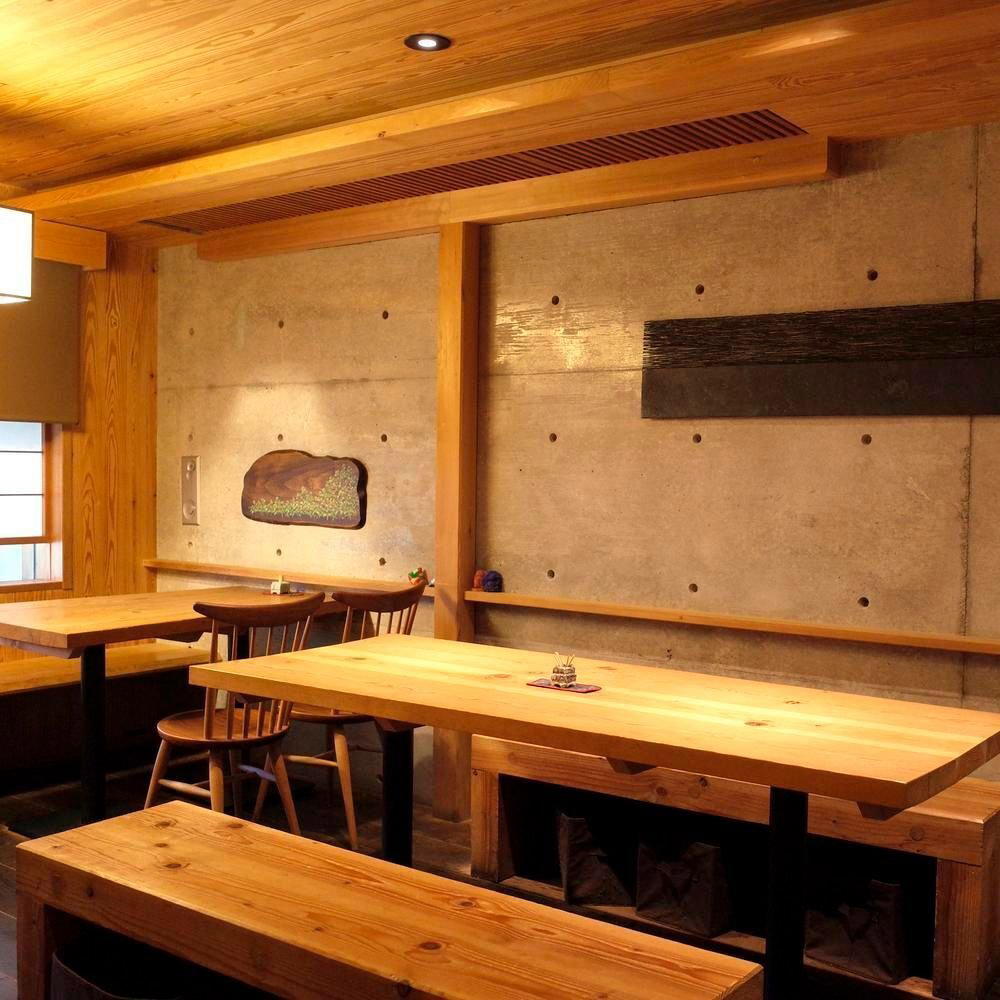
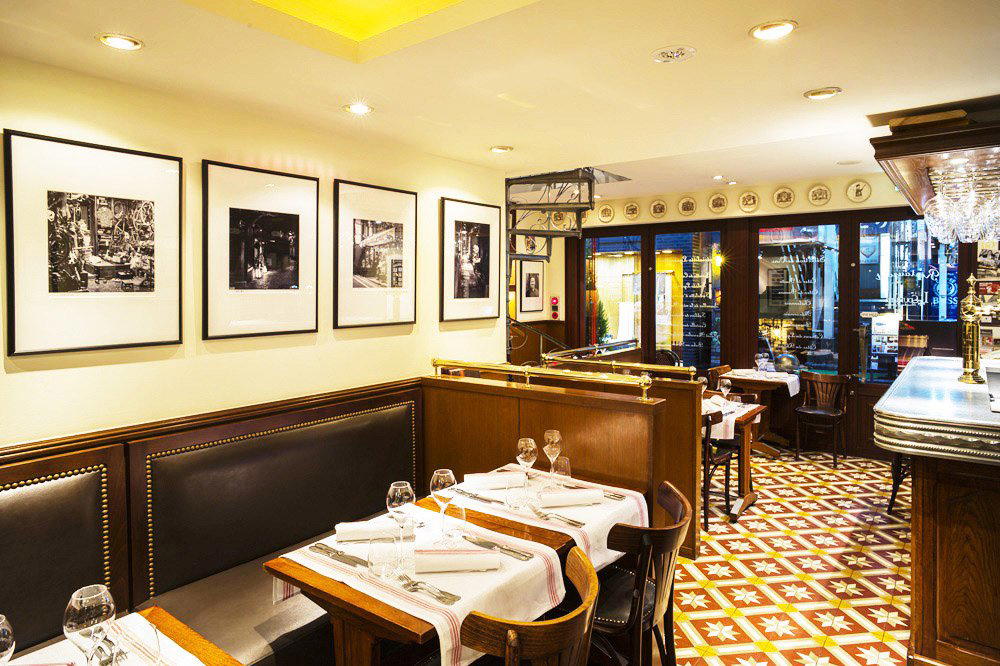
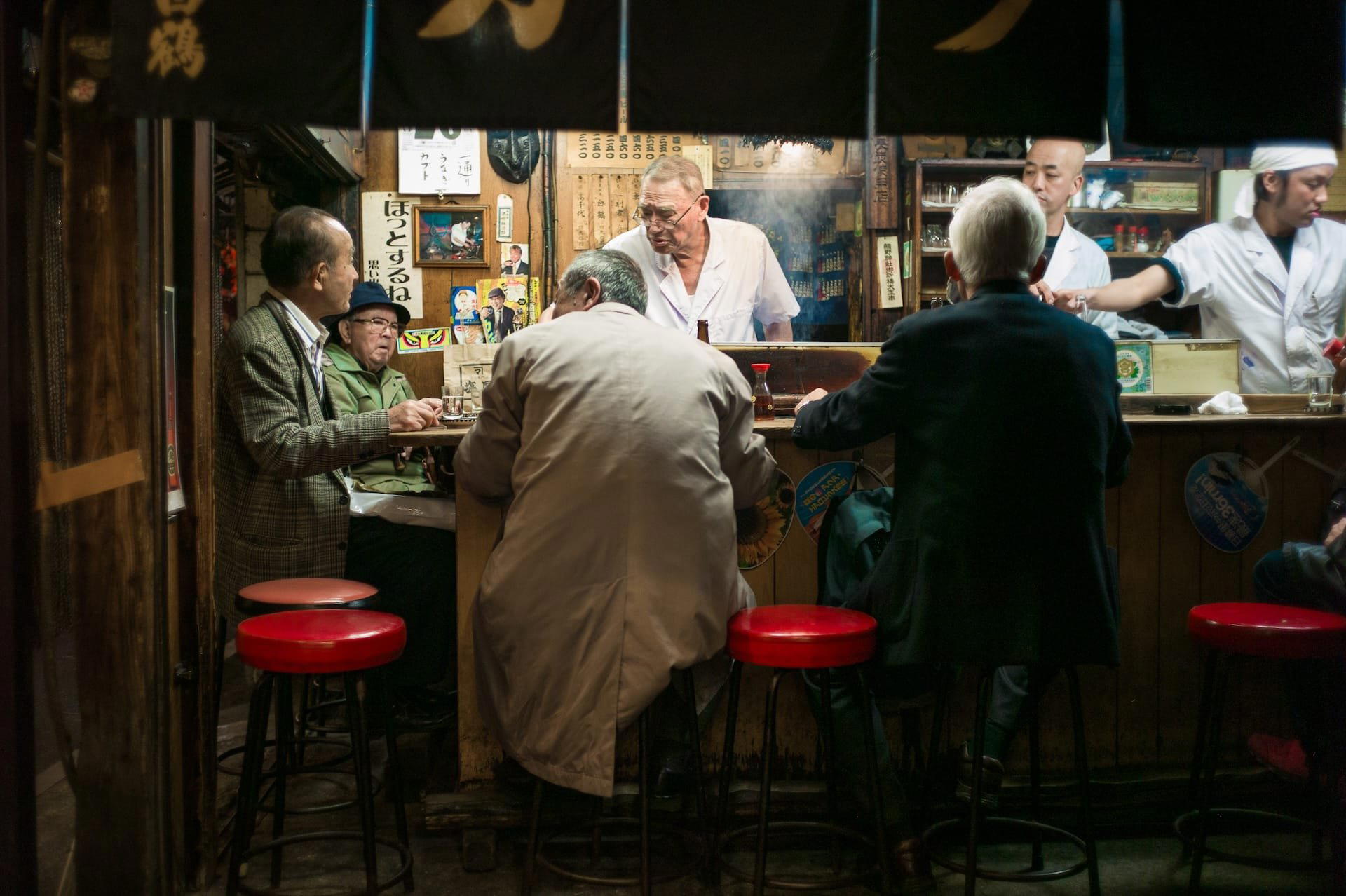
Nostalgic Showa-era vibe with homey, family-owned setting.