
Tabelog Bronze #525
Our verdict
Yoshicho gives Ibaraki’s produce-led Japanese cooking a serious Tsuchiura address, with Tabelog Award Bronze recognition in 2025 and 2026 and selection for Tabelog 100 Japanese cuisine EAST in 2023 and 2025. The draw is not metropolitan flash, but a regional table built around fish, suppon, monkfish, sake, shochu, and the restaurant’s stated Ibaraki terroir course format.

Pearl is the En Primeur Club membership app, where members save venues, book tables and use the concierge.
The menu
What to order
- Seasonal Sashimi Selection
- Ibaraki Wagyu Seared with Sansho
- Rice with Seasonal Fish
Central Tsuchiura is not built for restaurant theatre. The approach is quieter: low-rise streets, local traffic, and the matter-of-fact rhythm of a city tied to Lake Kasumigaura and the agricultural belt around it. That setting matters because Ibaraki’s serious Japanese restaurants often read less like urban status rooms and more like regional arguments, places where fish, freshwater culture, vegetables, and sake carry more weight than imported luxury cues.
Yoshicho belongs in that argument. Its recognition, Tabelog Award Bronze in 2025 and 2026 plus selection for Tabelog 100 Japanese cuisine EAST in 2023 and 2025, places it in a narrow band of regional Japanese restaurants that have reached national attention without needing a Tokyo address. In Ibaraki, that is the more interesting achievement: the restaurant’s credibility is attached to locality, not escape from it.
Ibaraki terroir, not Tokyo imitation
Japanese fine dining outside the capital is often misread as a smaller version of Tokyo kaiseki. The stronger examples work differently. They use the surrounding prefecture as their source material, then apply classical Japanese structure to what the region actually produces. Here the category signals are explicit: Japanese cuisine, suppon, monkfish, and a stated emphasis on fish. The restaurant also frames its cooking through “Ibaraki Terroir,” a phrase that can sound borrowed from wine language but is useful when the kitchen is asking diners to think about origin rather than novelty.
That distinction is important in Ibaraki. The prefecture has coastal access, freshwater food culture, and deep agricultural production, yet it is often treated by travellers as a passage between Tokyo and the northeast. A restaurant working with monkfish and suppon is not chasing the familiar sushi-counter hierarchy. It is speaking in a colder-season, regional-Japanese register where texture, broth, and procurement matter. The point is less spectacle than continuity: ingredients that make sense here, cooked with the restraint expected of high-level nihon ryori.
The pricing also puts the experience into a serious dining tier for the prefecture. Compared with Nonna Nietta (Italian, Pasta), which sits in a lower Ibaraki premium bracket, Yoshicho occupies a more formal Japanese-cuisine lane. That comparison is useful because Ibaraki’s dining scene is not one single market. Italian, innovative, beef-led, and regional Japanese rooms answer different travel needs. A diner choosing between La Stalla, YOSHIKI FUJI (Innovative), and this table is not simply choosing cuisine; the decision is between urban-style breadth and a narrower, produce-led reading of place.
A regional Japanese room with banquet flexibility
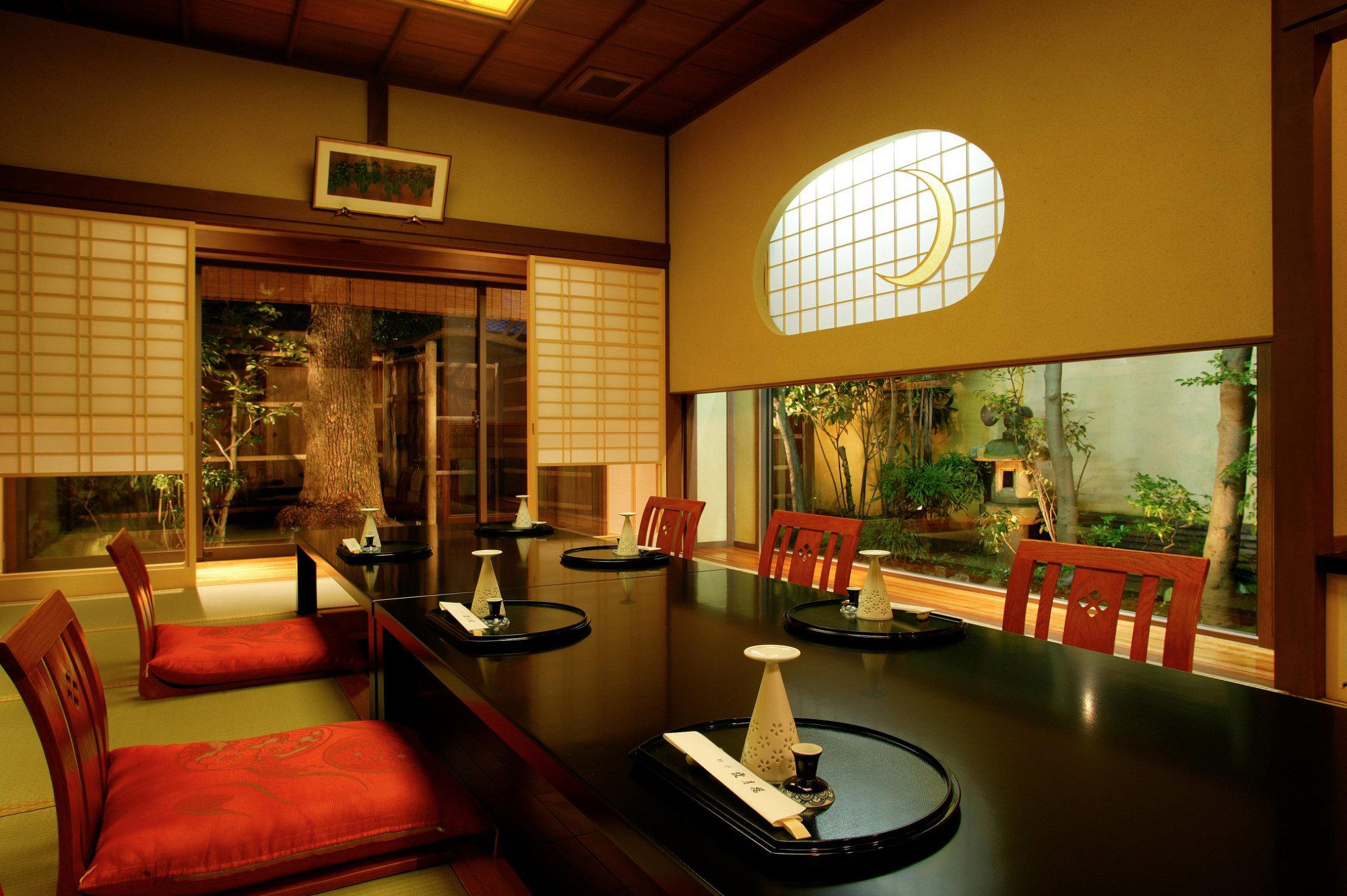
The room format says as much about Tsuchiura as the menu categories do. A 42-seat restaurant with private rooms, tatami space, and capacity for larger seated groups belongs to a Japanese tradition where serious food and family occasions can overlap. That makes it different from the compact counter model now associated with destination dining in Tokyo, Kyoto, or Ginza-adjacent sushi culture. The prestige here is not built on scarcity alone. It is built on the ability to host a meal that can be ceremonial, seasonal, and social at the same time.
This also explains why the restaurant’s planning culture is firm. Menus are shaped around preferences and disliked ingredients declared in advance, with same-day changes restricted because of a one-person kitchen operation. That detail is not a minor footnote; it reveals the operating model. Procurement, preparation, and pacing are aligned before the meal begins, which suits fish-led and seasonal Japanese cooking better than improvisation at the table.
For travellers, the practical read is clear without overcomplicating it. This is a destination for diners who want Ibaraki to taste like Ibaraki, not for anyone trying to squeeze in a casual meal between sightseeing stops. Weekends add lunch service, Thursday is the closed day, and cards are accepted while electronic money and QR payments are not. The presence of nearby parking and private rooms makes it more useful for mixed-generation meals than many award-listed Japanese restaurants, but the cooking tier and reservation-only structure keep it firmly in the planned-dining category.
How to place it in an Ibaraki itinerary
Ibaraki rewards travellers who stop treating the prefecture as a day-trip afterthought. A restaurant like Yoshicho gives Tsuchiura a reason to sit inside a broader food itinerary rather than on the edge of one. The surrounding region works especially well for diners interested in agricultural Japan, lake culture, sake, and slower regional movement instead of a compressed capital-city dining run.
Use the city guides as a map rather than a checklist: Our full Ibaraki restaurants guide for the dining spread, Our full Ibaraki hotels guide for where to base the trip, Our full Ibaraki bars guide for post-dinner drinking, Our full Ibaraki wineries guide for regional bottles, and Our full Ibaraki experiences guide for the non-restaurant context that makes the meal read more clearly.
For broader Japan comparisons, the contrast is instructive. Beef-focused formats such as -Grilled beef Sukiyaki- KAMAKURA TANUKIAN 鎌倉 たぬき庵 in Kamakura and #肉といえば松田 奈良本店 in Kashihara sit in a different tradition from Tsuchiura’s fish-and-seasonality register. Casual or specialist city stops such as. 鮪と炭火焼き うお炭 秋葉原店 in Tokyo.cafe in Osaka.know in Kumamoto, (Shoku) Vietnam in Kawasaki, [Curry Senmon Ten] Maruyama Kyoju. in Sapporo, and [ki:] in Kyoto show how varied the country’s dining categories have become. Even overseas Japanese-adjacent addresses such as Jōdo Saké Bar in Los Angeles and Onigiri Time in Pasadena underline the same point from another angle: regional specificity is what keeps Japanese food from becoming a flattened global style.
The editorial case for Yoshicho is strongest for diners who care about sourcing, seasonality, and the mechanics of a regional Japanese meal. The awards give the restaurant a verified national signal; the ingredient categories give it local meaning. In Tsuchiura, that combination is the reason to plan around it.
Frequently asked questions
Is Yoshicho child-friendly?
Yes. Yoshicho welcomes babies, preschoolers, and school-age children, and it also lists a kids’ menu. The 42-seat room in Tsuchiura has private rooms, which makes family meals easier to manage.
Is Yoshicho formal or casual?
It sits closer to relaxed Japanese dining than formal kaiseki theatre. The room is described as stylish and relaxing, with tatami seating, no-smoking service, and reservation-only dining in Tsuchiura.
What time does Yoshicho open and close?
Hours at Yoshicho: Mon, Tue, Wed, Fri 18:00 - 22:00.
What is Yoshicho known for?
Yoshicho is primarily known for its core concept and execution in Ibaraki.
Quick Comparison
Comparable venues nearby, for context on price, style, and recognition.
| Venue | Cuisine | Price | Awards | Notes |
|---|---|---|---|---|
| YoshichoThis venue (the venue you are viewing) | Seasonal Ibaraki Omakase | $500+ | Tabelog Bronze #525 | Not listed |
| La Stalla | Modern Italian Fine Dining | $500+ | Tabelog Bronze #235 | Matsushiro, Tsukuba |
| Nonna Nietta | Italian Regional Cuisine with Ibaraki Terroir | $100–150 | Tabelog Bronze #326 | Namiki, Tsukuba |
| YOSHIKI FUJI | Innovative French / Basque | Not listed | Tabelog Bronze #529 | Ibaraki |
| Tokyo Nikushabuya Subin | Modern Japanese Nikushabu & Yakiniku | Not listed | Tabelog Bronze #463 | Chūō |
| Shunsuke | Edomae Sushi Omakase | $200–300 | Tabelog Silver #125 | Suginami |
Recognition history
Dated appearances from independent guides and award organizations, with the underlying list record or original source where available.
Tabelog Bronze #525
Tabelog
Full recognition history (3 entries)
Tabelog 100 #25 · No. 25
Tabelog · Tabelog 100 - Japanese cuisine - EAST - 2025
Tabelog Bronze
Tabelog
Continue exploring
More in Ibaraki
Restaurants in Ibaraki
All restaurants in Ibaraki →

Bars in Ibaraki
Browse all →

Details
- Elegant
- Intimate
- Sophisticated
- Cozy
- Special Occasion
- Date Night
- Sake Program
- Local Sourcing
- Omakase
Current opening hours
- Monday
- 6–10 PM
- Tuesday
- 6–10 PM
- Wednesday
- 6–10 PM
- Thursday
- Closed
- Friday
- 6–10 PM
- Saturday
- 12–2:30 PM, 6–10 PM
- Sunday
- 12–2:30 PM
Hours can change for holidays and private events. Last verified .
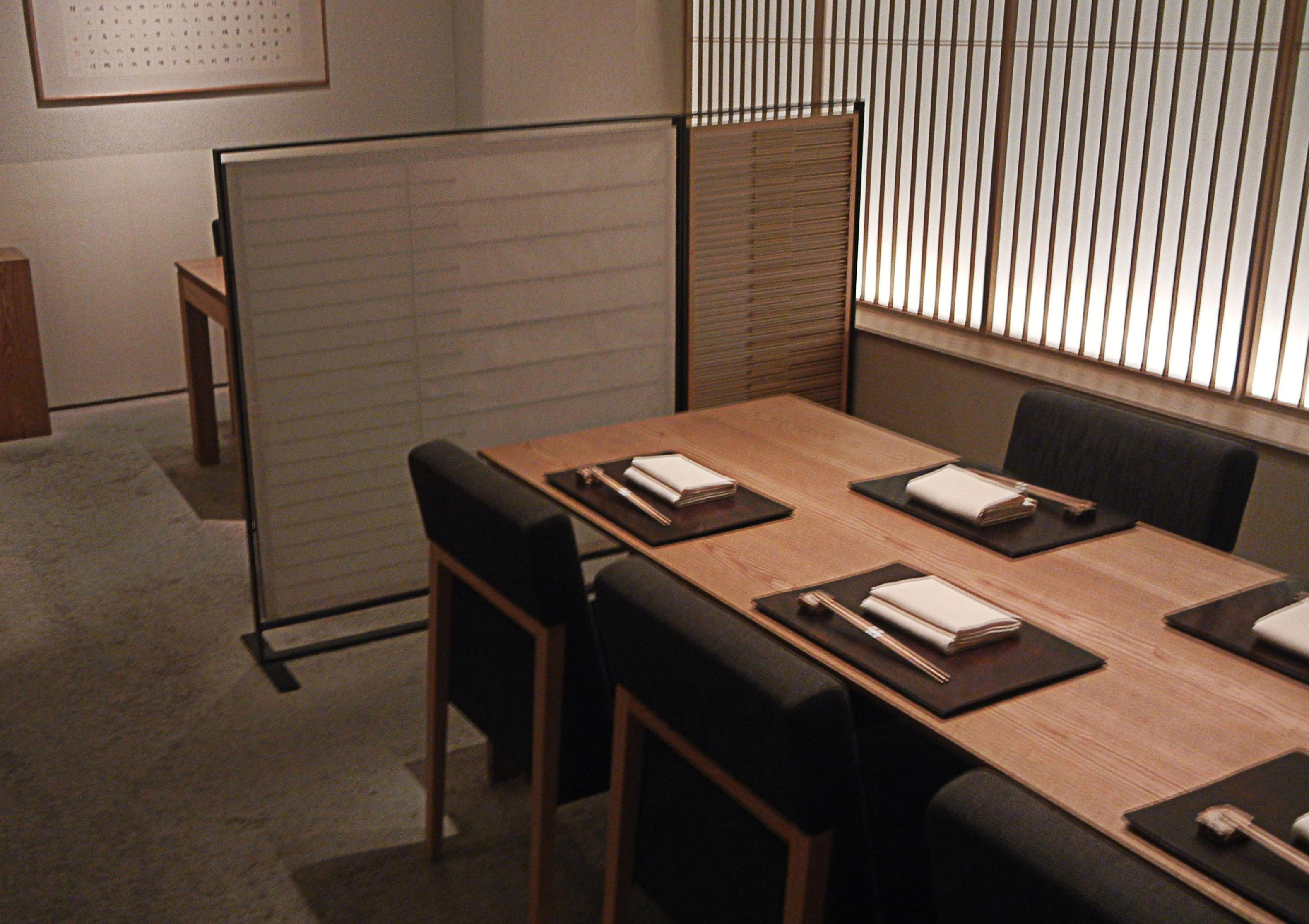
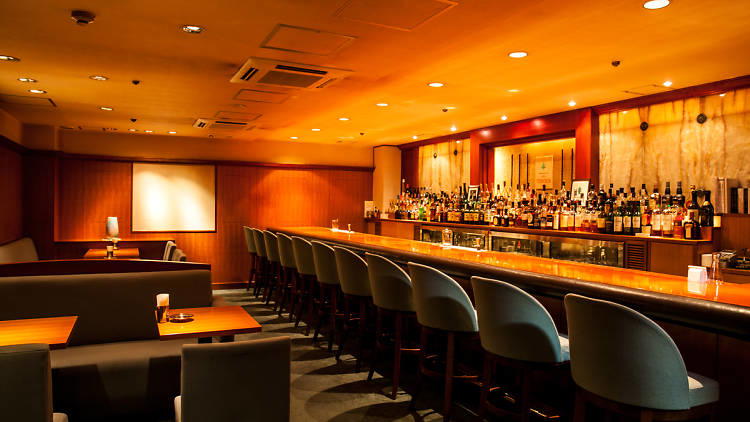
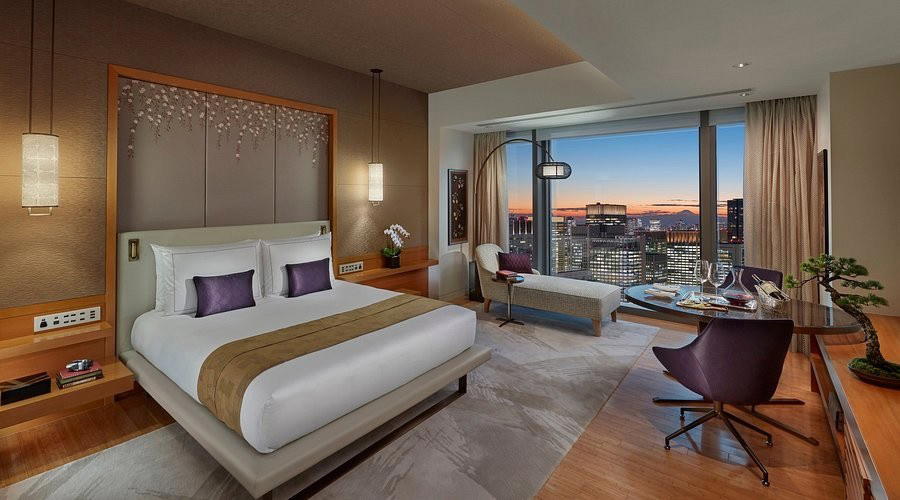
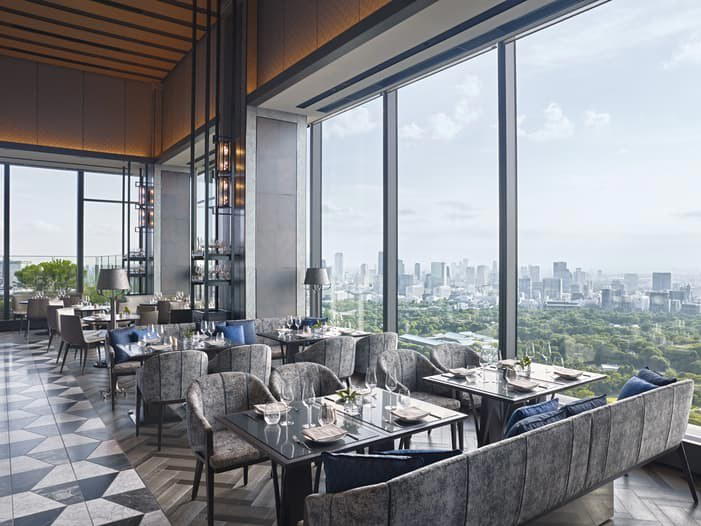
Refined and unornamented with natural wood finishes, muted tones, warm lighting to highlight food, intimate close table spacing fostering low conversation.