
Shinagawa’s station-side dining often rewards efficiency over depth, but this gyoza specialist gives the area a sharper reason to linger after work or before a train. Recognition in Tabelog’s 2024 Dumplings 100 places Gyoza Mania Shinagawa hon ten in a crowded Tokyo category where format, timing, and booking discipline matter as much as appetite.
Pearl is the En Primeur Club membership app — saves, bookings, and concierge access live there. Same editors, same standards.
- Address
- 東京都港区高輪4-11-16 京急第11ビル 2F
- Phone
- +815036233704
- Website
- tabelog.com
 Saves & bookings on Pearl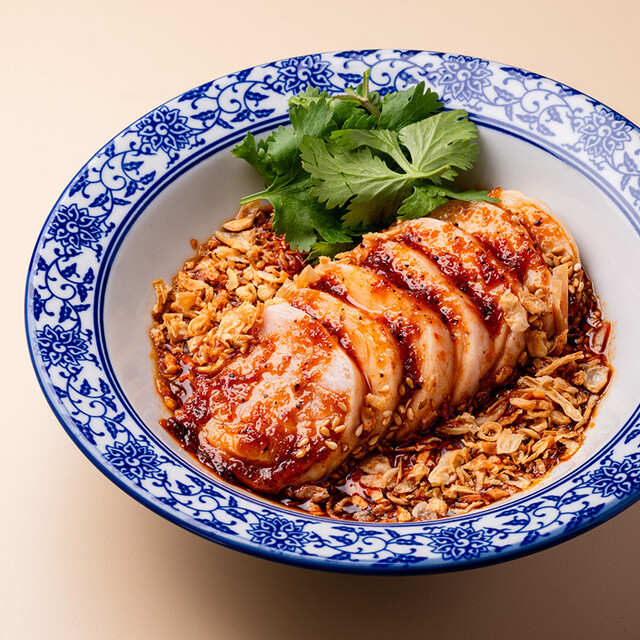
Shinagawa after dark has a particular rhythm: office workers spilling from the Takanawa side, suitcase wheels on pavement, and upper-floor restaurants absorbing the station crowd before it thins toward the hotels and residential blocks. In that setting, gyoza is not treated as a side order. It becomes the main event, the reason to sit down rather than pass through.
Tokyo’s dumpling culture sits between two habits: the quick counter plate eaten with beer, and the longer izakaya-style meal where dumplings share space with hot pot, drinks, and group ordering. Gyoza Mania Shinagawa hon ten belongs to the second camp. The room runs on a practical scale rather than a tiny specialist-counter model, and that matters in Shinagawa, where dining decisions often happen around trains, office schedules, and mixed groups rather than leisurely neighborhood wandering.
Station-area gyoza with enough structure for a planned evening
The serious gyoza conversation in Tokyo is broader than a single address. Dumpling shops compete on wrapper texture, filling balance, cooking method, and how well the format supports repeat ordering. A venue selected for Tabelog’s 2024 Dumplings 100 enters that conversation with a public marker of category credibility, especially in a city where narrow specialisms are judged with little patience. The point is not ceremony; it is whether a focused, affordable meal can carry the weight of a destination choice.
Here, the categories tell the story: dumpling, izakaya, and nabe. That combination places the meal closer to Tokyo’s after-work table culture than to a tasting-menu frame. It is a useful distinction for travelers. Shinagawa has polished hotel dining, office-tower convenience, and transit-friendly chains, but a gyoza-led izakaya format gives the district a more local evening option without requiring a detour across town.
The opening date, July 2020, also matters. Restaurants that began during Tokyo’s disrupted dining years had to earn repeat custom in a market that had little room for weak concepts. By 2024, selection for a dumpling-focused Tabelog list gave this address a clearer position: not a general Japanese restaurant with gyoza on the side, but a specialist in a field where small differences decide loyalty.
Readers mapping Tokyo by category rather than neighborhood can use it as a counterpoint to other casual-specialist stops across the city. Akihabara’s drinking-and-grill circuit has a different tempo at . 鮪と炭火焼き うお炭 秋葉原店, while Shinjuku pulls late diners into denser nightlife around 12/10 Shinjuku ten. Kagurazaka’s skewers at 124. KAGURAZAKA (Yakitori) occupy another tradition entirely. Shinagawa’s case is simpler: a station district with a recognized dumpling address that works for groups and commuters as well as visitors staying nearby.
The booking logic is part of the appeal
Tokyo travelers often over-plan sushi and kaiseki while leaving casual meals to chance. That works in some neighborhoods; in Shinagawa, it can produce a flat hotel-adjacent dinner. A reservable gyoza specialist changes the calculation. The dining format is relaxed, but the planning logic is not casual if the goal is to secure a group table at a predictable time.
The seat count gives the venue more flexibility than the compact counters that define many Tokyo food pilgrimages, yet the presence of private-room capacity for a small group shifts it into a useful category for families, colleagues, and travelers who want a lively meal without splitting across tables. Children are welcome, credit cards are accepted, and PayPay is listed, which makes the restaurant easier to fold into a travel day than cash-only specialist shops with tighter rules.
Price is another signal. The dinner range sits in the everyday-premium band rather than the splurge tier. That matters in Tokyo because dumplings can be either a snack, a beer companion, or the anchor of a full evening. At this level, the editorial value lies in category focus and convenience, not luxury theater. The comparison nearby is not a grand dining room; it is the station ecosystem, including casual stops such as breadworks Ekyuto shinagawa, and hotel restaurants around Takanawa. Against that field, a dumpling-led izakaya has a clearer identity.
For a wider Tokyo plan, use this meal as a Shinagawa anchor rather than a citywide detour stacked against unrelated genres. Curry hunters might point themselves toward 3 Chome no Curry Ya San, while graphic-café seekers may prefer 2D Cafe. The better approach is to build by occasion: dumplings and drinks near a major rail hub, skewers in Kagurazaka, curry as a dedicated lunch, and hotel dining when convenience outranks specificity.
Know Before You Go
- Setting: Shinagawa station area, on the Takanawa side of Tokyo.
- Format: Dumpling specialist with izakaya and nabe categories.
- Recognition: Selected for Tabelog’s 2024 Dumplings 100.
- Budget: Dinner is listed at JPY 3,000 to JPY 3,999, with review-based spend shown higher at JPY 4,000 to JPY 4,999.
- Capacity: 72 seats, with an 8-person private room listed.
- Access note: The address is in Keikyu Dai 11 Building, 2F, near Shinagawa Station’s Takanawa Exit.
- Payments: Major credit cards and PayPay are listed; electronic money is not.
- Smoking: The dining room is non-smoking, with a smoking room outside the restaurant.
For broader planning, see Our full Tokyo restaurants guide, alongside Our full Tokyo hotels guide, Our full Tokyo bars guide, Our full Tokyo wineries guide, and Our full Tokyo experiences guide. Regional comparisons can be useful when plotting a longer Japan route: -Grilled beef Sukiyaki- KAMAKURA TANUKIAN 鎌倉 たぬき庵 in Kamakura.cafe in Osaka.know in Kumamoto, (Shoku) Vietnam in Kawasaki, [Curry Senmon Ten] Maruyama Kyoju. in Sapporo, and [ki:] in Kyoto. For Japanese food culture abroad, compare the mood with Jōdo Saké Bar in Los Angeles and Onigiri Time in Pasadena.
- Grilled Gyoza
- Fried Gyoza
- Boiled Gyoza
- Shrimp Gyoza
- Pork Gyoza
- Gyoza Lover’s Course
Local
Comparable venues to anchor price and recognition.
| Venue | Cuisine | Price | Notes |
|---|---|---|---|
| Gyoza Mania Shinagawa hon ten | Gyoza-focused Japanese Izakaya | $$ | Minato |
| いこま寿司 | Traditional Edomae Sushi | $$ | Setagaya (Umegaoka) |
| WAGYU BURGER HIROKIYA | Japanese Wagyu Burgers | $$ | Minato |
| Kurobuta Tonkatsu Hori Ichi | Kurobuta tonkatsu specialist | $$ | Minato |
| HIGASHIYA man | Traditional Japanese wagashi & manju shop | $$ | Minato |
| Chatei Hatou | Traditional Japanese Kissaten / Coffee Shop | $$ | Shibuya |
Recognition history
Dated appearances from independent guides and award organizations, with the underlying list record or original source where available.
Tabelog 100 #50 · No. 50
Tabelog · Tabelog 100 - Dumplings - 2024









At a Glance
- Lively
- Cozy
- Energetic
- After Work
- Group Dining
- Family
- Casual Hangout
- Solo
- Late Night
- Private Dining
- Standalone
- Beer Program
- Sake Program
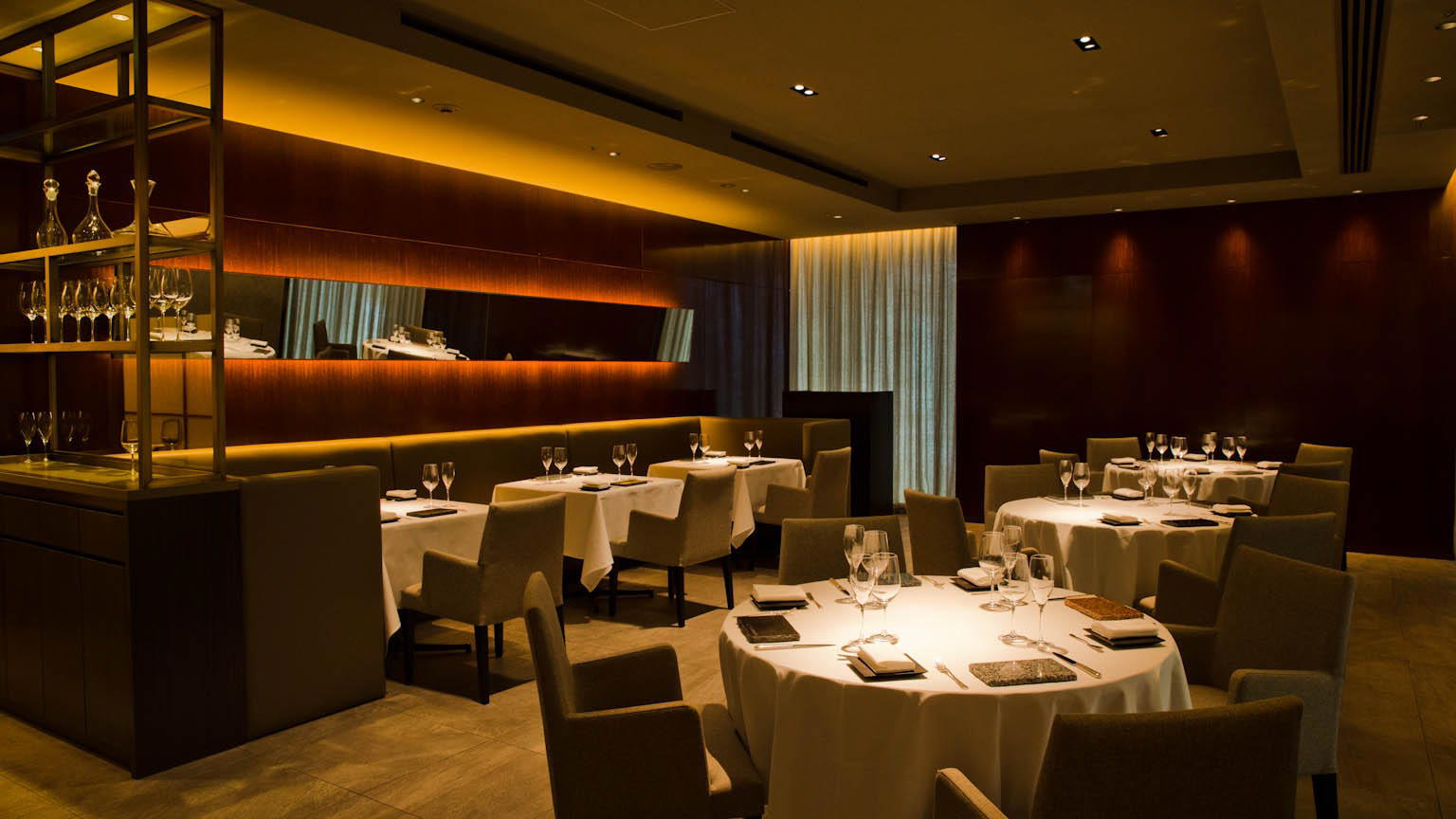
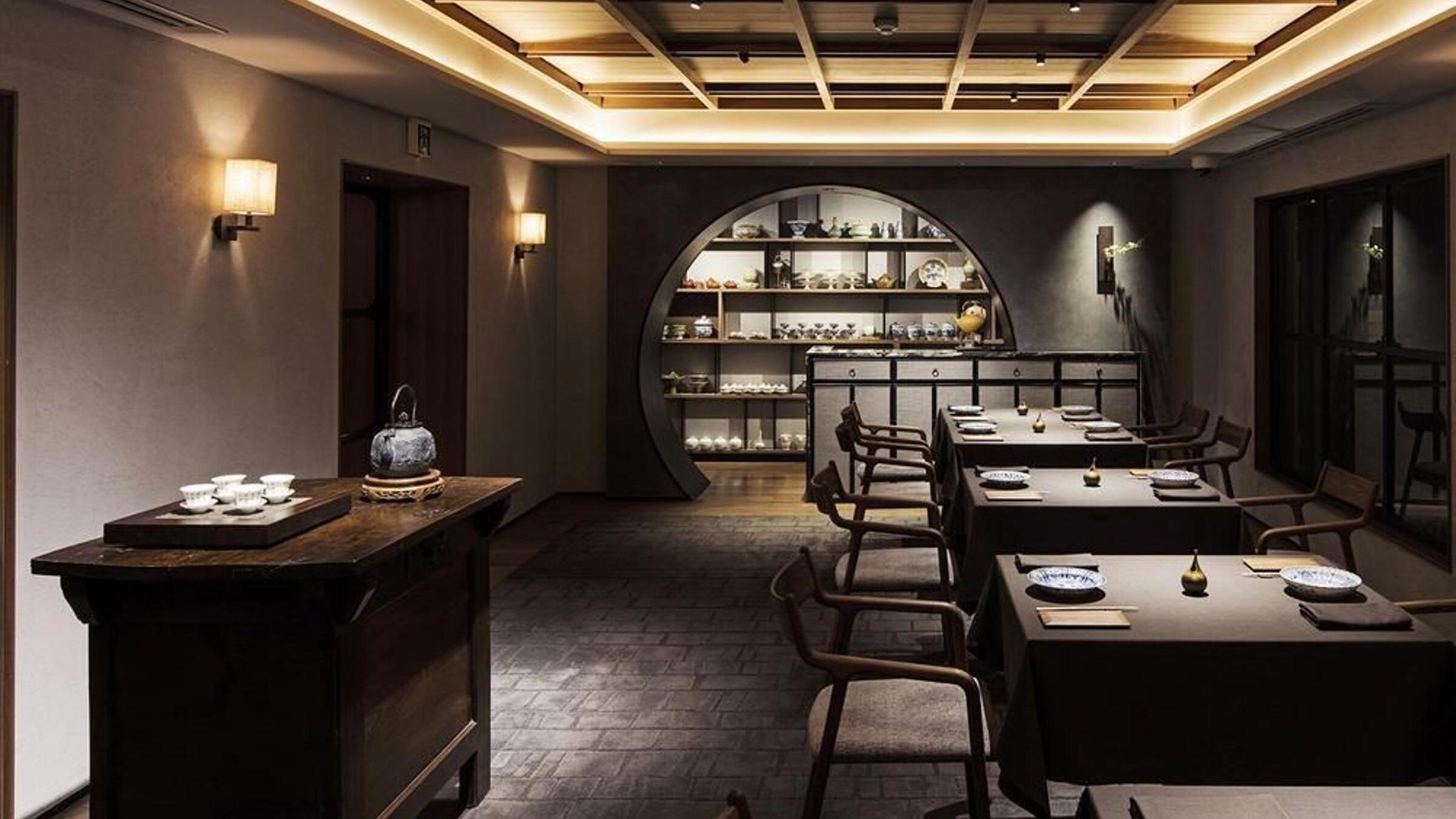
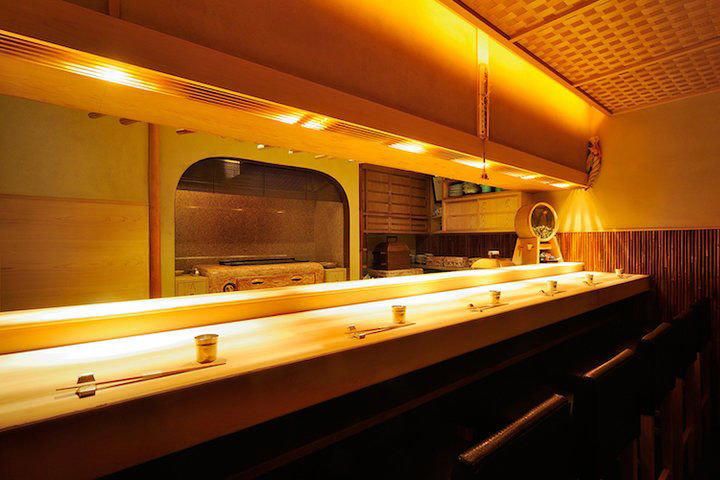
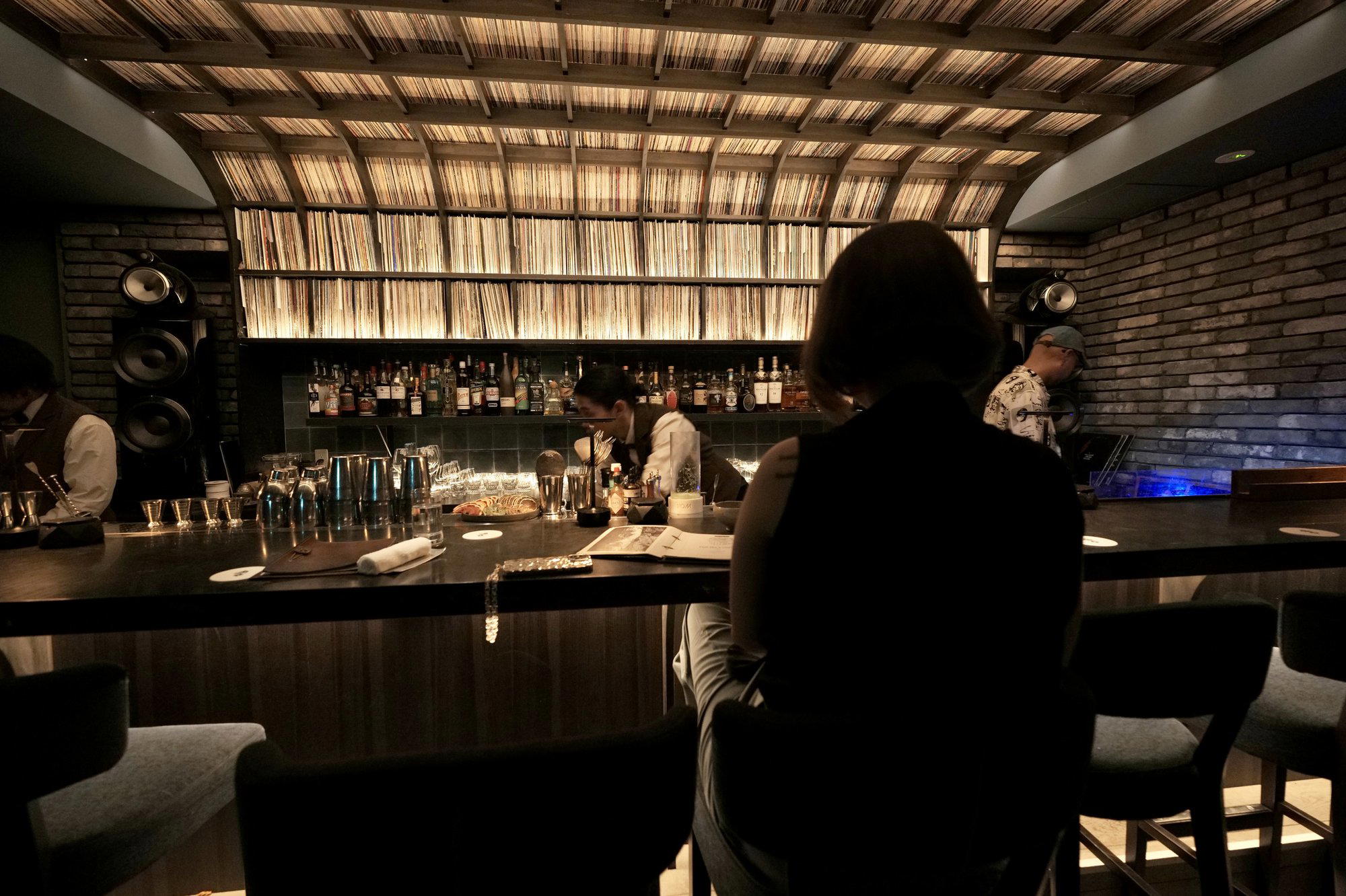
Casual and energetic second‑floor izakaya with a cozy, crowded feel, bright enough for groups and after‑work drinks, focused on the open gyoza and drinks experience rather than decor.