Goryori Ken


1 Michelin Star · La Liste Top Restaurants
Our verdict
A Michelin-starred counter in Gangnam's quieter residential fringes, Goryori Ken seats eight at the main bar for chef Kim Geon's seasonal tasting format, where La Liste has scored the kitchen at 79 points in both 2025 and 2026. The approach draws on highly seasonal Korean produce shaped by technique that reads closer to Japanese kaiseki than Seoul's louder contemporary scene. Sake from small Japanese breweries anchors the drinks list.

Pearl is the En Primeur Club membership app, where members save venues, book tables and use the concierge.
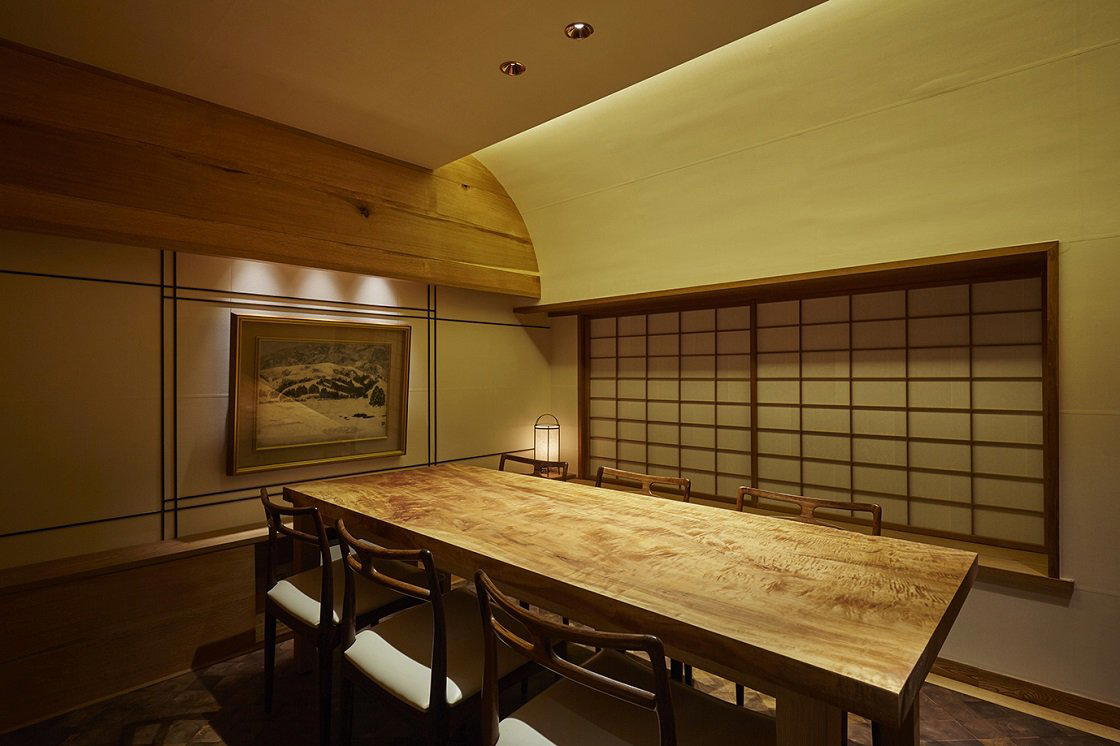
The menu
What to order
- Yakisoba
- Seasonal puffer fish preparations
The Counter Format and What It Demands
Seoul's high-end dining scene has fractured into distinct tiers over the past decade. At one end sit the expansive, hotel-backed rooms of places like Jungsik, where modernist Korean technique plays to a larger room. At the other end, a smaller cohort of counter-format kitchens has emerged, where the seat count is the statement: eight to twelve covers, a single chef in direct view, and a menu that changes with the market rather than the season. Goryori Ken belongs to that second group. Its main bar seats eight, the room sits on the second floor of an unassuming building on Eonju-ro 152-gil in Gangnam, and the format demands a different kind of attention from both the kitchen and the guest.
Counter dining at this level is not a novelty format in Northeast Asia, it is the standard frame for serious omakase-adjacent work in Tokyo, Osaka, and increasingly Seoul. What matters at these counters is the quality of the brief: how precisely the kitchen reads the produce available that week, and how consistently it can execute. La Liste has scored Goryori Ken at 79 points in both 2025 and 2026, a flat score that signals a kitchen performing at a reliable level rather than chasing upward revision. Michelin awarded one star in 2024, placing the restaurant inside a peer group that includes Eatanic Garden, Solbam, and Restaurant Allen, all operating at the ₩₩₩₩ price tier in Seoul's contemporary bracket.
Korean Produce, Japanese Framework
The editorial angle most useful for reading Goryori Ken is the intersection of imported methodology and indigenous product. Korea's seasonal produce calendar is genuinely distinctive: namul greens that vary week to week, bracken and fernbrake in spring, wild mountain vegetables from Gangwon province, coastal shellfish and fish that carry different salinity profiles from their Japanese equivalents. The challenge for any Korean chef working in a Japanese-influenced counter format is whether the technique genuinely serves the product, or whether the product is being forced into a frame that was built for something else.
At Goryori Ken, the stated emphasis on highly seasonal ingredients as the primary creative driver, rather than a fixed menu architecture, suggests the kitchen is working in the first direction. Chef Kim Geon's approach, as documented in the La Liste assessment, treats each service as a response to what is available and what that produce asks for, rather than a repeatable sequence dressed in seasonal garnish. That is a meaningful distinction inside Seoul's contemporary scene, where several ₩₩₩₩ kitchens build their menus around a stable signature structure with seasonal substitutions at the margins. Venues like Exquisine demonstrate how far Seoul's contemporary format has diversified, but the counter-first, produce-led approach of Goryori Ken places it in a more specific sub-niche.
Comparable approaches exist elsewhere in Korea. Mori in Busan works with southern coastal produce in a similarly restrained format, and Baegyangsa Temple in Jangseong-gun represents the deeper Korean tradition of ingredient-led cooking rooted in specific geography. Goryori Ken draws on that tradition while deploying a counter structure that is more Japanese in its architecture than Korean. Within Seoul specifically, Gaon and Kwon Sook Soo represent the Korean fine dining tradition working in a different register, more rooted in hansik convention, more formal in presentation. Goryori Ken sits between those two poles without fully inhabiting either.
The Drinks Program as a Second Argument
The sake list at Goryori Ken is worth reading as a curatorial position, not merely a drinks offering. Small Japanese brewery sake, as opposed to the larger national labels that dominate export markets, requires sourcing relationships, storage discipline, and a guest base willing to engage with unfamiliar producers. That the kitchen has built this into its program rather than defaulting to a wine list (the standard approach at most Seoul ₩₩₩₩ contemporaries) says something about the aesthetic allegiances of the format.
Sake from small producers varies considerably in style: from the clean, mineral junmai of Niigata to the more oxidative, umami-forward yamahai styles of Ishikawa prefecture. Pairing this range against Korean produce requires the same kind of judgment the kitchen applies to the food: the drinks are not decorating the meal, they are making an argument about how fermentation, umami, and acidity interact across two culinary traditions. For guests arriving from wine-centric fine dining backgrounds, this is a different discipline and one worth approaching with some curiosity rather than a fixed preference.
The global contemporary scene has seen similar moves at counters in other cities. César in New York City, Alo in Toronto, and Orfali Bros in Dubai each demonstrate how contemporary fine dining at the ₩₩₩₩ tier is increasingly defined by the specificity of its beverage program as much as its food menu. At Goryori Ken, the sake program functions as the clearest signal of the kitchen's reference points.
Where It Sits in the Gangnam Fine Dining Map
Gangnam's fine dining corridor has thickened considerably since 2018. The district now contains a dense cluster of Michelin-recognised rooms, and the competition for attention at the ₩₩₩₩ level is genuine. Within that cluster, the counter-format kitchens occupy a specific position: they are harder to book, more dependent on a single chef's performance on a given night, and more exposed when the produce is not performing. The reward is a different kind of dining experience, one where the gap between kitchen and table is literally and conceptually smaller.
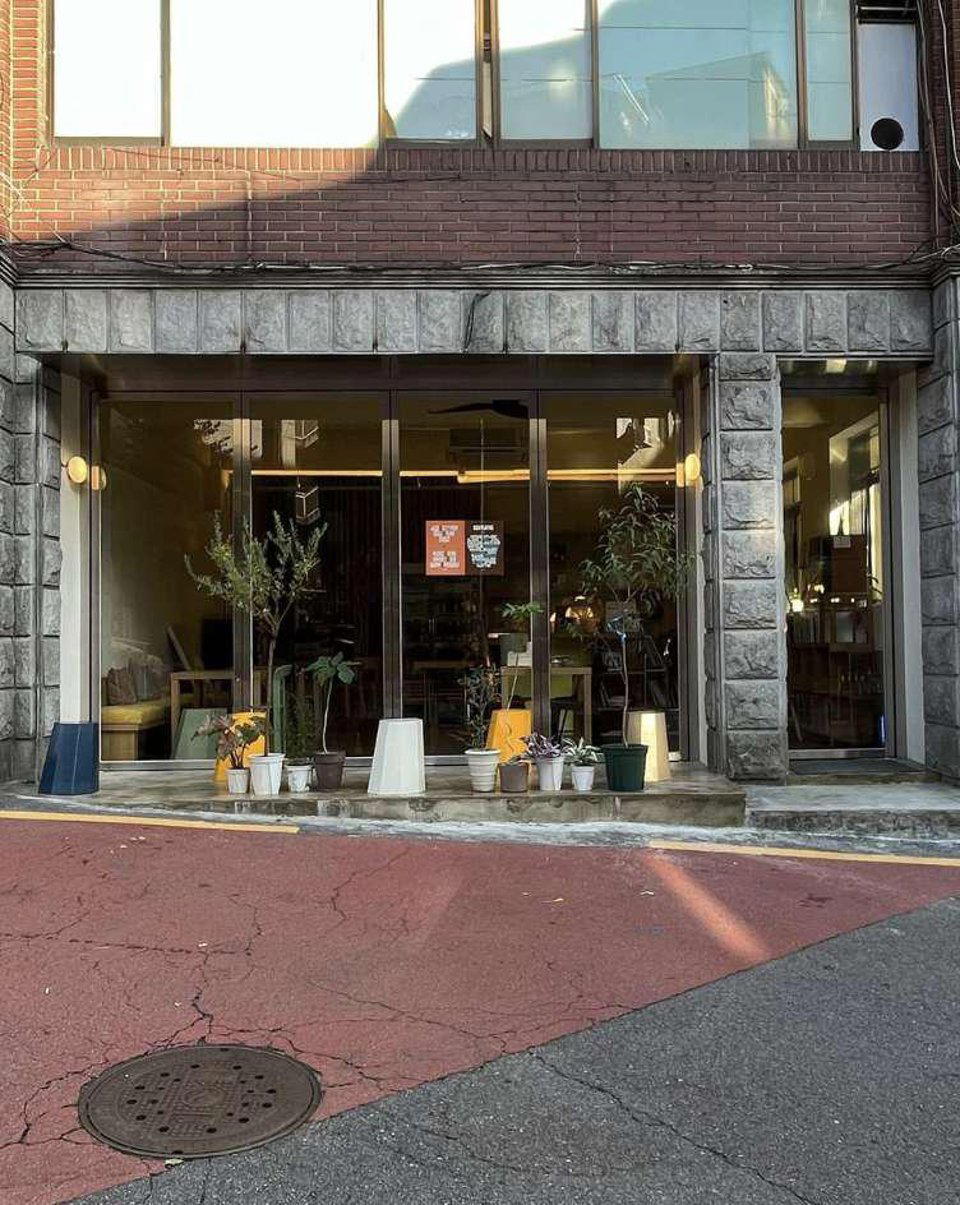
Goryori Ken's address on Eonju-ro 152-gil places it slightly off the main Cheongdam and Apgujeong axes where many of Gangnam's most prominent rooms cluster. The second-floor location and described unassuming exterior suggest a venue that does not perform for the street, which is a deliberate choice in a district where restaurant design frequently functions as front-of-house marketing. For guests already familiar with Seoul's broader dining geography, this positions Goryori Ken closer in spirit to the quieter, less visible end of Gangnam's fine dining spectrum.
For a wider orientation to what Seoul offers at this level and across other categories, our full Seoul restaurants guide maps the city's contemporary scene in detail. Visitors planning a longer stay will also find relevant context in our full Seoul hotels guide, our full Seoul bars guide, our full Seoul wineries guide, and our full Seoul experiences guide. For those interested in how Korean produce-led cooking extends beyond the city, The Flying Hog in Seogwipo offers a point of comparison from Jeju's distinct ingredient environment.
Planning a Visit
Goryori Ken operates Tuesday through Saturday, with evening service running from 6 PM to 11 PM; the kitchen is closed on Sundays and Mondays. At eight seats on the main counter, availability is constrained by design rather than popularity alone. At the ₩₩₩₩ price tier, guests should budget at the higher end of Seoul's contemporary restaurant range. No booking method is listed in public records, so enquiries should be directed through the venue's own channels or through a concierge with established Seoul relationships. The format, evening-only, counter-seated, chef-driven, is not designed around flexibility or casual drop-in dining. It asks for a specific kind of commitment from the guest, which is consistent with the kitchen's stated focus on consistency and care in service.
Frequently asked questions
What kind of setting is Goryori Ken?
Goryori Ken sits in Gangnam, Seoul's most densely awarded fine dining district, on the second floor of an unassuming building on Eonju-ro 152-gil. The main counter seats eight, placing it in a small-format category that Seoul's Michelin and La Liste assessors have recognised at the one-star and 79-point level respectively. At the ₩₩₩₩ price tier, it occupies the upper bracket of the city's contemporary restaurant market. The format is evening-only, counter-seated, and focused on direct engagement with the chef's work, closer in atmosphere to a Japanese kappo counter than a conventional Seoul fine dining room.
What dish is Goryori Ken famous for?
Goryori Ken does not operate around a fixed signature dish. Chef Kim Geon's kitchen, recognised with a Michelin star in 2024, builds each service around highly seasonal Korean produce, with the specific ingredients available at market driving the menu's direction. That approach, documented in La Liste's assessments across 2025 and 2026, is itself the defining characteristic of the cuisine. Guests expecting a repeatable signature should note that the format is closer to an omakase structure, where the chef's creative intuition in response to fresh produce is the constant, not the dishes themselves.
Is Goryori Ken okay with children?
The format makes Goryori Ken better suited to adult diners with a prior interest in counter dining. At ₩₩₩₩ pricing within one of Seoul's more formally recognised contemporary kitchens, the eight-seat counter requires sustained attention over an extended evening service. Seoul's dining scene offers a wide range of alternatives across price points and formats for families dining together; our full Seoul restaurants guide maps those options in detail.
At-a-Glance Comparison
| Venue | Cuisine | Price | Awards | Notes |
|---|---|---|---|---|
| Goryori KenThis venue (the venue you are viewing) | Contemporary Japanese with Western Influences | $150–200 | 1 Michelin Star · La Liste Top Restaurants | Not listed |
| 7th Door | Modern Korean Fermentation Fine Dining | $100–150 | 1 Michelin Star · World's 50 Best #49 | Korean, Contemporary |
| Solbam | Contemporary Neo-Classical Korean | $200–300 | 1 Michelin Star · World's 50 Best #55 | Contemporary |
| Onjium | Modern Korean Royal Court Cuisine | Not listed | 1 Michelin Star · World's 50 Best #14 | Korean |
| L'Amitié | Classic French Fine Dining | $100–150 | 1 Michelin Star · La Liste Top Restaurants | French |
| Zero Complex | Modern French Neo-Bistro | $100–150 | 1 Michelin Star · La Liste Top Restaurants | Korean-French, Innovative |
Recognition history
Dated appearances from independent guides and award organizations, with the underlying list record or original source where available.
Michelin 1 Star
Michelin
La Liste Top Restaurants
La Liste
Full recognition history (4 entries)
La Liste Top Restaurants
La Liste
Michelin 1 Star
Michelin
Continue exploring
More in Seoul
Restaurants in Seoul
All restaurants in Seoul →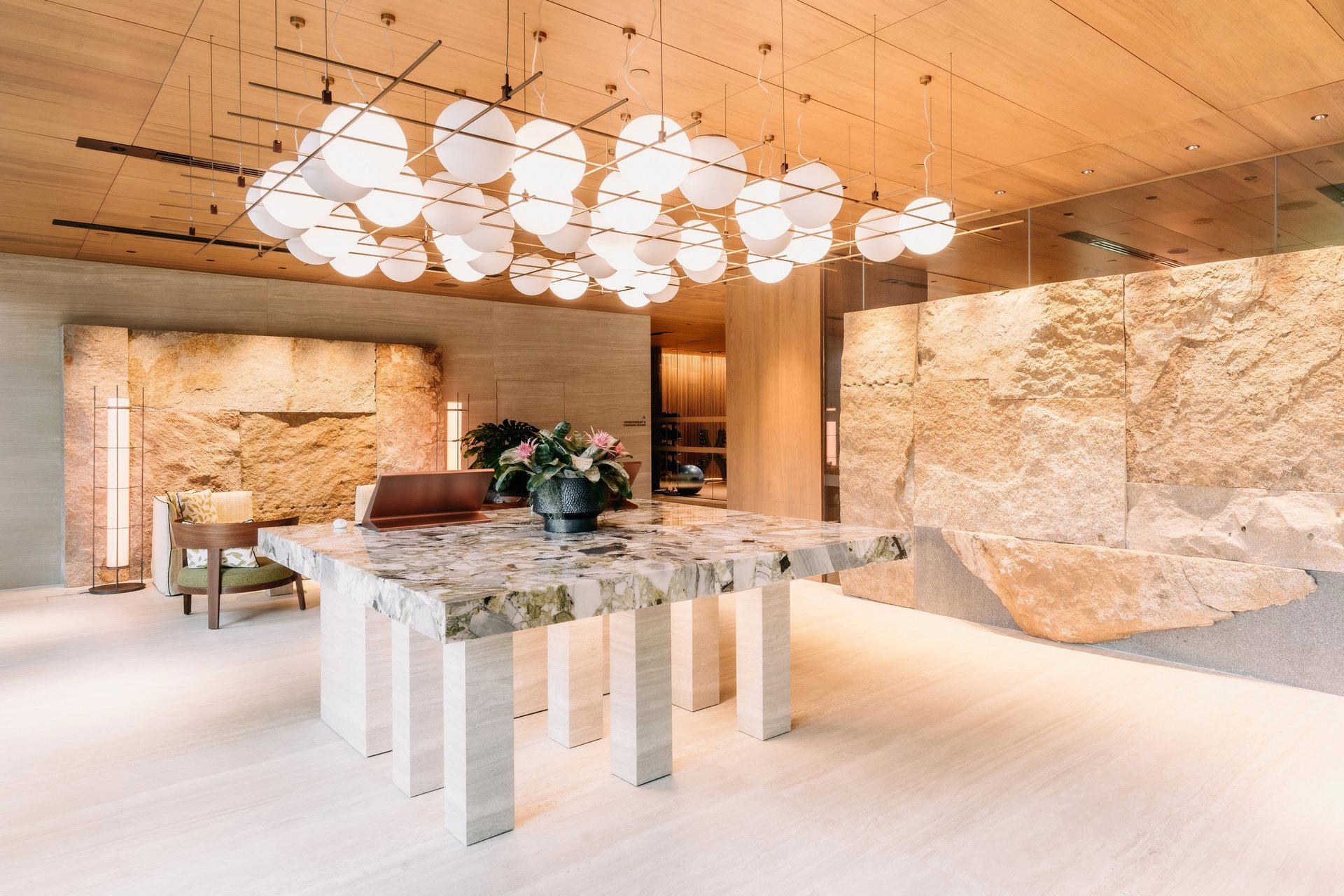
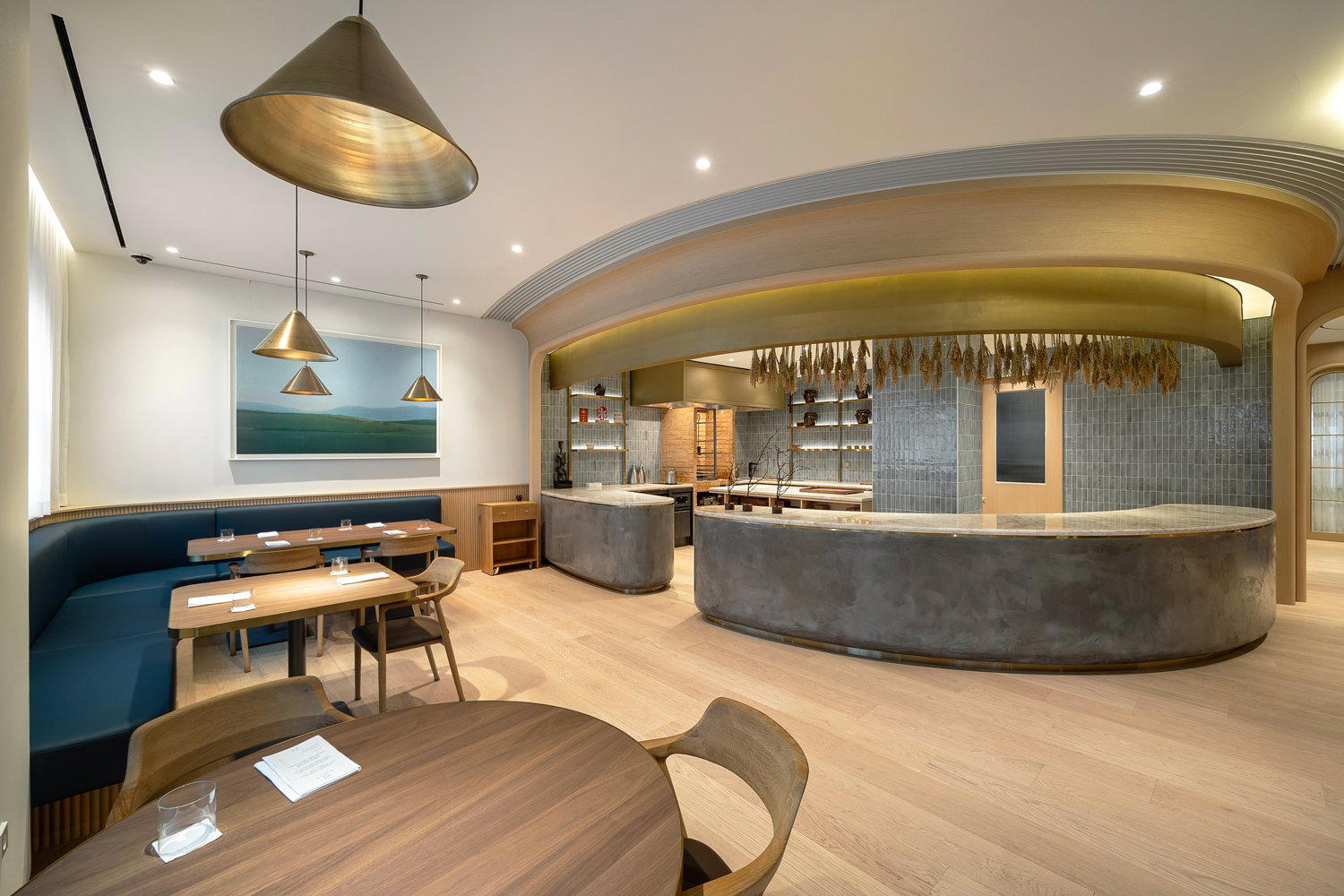
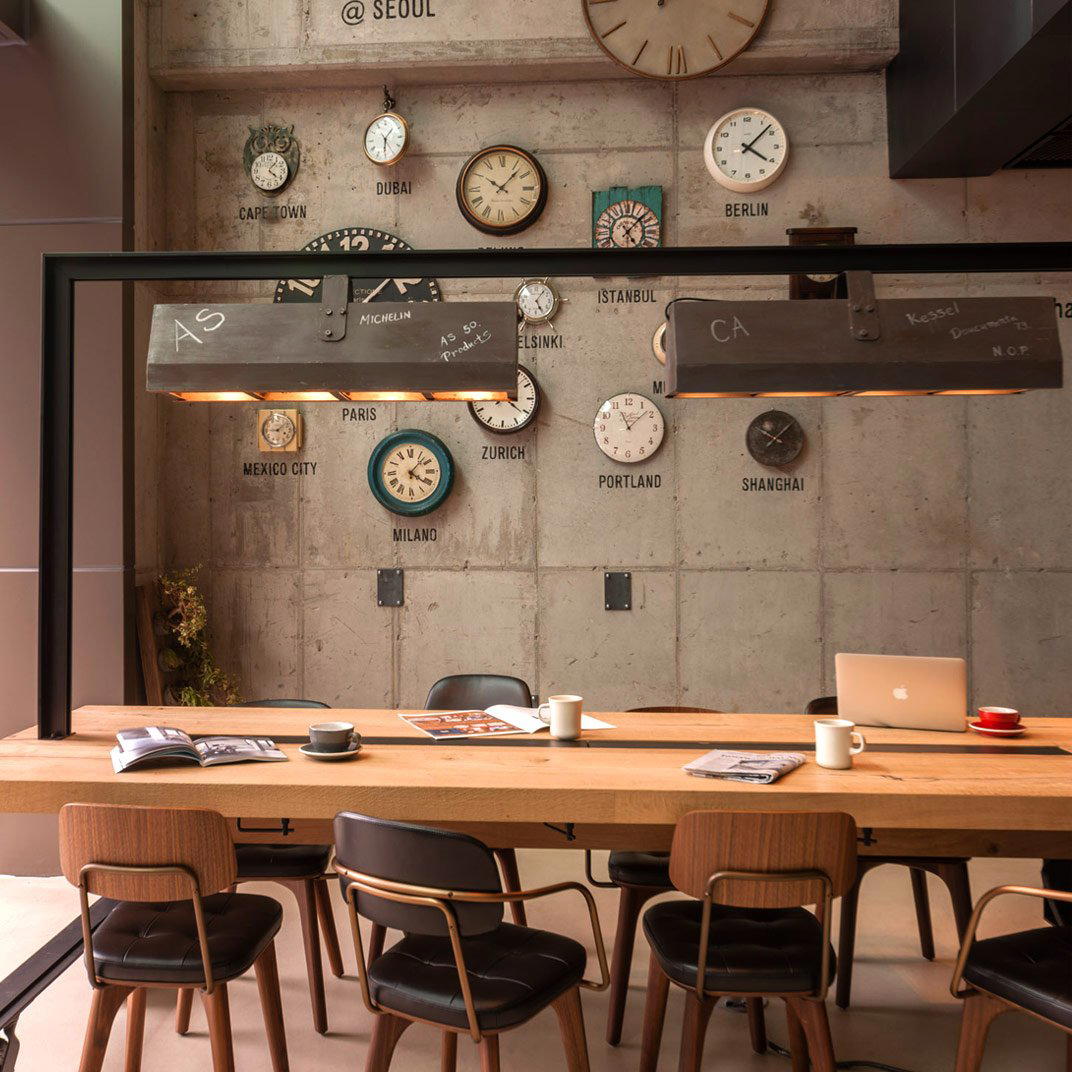
Bars in Seoul
All bars in Seoul →
Goryori Ken
The wine
- Wine program
- Deep wine list
- Sommelier-led
- Sake program
Details
- Intimate
- Cozy
- Classic
- Elegant
- After Work
- Special Occasion
- Date Night
- Chefs Counter
- Open Kitchen
- Sake Program
- Sommelier Led
- Counter Dining
- Omakase
- Sake
Current opening hours
- Monday
- Closed
- Tuesday
- 6–11 PM
- Wednesday
- 6–11 PM
- Thursday
- 6–11 PM
- Friday
- 6–11 PM
- Saturday
- 6–11 PM
- Sunday
- Closed
Hours can change for holidays and private events. Hours as of .
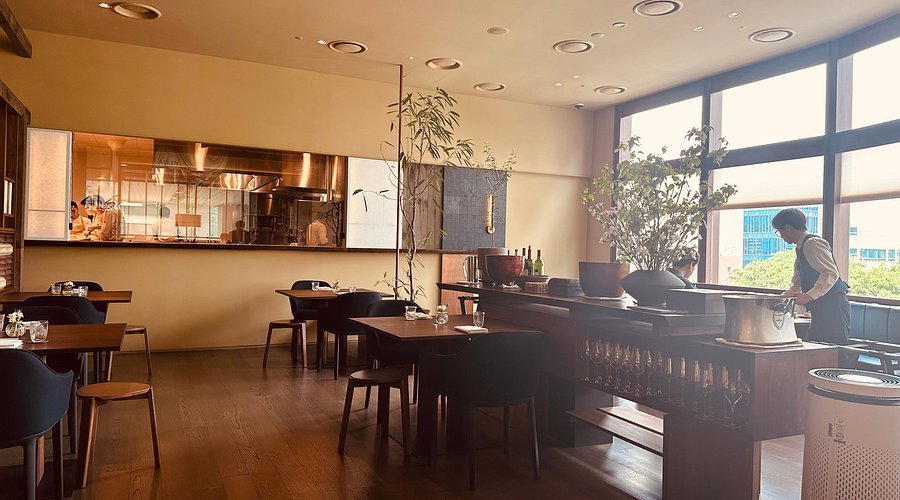
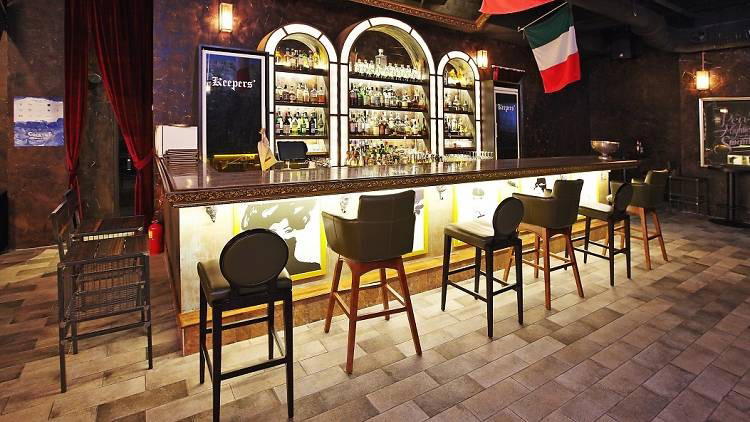
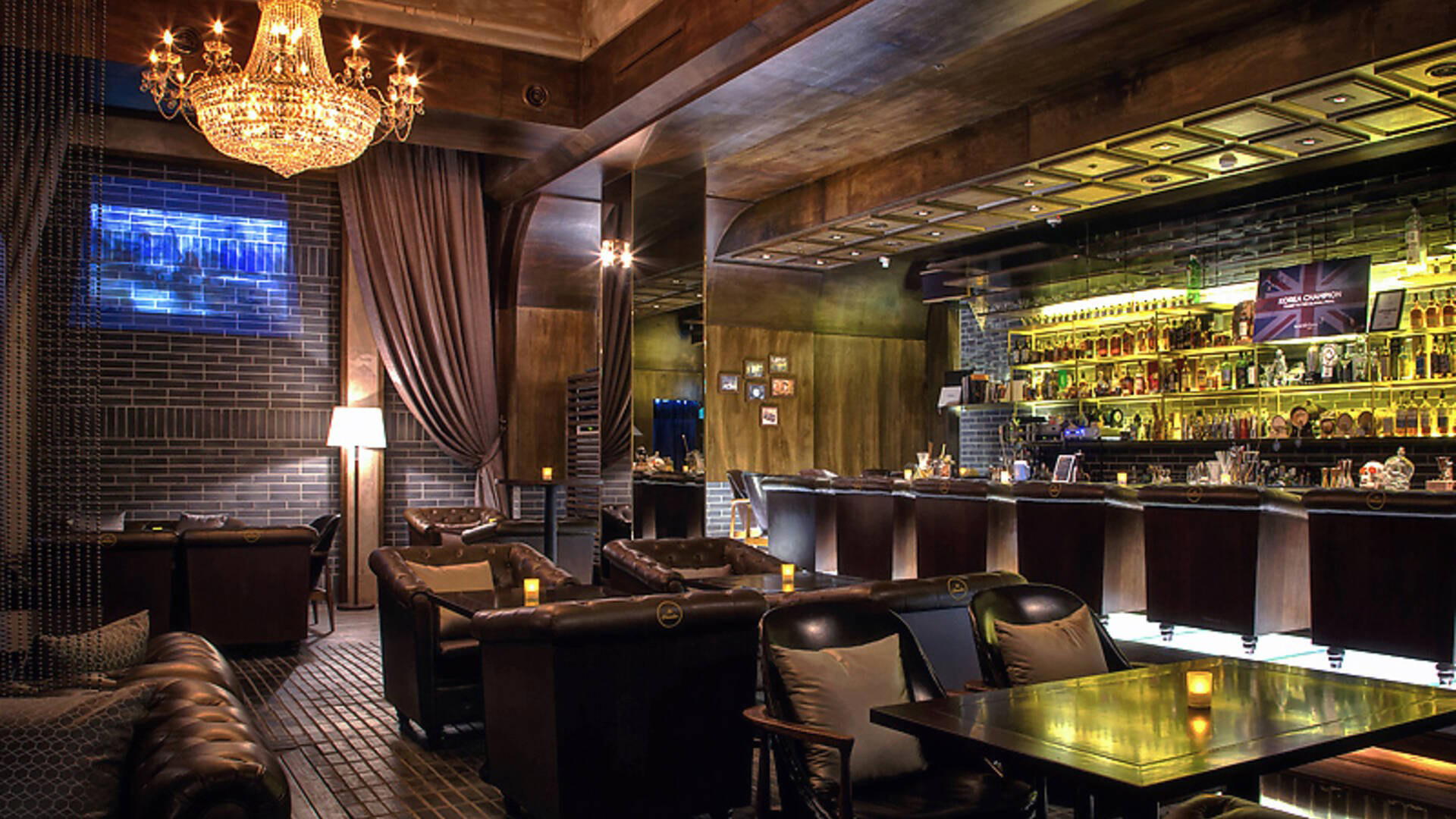
Warm wood-lined interior with an aged, classic aesthetic reminiscent of a Japanese countryside neighborhood bar, creating a familiar and comfortable setting without excessive decoration.