Located at 968 Kideracho in the quieter residential folds of Nara city, ç½ operates within a dining culture shaped by centuries of temple-adjacent hospitality and seasonal restraint. Nara's premium restaurant tier sits between Kyoto's kaiseki formalism and Osaka's ingredient-forward intensity, and venues here tend toward measured, unhurried formats. Confirmed venue details remain limited, so direct contact is advised before visiting.
 Discover on Pearl
Pearl is the En Primeur Club membership app — saves, bookings, and concierge access live there. Same editors, same standards.
- Address
- 968 Kideracho, Nara, 630-8306, Japan
- Phone
- +81742229707
- Website
- tsukumonara.com
Eating in Nara: Ritual, Restraint, and the City's Dining Register
Nara occupies an unusual position in Japan's culinary geography. It lacks Kyoto's density of multi-generational kaiseki houses and Osaka's sheer volume of restaurant options, but that relative scarcity has shaped a dining culture with its own distinct tempo. Premium restaurants here tend to operate at low capacity, with formats built around unhurried meals rather than high-turnover covers. The city's Buddhist and Shinto heritage runs through its food culture in ways that aren't purely aesthetic: seasonal awareness, restraint in presentation, and a preference for local produce over imported ingredient theatre are patterns visible across Nara's serious dining tier.
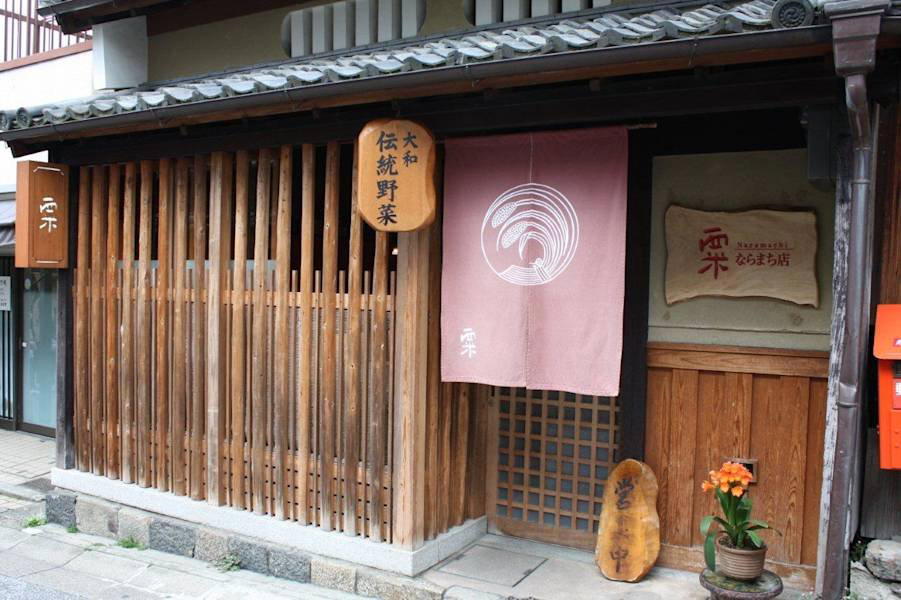
ç½ is a premium restaurant serving Traditional Japanese Kaiseki at 968 Kideracho in Nara (630-8306), Japan. The Kidera area places it away from the main tourist corridors around Nara Park, in a part of the city where restaurants draw on local clientele and visiting diners who have sought the address deliberately. That kind of placement, in Japan's dining culture, tends to signal a specific operating philosophy: the room is not designed to intercept foot traffic, and the meal is expected to carry its own weight.
The Ritual of the Meal in Nara's Premium Tier
Across Japan, the customs surrounding a formal restaurant meal carry weight that goes well beyond etiquette. The sequencing of courses, the pacing of service, the temperature and vessel of each dish, the moment a drink is poured rather than self-served: these details constitute a parallel language that premium restaurants in cities like Nara take seriously. This is especially true in smaller rooms, where the ratio of staff to guests allows for attention that larger city restaurants cannot replicate at the same price point.
Nara's top-tier restaurants, including Oryori Hanagaki and Tsukumo, operate within kaiseki and Japanese fine dining formats where the ritual dimension of the meal is structural rather than ornamental. Courses arrive in an order governed by season, ingredient weight, and the logic of palate progression. The diner's role is participatory but passive: you follow the kitchen's sequence, and the kitchen's job is to make that sequence feel inevitable. For visitors accustomed to à la carte decision-making, this requires a small adjustment in expectations and a larger dividend in coherence.
At venues in Nara's serious dining register, the arrival ritual often sets the tone before a single dish appears. The greeting, the placement at the table or counter, the initial tea or cold towel: these are not incidental courtesies but calibrated signals about the register of the experience to follow. Nara's restaurant culture, quieter than Kyoto's and less performative than Osaka's, tends to express this through understatement rather than ceremony.
Placing ç½ in Nara's Restaurant Field
Nara's premium dining tier is smaller than most visitors expect. The city's restaurant scene skews toward mid-range and tourist-facing formats near the park and main shopping streets, with serious fine dining concentrated among a handful of addresses. akordu, operating at ¥¥¥ with a Spanish and innovative format, represents one end of Nara's premium spectrum: a kitchen working with European idioms and local ingredients. NARA NIKON and Ajinokaze Nishimura anchor the Japanese fine dining side of that same tier, each operating at ¥¥¥ and positioning against Kyoto's dining corridor rather than competing for Osaka visitors making a day trip.
This competitive set matters because it defines the expectations a diner brings to any serious Nara restaurant. You are not in a city with Kyoto's depth of centuries-old kaiseki lineage, nor Osaka's restless ingredient energy. What Nara offers instead is a pace of meal and a quality of attention that cities with larger dining ecosystems struggle to sustain consistently. For comparable cooking intensity alongside regional Kansai context, Gion Sasaki in Kyoto and HAJIME in Osaka provide useful calibration points for what Japan's premium provincial dining can achieve at its most ambitious.
What to Know Before You Go
Given that Nara's serious restaurants frequently operate on reservations-only formats with limited seat counts, and given the city's position as a day-trip destination for Kyoto and Osaka visitors, it is advisable to verify current operating status and availability well in advance of any visit. Direct contact with the restaurant, once confirmed details are available, is the reliable path.
Style and Standing
Comparable venues nearby, for context on price, style, and recognition.
| Venue | Cuisine | Price | Awards | Notes |
|---|---|---|---|---|
| ç½This venue — the venue you are viewing | Traditional Japanese Kaiseki | $$$ | , | |
| 滴翠 | Health-Focused Japanese Kaiseki | $$$ | , | Takabatake, Nara |
| Miyake Kyukounoiketei Omoteya | Japanese wagashi café | $$ | , | Nara |
| Wagyu teppanyaki steak house restaurant Nara-park NAGOMI | Premium Wagyu Teppanyaki | $$$$ | , | Nara |
| Soba Kiri Momoyo Zuki | Traditional Soba Noodle Shop | $$ | , | Nara |
| Menya K | Ramen & Tsukemen Shop | $ | , | Nara |
Continue exploring
More in Nara

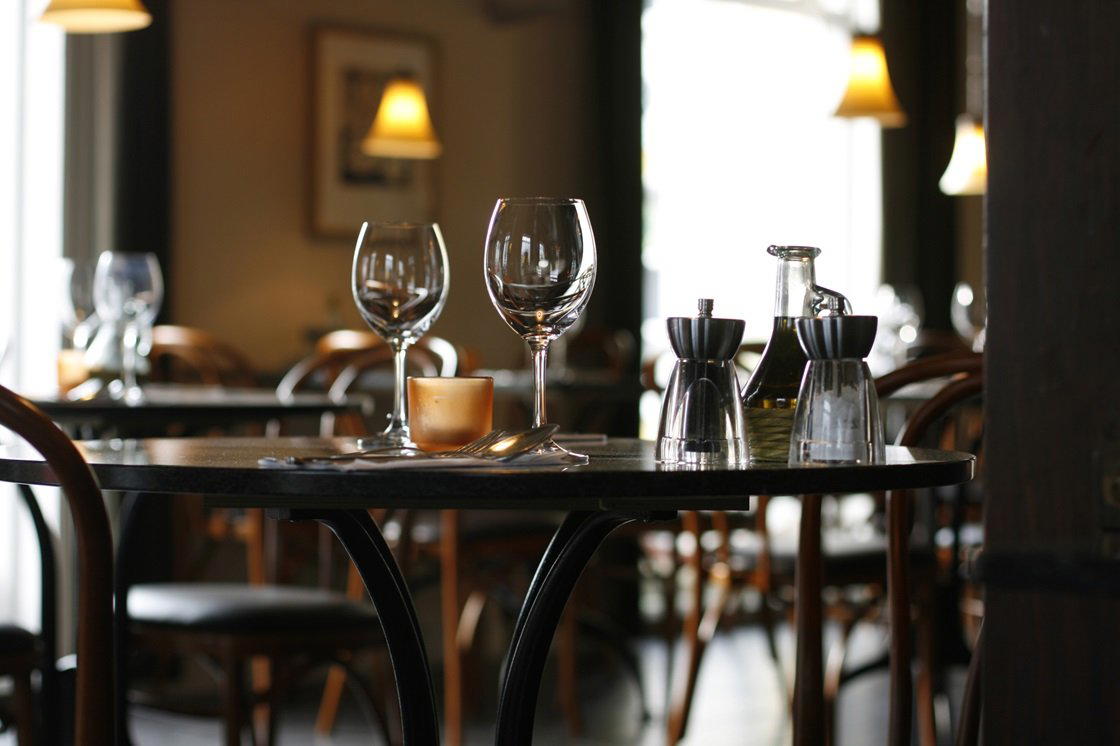
Bars in Nara
Browse all →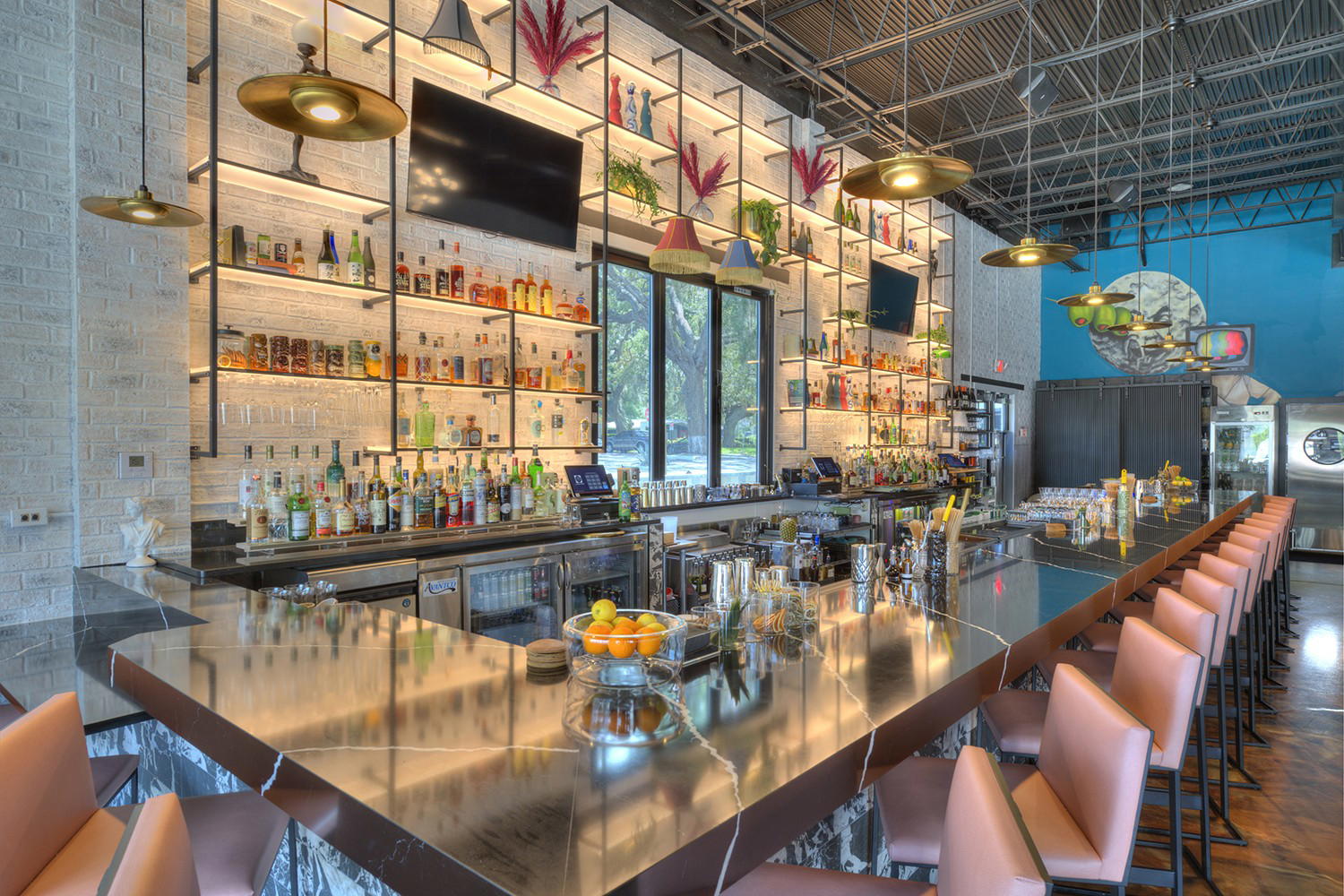
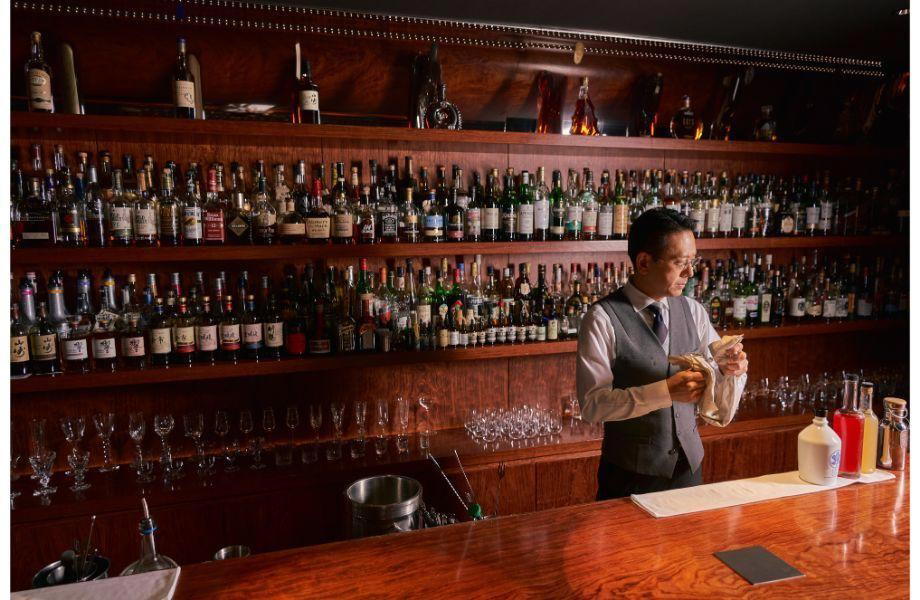
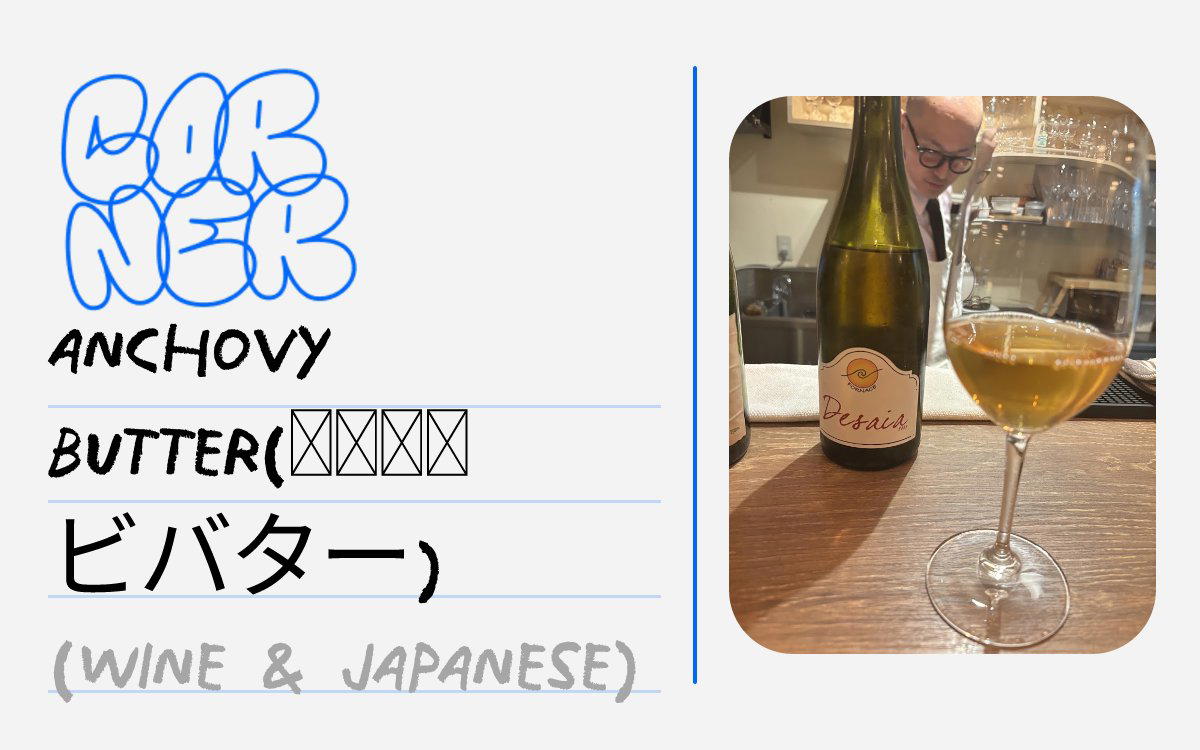

Hotels in Nara
Browse all →



Wineries in Nara
Browse all →
At a Glance
- Classic
- Scenic
- Elegant
- Date Night
- Special Occasion
- Historic Building
- Local Sourcing
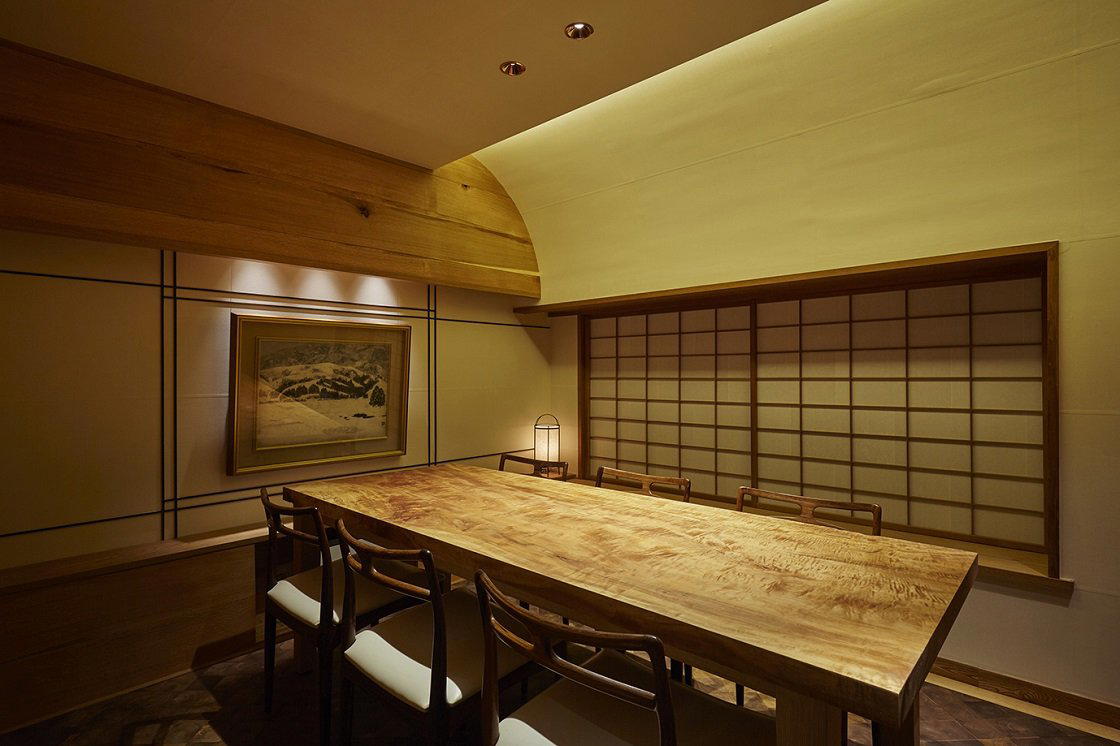
Intimate setting with traditional Japanese decor reflecting local heritage and craftsmanship.