Our verdict
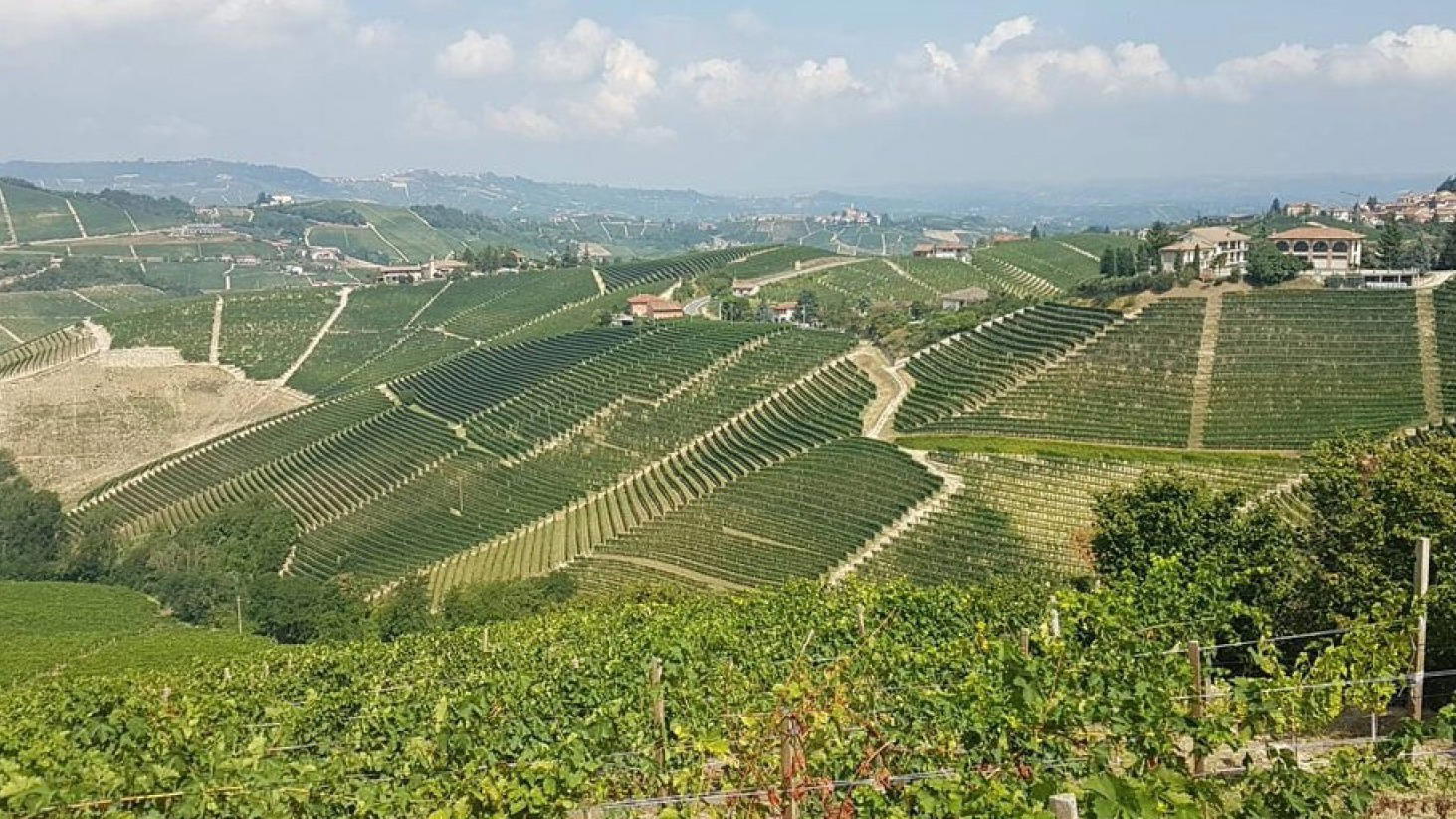
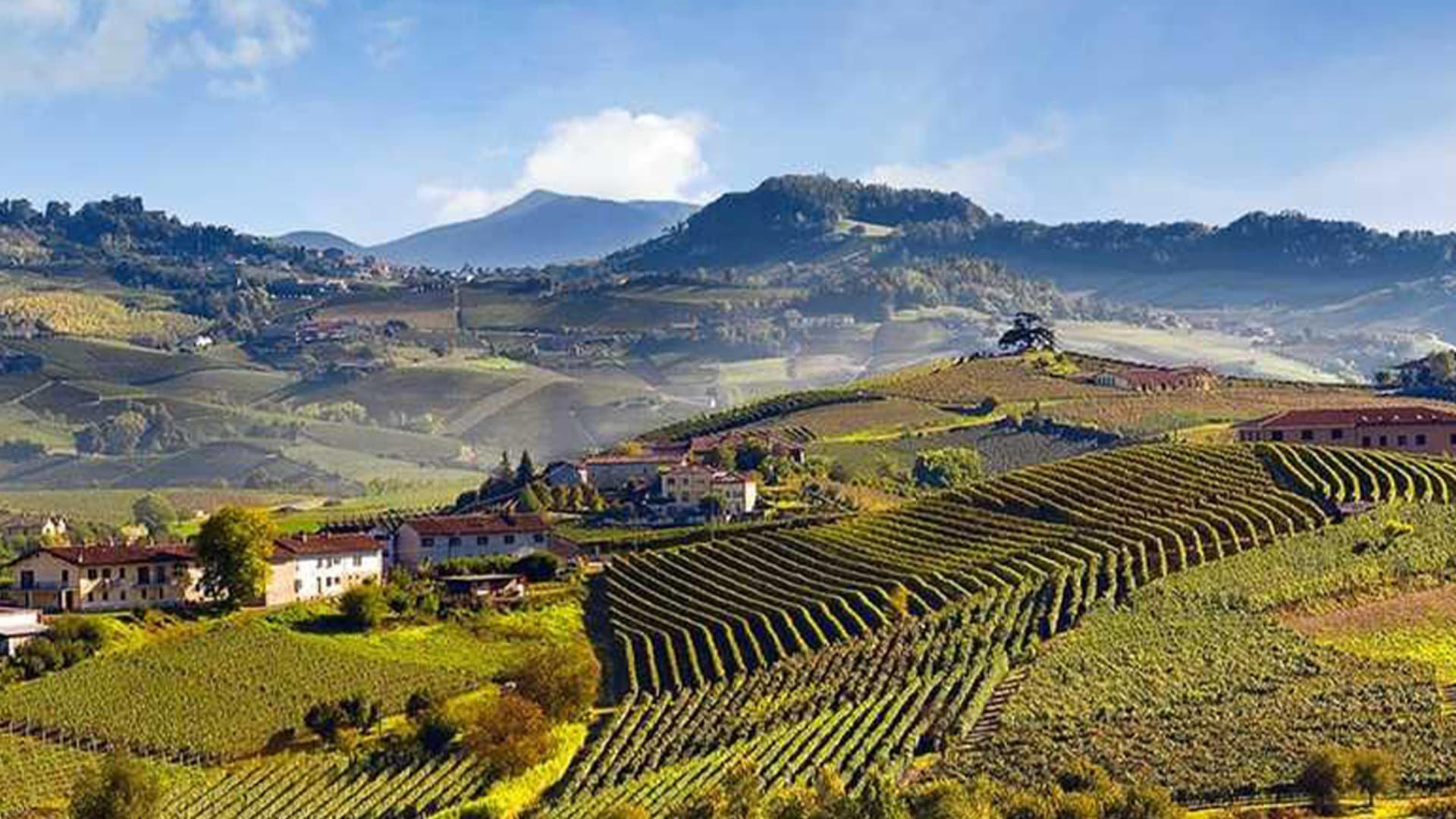
On Corso Alessandria in the heart of Asti, Duchessa sits within one of Piedmont's most agriculturally dense dining scenes, where the sourcing story begins before the kitchen does. The restaurant draws on the region's deep larder — Monferrato producers, local cured meats, and the seasonal rhythms of the Langhe — placing it inside a tradition of ingredient-led Piedmontese cooking that predates any contemporary farm-to-table framing.

Pearl is the En Primeur Club membership app — saves, bookings, and concierge access live there. Same editors, same standards.
- Address
- Corso Alessandria, 80, 14100 Asti AT, Italy
- Phone
- +39141598833
- Hours
- Mon ClosedTue–Sun 11 AM–2 PM, 4–11 PM
- Directions
- Get directions
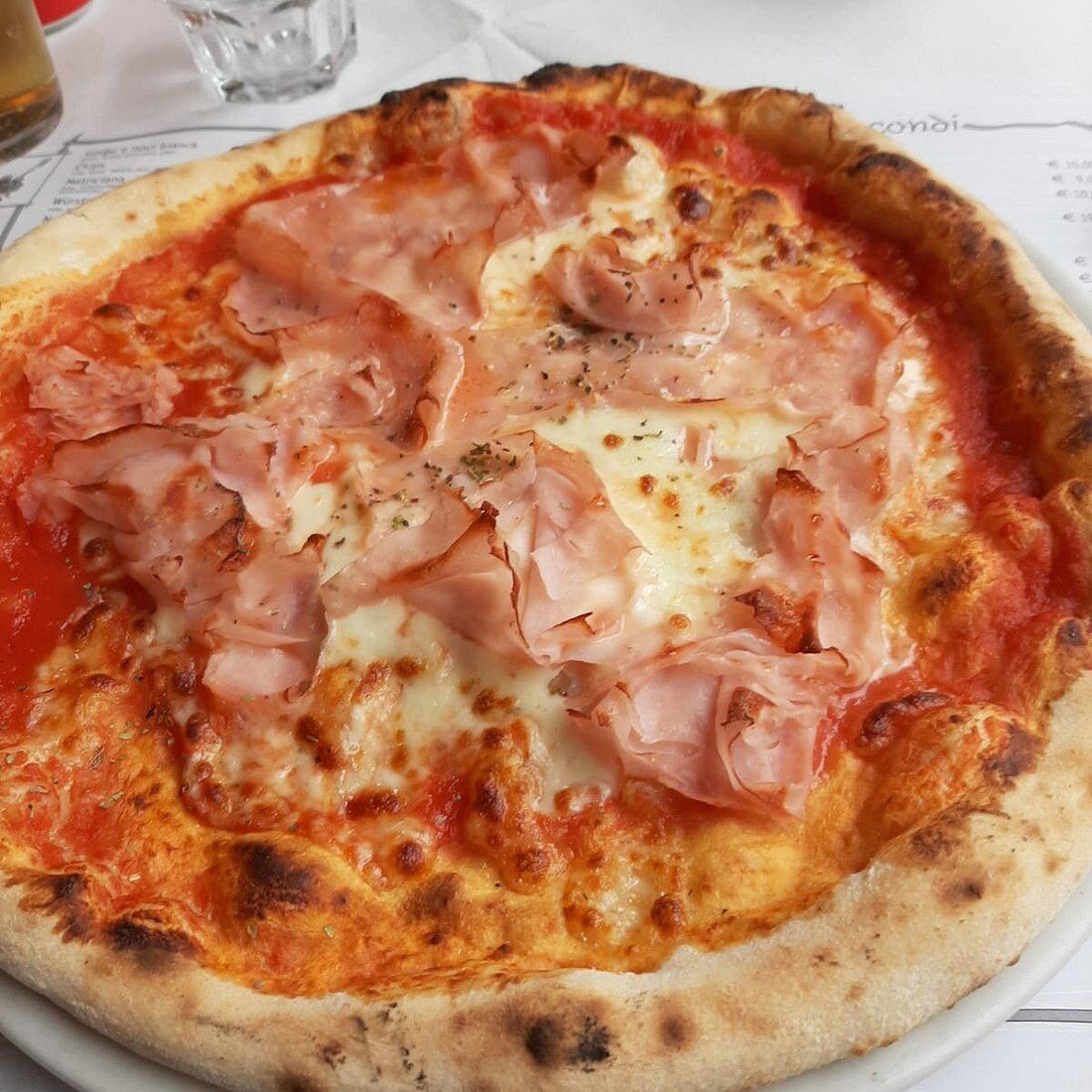
The menu
What to order
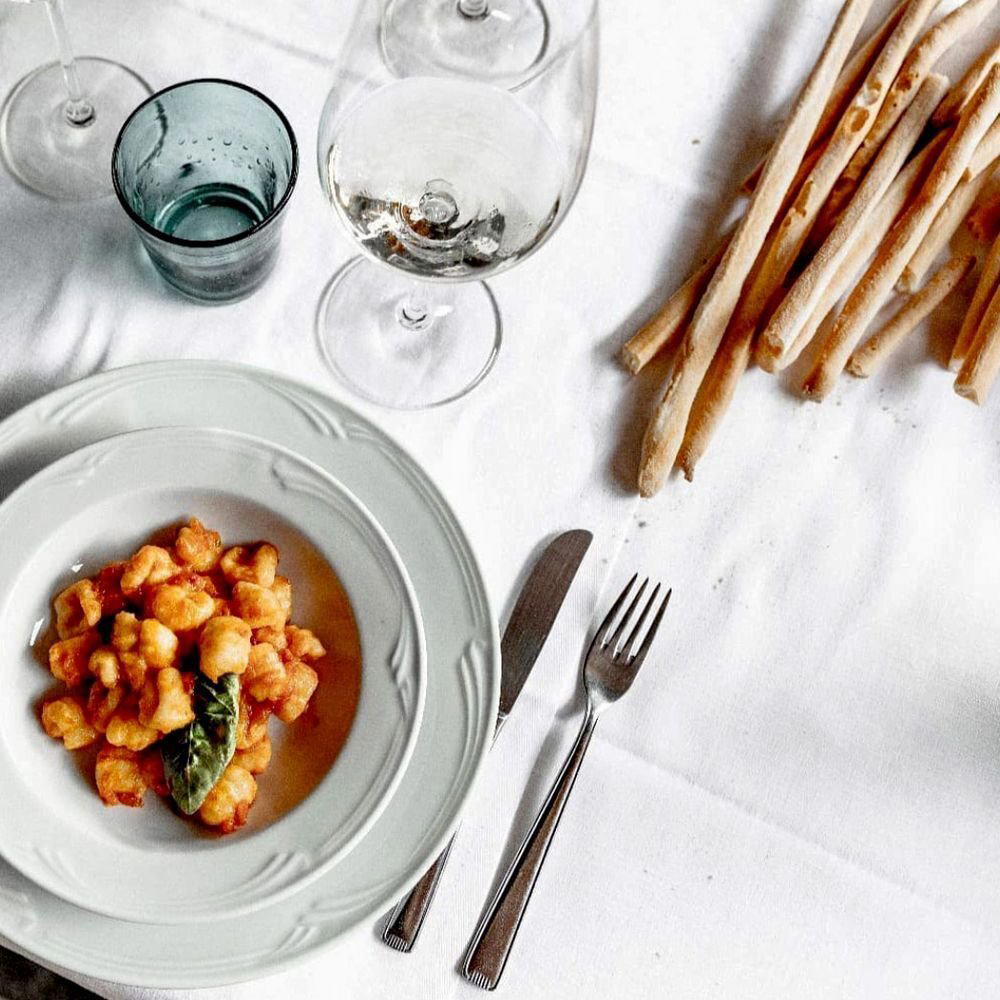
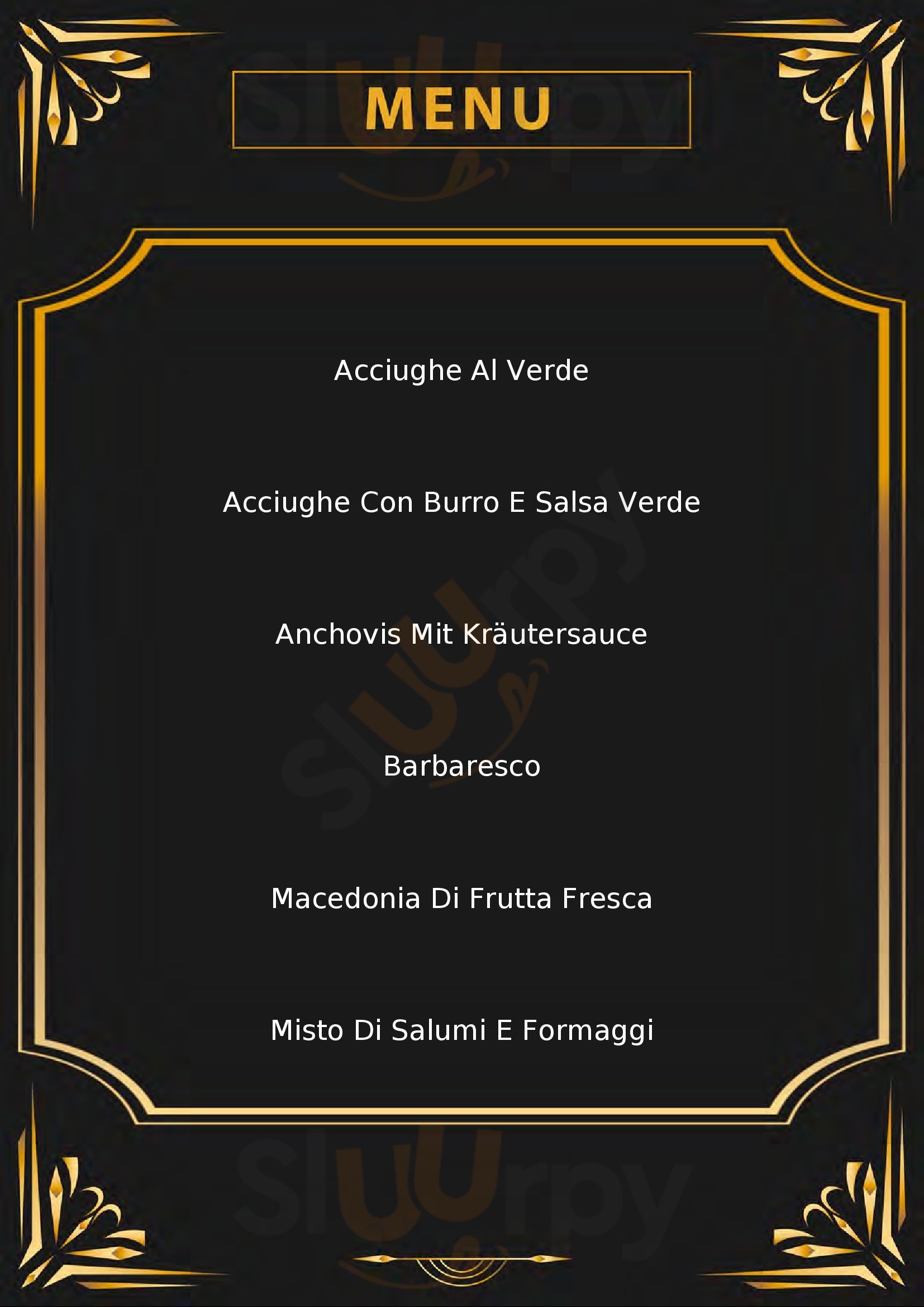
- Pizza dama bianca
Where Piedmont's Larder Meets the Table
Asti occupies a specific position in northern Italy's dining order. It sits between the more internationally flagged Alba to the south — home to Piazza Duomo, one of Italy's most decorated restaurants — and a broader Piedmontese countryside that has been feeding serious kitchens for centuries without much need for outside validation. The province's markets move with the seasons in ways that urban dining rarely manages: white truffles from October through December, cardoons in autumn, Castelmagno at its finest in the colder months. Restaurants along Corso Alessandria and the streets radiating from Asti's central piazza have long relied on this proximity, and Duchessa at number 80 is positioned squarely within that tradition.
The approach to ingredient sourcing that defines Piedmontese cooking at this level is worth understanding as a regional logic, not just a menu style. Unlike coastal Italian traditions where technique and product rotate around seasonal catch, Piedmont's inland larder runs on a combination of preserved and fresh: aged cheeses, cured meats, and slow-braised cuts sit alongside fresh pasta made daily and vegetables pulled from Monferrato farms within the same week. This is not a recent affectation, it is the architecture of how the region has eaten for generations, and restaurants operating within it are, in a sense, inheritors of a supply chain as much as a culinary tradition. For context on how this plays out at the top end of the Italian table, Dal Pescatore in Runate and Osteria Francescana in Modena represent the Michelin-weighted pole of Italian ingredient-led cooking, while Asti's own scene operates with less international visibility and, correspondingly, fewer of the booking pressures that come with it.
The Scene on Corso Alessandria
Corso Alessandria is one of the main arterial streets threading through Asti's commercial centre, and the addresses along it tell a story about how the city eats: not in a tourist-facing cluster around the cathedral, but distributed through everyday urban fabric. This matters for sourcing, because proximity to the city's weekly market and to the covered food halls means kitchens here draw on the same supply as the city's home cooks. The distance between a restaurant's back door and a Monferrato producer's delivery truck is often shorter than it appears on a map. That friction-free supply is part of what keeps cooking at this level honest, there is less margin for theatrical sourcing claims when the evidence is visible at the Saturday market two streets over.
Within Asti's current restaurant circuit, Duchessa occupies the city-centre tier rather than the destination-dining bracket. For comparison, Cannavacciuolo Le Cattedrali Asti represents the high-concept pole of Asti dining, while Il Cavallo Scosso sits in the contemporary-regional register. Duchessa's address and character place it closer to the everyday end of that range, a restaurant where Piedmontese cooking is practised without the apparatus of a tasting-menu format or a celebrity-kitchen lineage. That is a valid and often more reliable position in a city whose culinary identity runs deep enough not to require theatrical framing.
What Ingredient Sourcing Means at This Scale
The broader Italian conversation about sourcing has shifted considerably over the past decade. At the three-Michelin-star tier, Reale in Castel di Sangro, Uliassi in Senigallia, or Atelier Moessmer Norbert Niederkofler in Brunico, sourcing has become an explicit creative framework, with menus built around the constraints of hyperlocal supply. At mid-tier city restaurants, the same logic operates but without the editorial scaffolding. Piedmont's advantage is that the ingredients justify the approach without needing explanation: Fassone beef from local farms, Langhe hazelnuts, Castelmagno and Robiola cheeses, and the truffle supply that makes Alba's market one of the most watched in Europe every autumn. A kitchen on Corso Alessandria has access to the same raw materials as those working in a more decorated tier, the difference lies in what they do with them and how they price that work.
For readers calibrating expectations across Italy's restaurant map, it helps to note that Asti functions differently from the destination-dining cities. Florence's Enoteca Pinchiorri, Milan's Enrico Bartolini, or Verona's Casa Perbellini 12 Apostoli draw international visitors specifically to eat. Asti draws visitors for its Palio, its wine country access, and its position as a working Piedmontese city. Restaurants here serve a local clientele first, which typically produces a more grounded version of regional cooking, less performative, more anchored to what the town actually eats.
Planning a Visit
Duchessa sits at Corso Alessandria, 80 in central Asti, accessible on foot from the main piazza and the train station, which connects to Turin in under an hour. Asti's dining scene clusters around the historic centre, and the walk from the station along Corso Alessandria passes several other addresses worth noting. No booking details, hours, or pricing were available at the time of writing, contacting the restaurant directly before visiting is the practical course. Asti's busiest periods align with the Palio in September and the truffle season running from October through December; if either coincides with a visit, table availability at city-centre restaurants tightens across the board. For a fuller picture of where Duchessa sits within Asti's current dining options, the EP Club Asti restaurants guide maps the scene across formats and price points.
Internationally, readers who follow ingredient-led cooking across formats will find useful reference in places like Lazy Bear in San Francisco or Le Bernardin in New York City, both of which demonstrate how sourcing discipline can anchor a restaurant's identity across very different culinary traditions. The Piedmontese version is less explicitly argued, but no less coherent for that. The region's larder does much of the persuading on its own.
Frequently asked questions
Is Duchessa good for families?
Asti's dining culture broadly accommodates multi-generational tables, and a venue on a central artery like Corso Alessandria tends to reflect that.
What's the overall feel of Duchessa?
Duchessa sits on Corso Alessandria, one of Asti's main commercial thoroughfares, which sets a grounded, city-centre tone rather than a destination-resort atmosphere. The address places it within walking distance of the main piazza, suggesting an accessible, everyday-Piedmont register rather than a formal occasion-dining room.
How does Duchessa fit into Asti's broader dining scene compared to restaurants in nearby Alba?
Asti and Alba are often discussed in the same breath as Piedmont's twin anchors, but they operate differently: Alba carries more international wine-tourism traffic due to its proximity to Barolo and Barbaresco, while Asti's restaurants on streets like Corso Alessandria serve a more locally rooted clientele. Duchessa at number 80 is positioned in that civic core, which typically means menus shaped by what's available from the immediate Astigiano rather than designed around destination-diner expectations.
What do people recommend at Duchessa?
Checking recent diner reviews will give the clearest picture of current standouts.
How do I find Duchessa?
Duchessa is located at Corso Alessandria, 80, 14100 Asti AT, Italy, Asti.
Do I need a reservation for Duchessa?
Given its location at Corso Alessandria, 80 in central Asti — a city that draws visitors for its wines and food — booking ahead for dinner, particularly on weekends, is sensible practice.
At-a-Glance Comparison
Comparable venues nearby, for context on price, style, and recognition.
| Venue | Cuisine | Price | Awards | Notes |
|---|---|---|---|---|
| DuchessaThis venue — the venue you are viewing | Italian Pizza | $10–20 | Not listed | Not listed |
| Il Cavallo Scosso | Modern Piedmontese Tasting Menu | $50–100 | Michelin Plate | residential area, 2km from city centre |
| Cannavacciuolo Le Cattedrali Asti | Modern Piedmontese Fine Dining | $150–200 | 1 Michelin Star · Wine Spectator Best of Award of Excellence | Valleandona |
| Gelateria Vernazza | Artisanal Italian Gelato | Not listed | Not listed | Vernazza |
| Il Gelato di San Crispino | Artisanal Italian Gelato | Not listed | Not listed | Centro |
| Venchi Cioccogelateria | Italian Chocolate Gelateria | $10–20 | Not listed | San Marco |
Continue exploring
More in Asti
Restaurants in Asti
Browse all →
Bars in Asti
Browse all →
Hotels in Asti
Browse all →
Details
- Casual
- Cozy
- Casual Hangout
- Family
- A La Carte
- Vegetarian Friendly
- Vegan Options
Current opening hours
- Monday
- Closed
- Tuesday
- 11 AM–2 PM, 4–11 PM
- Wednesday
- 11 AM–2 PM, 4–11 PM
- Thursday
- 11 AM–2 PM, 4–11 PM
- Friday
- 11 AM–2 PM, 4–11 PM
- Saturday
- 11 AM–2 PM, 4–11 PM
- Sunday
- 11 AM–2 PM, 4–11 PM
Hours can change for holidays and private events. Last verified .
Laid-back and cozy with efficient service, functioning mainly as takeaway but offering limited eat-in seating.