Brasserie de La Gaichel
Brasserie de La Gaichel sits at Maison 5-7 in the hamlet of Gaichel on the Luxembourg-Belgian border, a setting that places it squarely within the region's tradition of cross-border brasserie dining. The address alone signals something about the kitchen's likely sourcing territory: pastures, forests, and market gardens that straddle two countries. For travellers passing between Arlon and Luxembourg City, it represents a considered stop rather than a convenience.
Pearl is the En Primeur Club membership app — saves, bookings, and concierge access live there. Same editors, same standards.
- Address
- Maison 5 - 7, 8469 Gaichel Habscht, Luxembourg
- Phone
- +352390129
- Website
- lagaichel.lu
- Directions
- Get directions
 Saves & bookings on Pearl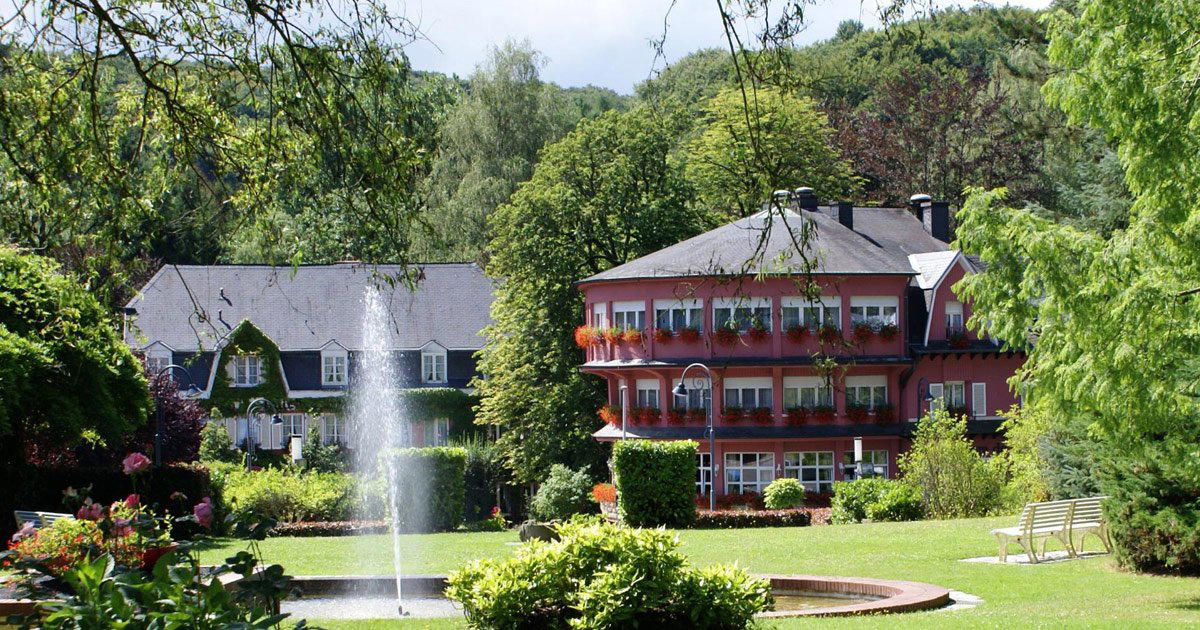
Where the Ardennes Meets the Table
The hamlet of Gaichel sits on the boundary between Belgium and Luxembourg, a sliver of geography that has historically made it a meeting point for travellers, traders, and eventually diners. The brasserie format that anchors this kind of border community is not incidental. It reflects a longstanding European tradition in which proximity to multiple regional larders, French-speaking culture on one side, Germanic on the other, produces kitchens that draw freely from both without committing entirely to either. Brasserie de La Gaichel is a Traditional Luxembourgish Brasserie in Gaichel Habscht, Luxembourg, priced at about $35 per person.
Approaching from the Belgian side via Arlon, the road narrows into woodland before opening onto the valley. The physical experience of arrival matters here in a way it does not in city dining. This is characteristic of the better country brasseries in the greater Luxembourg region, where the setting functions as the first course.
A Sourcing Territory That Spans Two Countries
Brasserie cooking in this corridor depends heavily on what grows, grazes, and runs nearby. The Ardennes, which extends across southern Belgium and northern Luxembourg, is one of Western Europe's most productive foraging and game territories. Wild boar, venison, crayfish from cold streams, chanterelles and porcini from dense beech forest, and the farmhouse charcuterie traditions of the Belgian province of Luxembourg all fall within reasonable sourcing distance of a kitchen in Gaichel.
Cross-border sourcing also opens access to Lorraine's dairy and charcuterie traditions to the south and west, while Luxembourg's own AOC-designated Moselle wines sit within direct reach to the east. A brasserie menu built honestly from this territory would look nothing like a Parisian one: it would lean toward richer preparations, seasonal game, preserved and cured products, and the kind of bread-and-butter cooking that takes its cues from agricultural calendars rather than trend cycles.
This is the tradition that shapes what serious dining in the greater Arlon-Luxembourg border zone looks like. For comparison, La Grappe d'Or, operating in a French Contemporary register at €€€ in Arlon, and De la terre à l'assiette, a Modern French kitchen at the €€ tier in the same city, both work within related traditions, though each tilts the balance between French technique and regional produce differently. The border brasserie format that Gaichel represents sits in a slightly different register: less composed-plate formality, more confidence in the primary ingredient.
The Brasserie Format and What It Demands
The word brasserie carries history worth unpacking. In its original sense, it referred to a brewhouse, and the format evolved to mean a space that served food alongside drink, with longer opening hours and a broader menu than a restaurant proper. In the Luxembourg-Belgium-France triangle, the better brasseries have maintained the generous, anchored quality of that tradition without retreating into the museum-piece version of it. They are places where a table might be held for three hours, where the wine list spans the Moselle and the Marne, and where the cooking rewards attention without demanding it.
For a kitchen in Gaichel, that format aligns well with the clientele it draws. Country brasseries of this type depend on consistent, word-of-mouth loyalty.
In the wider Luxembourg dining context, properties like Léa Linster and SENSA in Weiswampach anchor the fine-dining end of the country's register, while a range of village-level addresses fills the middle ground. Gaichel sits in that middle ground, though the border location gives it a character distinct from purely Luxembourg-domestic addresses. Nearby, Auberge de La Gaichel in Eischen works a related territory, and together the two addresses suggest that the Gaichel valley has developed a small but coherent dining identity of its own.
Planning a Visit
Gaichel Habscht is not served by public transport in any practical sense, so a car is the default. From Arlon, the drive takes roughly 15 minutes via the N4 toward Luxembourg City, turning off at the valley. From Luxembourg City, the route is longer by road but the direction reverses, and the valley arrival feels different, dropping into the landscape rather than climbing out of it. Reservations are recommended.
For those planning a broader Luxembourg itinerary, the Gaichel address pairs naturally with a sweep through the country's rural dining circuit. Addresses like Beim Bertchen in Wahlhausen, Becher Gare in Bech, Beim Schlass in Wiltz, and De Pefferkär in Fennange map a country where serious cooking has migrated decisively away from the capital. For urban contrast, B13 in Bertrange, Beefbar Smets in Strassen, Côté cour in Bourglinster, Chocolats du Cœur in Helmsange, and Der Napf in Wilwerdange round out the picture. The full Arlon restaurants guide covers the Belgian side of the border in more depth, alongside La Régalade, which anchors the Arlon dining conversation from a different angle entirely.
Side-by-Side Snapshot
Comparable venues nearby, for context on price, style, and recognition.
| Venue | Cuisine | Price | Notes |
|---|---|---|---|
| Brasserie de La GaichelThis venue — the venue you are viewing | Traditional Luxembourgish Brasserie | $$$ | Not listed |
| Beim Schlass | Luxembourgish Regional with French Influences | $$$ | historic centre |
| La Table de Frank | French Brasserie | $$$ | Steinfort |
| Restaurant Péitry | French Restauberge with Local Seasonal Cuisine | $$$ | Roodt-sur-Syre |
| Confiserie Namur - Hamm | French Patisserie | $$$ | Hamm |
| La Mirabelle | Classic French with Seasonal Twists | $$$ | Eich |
At a Glance
- Cozy
- Lively
- Rustic
- Family
- Group Dining
- Casual Hangout
- Terrace
- Garden
- Local Sourcing
- Garden
Current opening hours
- Monday
- 12–1:30 PM, 7–9:30 PM
- Tuesday
- Closed
- Wednesday
- Closed
- Thursday
- 12–1:30 PM, 7–9:30 PM
- Friday
- 12–1:30 PM, 7–9:30 PM
- Saturday
- 12–1:30 PM, 7–9:30 PM
- Sunday
- 12–1:30 PM, 7–9:30 PM
Hours can change for holidays and private events. Last verified .
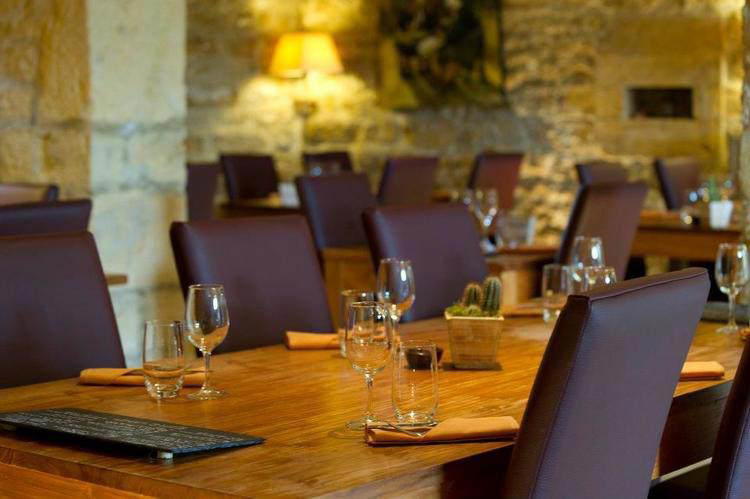
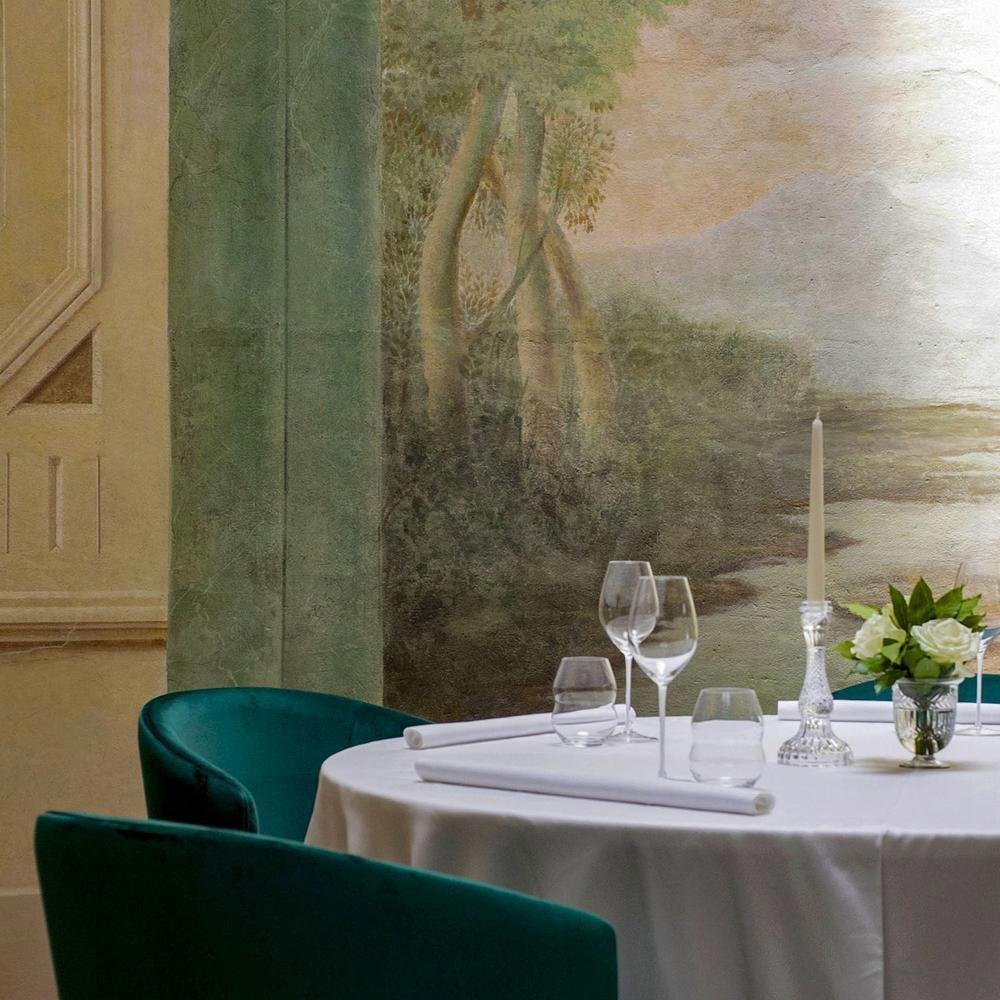
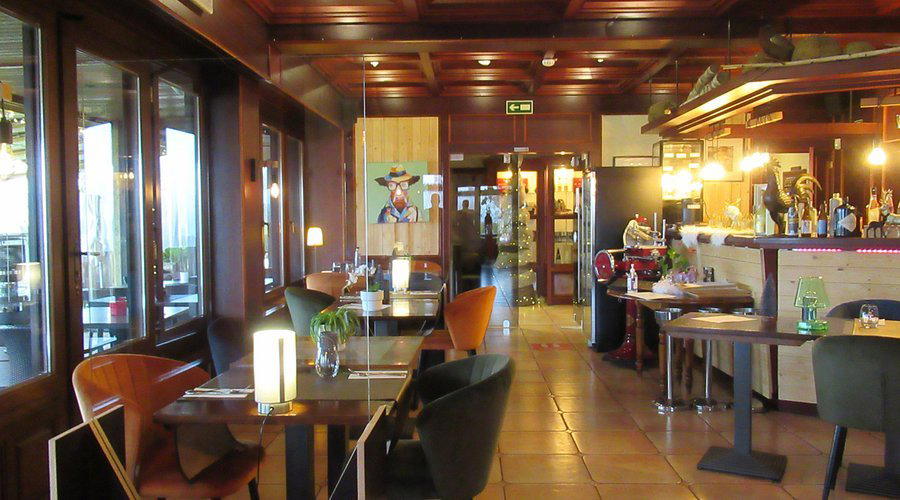
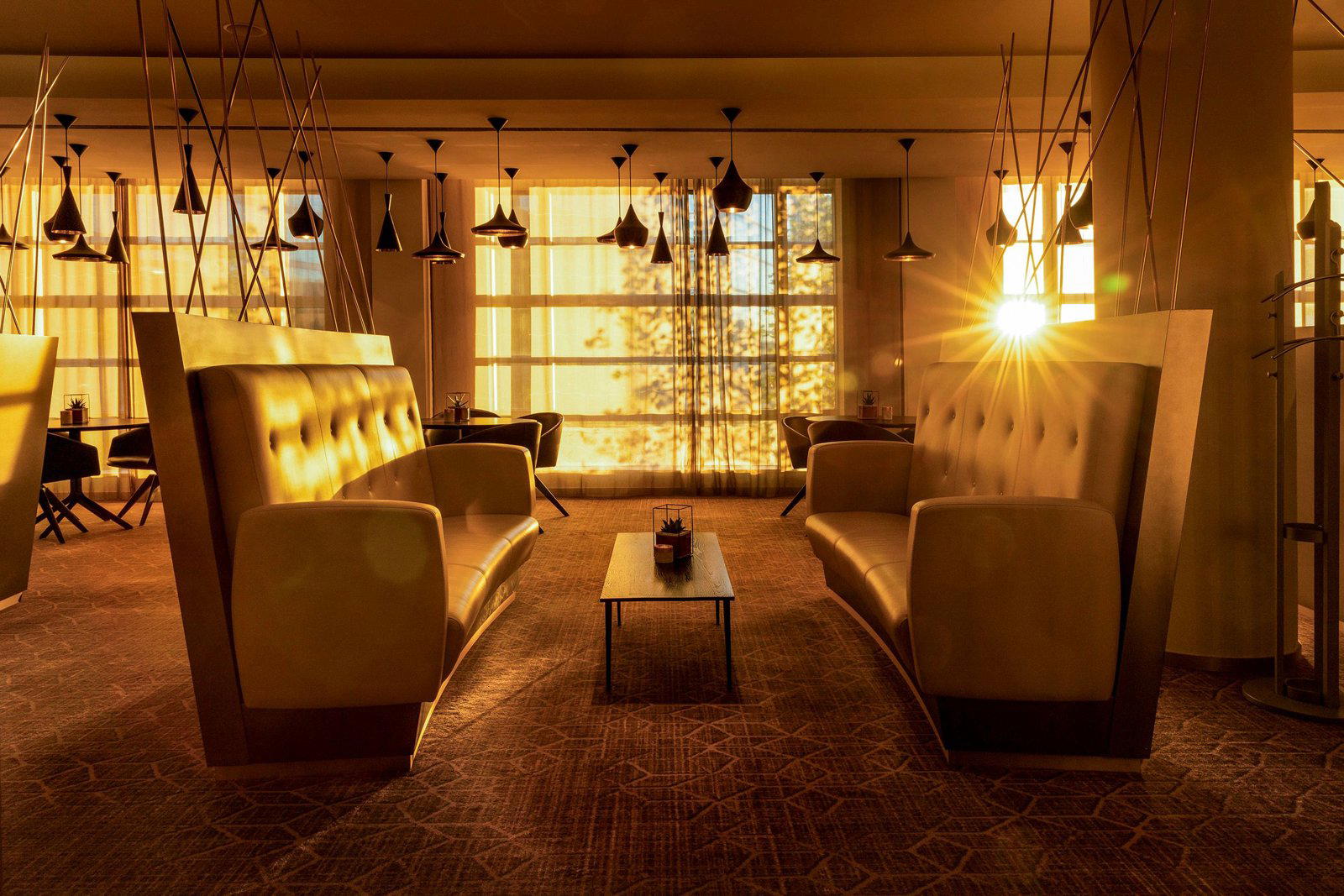
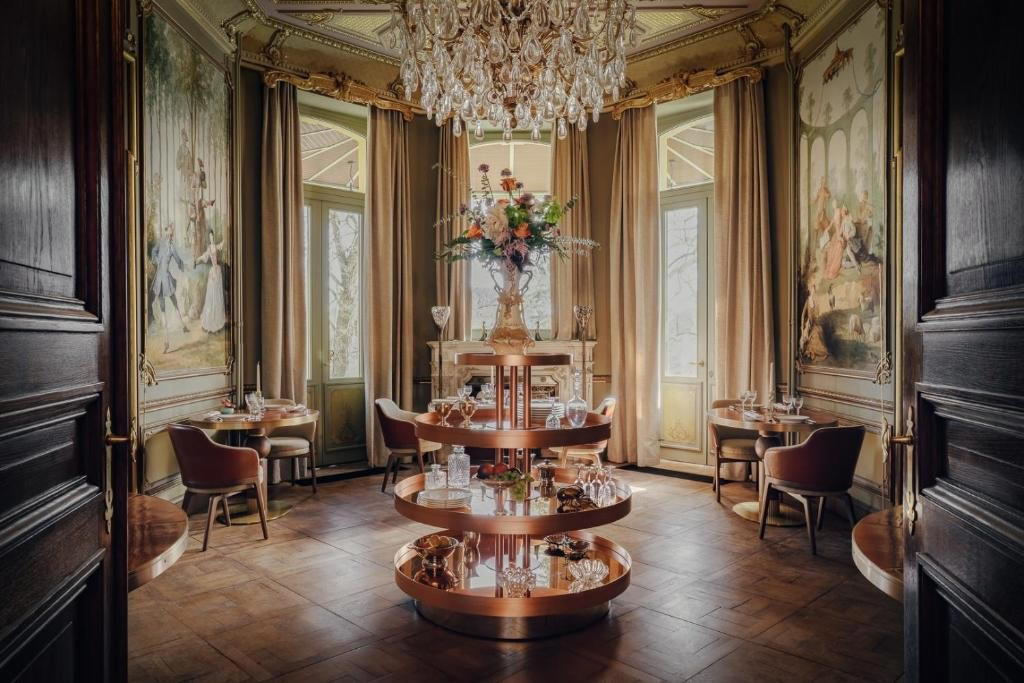
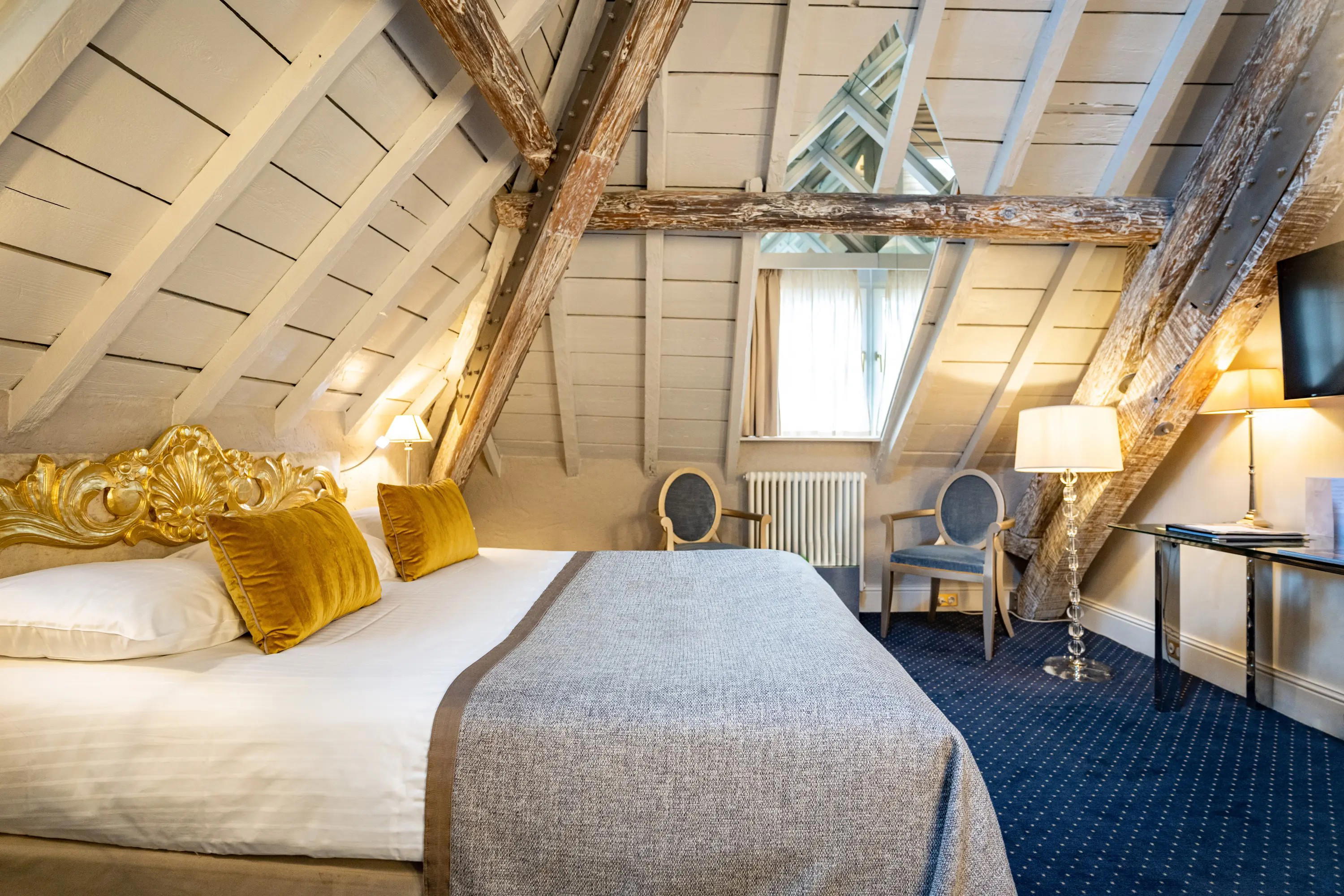
Convivial and warm atmosphere with shaded terrace overlooking verdant park.