De Pefferkär
De Pefferkär occupies a quiet corner of Huncherange-Bettembourg, a stretch of southern Luxembourg where the village restaurant tradition runs deep. With a name rooted in Luxembourgish dialect and an address on the Route d'Esch, it sits within the broader culinary geography of a country increasingly serious about what ends up on the plate and where it came from.
 Discover on Pearl
Pearl is the En Primeur Club membership app — saves, bookings, and concierge access live there. Same editors, same standards.
- Address
- 49 Rte d'Esch, 3340 Huncherange Bettembourg, Luxembourg
- Phone
- +352513575
- Website
- de-pefferkaer.lu
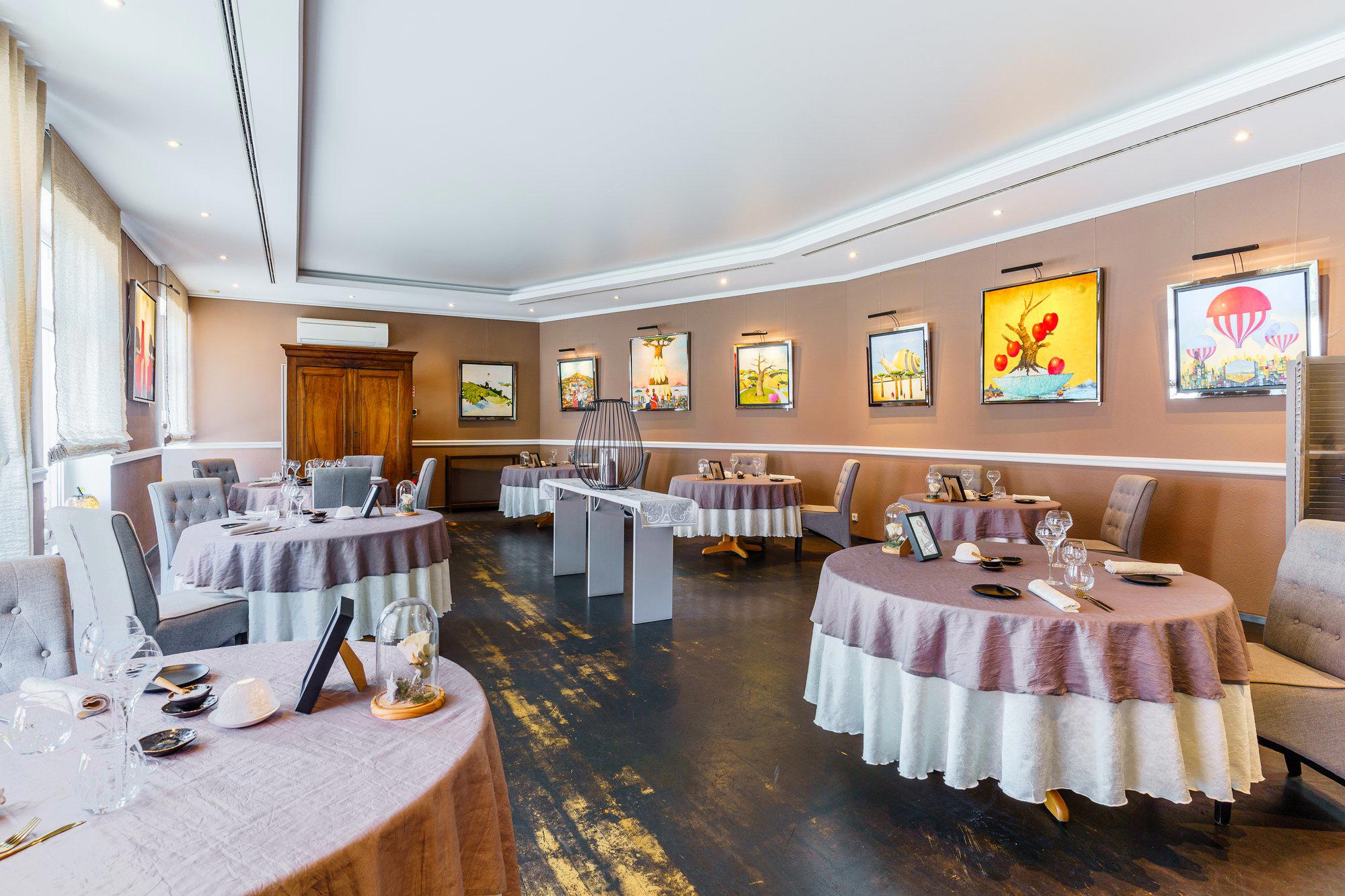
Southern Luxembourg and the Question of Provenance
The villages that line the Route d'Esch between Bettembourg and Esch-sur-Alzette are not where most Luxembourg dining itineraries begin. That corridor belongs to commuters, to small commerce, to the kind of ordinary Luxembourg that sits at a remove from the capital's polished restaurant scene. Which makes it precisely the sort of place where a dining room rooted in local sourcing and regional identity can operate without the pressure of trend cycles. De Pefferkär, at 49 Rte d'Esch in Huncherange Bettembourg, is a Luxembourgish French Bistro in Huncherange, Bettembourg, Luxembourg.
Luxembourg's restaurant culture has quietly matured over the past decade. The country now holds multiple Michelin-starred addresses, among them Léa Linster in Luxembourg, and a wider tier of serious cooking that extends well beyond the capital. In rural and semi-rural communes, the tradition of the local table, sustained by proximity to farms, to the Moselle valley's produce, to cross-border markets in France and Belgium, gives smaller restaurants a sourcing advantage that urban venues spend considerable effort trying to replicate. De Pefferkär operates within that tradition.
What the Name Signals
The name itself is a tell. Pefferkär is Luxembourgish for pepper, a spice with a history in medieval and early modern European cooking that points toward something older and more specific than a generic bistro identity. Luxembourgish dialect on a restaurant sign is not decoration; it signals an audience and a sensibility. It places the kitchen in conversation with local food culture rather than aspiring to the Franco-Belgian fine dining idiom that dominates the country's higher-priced tier. In a country where Auberge De La Gaichel in Eischen represents one model of refined country cooking and Becher Gare in Bech another, De Pefferkär's identity reads as more grounded and more vernacular.
Ingredient Sourcing in the Luxembourg South
The agricultural geography around Bettembourg is shaped by the Alzette valley to the north and the Minett plateau to the south, historically an iron and steel region now transitioning toward light industry and residential use. Farms in this corridor tend to be small-scale, and cross-border supply from the Lorraine region of France is a practical reality for kitchens that want quality without Luxembourg's limited agricultural volume. The country's domestic produce culture, while smaller than its neighbours', has developed a coherent identity around dairy, pork, and river fish, with the Moselle further east supplying pike-perch, trout, and the region's established wine tradition.
For a kitchen on the Route d'Esch, this geography is not incidental. It defines the practical range of what arrives fresh and what arrives from further afield. The leading Luxembourg village restaurants tend to build their menus around this honest accounting: what the land nearby actually produces, what the season makes available, and what traditions the local audience recognises. Across the country, venues like Beim Bertchen in Wahlhausen and Der Napf in Wilwerdange have built reputations on exactly this kind of rooted sourcing in their respective corners of Luxembourg.
Positioning in Luxembourg's Mid-Country Dining Tier
Luxembourg's dining scene stratifies fairly clearly. At the leading, starred restaurants and contemporary fine dining rooms like SENSA in Weiswampach operate at international reference points. Below that, a substantial mid-tier of serious but accessible restaurants serves the country's dense population of cross-border workers, expats, and domestic diners with high expectations and practical schedules. De Pefferkär, by geography and name, sits in that mid-tier, where the competitive set includes village restaurants across the south rather than the capital's polished addresses.
That positioning is not a limitation. The most durable restaurants in this tier, across Luxembourg and in comparable small European markets, tend to be those that commit to a specific audience and sourcing philosophy rather than chasing a broader appeal. Beim Schlass in Wiltz and Côté cour in Bourglinster both demonstrate that rural Luxembourg addresses can sustain serious cooking without metropolitan infrastructure. De Pefferkär operates within that same logic.
Getting There and Planning a Visit
Huncherange-Bettembourg sits roughly 15 kilometres south of Luxembourg City, accessible by car via the A3 or by train to Bettembourg station, from which the Route d'Esch address is a short drive. The commune is not a walking destination; this is a restaurant you plan around rather than stumble into. The Route d'Esch location, on the edge of a residential area, suggests a format built for local regulars rather than passing trade, which in practice means the kind of kitchen that rewards advance planning and repeat visits rather than spontaneous drop-ins.
The Broader Luxembourg Village Restaurant Argument
There is a case to be made, and it is increasingly being made by the country's more attentive food writers, that Luxembourg's most interesting dining is happening outside the capital. The starred rooms in the city, like the country's entry in the same conversation as Le Bernardin in New York City or Lazy Bear in San Francisco in terms of format ambition, are drawing international attention. But the texture of what Luxembourg actually eats, how it sources, how it gathers, is more visible in the village restaurants of the south and the Ardennes than in the polished rooms of the Kirchberg or the Grund.
De Pefferkär's address on the Route d'Esch, its Luxembourgish name, its position in a commune that most visitors pass through rather than stop in, these are markers of a certain kind of authenticity that the country's more prominent venues spend money trying to approximate. What is clear is that the conditions for it are in place: the geography, the name, the location in a part of Luxembourg where sourcing from nearby is a practical necessity rather than a marketing claim. For those exploring further afield, B13 in Bertrange, Beefbar Smets in Strassen, Fuku in Veianen, Kachatelier Manternach in Manternach, Domaine La Forêt in Remich, Brasserie de La Gaichel in Arlon, and Chocolats du Cœur in Helmsange each represent different facets of Luxembourg's wider dining geography.
A Quick Peer Check
Comparable venues nearby, for context on price, style, and recognition.
| Venue | Cuisine | Price | Awards |
|---|---|---|---|
| De PefferkärThis venue — the venue you are viewing | |||
| Ma Langue Sourit | Contemporary French, Modern Cuisine | €€€€ | Michelin 2 Star |
| Léa Linster | Modern French | €€€€ | Michelin 2 Star |
| Apdikt | Creative | €€€ | Michelin 1 Star |
| Archibald De Prince | Organic | €€€€ | Michelin 1 Star |
| Fani | Italian | €€€€ | Michelin 1 Star |
Continue exploring
More in Fennange
Restaurants in Fennange
Browse all →
At a Glance
- Cozy
- Lively
- Special Occasion
- Family
- Historic Building
- Extensive Wine List
- Local Sourcing
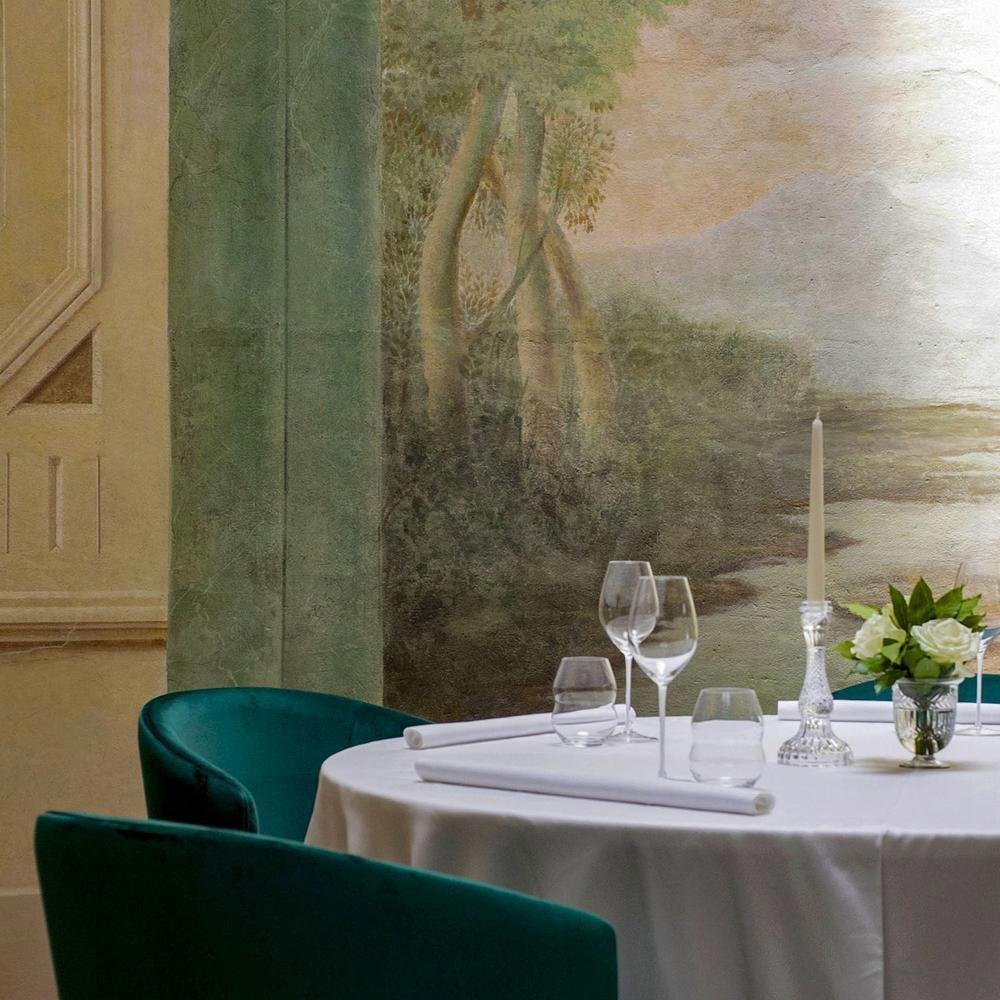
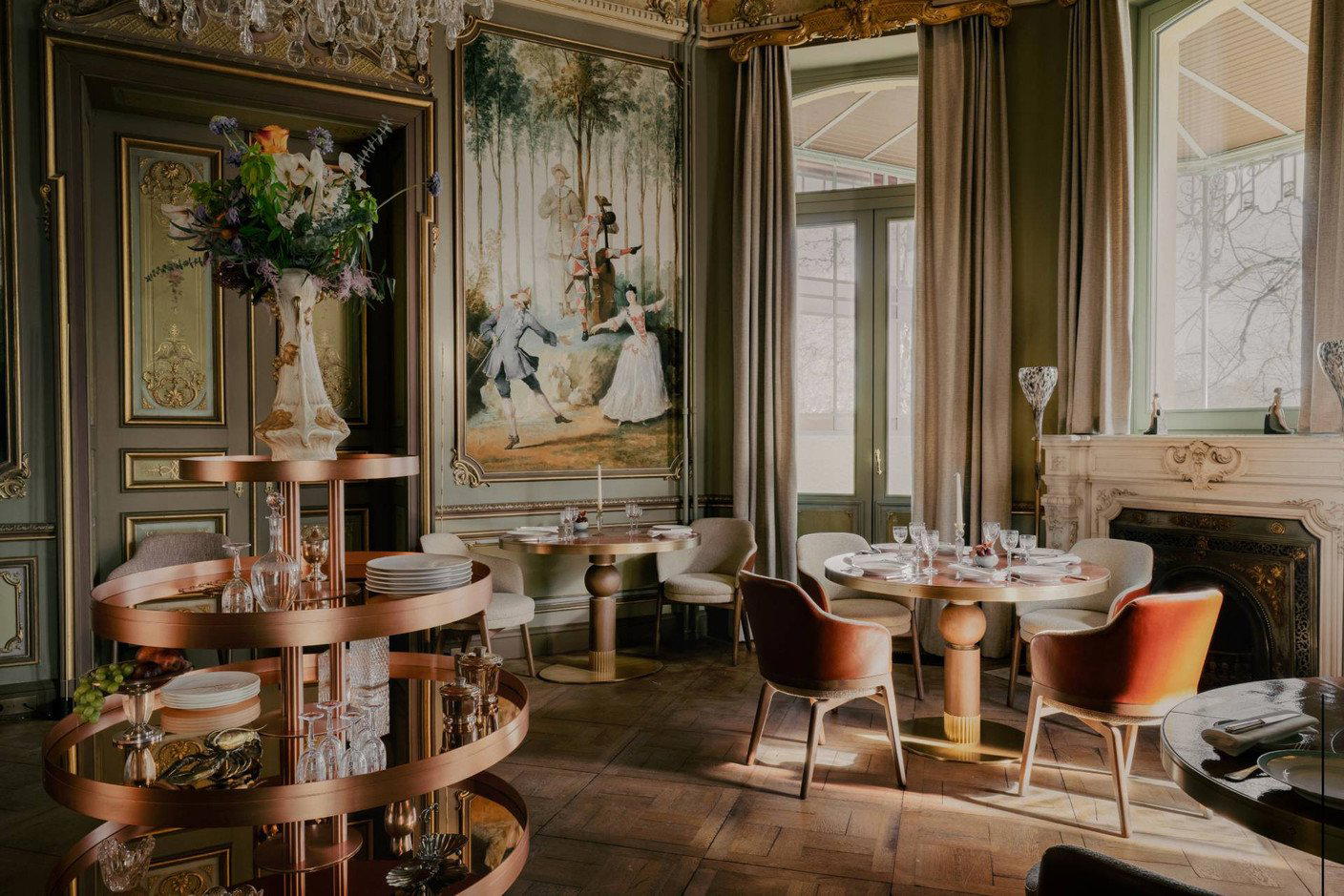
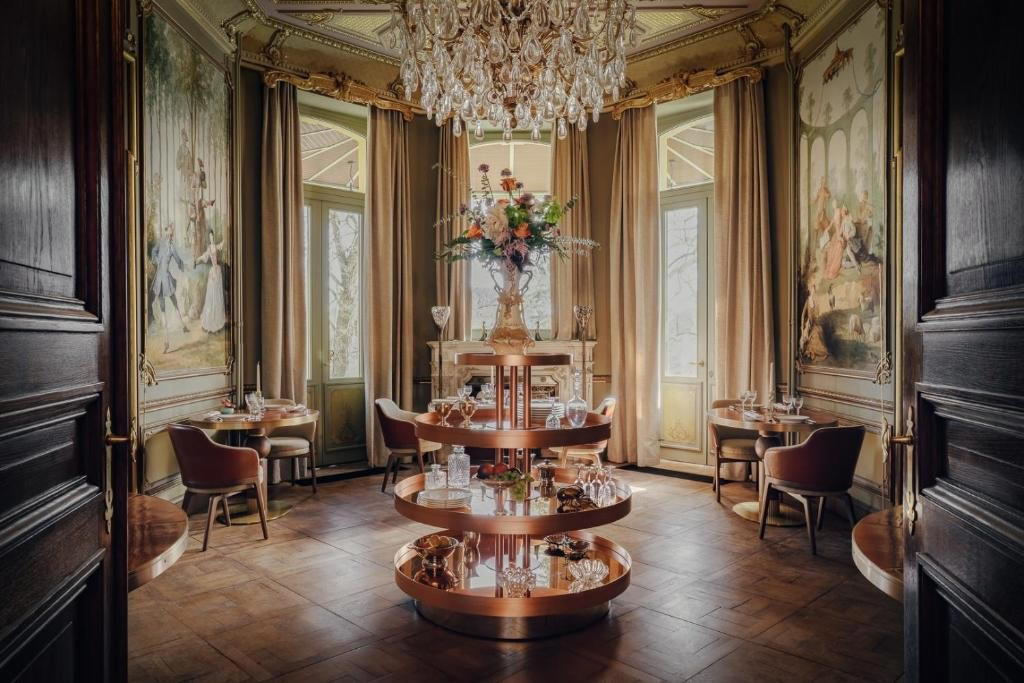
Sophisticated yet convivial atmosphere with vibrant art, cheese trolley, and warmth that invites lingering conversation.