Auberge De La Gaichel
Set in the forested Gaichel valley on the Belgian-Luxembourg border, Auberge De La Gaichel occupies a category of rural fine dining that Luxembourg does quietly but seriously. The address in Eischen places it well outside the capital's restaurant circuit, drawing guests who make the drive deliberately. It sits among the country's most destination-worthy tables, where the surrounding landscape shapes what ends up on the plate.
Pearl is the En Primeur Club membership app — saves, bookings, and concierge access live there. Same editors, same standards.
- Address
- 5 Maison, 8469 Gaichel Eischen Habscht, Luxembourg
- Phone
- +352390129
- Website
- lagaichel.lu
- Directions
- Get directions
 Saves & bookings on Pearl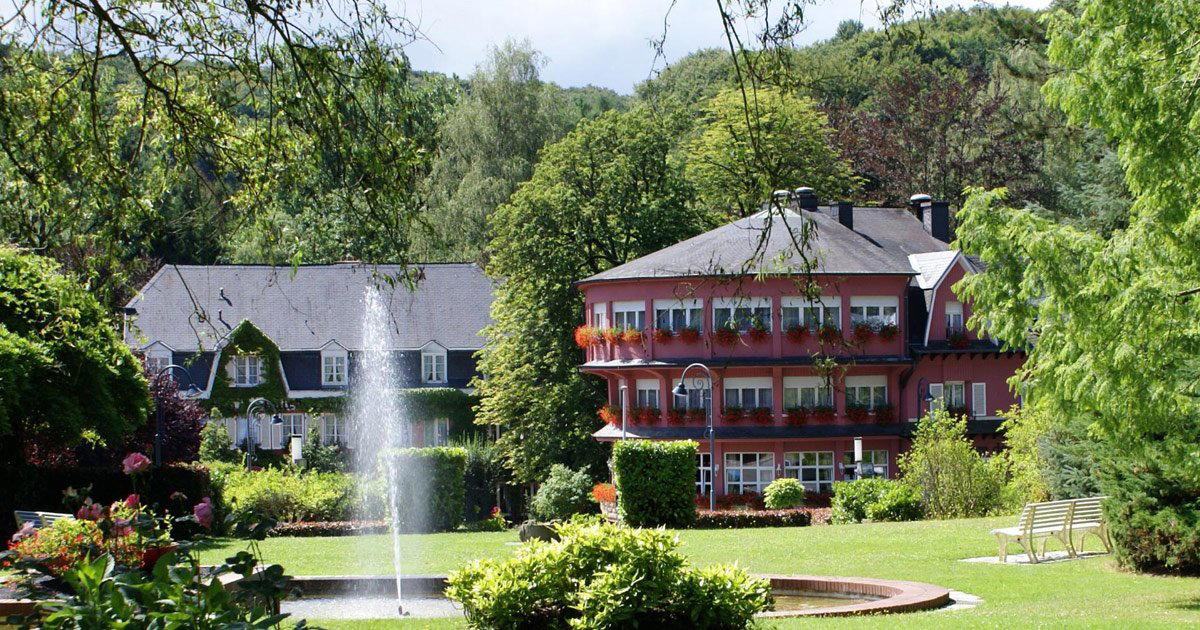
Where the Ardennes Margin Meets the Table
The road into the Gaichel valley follows a stream through dense beech woodland, and by the time the auberge appears, the logic of the place is already clear. Rural Luxembourg has a tradition of serious cooking housed in unpretentious country inns, and Auberge De La Gaichel belongs to that lineage: buildings that make no architectural spectacle of themselves, set against terrain that does all the work. The Belgian border sits minutes away, which matters less as a geographical curiosity and more as a practical fact about supply lines, seasonal foraging range, and the kind of cross-border agricultural tradition that feeds kitchens like this one.
Luxembourg's fine dining conversation tends to concentrate in and around the capital, with names like Léa Linster in Luxembourg anchoring the country's international reputation. The western reaches of the Grand Duchy, including the Habscht commune where Gaichel sits, represent a quieter register of that same ambition: serious tables operating at a remove from the city's restaurant density, drawing guests who are specifically seeking the kind of meal that can only be framed by this particular countryside.
Ingredient Geography: Why the Border Matters
The editorial angle that applies most directly to kitchens in this valley is sourcing geography. The Gaichel area sits at the confluence of Ardennes foraging territory, Belgian agricultural lowlands, and Luxembourg's own Moselle-influenced food culture. That triangulation produces a larder that city-based kitchens can access only with more effort. Mushrooms, game, river fish, and seasonal produce from the Ardennes margin are not shipped in as premium additions here; they are the baseline expectation of any serious kitchen working in this address.
Across Luxembourg's destination-dining tier, sourcing provenance has become a meaningful point of differentiation. Places like B13 in Bertrange and Beefbar Smets in Strassen work closer to the capital's supply networks. A country auberge at the Belgian frontier operates with different sourcing priorities, and the seasonal rhythm of the surrounding forests tends to write at least part of any menu that takes the location seriously. That is not a romantic claim about terroir; it is a logistical observation about what is available, what is freshest, and what it costs to source it from here versus from a central market.
Comparable country-inn dining across Luxembourg and the greater Ardennes region has grown more deliberate about articulating these sourcing choices, partly because diners arriving from the city increasingly want to understand what makes the drive worthwhile. The answer, when a kitchen gives it honestly, is usually: proximity to ingredients that arrive the same day, prepared by cooks who have built relationships with the people who grow, hunt, or forage them. For a broader picture of how this pattern plays out across Luxembourg's rural dining circuit, see Beim Bertchen in Wahlhausen and Becher Gare in Bech, both of which operate in a similar register of rurally-anchored cooking.
The Atmosphere: Country Inn as Format
The auberge format is specific. It is not a hotel restaurant that happens to be in the countryside, nor a destination tasting-menu operation that uses pastoral aesthetics as backdrop. It is a working inn in which hospitality and food are given roughly equal weight, and the pace of service reflects the fact that most guests are not rushing back to the city the same evening. That pace is a feature, not a gap in professionalism.
In the Gaichel valley, the physical setting does significant atmospheric work. The leading Ardennes-area dining rooms have always understood this, framing the meal within an experience of place rather than treating the room as a neutral container for cooking. Whether Auberge De La Gaichel handles that framing well, the address alone creates the preconditions for it. You can find similar countryside-dining sensibility pursued at places like Beim Schlass in Wiltz and Der Napf in Wilwerdange, both operating in rural Luxembourg with a comparable sense of place-as-context.
Positioning in Luxembourg's Dining Field
Luxembourg punches considerably above its population size in terms of Michelin recognition and destination dining concentration. The country's top tier, represented by operations like Léa Linster, sets a reference point that ripples into how mid-tier and regional tables position themselves. An auberge in the western countryside does not compete directly with that tier; it competes with other rural tables that are asking visitors to make a specific journey for a specific reason.
That competitive set includes Côté cour in Bourglinster and De Pefferkär in Fennange, each making a similar argument that the distance from the capital is worth covering. In that context, Auberge De La Gaichel's argument rests on the specificity of its valley setting and its proximity to cross-border sourcing territory. For guests comparing options across the wider Luxembourg country-dining scene, our full Eischen restaurants guide maps the relevant choices with more granularity.
It is also worth noting where Gaichel sits in the cross-border dining conversation. The nearby Brasserie de La Gaichel in Arlon shares the valley's name from the Belgian side, which points to the degree to which this particular stretch of the Ardennes margin has developed a coherent dining identity that crosses the national line. Guests staying at or visiting the Luxembourg auberge are often also considering the Belgian side of that equation.
Planning a Visit
Auberge De La Gaichel sits at 5 Maison, 8469 Gaichel Eischen Habscht, in the commune of Habscht in western Luxembourg. The address is not served by meaningful public transport, and arriving by car is the practical expectation for most visitors. Given the valley setting and the auberge format, the meal works well as part of an overnight stay or a half-day excursion rather than a quick dinner. Guests based in Luxembourg City can reach the area in under an hour; those crossing from Belgium will find the Arlon corridor one direct approach. Booking ahead is advisable, particularly for weekend tables, given the limited capacity typical of this format.
For guests building a wider Luxembourg itinerary around serious eating, the country's rural dining circuit rewards patience. Alongside Gaichel, addresses like Domaine La Forêt in Remich, Fuku in Veianen, and Kachatelier Manternach in Manternach each represent a different facet of how the Grand Duchy's food culture operates at a distance from the capital. For those curious how Luxembourg's ingredient-driven approach compares to international benchmarks, the sourcing philosophy evident at Lazy Bear in San Francisco or the product-led precision of Le Bernardin in New York City offers useful reference points for what sustained commitment to sourcing specificity looks like at the highest level.
Side-by-Side Snapshot
Comparable venues nearby, for context on price, style, and recognition.
| Venue | Cuisine | Price | Notes |
|---|---|---|---|
| Auberge De La GaichelThis venue — the venue you are viewing | Classic French Gastronomic | $$$ | Not listed |
| Brasserie de La Gaichel | Traditional Luxembourgish Brasserie | $$$ | Gaichel |
| L'Orgue | Modern French Fine Dining | $$$ | Lintgen |
| Le Q dans le Beurre | Lyon-style Bouchon Brasserie | $$$ | Bonnevoie-Nord / Verlorenkost |
| Les Roses | Refined Gastronomic French | $$$ | Mondorf-les-Bains |
| Le Bistrot Gourmand | French-Luxembourgish Bistro | $$$ | Remerschen |
At a Glance
- Cozy
- Elegant
- Rustic
- Scenic
- Intimate
- Date Night
- Special Occasion
- Terrace
- Garden
- Historic Building
- Hotel Restaurant
- Extensive Wine List
- Local Sourcing
- Garden
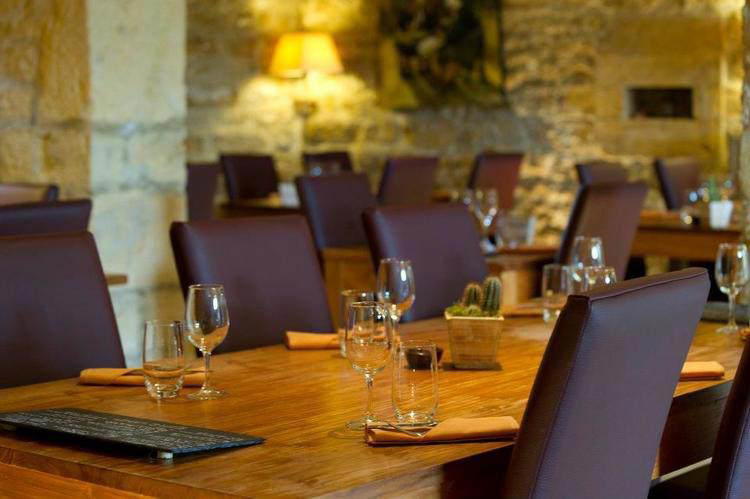
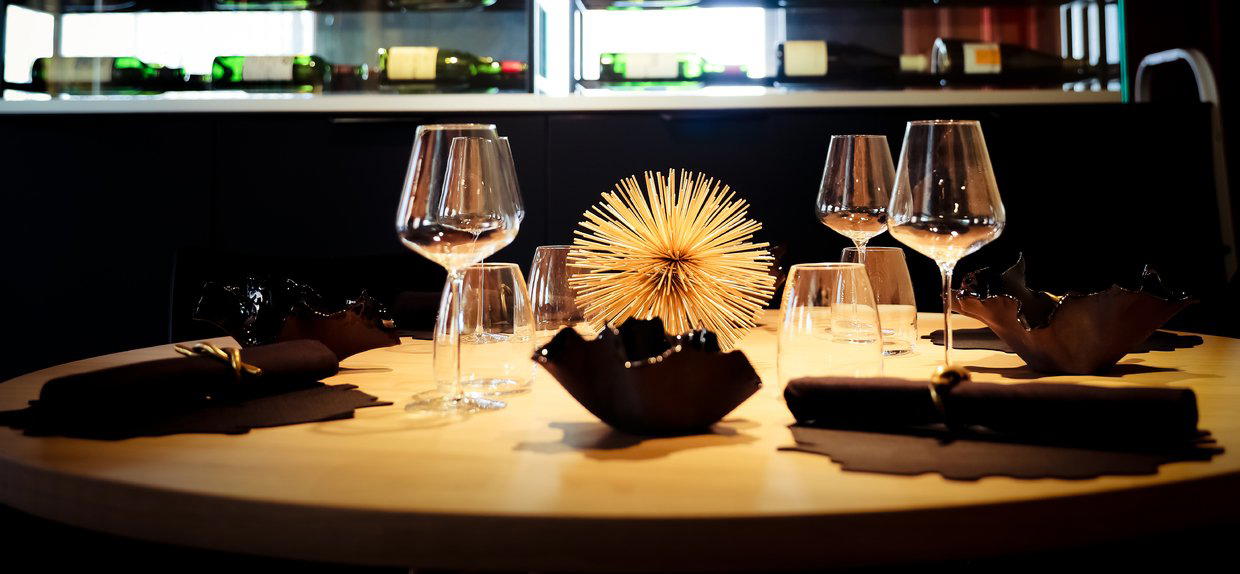
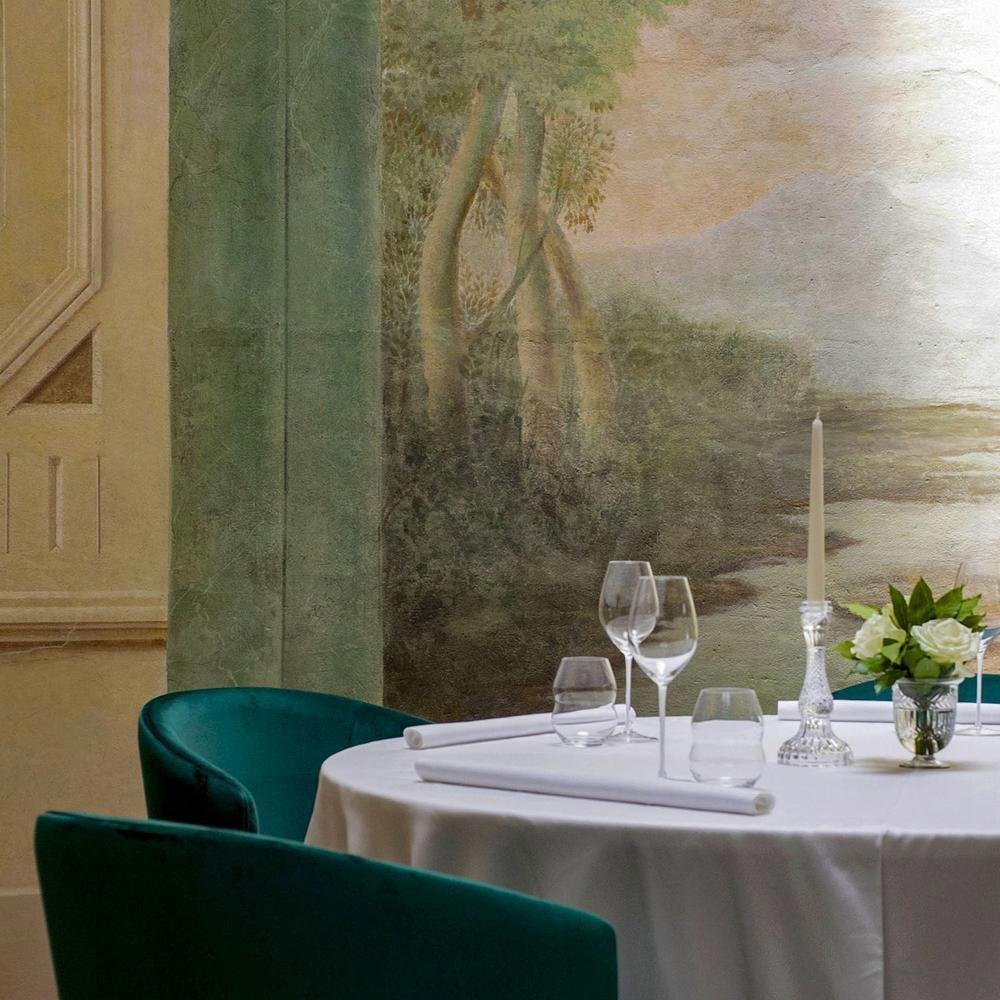
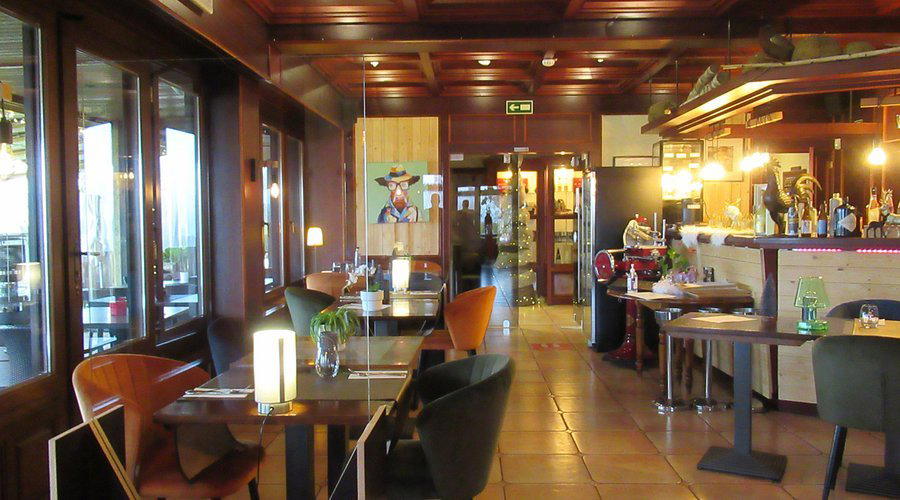
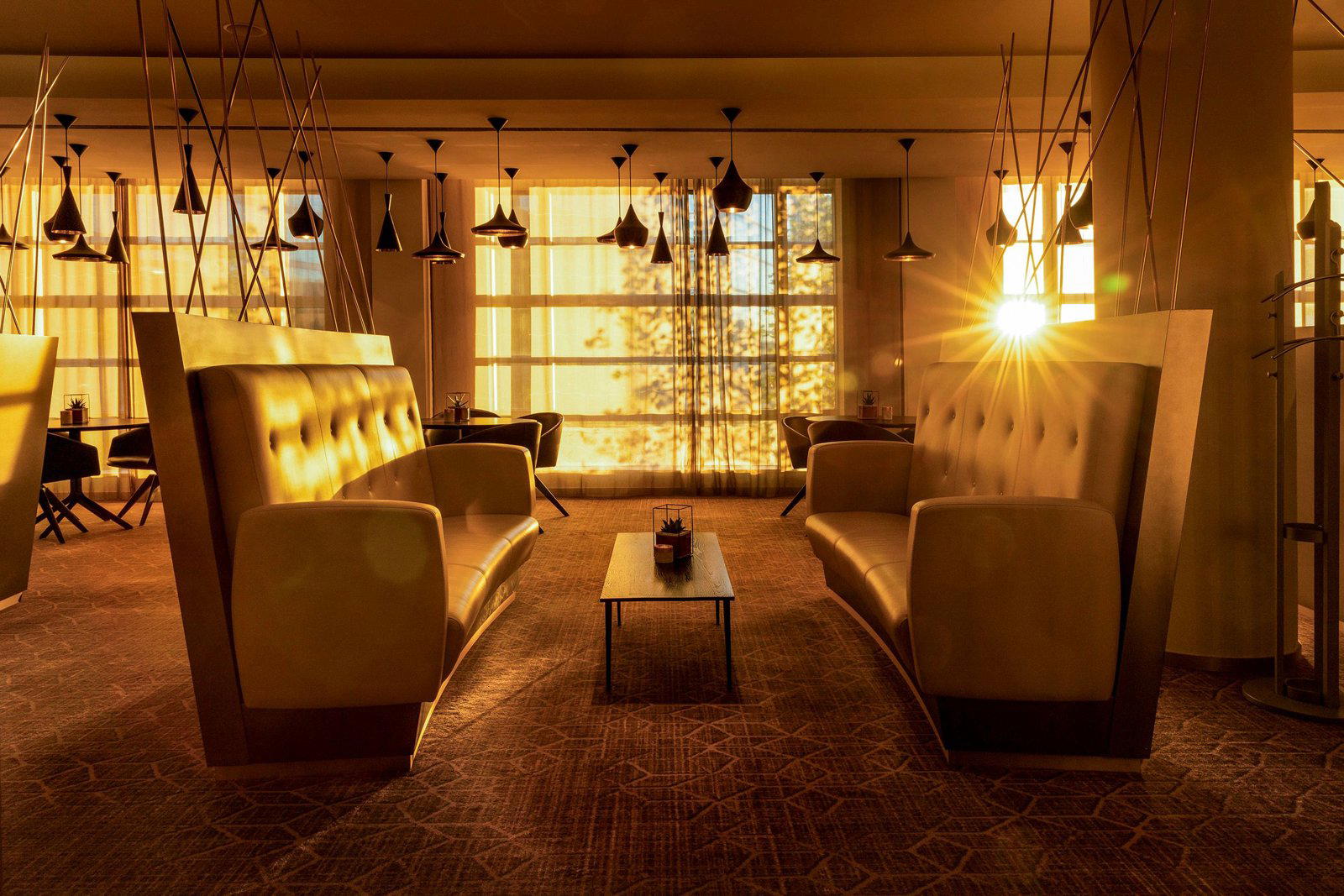
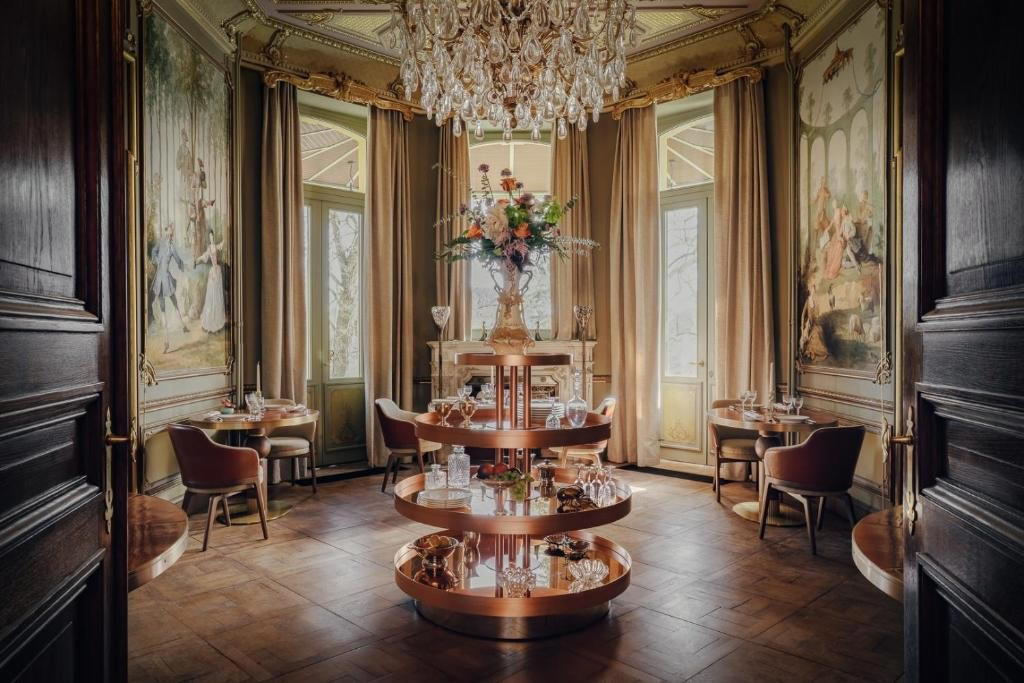
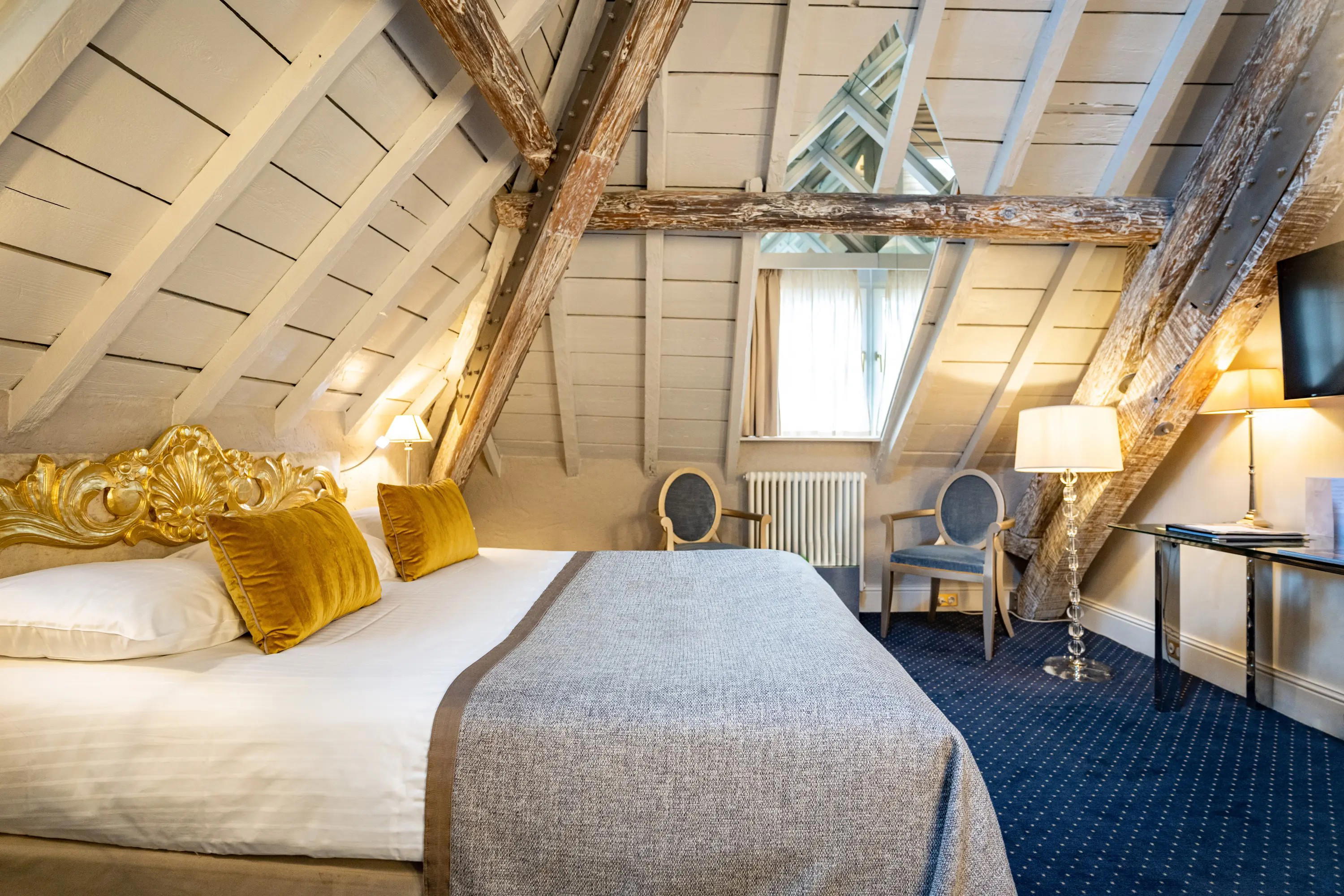
Cozy and harmonious with wooded surroundings, featuring soft lighting and a serene countryside atmosphere.