Becher Gare
Our verdict
Becher Gare occupies a former railway station building in the small Mullerthal village of Bech, placing it within Luxembourg's quietly serious tradition of rural dining. The address alone signals something deliberate: a conversion that trades transit function for table service in a part of the country where sourcing local and cooking seasonally are baseline expectations rather than marketing claims.

Pearl is the En Primeur Club membership app — saves, bookings, and concierge access live there. Same editors, same standards.
- Address
- 1 Bécher Gare, 6230 Bech, Luxembourg
- Phone
- +35226784240
- Hours
- Mon–Wed ClosedThu 11 AM–3 PM, 6 PM–12 AMFri 12–3 PM, 6 PM–12 AMSat–Sun 11 AM–3 PM, 6 PM–12 AM
- Website
- bechergare.lu
- Directions
- Get directions
- Booking
- Book on Zenchef
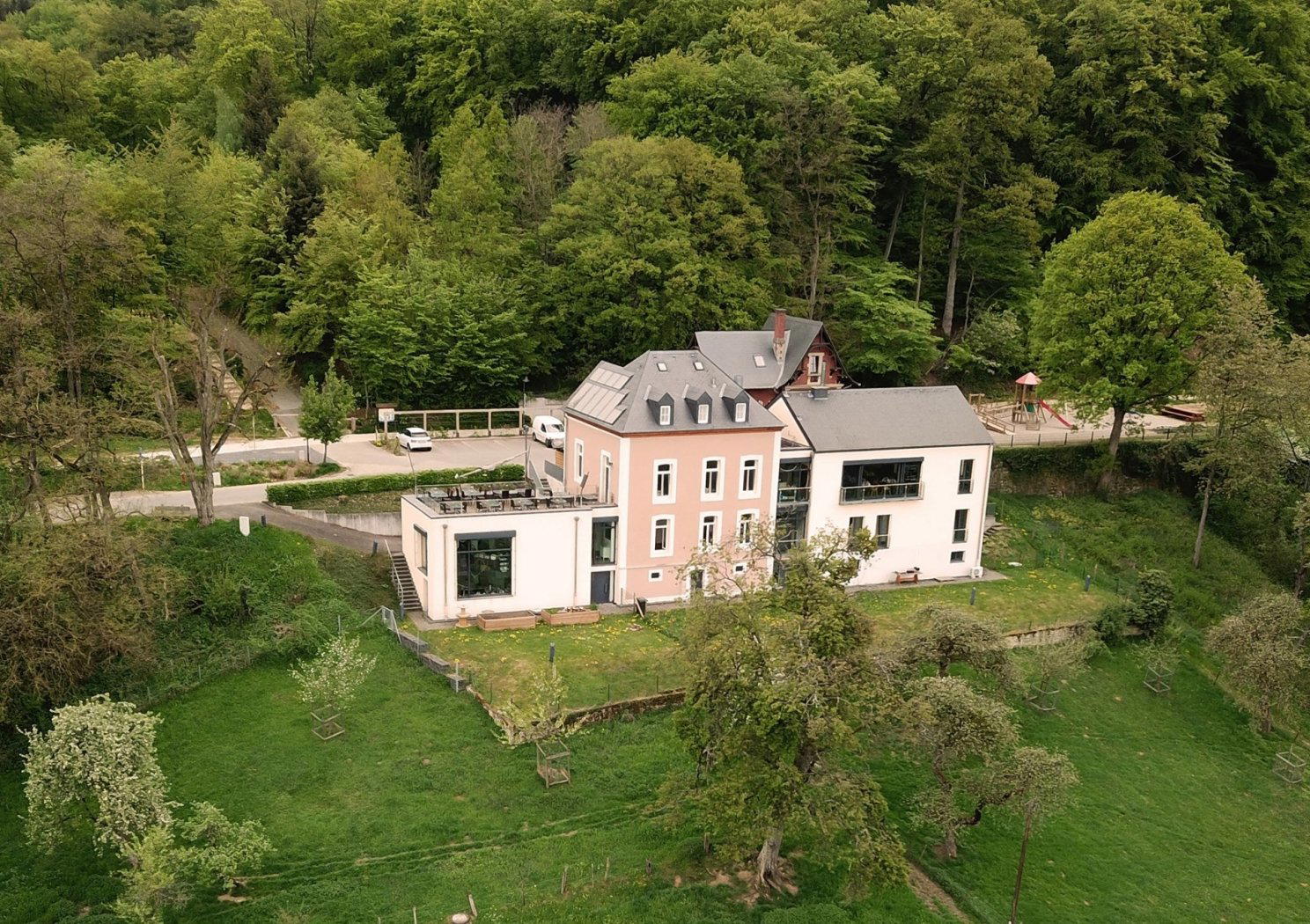
Where the Train Stopped and the Kitchen Began
Luxembourg's rural dining scene operates on a logic that differs sharply from the capital. In the Mullerthal region, roughly thirty kilometres east of Luxembourg City, the expectation is not spectacle but groundedness: a kitchen that knows its suppliers, a room that reflects the landscape outside, and a pace that resists the tempo of city restaurants. Bech is a village of a few hundred residents, and Becher Gare sits at its rail-adjacent edge, in a building that once served as the local station. That provenance matters. Repurposed infrastructure in small Luxembourg communes tends to attract operators who are making a deliberate choice about context, not defaulting to a convenient address.
Approaching the building, the architectural grammar is unmistakably station-era: the proportions, the materiality, the sense of a structure designed for brief functional encounters now asked to hold something slower. Rural Luxembourg has a tradition of exactly this kind of conversion, where the building's past life provides a kind of credibility that new construction rarely achieves. The dining room inherits that history without needing to perform it. For visitors arriving from the capital or from across the region, the drive through the Mullerthal's forested terrain is itself a calibration, a shift in register before you arrive. For those exploring the wider area, our full Bech restaurants guide maps the options across the commune and its surroundings.
Ingredient Sourcing in the Mullerthal Context
The Mullerthal sits within Luxembourg's most topographically varied terrain, sandstone formations, river valleys, and dense forest, and that geography shapes what local producers can offer. Foraging traditions are documented across the region: wild garlic, mushrooms, and herbs move through the kitchens of serious rural restaurants here in quantities that would be logistically difficult to replicate in an urban setting. Market gardens in the Syr and Ernz Noire valleys supply vegetables to restaurants that have built direct relationships over years rather than ordering through broad distribution. That supply structure is the context in which a kitchen at Bech operates, whether or not it publicises its sourcing in explicit terms.
Luxembourg as a whole has a smaller, more interconnected food production community than its neighbours. The country's scale, smaller than Rhode Island, means that a chef who wants to know their mushroom supplier personally can do so without logistical effort. That proximity between farm and kitchen defines a certain tier of Luxembourg restaurant, one that includes organic-focused operations like Archibald De Prince and extends to rural addresses where sourcing local is a practical reality rather than a narrative choice. Becher Gare, positioned in a village at the edge of one of the country's most agriculturally and ecologically distinct zones, operates within that same framework of close-proximity supply.
The broader comparison set for rural Luxembourg dining includes addresses at different price registers: Léa Linster at the upper end of formal ambition, Beim Bertchen in Wahlhausen and Beim Schlass in Wiltz as examples of village-scale operations across other parts of the country, and Côté cour in Bourglinster as a point of reference for the Mullerthal-adjacent restaurant tradition. What connects these addresses is a relationship to place that urban restaurants, however accomplished, cannot easily replicate. The sourcing is not incidental to what these kitchens produce; it is structural.
The Mullerthal as Dining Destination
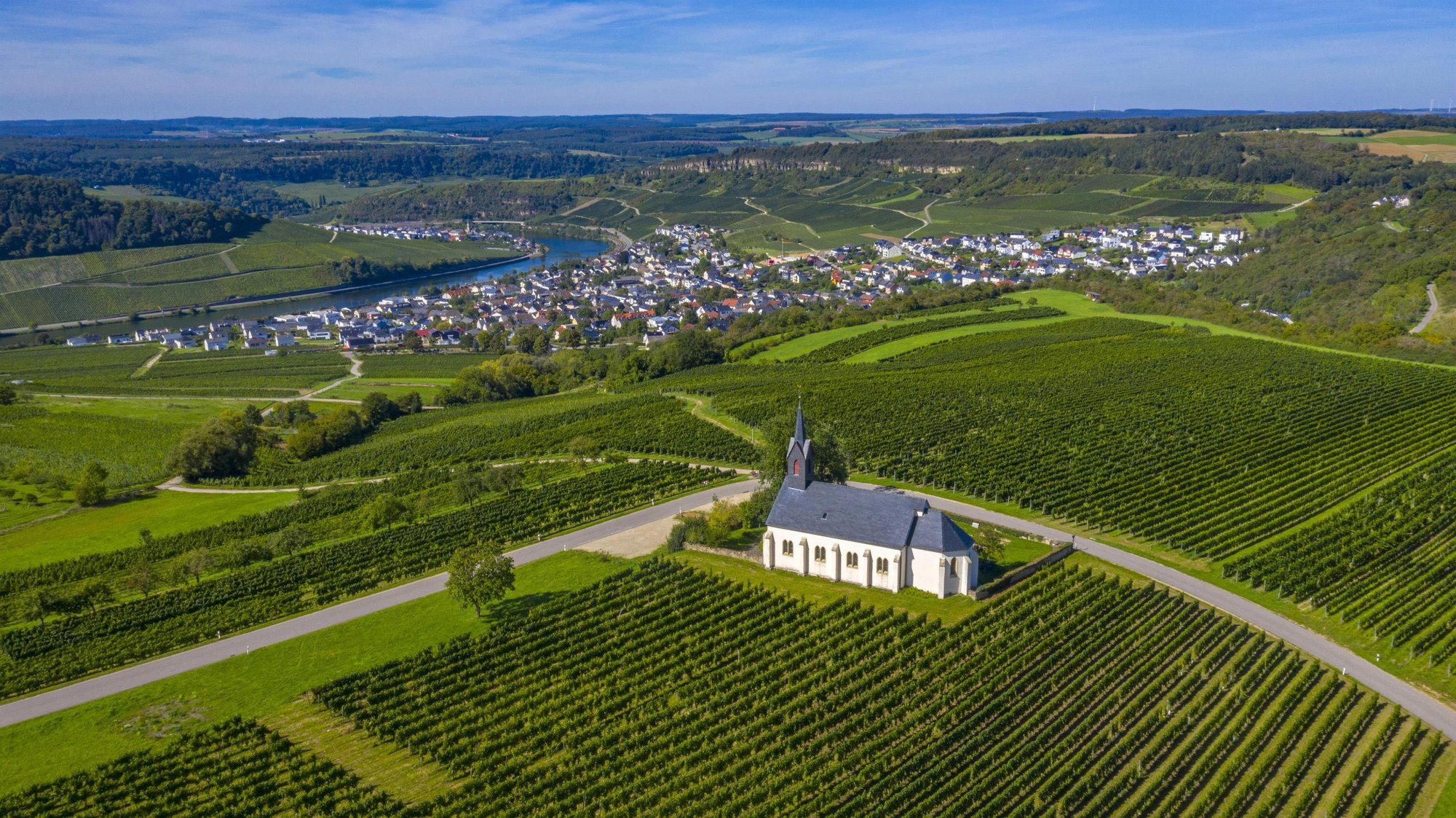
The region draws visitors primarily for its walking trails, the so-called Little Switzerland of Luxembourg, but a secondary layer of activity has developed around its restaurants and producers. Travellers who arrive for the landscape increasingly stay for a meal. That dynamic has supported a tier of rural dining that can sustain a reasonable level of demand without relying on a large resident population. That creates mild competitive pressure on quality that benefits the dining scene broadly.
For those building a longer itinerary through eastern Luxembourg, the region connects naturally with stops at Kachatelier Manternach in Manternach, De Pefferkär in Fennange, and Domaine La Forêt in Remich to the south along the Moselle. The country is compact enough that a serious eating circuit across its rural addresses is achievable in two or three days. For contrast at the other end of the price and format spectrum, SENSA in Weiswampach and Auberge De La Gaichel in Eischen represent the more formal register of Luxembourg's country-house dining tradition. Those looking for urban contrast can reference B13 in Bertrange, Beefbar Smets in Strassen, or Fuku in Veianen.
Planning Your Visit
Bech is accessible by road from Luxembourg City in under forty minutes, and the Mullerthal region is generally navigated by car given the dispersed nature of its villages. Becher Gare's address at 1 Bécher Gare, 6230 Bech, places it at what was once the village's rail connection point. For points of reference on Luxembourg's wider dining range, Chocolats du Coeur in Helmsange and Der Napf in Wilwerdange offer different format contexts, while internationally, the sourcing-led approach of restaurants like Lazy Bear in San Francisco and the technical precision of Le Bernardin in New York City illustrate the wider spectrum within which rural European dining finds its distinct register.
Frequently asked questions
Does Becher Gare work for a family meal?
Becher Gare's setting in Bech, a small village in the Mullerthal, suits a relaxed pace rather than a formal dining occasion, which generally works in favour of family groups. The converted railway station format is a practical conversation piece for younger guests. Arriving by car from Luxembourg City takes under forty minutes, making it a manageable day-trip anchor.
What's the vibe at Becher Gare?
The venue occupies a former railway station in Bech, and that structural identity shapes the atmosphere more than any deliberate design gesture. Rural Mullerthal dining tends toward the unhurried side — this is not a capital-city room chasing trends. Expect a setting where the surrounding sandstone landscape and forest trails are as much a part of the occasion as the table itself.
Is Becher Gare worth a detour if I'm hiking the Mullerthal Trail?
Bech sits within the Mullerthal region and Becher Gare's address at 1 Bécher Gare places it as a logical stopping point for walkers covering the area known as Luxembourg's Little Switzerland. The station building gives it a fixed landmark identity that many rural stops in the region lack. Whether the kitchen's current output justifies a deliberate route adjustment is best confirmed before setting out, given the limited public information on hours and current programming.
What should I eat at Becher Gare?
Mullerthal-area kitchens commonly draw on local river fish, foraged ingredients from the surrounding forest valleys, and Luxembourg's broader Moselle-influenced produce. Contacting the venue directly before visiting is the most reliable way to understand the current kitchen focus.
Where is Becher Gare located?
Becher Gare is located at 1 Bécher Gare, 6230 Bech, Luxembourg , Bech.
Should I book Becher Gare in advance?
Bech has a small resident population and Becher Gare is the kind of address that draws visitors specifically making their way to the Mullerthal region, which means capacity can tighten on weekends and during walking-trail season. Arriving without a reservation on a busy trail weekend carries real risk.
Quick Comparison
Comparable venues nearby, for context on price, style, and recognition.
| Venue | Cuisine | Price | Awards | Notes |
|---|---|---|---|---|
| Becher GareThis venue — the venue you are viewing | Traditional French-Luxembourgish | $20–30 | Not listed | Not listed |
| Confiserie Namur - Hamm | French Patisserie | Not listed | Not listed | Hamm |
| Brasserie Ciel | Bistronomic French Brasserie | Not listed | Not listed | Ville Haute |
| Maison B | Modern Luxembourgish Bistronomy | Not listed | Not listed | Biergerkraiz |
| Domaine La Forêt | Traditional French-Luxembourgish | $50–100 | Michelin Plate | Remich |
| Nostos | Greek Mediterranean | $30–50 | Not listed | Bonnevoie-Nord / Verlorenkost |
Continue exploring
More in Bech
Restaurants in Bech
Browse all →
Bars in Bech
Browse all →
Hotels in Bech
Browse all →

Details
- Elegant
- Cozy
- Scenic
- Casual Hangout
- Family
- Terrace
- Historic Building
- Beer Program
- Local Sourcing
- Street Scene
- A La Carte
- Local Beer
- Vegetarian Friendly
Current opening hours
- Monday
- Closed
- Tuesday
- Closed
- Wednesday
- Closed
- Thursday
- 11 AM–3 PM, 6 PM–12 AM
- Friday
- 12–3 PM, 6 PM–12 AM
- Saturday
- 11 AM–3 PM, 6 PM–12 AM
- Sunday
- 11 AM–3 PM, 6 PM–12 AM
Hours can change for holidays and private events. Last verified .
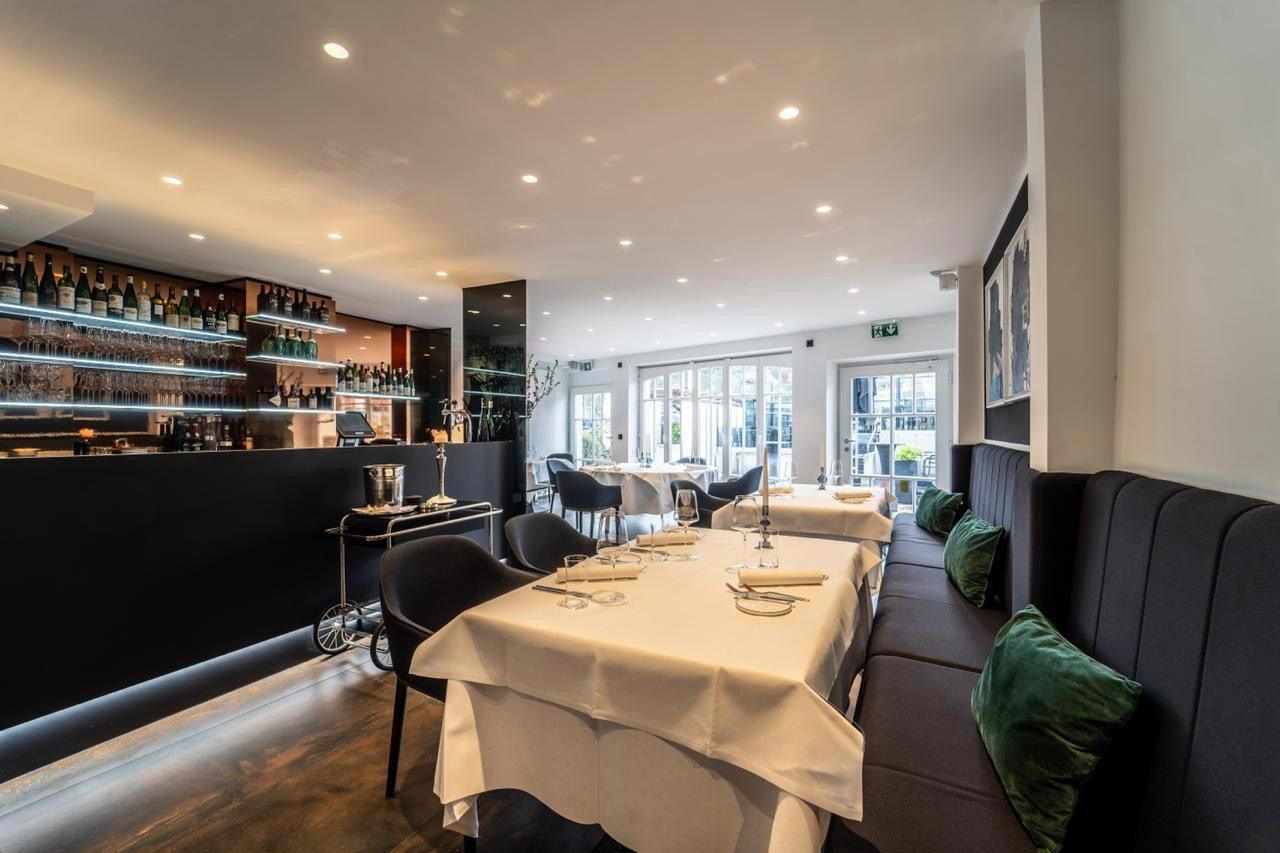
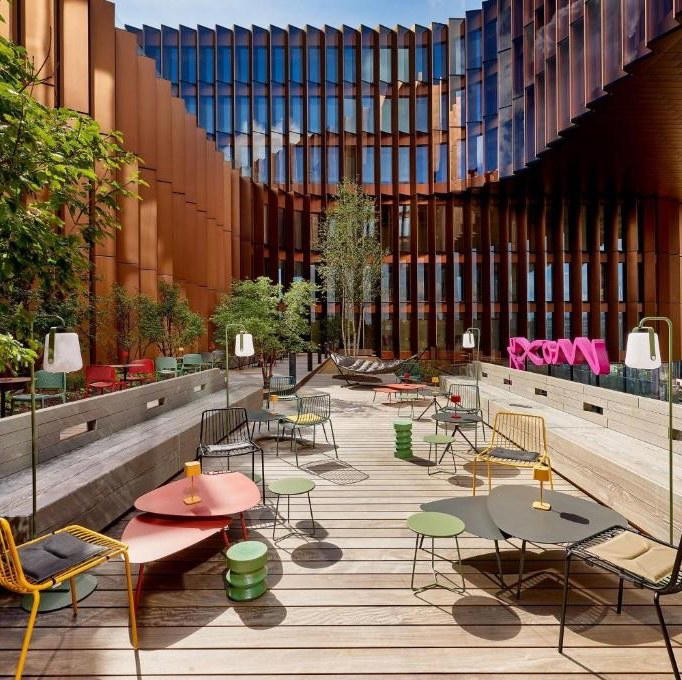
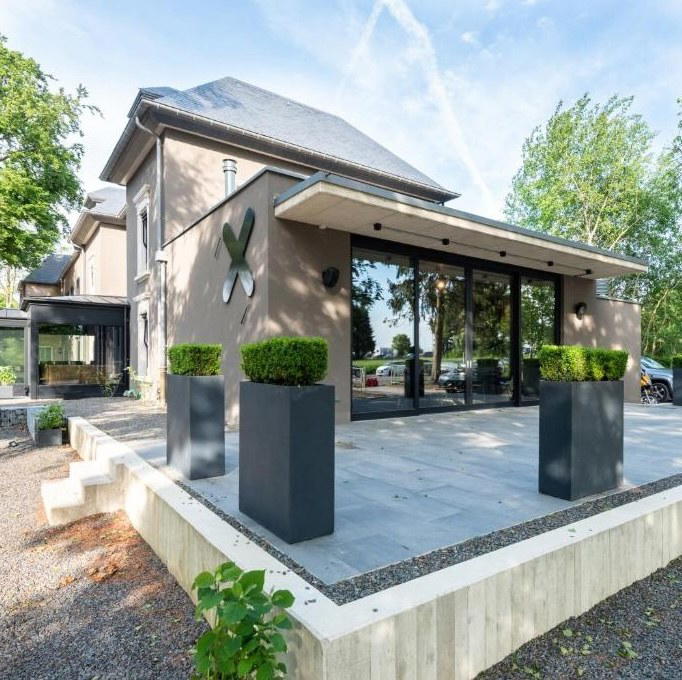
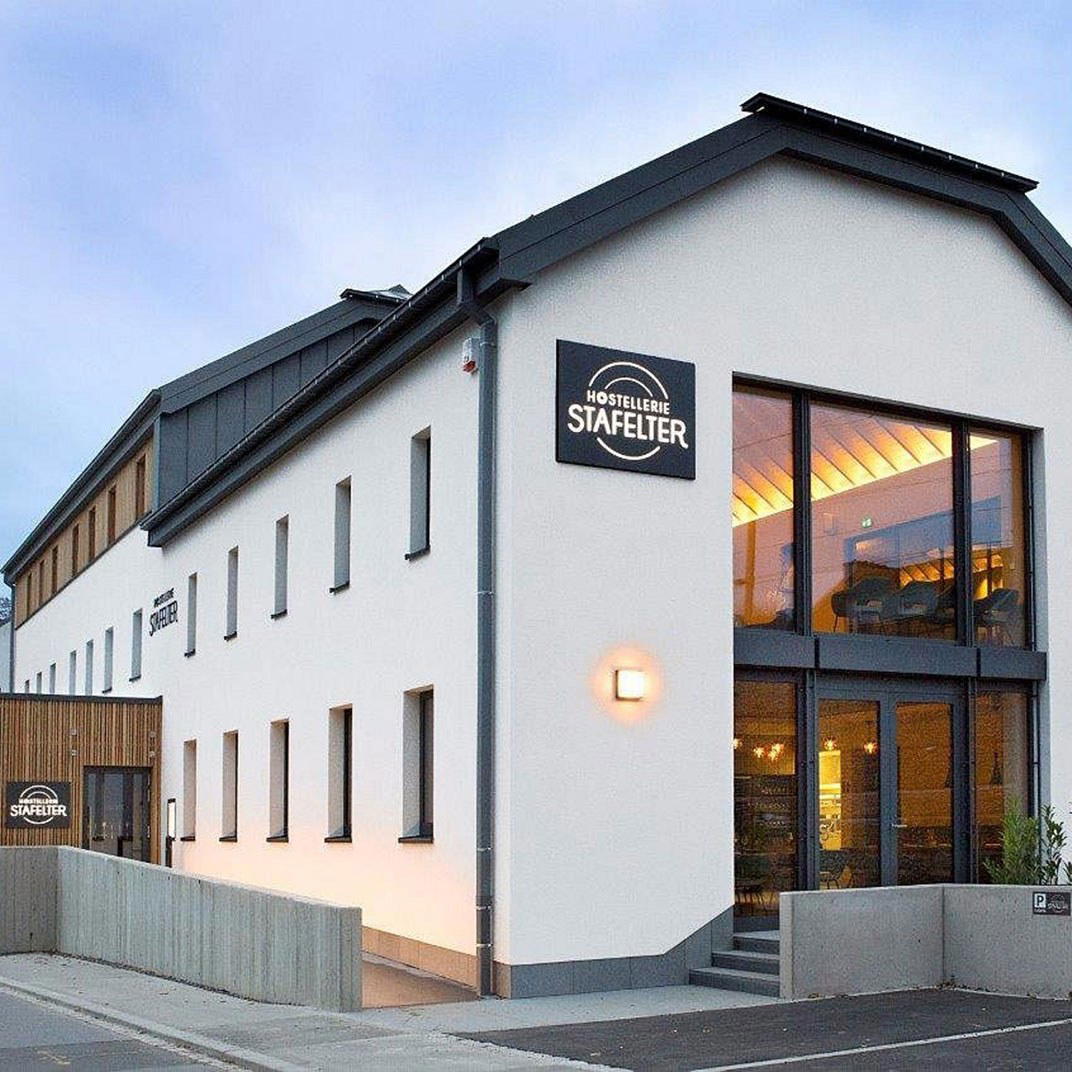
Elegant setting in a restored train station with cozy indoor atmosphere and dramatic outdoor terrace views.