SENSA

Michelin Plate
Our verdict
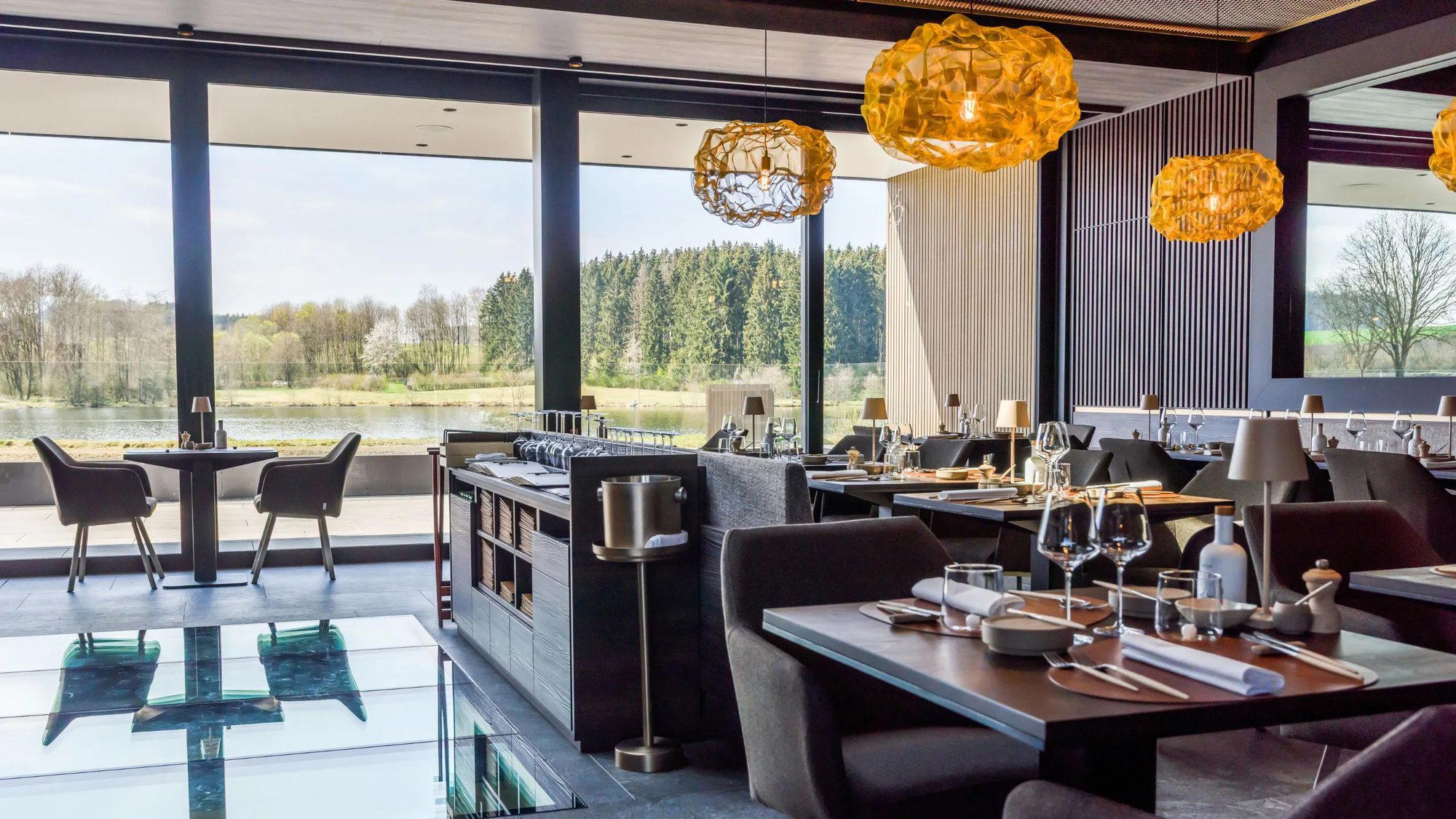
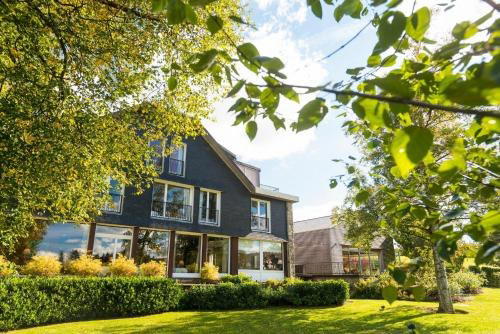
Set inside the Anatura hotel on the edge of Luxembourg's Ardennes countryside, SENSA runs a fusion menu that moves between East Asian technique and European tradition with conviction. Picture windows frame open farmland; the terrace fills fast on clear days. Dishes like langoustine gyoza with lemongrass and kimchi, and hanger steak grilled on a parilla with whisky-laced pepper sauce, signal a kitchen that takes sourcing and craft seriously.

Pearl is the En Primeur Club membership app — saves, bookings, and concierge access live there. Same editors, same standards.
- Address
- 34 Wéilwerdangerstrooss
- Phone
- +352 20 60 01 07
- Hours
- Mon–Wed 6–9 PMThu–Fri 12–2 PM, 6–9 PMSat 6–9 PMSun 12–2 PM, 6–9 PM
- Website
- anatura.lu
- Directions
- Get directions
- Booking
- Book on Zenchef
The menu
What to order
- Wagyu beef crispy rice
- Langoustine dumpling
- Sweetbread with lobster béarnaise
Where the Ardennes Meet the Kitchen
Weiswampach sits in the far northern tip of Luxembourg, where the country narrows against the Belgian border and the land opens into rolling Ardennes plateau. It is not a dining destination in the conventional sense: no cluster of starred kitchens, no late-night bar scene, no well-worn critic circuit. What the area does have is space, light, and agricultural proximity that shapes what serious kitchens here can put on the plate. SENSA, the restaurant inside the Anatura hotel at 34 Wéilwerdangerstrooss, operates in that context. Its large picture windows face open countryside rather than a city skyline, and on sunny days the terrace absorbs guests who arrive as much for the view as the menu. That physical setting is not incidental to the food; it establishes the terms under which sourcing and atmosphere both operate. For broader context on where SENSA sits among Weiswampach’s dining options, see our full Weiswampach restaurants guide.
The Sourcing Logic Behind a Fusion Menu
Fusion cooking earns credibility or scepticism almost entirely through ingredient decisions. When the technique borrows from both East Asia and European tradition, the sourcing has to hold both registers together. At SENSA, the menu does exactly that, and the geographic position of the restaurant helps explain why it works. Northern Luxembourg shares supply lines with the Belgian Ardennes and the Eifel region across the German border: local farms, freshwater sources, and cross-border produce markets that provide ingredients with genuine provenance rather than commodity-chain substitutes.
The langoustine gyoza is a useful illustration. Steamed gyoza is a Japanese form with a specific dough weight, fold technique, and steam timing that defines whether the wrapper stays translucent and yielding or collapses into gumminess. Stuffing that form with langoustine, a crustacean that carries sweetness when fresh and turns flat quickly when it has travelled far, is a decision that only works if the langoustine arrives in good condition. Leeks and lemongrass complete the filling, and the kimchi sauce with grilled sesame adds fermented acidity against the crustacean’s sweetness. That combination draws from Korean pantry logic applied to a French-adjacent shellfish, which is a genuinely difficult balance to land. The fact that it registers as “beautifully nuanced” rather than confused suggests the kitchen understands where each flavour component comes from and what it needs to do.
The parilla-grilled hanger steak moves the same logic into the meat course. A parilla is an Argentinian open-fire grill that runs hotter and drier than a French plancha, producing a crust with more char and a more pronounced Maillard reaction. Hanger steak, the cut known in French butchery as onglet, is a secondary muscle with high iron content and a loose grain that absorbs marinade and char equally well, but it requires precise timing and a confident hand on the heat. Pairing it with a pepper sauce built on vintage whisky brings barrel-aged wood notes into a sauce tradition that is classically French. These are not random pairings; they are sourcing and technique decisions that happen to cross multiple national culinary traditions without announcing themselves as such. That confidence is what separates a thought-through fusion kitchen from one that assembles combinations for novelty. Restaurants operating at a comparable level of technical ambition in Europe include Arzak in San Sebastián and Arpège in Paris, both of which treat sourcing as the structural argument behind every plate.
The Broader Fusion Context in Luxembourg
Luxembourg’s restaurant scene above the entry tier has historically leaned into French-adjacent modern cuisine. Léa Linster, one of the country’s most recognised names, operates in that register. What SENSA does differently is refuse that alignment. Its vol-au-vent main course places a pastry form that is almost nostalgically central European alongside East Asian preparation techniques earlier in the same menu. That willingness to treat the vol-au-vent as a serious carrier rather than a retro gesture reflects a kitchen with range. Kitchens that execute this kind of East-West movement at a high level tend to appear in cities with deep multicultural supply chains: 8½ Otto e Mezzo Bombana in Hong Kong is one reference point for how European technique and Asian ingredients can hold together without either tradition losing its integrity. That SENSA attempts this in a rural northern Luxembourg hotel rather than a dense urban environment makes the ambition more pronounced.
The comparison set for SENSA within Luxembourg is narrow. Creative kitchens like Apdikt operate at a similar price signal (€€€) while staying closer to a single culinary tradition. Organic-forward restaurants like Archibald De Prince address provenance directly but through a different framework. SENSA’s position, inside a luxury hotel, running a fusion menu in a low-density location, puts it in a small peer group regionally. The Anatura hotel affiliation places it in the same category as dining rooms that serve as destination anchors for their properties rather than as standalone neighbourhood restaurants. For context on where the Anatura fits in local accommodation, see our full Weiswampach hotels guide.
Atmosphere and Format
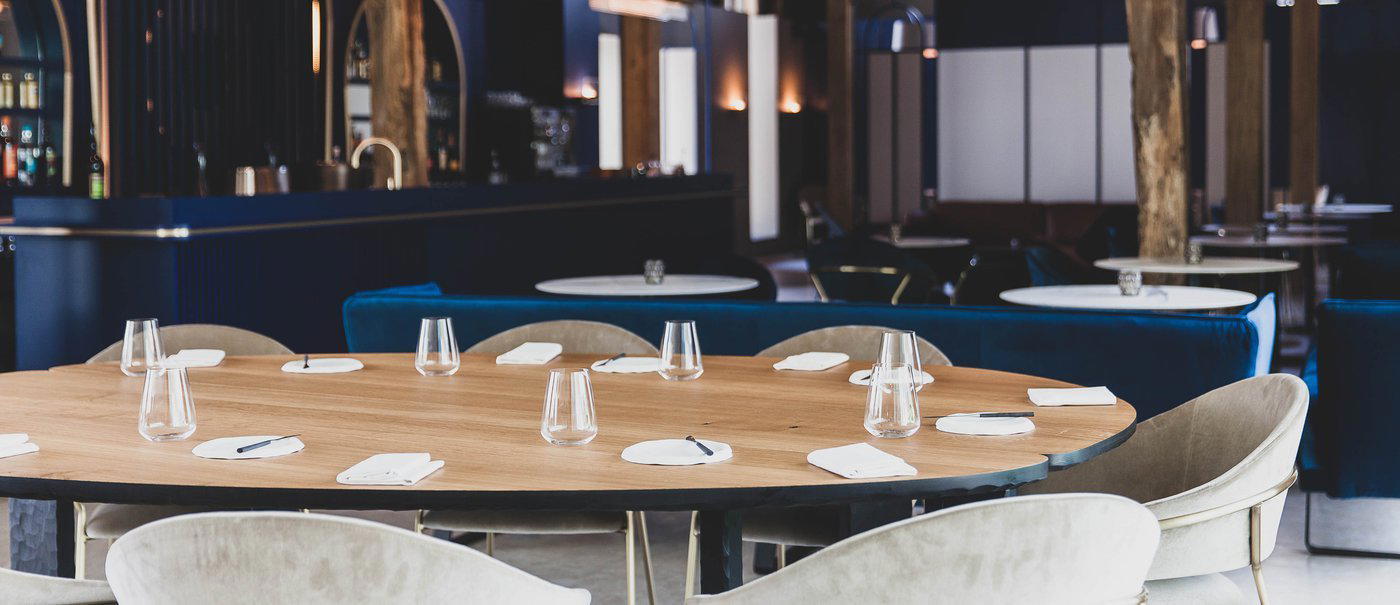
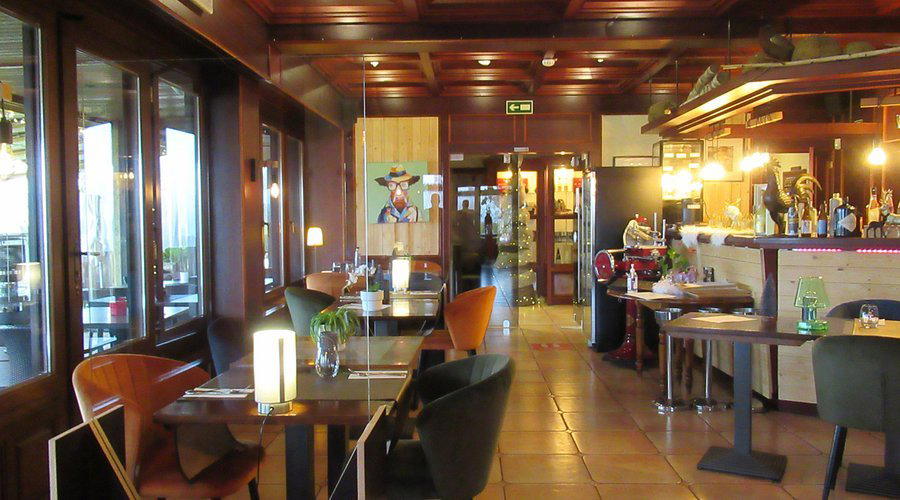
The dining room at SENSA is described as warm and natural in register, which in practical terms means materials and light sources that recede rather than assert. Large picture windows do more work here than any interior design decision: countryside light at lunch shifts the room completely compared to evening service, and the terrace operates as an extension of that logic when weather allows. Hotel restaurants in rural settings sometimes struggle to define their own identity separate from the property, but the kitchen’s menu ambition gives SENSA a clear function: it is the reason to come to the hotel, not merely the place to eat while staying there. For other dining and leisure options nearby, our Weiswampach experiences guide, our bars guide, and our wineries guide cover the surrounding area.
Planning Your Visit
SENSA is located at 34 Wéilwerdangerstrooss in Weiswampach, inside the Anatura hotel. The northern Luxembourg location means most guests arrive by car; the nearest major road connections run through Clervaux to the south and Liège to the northwest across the Belgian border. Given the hotel-restaurant format and the menu’s ambition, booking ahead is advisable, particularly for terrace tables in warmer months when outdoor demand outpaces indoor capacity. Phone and online booking details are best confirmed directly through the Anatura hotel. The menu positions SENSA above the mid-range tier in the regional context, consistent with hotel dining rooms running serious kitchens in premium properties. Guests looking for wine to accompany the fusion menu would do well to ask for guidance from the room: the whisky-pepper sauce pairing on the hanger steak suggests a kitchen that thinks carefully about what it drinks alongside what it cooks.
Frequently asked questions
Is SENSA a family-friendly restaurant?
The warm, natural atmosphere and picture-window countryside views at the Anatura hotel's restaurant make it a comfortable setting for a range of guests. Northern Luxembourg draws travellers rather than urban weeknight diners, and hotel restaurants in the region tend to accommodate mixed groups without the formality that might discourage younger guests. The fusion menu spans familiar European formats alongside more adventurous Asian-inflected plates, giving families options across different appetites.
Is SENSA formal or casual?
SENSA reads as relaxed rather than ceremonial. The dining room is described as warm and natural in register, with large picture windows framing the Ardennes countryside rather than the kind of interior that signals stiff dress codes. Being the restaurant of the Anatura hotel in Weiswampach, it occupies the polished-but-approachable end of hotel dining, where the food is taken seriously but the atmosphere is not.
Does SENSA have a Michelin star or similar recognition?
SENSA has received recognition including: Sensa unveils a warm, natural vibe, which is enhanced by large picture windows overlooking the glorious countryside. The terrace is taken by storm come sunny weather. The elegant restaurant of the luxury Anatura hotel will take your tastebu….
What should I eat at SENSA?
The langoustine gyoza steamed with leeks and lemongrass, finished with a kimchi sauce and grilled sesame seeds, is the kitchen's clearest signal of what it is trying to do: Asia-sourced technique applied to European-quality seafood. On the European side, the hanger steak grilled on a parilla and paired with a whisky-laced pepper sauce makes a strong case for the grill work. The vol-au-vent also appears as a main, bridging the classical and the contemporary approach that runs through the menu.
Where is SENSA located?
SENSA is located at 34 Wéilwerdangerstrooss, Weiswampach.
Do I need a reservation for SENSA?
Booking ahead is advisable. SENSA is the fine dining restaurant inside the Anatura hotel at 34 Wéilwerdangerstrooss, and in a low-density area like northern Luxembourg it draws both hotel guests and visitors travelling specifically to eat there. The terrace in particular fills quickly during good weather, making advance reservations more important in warmer months.
A Quick Peer Check
Comparable venues nearby, for context on price, style, and recognition.
| Venue | Cuisine | Price | Awards | Notes |
|---|---|---|---|---|
| SENSAThis venue — the venue you are viewing | Global Fusion Fine Dining | $50–100 | Michelin Plate | Not listed |
| De Pefferkär | Modern French with Asian influences | $50–100 | Michelin Plate | Huncherange |
| Amélys | Modern French Brasserie with Luxembourgish Specialties | $50–100 | Michelin Plate | Ville Haute |
| Equilibrium | Modern French Fine Dining | Not listed | Michelin Plate | Clausen |
| Le bistrot du Kachatelier | Modern Regional French Bistro | Not listed | Michelin Plate | Manternach |
| Artis | Modern French | $50–100 | Michelin Plate | Hesperange |
Recognition history
Dated appearances from independent guides and award organizations, with the underlying list record or original source where available.
Michelin Plate
Michelin
Continue exploring
More in Weiswampach
Restaurants in Weiswampach
Browse all →
Hotels in Weiswampach
Browse all →

Details
- Modern
- Elegant
- Sophisticated
- Cozy
- Date Night
- Business Dinner
- Special Occasion
- Open Kitchen
- Terrace
- Panoramic View
- Hotel Restaurant
- Extensive Wine List
- Mountain
- A La Carte
- Prix Fixe
Current opening hours
- Monday
- 6–9 PM
- Tuesday
- 6–9 PM
- Wednesday
- 6–9 PM
- Thursday
- 12–2 PM, 6–9 PM
- Friday
- 12–2 PM, 6–9 PM
- Saturday
- 6–9 PM
- Sunday
- 12–2 PM, 6–9 PM
Hours can change for holidays and private events. Last verified .
Modern and refined atmosphere with warm lighting, large picture windows, and open kitchen.