Mina

Relais Chateaux Award
Our verdict
Mina elevates contemporary Brazilian cuisine through locally-sourced terroir expression in Campos do Jordão's Mantiqueira mountains, where panoramic valley views and a suspended fireplace create an intimate fine dining sanctuary celebrating regional biodiversity with innovative dishes like palmito pupunha and braised lamb.

Pearl is the En Primeur Club membership app — saves, bookings, and concierge access live there. Same editors, same standards.
- Address
- R. Elídio Gonçalves da Silva, 4000 - Bairro dos Mellos, Campos do Jordão - SP, 12471-052, Brazil
- Phone
- +55 12 3662-5800
- Hours
- Daily 8–11 AM, 12–10 PM
- Website
- botanique.com.br
- Directions
- Get directions
- Booking
- Book on SevenRooms
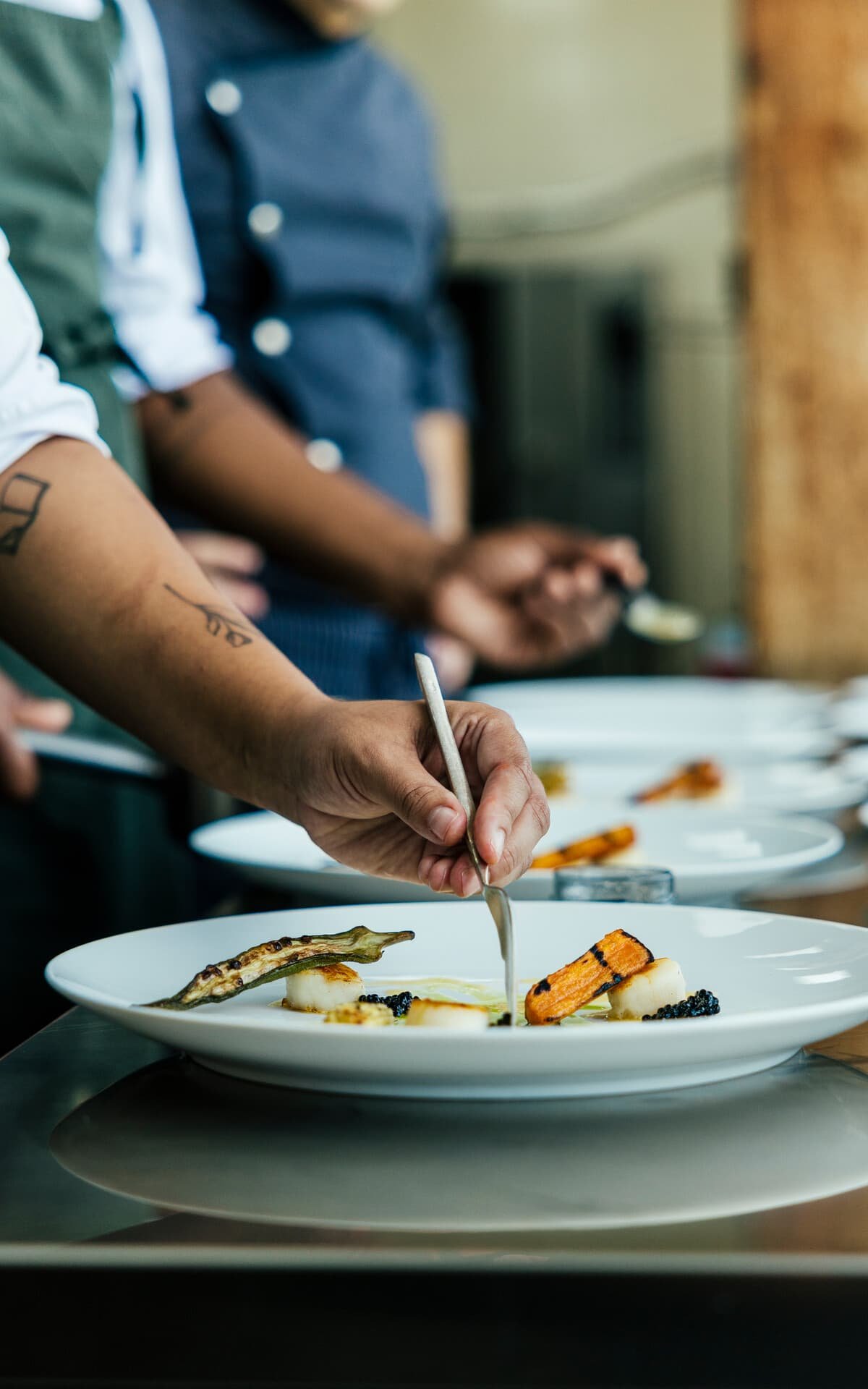
The Small-Plates Logic at Altitude
Tapas culture is built on a particular ordering logic: multiple small plates arrive in sequence or simultaneously, and the table constructs a meal collaboratively rather than receiving one. That social contract travels well to a mountain resort context, where meals are unhurried and the table tends to stay seated longer than in a city. Chef Alvaro Garrido works within that framework at Mina, bringing Spanish small-plates discipline to a setting where the sensibility fits the pace of the place.
The editorial recognition Mina has received carries a specific signal worth examining: the award designation Expression of the Terroir. In the modern Spanish dining tradition, terroir as a concept has moved well beyond wine and into cooking itself, with chefs using local climate, altitude, and seasonal produce as primary arguments for a dish's identity. At 1,600 metres in the Mantiqueira range, the terroir argument is available in unusually concrete terms: the region produces trout, lamb, artisan cheeses, and cold-climate vegetables that don't grow in lowland São Paulo. A Modern Spanish approach that incorporates those local materials doesn't compromise its European lineage; it extends it into a new geography.
That positioning places Mina in a different competitive tier from the resort restaurants around it. The town's dining scene trends toward comfort-focused European cooking, fondue, and Italian-inflected casual dining. A kitchen operating with Spanish small-plates technique and a stated terroir orientation sits much closer to the conversation happening at places like Evvai in São Paulo or Singapore to A Coruña, and its defining characteristics are relatively stable: precision in technique, a commitment to produce quality over presentation excess, and a menu architecture built around sharing and sequential ordering rather than a single protagonist main course. In Spain itself, that tradition runs from Basque pintxos bars through to the tasting-menu laboratories of Catalonia, with the bar format in San Sebastián still serving as a reference point for informal, high-quality small-plates dining. The town is a domestic tourism anchor, particularly in winter (June through August), when São Paulo's upper-middle class retreats to the mountains for the cold. That seasonal pattern creates a brief window of unusually high dining spend concentrated in a small geographic area, which explains why serious kitchen projects can exist here even without the year-round population density that sustains them in cities. Booking around that winter peak, when the town fills and tables at better restaurants compress, is the practical implication for planning a visit.enprimeurclub.com/restaurants/manga-salvador-restaurant">Manga in Salvador or Primrose in Gramado and A'Barra in Madrid, El Lince in Madrid, and Corral de la Morería frame what the genre looks like at its home base.
Frequently asked questions
What's the address for Mina?
Mina is located at R. Elídio Gonçalves da Silva, 4000 - Bairro dos Mellos, Campos do Jordão - SP, 12471-052, Brazil, Campos do Jordão.
Quick Comparison
Comparable venues nearby, for context on price, style, and recognition.
| Venue | Cuisine | Price | Awards | Notes |
|---|---|---|---|---|
| MinaThis venue — the venue you are viewing | Modern Brazilian | Not listed | Relais Chateaux Award | Not listed |
| Must Restaurant & Bar | Modern Brazilian with Indigenous Flavors | Not listed | Not listed | Belem |
| Barbacoa | Brazilian Rodizio Steakhouse | $30–50 | Wine Spectator Award of Excellence | Pinheiros |
| Julieta | Modern Brazilian | Not listed | Not listed | Flamengo |
| Camorra Restaurante | Brazilian Seafood Internacional | $20–30 | Not listed | Jd. Cica |
| Casa Rios | Modern Brazilian Grill | Not listed | Michelin Plate | Pinheiros |
Recognition history
Dated appearances from independent guides and award organizations, with the underlying list record or original source where available.
Relais Chateaux Award
Relais Chateaux
Full recognition history (2 entries)
Relais Chateaux Award
Relais Chateaux
Continue exploring
More in Campos do Jordão
Restaurants in Campos do Jordão
Browse all →
Hotels in Campos do Jordão
Browse all →
Details
- Sophisticated
- Elegant
- Cozy
- Scenic
- Date Night
- Special Occasion
- Panoramic View
- Hotel Restaurant
- Extensive Wine List
- Local Sourcing
- Farm To Table
- Mountain
- A La Carte
- Vegetarian Friendly
Current opening hours
- Monday
- 8–11 AM, 12–10 PM
- Tuesday
- 8–11 AM, 12–10 PM
- Wednesday
- 8–11 AM, 12–10 PM
- Thursday
- 8–11 AM, 12–10 PM
- Friday
- 8–11 AM, 12–10 PM
- Saturday
- 8–11 AM, 12–10 PM
- Sunday
- 8–11 AM, 12–10 PM
Hours can change for holidays and private events. Last verified .
Warm wooden decor with a suspended fireplace, rich wood floors, and panoramic mountain views creating a sophisticated and comfortable atmosphere.