
Nabeyaki Udon Asahi gives Matsuyama’s local udon tradition a clear, low-friction expression: wheat noodles, hot pot service, and a room built for everyday eating rather than ceremony. Its selection for Tabelog Udon WEST 100 in 2024 places it among western Japan’s notable udon addresses, while the 62-seat mix of table and tatami seating keeps the experience grounded in the city’s casual dining rhythm.
Pearl is the En Primeur Club membership app — saves, bookings, and concierge access live there. Same editors, same standards.
- Address
- 3 Chome-10-11 Minatomachi, Matsuyama, Ehime 790-0012, Japan
- Phone
- +81 89-921-6470
- Website
- tabelog.com
 Saves & bookings on Pearl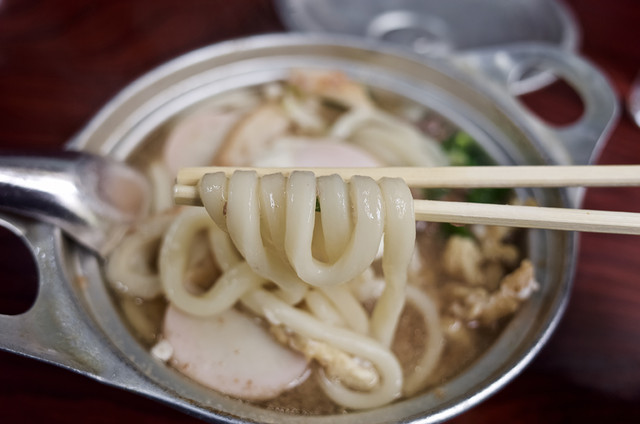
Minatomachi’s udon culture does not announce itself with ceremony. It sits close to shopping streets, railway foot traffic, and the practical hunger of a city that eats early, eats quickly, and knows what a bowl should cost. Inside this register, Nabeyaki Udon Asahi belongs to a Matsuyama style that values heat, wheat, and familiarity over chef-led theatre. The room’s 62 seats, split between tables and tatami seating, point to the format clearly: this is an everyday udon house with enough scale for families, friends, and solo diners, not a hushed counter built around scarcity.
That everydayness matters. In Japan, udon can be a regional calling card as much as a convenience food, and western Japan has a deep bench of specialists whose reputations rest on texture, broth balance, and the discipline of repetition. Selection for Tabelog Udon WEST 100 in 2024 gives this Matsuyama address a useful signal: it is being judged within a wide western Japan udon field, not merely against local casual restaurants. For travellers mapping the city through food, that distinction separates a neighbourhood lunch from a regional reference point.
Matsuyama nabeyaki udon, judged by heat and wheat rather than luxury
Nabeyaki udon is a format built around containment. The pot keeps the noodles hot, the broth concentrated, and the meal compact. Its appeal depends less on embellishment than on timing: wheat noodles need enough resilience to survive the heat, while the soup has to carry the bowl without overwhelming it. In that sense, the ingredient story is not about rare produce or imported prestige. It is about how a modest set of components behaves under heat, and why regional noodle shops develop loyal followings through consistency rather than novelty.
The listed menu keeps that logic intact: nabeyaki udon, an egg version, and inari. Those three items sketch a common Japanese casual-meal grammar, with the noodle pot as the anchor and seasoned rice in tofu skin as the small companion. The pricing sits in the sub-1,000-yen band, which is significant in a city where a traveller can spend many times that at formal Japanese restaurants. Compared with Matsuyama peers in the supplied set, Kotori occupies a similarly low-priced udon register, while La Sera and Sumishin move into higher spending categories and different dining expectations. The useful comparison is not which meal is superior; it is what kind of Matsuyama each one reveals.
This is also where sourcing should be read carefully. With no named farms, mills, or producers attached publicly, the reliable conclusion is structural rather than romantic: udon shops of this kind depend on staple ingredients performing with precision. Wheat, stock, egg, and rice carry the meal. The craft is in proportion, heat management, and repetition, not in a narrated supply chain. That makes the experience legible to anyone who has eaten across Japan’s noodle regions: the more modest the format, the less tolerance there is for weak fundamentals.
A casual room with award-level validation
The tension at Nabeyaki Udon Asahi is useful for travellers: the room reads casual, while the recognition places it in a more selective udon conversation. Tabelog’s Hyakumeiten lists are not luxury awards; they tend to reward depth within a category. For udon, that matters. A selection in the 2024 WEST list says more about noodle credibility than décor, wine service, or chef biography. It also explains why this stop fits into a broader Matsuyama itinerary without demanding the time, budget, or formality of a tasting-menu booking.
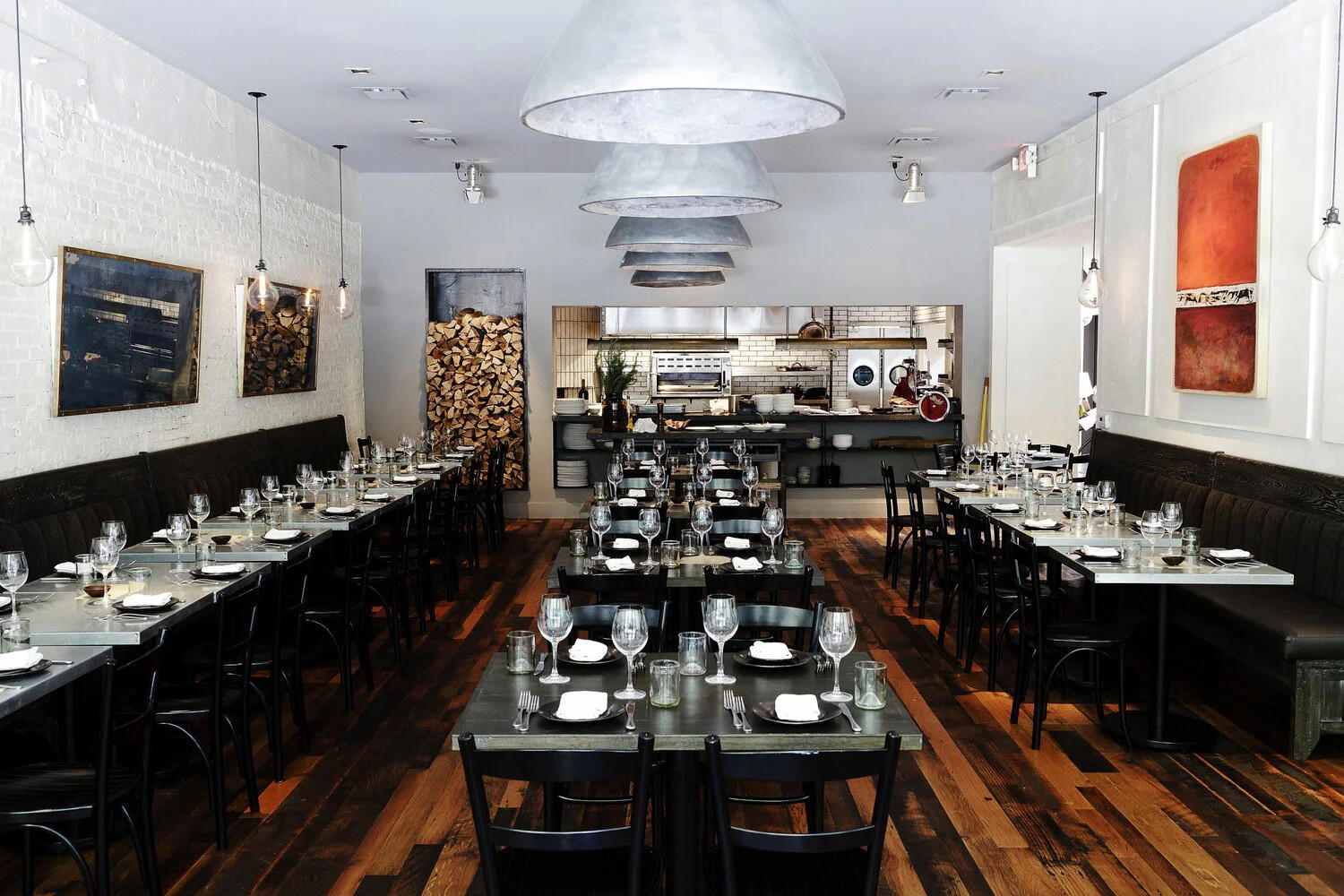
Atmosphere follows the same pattern. Table seating and tatami space create a familiar Japanese dining-room structure, and the non-smoking policy makes it easier to treat the meal as a family stop rather than a late-night local haunt. Children are explicitly welcome, which aligns with the format: hot noodles, quick ordering, and a limited menu are often easier for mixed-age groups than a long multi-course meal. Private rooms and private use are not part of the setup, so the expectation should be communal rather than secluded.
For a city with Dogo Onsen on one side of the visitor imagination and castle-town history on the other, Matsuyama’s casual food addresses can be more revealing than its formal ones. Udon houses, ramen counters, izakaya, and kappo rooms show how residents actually distribute their week: quick lunches, family meals, after-work bowls, and occasional splurges. Readers building a wider map can pair this kind of noodle stop with the broader city coverage in Our full Matsuyama restaurants guide, then look across stays, drinks, producers, and cultural planning through Our full Matsuyama hotels guide, Our full Matsuyama bars guide, Our full Matsuyama wineries guide, and Our full Matsuyama experiences guide.
How it fits into a Matsuyama food day
The smart way to use Nabeyaki Udon Asahi is not to overburden it with occasion. It works as a category lesson: a focused udon meal in a city where casual noodle culture sits beside ryokan dining, seafood-led Japanese cooking, and higher-budget restaurants. For nearby editorial context, Bettei Oborozukiyo, Dogo Kaishu (Japanese Cuisine), and Ino help frame the more formal side of Matsuyama dining, while Chuka Soba Fukamidori and Hinode extend the noodle-and-casual spectrum.
Travellers moving beyond Ehime can read the address as part of a larger Japanese casual-specialist pattern: tightly focused menus, low ceremony, and category-specific recognition. That same lens helps when comparing everyday precision at.cafe in Osaka.know in Kumamoto, (Shoku) Vietnam in Kawasaki, [Curry Senmon Ten] Maruyama Kyoju. in Sapporo, -Grilled beef Sukiyaki- KAMAKURA TANUKIAN 鎌倉 たぬき庵 in Kamakura, and. 鮪と炭火焼き うお炭 秋葉原店 in Tokyo. Outside Japan, Jōdo Saké Bar in Los Angeles and Onigiri Time in Pasadena show how Japanese formats change when transplanted into American dining markets.
The editorial case is simple: choose this stop when Matsuyama should taste local rather than grand. The award signal gives confidence, the menu stays narrow, and the room keeps the meal in the realm of daily life. That combination is often where regional Japanese food is clearest.
Side-by-Side Snapshot
Comparable venues by cuisine and price in the same metro.
| Venue | Cuisine | Price | Notes |
|---|---|---|---|
| Nabeyaki Udon AsahiThis venue — the venue you are viewing | Traditional Matsuyama nabeyaki udon shop | $ | Not listed |
| Kiri no Mori Kashi Kobo Matsuyama ten | Japanese Traditional Sweets | $ | Okaido |
| La Sera | Cozy Italian trattoria | $$ | Chifunemachi / Okaido area |
| Teuchi Soba Maro | Handmade soba (buckwheat noodles) | $$ | Okaido |
| Sushi Kawanaka | Edomae Sushi Omakase | $$$ | Okaido |
| Hinode | Matsuyama-style okonomiyaki & teppan counter | $ | /null |
Recognition history
Dated appearances from independent guides and award organizations, with the underlying list record or original source where available.
Tabelog 100 #40 · No. 40
Tabelog · Tabelog 100 - Udon - WEST - 2024
Continue exploring
More in Matsuyama
Restaurants in Matsuyama
Browse all →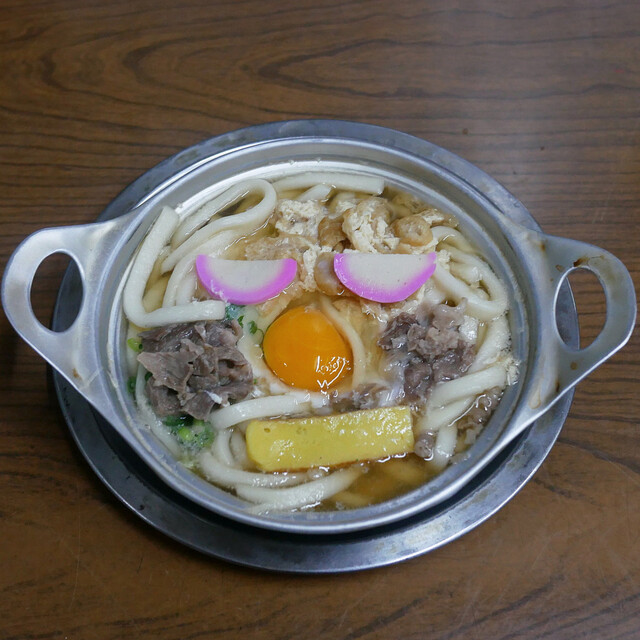
At a Glance
- Classic
- Cozy
- Well Known
- Solo
- Family
- Casual Hangout
- Group Dining
- After Work
- Standalone
Current opening hours
- Monday
- Closed
- Tuesday
- Closed
- Wednesday
- Closed
- Thursday
- 10 AM–3:30 PM
- Friday
- 10 AM–3:30 PM
- Saturday
- 10 AM–3:30 PM
- Sunday
- 10 AM–3:30 PM
Hours can change for holidays and private events. Last verified .
Simple, nostalgic udon shop with a retro feel, communal tables and tatami seating, bright and bustling at peak times but relaxed enough for solo diners and families.