

50 Top Pizza Italia #28
Our verdict
An Ischian pizza maker holds the line on Neapolitan STG tradition inside a city better known for bistecca and ribollita. At Giotto Pizzeria on Via Francesco Veracini, the dough is long-leavened, the ingredients are quality-sourced, and the atmosphere reads less like Florence than Naples. For a city where serious pizza has historically taken a back seat, this address changes the calculus.

Pearl is the En Primeur Club membership app — saves, bookings, and concierge access live there. Same editors, same standards.
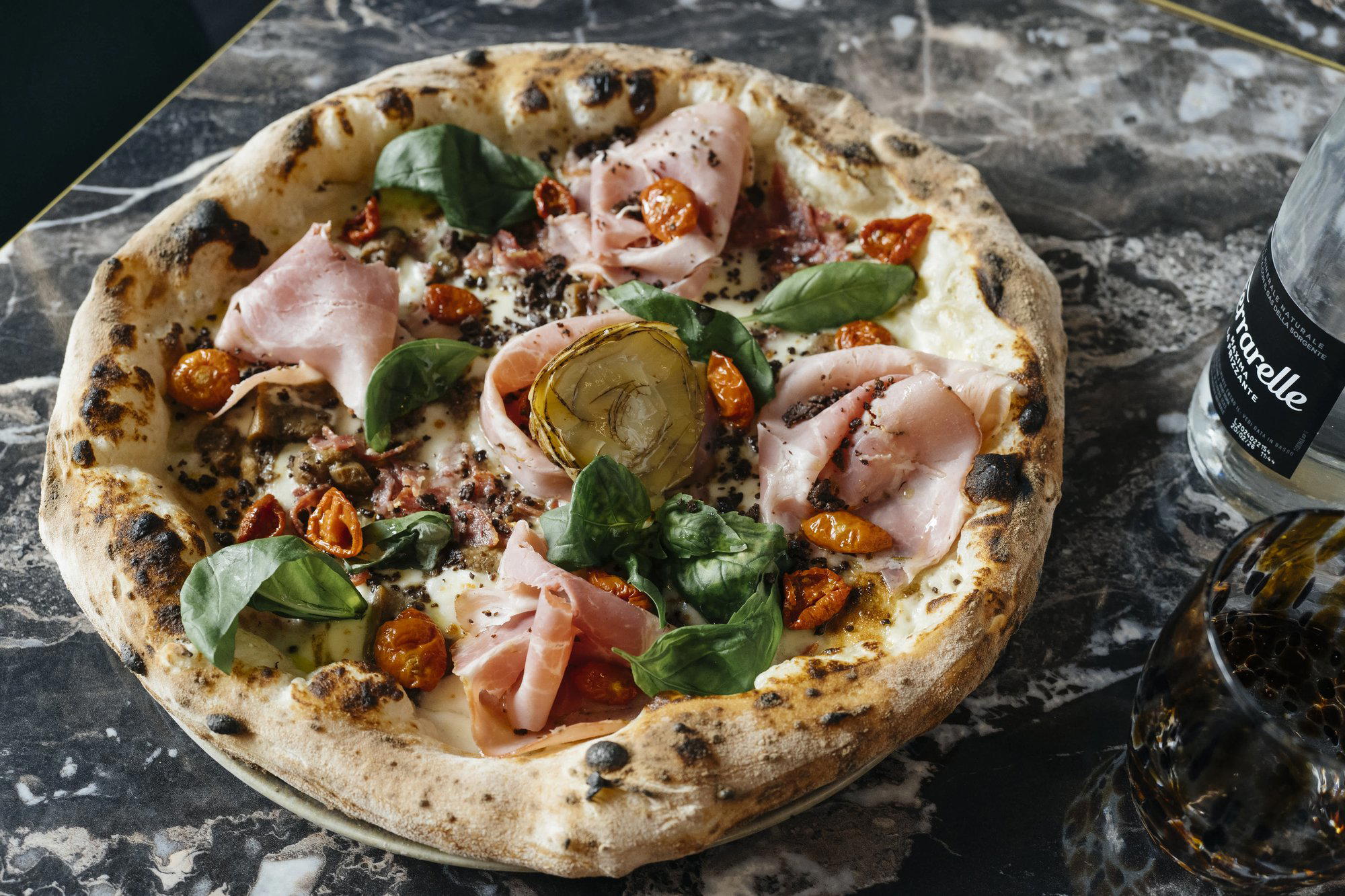
The menu
What to order
- Aenaria
- Bistecca
- Naples to Florence
- Sole di Napoli
Pizza by Tradition, Not by Geography
Florence has never been Italy's obvious address for pizza. The city's culinary reputation runs through its steaks, its bean soups, its aged Chiantis, and its proximity to the kind of fine-dining formalism practised at Enoteca Pinchiorri in Florence. Against that backdrop, a quietly serious Neapolitan pizzeria in the Isolotto district — operated by a maker from Ischia, the volcanic island in the Gulf of Naples — reads as a deliberate act of transplantation rather than a local adaptation. The result is a room that feels atmospherically closer to Naples than to Tuscany: tiled surfaces, the heat of a wood-fired oven, the particular acoustics of a dining room where tables turn efficiently and the kitchen keeps pace.
Via Francesco Veracini sits in a residential neighbourhood west of the Arno, away from the tourist corridors that concentrate most of the city's restaurant foot traffic. That distance is, in practice, a quality signal. The clientele here skews local, and the service, fast, courteous, no theatre, reflects an operation calibrated for regulars rather than first-timers working through a guidebook. For context on how the broader Florence dining scene is structured, see our full Firenze restaurants guide.
What STG Actually Means at the Counter
The certification that matters here is STG: Specialità Tradizionale Garantita, the European designation protecting the production method of Neapolitan pizza. It governs dough composition, leavening time, flour type, tomato origin, mozzarella specification, and oven temperature. Most pizza sold in Italy does not carry it. Maintaining STG compliance in a city like Florence, where neither the supply chain nor the customer base historically demands it, requires deliberate sourcing choices, the kind of choices that tend to go unnoticed until you compare the result to something that cuts corners.
The Ischian lineage of the pizza maker here matters less as biography than as supply-chain logic. Ischia sits within the Campanian food system: the tomatoes, the fior di latte, the olive oil, the flour protocols all connect back to the same regional network that underpins the leading Neapolitan operations. When a practitioner brings that network north, the sourcing follows. The dough at Giotto is well-leavened, a detail that signals both time investment and ingredient quality, since properly fermented dough requires flour that can sustain a long rise without collapsing. The result is a crust with genuine structural integrity: light enough to fold without cracking, substantial enough to carry toppings without going limp.
Italy's most-discussed restaurants in 2024 sit at the opposite end of the price and formality spectrum from a neighbourhood pizzeria. Operations like Osteria Francescana in Modena, Dal Pescatore in Runate, and Le Calandre in Rubano operate at €€€€ and Michelin three-star level. The comparison is not about competition, it is about what the Italian dining hierarchy looks like from end to end, and where honest, technically disciplined pizza fits within it. It fits closer to the foundation than the apex, but the technical discipline involved in STG compliance is not trivial, and the sourcing rigour required is underappreciated by diners who associate quality only with price.
Florence's Pizza Position: A City Finding Its Footing
For most of its modern restaurant history, Florence has been a serious city for wine-driven dining, Chianti Classico country runs to its south, and the sommelier culture embedded in its mid-range trattorie reflects that, but a secondary city for pizza. The Neapolitan tradition has always had its practitioners in Florence, but they have typically been outnumbered and outmarketed by Tuscan-inflected flatbreads and generic pizzerie that adapt the form to local ingredients without honouring its structure.
That is shifting. A generation of Florentine diners has grown up eating pizza in Naples, or eating well-documented Neapolitan transplants in Rome and Milan, and returning home with calibrated expectations. Giovanni Santarpia represents one end of that shift, a destination-grade address drawing national attention. Giotto Pizzeria represents a different but equally important node: the neighbourhood operation that holds technical standards without requiring the diner to make a reservation three weeks out or cross the river to an address with press coverage.
For a city that still skews toward trattoria dining and seafood rooms like Il Vecchio e il Mare, the presence of a properly executed STG pizzeria in a residential district is a meaningful data point about how the local food culture is maturing.
What to Drink, and When to Go
The wine and beer list at Giotto is described as good, which, in the context of a neighbourhood pizzeria, is worth taking seriously. Neapolitan pizza pairs cleanly with light-bodied reds, Campanian whites, or a cold lager, and an operation that has thought carefully about its drinks programme is one that understands the full meal rather than treating the pizza as the only variable worth controlling. The combination of serious sourcing, fast service, and a functional drinks list makes this an efficient stop for a weeknight dinner rather than a special-occasion booking.
The atmosphere, Neapolitan in character, with courteous and quick service, runs at a pace that suits solo diners and small groups. Florence's most formal addresses, from the tasting-menu rooms to the wine-focused establishments that shadow the Duomo circuit, operate at an entirely different cadence. This is not that. It is a room designed for people who want to eat well without ceremony, and it delivers on that contract consistently. For broader planning across Florence's dining and hospitality options, see also our full Firenze hotels guide, our full Firenze bars guide, our full Firenze wineries guide, and our full Firenze experiences guide.
Giotto Pizzeria is located at Via Francesco Veracini 22/d in the Isolotto neighbourhood. The address sits west of the Arno, reachable from the city centre by tram or a short taxi ride.
Frequently asked questions
What kind of recognition has Giotto Pizzeria received?
Giotto Pizzeria has received recognition including: Giotto Pizzeria, led by an Ischian pizza maker, maintains the high tradition of Neapolitan STG pizza in Florence. The pizza is made in a perfect traditional style, with good quality ingredients and is very well leavened and cooked. The atmo….
What part of town is Giotto Pizzeria in?
Giotto Pizzeria is located at Via Francesco Veracini, 22/d, 50144 Firenze FI, Italy, Firenze.
What's the must-try dish at Giotto Pizzeria?
The pizza itself is the point. Giotto holds to Neapolitan STG certification, meaning the dough preparation, leavening, and cooking all follow the European-protected method rather than a loose interpretation of it. At a pizzeria operating under those constraints, the classic Margherita or Marinara is where the craft shows most clearly — they leave nowhere to hide.
Do they take walk-ins at Giotto Pizzeria?
No booking policy is documented for Giotto, and the venue is described as offering fast service in a neighbourhood setting on Via Francesco Veracini, 22/d in Florence. That combination typically means walk-ins are the norm rather than the exception, though arriving at peak dinner hours on weekends carries the usual risk of a wait.
A Quick Peer Check
| Venue | Cuisine | Price | Awards | Notes |
|---|---|---|---|---|
| Giotto PizzeriaThis venue — the venue you are viewing | Modern Neapolitan Pizza | $20–30 | 50 Top Pizza Italia #28 | Not listed |
| Atelier Moessmer Norbert Niederkofler | Italian, Creative | Not listed | Michelin 3 Star | Not listed |
| Dal Pescatore | Italian, Italian Contemporary | Not listed | Michelin 3 Star | Not listed |
| Enoteca Pinchiorri | Contemporary Italian Fine Dining | $200–300 | 3 Michelin Stars · World's 50 Best #32 | Italian - French, Italian Contemporary |
| Enrico Bartolini | Creative | Not listed | Michelin 3 Star | Not listed |
| Osteria Francescana | Avant-Garde Italian Contemporary | $300–500 | 3 Michelin Stars · World's 50 Best #1 | Progressive Italian, Creative |
Recognition history
Dated appearances from independent guides and award organizations, with the underlying list record or original source where available.
50 Top Pizza Italia #28
50 Top Pizza
Opinionated About Dining Cheap Eats in Europe Highly Recommended
Opinionated About Dining
Full recognition history (4 entries)
Opinionated About Dining Newly Added European Restaurants
Opinionated About Dining
50 Top Pizza Italy #49
50 Top Pizza
Continue exploring
More in Florence
Restaurants in Florence
All restaurants in Florence →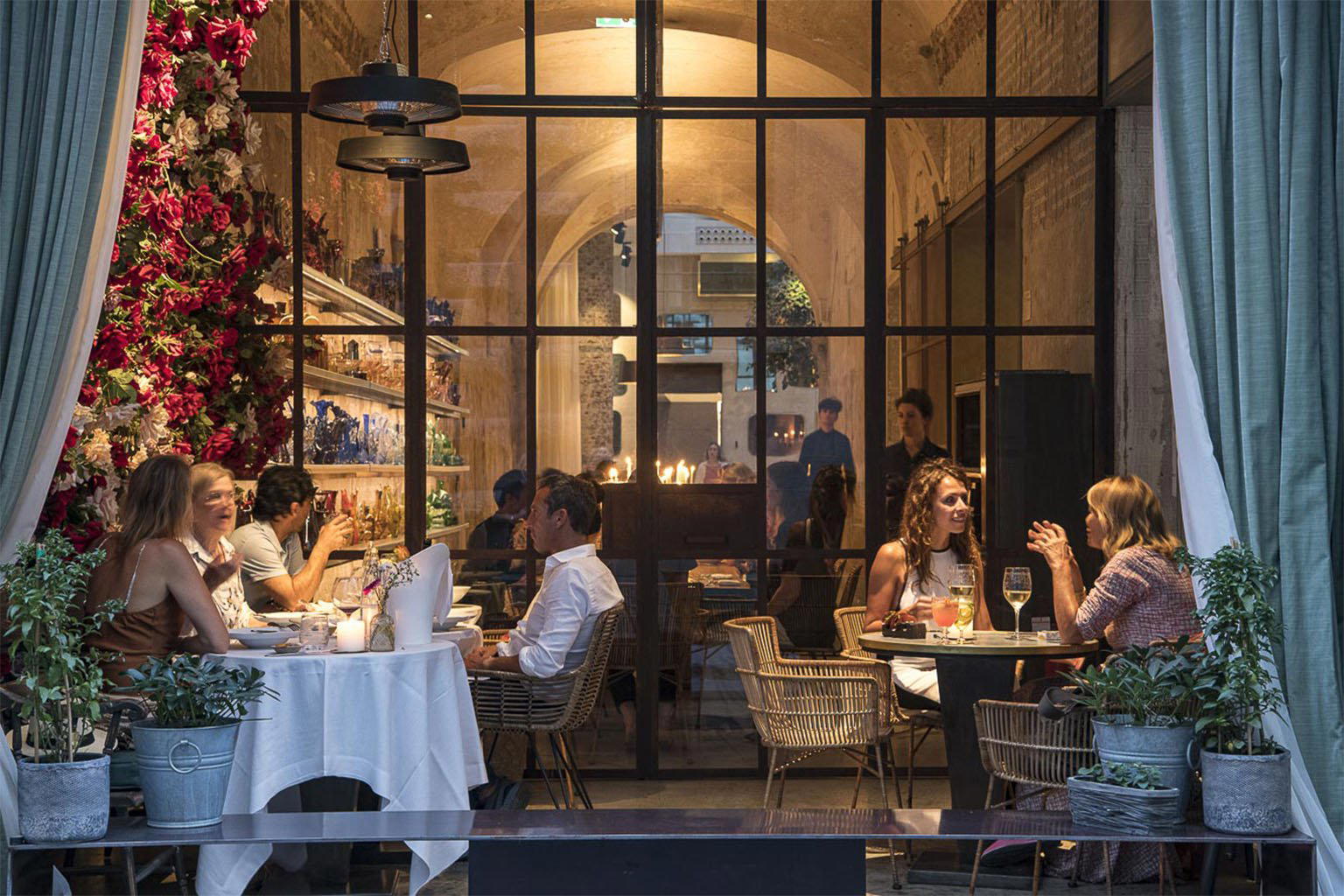
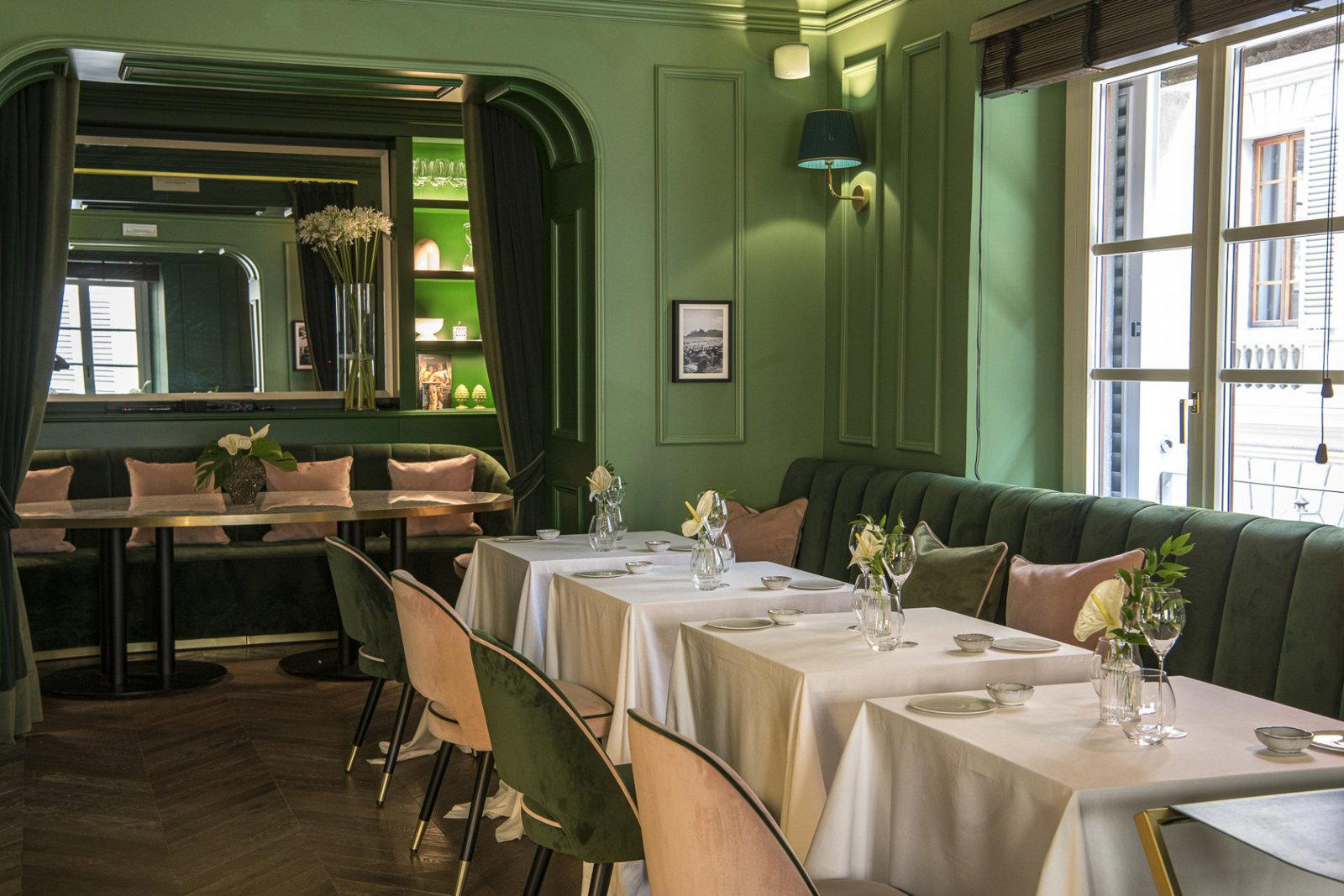
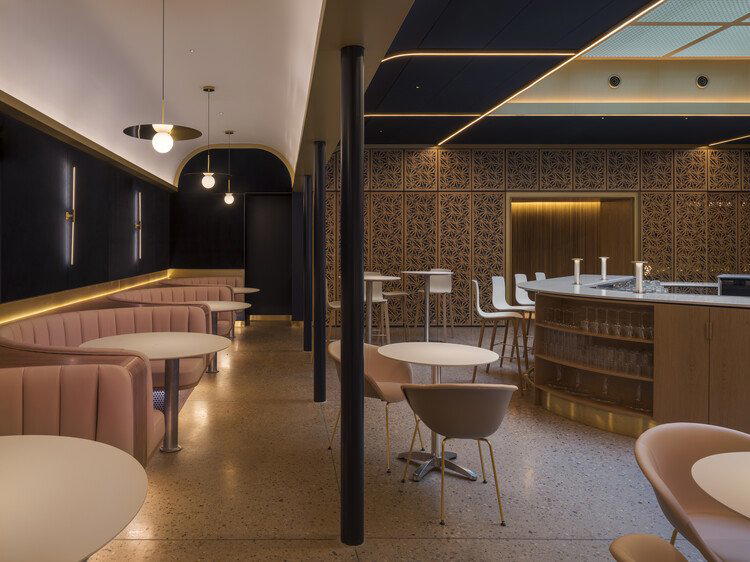
Bars in Florence
All bars in Florence →
Hotels in Florence
All hotels in Florence →
Details
- Lively
- Modern
- Cozy
- Group Dining
- Casual Hangout
- Family
- Open Kitchen
- Street Scene
- A La Carte
- Vegetarian Friendly
- Gluten Free Options
- Vegan Options
Current opening hours
- Monday
- Closed
- Tuesday
- 7–11 PM
- Wednesday
- 7–11 PM
- Thursday
- 7–11 PM
- Friday
- 7–11 PM
- Saturday
- 7–11 PM
- Sunday
- 7–11 PM
Hours can change for holidays and private events. Last verified .
Modern interior with open kitchen views, lively atmosphere, and cozy family-friendly seating both indoors and on street-side tables.