District 10 occupies a address on Brabanter Strasse in Cologne's Belgisches Viertel, a neighbourhood where independent dining has consistently outpaced chain hospitality. The restaurant sits within a corridor of serious cooking that includes Michelin-recognised peers, positioning it inside Cologne's mid-to-upper dining tier. For visitors cross-referencing the city's sustainability-conscious restaurant scene, it warrants attention alongside the area's better-known addresses.
Pearl is the En Primeur Club membership app — saves, bookings, and concierge access live there. Same editors, same standards.
- Address
- Brabanter Str. 9, 50674 Köln, Germany
- Phone
- +4922157026648
- Website
- district10.eatbu.com
- Directions
- Get directions
 Saves & bookings on Pearl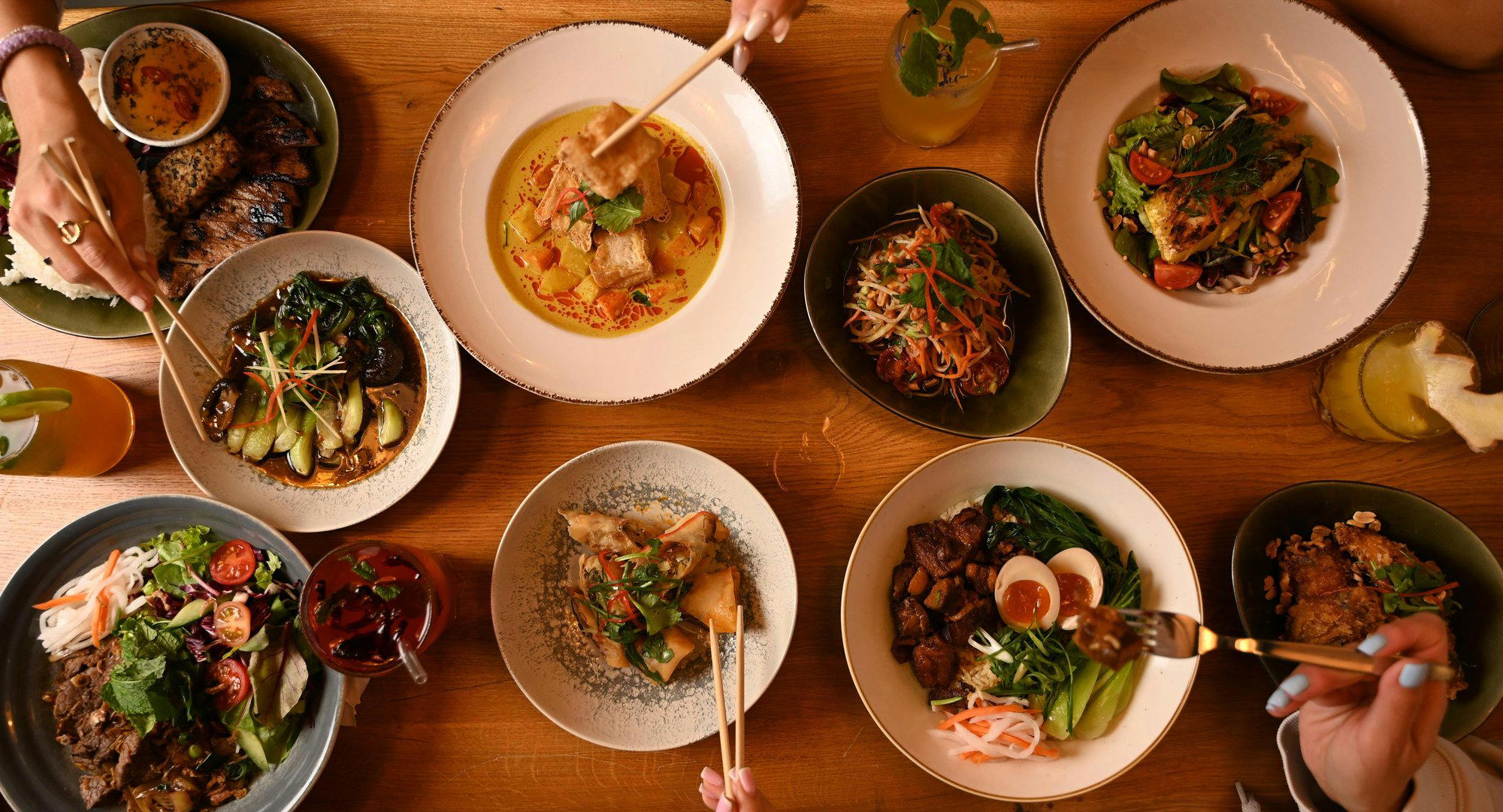
The Belgisches Viertel and What It Asks of Its Restaurants
Cologne's Belgian Quarter has developed a specific kind of dining pressure over the past decade. The neighbourhood, bounded loosely by Aachener Strasse and the Ring, attracts a resident population that treats food seriously and spends accordingly. Independent operators here cannot coast on tourist footfall the way Rhine-side addresses sometimes do. They have to earn repeat custom from locals who know the difference between sourcing rhetoric and sourcing practice. That dynamic has quietly made the Belgisches Viertel one of the more interesting stretches of restaurant real estate in western Germany.
District 10, at Brabanter Strasse 9, operates inside that environment. The address places it within walking distance of several of the city's stronger independent kitchens, which means the competitive frame is set by neighbours rather than by citywide reputation. In Cologne's current dining configuration, that is not a disadvantage. Proximity to quality raises expectations on all sides and tends to push kitchens toward more considered positions, whether on produce sourcing, format, or the relationship between price and ingredient provenance.
Sustainability as a Structural Choice, Not a Marketing Position
Across Germany's fine and upper-casual dining tier, particularly credible sustainability commitments share a common trait: they are embedded in kitchen structure rather than appended to a menu description. The distinction matters because it changes what actually appears on the plate. A kitchen that has reorganised its supply chain around regional producers, reduced its protein hierarchy to reflect seasonal availability, and built a waste-reduction protocol into prep will cook differently from one that simply adds a provenance line to a printed menu.
This structural approach has become the dominant model at the more serious end of the German restaurant scene. Houses like CODA Dessert Dining in Berlin have built entire format concepts around ingredient utility, using every component across multiple courses and treating waste as a design problem rather than an operational inevitability. At the other end of the geography, ES:SENZ in Grassau draws on immediate Alpine surroundings to define its seasonal rhythm. What connects these approaches is that sustainability functions as a kitchen discipline, not a brand gesture.
In Cologne specifically, the conversation around ethical sourcing has developed alongside the city's broader independent dining scene. Venues in the Belgisches Viertel corridor, including neighbours of District 10 such as Ox and Klee and La Cuisine Rademacher, have each articulated their own version of responsible sourcing. The result is a neighbourhood where guests have become reasonably fluent in reading the signals, which in turn holds kitchens to a higher standard of consistency.
Cologne's Upper Dining Tier: Where District 10 Fits
Cologne supports a tier of serious cooking that operates below the starred threshold without being casual. That mid-to-upper band, which includes La Société, Le Moissonnier Bistro, and maiBeck, competes less on accolade count and more on kitchen consistency and room character. Guests choosing between these addresses are typically making editorial decisions about what kind of evening they want rather than chasing a specific star rating.
For context on what starred cooking looks like elsewhere in the region, Vendôme in Bergisch Gladbach sits within reasonable distance of Cologne and represents the formal end of the regional spectrum. Further afield, Schwarzwaldstube in Baiersbronn and Aqua in Wolfsburg define what Germany's most decorated kitchens look like at the leading end. The restaurant does not compete in that register, but understanding the full range of German fine dining helps calibrate what the Cologne mid-tier is actually delivering.
Internationally, the structural sustainability model that the better Cologne kitchens are working within echoes what Lazy Bear in San Francisco has demonstrated with its communal-format, hyper-seasonal approach, and what Le Bernardin in New York City has long practised through disciplined sourcing in a seafood-focused kitchen. The language of responsible procurement is now global; the execution is still local.
The Room and the Experience
Brabanter Strasse is a residential-commercial street that does not signal fine dining from the outside. The Belgian Quarter's architecture runs to early twentieth-century apartment blocks with ground-floor retail, and restaurant frontages here tend toward understatement. This is consistent with how the neighbourhood positions itself generally: the dining rooms that have earned repeat custom in this part of Cologne are not competing on theatrical exteriors. The experience begins once you are inside.
What can be said is that the address and neighbourhood context suggest an independent operator rather than a group format, and that the Belgisches Viertel has historically supported mid-size rooms where the kitchen-to-dining-room ratio reflects genuine cooking rather than production-line output. Guests accustomed to larger group-operated venues elsewhere in the city may find the scale more considered here.
Planning a Visit
The restaurant is at Brabanter Strasse 9 in the 50674 postal district, placing it squarely in the Belgisches Viertel and within direct reach of the city's central public transport network. The neighbourhood is well-served by tram lines running along the Ring roads. Booking is recommended, and the current hours are Mon: 6–10 PM; Tue: 6–10 PM; Wed: 6–10 PM; Thu: 6–10 PM; Fri: 6–11 PM; Sat: 12–11 PM; Sun: 12–10 PM. Average spend is about $18 per person.
Those building a wider Germany itinerary around serious cooking may also want to consider JAN in Munich, Restaurant Haerlin in Hamburg, Schanz in Piesport, or Waldhotel Sonnora in Dreis and Victor's Fine Dining by Christian Bau in Perl for the western Germany region more broadly.
Price Lens
Comparable venues nearby, for context on price, style, and recognition.
| Venue | Price | Notes |
|---|---|---|
| District 10This venue — the venue you are viewing | $$ | Not listed |
| Adida | $$ | Neustadt/Nord, Vegan Vietnamese |
| Well Being | $$ | Neustadt/Nord, Vegan Vietnamese |
| Chum Chay | $$ | Altstadt/Nord, Vegetarian Vietnamese |
| To80 Vegan | $$ | Neustadt/Süd, Vegan Vietnamese Street Food & Sushi |
| Casita Mexicana | $$ | Neustadt/Süd, Authentic Mexican Street Food |
Continue exploring
More in Cologne
Restaurants in Cologne
Browse all →
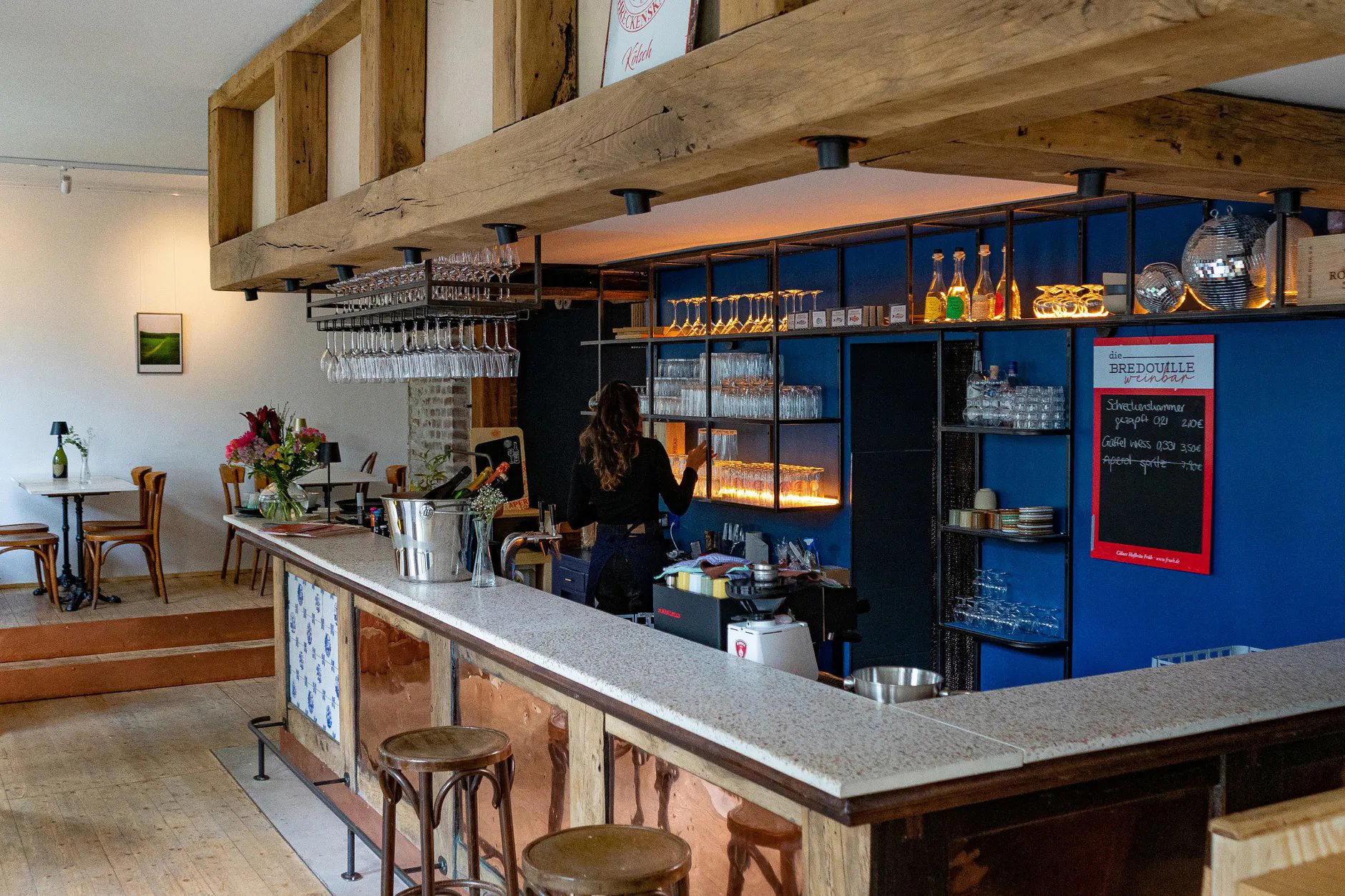
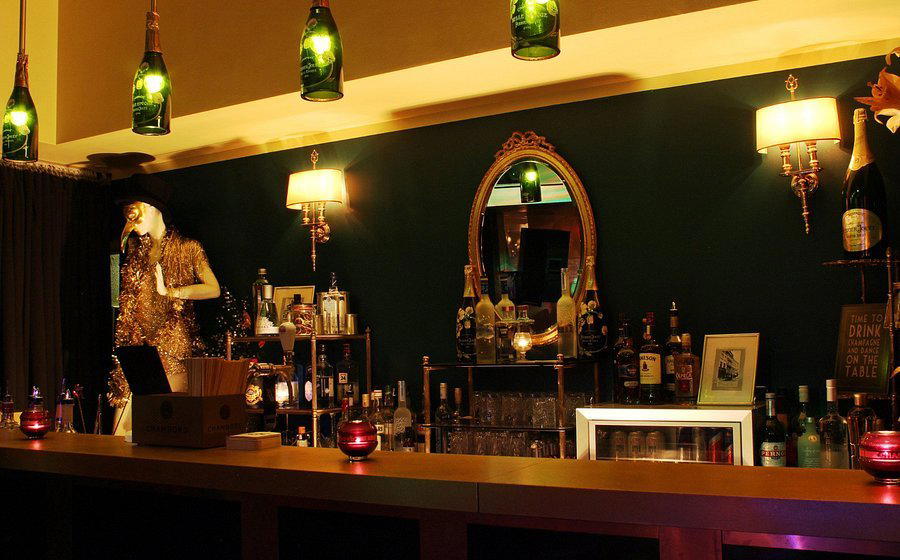
Bars in Cologne
Browse all →
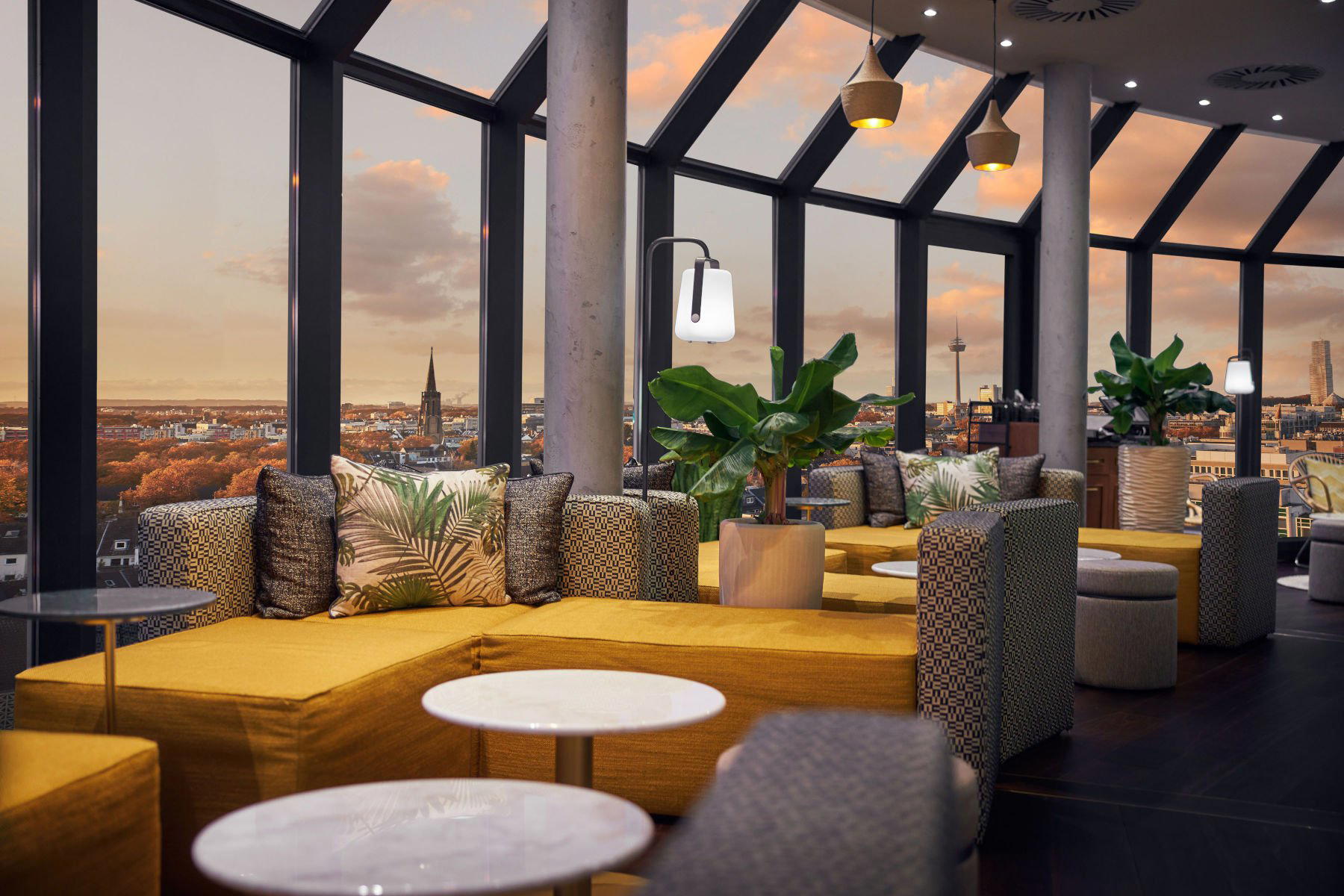
Hotels in Cologne
Browse all →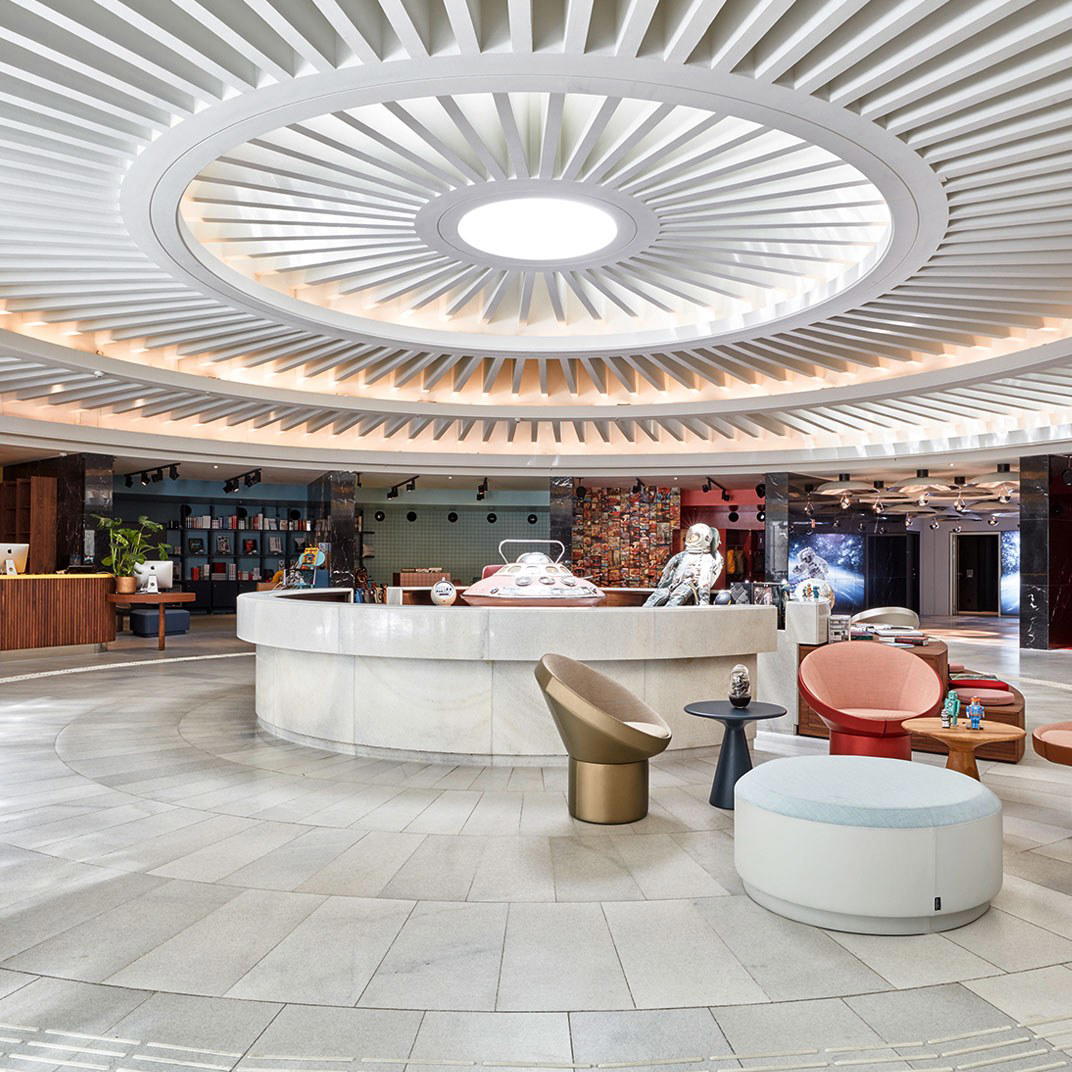

At a Glance
- Casual
- Trendy
- Lively
- Casual Hangout
- Group Dining
- Family
- After Work
- Open Kitchen
- Standalone
Current opening hours
- Monday
- 6–10 PM
- Tuesday
- 6–10 PM
- Wednesday
- 6–10 PM
- Thursday
- 6–10 PM
- Friday
- 6–11 PM
- Saturday
- 12–11 PM
- Sunday
- 12–10 PM
Hours can change for holidays and private events. Last verified .
Casual and stylish with a family-friendly atmosphere, featuring warm service and a lively street food concept.