Der Wiener Deewan on Liechtensteinstraße sits at the practical and philosophical opposite end of Vienna's dining spectrum from the city's tasting-menu circuit. The Pakistani all-you-can-eat canteen charges what you choose to pay, drawing students, academics, and long-term residents from the Ninth District into a room that functions more like a shared table than a restaurant. It is one of the few places in Vienna where the price of the meal is entirely up to you.
Pearl is the En Primeur Club membership app — saves, bookings, and concierge access live there. Same editors, same standards.
- Address
- Liechtensteinstraße 10, 1090 Wien, Austria
- Phone
- +43 1 9251185
- Website
- deewan.at
- Directions
- Get directions
 Saves & bookings on Pearl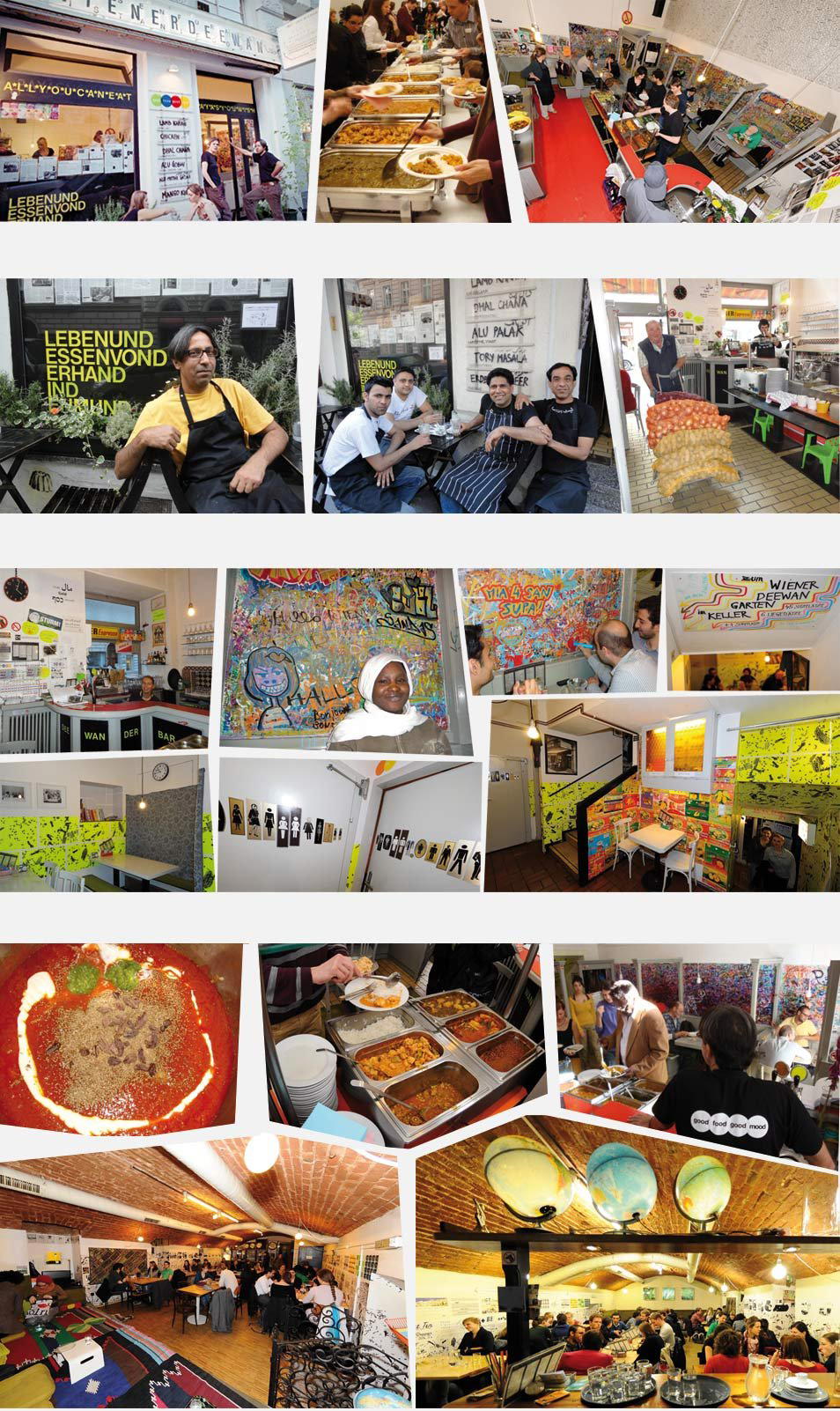
The Ninth District and the Logic of Liechtensteinstraße
Vienna's Ninth District, Alsergrund, runs differently from the First. The Ringstraße grandeur drops away and what replaces it is a neighbourhood of university buildings, general practitioners' practices, and the kind of residential density that produces regular lunchtime foot traffic rather than tourist clusters. Liechtensteinstraße is one of its main arteries, connecting the Ninth to the broader inner-city grid, and it is a street that rewards the kind of slow attention that most visitors to Vienna never give it. Der Wiener Deewan sits on this street at number 10.
The Ninth is home to the Medical University of Vienna and draws a population that skews toward students, researchers, and long-term residents with limited interest in the formal dining conventions that define much of the city's restaurant culture. That audience shaped Deewan's model from the outset: Pakistani cooking served canteen-style, all-you-can-eat, with payment left to the conscience of the diner. The concept is sometimes described as a trust economy, and in Vienna, a city with a deeply ingrained café culture built on the idea of occupying a table for as long as you need it, that framework lands differently than it might elsewhere.
A Format That Sits Outside Vienna's Dining Tiers
Vienna's premium dining circuit runs through a set of tasting-menu restaurants that occupy a clear hierarchy. Steirereck im Stadtpark anchors stronger examples from that bracket; Konstantin Filippou, Mraz & Sohn, and Amador sit within the Michelin-recognised tier below it. Doubek represents a more neighbourhood-rooted creative approach. Der Wiener Deewan does not belong to any of these tiers, and that is precisely the point.
The pay-what-you-wish model exists in cities around the world, but it tends to cluster around either charity-adjacent social enterprise projects or high-concept art-world dining experiments. Deewan is neither. It is a functioning canteen that has operated at the same address, serving the same community, with the same format, across a period long enough to have become genuinely embedded in the Ninth District's social fabric. That durability is its own form of credibility in a city where longevity tends to be taken seriously as a signal of quality.
For context on what Austrian dining looks like across the full range of the country, the gap between Deewan and the fine-dining tier extends nationally: Döllerer in Golling an der Salzach, Obauer in Werfen, and Landhaus Bacher in Mautern an der Donau each represent a different expression of formal Austrian cooking that operates on entirely different economic assumptions. Understanding Deewan requires understanding that it is not competing with any of them, and is not trying to.
The Cooking and Its Context
Pakistani cooking in Vienna occupies a smaller niche than it does in cities like London or Frankfurt, where South Asian diaspora communities have shaped the restaurant scene for decades. The relative scarcity of the cuisine in Vienna means that Deewan functions as a reference point for that tradition in the city, which places it in a position that a Pakistani restaurant in a more saturated market would not hold. The dishes served are drawn from the northern Pakistani tradition, which means lentil preparations, slow-cooked meat dishes, and rice-based formats that share structural similarities with North Indian cooking while maintaining distinct regional characteristics in spice approach and texture.
The canteen format means the offering changes, and regulars develop preferences for specific dishes that rotate through the kitchen. That dynamic is part of what keeps the format alive: the absence of a fixed menu creates a reason to return regularly, which is exactly the behaviour the model needs to sustain itself financially.
Who Goes and When
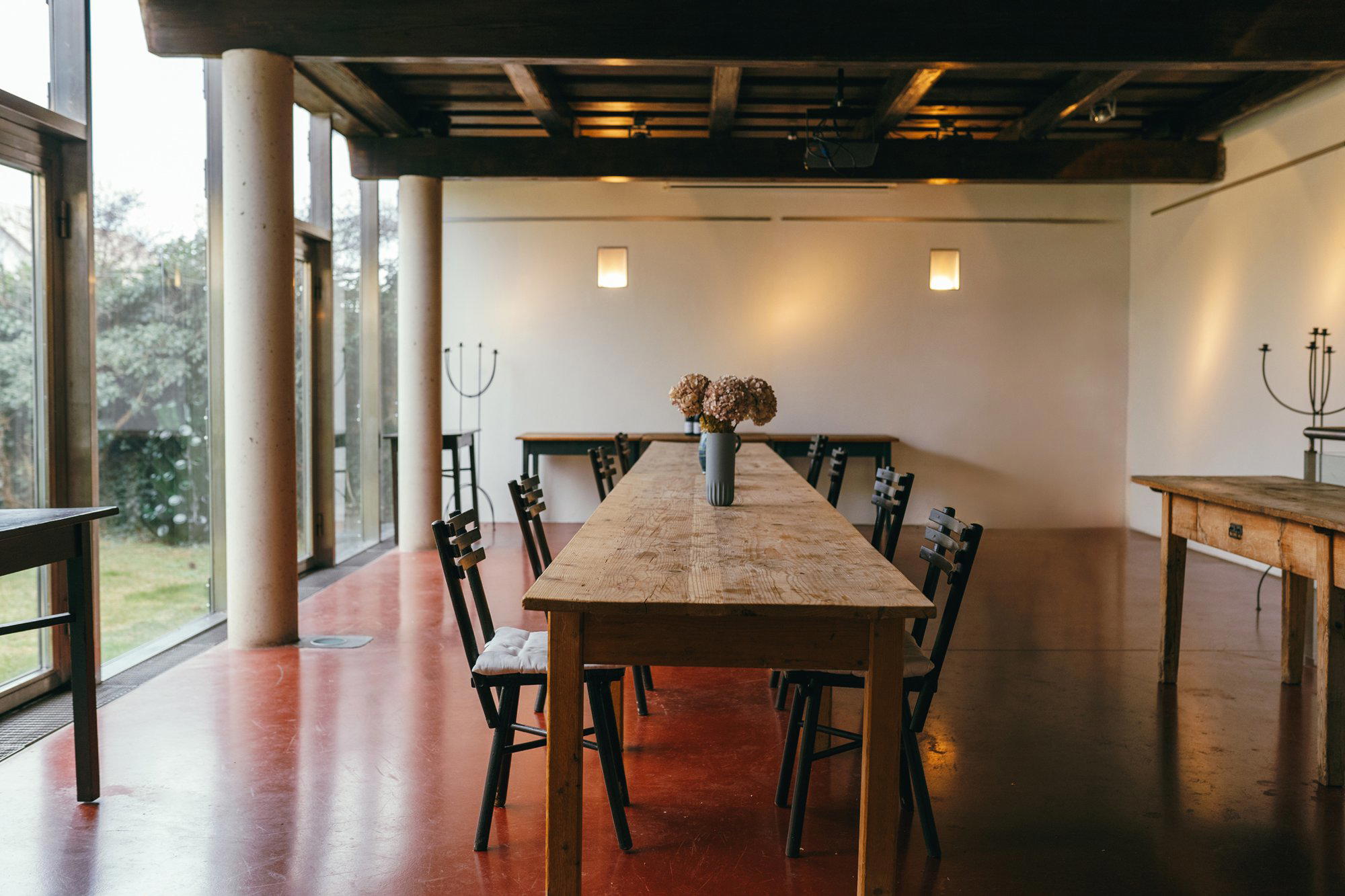
The lunchtime crowd at Deewan is drawn heavily from the surrounding university and medical community. Evening service draws a broader mix, including longer-established regulars who have been eating there for years and visitors who have been directed there by someone who knows the Ninth. The room itself is not designed around formal dining conventions: expect communal seating arrangements and a pace that encourages lingering, which places it squarely within a broader Viennese tradition of spaces that function as much as social infrastructure as they do as eating establishments.
For travellers moving through Vienna and building a broader picture of Austrian dining, the range extends well beyond the capital. Gourmetrestaurant Tannenhof in Sankt Anton am Arlberg, Stüva in Ischgl, Kräuterreich by Vitus Winkler in Sankt Veit im Pongau, Schwarzer Adler in Hall in Tirol, Restaurant 141 by Joachim Jaud in Mieming, Ois in Neufelden, and Taubenkobel in Schützen am Gebirge each represent a distinct regional register. Deewan sits at an entirely different point on that spectrum, defined by urban neighbourhood function rather than destination dining logic.
The pay-what-you-wish model creates a rare transparency about the social contract between diner and kitchen. Comparable formats in other cities, from trust-based cafés in London to donation-model concepts in San Francisco, have had mixed longevity records. The fact that Deewan has continued operating on Liechtensteinstraße over an extended period suggests the Ninth District's population has sustained the model with enough consistency to keep it viable. That is not a small thing.
Planning a Visit
Der Wiener Deewan is at Liechtensteinstraße 10 in Vienna's Ninth District. The address is accessible by U-Bahn via the Schottentor stop on the U2 line, which puts it within a short walk. Given the all-you-can-eat canteen format, advance reservation is not the operating norm here: the space functions on a walk-in basis, and the lunch period, when the neighbourhood's academic and professional population is most active, tends to be the busier service window. For comparison against other formats that have developed loyal followings through a distinct operating model, Lazy Bear in San Francisco and Le Bernardin in New York City each illustrate how format commitment, sustained over time, becomes the defining characteristic of a restaurant's identity.
The Short List
Comparable venues nearby, for context on price, style, and recognition.
| Venue | Cuisine | Price | Notes |
|---|---|---|---|
| Der Wiener DeewanThis venue — the venue you are viewing | Inner City, Pakistani Curry Buffet | $ | Not listed |
| DR-FALAFEL | Wieden, Israeli Falafel & Shawarma | $ | Not listed |
| Pita BOX | Not listed | $ | Praterstern Wien Nord, Turkish & Middle Eastern Street Food |
| Yudale | Not listed | $$ | Praterstern Wien Nord, Kosher Middle Eastern & Israeli |
| Florentin Neubau | Not listed | $$ | Neubau, Modern Middle Eastern Street Food |
| Band Amir Restaurant | Kaiserebersdorf, Afghan-Persian | $$ | Not listed |
Continue exploring
More in Vienna
Restaurants in Vienna
Browse all →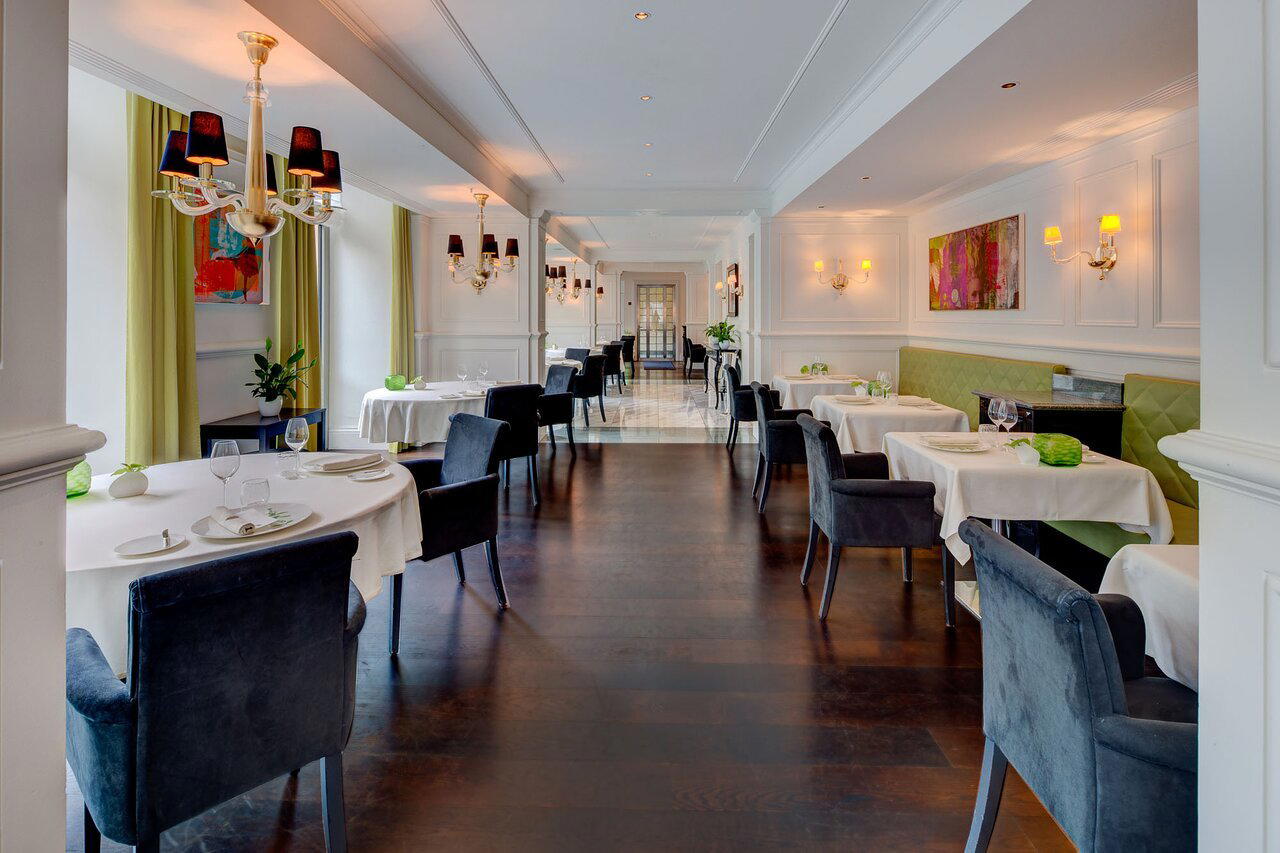
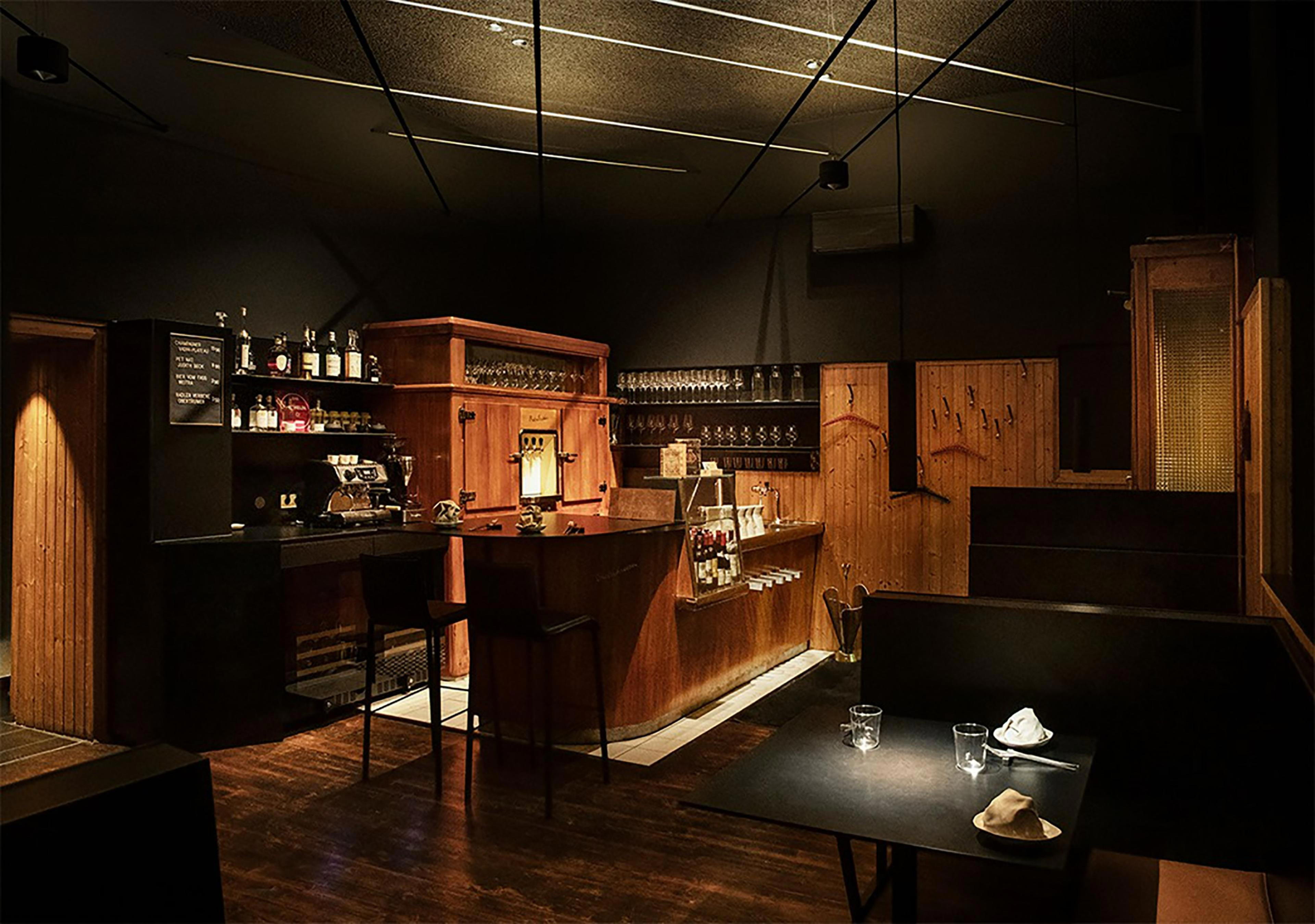
Bars in Vienna
Browse all →
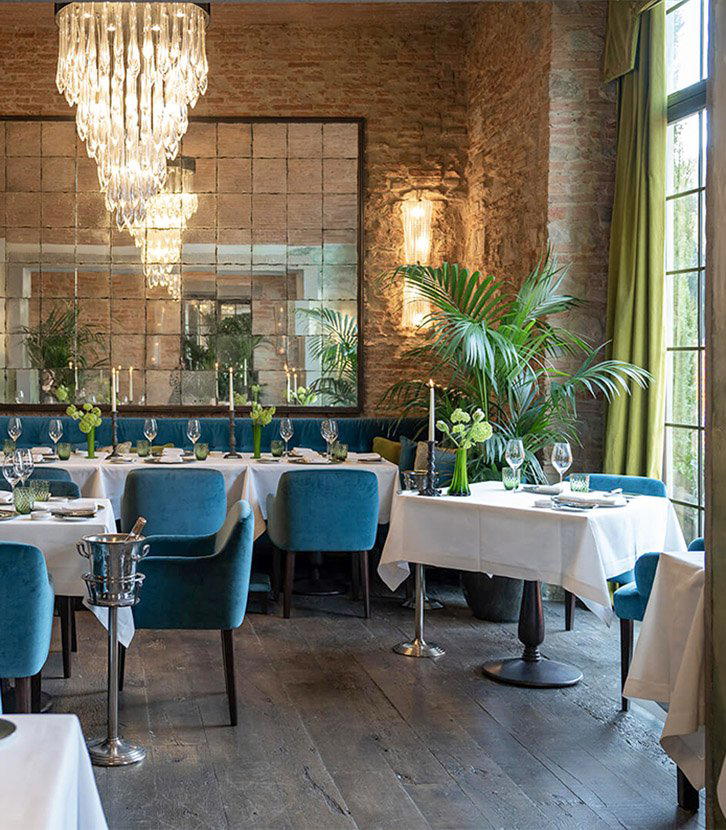
Hotels in Vienna
Browse all →
At a Glance
- Lively
- Cozy
- Casual
- Casual Hangout
- Family
- Group Dining
- Standalone
Current opening hours
- Monday
- 11 AM–11 PM
- Tuesday
- 11 AM–11 PM
- Wednesday
- 11 AM–11 PM
- Thursday
- 11 AM–11 PM
- Friday
- 11 AM–11 PM
- Saturday
- 11 AM–11 PM
- Sunday
- Closed
Hours can change for holidays and private events. Last verified .
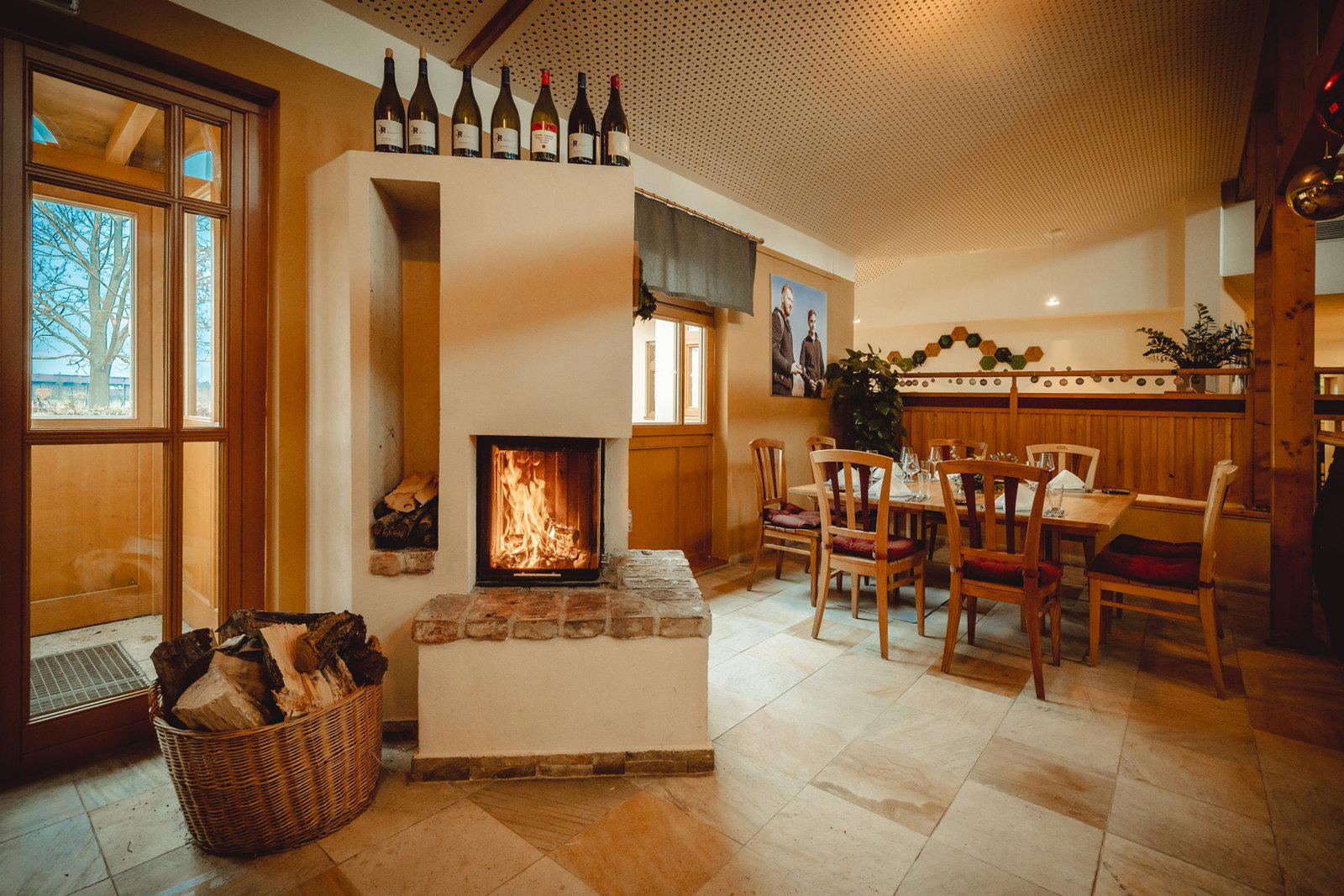
Laid-back, busy atmosphere with simple, cozy urban decor, colorful guest drawings on plexiglass walls, and a welcoming home-like feel.