Der erdbeerfressende Drache pairs modern fusion small plates omakase with a waterfront open kitchen, leisurely dinner pacing, and an extensive wine list.
Pearl is the En Primeur Club membership app — saves, bookings, and concierge access live there. Same editors, same standards.
- Address
- Alsterufer 3, 20354 Hamburg, Germany
- Phone
- +494069657299
- Website
- dererdbeerfressendedrache.de
- Directions
- Get directions
 Saves & bookings on Pearl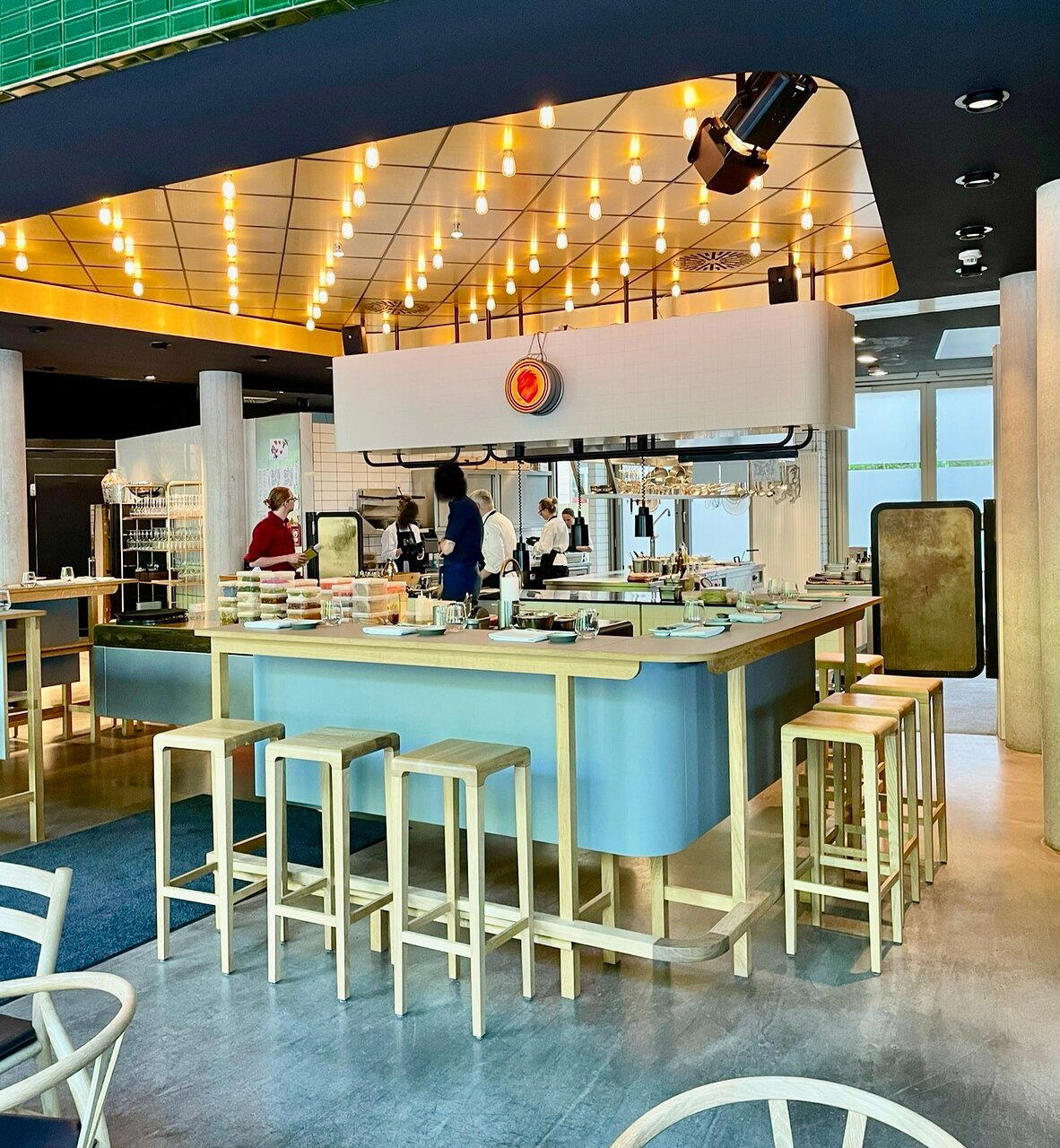
Along the Alster: Reading a Room Before You Sit Down
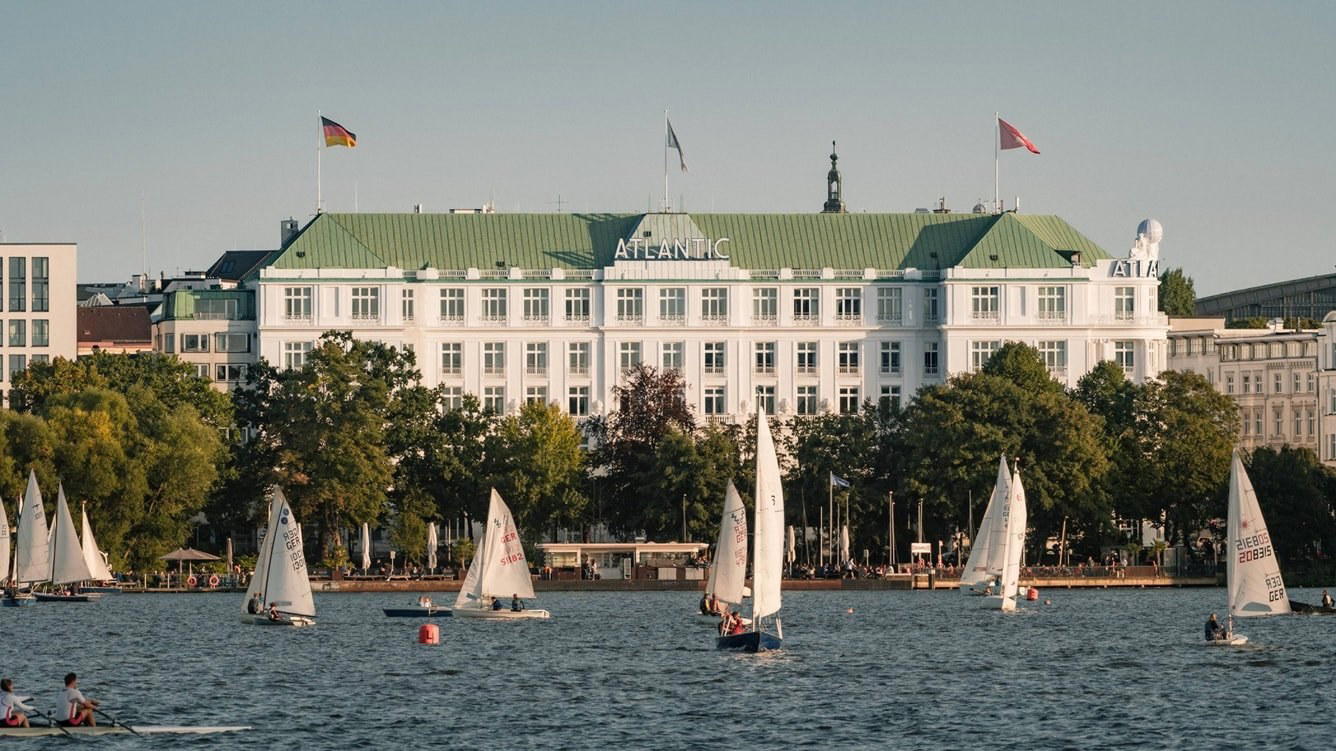
That gravitational pull runs toward HafenCity and the Altstadt, where waterfront ambition and glass-facade ambition tend to reinforce each other. Alsterufer 3 sits at a remove from that circuit, on a tree-lined stretch where the water is visible but the atmosphere is quieter, less performed. Arriving here, the first thing a diner registers is not a logo or a queue but a street that still behaves like a street: residents, joggers, the low sound of water. Der erdbeerfressende Drache is a restaurant in Hamburg serving modern fusion small plates omakase.
Hamburg's serious fine dining tier, the bracket occupied by Restaurant Haerlin and The Table Kevin Fehling, tends toward formal or geographically neutral names. A name that whimsical, attached to an address this composed, suggests a kitchen that has made a deliberate decision about tone: it will not take itself more seriously than the food requires.
Hamburg's Independent Dining Register
To understand where a restaurant like this sits, it helps to map the Hamburg dining scene by posture rather than price tier. At the formal end, the city runs a credible programme: Haerlin holds two Michelin stars; The Table Kevin Fehling, also two; 100/200 Kitchen occupies a singular fixed-price format that books well in advance. These are venues that operate with the machinery of contemporary fine dining: tasting menus, precision pacing, structured progression from amuse-bouche to petit four.
Below and alongside that tier, Hamburg has a denser, less legible layer of independently operated restaurants that do not always court critical infrastructure in the same way. bianc sits at the upper end of modern Mediterranean; Lakeside occupies a distinct German lakeside register at the €€€€ tier. Der erdbeerfressende Drache appears to operate outside the publicity apparatus of either group, which in Hamburg's context is itself a meaningful data point. Restaurants that do not broadcast tend either to underperform on execution or to have developed a local following sufficient to make external visibility unnecessary.
The Ritual of the Meal at an Unknown Quantity
Writing about dining ritual is easier when the format is known. Hamburg's most formally structured restaurants, and comparable venues across Germany, from Schwarzwaldstube in Baiersbronn to Aqua in Wolfsburg, operate with legible codes: advance booking essential, arrival within a narrow window, pacing controlled by the kitchen, no à la carte deviation once seated. The ritual is predetermined, and part of what you are paying for is the precision of its execution.
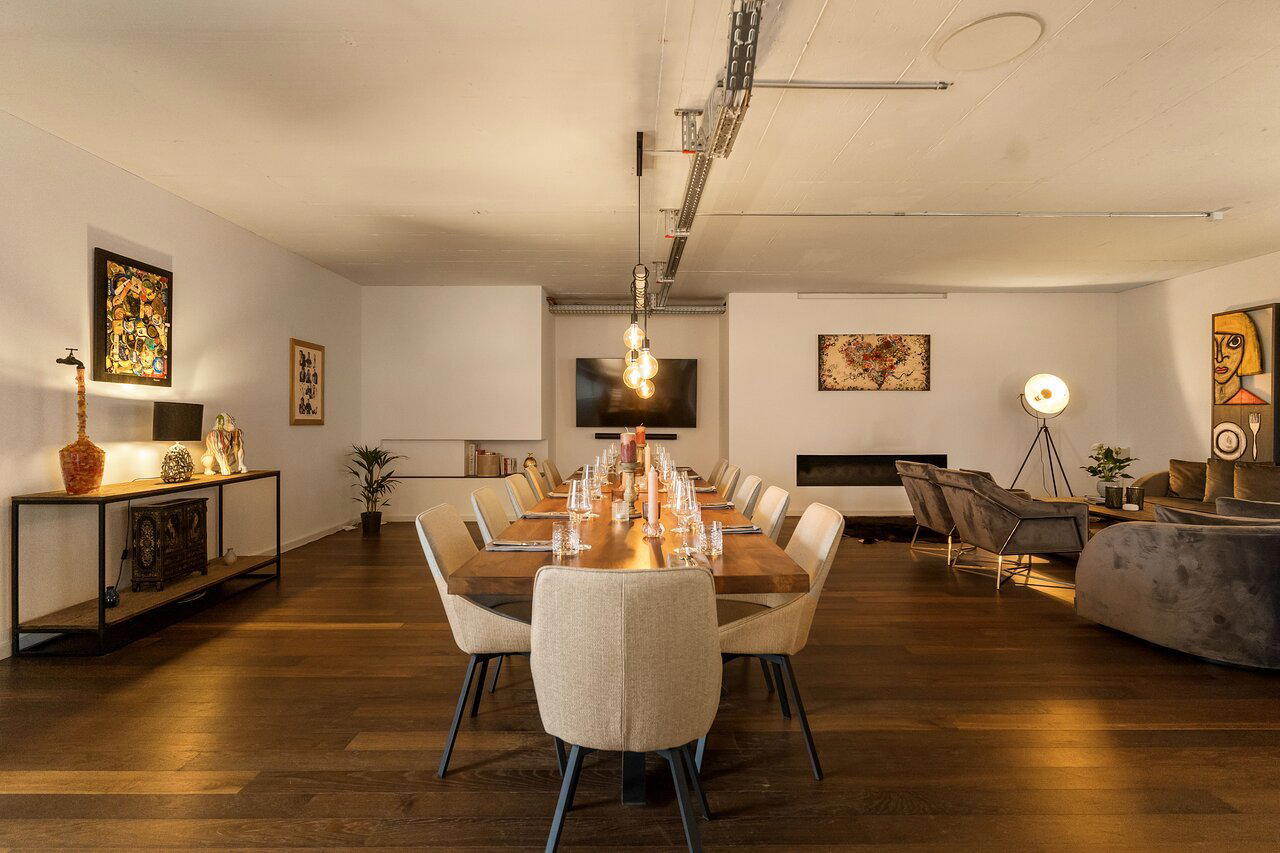
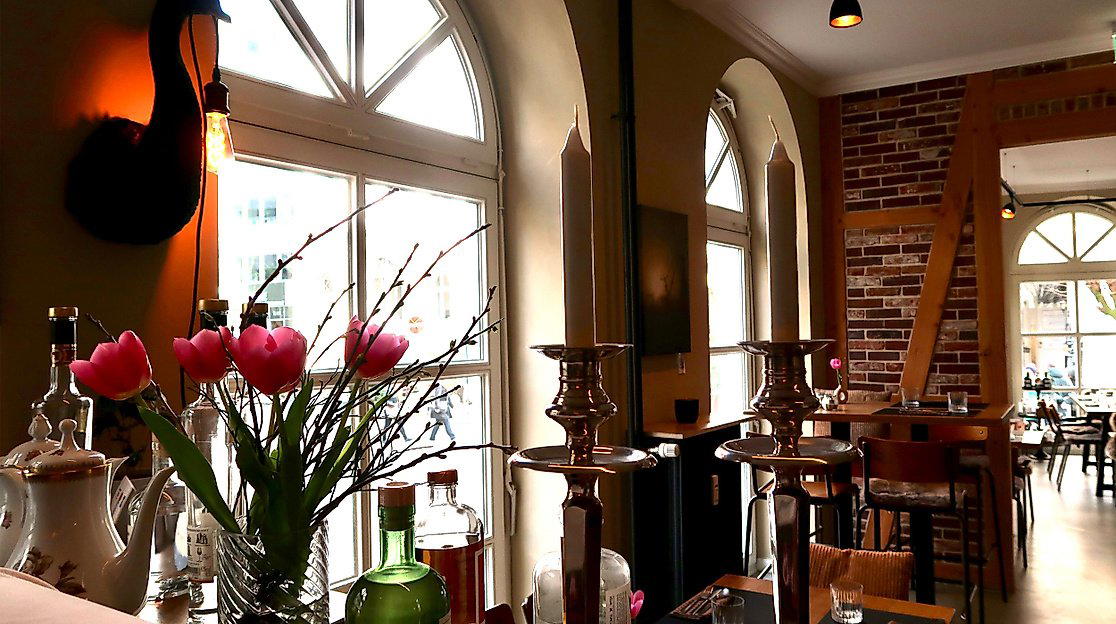
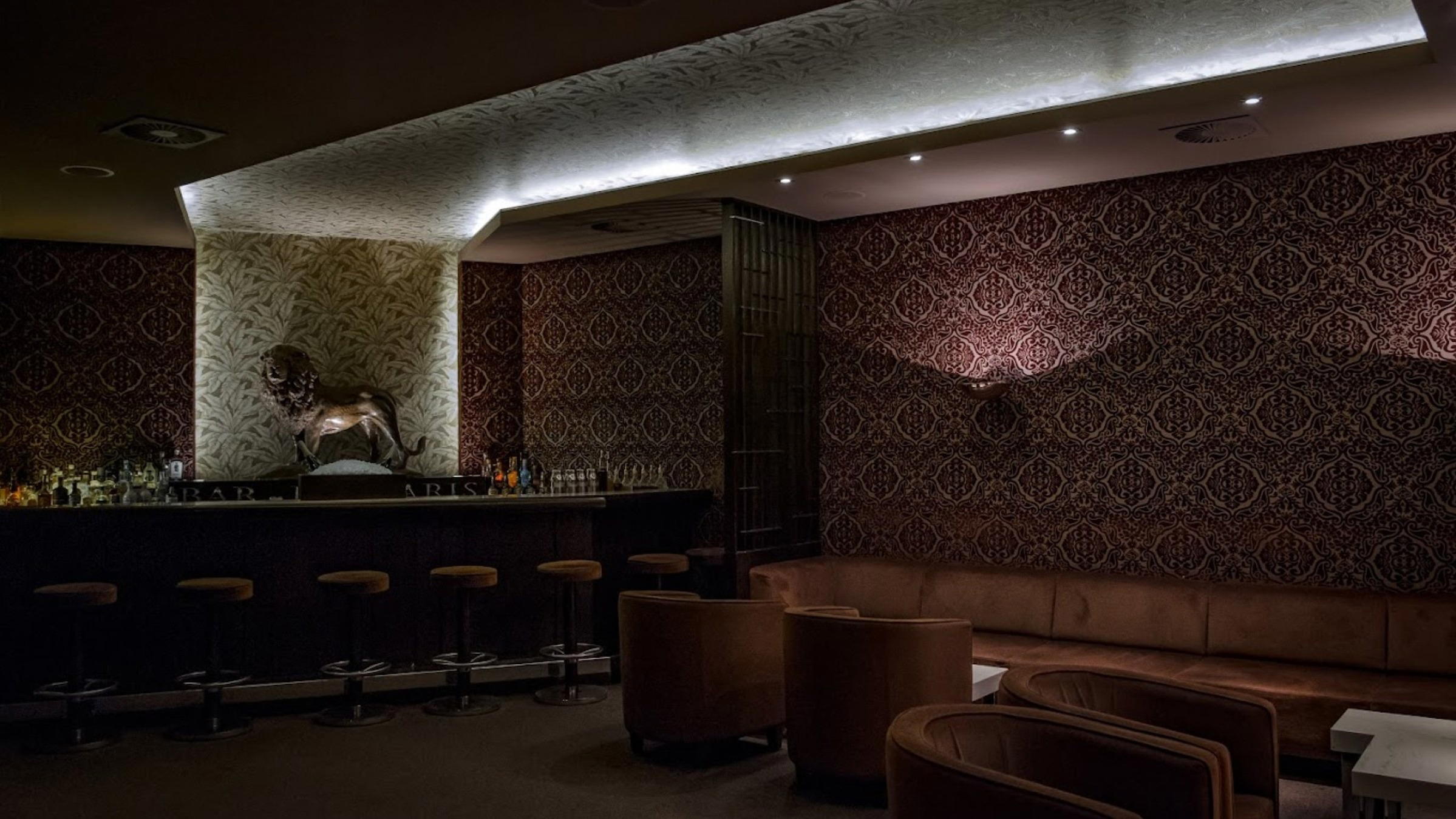
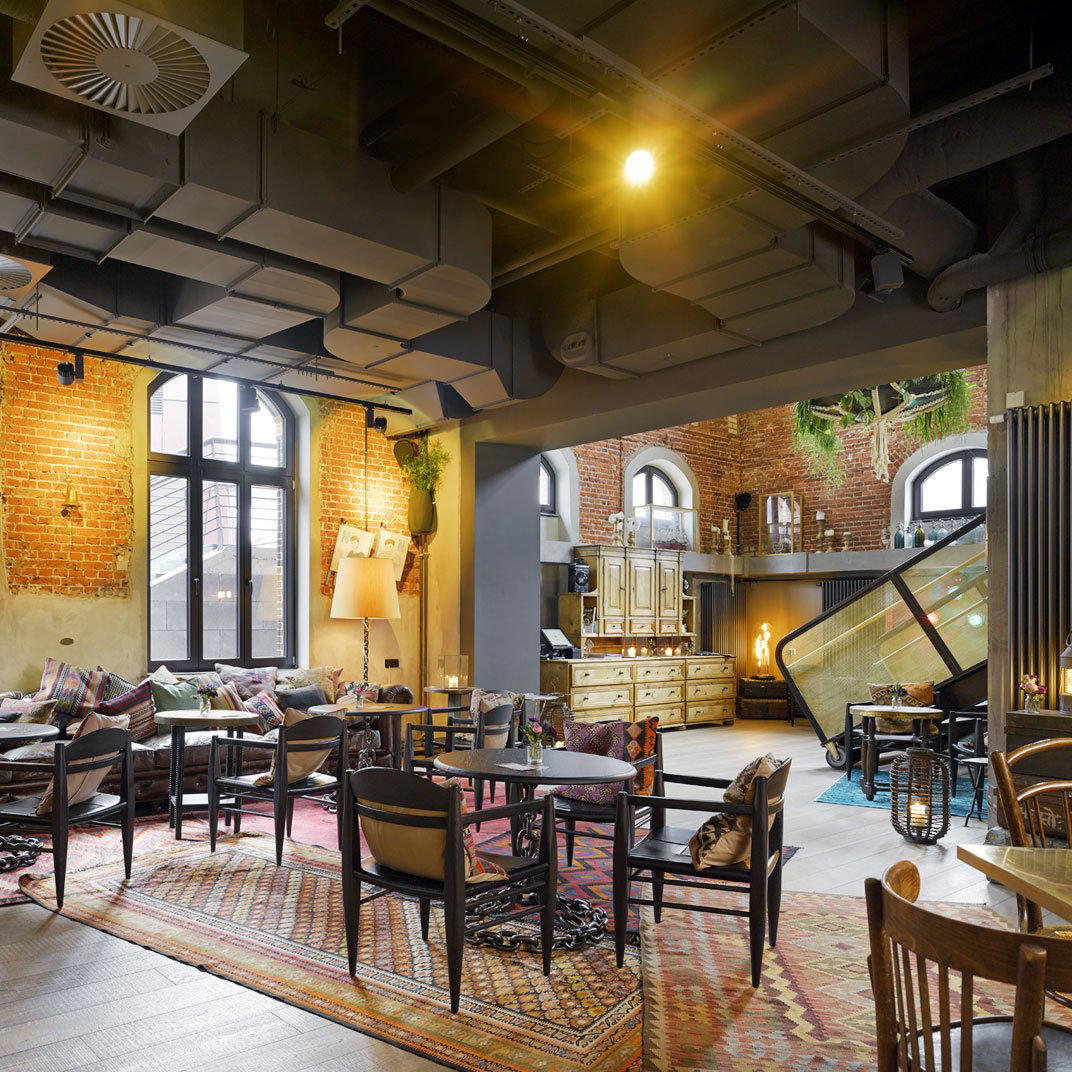
At this restaurant, the ritual works differently. The diner arrives with less pre-formed expectation and more reliance on what the room communicates on arrival: how tables are spaced, how staff move, whether the menu is presented as a document or a conversation. These cues, read correctly, tell an experienced diner as much about kitchen philosophy as any press release. A restaurant on Alsterufer that has not leaned into Hamburg's promotional circuit is likely one where that conversation at the table carries more weight than the printed description.
Germany's broader independent dining culture, represented at its most considered by venues like JAN in Munich or Vendôme in Bergisch Gladbach, has historically valued pacing and restraint over spectacle. That tradition shapes how meals feel even at restaurants that do not explicitly reference it: courses arrive without performance, wine is poured without theatre, and the signal that a meal is going well is not applause but the quiet extension of time at table.
What the Address Implies
Alsterufer 3 carries its own context. The Außenalster lakefront is one of Hamburg's most address-conscious corridors, home to embassies, law firms, and a segment of the city's residential wealth that does not need to announce itself. A restaurant operating here is not positioned for tourist foot traffic or HafenCity wanderers. Its natural audience is local, return-oriented, and likely to have discovered it through word of mouth rather than aggregator placement.
That audience pattern shapes what a restaurant becomes over time. In cities across Germany, and this holds from Hamburg to Berlin, where CODA Dessert Dining built its Michelin-starred reputation on a format that required explanation, particularly considered kitchens grow their following through repeat visits rather than first-impression publicity. The regulars learn the rhythm. The kitchen learns what the regulars require. The result is a dining experience calibrated to a specific community rather than a generalised notion of premium hospitality.
What the address and the name together suggest is a restaurant that has made a series of deliberate choices about visibility, and that those choices are more likely strategic than accidental.
Placing It in the German Fine Dining Conversation
Germany's Michelin-recognised tier is genuinely competitive: Victor's Fine Dining by christian bau in Perl, ES:SENZ in Grassau, Schanz in Piesport, Waldhotel Sonnora in Dreis, and Bagatelle in Trier each represent distinct regional approaches to serious cooking. Hamburg's contribution to that conversation is real but concentrated: the city punches at its weight class, but its leading tables are fewer in number than Munich or Berlin. This compression means that restaurants operating just outside the formally recognised tier in Hamburg carry more comparative significance than they might in a larger city's dining ecosystem.
Internationally, the closest structural parallel for a restaurant that operates with low digital presence but strong local authority might be the neighbourhood institutions that populate the outer boroughs of Le Bernardin's New York, or the community-first ethos that Lazy Bear in San Francisco formalised into a specific format. The mechanism differs, but the underlying logic, that a devoted local audience can sustain serious cooking without mass visibility, is consistent across cities.
Know Before You Go
Address: Alsterufer 3, 20354 Hamburg, Germany
Booking is recommended.
Price tier: $$$
A Credentials Check
Comparable venues nearby, for context on price, style, and recognition.
| Venue | Cuisine | Price | Notes |
|---|---|---|---|
| Der erdbeerfressende DracheThis venue — the venue you are viewing | Modern Fusion Small Plates Omakase | $$$ | Not listed |
| Bootshaus Alster | Sushi & Steak Waterfront | $$$ | Hamburg-Altstadt |
| Quellental | Modern German Farmhouse Cuisine | $$$ | Klein Flottbek |
| Flum | Classic French Brasserie | $$$ | Rotherbaum |
| Küchenfreunde | Modern German Bistro | $$$ | Anscharhoehe |
| Poletto Winebar | Contemporary Italian Trattoria | $$$ | Anscharhoehe |
Continue exploring
More in Hamburg
Restaurants in Hamburg
Browse all →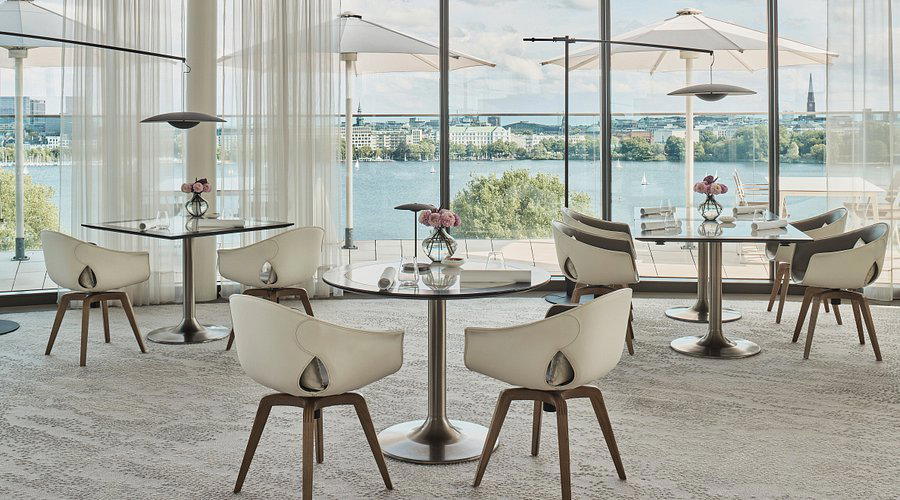
At a Glance
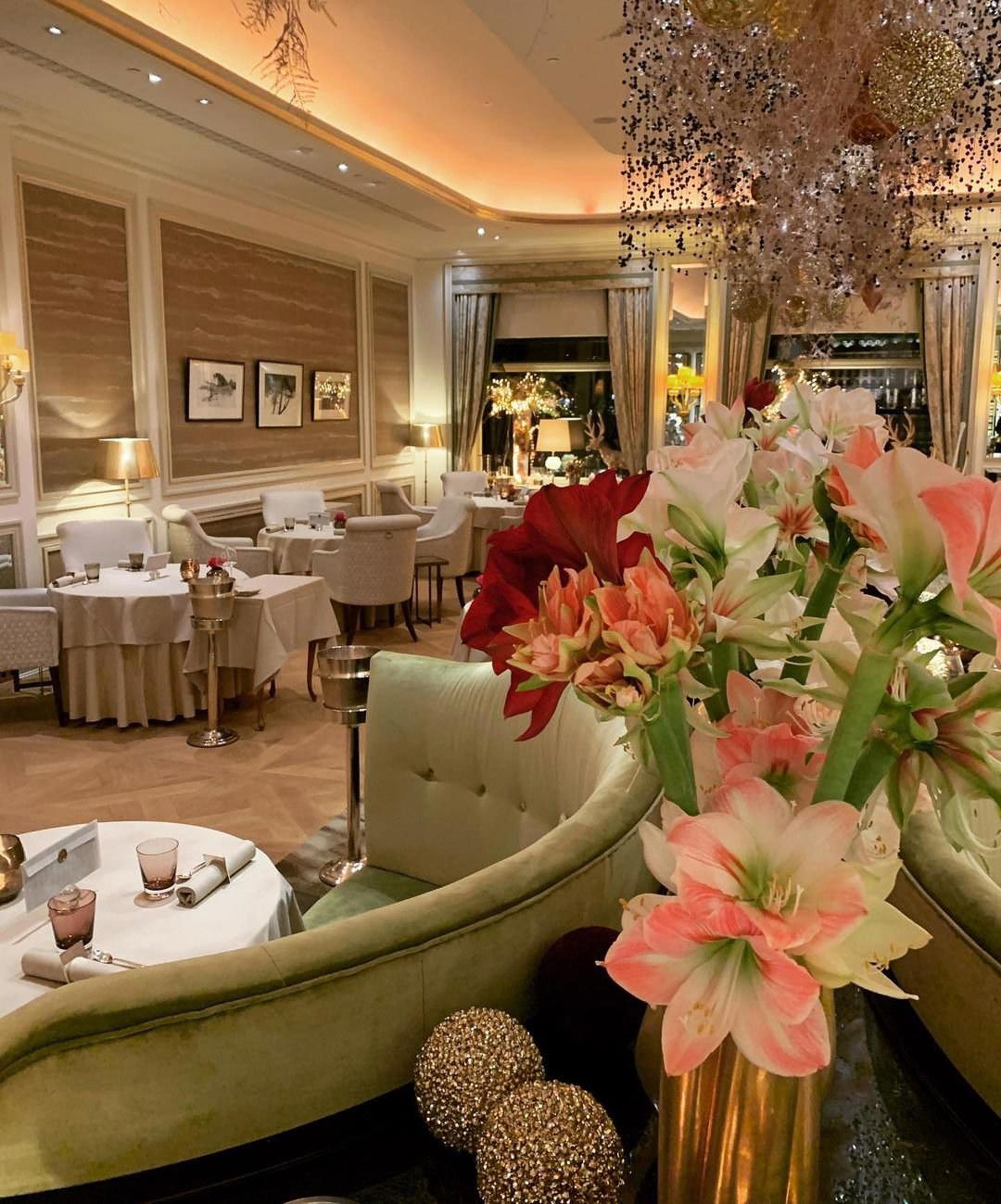
- Elegant
- Modern
- Intimate
- Whimsical
- Date Night
- Special Occasion
- Open Kitchen
- Extensive Wine List
- Local Sourcing
- Waterfront
Current opening hours
- Monday
- 5 PM–12 AM
- Tuesday
- 5 PM–12 AM
- Wednesday
- 5 PM–12 AM
- Thursday
- 5 PM–12 AM
- Friday
- 5 PM–12 AM
- Saturday
- 5 PM–12 AM
- Sunday
- Closed
Hours can change for holidays and private events. Last verified .
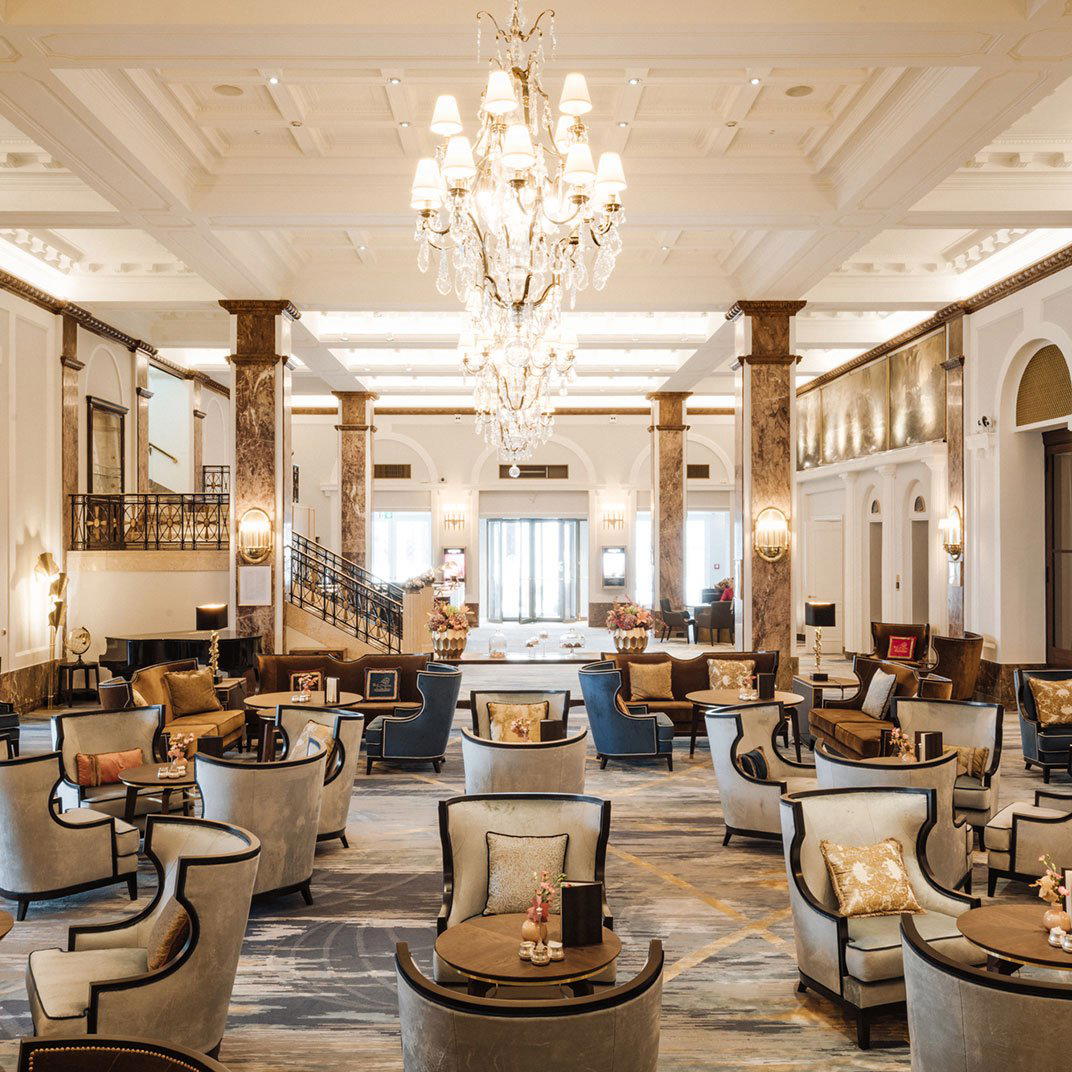
Beautiful space with open kitchen, live classical piano, warm and lively atmosphere with comfortable seating.