


Michelin Plate · Macarfi 7.7 Food Rating
Our verdict
At the foot of Murcia Cathedral's tower, Demo holds a 2025 Michelin Plate and back-to-back Opinionated About Dining recognition for chef Pepe Morales' market-driven cooking rooted in Murcian tradition. Dishes such as artichoke, cod pilpil, and torrezno with sweet potato parmentier place the kitchen firmly inside the region's produce culture, served beneath a glass ceiling of wood-beam arches in the old quarter.

Pearl is the En Primeur Club membership app — saves, bookings, and concierge access live there. Same editors, same standards.
- Address
- Pl. Hernández Amores, 4, 30001 Murcia, Spain
- Phone
- +34 601 51 84 87
- Hours
- Mon ClosedTue 11 AM–5 PMWed–Sat 11 AM–5 PM, 8–11:30 PMSun 11 AM–5 PM
- Website
- demopepemorales.com
- Directions
- Get directions
- Booking
- Book on CoverManager
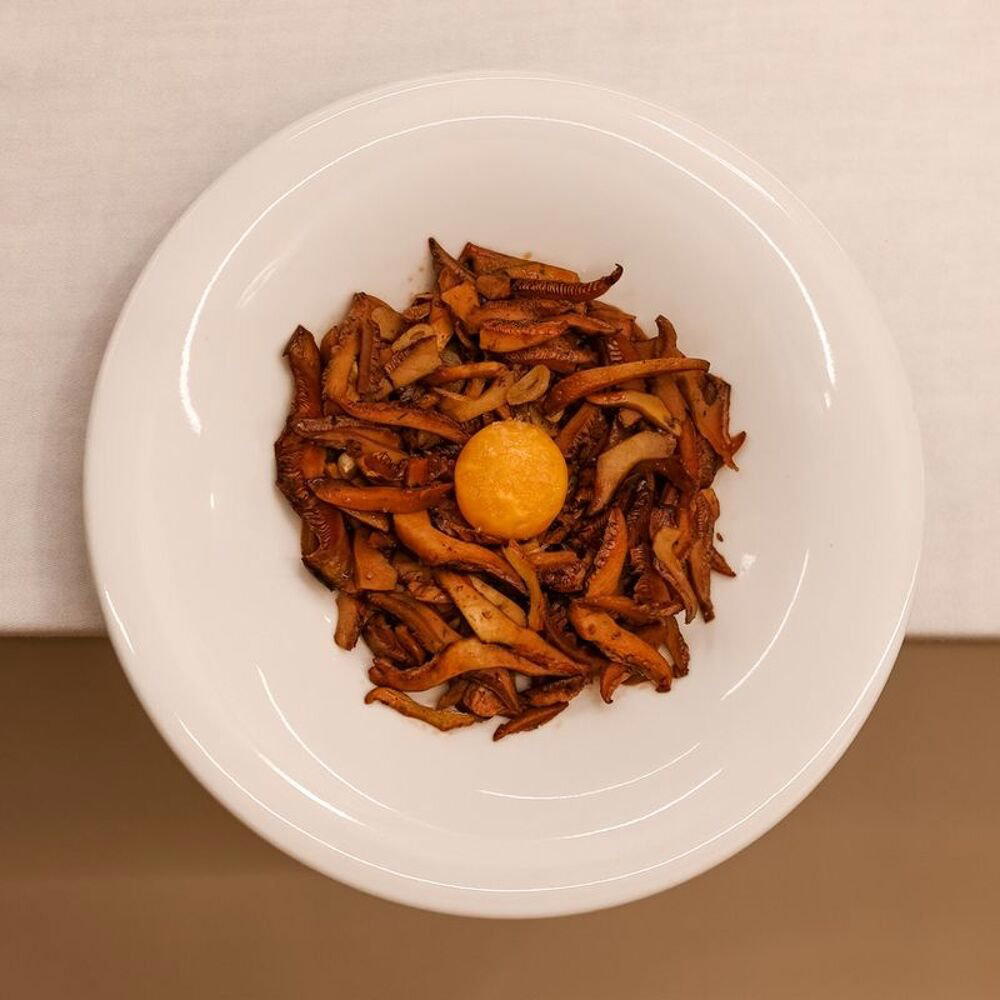
The menu
What to order
- Hake salad
- Torrezno with sweet potato parmentier
- Cod pilpil
- Artichoke
- Sardine brioche
- Kokotxas
- Cheesecake
Where the Cathedral Quarter Meets Contemporary Cooking
Murcia's historic centre carries the architectural weight of centuries: the Cathedral of Santa María towers over the Plaza del Cardenal Belluga, its baroque facade a permanent reminder that this is a city that takes its cultural inheritance seriously. Restaurants in this quarter tend to fall into two categories — the traditional tapa bars that have operated on the same model for generations, and the newer wave of kitchens using the neighbourhood's prestige as a backdrop for something more considered. Demo sits firmly in the second category. The white interior, the glass ceiling supported by wood beams shaped to suggest the branching canopy of a tree: it reads as a deliberate counterpoint to the stone mass outside. The contrast is not accidental. It signals a kitchen that respects the region's food traditions without being governed by them.
What Murcian Market Cooking Actually Means
Murcia's claim to agricultural significance in Spain is well-documented. The region produces a disproportionate share of the country's fruit and vegetables — it is routinely called Spain's orchard, and that density of supply has historically supported a cooking tradition built on seasonal availability rather than pantry staples. Artichokes, peppers, broad beans, citrus: these are not garnishes here but the structural materials of the cuisine. A kitchen that describes itself as inspired by market availability in this context is making a specific claim about sourcing discipline, not deploying a fashionable phrase. Chef Pepe Morales' menu at Demo operates within that tradition. Dishes like Demo's artichoke and cod pilpil draw directly from the region's produce culture and its proximity to the Mediterranean coast. The torrezno with sweet potato parmentier moves between interior pork-cooking traditions and the tuber-rich market gardens that define the Murcian vega.
This approach connects Demo to a broader pattern visible across contemporary Spanish regional dining: the most credible kitchens in secondary cities have stopped trying to replicate the tasting-menu model of Barcelona or Madrid and instead built authority through hyper-local specificity. The farm-to-table category, when it functions properly, is less about ideology than about the competitive advantage that proximity to exceptional raw materials provides. In Murcia, that advantage is real and measurable. Compare this with farm-to-table operations elsewhere in Europe, Au Gré du Vent in Seneffe or BOK Restaurant in Münster, and the Murcian version benefits from a climate and agricultural calendar that extend the season considerably beyond what northern European kitchens can access.
The 2025 Michelin Plate places Demo in a defined tier: kitchens the Guide considers worth noting without awarding a star. This is not a consolation category. In a city where the starred conversation is led by addresses like Almo de Juan Guillamón and Frases (both at one Michelin star, both at the same €€ price tier), the Plate signals consistent cooking that the Guide has returned to assess more than once. The Opinionated About Dining trajectory sharpens that picture further: a 2023 recommendation followed by a 2024 ranking of 203rd in the Classical Europe list indicates a kitchen that has held its standard across two consecutive evaluation cycles, not one that caught a single good night.
At the €€ price point, Demo operates in Murcia's most competitive tier. Alborada represents the traditional end of that bracket; Magoga, at €€€, pushes into contemporary territory at a higher price. Demo's positioning, award-recognised but accessibly priced, makes it the kind of address that functions as both a reliable local option and a credible destination for visitors coming to eat their way through the Murcian scene.
Demo in the Wider Spanish Context
It is worth calibrating expectations against the national frame. The Spanish restaurant conversation at its highest level runs through addresses like DiverXO in Madrid, El Celler de Can Roca in Girona, Arzak in San Sebastián, Azurmendi in Larrabetzu, Aponiente in El Puerto de Santa María, and Cocina Hermanos Torres in Barcelona. Demo does not compete in that register and does not attempt to. What secondary-city kitchens with Demo's profile offer is something different: a tighter relationship between the plate and the immediate territory, without the spectacle overhead costs that define the multi-star circuit. The hake salad is not a conceptual statement; it is a function of what arrives at the kitchen from the coast that week. That particularity has its own kind of authority.
For visitors who have already worked through Murcia's starred kitchens, or who are building an itinerary around the city's food identity rather than its trophy restaurants, Demo offers a specific kind of value. The Kappou Makoto counter represents a completely different register within the city's dining options; the full Murcia restaurants guide maps the broader picture. Complement a dining itinerary with the Murcia bars guide, the hotels guide, the wineries guide, and the experiences guide to cover the city's other layers.
Planning a Visit
Demo is located at Pl. Hernández Amores, 4, in Murcia's historic centre, at the foot of the cathedral tower. The address puts it within easy walking distance of the city's central hotels and the main pedestrian areas. The €€ price tier makes it one of the more accessible options among the city's recognised kitchens. Given the Michelin Plate recognition and sustained OAD presence, the dining room draws both local regulars and visitors; arriving without a reservation during peak periods is a risk worth avoiding.
Frequently asked questions
Where is Demo located?
Demo is located at Pl. Hernández Amores, 4, 30001 Murcia, Spain, Murcia.
Who is the chef at Demo?
The chef associated with Demo is Tommi Tuominen.
Should I book Demo in advance?
At the €€ price tier with a 2025 Michelin Plate and a ranking of #203 in Opinionated About Dining's Classical Europe list, Demo draws a consistent crowd in a city with a small but active fine-dining circuit. Booking ahead is advisable, particularly for weekend service or if you are visiting during Murcia's festival periods. The restaurant sits at Pl. Hernández Amores, 4, in the historic centre, a location that draws both local diners and visitors to the cathedral quarter.
Cuisine Context
| Venue | Cuisine | Price | Awards | Notes |
|---|---|---|---|---|
| DemoThis venue — the venue you are viewing | Contemporary Spanish Mediterranean | $50–100 | Michelin Plate · Macarfi 7.7 Food Rating | Not listed |
| Almo de Juan Guillamón | Modern Mediterranean | $50–100 | 1 Michelin Star · Guía Repsol 2 Soles | Modern Cuisine |
| Frases | Modern Murcian Fine Dining | Not listed | 1 Michelin Star · Guía Repsol 1 Sol | Contemporary |
| Magoga | Contemporary Mediterranean with Murcian Roots | $100–150 | 1 Michelin Star · Macarfi 8.7 Food Rating | Contemporary |
| Alborada | Traditional Spanish Mediterranean | $50–100 | Michelin Plate · Macarfi 7.6 Food Rating | Not listed |
| Tándem | Modern Spanish Tapas | $30–50 | Michelin Bib Gourmand · Macarfi 8.2 Food Rating | Not listed |
Recognition history
Dated appearances from independent guides and award organizations, with the underlying list record or original source where available.
Michelin Plate
Michelin
Macarfi 7.7 Food Rating
Macarfi
Opinionated About Dining Classical in Europe Ranked #203
Opinionated About Dining
Full recognition history (5 entries)
Michelin Plate
Michelin
Opinionated About Dining Classical in Europe Recommended
Opinionated About Dining
Continue exploring
More in Murcia
Restaurants in Murcia
Browse all →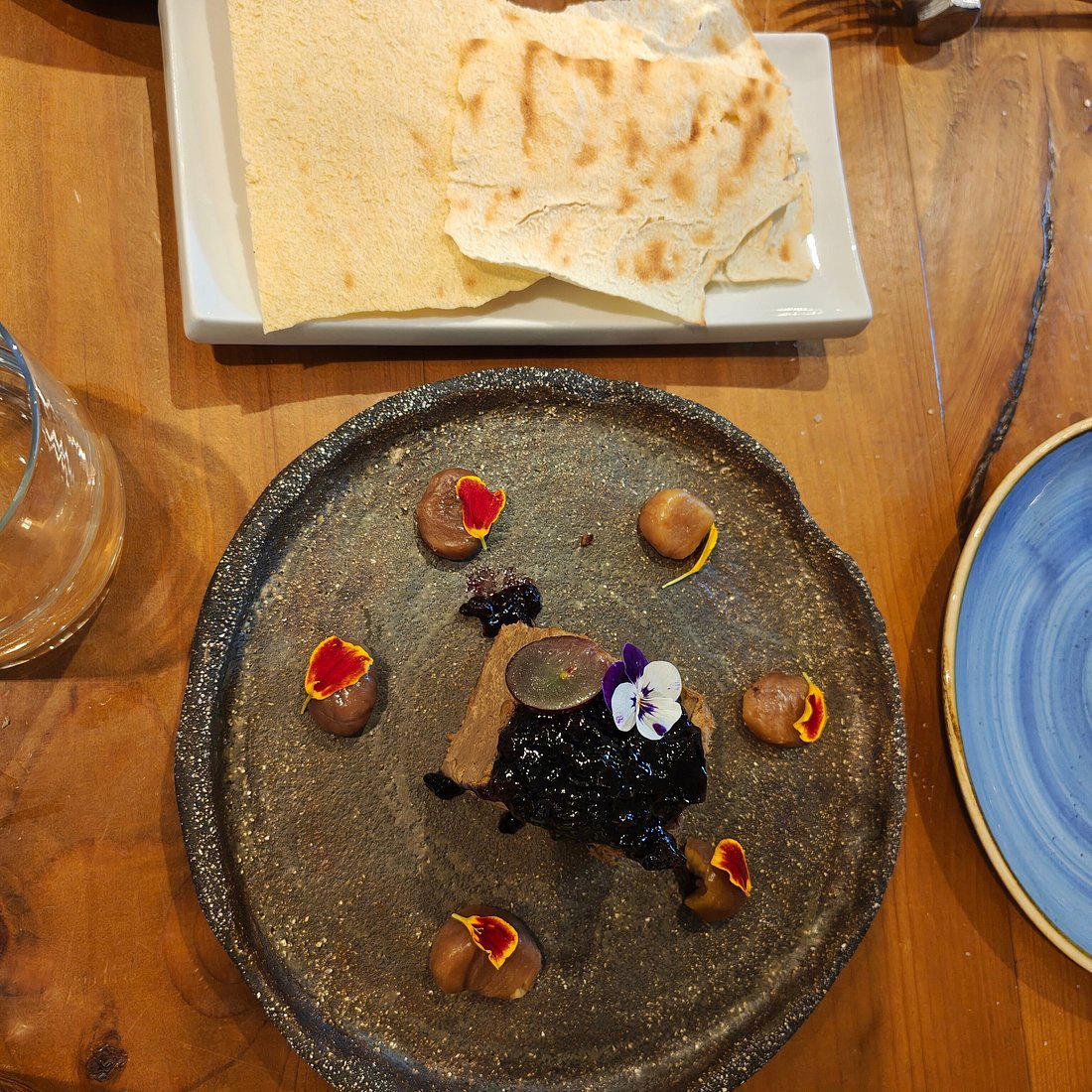
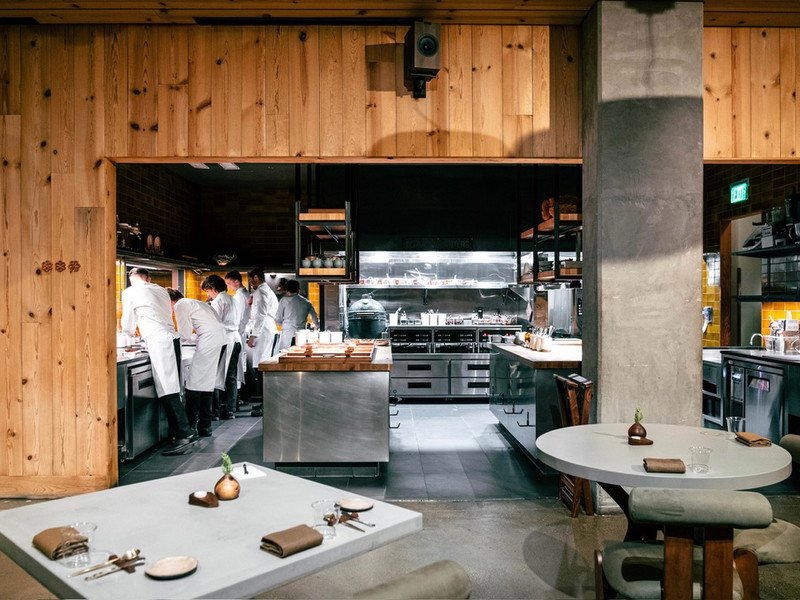
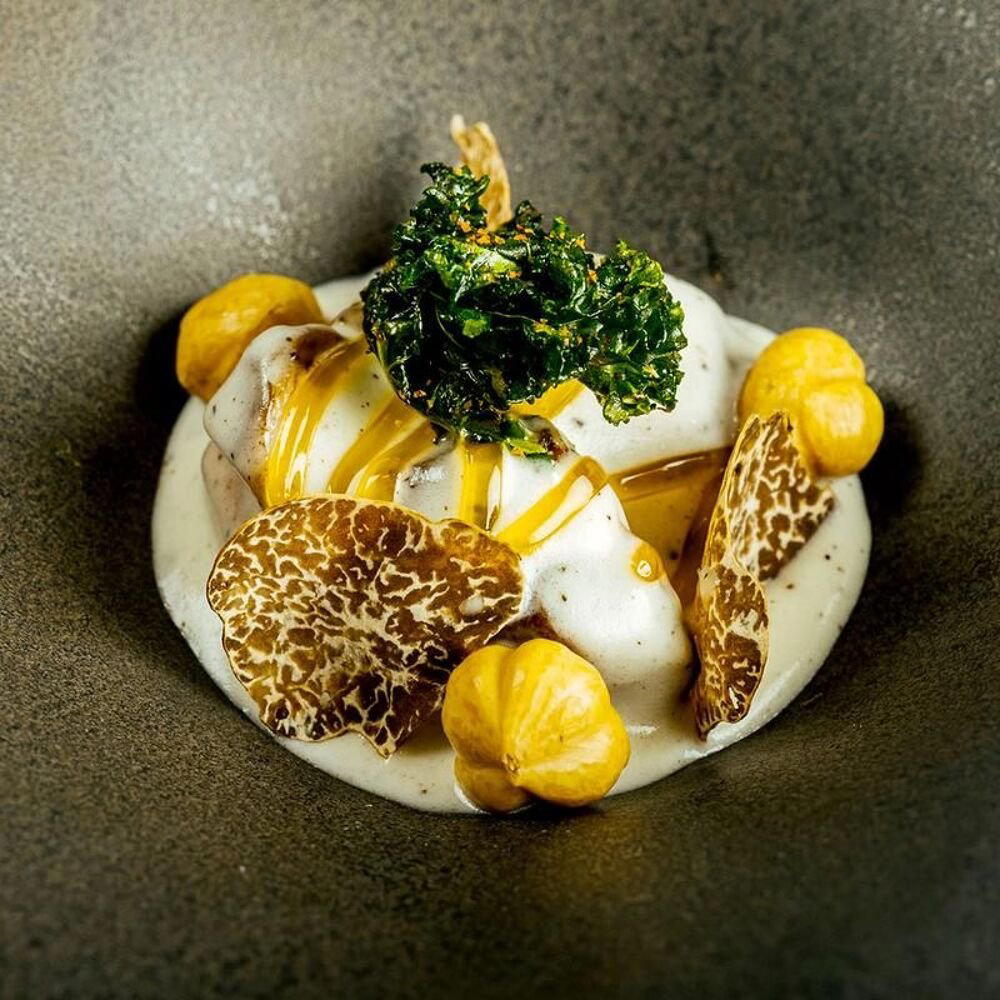
Bars in Murcia
Browse all →
Hotels in Murcia
Browse all →

Details
- Elegant
- Modern
- Sophisticated
- Cozy
- Date Night
- Business Dinner
- Special Occasion
- Terrace
- Historic Building
- Standalone
- Extensive Wine List
- Sommelier Led
- Local Sourcing
- Street Scene
- A La Carte
- Wine
- Regional Spanish Wines
Current opening hours
- Monday
- Closed
- Tuesday
- 11 AM–5 PM
- Wednesday
- 11 AM–5 PM, 8–11:30 PM
- Thursday
- 11 AM–5 PM, 8–11:30 PM
- Friday
- 11 AM–5 PM, 8–11:30 PM
- Saturday
- 11 AM–5 PM, 8–11:30 PM
- Sunday
- 11 AM–5 PM
Hours can change for holidays and private events. Last verified .
Contemporary and bright with white decor, glass ceiling with wood beams resembling tree branches, elegant dining room and bar with a casual terrace overlooking the cathedral.