

Del Fagioli on Corso dei Tintori is the kind of Florentine trattoria that the city's fine-dining circuit quietly depends on for contrast. Holding a Michelin Plate in both 2024 and 2025, it serves honest Tuscan cooking, Florentine steaks included, at prices that keep it in a different tier from the starred rooms nearby.
Pearl is the En Primeur Club membership app — saves, bookings, and concierge access live there. Same editors, same standards.
- Address
- Corso dei Tintori, 47-red, 50122 Firenze FI, Italy
- Phone
- +39 055 244285
- Directions
- Get directions
 Saves & bookings on Pearl
Where the Arno Quarter Eats
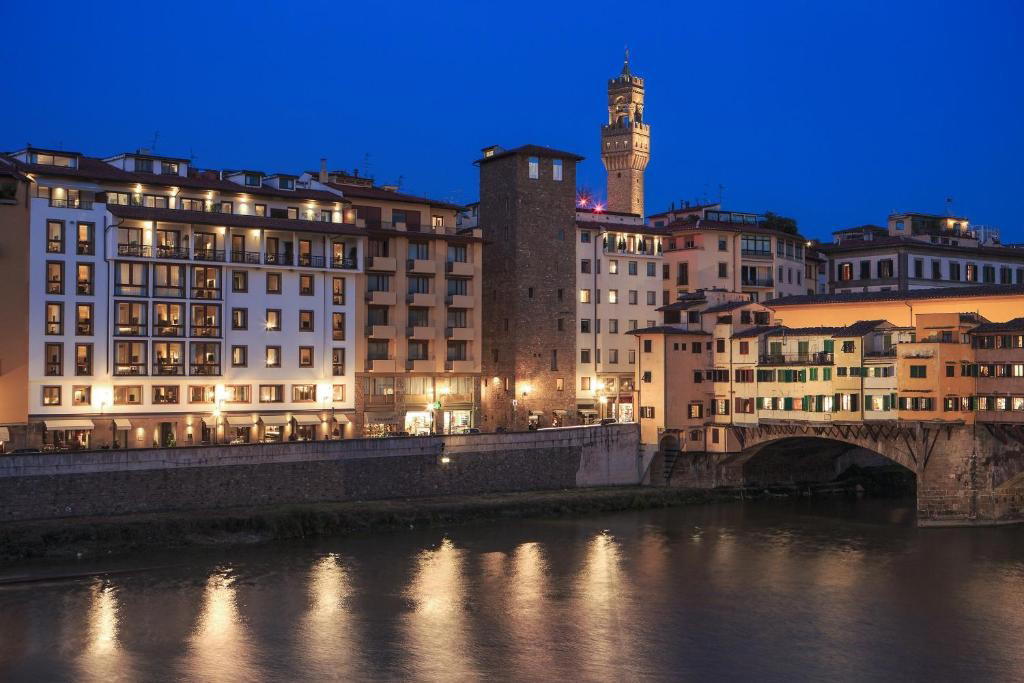
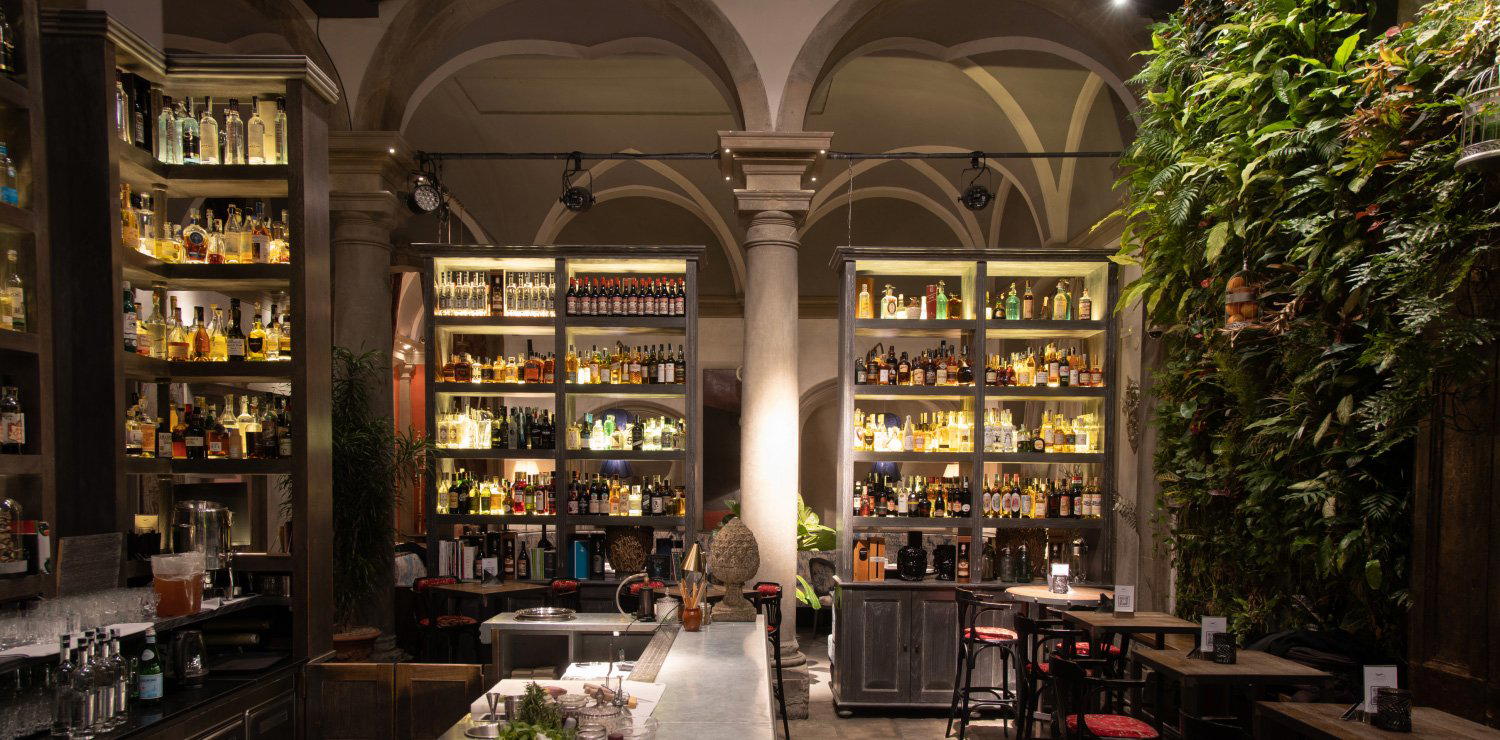
Corso dei Tintori runs parallel to the Arno, one street back from the embankment, through a stretch of Florence. The buildings here are functional and residential; the foot traffic is local. Walking into Del Fagioli from that street, the first thing you register is the open-view kitchen, positioned so that the activity of service is visible from the entrance. It is a deliberate choice in a room that otherwise favours plainness: no grand gestures in the decor, no theatrical lighting. The atmosphere communicates what the kitchen is doing rather than performing around it.
This is a useful entry point for understanding where Del Fagioli sits in the Florence dining picture. The city has a wide spread of restaurant formats. At the upper end, Enoteca Pinchiorri holds three Michelin stars and occupies a different category entirely; Santa Elisabetta and Borgo San Jacopo represent the one- and two-star Contemporary Italian tier. Del Fagioli sits at the opposite price point, a single-euro-sign trattoria where the Michelin recognition comes in the form of a Plate rather than a star, which is the guide's signal for cooking that is consistently good without aspiring to the tasting-menu format. That is a meaningful distinction. The Plate bracket in any major Italian city tends to include the restaurants that locals actually eat in on a regular basis, rather than saving for a significant occasion.
The Floor and the Kitchen Working Together
The editorial angle for Del Fagioli is less about any single chef and more about what happens when a room functions as a coordinated team over time. The kitchen is led by Various. Florentine trattorie at this level rarely hinge on a single named figure; their consistency comes from shared institutional knowledge, the kind that accumulates across a front-of-house team that knows its regulars, a kitchen that has run the same preparations hundreds of times, and service staff who can move between the two registers, warm and efficient, without tipping into either indifference or performance.
At that volume of feedback, a score in the mid-to-high range usually indicates operational steadiness rather than occasional brilliance. In a trattoria context, that is the harder thing to sustain. High-end restaurants with small covers and rigid tasting formats have structural advantages when it comes to consistency; the trattoria format, with its broader menu, two full service windows per day, and more varied clientele, requires a different kind of team discipline.
Front-of-house role in a room like this carries more responsibility than it might at a starred table with a scripted tasting progression. Pacing a lunch where one table wants a quick two-course and another is settled in for the afternoon requires reading the room. The open kitchen adds a dimension to this: the brigade's tempo is visible, which creates an implicit accountability that both sides of the pass respond to. For a visitor, it also means you can gauge how busy service is without having to ask.
Tuscan Trattoria Cooking in Context
Tuscan trattoria canon is narrower and more codified than it might appear. The cuisine is built around a small number of ingredients treated with restraint: beans, bread, offal, aged Pecorino, and, above all, beef. The Florentine steak, the bistecca alla Fiorentina, is the category's most recognisable dish: T-bone cut from Chianina cattle, grilled at high heat, served rare, priced by weight. It is a preparation that requires almost no elaboration to succeed and cannot hide poor sourcing or imprecise execution.
The restaurant's recognition specifically references Florentine steaks alongside other classic preparations, which positions the kitchen squarely within that tradition. Venues like Osteria Francescana in Modena, Le Calandre in Rubano, or Piazza Duomo in Alba operate in a register that reinterprets Italian regional cooking through contemporary technique. The restaurant does not compete on that axis. Its reference points are entirely different: the trattoria tradition, the neighbourhood table, the regional repertoire served without revision.
That positioning also separates it from Florence's other trattoria-format addresses. Il Latini, a few streets north, is the more internationally known example of the communal Florentine trattoria; the restaurant's smaller footprint and Oltrarno-adjacent location give it a quieter profile. Both hold the Michelin Plate, but they operate with different energies.
Planning Your Visit
The restaurant is open Monday through Friday from 12:30 to 2:30 pm and 7:30 to 10:30 pm, with the kitchen closed on both Saturday and Sunday. That weekend closure is a pattern associated with restaurants that serve a working local clientele rather than tourist demand, and it has practical implications for planning. Visitors who schedule Saturday or Sunday dinner around a Corso dei Tintori table will need to look elsewhere; for the rest of the week, arriving early in the service window tends to give better seating options than arriving mid-session.
Booking ahead is essential. The address on Corso dei Tintori places it within walking distance of Santa Croce and the Oltrarno bank, practical for anyone moving between those quarters. The price range sits at the entry tier for Florence dining, which also drives demand from visitors who want a credible Florentine meal without the commitment of a starred cover charge.
For reference, the full-format Italian dining options in Florence operate in a separate price tier. Atto di Vito Mollica and the starred rooms at Borgo San Jacopo represent that bracket. Italy's broader fine-dining reference points, from Enrico Bartolini in Milan to Atelier Moessmer Norbert Niederkofler in Brunico and Dal Pescatore in Runate, sit at a significant remove from what the restaurant is doing, in format, price, and intent. Internationally, restaurants like Le Bernardin in New York City or Atomix in New York City represent the kind of high-concept precision cooking that the trattoria format explicitly rejects. The restaurant's value is precisely in that rejection: a room where the cooking is accountable to a long tradition rather than a personal creative programme, and where the team's job is to deliver that tradition well, every service, every week.
What to Order
The restaurant serves Florentine steaks and classic Tuscan preparations as the anchors of the menu. In a trattoria operating within this tradition, those two categories cover most of what the kitchen is built to do. The bistecca alla Fiorentina is the standard by which the kitchen is assessed by regulars and first-time visitors alike; it is the preparation most closely tied to the cuisine type and the one most likely to reflect the sourcing relationships the kitchen has developed over time. Classic Tuscan sides, beans prepared in the traditional manner, seasonal vegetables, and bread-based preparations, provide the surrounding structure.
In Context: Similar Options
Comparable venues nearby, for context on price, style, and recognition.
| Venue | Cuisine | Price | Awards | Notes |
|---|---|---|---|---|
| Del FagioliThis venue — the venue you are viewing | Authentic Florentine Trattoria | $$ | Michelin Plate | Not listed |
| Nugolo | Contemporary Tuscan | $$$ | Michelin Plate | Ricorboli |
| Trattoria Sostanza | Traditional Tuscan Trattoria | $$ | Not listed | San Frediano |
| Pitti Gola e Cantina | Tuscan Wine Bar | $$ | Not listed | Santo Spirito |
| Da Burde | Traditional Tuscan Trattoria | $$ | Bib Gourmand | Nave A Petriolo |
| Cucina | Tuscan Italian Trattoria & Pizzeria | $$$ | Michelin Plate | Giardino Torrigiani |
Recognition history
Dated appearances from independent guides and award organizations, with the underlying list record or original source where available.
Michelin Plate
Michelin
Opinionated About Dining Casual in Europe Recommended
Opinionated About Dining
Michelin Plate
Michelin
Michelin Plate
Michelin
Continue exploring
More in Florence
Restaurants in Florence
Browse all →
Bars in Florence
Browse all →
Hotels in Florence
Browse all →
At a Glance
- Rustic
- Cozy
- Classic
- Intimate
- Date Night
- Group Dining
- Family
- Casual Hangout
- Open Kitchen
- Historic Building
- Standalone
- Beer Program
- Local Sourcing
Current opening hours
- Monday
- 12:30–2:30 PM, 7:30–10:30 PM
- Tuesday
- 12:30–2:30 PM, 7:30–10:30 PM
- Wednesday
- 12:30–2:30 PM, 7:30–10:30 PM
- Thursday
- 12:30–2:30 PM, 7:30–10:30 PM
- Friday
- 12:30–2:30 PM, 7:30–10:30 PM
- Saturday
- Closed
- Sunday
- Closed
Hours can change for holidays and private events. Last verified .
Warm and welcoming with a distinctly familial character; rustic timber decor creates a cozy atmosphere that feels authentically Florentine rather than polished or formal.