De Tempore

Michelin Plate
Our verdict
A Michelin Plate-recognised French restaurant in Seoul's Hannam district, De Tempore sits at the accessible end of the city's European fine dining tier, holding consecutive Michelin Plate recognition in 2024 and 2025. With a ₩₩ price point, it occupies a position that few French kitchens at this recognition level maintain, making it a reference point for value-conscious dining within Seoul's growing Francophile scene.

Pearl is the En Primeur Club membership app — saves, bookings, and concierge access live there. Same editors, same standards.
The menu
What to order
- Duck breast with duck jus sauce
- Seasonal fish with bisque sauce
French Dining in Hannam: Where the Room Sets the Register
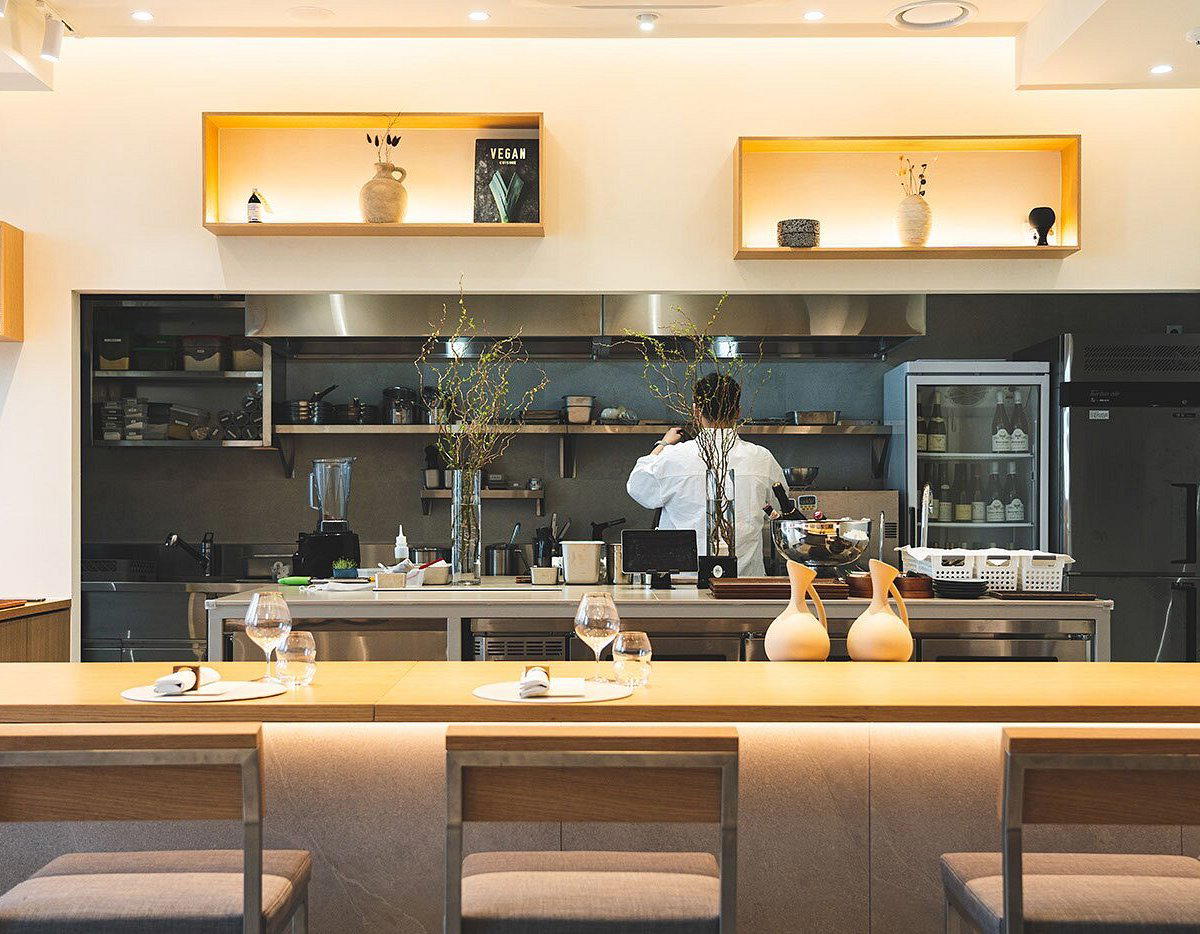
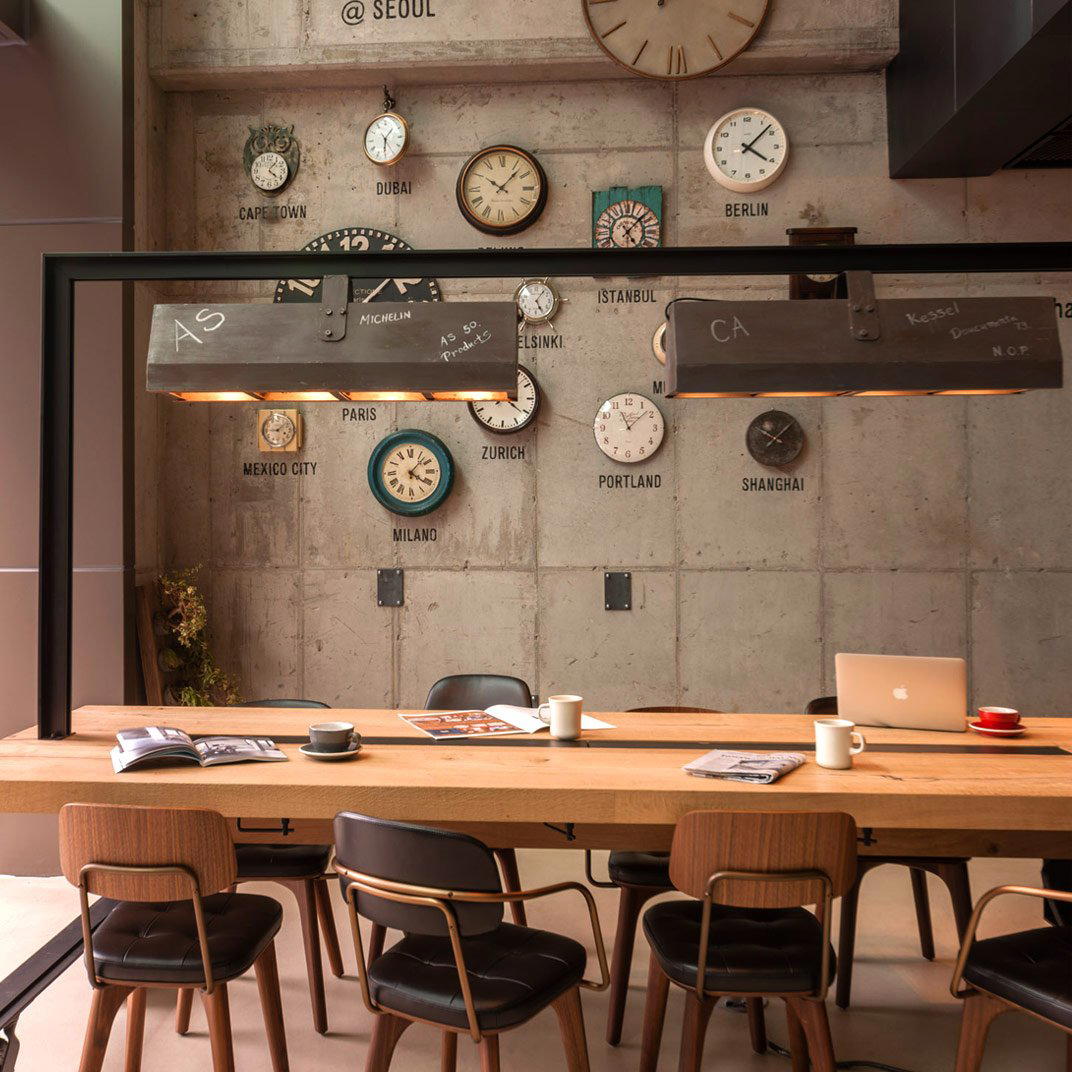
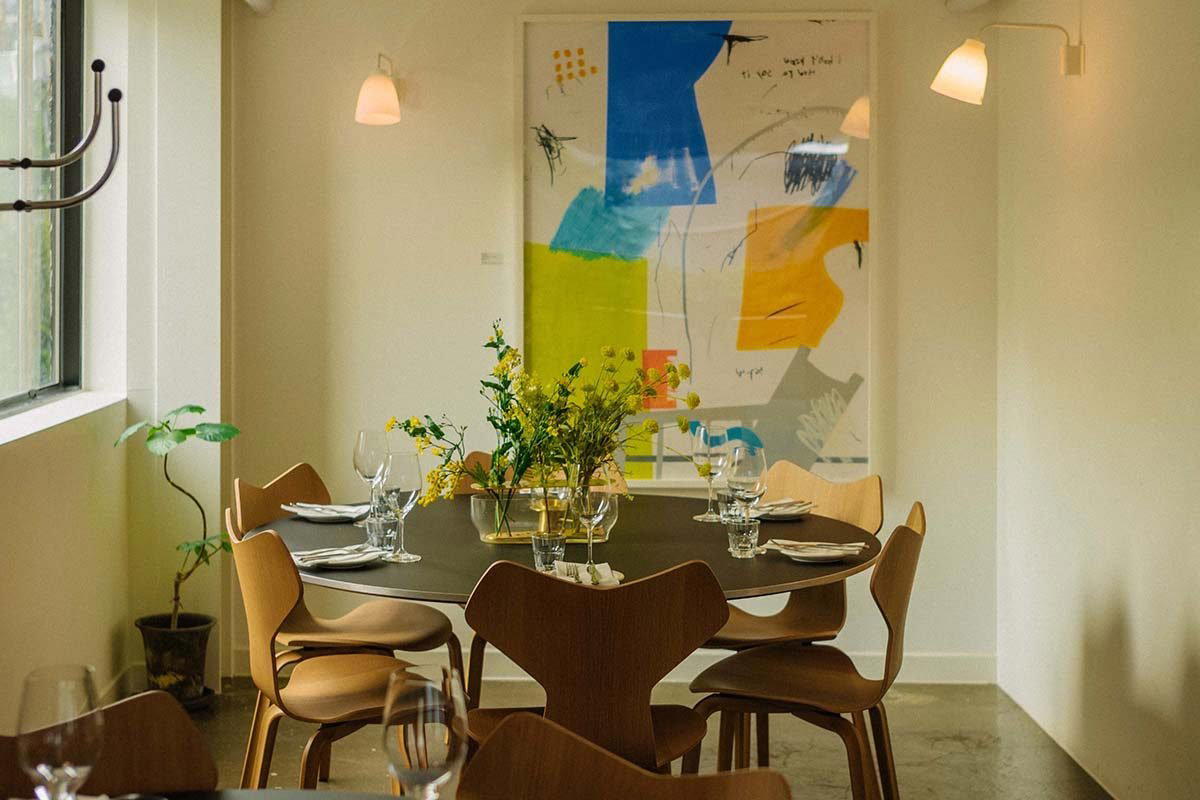
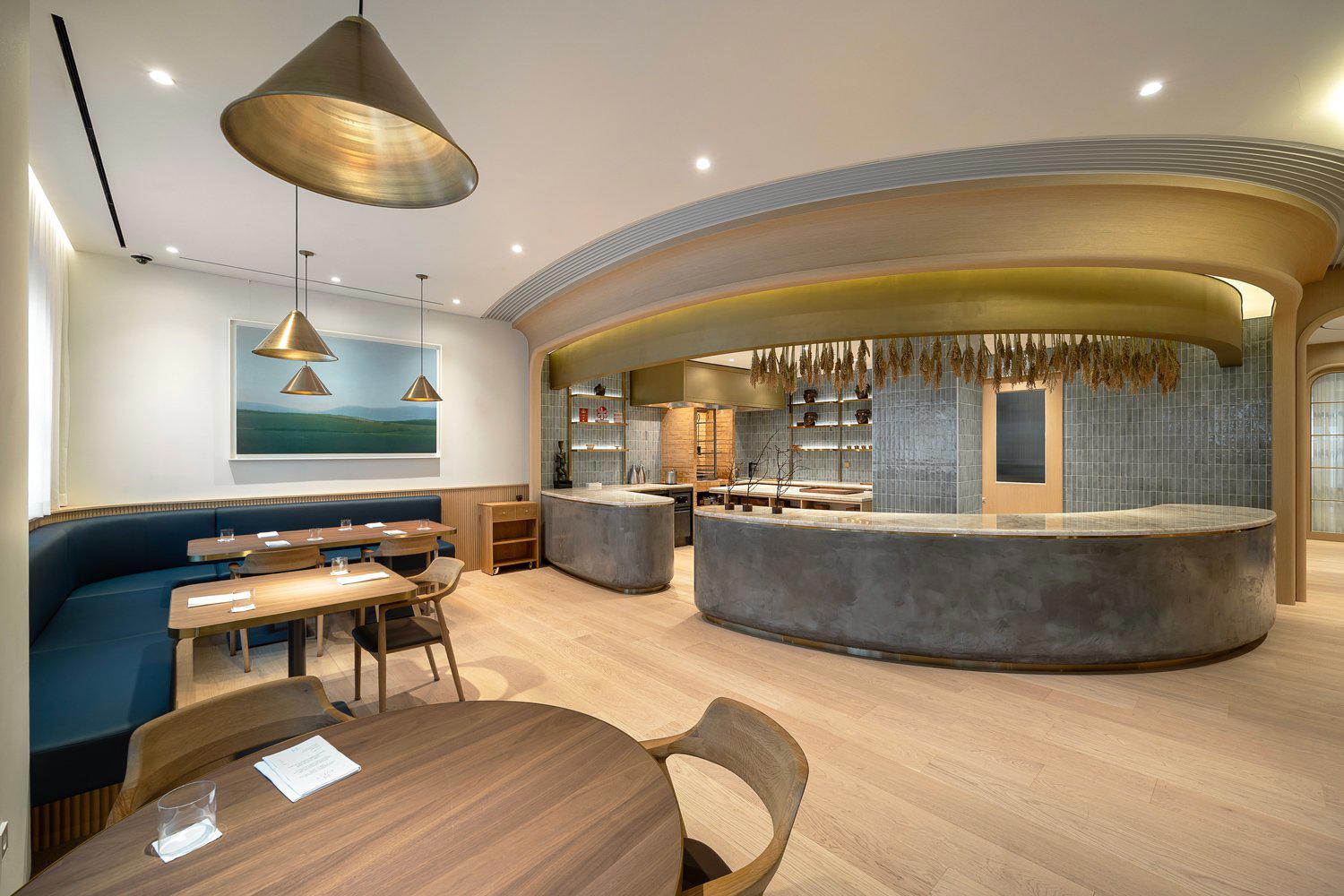
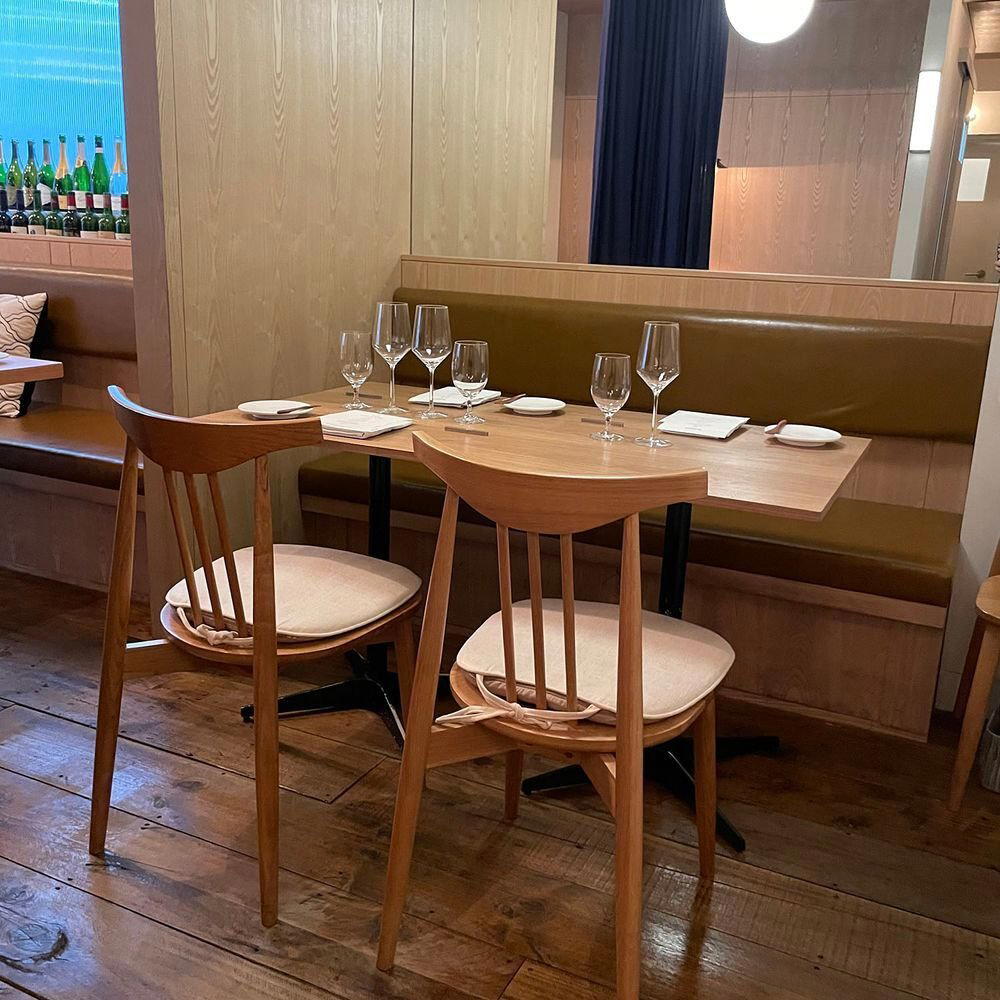
Hannam-daero has become one of Seoul's more instructive streets for tracking how European dining culture has taken root in the city. The district sits between Itaewon's historically international character and the quieter residential pockets of Yongsan, and the restaurants along this corridor tend to attract a crowd that treats French food as a regular habit rather than an occasion. De Tempore, at number 37 on that street, reads from the outside as compact and considered — the kind of ground-floor room that signals restraint before you've seen a menu. That physical register matters in Seoul's French dining tier, where the vocabulary of the space often tells you more about the kitchen's ambitions than the signage does.
Seoul's French Tier: A Market Divided by Price and Ambition
To understand where De Tempore sits, it helps to map the broader French dining field in Seoul. At the upper end, places like L'Amitié hold Michelin Star recognition at the ₩₩₩ tier, positioning themselves in direct competition with the city's most serious European kitchens. Fusion-forward addresses such as Tutoiement and casualised French formats like Au Bouillon and Bistrot de Yountville extend the category down into more approachable territory. De Tempore occupies the ₩₩ band within this range while carrying consecutive Michelin Plate recognition for 2024 and 2025 — a combination that places it in a relatively small cohort: restaurants where Michelin's inspectors have noted quality worth flagging, at a price point that doesn't require a special occasion as justification.
That positioning is not accidental. The Michelin Plate designation, often misread as a consolation to star recognition, actually signals that inspectors found the cooking consistent and the ingredients handled with care, the same baseline criteria applied at every level of the guide. For Seoul diners familiar with how the guide works, a Plate at ₩₩ carries a different kind of value proposition than a star at ₩₩₩₩. Across Asia's major cities, this dynamic recurs: see how French kitchens at L'Effervescence in Tokyo and Les Amis in Singapore have defined distinct tiers within their local markets, or how European reference points like Hotel de Ville Crissier in Switzerland anchor the upper end of the regional conversation. De Tempore is operating in a different bracket, but the underlying logic of French technique at accessible prices is the same.
The Wine Question in a ₩₩ French Room
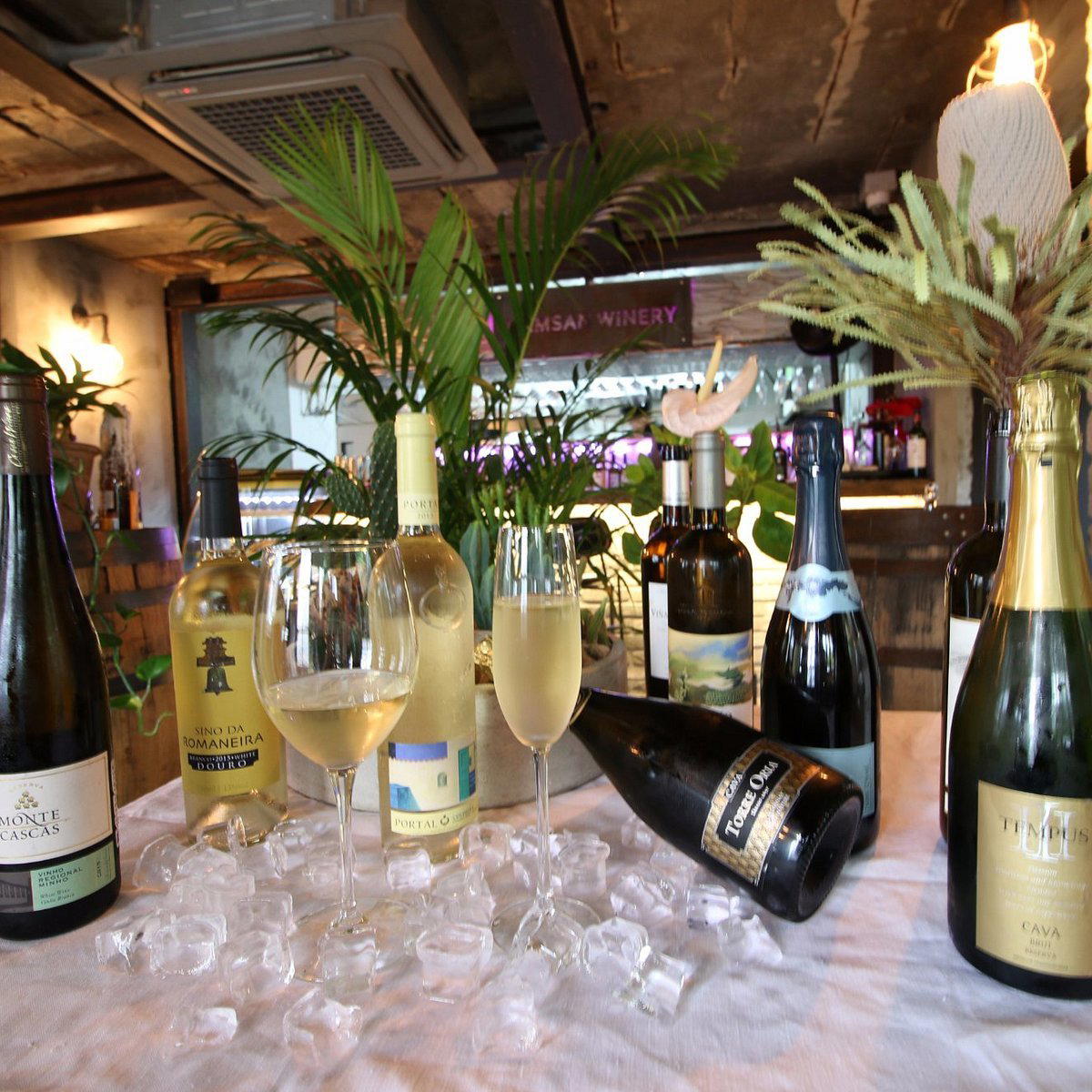
French restaurants at the ₩₩ price tier face a particular challenge with wine. The cuisine's classical logic, acidity matching cream sauces, tannin structure against red meat preparations, aromatic whites alongside fish courses, assumes a wine programme with genuine range and curatorial thought. In Seoul, import duties and the dominance of beer and soju culture in mid-market dining make a serious glass list harder to maintain without pushing the overall spend into the tier above.
The editorial angle worth examining at De Tempore is whether the wine offer matches the ambition of the Michelin recognition or defaults to a functional list that treats wine as an afterthought. At similarly positioned French bistros across Seoul, the pattern tends to split between operators who invest in a short but deliberate glass selection drawn from France's secondary appellations, Languedoc, Loire, lesser-known Burgundy producers, and those who stock the standard imported labels without curation. A well-chosen Beaujolais-Villages or a Mâcon blanc at the right price point can do more for a ₩₩ French room than a prestige Bordeaux priced beyond the food's register.
For visitors approaching De Tempore through a wine lens, the ₩₩ pricing suggests that the most instructive order is likely the glass list rather than an extended bottle selection. What a kitchen at this level chooses to pour by the glass reveals more about its understanding of French food culture than any single dish. It shows whether the team has thought about the meal as an integrated experience or treats the beverage as a separate commercial line. That distinction is worth probing when you arrive.
Hannam's Dining Context
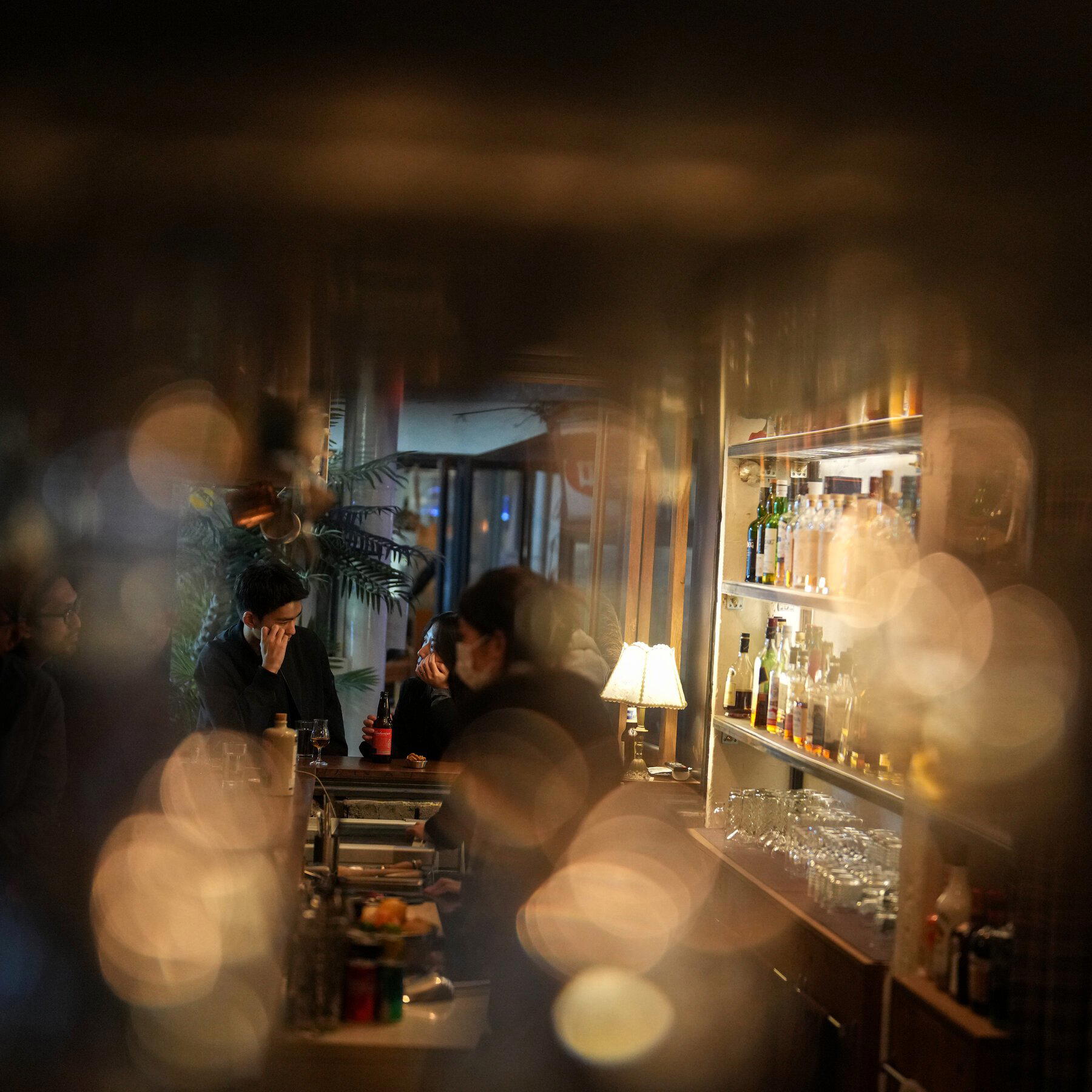
Positioning matters geographically as well. Hannam sits at a remove from the concentrated fine dining clusters of Gangnam, where addresses like Kwon Sook Soo anchor the high-end Korean dining circuit, and from central Seoul's more formal precincts, where Gaon operates at the apex of Korean haute cuisine. Hannam's character is more neighbourhood-facing, with a mix of international residents, younger Seoul professionals, and the kind of food-literate regulars who treat this stretch as a default rather than a destination. For Seoul's broader restaurant scene, Hannam represents a middle tier that rewards repeat visits rather than single pilgrimages. De Tempore, given its price point and Michelin recognition, functions well within that logic.
Beyond Hannam, Seoul's dining map extends to Korean-centric addresses worth pairing with any French itinerary: KANG MINCHUL in Seoul and, further afield, Mori in Busan or the temple food at Baegyangsa Temple in Jangseong-gun offer a counterpoint to European technique that sharpens what you notice in any French room. The contrast between Korean ingredient precision and classical French structure is one Seoul can make unusually vivid, and De Tempore's address within that context gives it a specific relevance it wouldn't carry in Paris or Lyon.
Planning a Visit
De Tempore is located at 37 Hannam-daero, 1층 (ground floor), in Seoul's Yongsan District, accessible from Hangangjin station on Line 6 or a short taxi ride from Itaewon. At the ₩₩ price level with back-to-back Michelin Plate recognition, the room attracts regulars and informed first-timers in roughly equal measure, which means tables at peak hours move faster than the price point might suggest. Booking ahead by a few days is the sensible approach, particularly for Friday or Saturday evenings. Those building a wider Seoul itinerary should also consult the Seoul experiences guide for a fuller picture of what the city offers at comparable and adjacent price tiers.
Frequently asked questions
What cuisine category does De Tempore fall under?
De Tempore is a French restaurant.
Where do I go for De Tempore?
De Tempore is located at South Korea, Seoul, Yongsan District, Hannam-daero, 37 1층, Seoul.
Has De Tempore won any awards?
De Tempore has received recognition including: Michelin Plate (2025); Michelin Plate (2024).
What price level is De Tempore?
Pricing at De Tempore is listed as ₩₩.
Should I book De Tempore in advance?
Advance booking is advisable. De Tempore has held a Michelin Plate in consecutive years (2024 and 2025), and French restaurants at this recognition level in Hannam — a neighbourhood with growing dining density — tend to fill on weekends. The ground-floor address at 37 Hannam-daero, Yongsan District, is accessible from Hangangjin station on Line 6, which makes it a practical stop for pre-planned evenings.
Cuisine Lens
A quick peer check to anchor this venue’s price and recognition.
| Venue | Cuisine | Price | Awards | Notes |
|---|---|---|---|---|
| De TemporeThis venue — the venue you are viewing | Modern French | Not listed | Michelin Plate | Not listed |
| 7th Door | Modern Korean Fermentation Fine Dining | $100–150 | 1 Michelin Star · World's 50 Best #49 | Korean, Contemporary |
| Solbam | Contemporary Neo-Classical Korean | $200–300 | 1 Michelin Star · World's 50 Best #55 | Contemporary |
| Onjium | Modern Korean Royal Court Cuisine | Not listed | 1 Michelin Star · World's 50 Best #14 | Korean |
| L'Amitié | Classic French Fine Dining | $100–150 | 1 Michelin Star · La Liste Top Restaurants | French |
| Zero Complex | Modern French Neo-Bistro | $100–150 | 1 Michelin Star · La Liste Top Restaurants | Korean-French, Innovative |
Recognition history
Dated appearances from independent guides and award organizations, with the underlying list record or original source where available.
Michelin Plate
Michelin
Full recognition history (2 entries)
Michelin Plate
Michelin