Myungbodang

Michelin Plate
Our verdict
On the third floor of a Gangnam side street, Myungbodang is where Chef Hyeon-ju Lim applies New York fine-dining technique to a distinctly Korean creative sensibility. The menu moves through Nu-American French territory with bold ingredient pairings and considered composition, anchored by a signature truffle dish and a chocolate foam finale that have become talking points among Seoul's fine-dining set.

Pearl is the En Primeur Club membership app, where members save venues, book tables and use the concierge.
The menu
What to order
- Truffle with fermented mushroom and truffle creams
- Chocolate foam
A Third-Floor Address in Gangnam's Fine-Dining Corridor
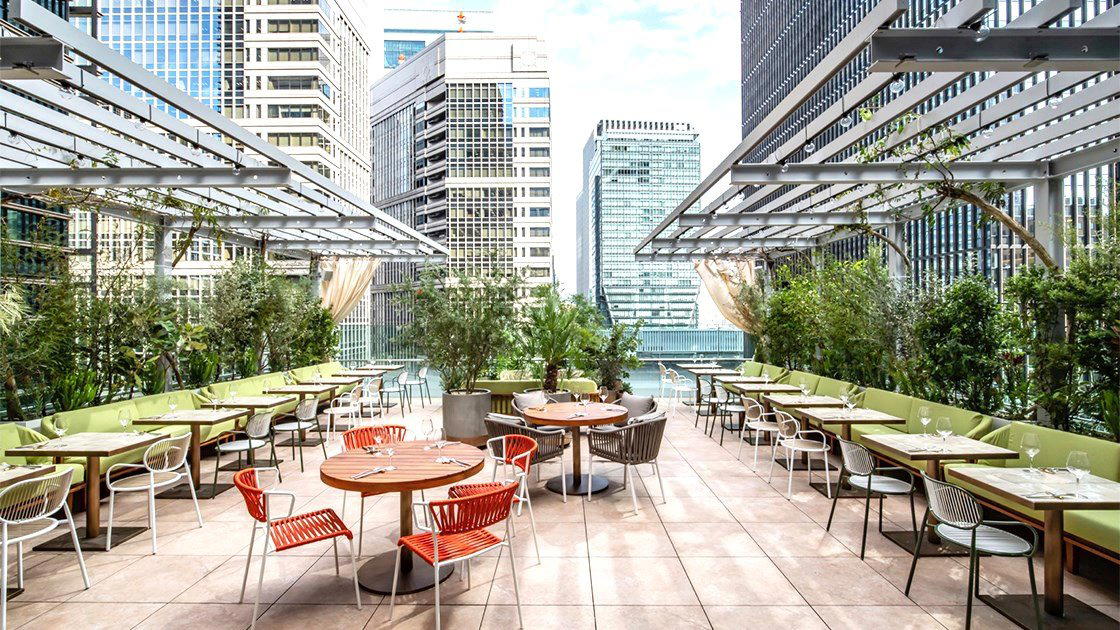
Seoul's premium restaurant scene has increasingly migrated off the main road. The city's most talked-about tables now occupy upper floors of residential-scale buildings along Gangnam's quieter arterials, a physical arrangement that filters out casual foot traffic and signals intent before a guest sits down. Myungbodang follows that pattern precisely: the restaurant occupies the third floor at 13-12 Seolleung-ro 158-gil, a Gangnam-gu address that requires a deliberate decision to visit. Arriving here is not accidental. That spatial proposition sets the register for everything that follows.
The vertical separation matters beyond mere address logistics. In cities like Tokyo and New York, the elevator-ride or staircase approach to a dining room has long functioned as a transition ritual, a few seconds in which the street noise drops and expectations recalibrate. Seoul's contemporary fine-dining tier has adopted the same grammar, and Myungbodang's third-floor position places it squarely within that cohort alongside other Gangnam addresses operating at similar price points and ambition levels.
Nu-American French in a Korean Frame
The category Myungbodang occupies is worth unpacking. Nu-American French is not a label that maps neatly onto Seoul's existing culinary infrastructure. The city's premium restaurant scene has historically operated along two parallel tracks: rigorous Korean tasting menus drawing on court cuisine or regional tradition, and European-trained chefs executing classical or contemporary French programs. A small but growing number of restaurants are now working in the space between those tracks, absorbing American fine-dining influence as a third variable. Venues like Soigné and alla prima operate in adjacent innovative territory, while Mingles and Jungsik represent the longer-established Korean-contemporary and Korean-French poles. Myungbodang's Nu-American French positioning is narrower and more specific than any of those comparators.
Chef Hyeon-ju Lim's experience at a prominent New York restaurant is the credential that anchors that positioning. American fine dining, particularly the strand that emerged from New York's post-2000 scene, developed a particular approach to ingredient amplitude: bold, sometimes confrontational flavour combinations held together by technically precise execution. That influence is legible in how the Myungbodang menu is described, with emphasis on bold ingredient choices and the character of each individual element rather than the harmonic blending that defines classical French composition. For Seoul diners accustomed to the restraint of court-cuisine-rooted tasting menus at places like Kwonsooksoo or 권숙수 - Kwon Sook Soo, that is a meaningfully different proposition.
The Signature Dish as Editorial Statement
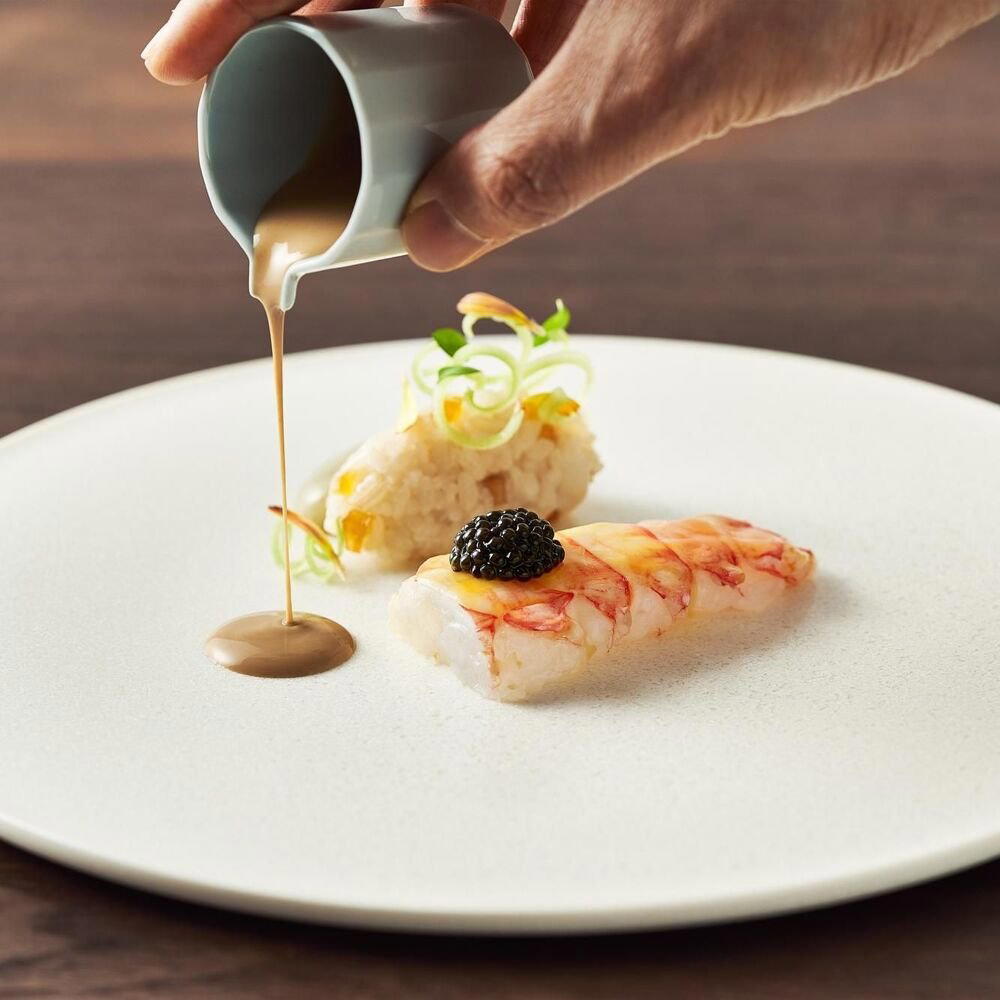
In contemporary fine dining, a restaurant's signature dish functions as a compressed statement of its culinary position. The Truffle at Myungbodang, a crisp shell containing fermented mushroom and truffle cream, makes that statement through contrasting technique: the structural crispness of the shell against the yielding richness of its filling, and the depth added by fermentation against the aromatic weight of truffle. Fermentation as a flavour tool has been central to Korean cooking for centuries, but its application inside a French-inflected fine-dining format reflects how Seoul's most forward-facing restaurants are treating traditional Korean techniques as a compositional resource rather than a genre constraint.
The meal concludes with a chocolate foam, a finish that sits within a broader tendency among Korean fine-dining menus to give the dessert course a structural role rather than treating it as a coda. The foam format signals technical awareness of European pastry tradition while allowing for textural play that aligns with the broader menu's interest in contrast and composition.
Where This Sits in Seoul's Fine-Dining Map
Seoul's fine-dining tier has expanded considerably since the Michelin Guide arrived in the city in 2017, creating a larger and more varied premium restaurant population. Gangnam-gu concentrates a significant share of that population, with high-ticket tasting menus spread across the neighbourhood's quieter residential and commercial streets. Comparison venues operating at the ₩₩₩₩ tier in Seoul, including Zero Complex and Eatanic Garden, reflect how diverse the creative approaches within that bracket have become.
For travellers building a broader Seoul itinerary, the city's dining geography rewards some advance mapping. Gangnam concentrates fine dining, while other neighbourhoods offer different registers entirely. Our full Seoul restaurants guide covers the range across price points and cuisines, and for those extending beyond the capital, Mori in Busan and Double T Dining in Gangneung represent the quality that has developed in Korea's secondary cities. The country's hospitality reach extends further still: Baegyangsa Temple in Jangseong-gun and 더 플라잉 호그 - The Flying Hog in Seogwipo show how Korean dining experiences now span registers from temple food to contemporary casual across the peninsula. Pool House in Incheon is worth noting for those arriving or departing through the airport corridor.
Beyond restaurants, Seoul rewards the kind of planning that treats hotels, bars, and experiences as a coherent programme rather than separate decisions. Our full Seoul hotels guide, bars guide, wineries guide, and experiences guide cover those categories in detail. For New York diners with reference points already in place, the city's fine-dining anchor institutions like Le Bernardin and Emeril's in New Orleans offer useful calibration for what American fine-dining training means in practice.
Planning a Visit
Myungbodang is located at 3F, 13-12 Seolleung-ro 158-gil, Gangnam-gu, Seoul. Given the format and Gangnam address, advance reservation is the practical expectation for any visit. The third-floor location means arriving with the address confirmed on a mapping application is the most reliable approach, particularly during evening hours when the side streets off Seolleung-ro are less immediately navigable.
Frequently asked questions
What's the address for Myungbodang?
Myungbodang is located at 3F, 13-12 Seolleung-ro 158-gil, Gangnam-gu, Seoul.
Is Myungbodang Michelin-listed?
Myungbodang has received recognition including: Drawing from her experience at a top New York restaurant, Chef Hyeon-ju Lim develops a creative approach to Nu-American French cuisine. Known for her bold ingredient choices and keen sense of composition, Chef Lim delivers dishes that highl….
What do people recommend at Myungbodang?
The dish that draws consistent attention is the signature Truffle: a crisp shell filled with fermented mushroom and truffle cream, applying fermentation logic to a luxury French ingredient. Chef Hyeon-ju Lim, who developed her approach at a top New York restaurant, closes the meal with a chocolate foam that functions as a deliberate counterpoint to the savoury courses before it.
Do they take walk-ins at Myungbodang?
Walk-in availability has not been confirmed for Myungbodang. The restaurant operates a tasting menu format at a third-floor Gangnam address, a configuration that typically runs on reservations only, so contacting the venue directly ahead of any visit is the practical approach.
Awards and Standing
Comparable venues nearby, for context on price, style, and recognition.
| Venue | Cuisine | Price | Awards | Notes |
|---|---|---|---|---|
| MyungbodangThis venue (the venue you are viewing) | Nu-American French Fine Dining | $200–300 | Michelin Plate | Not listed |
| Moulin | Seasonal French Fine Dining | $100–150 | Michelin Plate | 효자동 |
| Collage | French Contemporary | $150–200 | 1 Michelin Star | 압구정동 |
| Epanoui | Modern French Fine Dining | $100–150 | Michelin Plate | 압구정동 |
| Chaconne | French Contemporary with Korean and Japanese influences | Not listed | Michelin Plate | 잠원동 |
| Chez Simon | Seasonal French Course Bistro | $50–100 | Michelin Plate | 이태원동 |
Recognition history
Dated appearances from independent guides and award organizations, with the underlying list record or original source where available.
Michelin Plate
Michelin · 2026 Michelin Plate
Continue exploring
More in Seoul
Restaurants in Seoul
All restaurants in Seoul →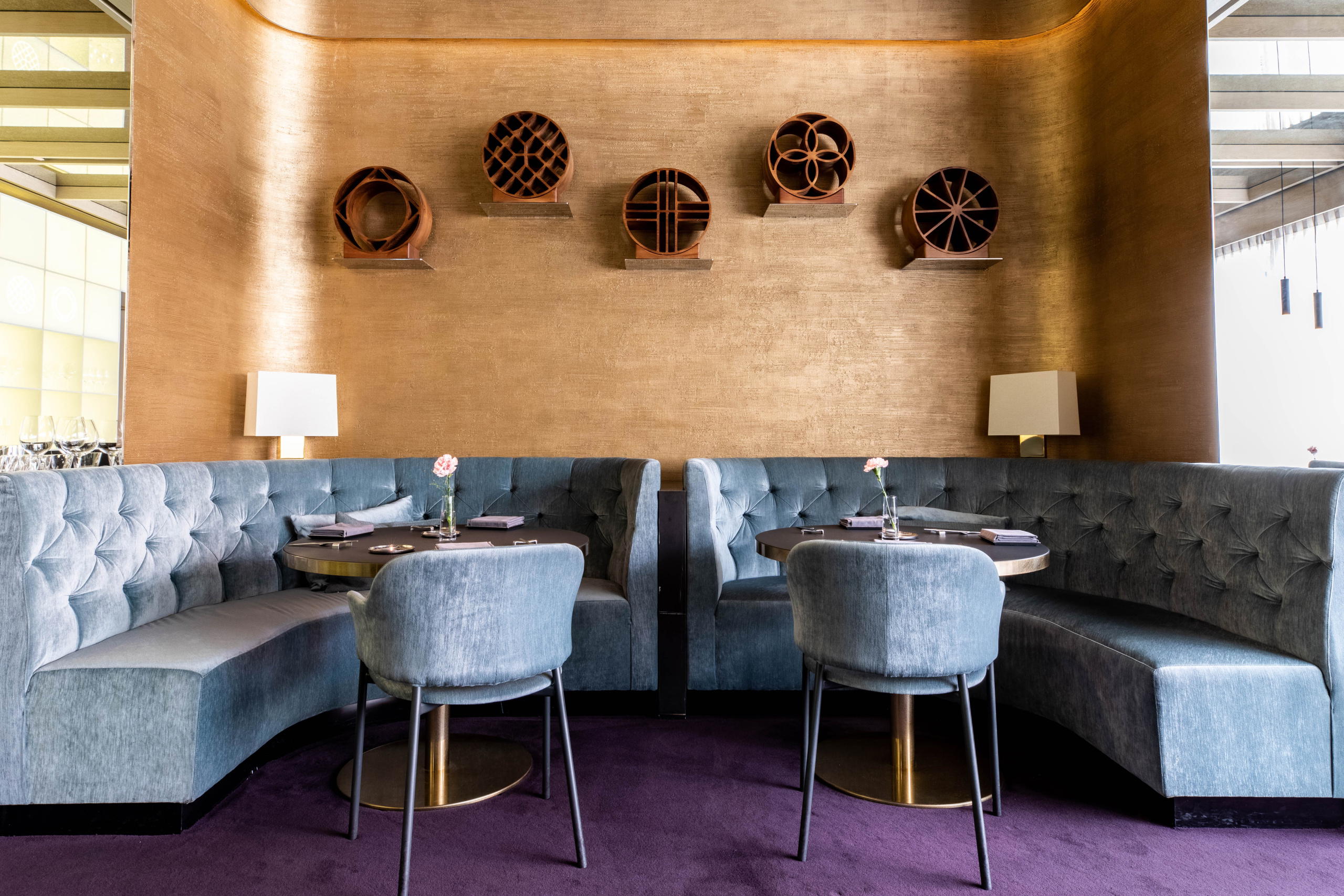
Bars in Seoul
All bars in Seoul →
Details
- Elegant
- Sophisticated
- Intimate
- Modern
- Special Occasion
- Date Night
- Celebration
- Chefs Counter
- Open Kitchen
- Standalone
- Tasting Menu
- Wine
- Allergy Accommodating
Current opening hours
- Monday
- Closed
- Tuesday
- 6:30–10 PM
- Wednesday
- 6:30–10 PM
- Thursday
- 6:30–10 PM
- Friday
- 6:30–10 PM
- Saturday
- 6:30–10 PM
- Sunday
- Closed
Hours can change for holidays and private events. Hours as of .
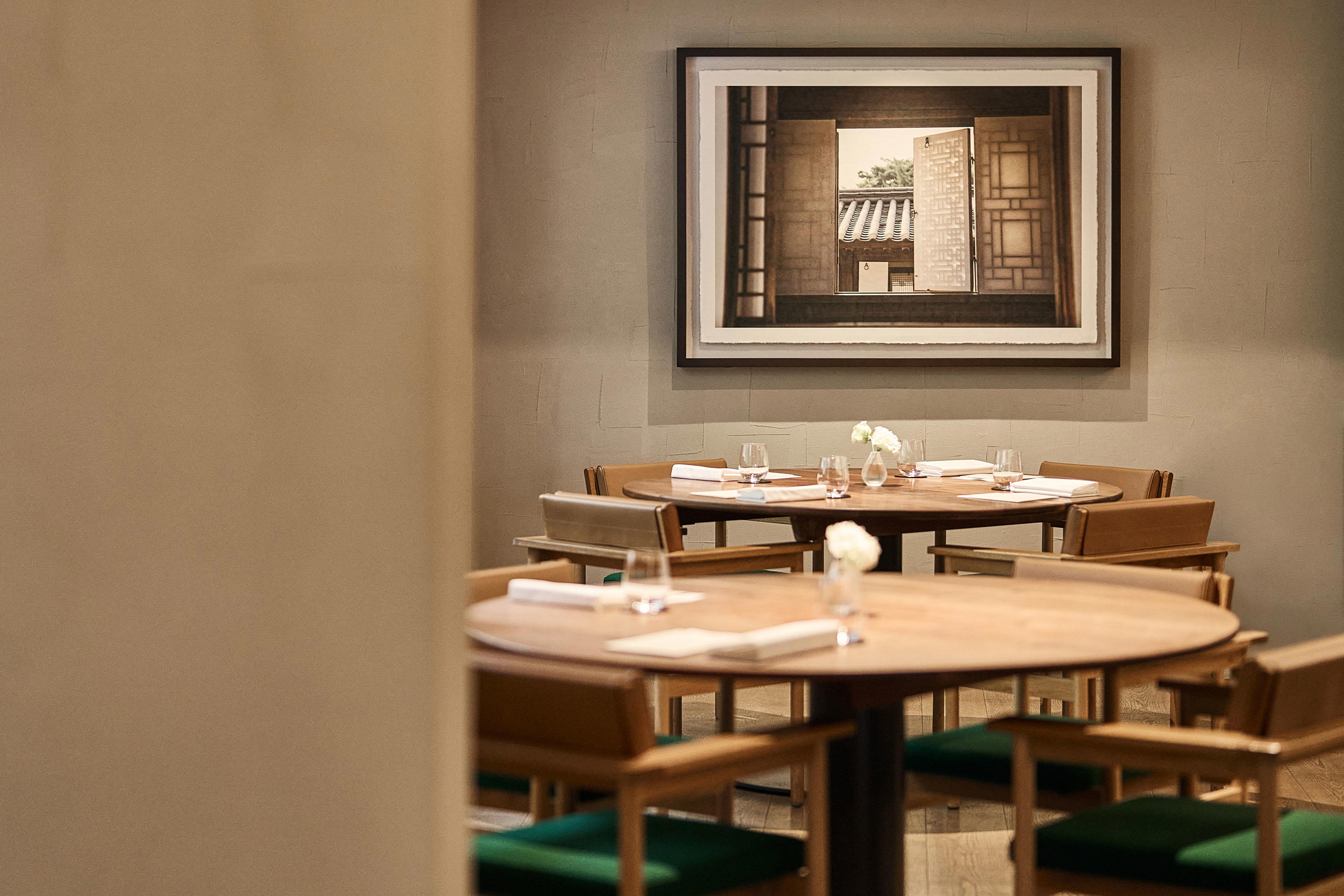
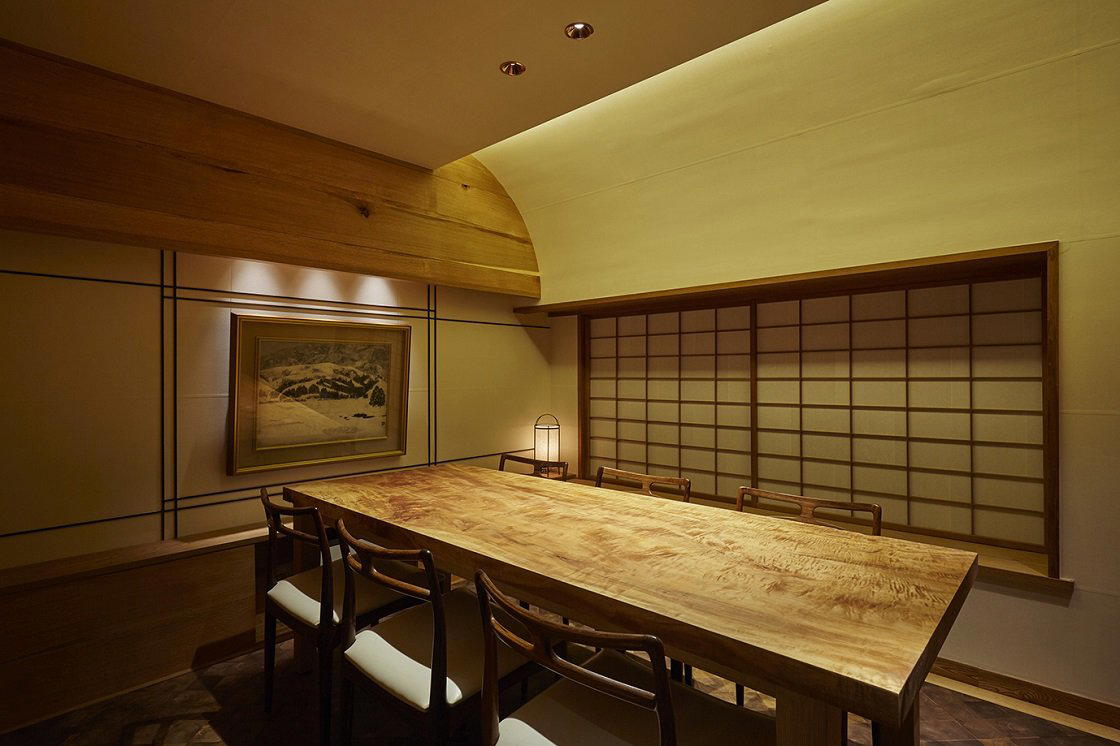
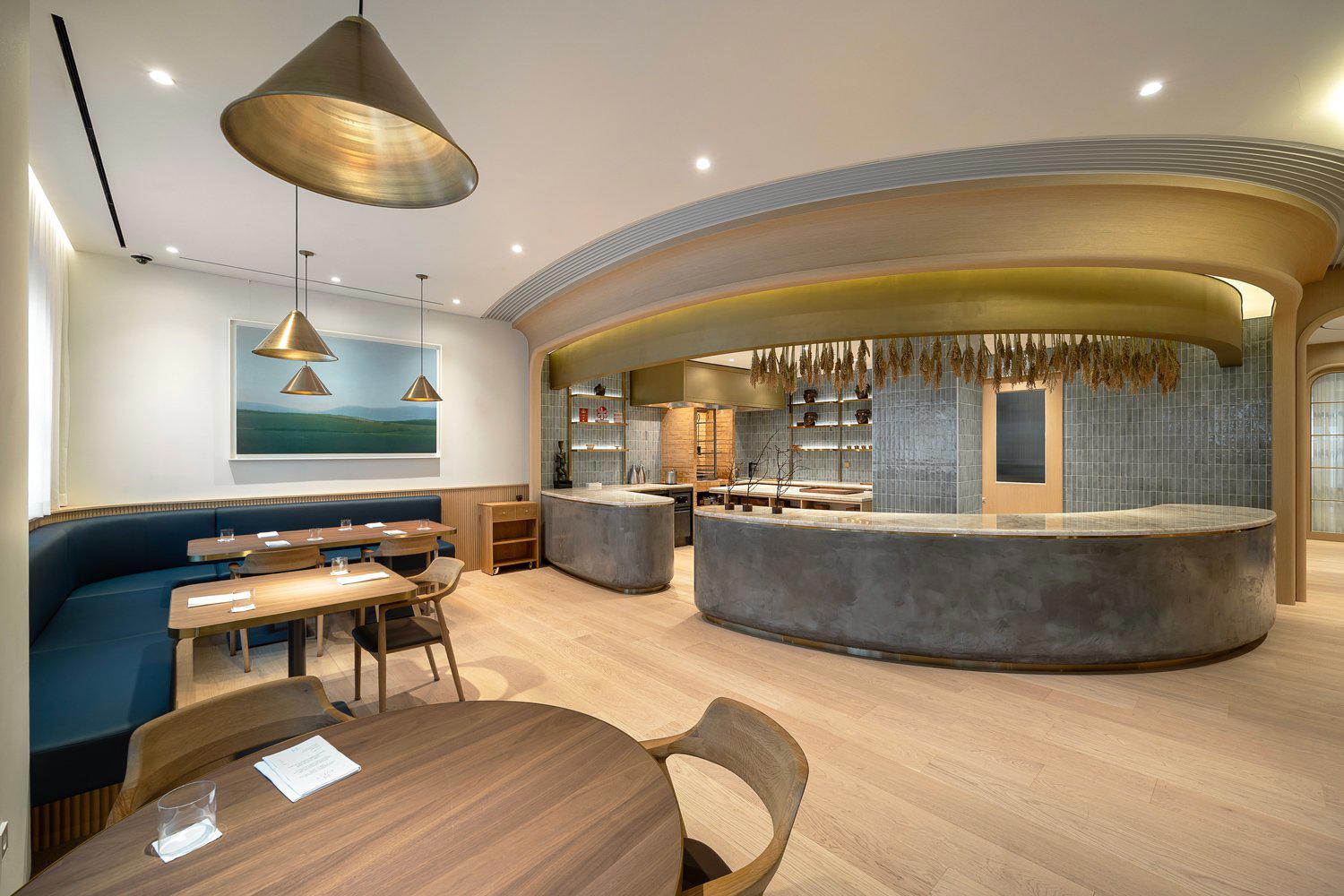
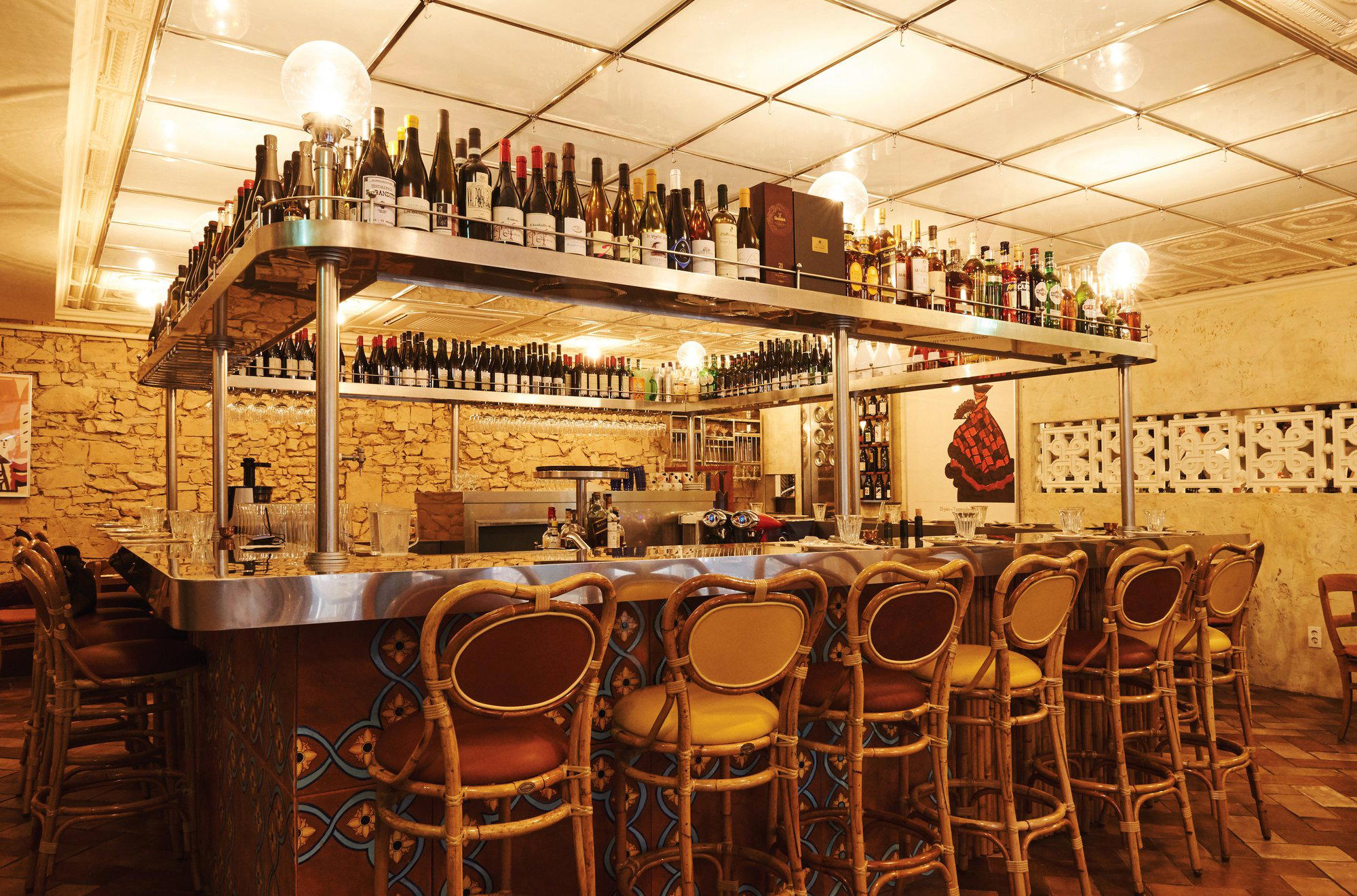
Refined and quiet atmosphere reflecting Korean aesthetics with a commanding yet understated presence, featuring a chef's table format for intimate dining experiences.