De Mandemaaker

De Mandemaaker holds consecutive Michelin Plate recognition (2024 and 2025) in Bunschoten-Spakenburg, a small fishing-heritage town on the Randmeren where contemporary cooking sits against a resolutely local backdrop. The €€ price point positions it well below the region's starred benchmark, making it one of the more accessible entry points into serious Dutch contemporary cuisine outside the major cities.
Pearl is the En Primeur Club membership app — saves, bookings, and concierge access live there. Same editors, same standards.
- Address
- Kerkstraat 103, 3751 AT Bunschoten-Spakenburg, Netherlands
- Phone
- +31 33 298 0255
- Website
- demandemaaker.nl
- Directions
- Get directions
 Saves & bookings on Pearl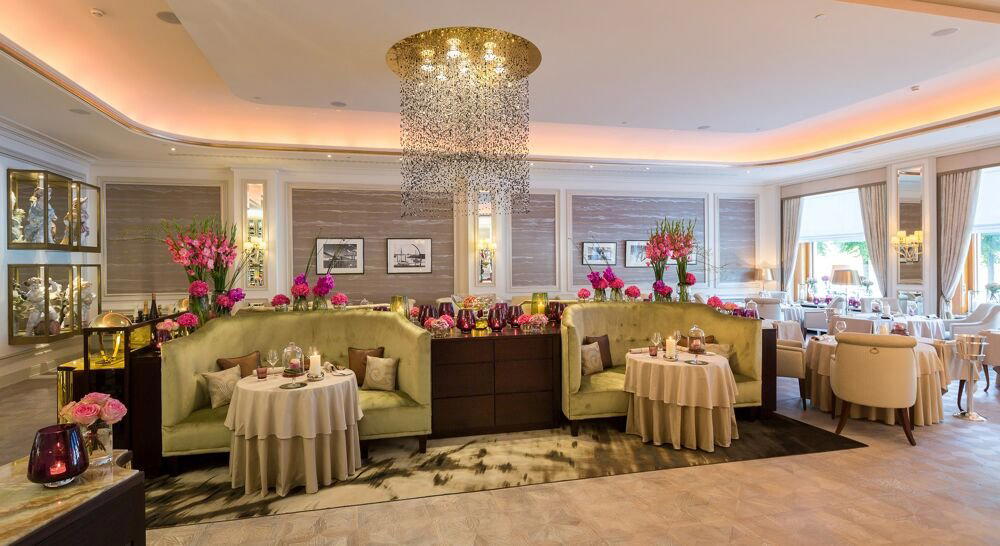
Contemporary Cooking in a Fishing Town
Spakenburg is not the obvious address for ambitious contemporary dining. The town on the southern shore of the Randmeren built its identity around the Zuiderzee fishing tradition — the striped costumes still worn by older residents, the wooden fishing boats moored along the harbour, the botters preserved as living heritage. Kerkstraat, where De Mandemaaker sits at number 103, runs through the older residential core of Bunschoten-Spakenburg, well away from the tourist circuit that traces the waterfront in summer. That address matters. In the Netherlands, contemporary restaurants earning sustained Michelin recognition at a €€ price point tend to cluster in city centres or redesigned rural estates. A street-level address in a mid-sized provincial town is its own kind of statement about where serious cooking can exist.
The exterior on Kerkstraat gives little away from the street — a domestic scale consistent with the neighbourhood's character. Approaching from the town centre, the building reads as part of the street rather than apart from it, which sets the tone for what follows inside: cooking that engages with its local context rather than performing distance from it.
Where the Sourcing Argument Starts
The framing of contemporary Dutch cuisine has shifted over the past decade in a specific direction. Restaurants at the higher end of the national tier, from De Librije in Zwolle at three Michelin stars to De Nieuwe Winkel in Nijmegen at two, have increasingly centred their editorial identity on ingredient provenance: where produce is grown, who grows it, and how proximity shapes the plate. That argument is easier to make credibly when a restaurant sits inside a region with a distinct agricultural or fishing identity. Spakenburg has both.
Randmeren, the chain of shallow lakes that separates the province of Utrecht from Flevoland, sits immediately north of town. The polders surrounding Bunschoten-Spakenburg produce the kind of direct-supply vegetable and dairy relationships that contemporary Dutch kitchens treat as competitive advantage. At a €€ price point, De Mandemaaker operates in a register where sourcing decisions have to be focused and selective rather than exhaustive, but the geography makes those decisions available in a way they would not be in a city-centre location. The connection between place and plate that more expensive regional peers spend considerable effort constructing is, here, a structural condition of the address.
That proximity also applies to the fishing heritage. Freshwater species from the Randmeren system, along with the North Sea access that has historically defined this coast, give the kitchen access to a supply chain with genuine local specificity. Contemporary cooking in the Netherlands has increasingly turned toward regional fish varieties that fell out of fashion during the decades when imported salmon and tuna dominated menus. A kitchen in Spakenburg is positioned to engage with that reversal in concrete rather than theoretical terms.
Price Tier and Peer Context
The Michelin Plate, awarded consecutively in 2024 and 2025, indicates that the guide's inspectors consider the cooking at De Mandemaaker to meet a consistent standard of quality. The Plate sits below star level but above the general restaurant population: it marks a kitchen producing food the guide considers worth noting, without yet reaching the distinction threshold that a star requires. At €€ pricing, De Mandemaaker occupies a different competitive tier from the region's starred addresses. Aan de Poel in Amstelveen, 't Nonnetje in Harderwijk, and De Bokkedoorns in Overveen all operate at €€€€, which is to say at a price level roughly double or more. The comparison is not unfair to make, because Michelin recognition at any level invites it: the question a €€ Plate holder raises is whether the quality signal translates across the price gap.
That volume of responses for a restaurant in a town of Spakenburg's size suggests a draw that extends beyond the immediate local population. Restaurants in similar provincial positions, such as De Groene Lantaarn in Staphorst or De Lindenhof in Giethoorn, demonstrate that Michelin recognition in a small-town setting tends to generate regional travel specifically for the restaurant, rather than as an extension of broader tourism. The restaurant likely follows that pattern.
For those calibrating across the Dutch contemporary scene, other reference points include Ciel Bleu in Amsterdam, De Lindehof in Nuenen, De Treeswijkhoeve in Waalre, and Brut172 in Reijmerstok, all of which operate at different price points and regional contexts but share Michelin recognition as a common thread. The spread of that recognition across provincial addresses is itself part of the story: serious Dutch cooking is no longer confined to Amsterdam or the major Randstad centres.
Planning Your Visit
The restaurant is located at Kerkstraat 103 in Bunschoten-Spakenburg, accessible from the A1 and A27 motorways. The town has limited accommodation relative to its dining offer, so visitors combining the restaurant with an overnight stay should consult our full Spakenburg hotels guide early. Spakenburg's summer heritage festivals draw significant day-trip traffic, which tends to affect parking and street-level access in the town centre; an evening reservation during festival weeks requires more logistical lead time than usual. For the broader context of what to eat and drink in the area, our full Spakenburg restaurants guide, bars guide, wineries guide, and experiences guide cover the full range.
Fast Comparison
Comparable venues nearby, for context on price, style, and recognition.
| Venue | Cuisine | Price | Awards | Notes |
|---|---|---|---|---|
| De MandemaakerThis venue — the venue you are viewing | Contemporary Dutch Seafood | $$ | Michelin Plate | Not listed |
| De Hinde | Dutch Regional Seafood | $$$ | Michelin Plate | Hindeloopen |
| Rozewied | Modern European Seafood Fine Dining | $$$ | Michelin Plate | Kortgene |
| Nolet's Vistro | Zeeland Seafood Bistro | $$$ | Michelin Plate | Yerseke |
| 't Pakhuus | French Seafood Fine Dining | $$$ | Michelin Plate | Oudeschild |
| Sea Salt saloon | Modern Seafood Bistro | $$ | Not listed | Binnenstad |
Recognition history
Dated appearances from independent guides and award organizations, with the underlying list record or original source where available.
Michelin Plate
Michelin
Michelin Plate
Michelin
Continue exploring
More in Spakenburg
Restaurants in Spakenburg
Browse all →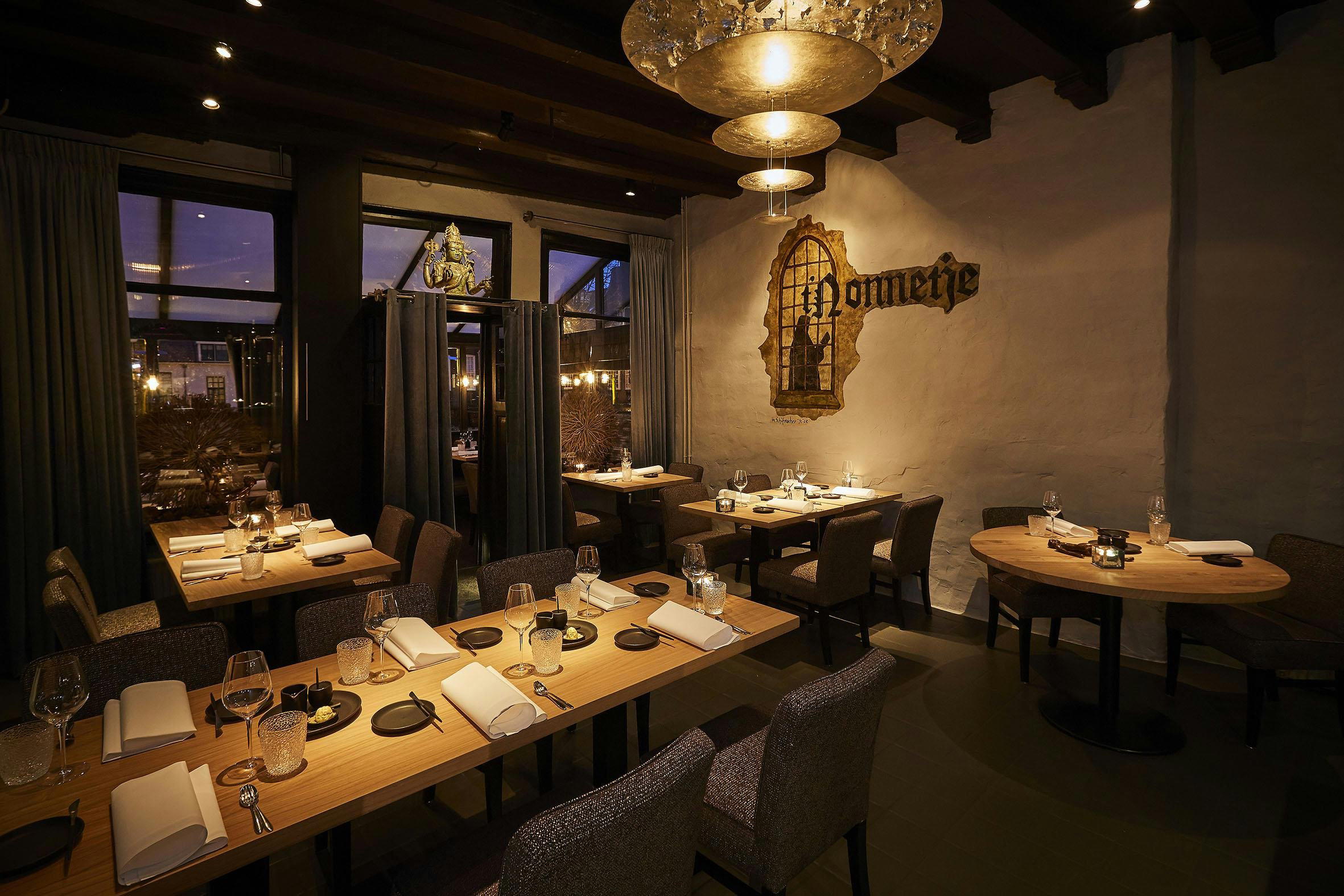
Bars in Spakenburg
Browse all →
Hotels in Spakenburg
Browse all →
Wineries in Spakenburg
Browse all →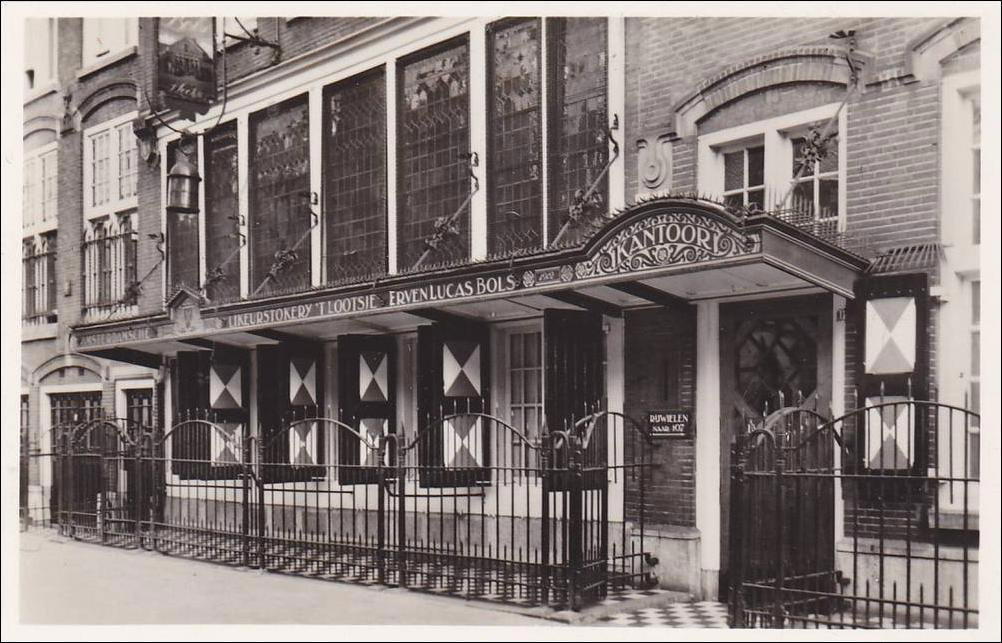
At a Glance
- Cozy
- Elegant
- Date Night
- Special Occasion
- Waterfront
- Terrace
- Extensive Wine List
- Waterfront
Current opening hours
- Monday
- Closed
- Tuesday
- 5–11 PM
- Wednesday
- 12–11 PM
- Thursday
- 12–11 PM
- Friday
- 12–11 PM
- Saturday
- 12–11 PM
- Sunday
- Closed
Hours can change for holidays and private events. Last verified .
Cozy atmosphere blending hip design with cheerful flowers and warm lighting, ideal for conversation.