De Hinde

De Hinde sits on the harbour edge of one of the Frisian coast's smallest historic towns, earning consecutive Michelin Plate recognition in 2024 and 2025 for regional cooking that draws directly from the surrounding IJsselmeer and Frisian agricultural belt.
Pearl is the En Primeur Club membership app — saves, bookings, and concierge access live there. Same editors, same standards.
- Address
- Het Oost 4, 8713 JP Hindeloopen, Netherlands
- Phone
- +31 514 523 868
- Website
- dehinde.nl
- Directions
- Get directions
 Saves & bookings on Pearl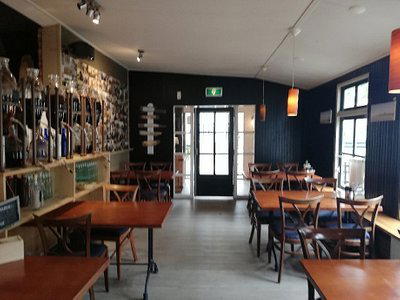
Where Frisian Restraint Meets the Waterfront
De Hinde is a restaurant in Hindeloopen, Netherlands, serving Dutch Regional Seafood at about €35 per person. Hindeloopen occupies a particular position in the Dutch imagination: one of the eleven Frisian cities, small enough that its historic centre takes less than ten minutes to walk end to end, yet carrying the weight of a Hanseatic trading past that left behind painted furniture, a distinct local dialect, and canals narrow enough to touch from either bank. Arriving at Het Oost 4, a harbour-facing address that puts the IJsselmeer within direct sightline, you are already inside the argument De Hinde makes about why regional cooking is better understood here than in a city dining room. The light off the water, the quiet that settles over the town outside summer weekends, the absence of competing restaurant noise: the setting is doing genuine editorial work before a dish arrives.
That physical context matters for a restaurant that Michelin has recognised with a Plate in both 2024 and 2025. The Michelin Plate sits below star level but above the broader mass of unrecognised restaurants in the guide's annual sweep of the Netherlands, a signal that the kitchen is cooking with consistency and intention. For a town the size of Hindeloopen, consecutive recognition is not a minor footnote. It positions De Hinde as the primary reason a food-focused traveller would add this particular Frisian coastal stop to an itinerary that might otherwise route through Enkhuizen or Stavoren.
Regional Cuisine as a Statement of Geography
The category label of regional cuisine, combined with a €€ price positioning, describes a specific culinary posture that has become more deliberate across the Netherlands over the past decade. Where the country's highest-cited restaurants, three-star De Librije in Zwolle or two-star 't Nonnetje in Harderwijk, operate at €€€€ price points with modernist technique at the centre, the regional tier anchors its identity in provenance rather than transformation. The question the kitchen is answering is not what can be done to an ingredient but where the ingredient actually comes from and what that origin communicates.
For a restaurant on the IJsselmeer shore, the answer to that question involves among the more historically loaded bodies of fresh water in the Dutch culinary imagination. The IJsselmeer, closed off from the North Sea by the Afsluitdijk in 1932, gradually transitioned from salt to fresh water and in doing so reshaped the regional fish available to Frisian kitchens. Pike-perch, bream, and eel are the kinds of species that belong to this specific lacustrine geography, not imports, not luxury product shipped from elsewhere, but the direct output of the water you can see from the dining room. That traceability is what regional cuisine, at its most considered, is built to express.
The Frisian agricultural belt running inland from the coast adds a parallel sourcing layer. Friesland's dairy tradition, the province accounts for a substantial share of Dutch milk production, means that dairy-derived ingredients have a local logic here that they would lack in, say, a city-centre Amsterdam dining room. The combination of IJsselmeer water produce and Frisian land produce gives a kitchen at this address a genuinely specific pantry. How that pantry is used determines whether regional cuisine becomes a marketing category or an actual argument. The restaurant's Michelin recognition across two consecutive years suggests the kitchen is making the argument with enough consistency to hold critical attention. Comparable regional-focus operators at the €€ tier, such as Hofstede de Blaak in Tilburg and La Mère Anne in Oudendijk, demonstrate that this price band can sustain Michelin-level seriousness without the €€€€ escalation of the fine-dining bracket.
The €€ Position and What It Signals
Pricing at €€ in the Netherlands places the restaurant in a specific competitive band: accessible enough for a midweek meal rather than a special-occasion reservation, but structured enough to support the sourcing discipline that Michelin recognition requires. This is not the price tier of casual brasserie cooking. At €€ with a Plate, the expectation is that the kitchen is exercising real editorial selection over what arrives on the table, even if the format does not carry the tasting-menu architecture of starred peers like Aan de Poel in Amstelveen or Ciel Bleu in Amsterdam.
A 4.1 sustained across that sample suggests the kitchen is not polarising, it is consistently meeting expectations across a broad visitor profile. For the destination traveller, that kind of rating is a floor, not a ceiling; the Michelin recognition is the more reliable signal of cooking quality for those arriving with specific culinary intent.
Planning Your Visit to Hindeloopen
Hindeloopen is most practically reached by train via the Stavoren line from Leeuwarden or by car along the A7 and provincial roads through the Frisian lake district. The town draws heavier visitor traffic in summer, when the IJsselmeer sailing crowd arrives and accommodation fills quickly. For a meal-led visit, the shoulder seasons, late April through early June and September through October, offer the combination of good weather and quieter streets that makes the harbour-edge setting more legible. Booking ahead is advisable given the small scale of the local hospitality offer; a town this size does not have the restaurant redundancy of a larger city, so if the restaurant is your primary dining target, confirming a reservation before travel is the practical approach.
For those building a broader Frisian itinerary, our full Hindeloopen restaurants guide maps the complete dining offer, while our full Hindeloopen hotels guide covers the accommodation options in a town where overnight stays change the character of the visit considerably. Day-trippers reach a different Hindeloopen than those who stay until the harbour empties of afternoon visitors. For context on what serious regional-cuisine kitchens are doing elsewhere in the Netherlands, De Groene Lantaarn in Staphorst, De Lindenhof in Giethoorn, De Lindehof in Nuenen, De Treeswijkhoeve in Waalre, De Bokkedoorns in Overveen, Brut172 in Reijmerstok, and De Nieuwe Winkel in Nijmegen each represent a different regional node in what is, across the country, a coherent and increasingly confident culinary movement.
Quick Comparison
Comparable venues nearby, for context on price, style, and recognition.
| Venue | Cuisine | Price | Awards | Notes |
|---|---|---|---|---|
| De HindeThis venue — the venue you are viewing | Dutch Regional Seafood | $$$ | Michelin Plate | Not listed |
| De Mandemaaker | Contemporary Dutch Seafood | $$ | Michelin Plate | Spakenburg |
| Visaandeschelde | Classic French Seafood Brasserie | $$$$ | Michelin Plate | Wielingenbuurt |
| De Kromme Bistro | Zeeland Seafood Bistro | $$$ | Michelin Plate | Hoofdplaat |
| Rozewied | Modern European Seafood Fine Dining | $$$ | Michelin Plate | Kortgene |
| Mezger | Modern Seafood Fine Dining | $$$ | Michelin Plate | Domburg |
Recognition history
Dated appearances from independent guides and award organizations, with the underlying list record or original source where available.
Michelin Plate
Michelin
Michelin Plate
Michelin
Continue exploring
More in Hindeloopen
Restaurants in Hindeloopen
Browse all →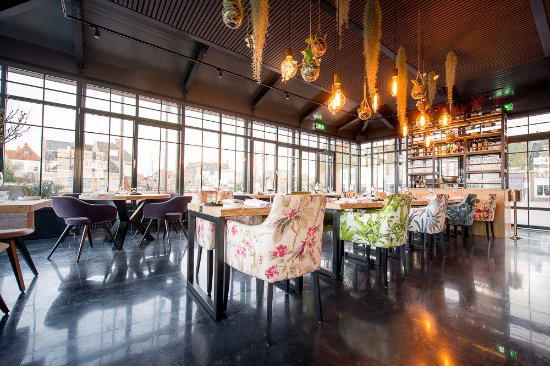
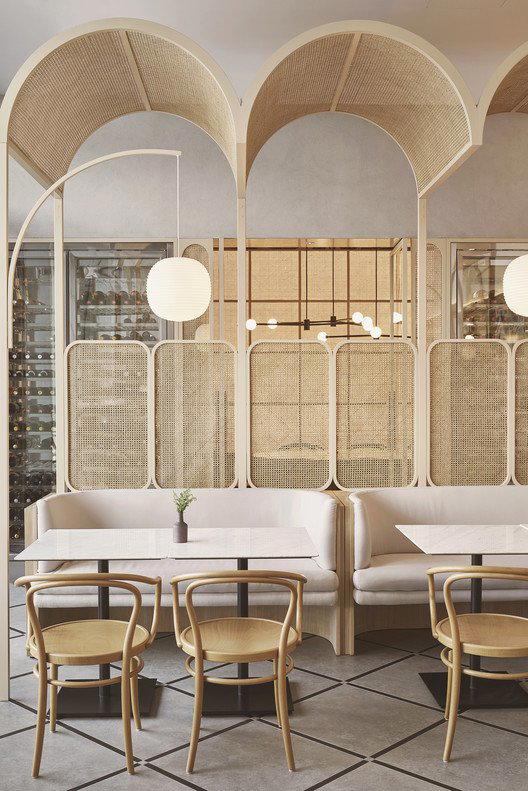
Hotels in Hindeloopen
Browse all →
At a Glance
- Cozy
- Scenic
- Rustic
- Intimate
- Special Occasion
- Date Night
- Waterfront
- Terrace
- Extensive Wine List
- Local Sourcing
- Waterfront
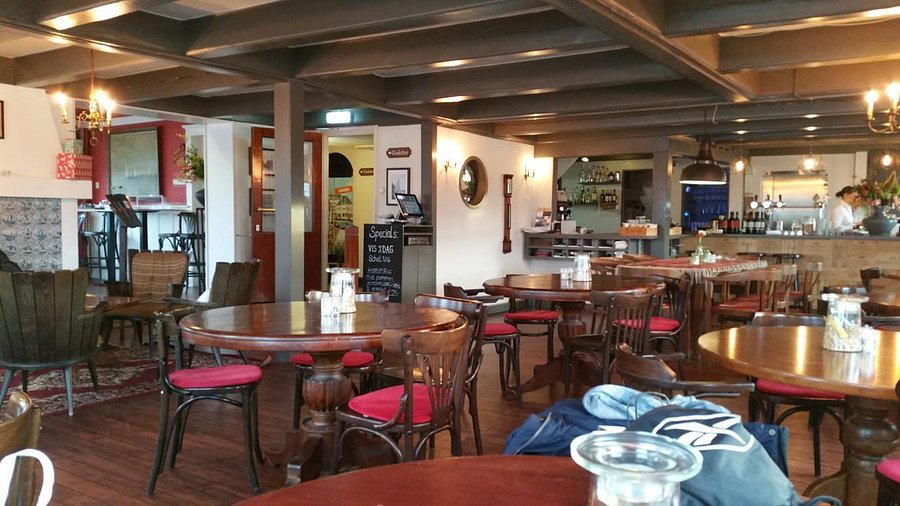
Fijn, warm and cosy atmosphere with fine decor, praised for its endearing authentic soul.