Rozewied

The kitchen operates in the farm-to-table register at a €€€ price point, placing it in a small comparable set of serious provincial Dutch restaurants that treat sourcing as the primary editorial act on the plate.
Pearl is the En Primeur Club membership app — saves, bookings, and concierge access live there. Same editors, same standards.
- Address
- Hoofdstraat 35, 4484 CB Kortgene, Netherlands
- Phone
- +31 6 38112035
- Website
- rozewied.nl
- Directions
- Get directions
 Saves & bookings on Pearl
Where the Zeeland Delta Meets the Plate
Kortgene sits on Noord-Beveland, a low-lying island municipality in Zeeland's delta region, surrounded by the Eastern Scheldt estuary and farmland that has supplied the Dutch kitchen for centuries. Arriving along Hoofdstraat, the village reads quietly: a compact main street, water never far from view, the particular stillness that comes with a community of fewer than two thousand people. That stillness is the context in which Rozewied operates, and it matters. In Zeeland, proximity to ingredients is not a marketing angle, it is simply geography. The estuary supplies oysters, mussels, and flat-shelled species that define this coastline's culinary identity, while the polders behind the dike road produce vegetables, herbs, and grain in conditions shaped by salt air and alluvial soil.
Rozewied, at Hoofdstraat 35, occupies that intersection deliberately. Farm-to-table in this part of the Netherlands is less a lifestyle statement than a practical orientation: the supply chains are short, the seasons are legible, and a kitchen that ignores them would be working against the logic of the place. The restaurant has held a Michelin Plate in both 2024 and 2025, a distinction that signals consistent kitchen discipline and an approach Michelin's inspectors consider worth noting, even without the star tier that draws visitors to Inter Scaldes in Kruiningen a few kilometres south on the same provincial road system.
Sourcing as the Kitchen's First Decision
The farm-to-table classification at €€€ pricing places Rozewied in a comparable set that includes De Woage in Gramsbergen and Spetters in Breskens, Dutch provincial restaurants where ingredient sourcing is the primary creative act, not a secondary consideration behind technique or plating spectacle. In this tier, the kitchen's authority derives from what it selects and when, rather than from complexity for its own sake.
Zeeland's agricultural and coastal output is among the more varied in the Netherlands. The province supplies a disproportionate share of the country's shellfish, and its sandy, brackish coastal soils produce produce with a mineral character that distinguishes it from inland Dutch farming. A kitchen operating in Kortgene with genuine farm-to-table intent would have access to oysters from Yerseke, Zeeland blue mussels, lamb from the salt marshes of the Westerschelde, and seasonal vegetables from Noord-Beveland's own agricultural plots. Whether and how Rozewied draws on each of these is not something the public record confirms in detail, but the Michelin Plate, held consecutively, suggests the kitchen is executing at a level that warrants independent scrutiny.
For comparison, the €€€€ restaurants in the Michelin Netherlands guide, De Librije in Zwolle, Aan de Poel in Amstelveen, Ciel Bleu in Amsterdam, operate at a price point and format scale that positions them differently from a €€€ provincial table. Rozewied belongs to a different but legitimate register: a restaurant where the argument is made through ingredient selection and seasonal precision rather than through elaborate service architecture or extended tasting menus.
The Google Signal and What It Represents
In larger cities, high review volumes and strong scores reflect a self-reinforcing cycle of tourism and media attention. In a small Noord-Beveland municipality, a concentrated body of reviews at that rating suggests a dedicated and returning local and regional audience, not casual tourist throughput. This kind of sustained approval, alongside two consecutive Michelin Plates, forms a consistent picture: a kitchen that performs reliably rather than producing occasional brilliant nights between inconsistent ones.
That consistency matters particularly in farm-to-table cooking, where the discipline of working with what the season offers, rather than maintaining a fixed menu, is a continuous operational challenge. The Zeeland calendar runs through winter oyster peaks, spring lamb, summer coastal produce, and autumn root vegetables, each demanding a different kitchen emphasis. Holding steady approval across those cycles is evidence of genuine adaptability.
Rozewied in the Dutch Farm-to-Table Context
Dutch farm-to-table cooking has developed its own distinct identity over the past decade, moving away from French classical borrowings toward a cuisine that takes the Dutch landscape, polder, estuary, dune, forest, as its primary reference. De Nieuwe Winkel in Nijmegen represents the highest-profile expression of this shift, but the orientation runs through a wider tier of provincial restaurants, including those operating below the star threshold. De Groene Lantaarn in Staphorst, De Lindenhof in Giethoorn, and Brut172 in Reijmerstok each demonstrate how serious cooking can anchor itself to a specific Dutch micro-region without requiring an urban address or a destination-restaurant profile.
Rozewied sits in that broader pattern. Zeeland has long been a food-producing region that supplied other people's restaurants; the interest now is in whether kitchens within the province can make that supply chain visible to the diner rather than invisible. A farm-to-table approach in this context is an argument about place, about the intelligence in a specific coastline's produce, rather than a general claim about freshness.
Planning a Visit
Kortgene is accessible by car from Middelburg in approximately thirty minutes and from Goes in under twenty. The Noord-Beveland road network is direct, and the village itself is compact enough that Hoofdstraat 35 is easy to locate on arrival. Rozewied sits in the €€€ tier, which in the Dutch context typically implies a spending range that falls below the extended tasting-menu format of starred restaurants but above casual bistro pricing, a meaningful evening out rather than an everyday meal. Given the Michelin recognition and the review profile, advance booking is advisable, particularly in summer when the Zeeland coast draws visitors from across the Netherlands and Belgium. Rozewied is open Wednesday through Sunday, with lunch service on Friday, Saturday, and Sunday and dinner service on Thursday through Sunday. Reservations are recommended.
Comparable Spots, Quickly
Comparable venues nearby, for context on price, style, and recognition.
| Venue | Cuisine | Price | Awards | Notes |
|---|---|---|---|---|
| RozewiedThis venue — the venue you are viewing | Modern European Seafood Fine Dining | $$$ | Michelin Plate | Not listed |
| Het Binnenhof | Dutch Seafood with Zeeland Specialties | $$$ | Michelin Plate | centrum |
| Mezger | Modern Seafood Fine Dining | $$$ | Michelin Plate | Domburg |
| Oesterbeurs | Zeeland Seafood Fine Dining | $$$ | Michelin Plate | Kern |
| Breakers Beach House | Seasonal Seafood Brasserie | $$$ | Michelin Plate | Noordwijk aan Zee |
| De Campveerse Toren | Zeeland Seafood Fine Dining | $$$ | Not listed | Veere |
Recognition history
Dated appearances from independent guides and award organizations, with the underlying list record or original source where available.
Michelin Plate
Michelin
Michelin Plate
Michelin
At a Glance
- Cozy
- Intimate
- Trendy
- Elegant
- Date Night
- Special Occasion
- Historic Building
- Extensive Wine List
- Farm To Table
- Local Sourcing
Current opening hours
- Monday
- Closed
- Tuesday
- Closed
- Wednesday
- Closed
- Thursday
- 6:30–9 PM
- Friday
- 12–1 PM, 6:30–9 PM
- Saturday
- 12–1 PM, 6:30–9 PM
- Sunday
- 12–1 PM, 6:30–9 PM
Hours can change for holidays and private events. Last verified .
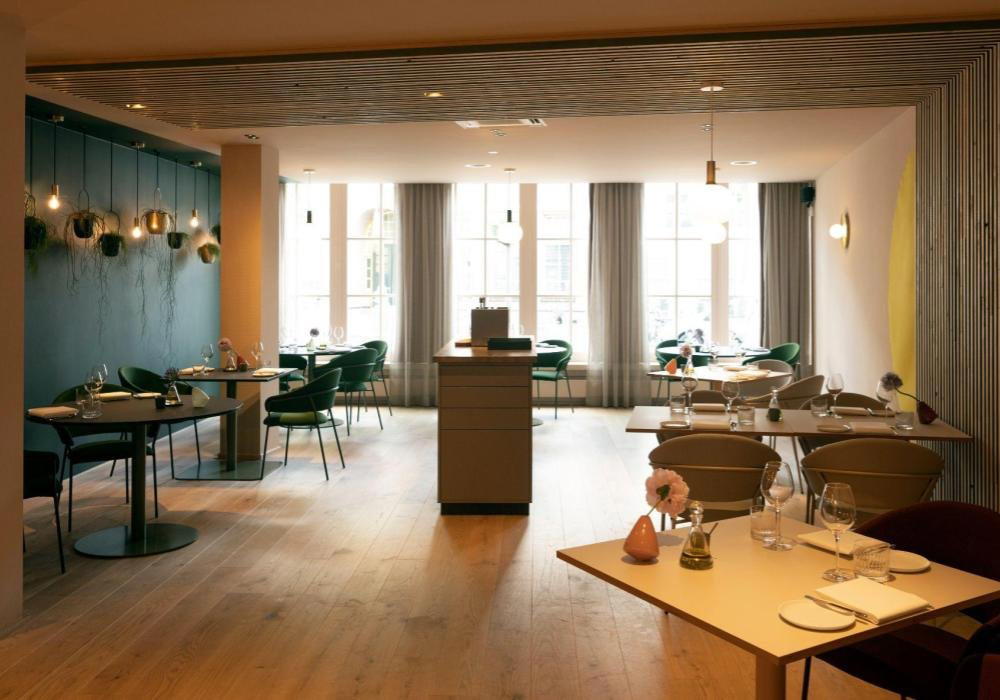
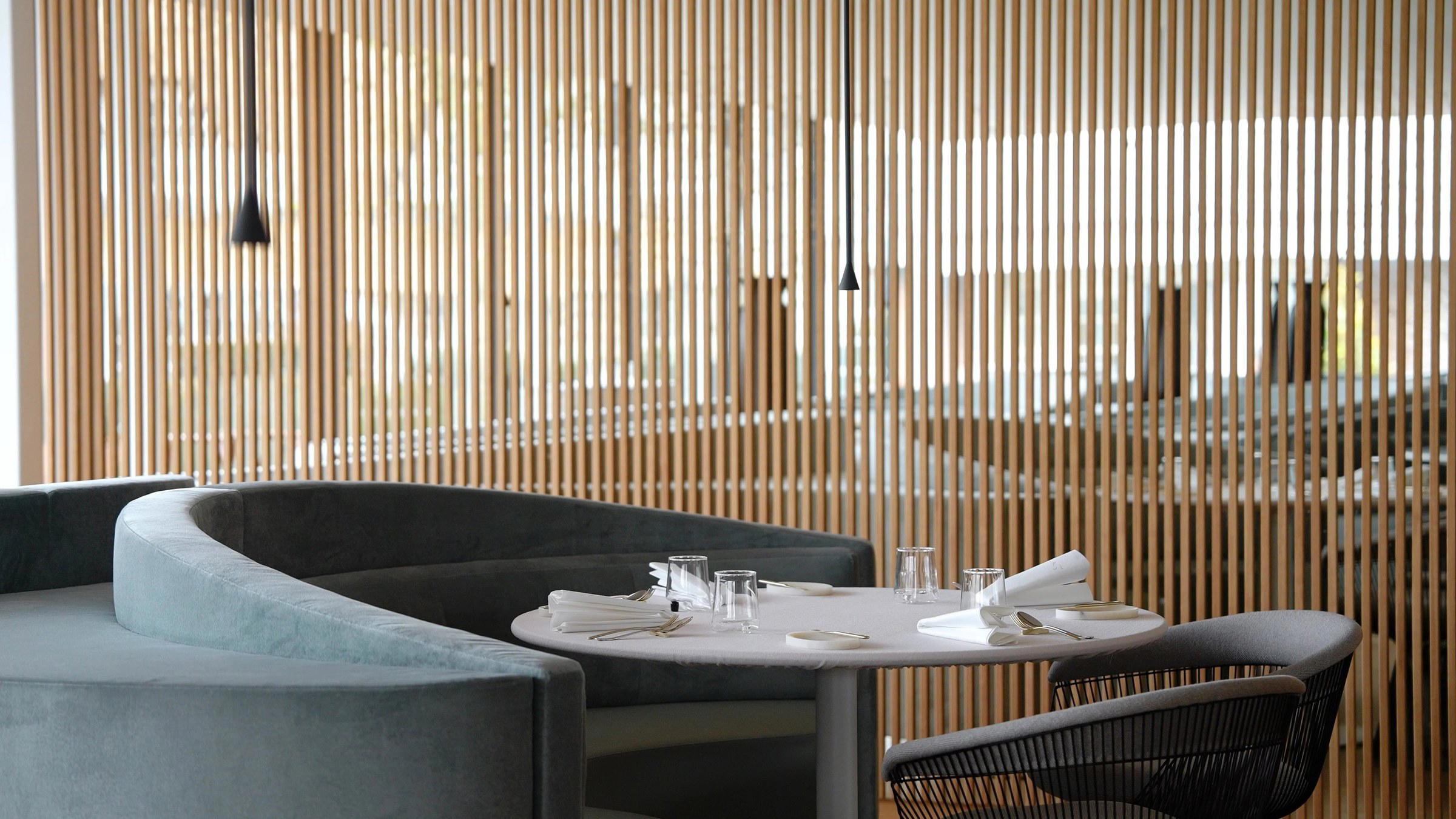
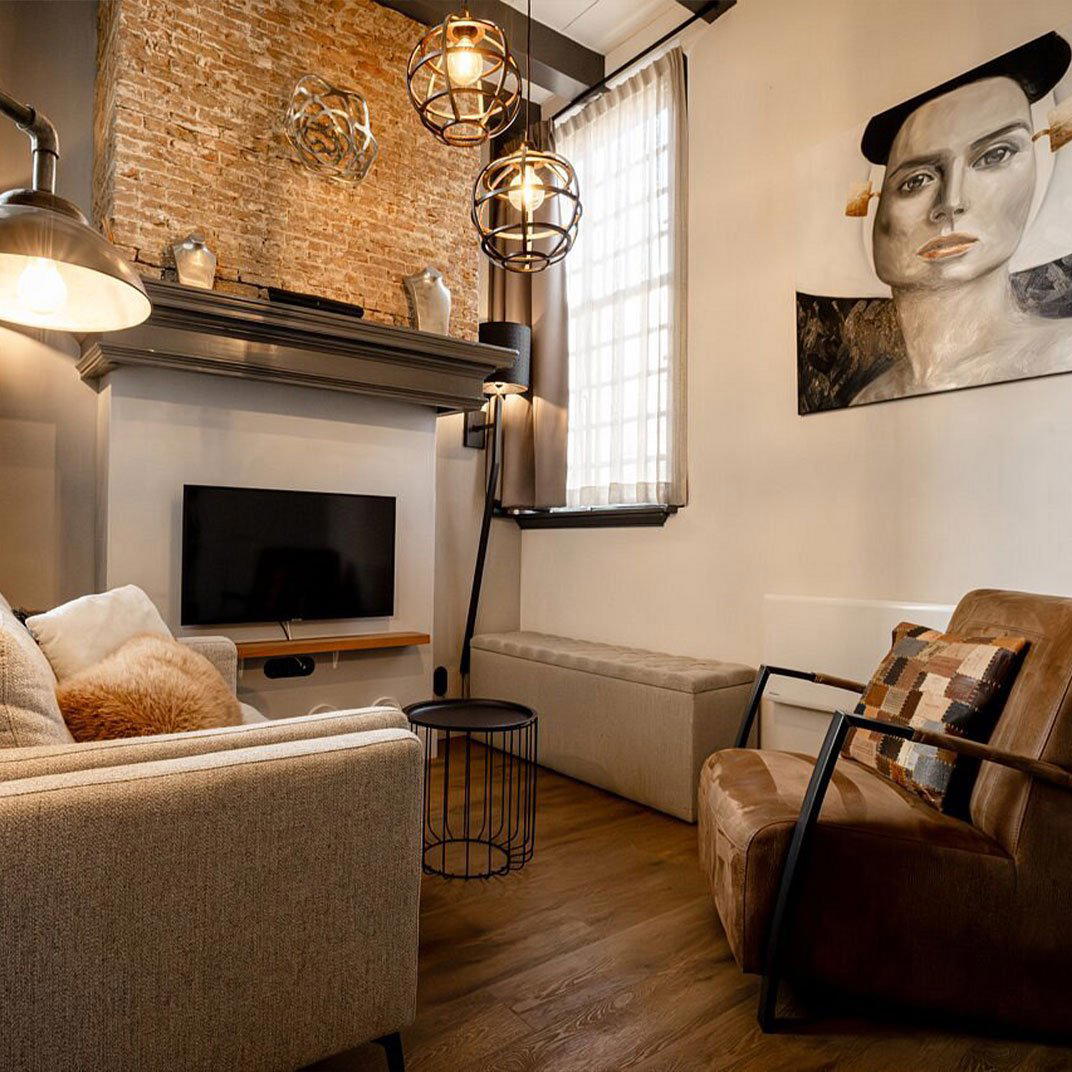
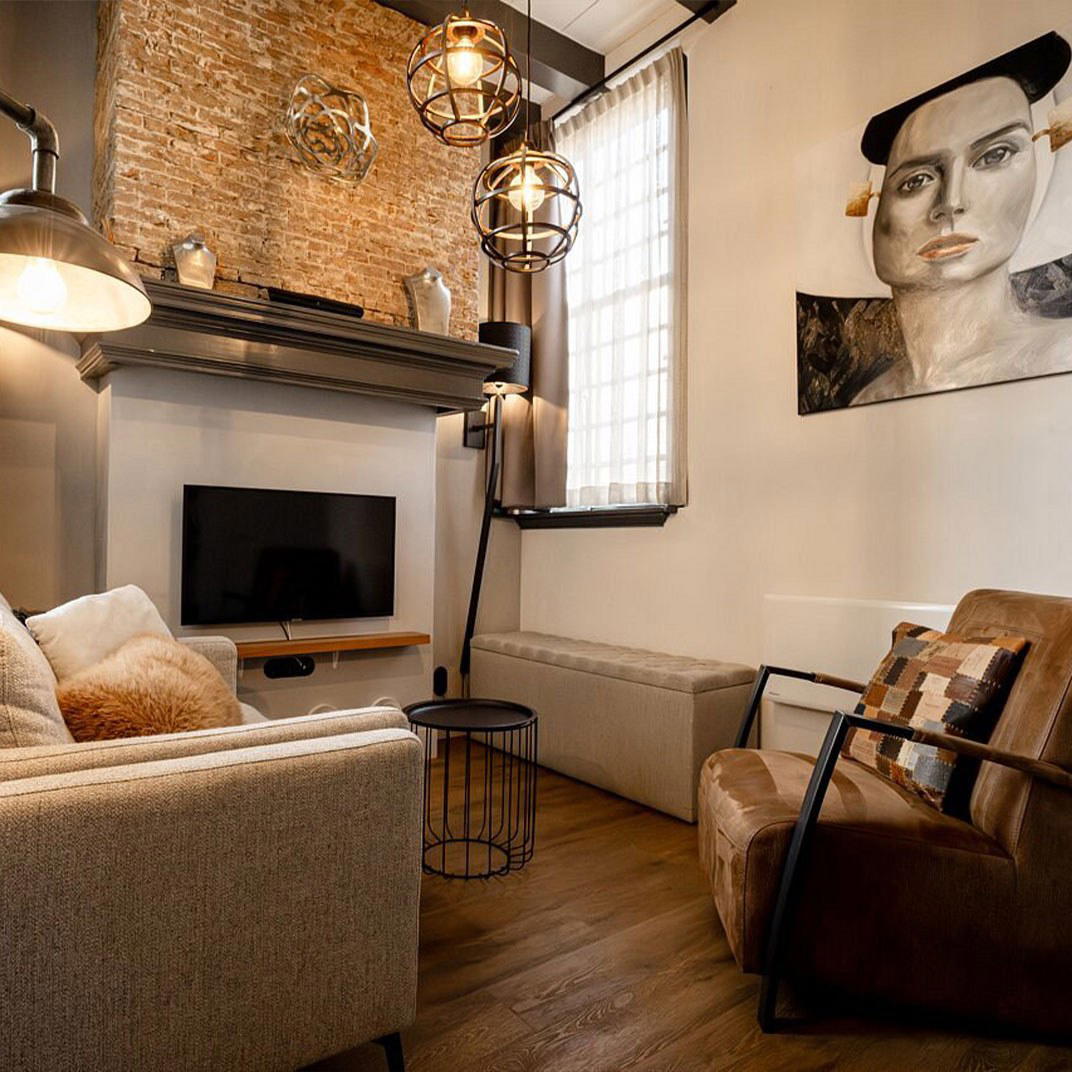
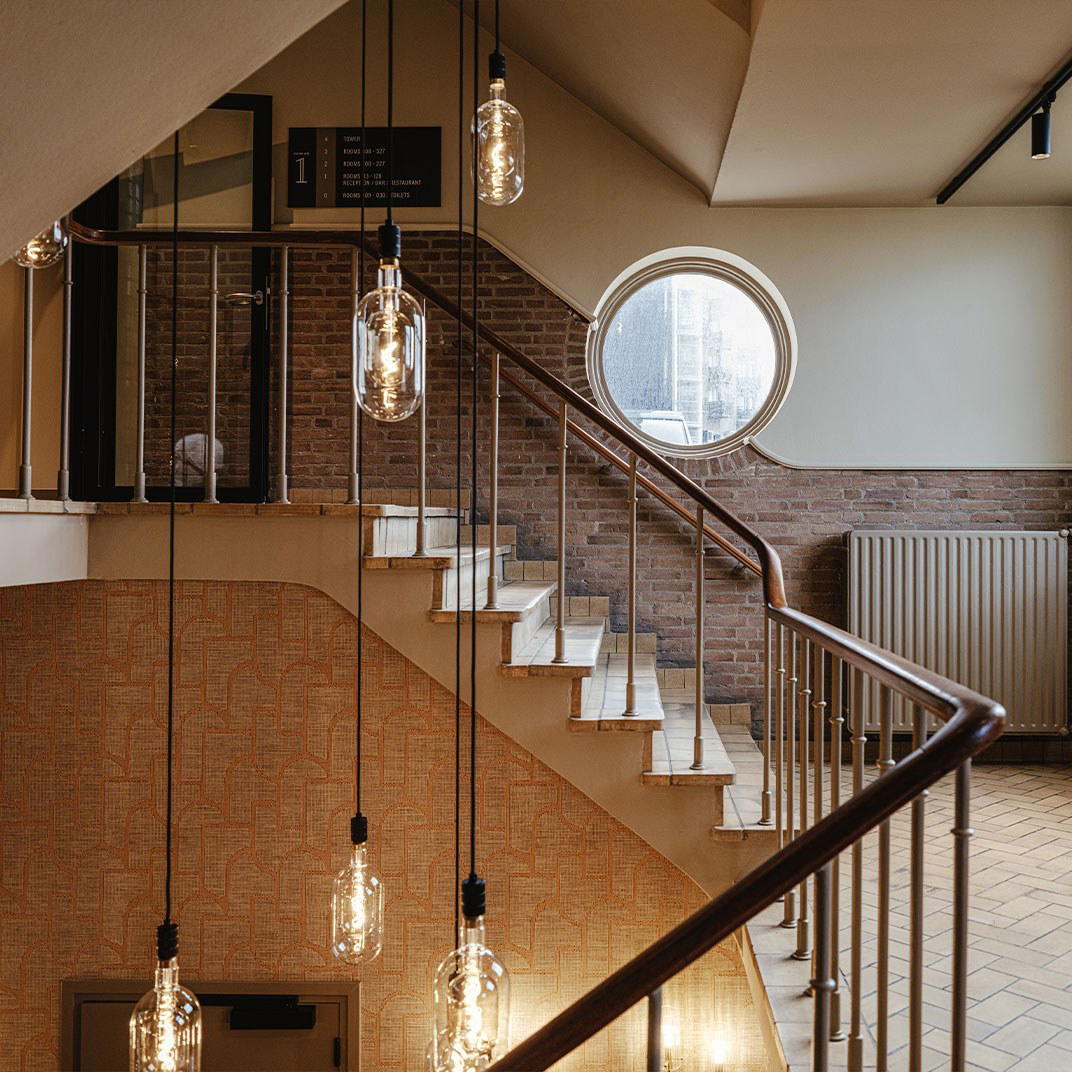
Cozy and trendy interior resembling a stylish living room, with warm lighting, privacy between tables, and a relaxed, homely atmosphere.