Das Schmidt
Our verdict
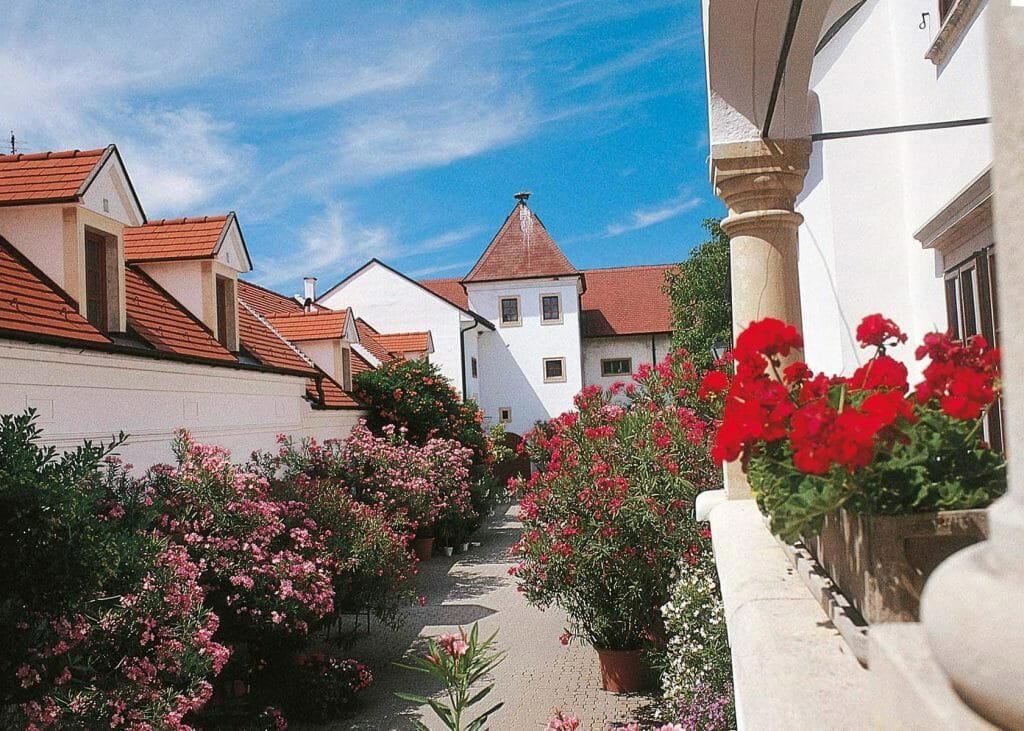
Das Schmidt sits in Mörbisch am See, a small Burgenland village on the western shore of Lake Neusiedl, within a region where local produce and wine-country cooking set the tone. The surrounding Pannonian plain shapes what ends up on the plate, and the village itself carries the unhurried character of Austria's easternmost wine corridor. Visitors to this part of Burgenland will find Das Schmidt a grounding point for the area's food and hospitality traditions.

Pearl is the En Primeur Club membership app, where members save venues, book tables and use the concierge.
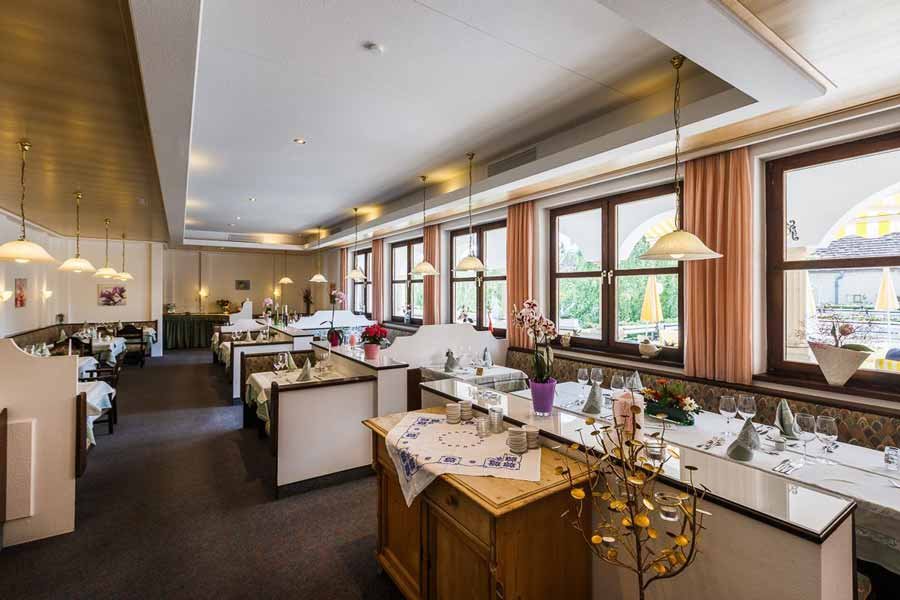
Where Lake Neusiedl Sets the Table
The western shore of Lake Neusiedl is not where most Austrian dining itineraries begin. Visitors to this part of Burgenland typically arrive through the wine villages strung along the Pannonian plain, drawn by the shallow, reed-fringed lake and the particular agricultural character of the region. Mörbisch am See sits at the southern end of that corridor, close to the Hungarian border, in a landscape where viticulture and market gardening have coexisted for centuries. Das Schmidt, on Raiffeisenstraße in the village centre, occupies that context directly.
Burgenland's position as Austria's warmest, driest province has made it the country's most productive wine region by volume, and the Pannonian climate that drives the vineyards also supports a longer growing season than most of the Alpine west. That agricultural depth has historically fed a cooking tradition rooted in what the surrounding land produces rather than what needs to travel far to arrive. Village restaurants in this region tend to reflect that supply chain in ways that larger urban establishments cannot, if only because proximity is an economic reality as much as a culinary choice.
The Ingredient Logic of Burgenland Cooking
Austria's ingredient-led dining conversation is often centred on Michelin-decorated addresses in Vienna or the Salzburg corridor. Steirereck im Stadtpark in Vienna and Landhaus Bacher in Mautern an der Donau both built their reputations partly on the relationship between kitchen and regional supply. Döllerer in Golling an der Salzach has made Alpine produce sourcing a signature editorial point. But Burgenland's version of this story is quieter and operates at a different register entirely, closer to the village Gasthaus tradition than the tasting-menu format that dominates Austrian fine dining press coverage.
The Lake Neusiedl area specifically produces ingredients that appear rarely outside the region: freshwater fish from the lake, including pike-perch and carp that local fishermen have worked for generations; paprika and peppers that carry a Pannonian character distinct from their Hungarian counterparts just across the border; and a range of stone fruits from orchards that benefit from the long, warm summers. The regional wine scene, anchored by appellations such as Neusiedlersee and Leithaberg, provides a natural pairing context that shapes what a village restaurant in Mörbisch chooses to serve alongside food. Taubenkobel in Schützen am Gebirge, a short drive north along the lake's western edge, has shown how seriously Burgenland wine-country cooking can be taken at the top end of the market. Das Schmidt operates in a different tier, but the same sourcing logic applies at the village level.
A Village Address in Wine Country
Mörbisch am See is a small municipality, better known internationally for its lakeside operetta festival than for its restaurant scene. The village's agricultural identity, however, is genuine: traditional Heurigen culture (the wine-tavern tradition common to eastern Austria) has shaped how locals and visitors consume food here, with an emphasis on seasonal, locally sourced plates served without ceremony. That cultural backdrop matters when thinking about what a restaurant like Das Schmidt is serving and why. In wine country, the food exists in relation to the glass, and the sourcing tends to follow the same radius as the cellar.
Getting to Mörbisch requires a car from Eisenstadt, Burgenland's capital, roughly a fifteen-minute drive south. Those coming from Vienna should allow around one hour and twenty minutes by road. The village is close enough to the Hungarian border town of Sopron that day visitors from across the frontier are part of the area's regular foot traffic, adding a cross-border dimension to the local dining culture that is unusual within Austria.
Where Das Schmidt Sits in the Regional Picture
Austria's most decorated kitchens occupy a well-documented tier. Ikarus in Salzburg, Obauer in Werfen, and Gourmetrestaurant Tannenhof in Sankt Anton am Arlberg are examples of the award-recognised, destination-dining format that draws travellers specifically to eat. Griggeler Stuba in Lech and Stüva in Ischgl represent the high-Alpine resort variant of that same model. Das Schmidt is not in that conversation. It sits instead in the category of regional village dining where the editorial interest is not in accolades but in how accurately a kitchen reflects the produce and culinary habits of its immediate geography.
That category has real value for travellers who use dining as a way to read a place rather than as a standalone destination. Burgenland's food character, grounded in the Pannonian agricultural tradition and shaped by proximity to both Hungarian and Central European influences, is most legible at this scale. The same argument applies in other Austrian regions: Ois in Neufelden in Upper Austria and Atelier Fischer in Sankt Gilgen in the Salzkammergut both demonstrate how regional kitchens outside the Michelin orbit can be the more revealing meal for a particular kind of traveller. Artis in Graz and Schwarzer Adler in Hall in Tirol add further evidence that Austria's dining depth extends well beyond its headline addresses.
For visitors moving between Austria and Vienna's reference points and the lake country to the east, Kräuterreich by Vitus Winkler in Sankt Veit im Pongau and Restaurant 141 by Joachim Jaud in Mieming illustrate how seriously ingredient sourcing is taken across Austrian regions even outside fine-dining formats. The comparison is instructive: regional pride in produce is not the exclusive property of starred kitchens.
Planning a Visit
As with many village restaurants in Burgenland, it is advisable to contact the address directly before travelling from outside the region, particularly during the summer operetta festival period when Mörbisch receives significantly higher visitor numbers than in the quieter months. The village's seasonal rhythm means that restaurants here can operate on schedules that shift between summer and winter. Consulting our full Mörbisch am See restaurants guide will provide the most current practical information for planning a meal in the area.
Travellers with broader Austrian dining ambitions will find that a day in Burgenland wine country pairs naturally with a visit to the lake, the Heurigen along the Rust corridor, and the kind of unhurried regional eating that rarely makes international food press but consistently rewards those who seek it out. For reference points at the other end of the ambition scale, Le Bernardin in New York City and Atomix in New York City represent what maximalist ingredient sourcing and tasting-menu rigour look like in a global-city context. Das Schmidt represents something quieter and more geographically specific, which is precisely its point.
Frequently asked questions
Is Das Schmidt okay with children?
Das Schmidt sits at Raiffeisenstraße 8 in Mörbisch am See, a small village municipality with a relaxed, community-rooted character. Village restaurants of this type in Burgenland tend to be informal enough for families, though it is worth contacting the venue directly to confirm seating arrangements and any age-specific considerations before visiting.
What's the vibe at Das Schmidt?
Mörbisch am See is a compact lakeside settlement on the western edge of Lake Neusiedl, better known for its summer operetta festival than for a developed restaurant circuit. Das Schmidt occupies that village register: a neighbourhood address rather than a destination dining room, with the pace and setting that the Burgenland countryside tends to encourage.
Is Das Schmidt a good option during the Mörbisch Operetta Festival?
Mörbisch am See draws significant seasonal visitors each summer for its lakeside operetta festival, and Das Schmidt at Raiffeisenstraße 8 sits within the village itself, making it a practical local option for pre- or post-performance dining. Festival periods typically increase demand across the limited village restaurant stock, so reservations well in advance are advisable. check the venue's official channels for availability during peak season.
What's the signature dish at Das Schmidt?
Burgenland's cooking tradition draws heavily on the region's market-garden produce, freshwater fish from Lake Neusiedl, and locally grown wines, so the kitchen's focus likely reflects that seasonal ingredient logic. Confirm the current menu directly with the venue.
Where is Das Schmidt located?
Das Schmidt is located at Raiffeisenstraße 8, 7072 Mörbisch am See, Austria, Morbisch Am See.
At-a-Glance Comparison
Comparable venues nearby, for context on price, style, and recognition.
| Venue | Cuisine | Price | Notes |
|---|---|---|---|
| Das SchmidtThis venue (the venue you are viewing) | Modern Austrian Lakeside Cuisine | Not listed | Not listed |
| Cafe Restaurant Lemon | Traditional Austrian | $20–30 | Franz Josefs Bahnhof |
| DAST Restaurant | Modern Austrian Tapas | $20–30 | Wahring |
| Salettl Salettl | Traditional Austrian Garden Hut | Not listed | Oberdoebling |
| Unger | Modern Austrian Regional | Not listed | Pitten |
| Weinerei im Baderhaus | Modern Austrian with regional specialties | $20–30 | Bruck an der Mur |
Continue exploring
More in Morbisch Am See
Restaurants in Morbisch Am See
All restaurants in Morbisch Am See →
Bars in Morbisch Am See
Browse all →
Hotels in Morbisch Am See
Browse all →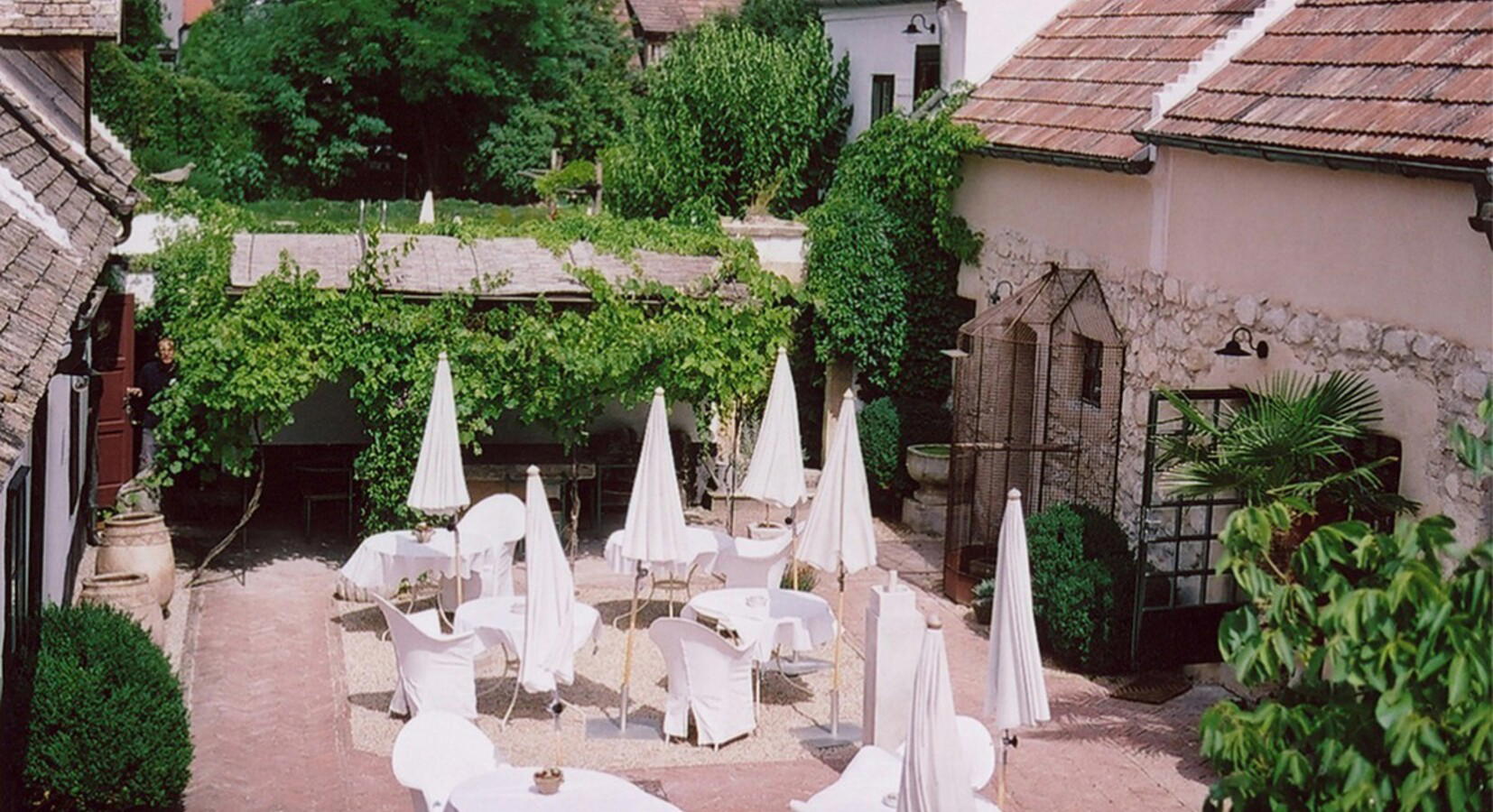

Details
- Scenic
- Elegant
- Cozy
- Family
- Waterfront
- Terrace
- Extensive Wine List
- Local Sourcing
- Waterfront
- A La Carte
- Vegetarian Friendly
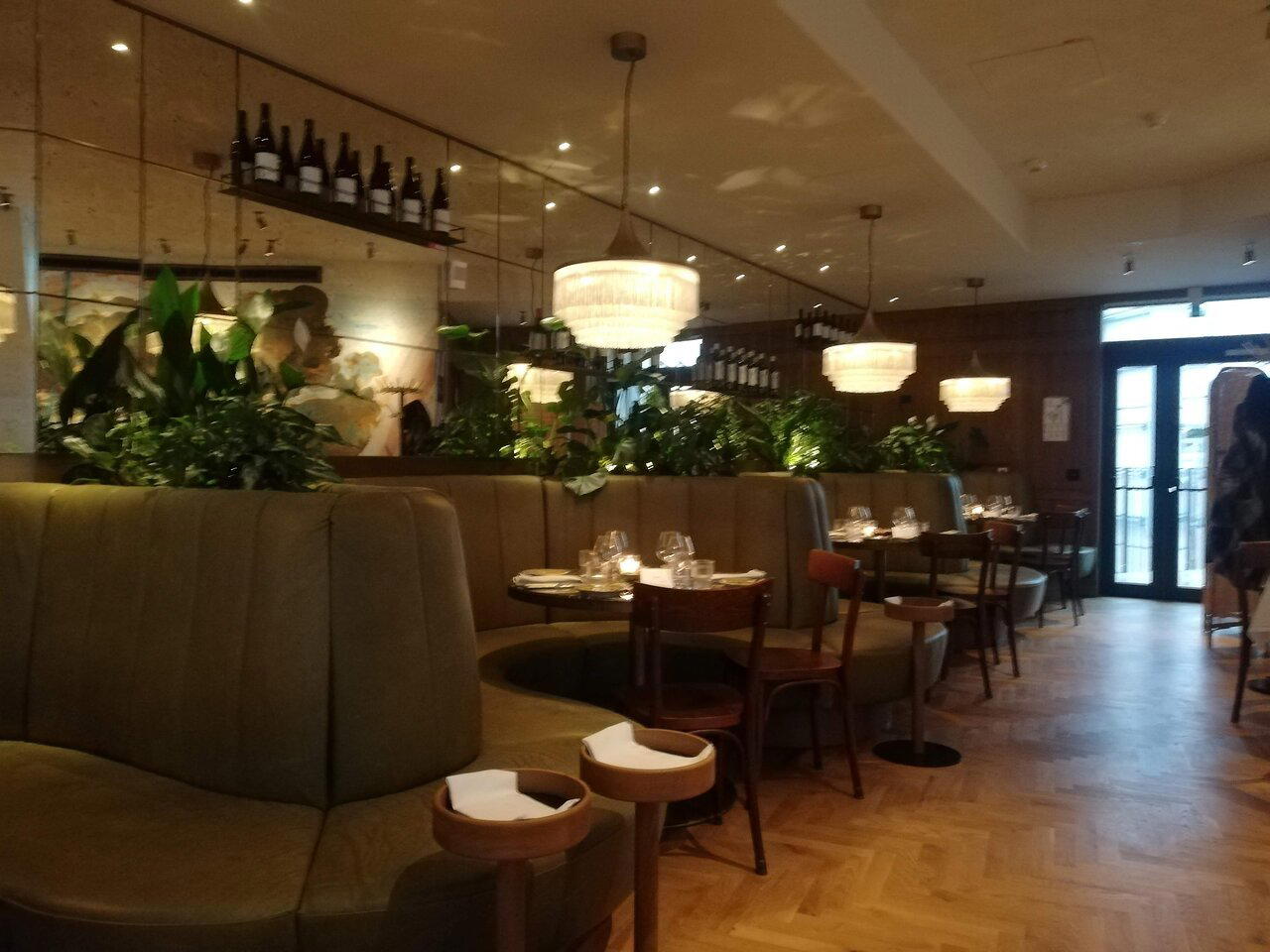
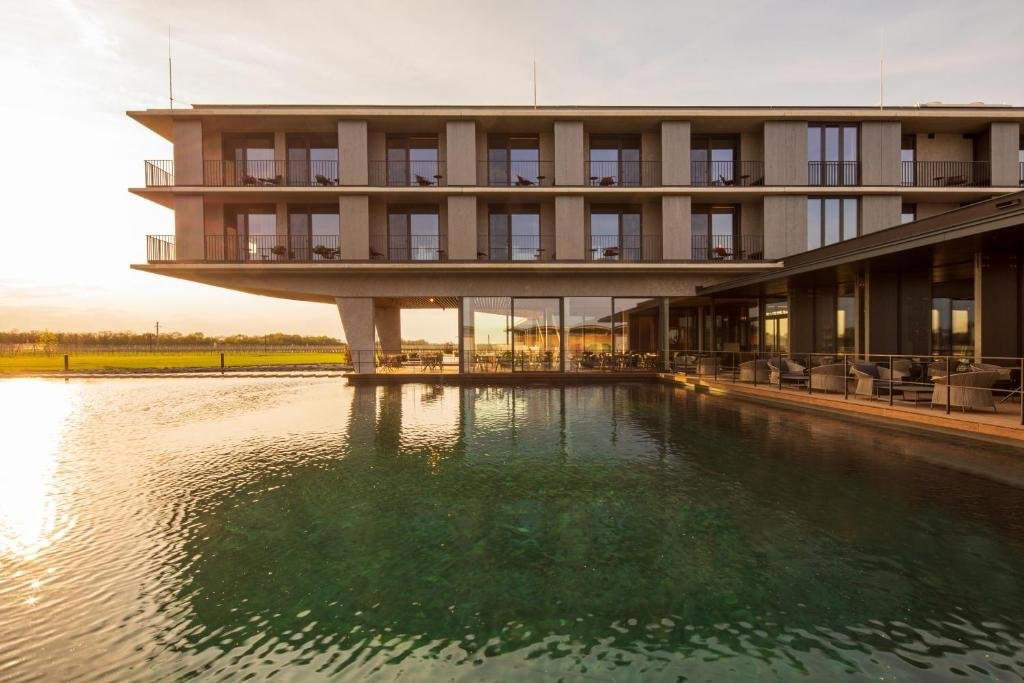
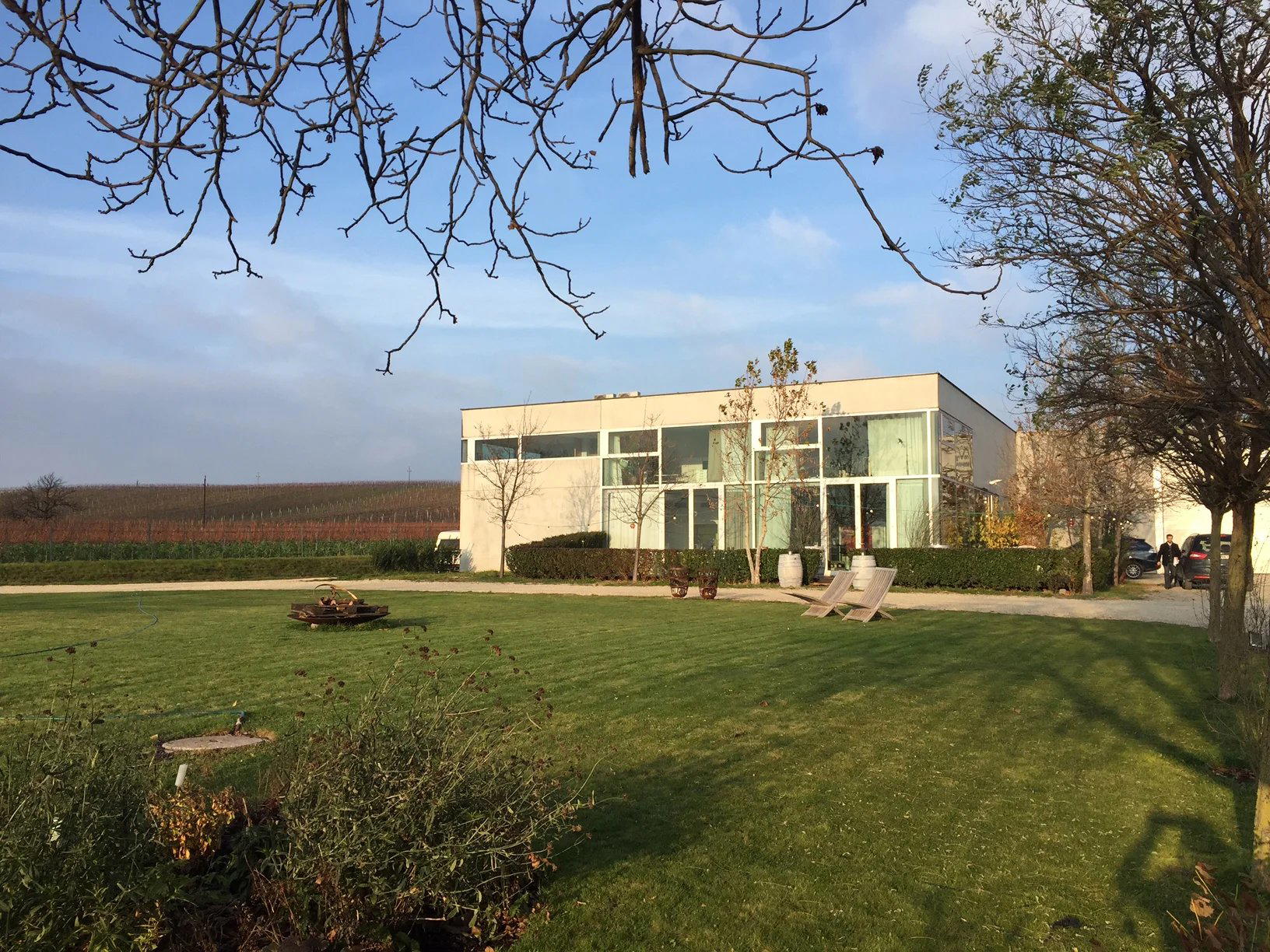
Inviting lakeside atmosphere with comfortable seating and focus on regional quality dining.