Our verdict
Unger sits on Wiener Neustädter Strasse in Pitten, a small Lower Austrian market town that sits at the intersection of the Bucklige Welt hill country and the broader Viennese hinterland. The restaurant operates in a region where farm-to-table is less a trend than a practical reality, with producers close enough to shape the menu by the week. For travellers moving between Vienna and the Semmering Pass, Pitten offers a grounded alternative to the city's more formalised fine-dining circuit.

Pearl is the En Primeur Club membership app, where members save venues, book tables and use the concierge.
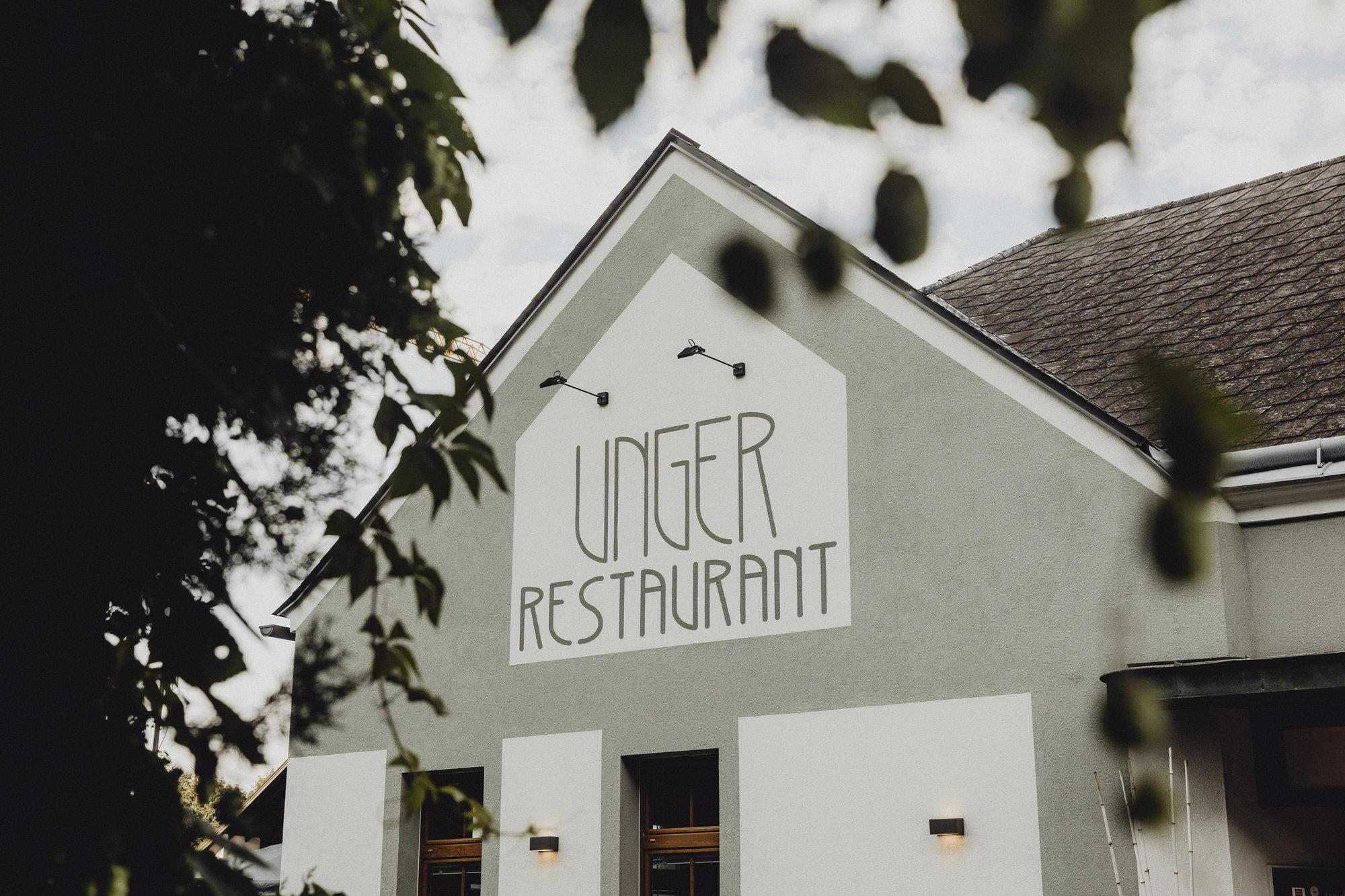
Where Lower Austrian Farm Country Meets the Table
The road into Pitten from Wiener Neustadt runs through a stretch of agricultural lowland that gives way, gradually, to the foothills of the Bucklige Welt, a corrugated hill region that Austrian food writers have long associated with unpretentious, produce-driven cooking. Unger sits along this corridor, at Wiener Neustädter Str. 167, in a town small enough that the distance between a kitchen and its nearest supplier can be measured in minutes rather than hours. That proximity to primary producers is not incidental to how restaurants in this part of Lower Austria operate; it is the structural condition that makes a certain kind of cooking possible here and harder to replicate in Vienna's more centralised supply chains.
The Ingredient Logic of the Lower Austrian Hinterland
Austria's premium restaurant scene has, over the past decade, split into two recognisable camps. One is concentrated in Vienna and the major resort towns, where kitchens such as Steirereck im Stadtpark in Vienna and Ikarus in Salzburg operate with international creative ambitions and the supply networks to match. The other is rooted in Austria's rural regions, where restaurants source within tight geographic radii and let seasonal availability dictate the menu rather than the reverse. Landhaus Bacher in Mautern an der Donau and Taubenkobel in Schützen am Gebirge represent this second tradition at its most developed, where the wine list reflects the immediate Pannonian or Wachau terroir and the plate is inseparable from the farming calendar. Pitten sits within this second tradition's geography.
The Bucklige Welt and the Pittental valley have a particular microclimate: mild enough for vegetable cultivation, with sufficient elevation variation to support both arable farming and livestock. Restaurants working in this zone have historically had access to heritage grain growers, small-scale dairy operations, and wild herb foragers operating in the surrounding hills. This is the kind of supply infrastructure that Döllerer in Golling an der Salzach and Obauer in Werfen have built their reputations around in Salzburg province, and it is the same logic that gives small Lower Austrian restaurants their particular advantage over urban kitchens paying freight premiums to source the same ingredients at one remove.
Reading the Room: Atmosphere in a Rural Austrian Setting
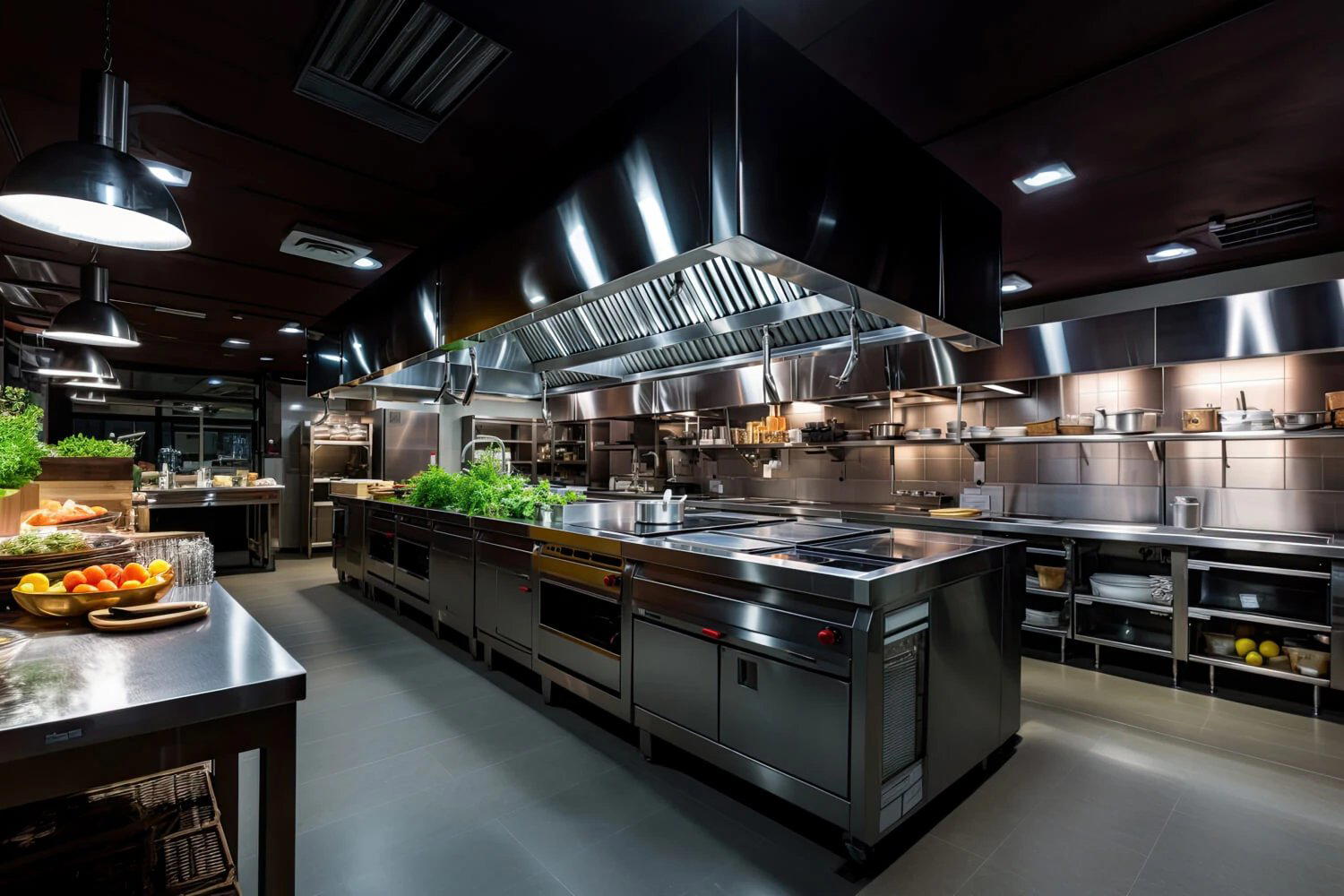
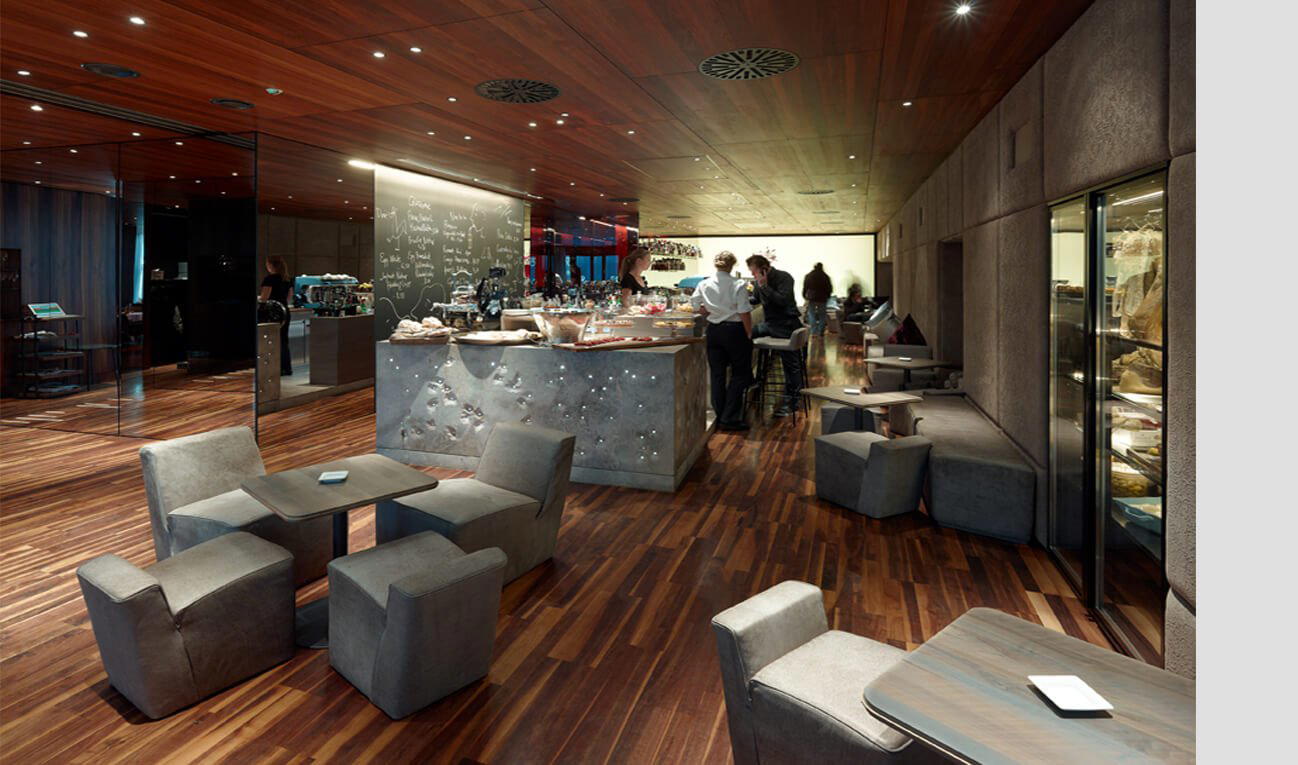
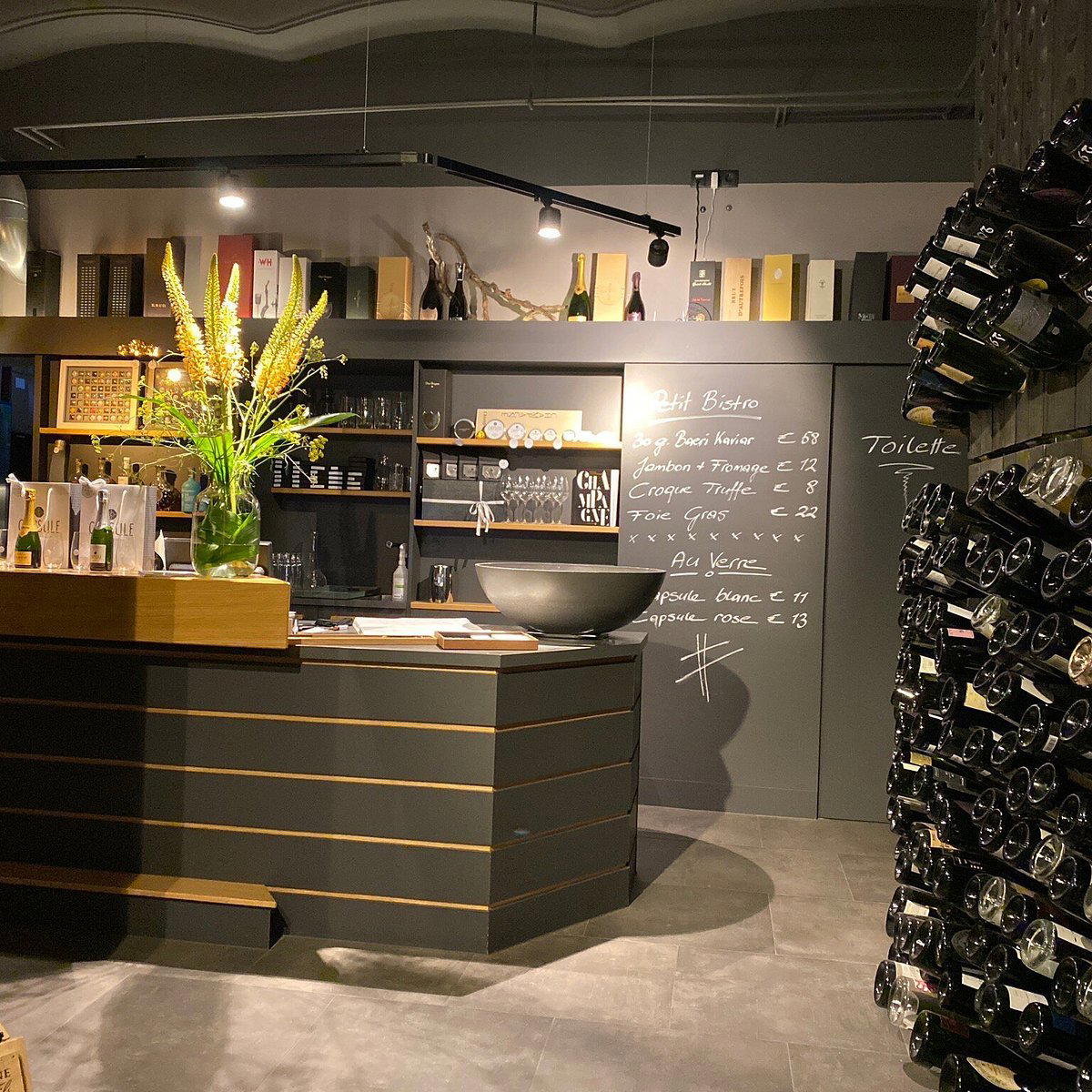
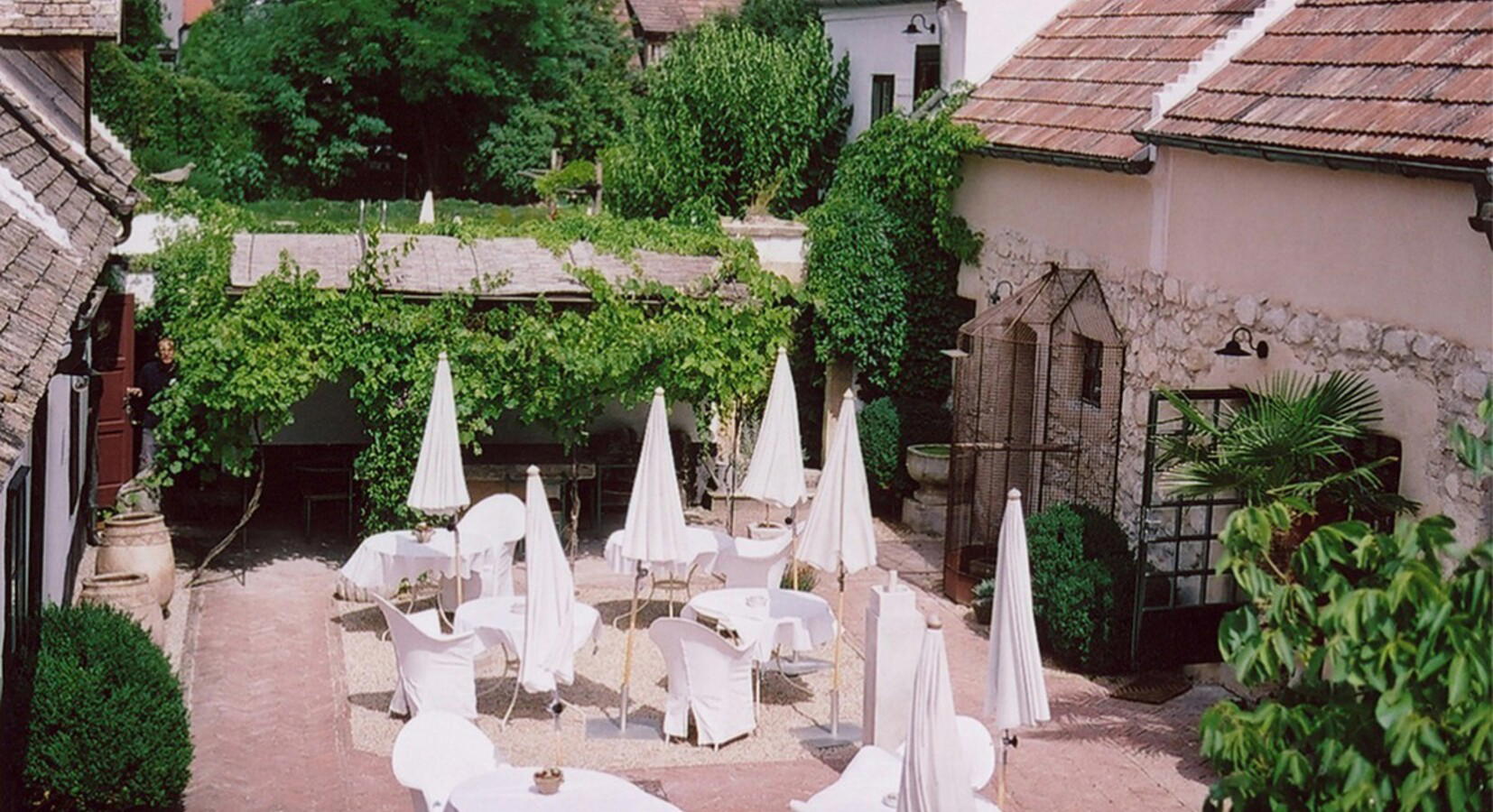
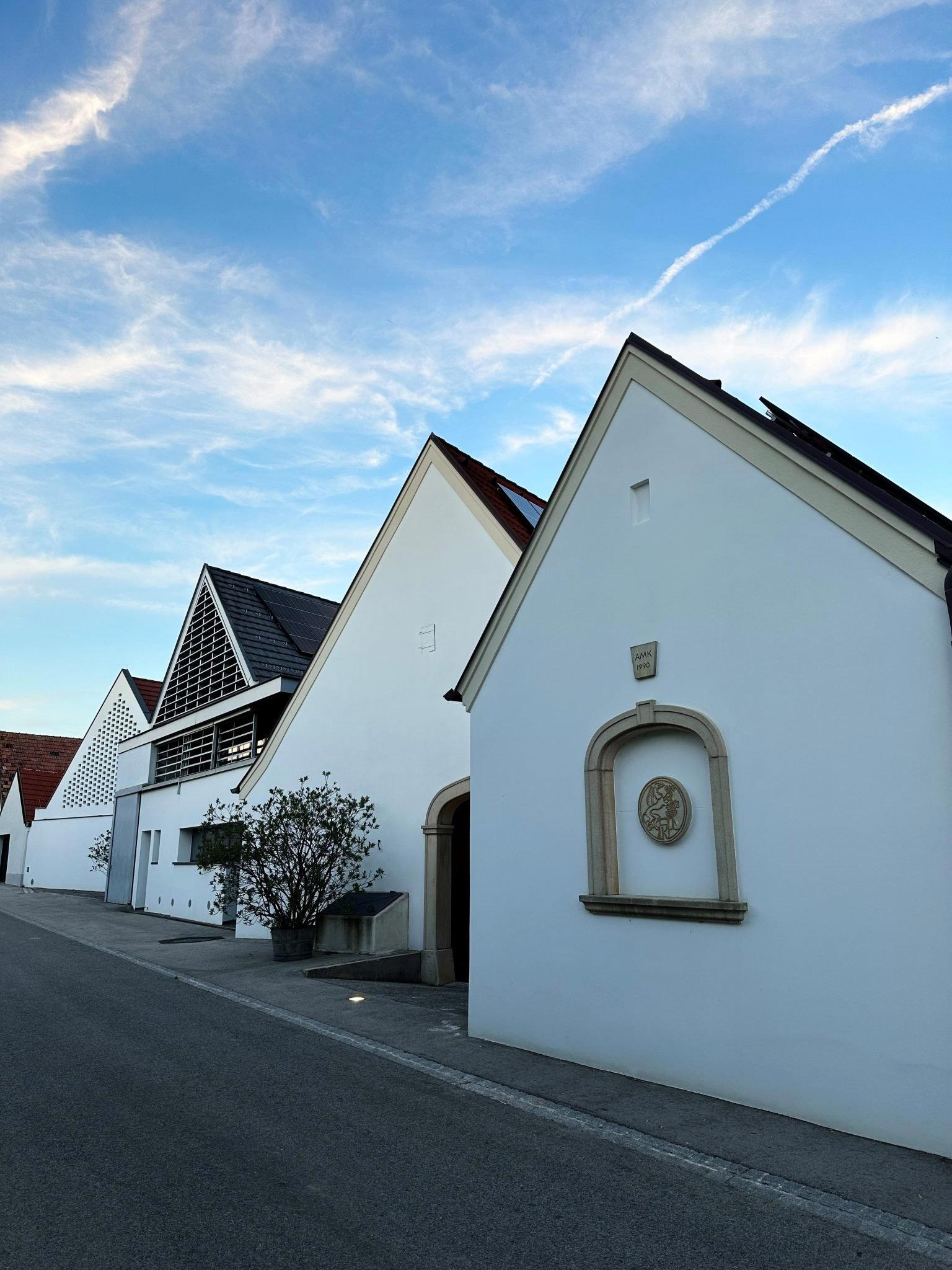
Rural Austrian restaurants of this type tend toward interiors that reflect their agricultural setting without theatrics. Stone or timber construction, modest scale, and a deliberate absence of the design-led staging that marks urban destination dining are common across the category. The approach is practical rather than aesthetic by accident: in a town like Pitten, with a population in the low thousands, the dining room serves a community function alongside whatever destination traffic it attracts from Wiener Neustadt or the Vienna-Graz corridor. This dual-audience reality shapes tone and format across comparable venues, from the more formal Artis in Graz to smaller regional rooms in the Wechsel and Bucklige Welt areas.
For travellers arriving from Vienna, roughly an hour's drive southeast, or from the Semmering direction, the shift in register from urban restaurant to rural Gasthaus is part of the point. The comparison set for Unger is not Vienna's fourth-floor tasting-menu rooms; it is the tradition of the Austrian Landgasthof, where cooking quality and sourcing rigour can coexist with a format that doesn't require a jacket or a three-hour commitment.
Placing Pitten on Austria's Dining Map
Lower Austria as a dining region is less systematically covered than Salzburg province or Tyrol, where venues like Gourmetrestaurant Tannenhof in Sankt Anton am Arlberg, Griggeler Stuba in Lech, and Stüva in Ischgl attract ski-season audiences and the international press that follows them. The region's relative low profile in food media is partly structural: without a resort economy or a major Michelin constellation to anchor the narrative, restaurants like those in Pitten operate below the threshold of most international coverage.
For context on what herb-forward and produce-led Austrian cooking looks like at its most developed, Kräuterreich by Vitus Winkler in Sankt Veit im Pongau offers a useful reference point, as does Ois in Neufelden for the kind of regional specificity that Austrian rural dining can achieve when sourcing and technique align. At the international end of the comparison, the disciplined sourcing logic that drives restaurants like Le Bernardin in New York City and Atomix in New York City shares a philosophical root with what smaller European regional rooms pursue at a different scale and price point.
Planning a Visit to Pitten
Pitten is most practically reached by car from Vienna (approximately one hour via the S6 motorway) or by regional rail from Wiener Neustadt, which sits on the main Vienna-Graz line. The town itself has limited accommodation, which means most visitors to Unger arrive as day-trippers or as part of a wider Lower Austrian route. Wiener Neustadt, around 20 kilometres to the north, offers the closest range of hotels and functions as a practical base for exploring the Bucklige Welt and Pittental area. For a fuller picture of what the area offers at the table, our full Pitten restaurants guide covers the local scene in more detail. Additional Austrian reference points worth building into a broader itinerary include Schwarzer Adler in Hall in Tirol, Restaurant 141 by Joachim Jaud in Mieming, and Atelier Fischer in Sankt Gilgen, each representing a distinct register of Austrian regional cooking.
Frequently asked questions
Is Unger suitable for children?
Pitten is a small agricultural town on the Wiener Neustädter Strasse, and restaurants in this setting typically accommodate families without issue.
What is the atmosphere like at Unger?
Unger sits at Wiener Neustädter Str. 167 in Pitten, a working agricultural town in the Lower Austrian foothills rather than a resort destination. Rural Austrian restaurants of this type generally run toward practical, unhurried rooms that reflect their surroundings rather than performing at them, expect substance over staging.
How far is Unger in Pitten from Vienna, and is it practical as a day trip?
Pitten sits roughly one hour south of Vienna via the S6 motorway, and regional rail connects from Wiener Neustadt to the town for those without a car. The address at Wiener Neustädter Str. 167 is accessible enough to function as a lunch or dinner destination without an overnight stay, making it a plausible excursion from the capital into Lower Austria's quieter agricultural south.
What dish is Unger famous for?
Given its location in Lower Austria's agricultural lowlands, the broader regional kitchen here draws on seasonal produce, root vegetables, and local meat, though what Unger specifically puts on the plate would need to be confirmed with the venue.
Where is Unger in Pitten?
Unger is located at Wiener Neustädter Str. 167, 2823 Pitten, Austria, Pitten.
Do they take walk-ins at Unger?
Rural Lower Austrian restaurants at this postcode tend to operate at a pace that can accommodate walk-ins outside peak weekend hours, but calling ahead is the practical approach given the distance many visitors travel from Vienna or Wiener Neustadt.
What's the standout thing about Unger?
Unger's position in Pitten places it in a part of Lower Austria that receives far less systematic dining coverage than the Salzburg or Tyrolean resort circuits, which means the venue operates outside the usual critical traffic. For travellers making the hour-long drive from Vienna on the S6, that relative obscurity is the point.
At-a-Glance Comparison
Comparable venues nearby, for context on price, style, and recognition.
| Venue | Cuisine | Price | Notes |
|---|---|---|---|
| UngerThis venue (the venue you are viewing) | Modern Austrian Regional | Not listed | Not listed |
| Restaurant Alexander | Modern Austrian with International Influences | $20–30 | Gallbrunn |
| Wachauer Stube | Regional Austrian | $20–30 | Melk |
| Ludwig & Adele | Modern Austrian | $20–30 | Staatsoper |
| zuckergoscherl am Rochusmarkt | Modern Austrian with Vegan Options | $20–30 | Wien-Mitte |
| Das Schmidt | Modern Austrian Lakeside Cuisine | Not listed | Mörbisch am See |
Continue exploring
More in Pitten
Restaurants in Pitten
All restaurants in Pitten →
Bars in Pitten
Browse all →

Details
- Rustic
- Cozy
- Dinner
- Standalone
- Extensive Wine List
- Local Sourcing
- A La Carte
Current opening hours
- Monday
- 10:30 AM–10 PM
- Tuesday
- Closed
- Wednesday
- 10:30 AM–10 PM
- Thursday
- 10:30 AM–10 PM
- Friday
- Closed
- Saturday
- 10:30 AM–10 PM
- Sunday
- 10 AM–3 PM
Hours can change for holidays and private events. Last verified .
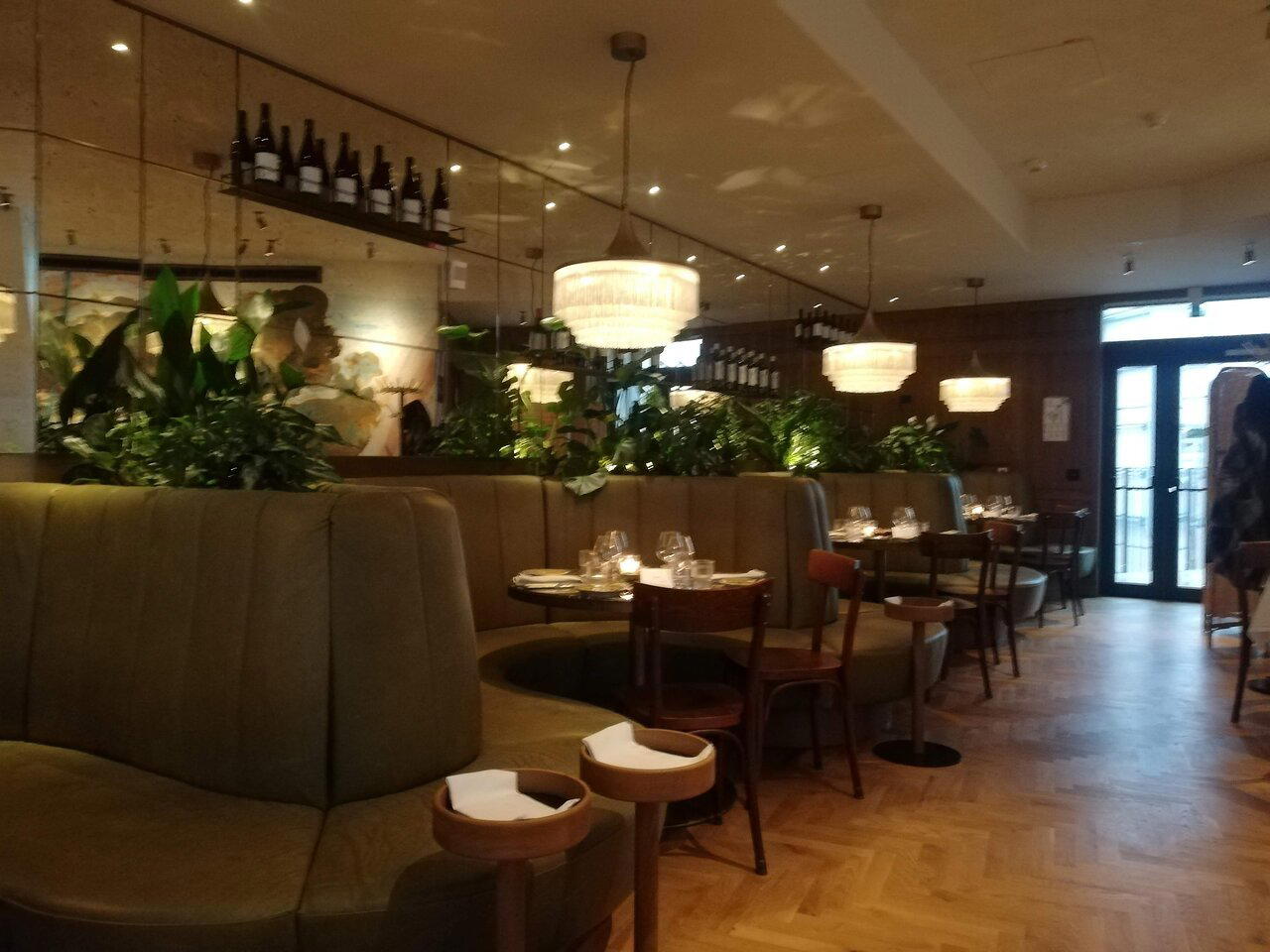
Rustic yet elegant setting with cozy, atmospheric rooms.