Das Neuhausen sits on Blutenburgstraße in Munich's Neuhausen district, a neighbourhood that has quietly consolidated a reputation for serious, neighbourhood-rooted dining away from the city's formal fine-dining corridor. The address places it among a local comparable set that values craft over ceremony, making it a reference point for understanding how Munich's residential dining scene operates at its upper registers.
Pearl is the En Primeur Club membership app — saves, bookings, and concierge access live there. Same editors, same standards.
- Address
- Blutenburgstraße 106, 80636 München, Germany
- Phone
- +498918975570
- Website
- dasneuhausen.de
- Directions
- Get directions
 Saves & bookings on Pearl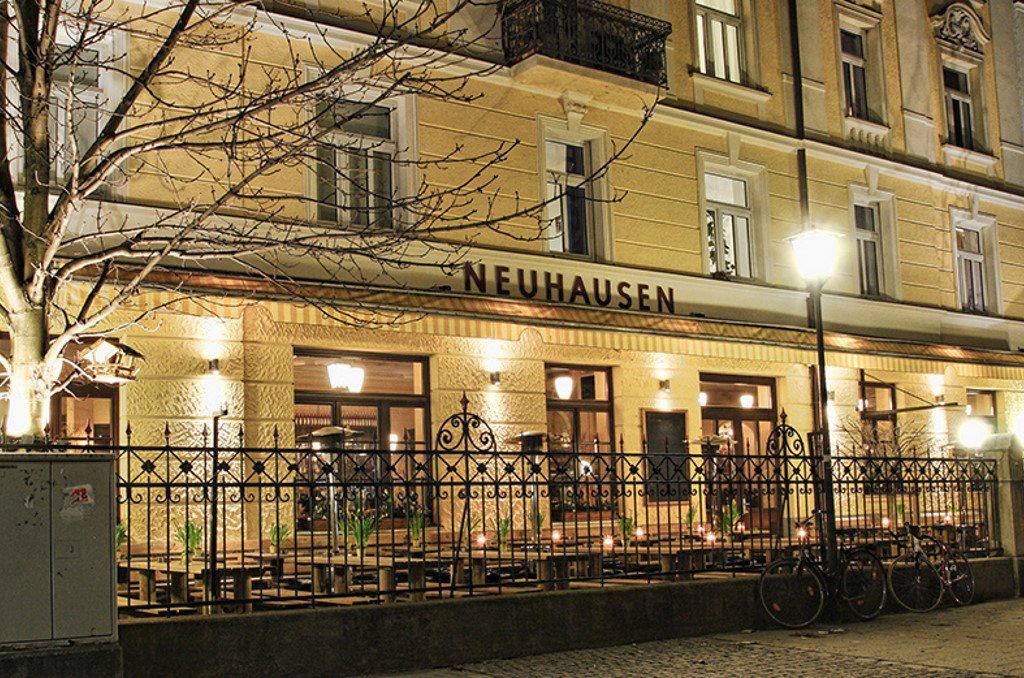
Neuhausen's Dining Character and Where Das Neuhausen Sits Within It
Munich's fine-dining conversation tends to concentrate around Maxvorstadt and the city centre, where addresses like Tantris, Atelier, and Alois - Dallmayr Fine Dining compete in a Michelin-weighted bracket defined by high ceremony and multi-course formats. Neuhausen operates differently. The district, running west from Rotkreuzplatz toward Nymphenburg, has developed a denser, more residential dining culture where the expectation is technical seriousness without the formal architecture of a destination restaurant. Das Neuhausen, at Blutenburgstraße 106, occupies that space: a local address that draws from the neighbourhood's expectation of quality, not from proximity to tourist circuits.
That positioning matters for how you read the room. Cities like Berlin have seen this most visibly, with operations such as CODA Dessert Dining reframing what a serious dining experience can look like outside the traditional starred-restaurant template. Munich has followed its own version of that trajectory, and Neuhausen has absorbed much of it.
The Intersection of Local Product and Imported Technique
Bavaria's larder is specific: Alpine dairy, freshwater fish from lakes to the south and east, game from the surrounding forests, and a root vegetable and brassica tradition that extends deep into autumn and winter. What has changed across German restaurant culture in the past fifteen years is the willingness to apply technique drawn from French, Japanese, and Nordic kitchens to that indigenous product base without erasing its character. The results, at their leading, produce something that reads as distinctly Bavarian in raw material but carries structural precision from elsewhere.
This editorial angle defines some of Germany's most compelling recent cooking. At the high end, addresses like Tohru in der Schreiberei have made the German-Japanese intersection explicit, earning recognition for applying Japanese technique directly to southern German ingredients. Further afield, ES:SENZ in Grassau, drawing from the Chiemgau Alps, and Schanz in Piesport represent how regional product specificity can anchor a kitchen's identity regardless of the technical lineage behind it. Das Neuhausen sits within that broader German pattern, operating in a neighbourhood where the expectation is that the kitchen knows its regional suppliers and has the skill to do something precise with what they provide.
For comparison, French-influenced fine dining in the German south has long used Bavarian product as raw material for classical structure. The difference in Neuhausen is scale and register: the neighbourhood format strips away the grand-hotel context and asks the food to carry the room on its own terms.
Atmosphere and the Neuhausen Dining Contract
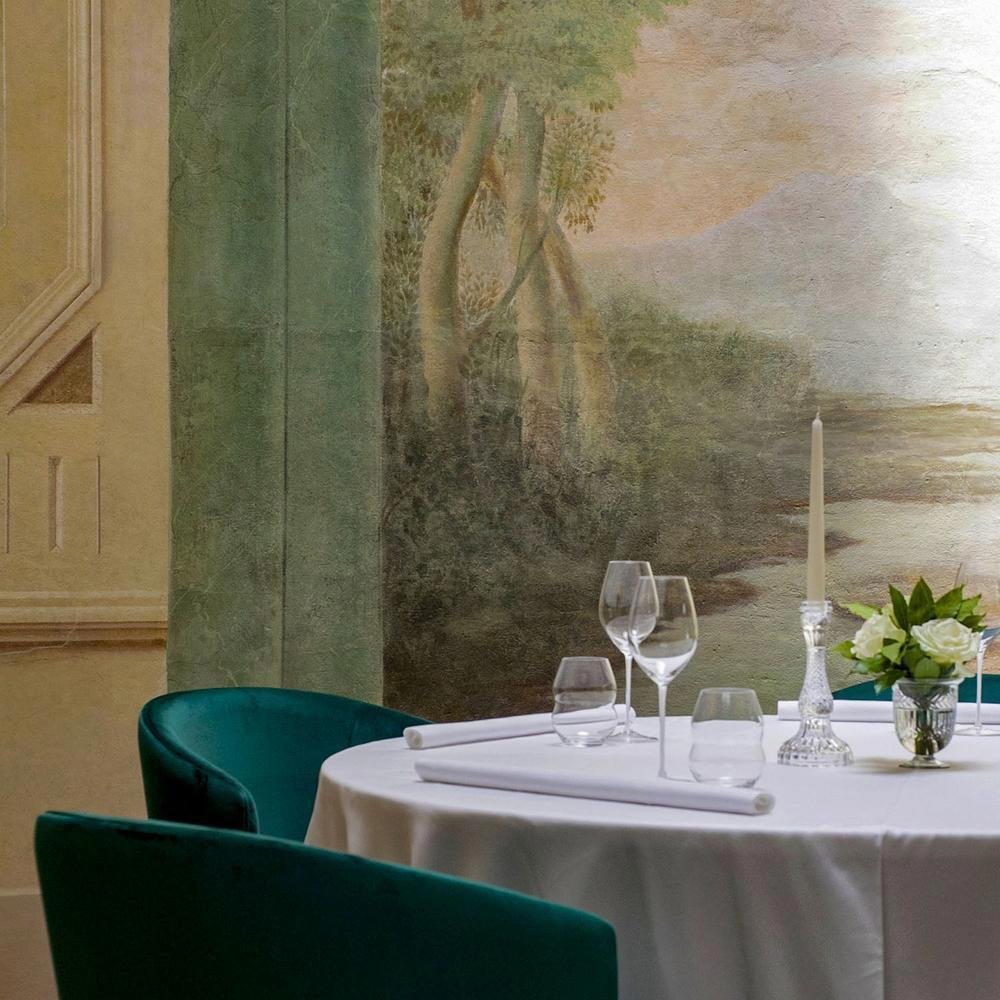
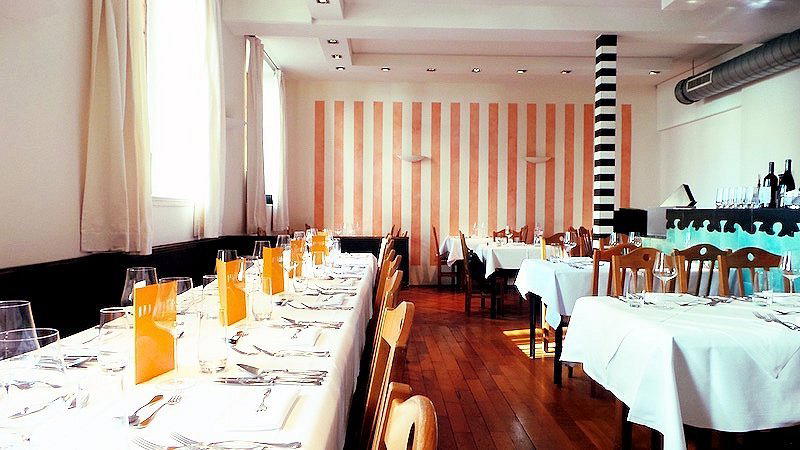
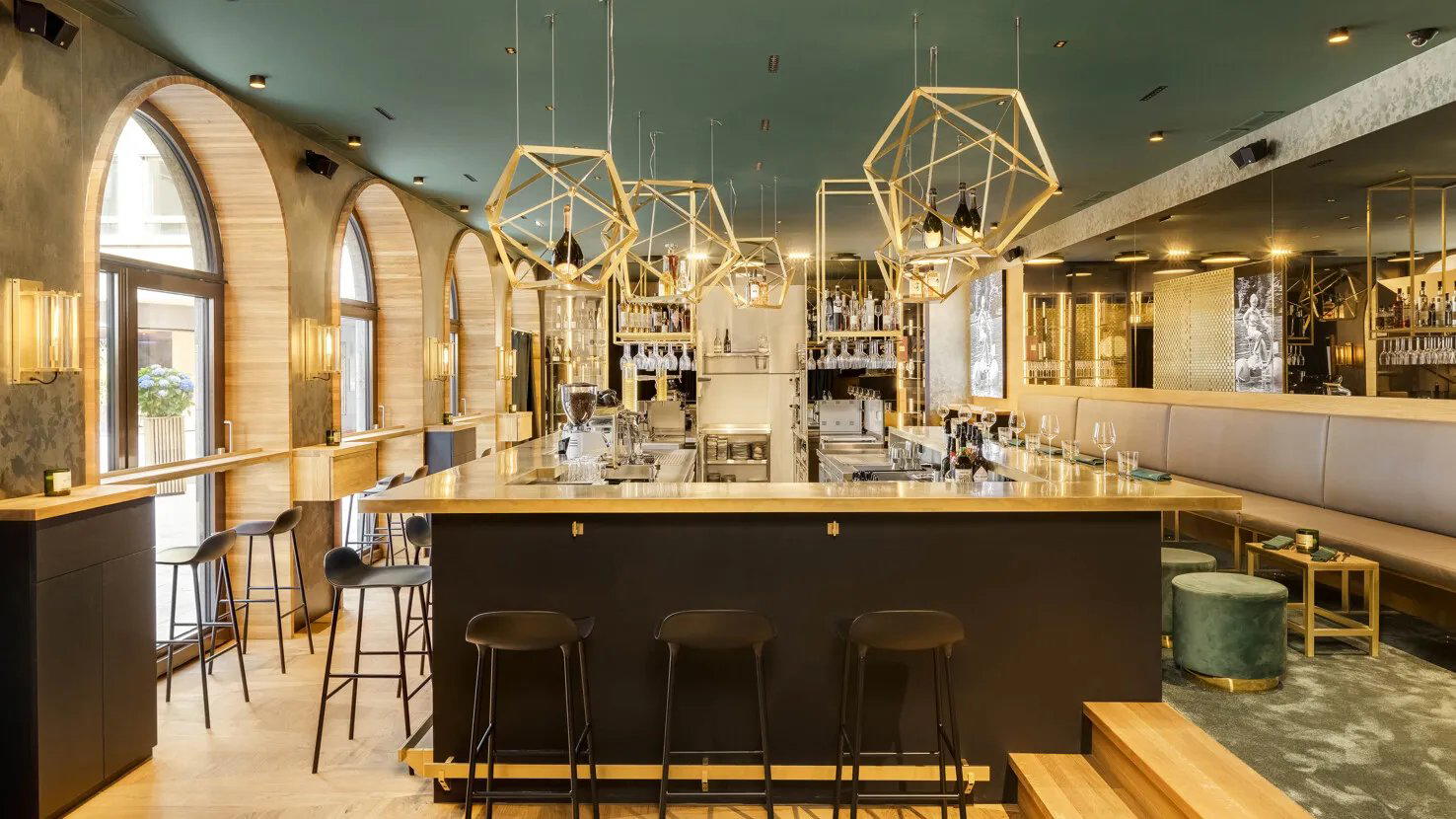
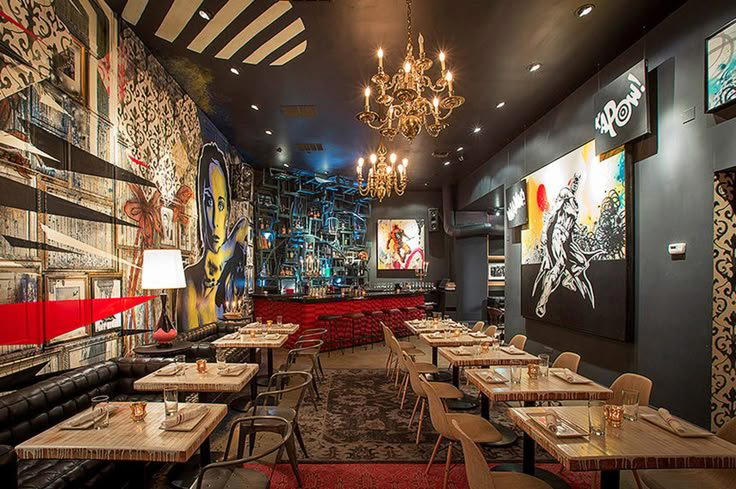
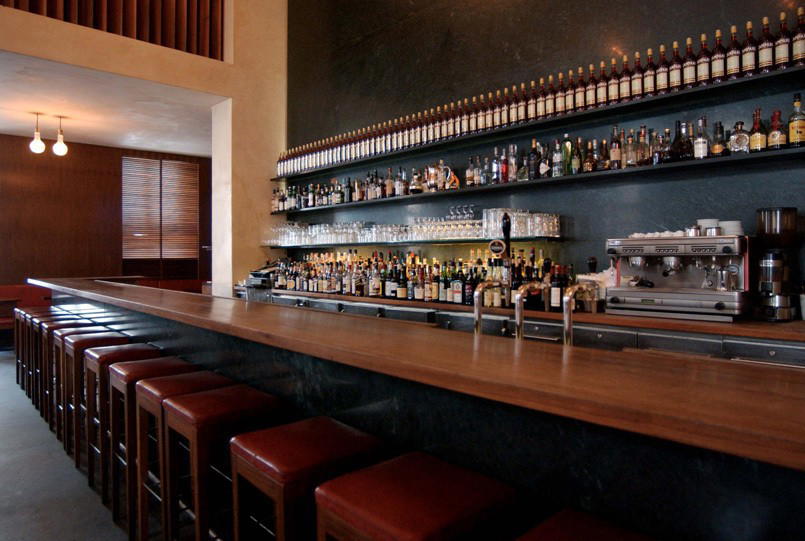
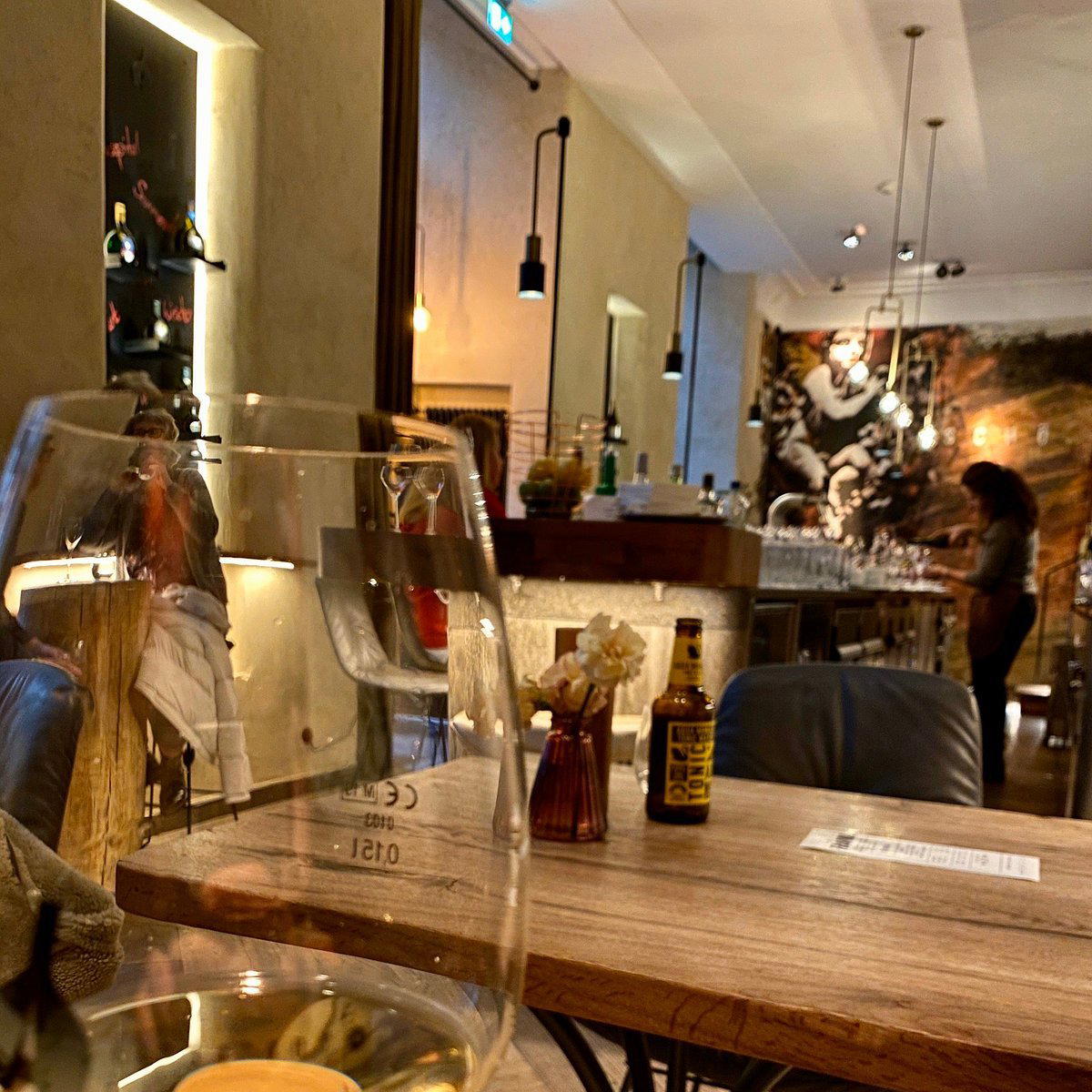
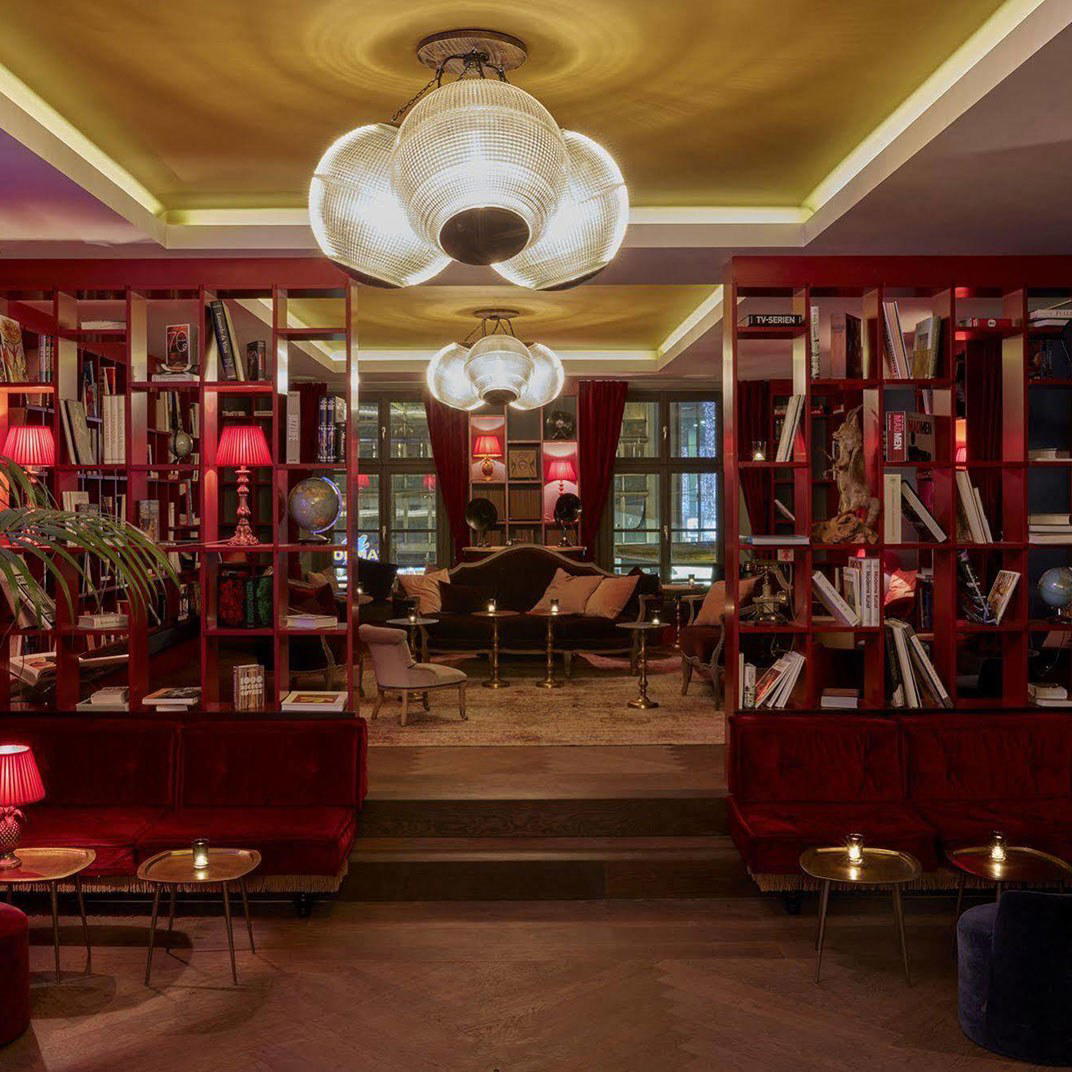
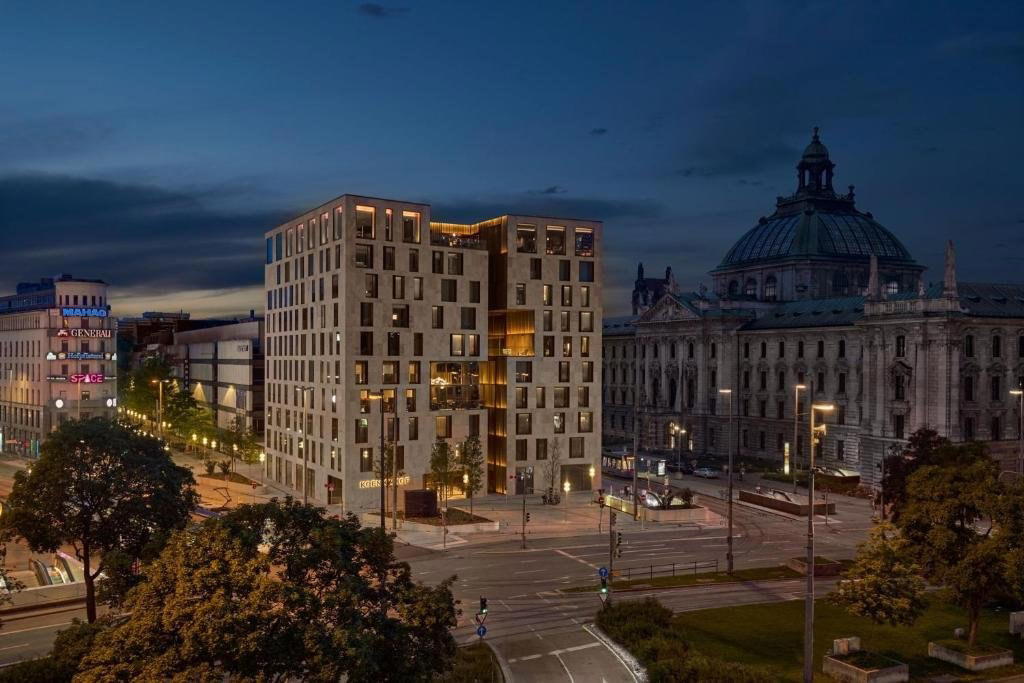
Arriving on Blutenburgstraße, the street reads as a working residential artery rather than a dining destination strip. That is the point. Restaurants that operate in this register typically make a specific offer to their guests: the ceremony is in the plate, not in the approach. Tables are close, the room is ungrand, and the conversation between guests and kitchen is shorter than at a formal tasting counter. For Munich, where the dominant high-end format involves either old-school French luxury, as at Tantris, or the studied neutrality of a hotel fine-dining room, a neighbourhood address with its own particular character represents a different contract entirely.
That contract is familiar to anyone who has spent time in the dining culture of cities like Hamburg, where Restaurant Haerlin anchors the formal end of a broad spectrum, or in Trier, where Bagatelle operates in a similar neighbourhood-serious register. Internationally, the neighbourhood-serious format has been refined over decades in cities like San Francisco, where Lazy Bear built a format around technical ambition in a stripped-back setting, or New York, where Le Bernardin represents the formal end of what serious cooking in a city dining context can achieve. The restaurant reads against the Munich comparable set rather than the international one, but the underlying dynamic, craft served without excess ceremony, is consistent.
Munich's Wider Fine-Dining Context
For visitors building a Munich itinerary, it helps to understand that the city's serious restaurant tier is not monolithic. JAN operates in a creative mode that sits outside the classical French template. Tohru in der Schreiberei has formalised the German-Japanese intersection into a format that draws national and international attention. Alois - Dallmayr Fine Dining carries the weight of a historic provisioner behind it. These are not interchangeable options; each represents a distinct position in the city's dining structure. The restaurant represents something different again: a residential-district address without the institutional weight of a hotel dining room or the formal counter format of a destination tasting menu.
Germany's most recognised kitchens outside Munich offer useful context for where serious neighbourhood cooking sits in the national hierarchy. Aqua in Wolfsburg, Vendôme in Bergisch Gladbach, and Victor's Fine Dining by Christian Bau in Perl occupy the high end of the German starred tier. Waldhotel Sonnora in Dreis represents the sustained rural-destination format. The restaurant operates in a different register from all of them, closer to the day-to-day serious dining that a city's residential districts tend to sustain.
Know Before You Go
- Address: Blutenburgstraße 106, 80636 München, Germany
- District: Neuhausen, Munich
- Address: Blutenburgstraße 106, 80636 München, Germany
- District: Neuhausen, Munich
- Price range: Moderate
- Hours: Mon: 9 AM-11 PM; Tue: 9 AM-11 PM; Wed: 9 AM-11 PM; Thu: 9 AM-11 PM; Fri: 9 AM-12 AM; Sat: 9 AM-12 AM; Sun: 9 AM-11 PM
- Dress code: Casual
- Reservations: Recommended
Price and Recognition
Comparable venues nearby, for context on price, style, and recognition.
| Venue | Cuisine | Price | Notes |
|---|---|---|---|
| Das NeuhausenThis venue — the venue you are viewing | Not listed | $$ | Not listed |
| malzraum | Neuhausen, Bavarian Home-Style | $$ | Not listed |
| Giesinger Bräustüberl | Au, Bavarian Brewery | $$ | Not listed |
| Leib und Seele | Lehel, Traditional Bavarian | $$ | Not listed |
| Schinken-Peter | Au, Traditional Bavarian | $$ | Not listed |
| Marstall Festzelt | Not listed | $$ | Theresienwiese, Traditional Bavarian Oktoberfest |
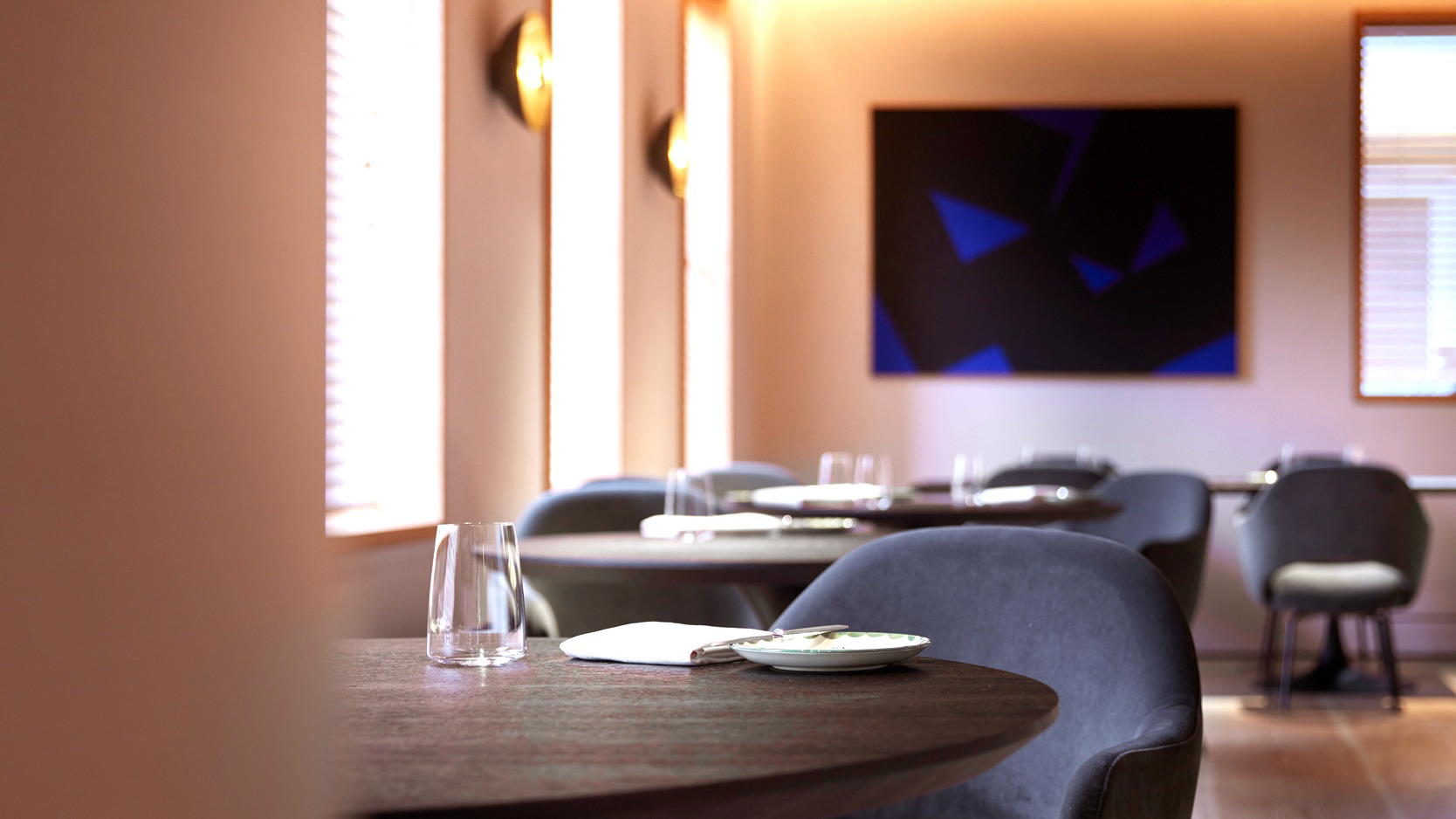
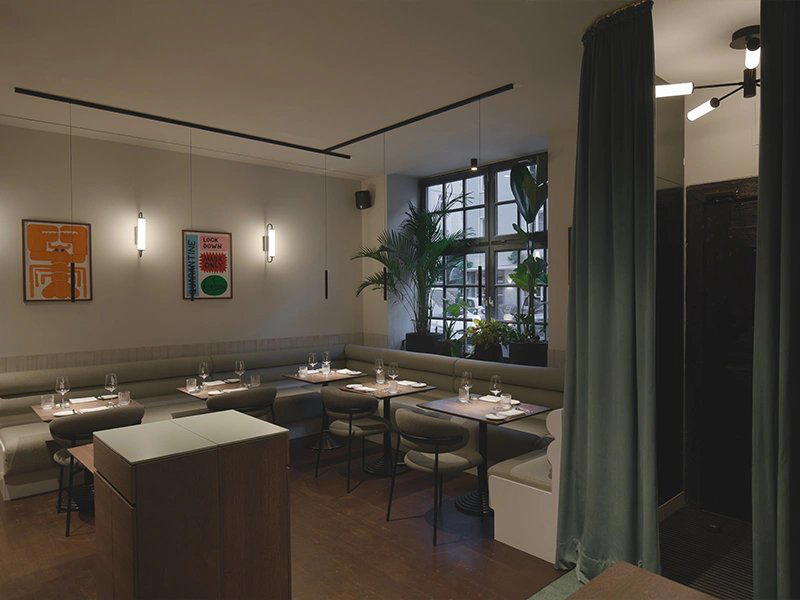
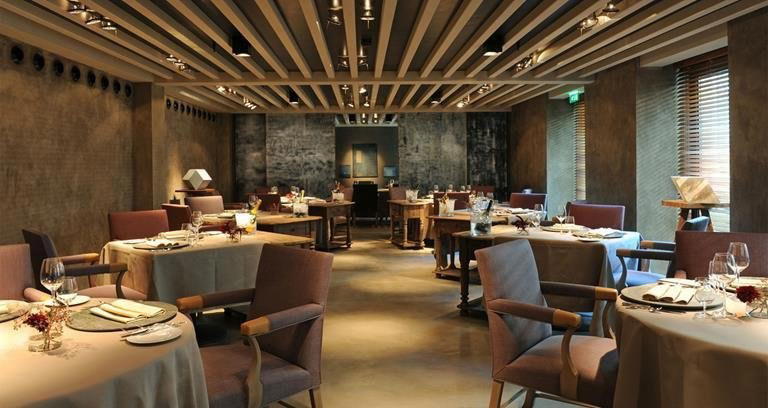
At a Glance
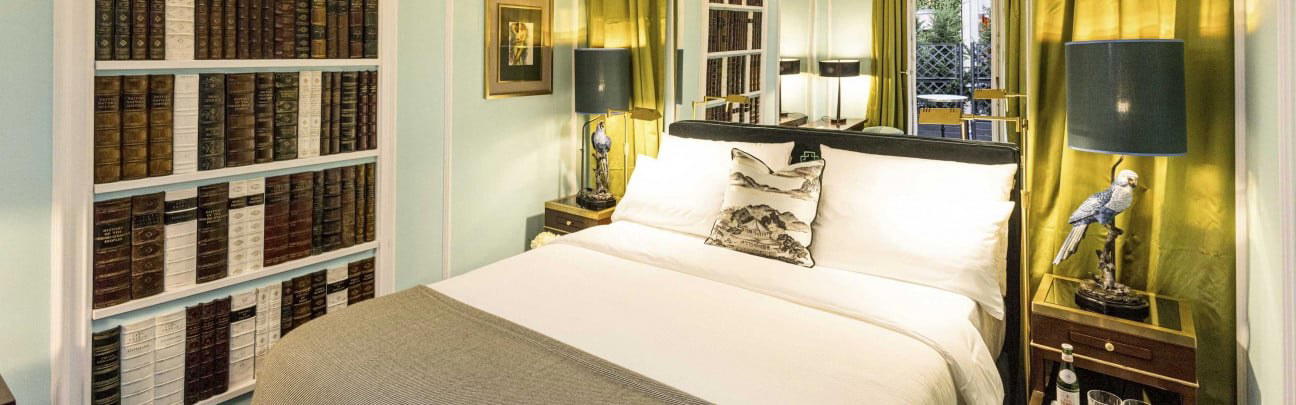
- Cozy
- Modern
- Casual Hangout
- Brunch
- Terrace
- Local Sourcing
Current opening hours
- Monday
- 9 AM–11 PM
- Tuesday
- 9 AM–11 PM
- Wednesday
- 9 AM–11 PM
- Thursday
- 9 AM–11 PM
- Friday
- 9 AM–12 AM
- Saturday
- 9 AM–12 AM
- Sunday
- 9 AM–11 PM
Hours can change for holidays and private events. Last verified .
Festive and relaxed atmosphere with liebevoller service.